
9 North Carolina Hidden Waterways Kayakers Say Feel Like A Private Escape
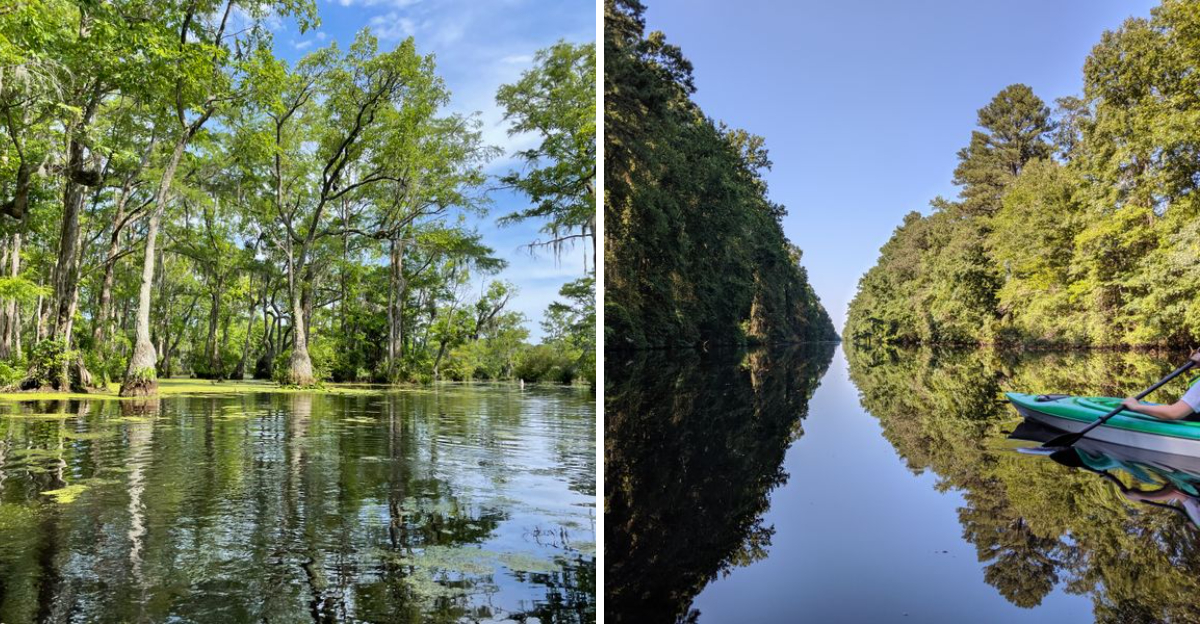
North Carolina hides some of the most peaceful waterways you’ll ever paddle through, places where the only sounds are your paddle dipping into the water and birds calling from the trees.
Most kayakers stick to the popular spots, but the real magic happens when you find those secret streams and swamps that feel like your own private world.
I’ve explored these hidden gems across the state, and each one offers something special—whether it’s ancient cypress trees, wildlife you won’t see anywhere else, or just that incredible feeling of being completely alone with nature.
Ready to discover where the locals go when they want to escape the crowds?
1. Alligator River National Wildlife Refuge Paddling Trails
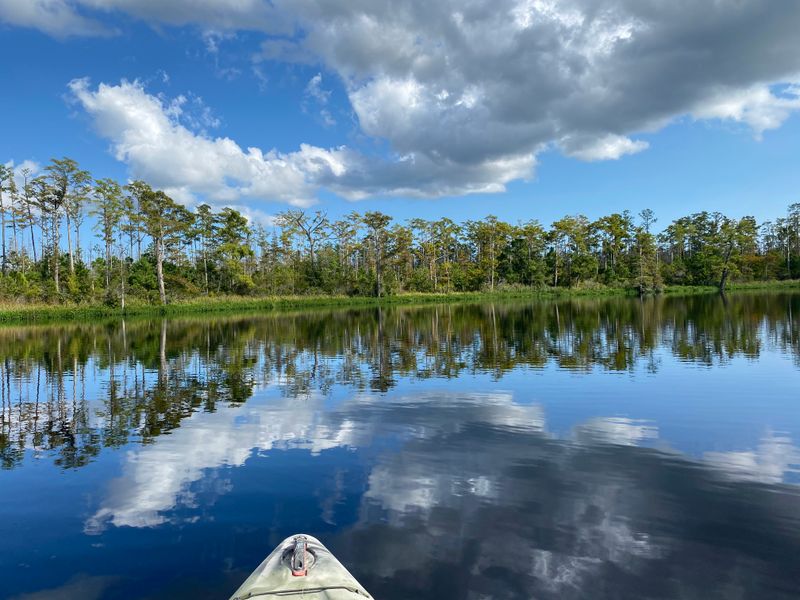
Picture yourself gliding through water so still it mirrors the sky perfectly, surrounded by wilderness that stretches for miles without a single building in sight.
Alligator River National Wildlife Refuge offers over 150,000 acres of protected wetlands where you can paddle for hours without seeing another person.
The dark, tannin-stained water winds through marshes and forests where black bears, red wolves, and yes, alligators call home.
Early morning is absolutely magical here—the mist rises off the water while birds wake up all around you.
You’ll feel like you’ve traveled back in time to what North Carolina looked like centuries ago.
The paddling trails here aren’t marked with big signs, which keeps them wonderfully quiet.
Pack your binoculars because the wildlife viewing opportunities are incredible, and don’t forget bug spray during warmer months.
This refuge truly delivers that private escape feeling you’ve been craving.
2. Merchants Millpond State Park
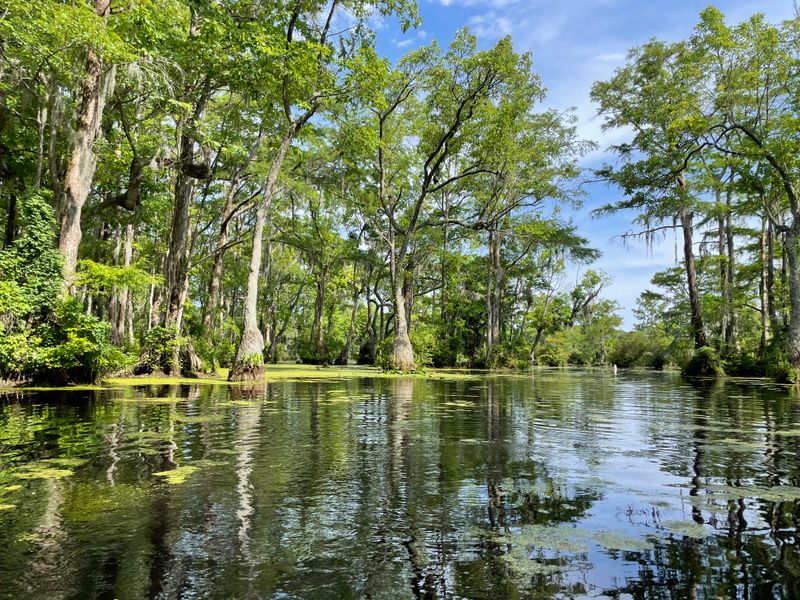
Ancient cypress trees rise from the water like nature’s cathedral columns, their knobby knees poking up everywhere while Spanish moss hangs down creating curtains you paddle right through.
Merchants Millpond feels otherworldly, especially when you venture into Lassiter Swamp where the oldest trees stand guard.
Some of these cypress giants are over 500 years old, and paddling among them makes you feel incredibly small and wonderfully connected to something timeless.
The millpond itself stays calm and protected, perfect for beginners or anyone who just wants a peaceful float.
Water lilies bloom across the surface in summer, and turtles sun themselves on every available log.
You’ll likely have entire sections to yourself, even on weekends.
The park requires a small entrance fee, but it’s absolutely worth it for the maintained launch area and facilities.
Bring a waterproof camera because the photo opportunities here are stunning at every turn.
3. Robertson Millpond Preserve
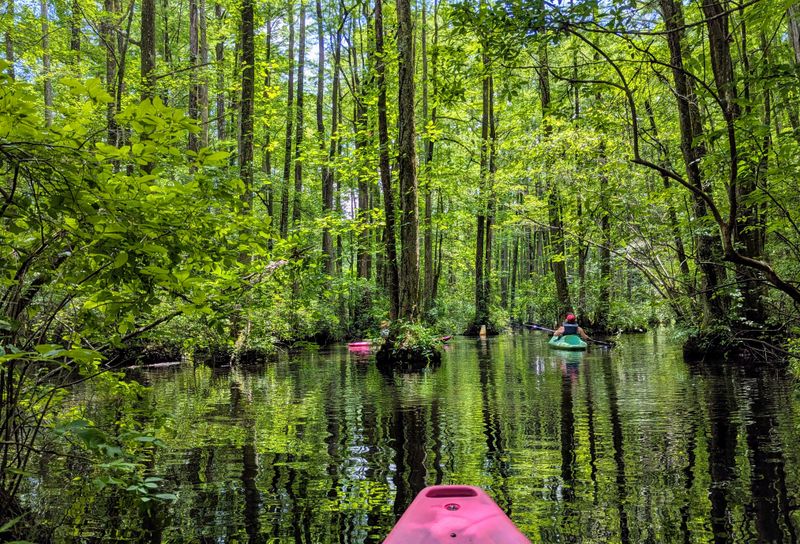
Tucked away near the Virginia border, this hidden gem rarely appears on tourist maps, which means you’ll probably have the entire 400-acre millpond to yourself.
Robertson Millpond Preserve protects one of the most pristine swamp ecosystems in the coastal plain.
The water here is incredibly dark—almost like paddling through liquid coffee—because of all the natural tannins from decaying leaves.
Navigation requires attention since the preserve has numerous channels that twist and turn through the swamp forest.
I recommend staying within sight of open water until you learn the layout, though getting temporarily lost here is part of the adventure.
Prothonotary warblers nest in the tree cavities, their bright yellow feathers flashing as they dart around.
River otters play in the channels, and if you’re quiet, you might spot one fishing.
The Nature Conservancy manages this preserve beautifully, keeping it wild while providing basic access for respectful visitors who appreciate true solitude.
4. Black River (Three Sisters Swamp Area)
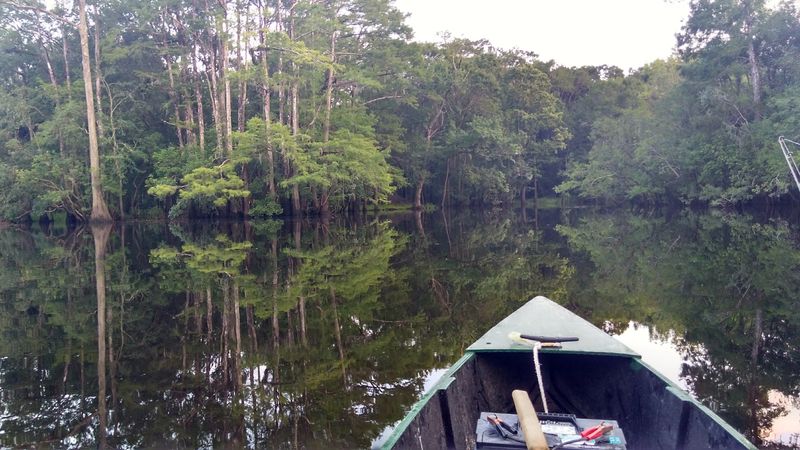
Paddling past trees that were already ancient when Columbus landed in America creates a humbling experience you won’t forget.
The Black River flows through Three Sisters Swamp where the oldest known trees in eastern North America grow—some reaching 2,600 years old.
These massive cypresses dwarf everything around them, their trunks so wide it would take several people holding hands to encircle one.
Current here is gentle, making upstream paddling manageable for most skill levels.
The river remains surprisingly narrow in places, with overhanging branches creating shaded tunnels that stay cool even on hot summer days.
Few people make the effort to reach this remote section, so encountering another paddler is rare.
You’ll need to arrange your own shuttle or plan for a longer out-and-back trip since public access points are limited.
Respect this special place by staying on the water and not disturbing the fragile swamp ecosystem surrounding these ancient giants.
5. Dismal Swamp Canal
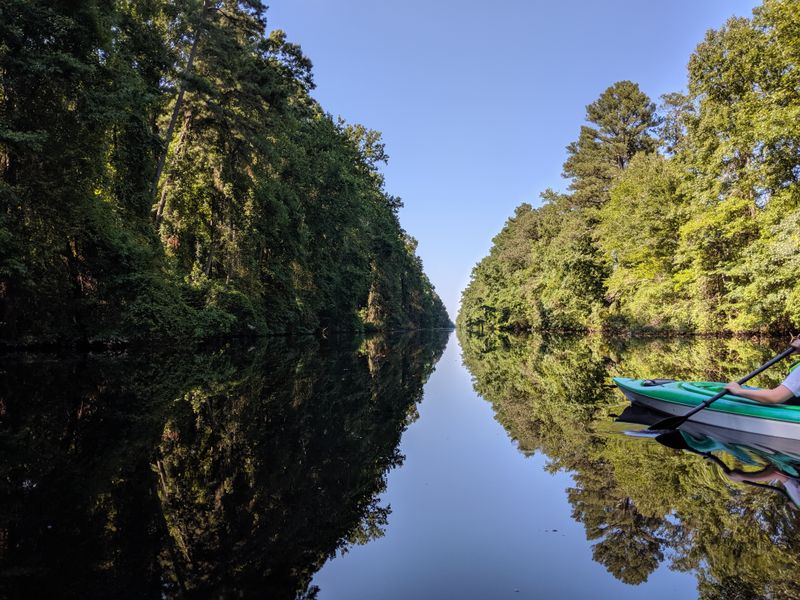
History surrounds you on this hand-dug canal that dates back to the late 1700s, making it one of the oldest continuously operating canals in America.
The Dismal Swamp Canal runs perfectly straight for miles, creating an unusual paddling experience compared to winding natural rivers.
Towering trees line both banks, their canopy meeting overhead to create a green tunnel that blocks out the rest of the world.
What makes this canal special for private escapes is its length—you can paddle for hours without seeing development or hearing traffic.
The water stays calm and protected, ideal for leisurely exploration or building endurance.
George Washington surveyed this area and invested in the canal company, adding historical significance to your journey.
Wildlife adapts well to the canal environment, with turtles, snakes, and various water birds making regular appearances.
Access points exist on both the North Carolina and Virginia sides, allowing for flexible trip planning based on how far you want to paddle.
6. New River State Park
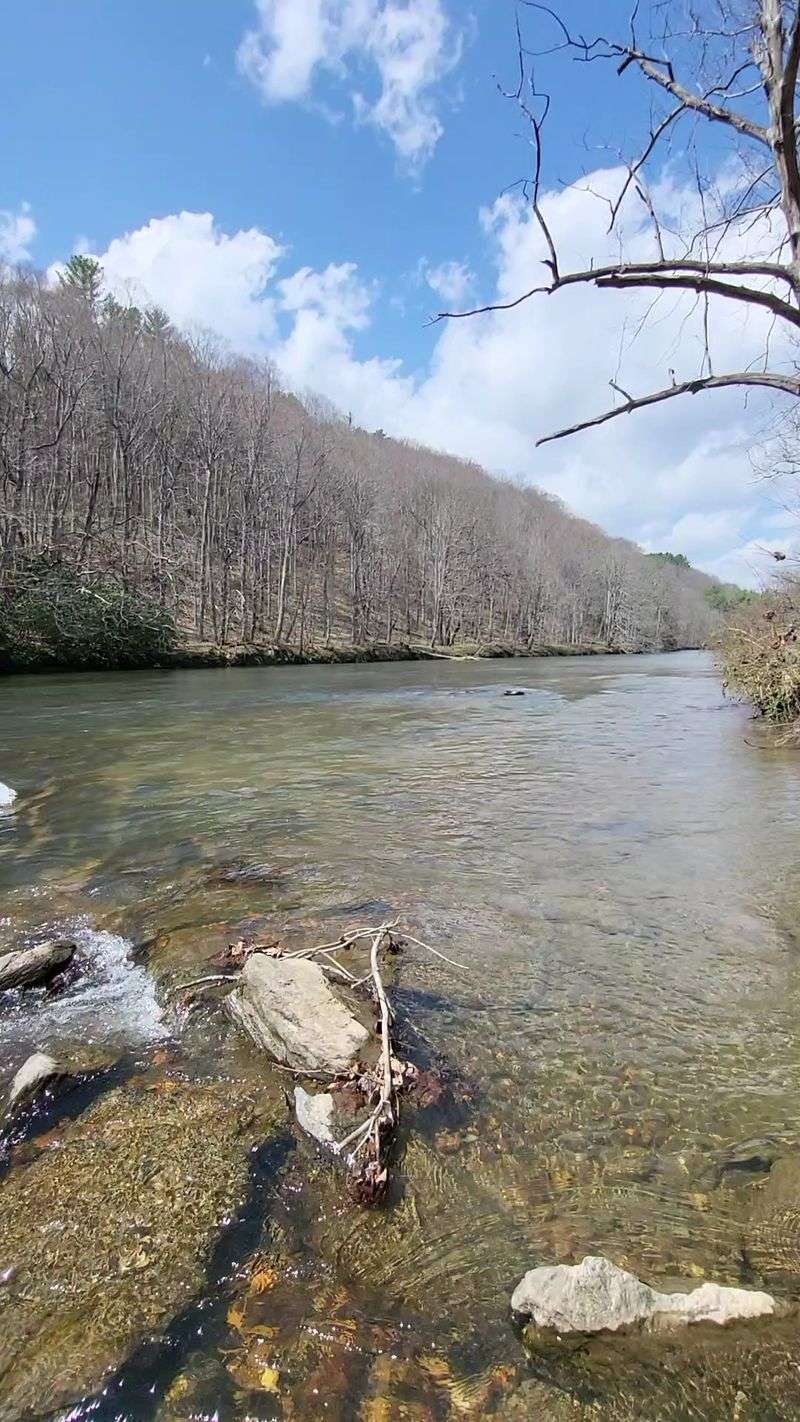
Despite its name, the New River ranks among the oldest rivers on Earth, having carved its path through the Appalachian Mountains for millions of years.
New River State Park protects 26 miles of this ancient waterway, offering multiple access points for paddlers seeking quiet mountain scenery.
The river here flows gently through farmland and forests, with the Blue Ridge Mountains rising in the distance.
Sandbars and small islands dot the river, perfect for pulling up your kayak and enjoying a picnic lunch completely alone.
The water runs clear enough to see fish swimming below, and during summer, the temperature stays refreshingly cool.
Most recreational traffic concentrates near the main park areas, so paddling the more remote sections guarantees solitude.
Camping is available if you want to extend your escape into an overnight adventure.
The park staff maintains excellent facilities while keeping the river experience natural and uncommercial, exactly what you want for a true getaway.
7. Lumber River State Park
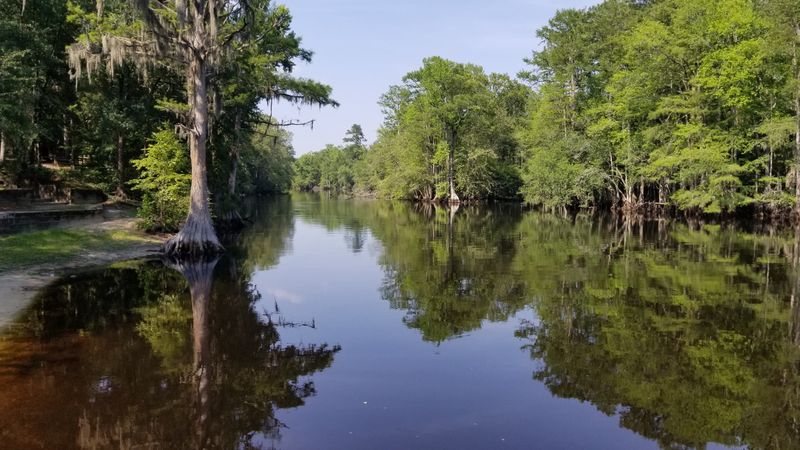
Flowing through the coastal plain, the Lumber River earned National Wild and Scenic River designation because of its outstanding natural beauty and undeveloped shoreline.
Lumber River State Park provides access to this gorgeous blackwater river where sandy beaches appear around every bend.
The current moves along steadily but gently, carrying you downstream past towering pines and cypress trees without requiring much effort.
What really sets this river apart is how remote it feels despite being relatively accessible.
You can paddle for an entire day and only see a handful of houses, with most of the shoreline remaining completely wild.
Sandbars make perfect rest stops where you can swim, explore, or just stretch your legs.
The river bottom stays sandy rather than muddy, so wading feels pleasant when you need to cool off.
Multiple access points throughout the park system allow for trips ranging from a few hours to multi-day camping expeditions for those seeking extended solitude.
8. Pea Island National Wildlife Refuge
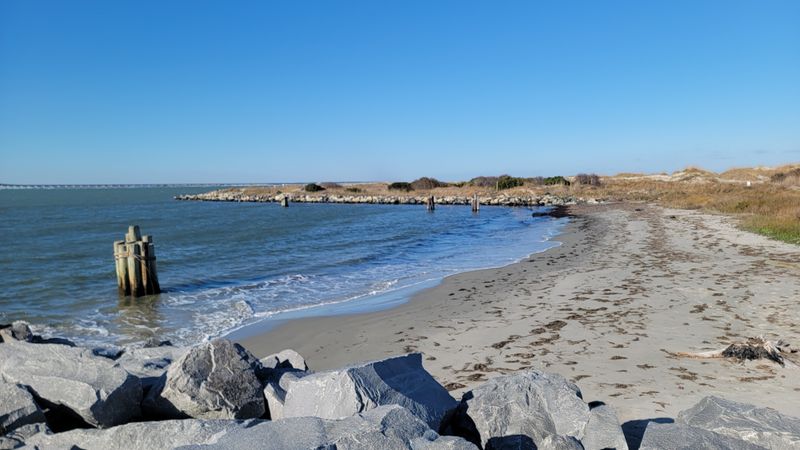
Located on the Outer Banks, Pea Island offers a completely different paddling experience with its coastal marshes and sound-side waters.
The refuge protects 5,880 acres of barrier island habitat where saltwater meets fresh, creating incredibly productive ecosystems.
Paddling the shallow sound waters and tidal creeks here feels like exploring a watery maze where every turn reveals something new.
Bird watchers consider this place paradise—over 365 species have been recorded here.
Snow geese arrive in massive flocks during winter, while summer brings nesting shorebirds and wading birds everywhere you look.
The protected waters stay relatively calm compared to the ocean side, though wind can create challenges on open water sections.
Stick to the marsh channels for the most intimate and sheltered paddling experience.
Sunrise and sunset paint the sky and water in incredible colors here, making early or late trips especially rewarding.
Few visitors bring kayaks, so you’ll likely explore these marshes in peaceful solitude.
9. Down East Kayak Paddle Trails
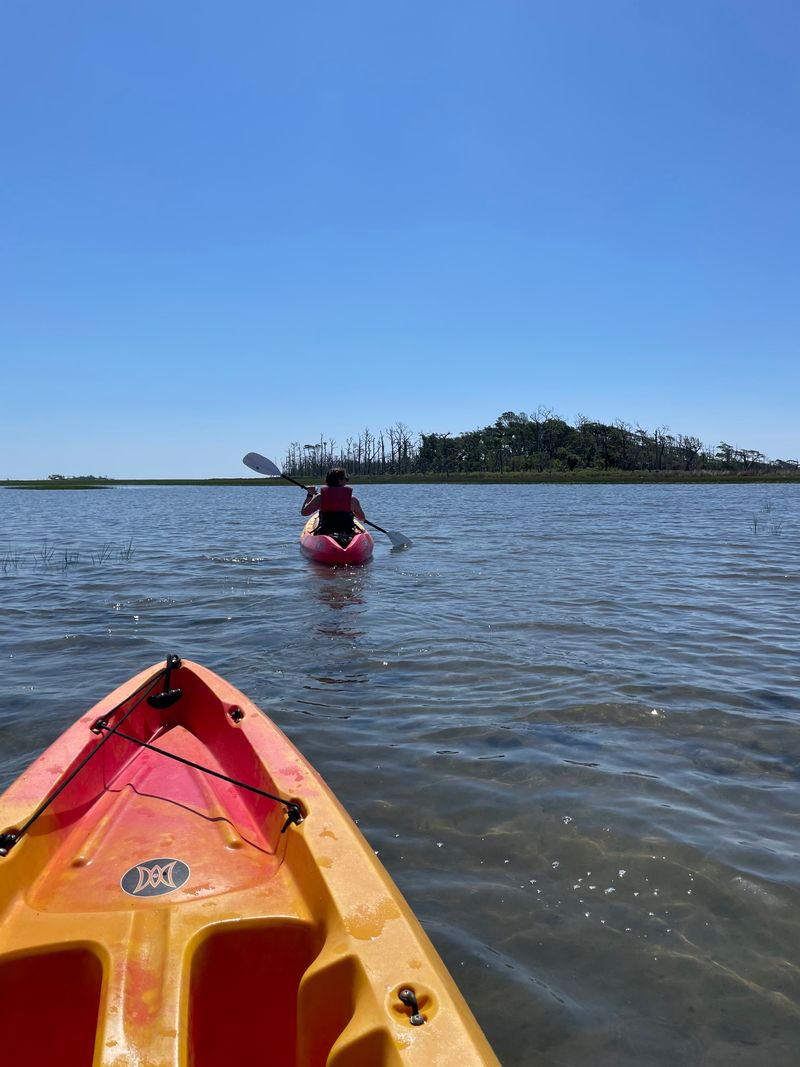
Down East refers to the remote coastal communities beyond the main tourist areas where traditional fishing culture still thrives and nature remains mostly untouched.
The kayak paddle trails here wind through salt marshes, tidal creeks, and protected sounds where dolphins sometimes swim alongside your boat.
These waterways connect small islands and coastal forests, creating endless exploration opportunities.
What makes these trails special is the authentic coastal character—you’ll paddle past working fishing boats and crab pots rather than resort developments.
The local communities embrace their isolation, which means you’ll find genuine peace on the water.
Tides matter here, so check tide charts before heading out to ensure you’re not fighting strong currents.
High tide opens up more channels and makes navigation easier through the marsh systems.
Local outfitters can provide maps and advice, though don’t expect high-tech trail markers.
Part of the adventure is discovering your own favorite routes through this beautiful, unspoiled coastal landscape.