
The Hidden Animal Sanctuary In Georgia Where Exotic Animals Are Protected
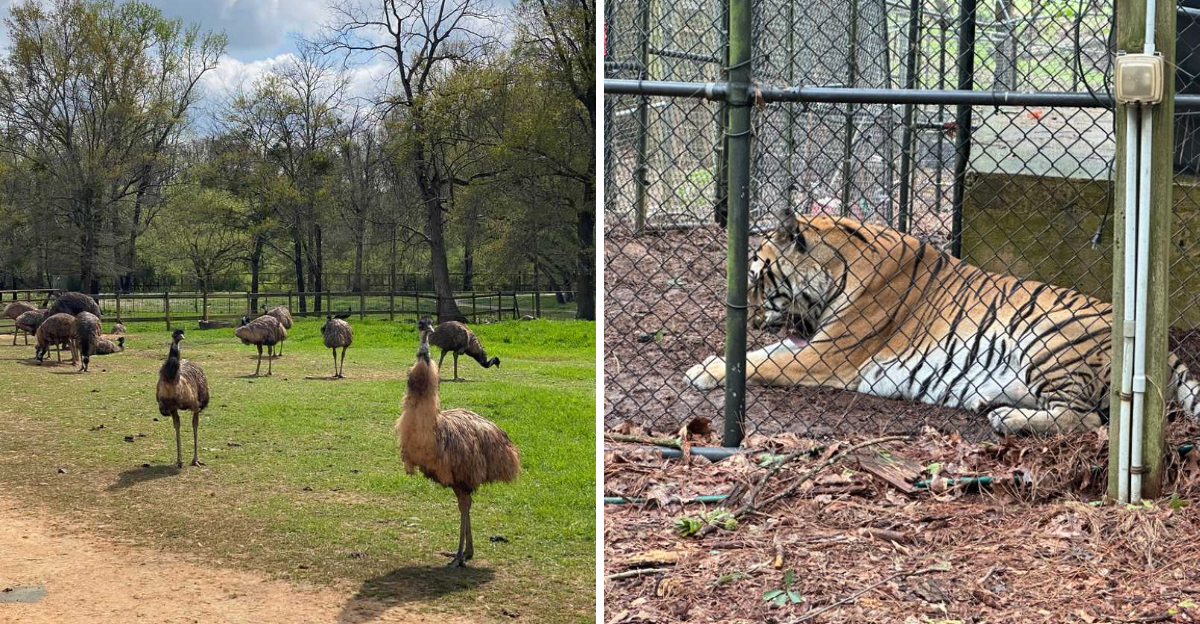
Tucked away in Locust Grove, Georgia, sits a sprawling refuge where lions, tigers, bears, and hundreds of other animals live out their days in safety.
Noah’s Ark Animal Sanctuary has been rescuing exotic creatures from neglect, abuse, and abandonment since 1978, offering them something many never had: a place to call home.
Unlike traditional zoos focused on entertainment, this nonprofit operates with a singular mission—to protect animals that have nowhere else to go.
Visitors who discover this hidden gem often leave with a deeper understanding of why sanctuaries like this are essential in a world where exotic animals still face exploitation.
121 Acres Of Hidden Sanctuary Land In Georgia
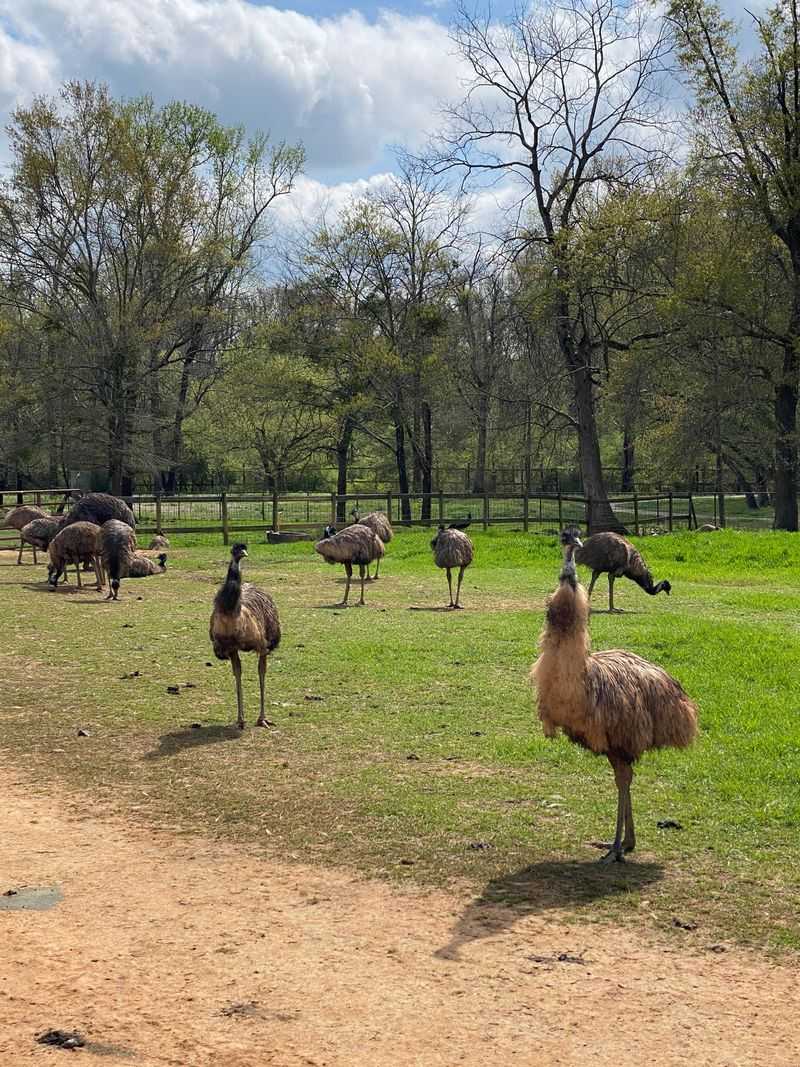
Sprawling across more than a hundred acres of wooded Georgia countryside, Noah’s Ark Animal Sanctuary occupies land that feels deliberately removed from the noise of modern life.
The property sits at 712 L G Griffin Road in Locust Grove, a location that keeps the animals sheltered from urban chaos.
Most of the acreage remains untouched, allowing natural vegetation to flourish and providing a buffer between the sanctuary and surrounding development.
Visitors often remark on the quietness of the place.
Birds call from pine branches overhead, and the air smells faintly of earth and leaves.
The layout prioritizes space over spectacle, with enclosures spread out to give each resident room to roam.
Pathways wind through the property, leading guests past habitats designed to mimic the animals’ native environments as closely as possible.
There are no flashy signs or gift shops crowding the entrance.
Instead, the sanctuary feels like a place built for the animals first, with human access granted as a courtesy.
That sense of restraint is rare and intentional.
Why This Is A True Animal Sanctuary, Not A Zoo
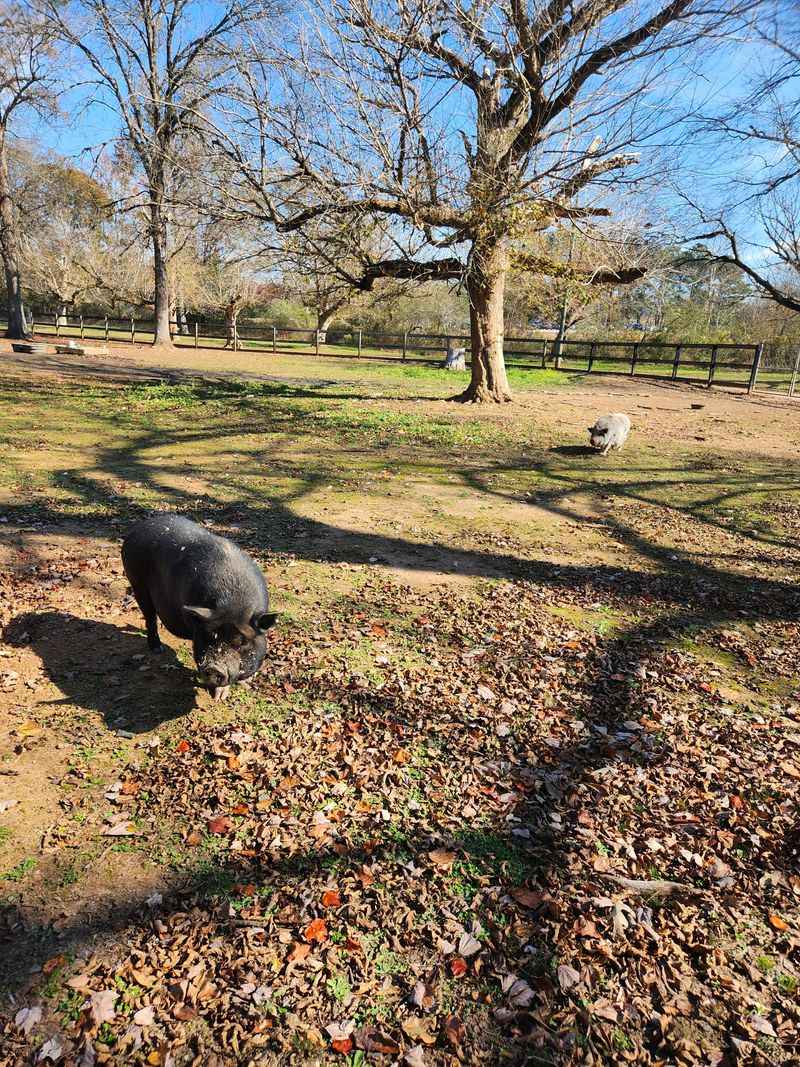
Sanctuaries and zoos may house animals, but their purposes diverge sharply.
Zoos breed animals for display and profit, rotating species to attract crowds.
Every creature here arrived because it had nowhere else to go—seized from illegal owners, surrendered by overwhelmed caretakers, or rescued from abusive situations.
Once an animal enters the sanctuary, it stays for life.
There is no breeding program, no selling, no trading.
The focus remains on providing long-term care rather than curating exhibits for entertainment value.
Staff members speak about the animals with the familiarity of caretakers, not showmen.
Visitors cannot pet, feed, or interact with the residents.
Barriers exist to protect both species, a policy that underscores the sanctuary’s commitment to animal welfare over visitor satisfaction.
This approach may disappoint those expecting a petting zoo experience, but it reflects a philosophy rooted in respect rather than spectacle.
The animals are not performers.
They are survivors.
How Exotic Animals End Up Needing Rescue
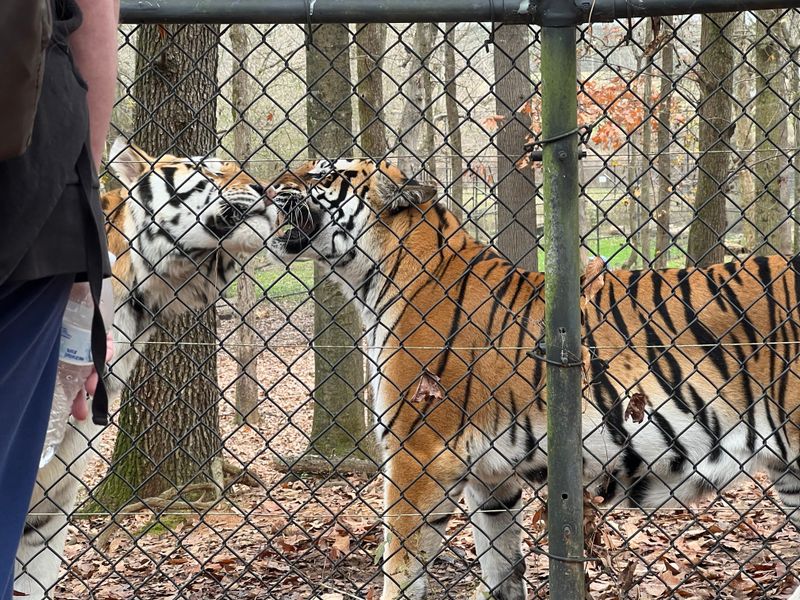
Most people do not wake up planning to own a tiger or a bear, yet the exotic pet trade thrives in America.
Baby animals seem manageable, even adorable, but they grow quickly and often become dangerous or unmanageable.
Owners who purchased them illegally or without proper knowledge soon realize they cannot provide adequate care, space, or safety.
Some animals come from roadside attractions or failed private zoos where funding dried up and conditions deteriorated.
Others are confiscated by authorities after neglect or abuse is reported.
A surprising number are surrendered voluntarily by owners who finally admit they are in over their heads.
Noah’s Ark does not judge the circumstances.
The sanctuary simply steps in when an animal needs help.
Each rescue involves coordination with law enforcement, veterinarians, and transport teams.
The process can take months, especially when animals are malnourished or traumatized.
Once they arrive, rehabilitation begins—a slow, careful process that prioritizes trust and stability over quick recovery.
Unexpected Exotic Animals Found In Georgia
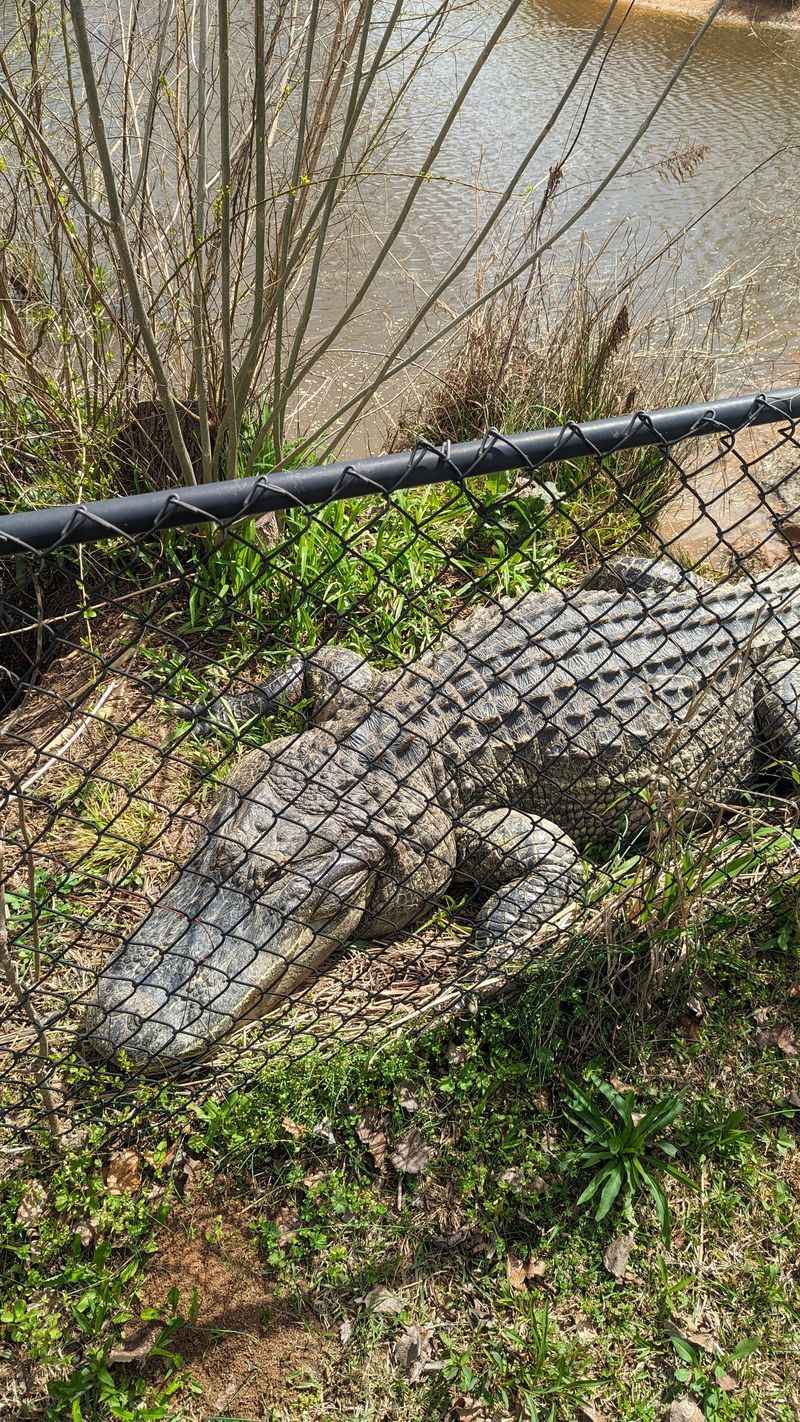
Georgia is not known for its wild lion population, yet Noah’s Ark houses several.
Tigers, leopards, and cougars also call the sanctuary home, along with bears, wolves, and primates.
The variety of species reflects the breadth of the exotic pet problem across the United States.
Some animals arrived from within Georgia itself, proof that illegal ownership is not limited to distant states or rural backwaters.
Others traveled from across the country, transported by rescue networks working to find safe placements.
The sanctuary has taken in everything from emus to alligators, each with its own story of displacement.
Visitors often express surprise at the sheer diversity of residents.
Seeing a grizzly bear in Georgia feels surreal, yet the animal’s presence underscores a larger issue: exotic creatures are being kept in places they do not belong, by people who cannot care for them.
Noah’s Ark exists because that problem persists.
The animals are unexpected only because they should never have been here in the first place.
Every Animal Has A Permanent Home
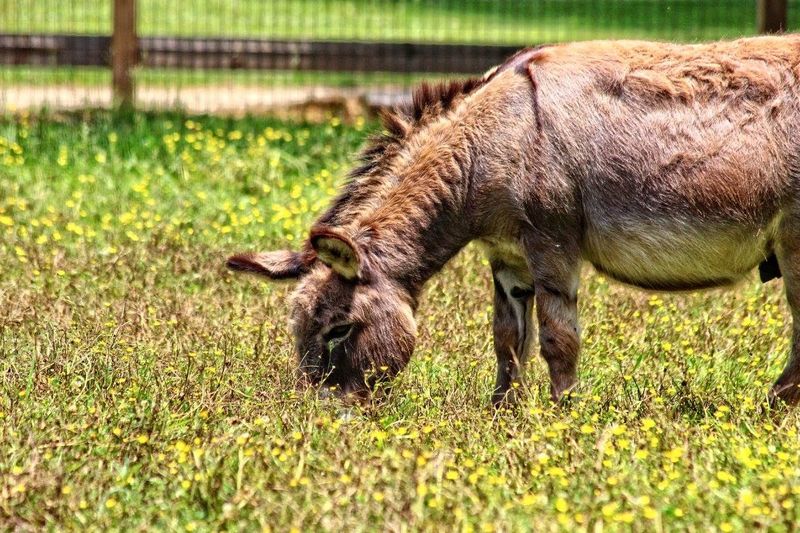
Permanence is a rare gift in the world of animal rescue.
Many shelters operate as temporary holding facilities, moving animals along to new placements as quickly as possible.
Noah’s Ark rejects that model entirely.
Once an animal arrives, it stays until the end of its natural life.
This commitment requires significant resources.
Large predators live for decades and demand specialized diets, veterinary care, and constant habitat maintenance.
The sanctuary does not take in animals lightly, knowing each admission represents a lifelong obligation.
But that promise of stability is precisely what sets true sanctuaries apart.
For animals that have been shuffled between owners, abused, or neglected, the consistency matters.
They learn that their enclosure will not disappear, that their meals will arrive on schedule, and that the humans around them will not suddenly vanish.
Over time, trust develops.
Some animals never fully recover from past trauma, but all benefit from knowing they will not be moved again.
It is a quiet form of healing.
Daily Life Inside The Sanctuary

Mornings at Noah’s Ark begin before the gates open to visitors.
Staff arrive early to prepare meals, check on animals, and clean enclosures.
Each species has specific dietary needs, and preparing hundreds of meals requires careful organization.
Lions receive raw meat, primates get fresh produce, and bears enjoy a mix of protein, fruits, and vegetables.
Feeding schedules are staggered throughout the day to keep the animals engaged and to allow staff time to monitor each resident’s health.
Behavior changes, appetite shifts, or signs of discomfort are noted and reported.
Veterinarians visit regularly, but daily observation by trained caregivers often catches problems early.
Afternoons involve maintenance work—repairing fences, refreshing water sources, and enriching habitats with new scents or objects to stimulate curiosity.
The work is repetitive but essential.
Visitors see only a fraction of the effort required to keep the sanctuary running smoothly.
By evening, the grounds quiet down, and the animals settle into their routines, knowing tomorrow will look much the same.
Why Visitors Can’t Touch The Animals
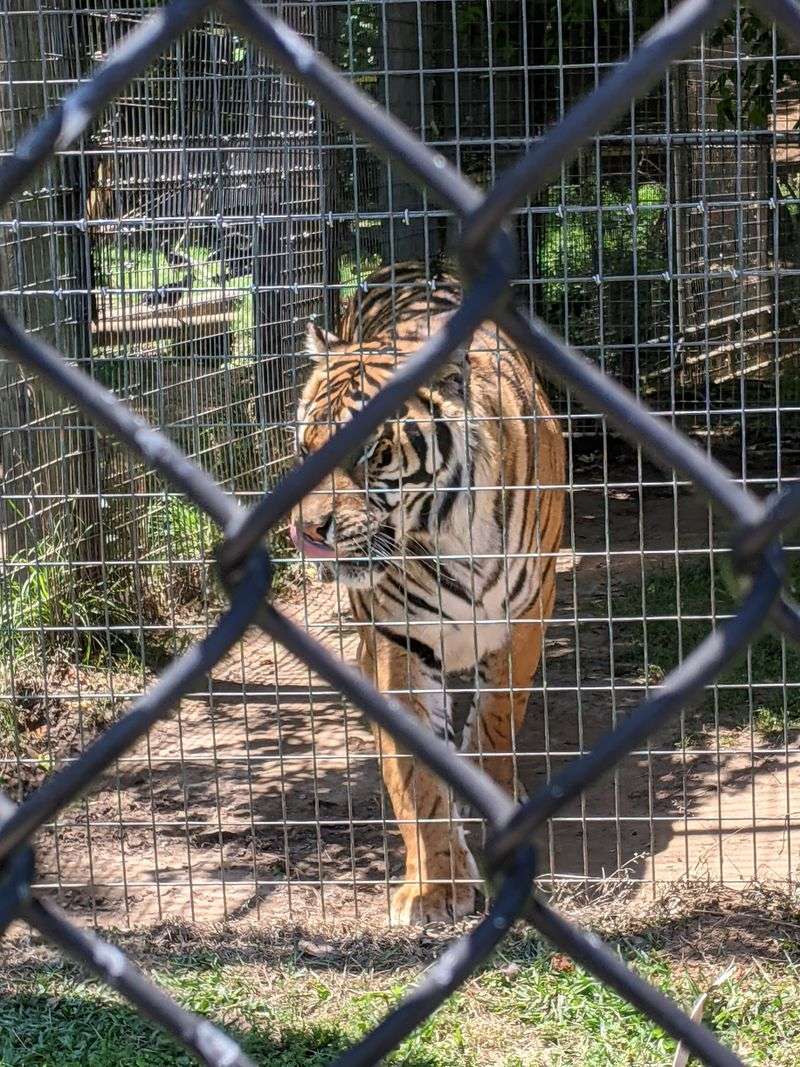
Touching a tiger sounds thrilling, but it is dangerous for both human and animal.
Noah’s Ark enforces strict no-contact policies, a rule that frustrates some guests but protects everyone involved.
Exotic animals are not domesticated.
Even those raised in captivity retain instincts that can turn deadly without warning.
Allowing physical interaction also stresses the animals.
Constant handling disrupts their routines and forces them into situations that feel threatening.
Sanctuaries that permit petting or photo opportunities often prioritize profit over animal welfare, a line Noah’s Ark refuses to cross.
Barriers exist for a reason.
Visitors observe from designated pathways, keeping a respectful distance that allows the animals to move freely without feeling cornered or threatened.
Education happens through observation, not interaction.
The policy may seem rigid, but it reflects a deeper respect for the animals’ autonomy.
They did not choose to be here, and they should not be forced to perform or entertain.
Their comfort comes first.
Education Comes Before Entertainment
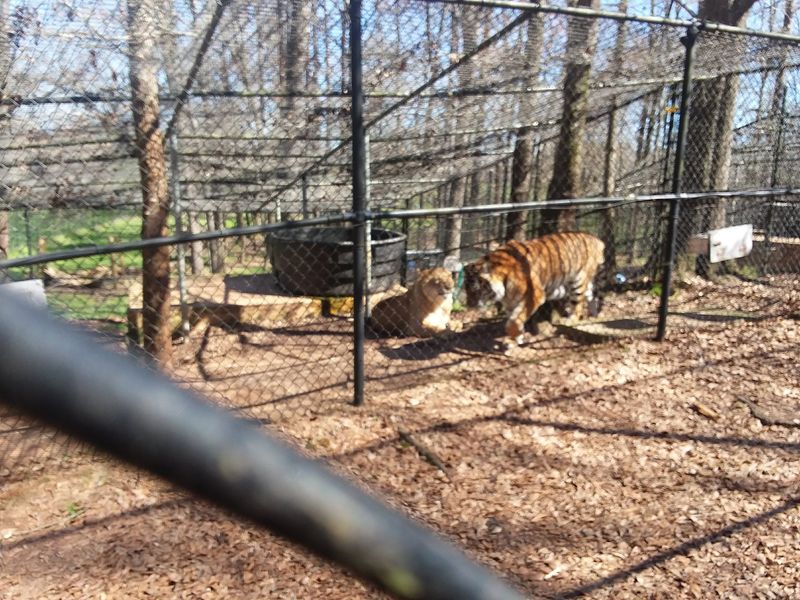
Noah’s Ark operates on the belief that understanding leads to change.
Visitors do not come here to watch animals perform tricks or pose for selfies.
Instead, they learn about the realities of exotic animal ownership, the consequences of illegal trade, and the importance of sanctuaries in addressing these issues.
Guided tours provide context for each animal’s story, explaining how they ended up at the sanctuary and what their lives were like before rescue.
Signs throughout the property offer information about natural habitats, conservation efforts, and the challenges facing wild populations.
The tone is informative without being preachy, trusting visitors to draw their own conclusions.
Children often leave with a new perspective, realizing that owning a tiger is not a sign of status but a recipe for suffering.
Adults appreciate the honesty, especially in a culture that romanticizes exotic pets through social media and entertainment.
The sanctuary does not exist to amuse.
It exists to educate, one visitor at a time.
How The Sanctuary Is Funded
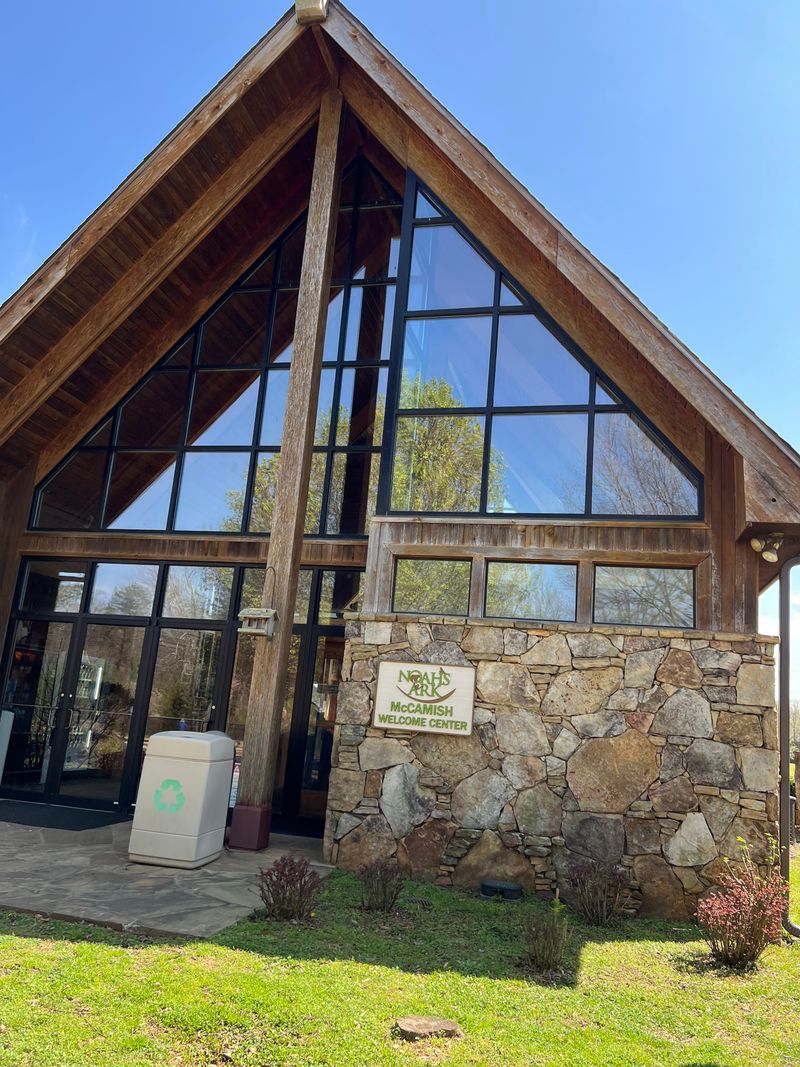
Running a sanctuary costs far more than most people realize.
Feeding over 1,500 animals daily adds up quickly, and that does not include veterinary care, facility maintenance, or staff salaries.
Noah’s Ark operates as a nonprofit, relying on donations, grants, and visitor admission fees to stay afloat.
Unlike for-profit zoos, the sanctuary does not generate revenue through breeding programs or animal sales.
Every dollar goes directly toward care and operations.
Fundraising events, online campaigns, and corporate sponsorships help fill gaps, but the financial reality remains precarious.
One major medical emergency or facility repair can strain the budget for months.
Volunteers contribute labor, reducing costs wherever possible.
Local businesses donate supplies, and community members organize drives for food and materials.
The sanctuary’s survival depends on ongoing support from people who believe in its mission.
Visitors who purchase tickets or leave donations are not just funding a day out—they are sustaining a lifeline for animals that have nowhere else to turn.
The Sanctuary’s Role In Animal Rescue
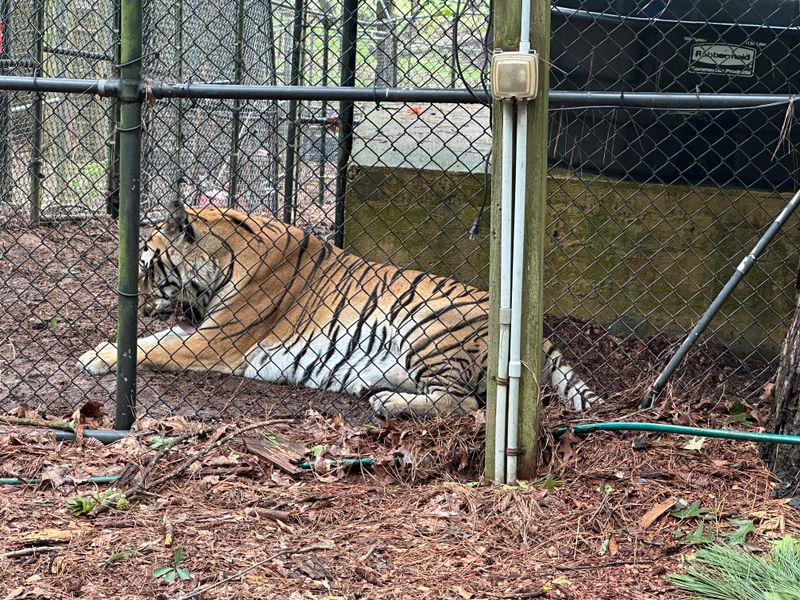
Noah’s Ark functions as a critical link in a larger rescue network.
When authorities seize animals from illegal owners or shut down failing facilities, they need places willing to take in the displaced creatures.
Not every sanctuary has the space, funding, or expertise to handle large predators or dangerous species.
The sanctuary works closely with law enforcement, animal control agencies, and other rescue organizations to coordinate placements.
Some animals arrive with little notice, requiring staff to scramble to prepare enclosures and gather supplies.
Others involve lengthy legal battles before transfer can occur.
Patience and persistence are essential.
Each rescue reinforces the sanctuary’s purpose.
Without places like Noah’s Ark, seized animals would face euthanasia or remain in harmful situations.
The sanctuary provides a third option—a chance at a stable, safe life.
That role is unglamorous and often thankless, but it is vital.
As long as exotic animals are exploited, sanctuaries will be needed to pick up the pieces.
What First-Time Visitors Find Surprising
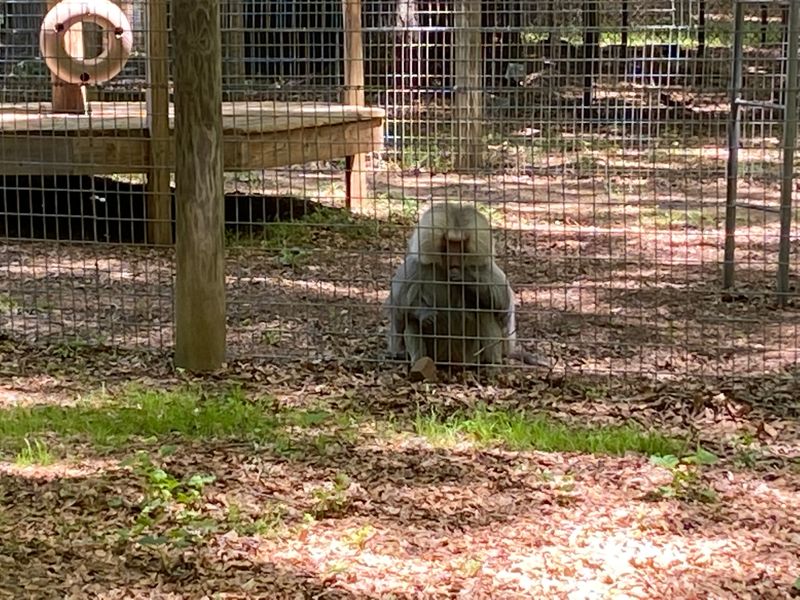
Many guests arrive expecting a typical zoo experience—crowds, gift shops, staged animal shows.
What they find instead is something quieter and more sobering.
The sanctuary feels less like a tourist attraction and more like a working refuge, where the focus remains on the animals rather than the visitors.
People are often struck by the size of the property and the number of residents.
Over 1,500 animals live here, a staggering figure that highlights the scale of the exotic pet problem.
The diversity surprises visitors too—seeing bears, big cats, and primates all in one place drives home the reality of how many species are exploited.
Another common reaction is the absence of fanfare.
There are no flashy exhibits or interactive displays.
Animals rest, pace, or ignore the humans entirely.
For some, this feels anticlimactic.
For others, it is a relief—a reminder that not every animal experience needs to be a spectacle.
The sanctuary operates at 712 L G Griffin Road, open Tuesday through Sunday from 10 AM to 3 PM.
Why Sanctuaries Like This Still Matter
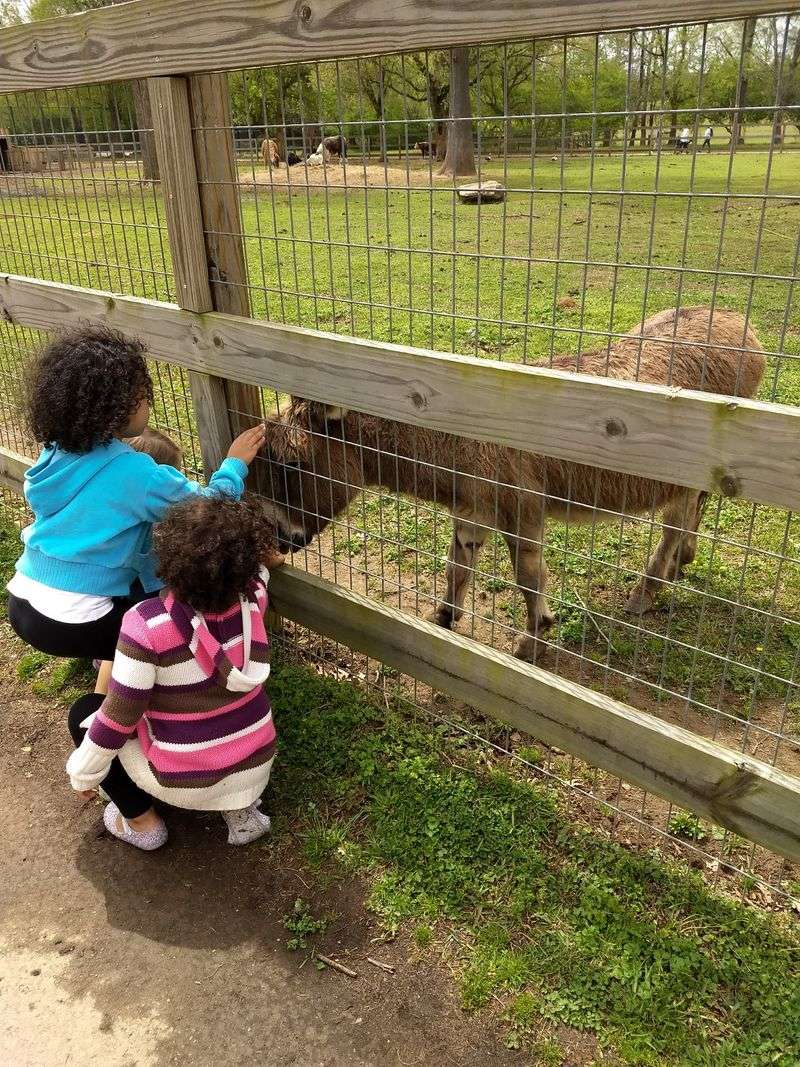
Exotic animal ownership remains legal in many states, and enforcement of existing laws is inconsistent at best.
As long as demand persists, animals will continue to suffer.
Sanctuaries like Noah’s Ark exist because the problem has not been solved—it has only been pushed out of sight.
Beyond rescue, sanctuaries serve as educational tools.
Visitors who might never encounter these issues otherwise leave with a clearer understanding of the consequences of exotic pet ownership.
That awareness can shift public opinion and, eventually, policy.
Change happens slowly, but it starts with places willing to do the hard, unglamorous work.
Noah’s Ark has been operating since 1978, outlasting trends and economic downturns.
Its longevity speaks to both the persistence of the problem and the dedication of those running the sanctuary.
As long as animals need rescuing, places like this will matter.
They are not perfect solutions, but they are necessary ones—lifelines in a world that often treats animals as disposable.