
The Peaceful Pennsylvania Village Forgotten By Travelers
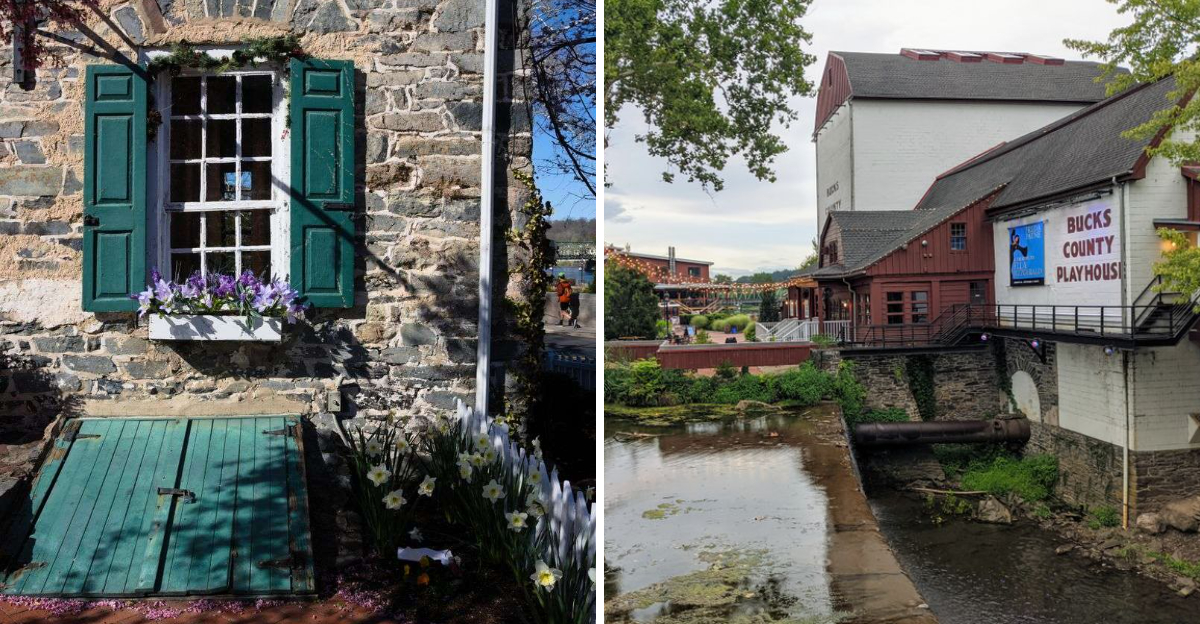
New Hope sits along the Delaware River in eastern Pennsylvania, a village that somehow remains quiet despite its beauty and history.
Most travelers rush past it on their way to bigger destinations, never realizing what they miss.
This small town offers something rare: a place where you can walk at your own pace, explore independently owned shops, and feel the calm that comes from a community built for living, not just visiting.
A Riverside Village Many Travelers Pass By
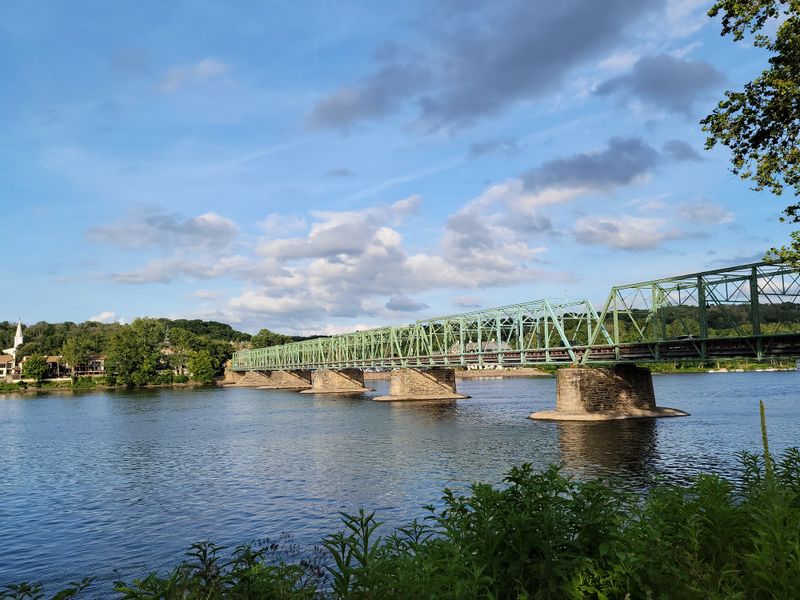
New Hope occupies a quiet stretch of riverfront in Bucks County, positioned just far enough from major highways that it escapes the attention of most passing motorists.
The village sits at 40.364272, -74.9512785, tucked into a landscape of rolling hills and waterways that have defined this region for centuries.
Travelers heading toward Philadelphia or New York rarely think to exit here, and that oversight has preserved the town’s character in ways that deliberate preservation efforts never could.
Local residents appreciate the anonymity.
They shop at the same bakeries and hardware stores their grandparents knew, without competing for parking or table space with tour groups.
The rhythm of daily life continues undisturbed, shaped more by seasonal changes along the river than by tourist calendars.
Visitors who do find their way here often stumble upon it by accident or recommendation.
They arrive expecting a quick stop and find themselves lingering, drawn by an atmosphere that feels both welcoming and unbothered by their presence.
Why New Hope Feels Calm Despite Its Location
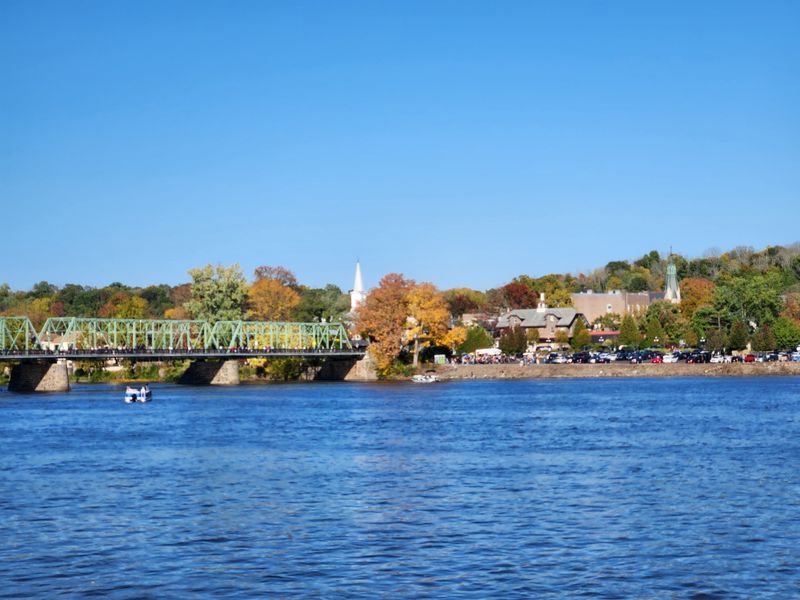
Geography plays a significant role in New Hope’s tranquility.
The village lies just across the river from New Jersey, connected by a narrow bridge that discourages heavy traffic flow.
This natural bottleneck keeps the streets from becoming thoroughfares, forcing drivers to slow down or find alternate routes entirely.
The town’s layout reinforces this sense of separation from the busier world beyond.
Main Street curves gently rather than cutting a straight commercial line, and side streets branch off at odd angles that reward wandering but frustrate efficiency.
Buildings press close to the sidewalks, creating a sense of enclosure that feels protective rather than cramped.
Even during peak seasons, New Hope maintains a measured pace.
Restaurant owners know their regulars by name, and shop clerks have time for conversation that extends beyond transactions.
The village has resisted the kind of rapid development that transforms places into destinations, choosing instead to remain a place where daily life simply unfolds.
How The Delaware River Shapes The Village
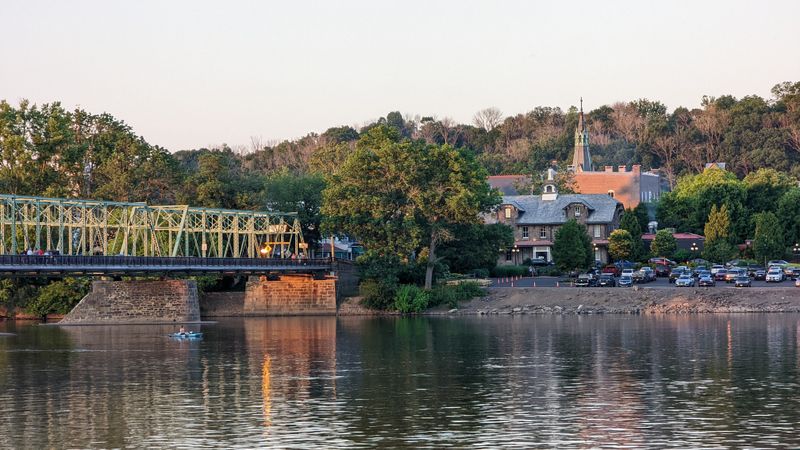
Water defines New Hope in ways both practical and atmospheric.
The Delaware River forms the eastern boundary of the village, its steady current providing a constant backdrop to daily activities.
Before highways existed, this waterway served as the primary transportation route, and the town grew up around the canal system that once moved goods between Philadelphia and points north.
Delaware Canal State Park preserves much of that historic infrastructure.
The towpath that mules once traveled now serves as a recreational trail, offering miles of flat, shaded walking along still water that mirrors the sky.
Cyclists and joggers use it regularly, but it never feels crowded, perhaps because it extends so far in both directions that users naturally spread out.
The river influences local weather patterns, keeping summers slightly cooler and adding morning mists that soften the landscape.
Residents orient their lives around it, planning walks for sunset along the water or choosing restaurants with views that overlook the current.
A Walkable Main Street Made For Slowing Down
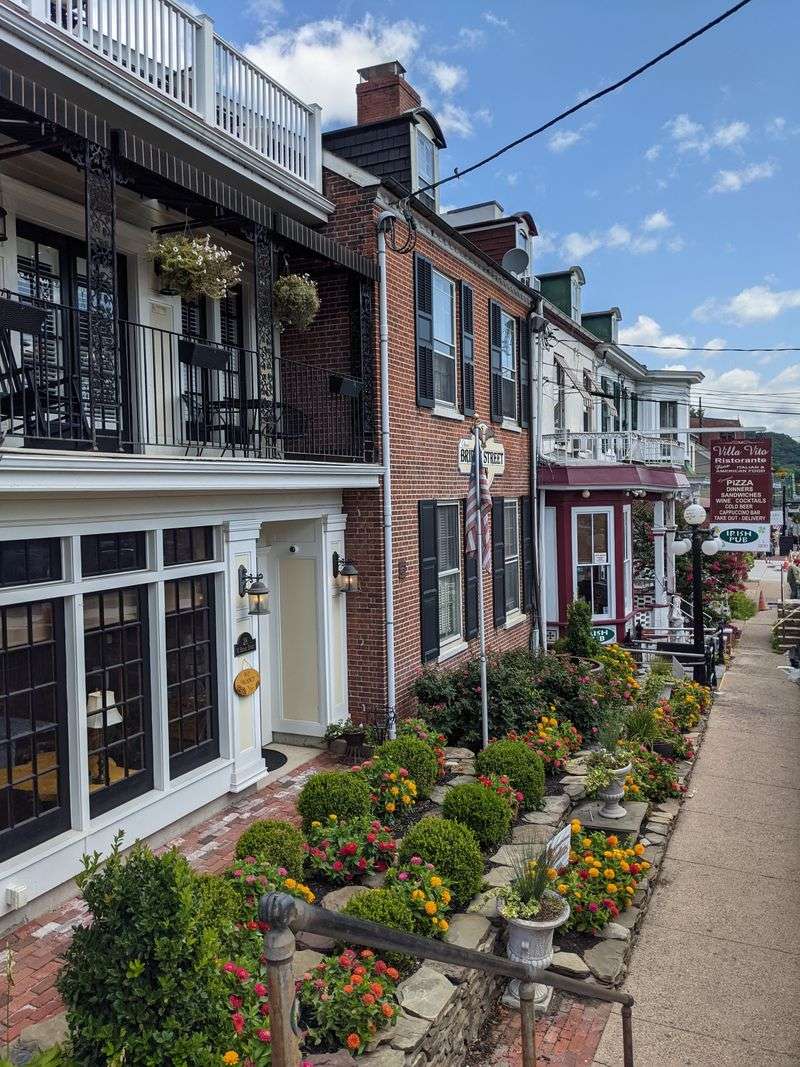
Main Street stretches less than half a mile from end to end, a distance that takes perhaps ten minutes to cover at a purposeful stride.
Most visitors need an hour or more, not because they shop extensively, but because the street invites pausing.
Benches appear at irregular intervals, placed without apparent plan but always seeming to occupy exactly the right spot for watching the village go about its business.
The buildings themselves encourage slower movement.
Many date from the 1800s, their facades displaying the kind of craftsmanship that rewards close attention.
Windows sit at varying heights, doorways recede at different depths, and architectural details shift from one structure to the next, preventing the visual monotony that characterizes many commercial strips.
Traffic moves at walking speed when it moves at all, and pedestrians cross wherever convenient rather than waiting for designated signals.
This informal arrangement works because everyone involved understands the unspoken agreement: the street belongs to people first, vehicles second.
Historic Buildings That Set The Mood
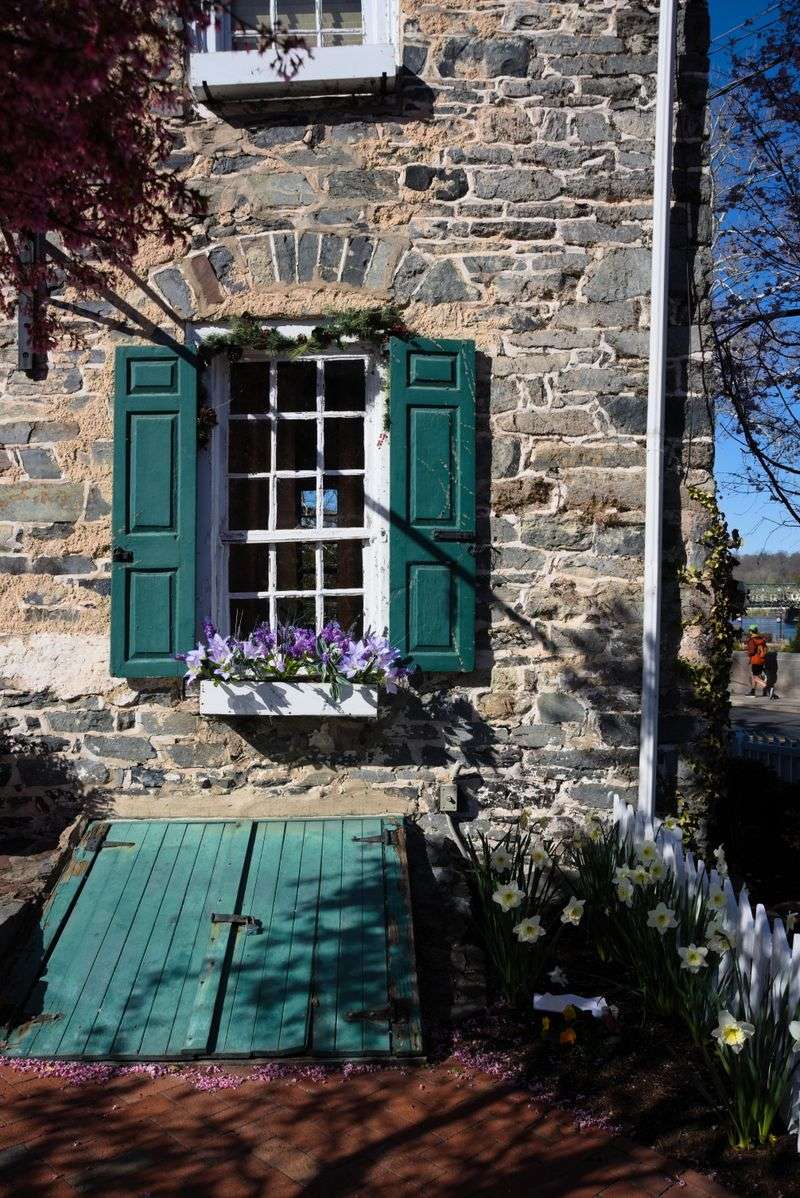
Parry Mansion stands as perhaps the most telling example of New Hope’s architectural heritage.
Built in the late 1700s, each room reflects the decorative preferences of different generations who lived there, creating a layered history visible in wallpaper patterns, furniture styles, and household implements.
The building operates as a museum now, though it maintains the intimate scale of a family home rather than the institutional feel of larger historic sites.
Cintra, another significant structure, demonstrates the architectural ambitions of 1800s residents.
This distinctive mansion incorporates design elements uncommon in rural Pennsylvania, suggesting connections to broader cultural currents and economic prosperity that reached even small river towns.
Both buildings remain accessible to visitors who seek them out, though neither dominates the village’s marketing materials.
Throughout New Hope, similar structures serve contemporary purposes while retaining their historical character.
A bank occupies a former mill, restaurants fill converted warehouses, and residential buildings continue housing families centuries after their construction.
A Quiet But Creative Arts Scene

New Hope Arts Center operates without the fanfare that accompanies gallery districts in larger cities.
Located in a repurposed building that blends seamlessly with its neighbors, the center exhibits work by regional artists who draw inspiration from the surrounding landscape and local history.
Exhibitions change regularly, reflecting seasonal themes and emerging talents rather than following rigid curatorial schedules.
The arts community here functions as part of the village’s daily life rather than existing as a separate cultural layer.
Artists maintain studios above their shops, and creative work happens in visible spaces where passersby can watch processes unfold.
This accessibility demystifies artistic practice while maintaining respect for the skill and dedication required.
Theater and music also find venues in New Hope, though performances tend toward intimate scale rather than elaborate production.
Small concert halls and converted spaces host events that draw local audiences who return repeatedly, creating a sense of shared cultural experience that larger venues rarely achieve.
Quality matters more than spectacle in this environment.
Why Weekdays In New Hope Stay Peaceful

Weekend visitors discover a different New Hope than those who arrive midweek.
Mondays through Thursdays, the village returns to its essential character as a residential community where people work, shop for groceries, and handle ordinary errands without performing for an audience.
Restaurants offer lunch specials aimed at locals rather than tourists, and shop owners have time for extended conversations that reveal the village’s deeper rhythms.
This weekday calm results partly from New Hope’s distance from major population centers.
Day-trippers prefer weekend excursions, leaving midweek periods relatively quiet.
Business owners have adapted to this pattern, with some closing on slower days while others use the time for inventory, maintenance, or simply catching up on rest.
Visitors seeking authentic experience rather than curated attraction find weekdays ideal for exploration.
Without crowds, the village’s scale becomes more apparent, and the ease of movement allows for spontaneous decisions about where to pause, what to examine, and how long to linger.
The village reveals itself more fully when not performing its public role.
Local Shops Built For Residents, Not Crowds
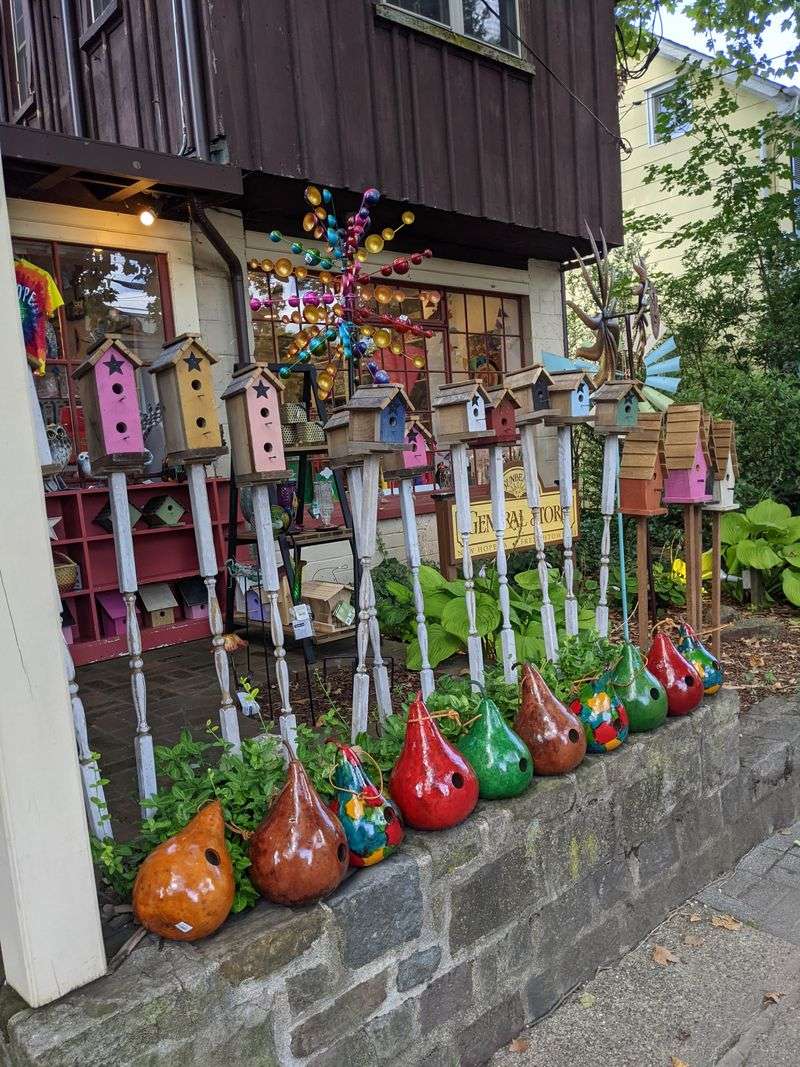
New Hope’s commercial establishments serve a dual purpose that becomes evident upon closer examination.
While they welcome visitors, their primary function remains providing goods and services that local residents actually need.
Hardware stores stock practical supplies rather than souvenir versions of tools, and grocery shops carry staples alongside specialty items.
This practical foundation prevents the village from becoming a theme park version of itself.
Shop owners maintain personal relationships with their customers that span years or decades.
They remember preferences, track seasonal needs, and offer advice based on genuine knowledge rather than sales scripts.
These interactions create a sense of community continuity that visitors can observe even if they cannot fully participate in it.
Prices reflect this local orientation as well.
While not cheap, they remain reasonable enough for everyday purchases rather than being inflated to tourist levels.
This economic balance allows the village to sustain its residential character while remaining financially viable, avoiding the fate of towns that become too expensive for their own inhabitants.