
10 Dark Sky Parks In New Mexico For Incredible Night Photography
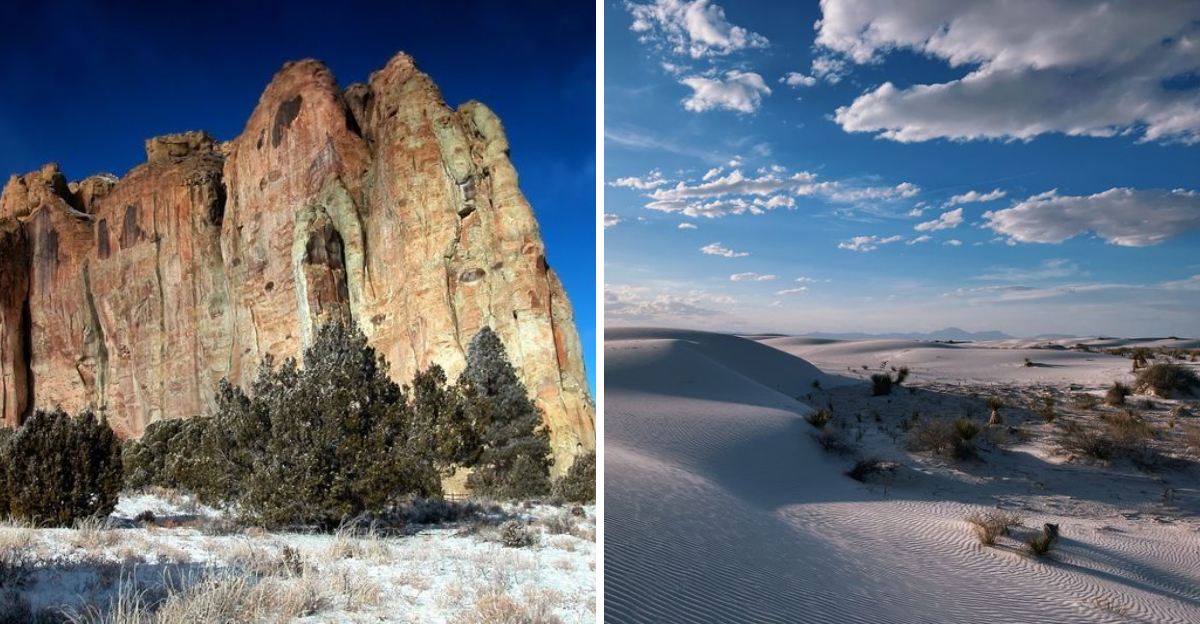
New Mexico holds some of the darkest, clearest skies in the entire country, making it a dream destination for anyone who loves capturing the night sky through a camera lens.
With minimal light pollution and wide-open landscapes, these protected areas offer breathtaking views of the Milky Way, meteor showers, and countless stars you never knew existed.
Whether you’re a seasoned astrophotographer or just starting out with your first tripod, these ten dark sky parks provide the perfect backdrop for unforgettable night photography.
Pack your camera, charge your batteries, and get ready to explore some of the most stunning stargazing spots in the Southwest.
1. Chaco Culture National Historical Park
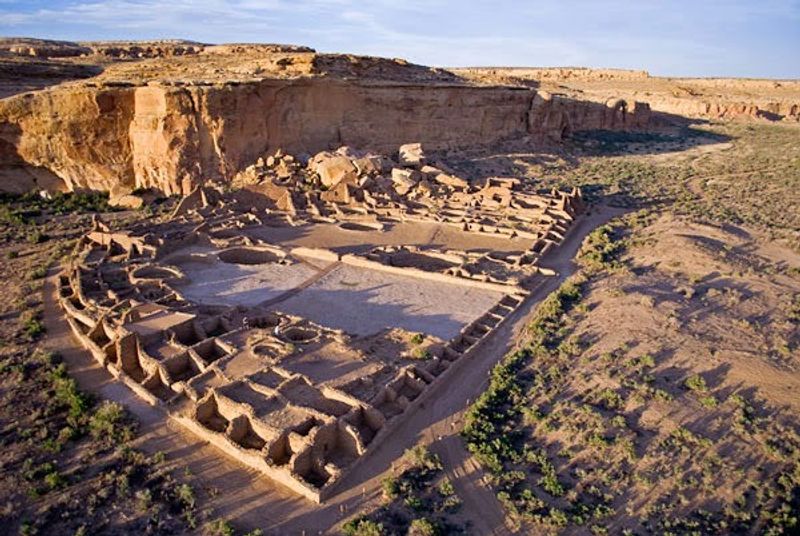
Ancient ruins meet celestial wonders at this UNESCO World Heritage Site, where the night sky feels almost sacred.
Chaco Canyon was once home to the Ancestral Puebloans, who built massive stone structures aligned with astronomical events like solstices and equinoxes.
Today, those same clear skies that guided ancient astronomers now attract photographers from around the world.
The park’s remote location in northwestern New Mexico means zero light pollution, giving you pitch-black conditions perfect for long exposures.
You can frame crumbling pueblo walls against rivers of stars, creating images that blend history with cosmic beauty.
Spring and fall offer the most comfortable temperatures for overnight shoots.
Rangers sometimes host night sky programs, teaching you about both astronomy and ancient sky-watching traditions.
Bring layers—desert nights get surprisingly cold, even in summer.
The combination of archaeological mystery and astronomical perfection makes every shot here feel like a journey through time.
2. Capulin Volcano National Monument
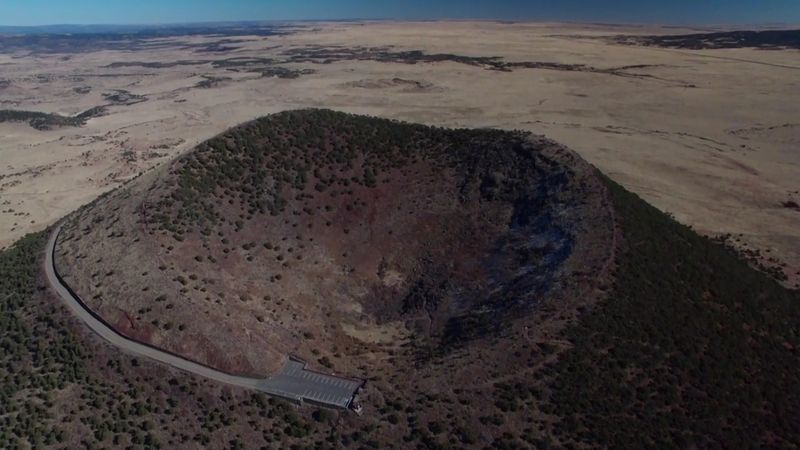
Standing on the rim of an extinct volcano while stars swirl overhead creates an otherworldly photography experience you won’t find anywhere else.
Capulin Volcano rises dramatically from the surrounding plains in northeastern New Mexico, offering 360-degree views from its summit.
The elevation gain means you’re shooting from above much of the atmospheric haze that can muddy night photos at lower altitudes.
This cone-shaped cinder volcano last erupted around 60,000 years ago, and now its crater provides a natural amphitheater for stargazing.
You can capture the curved rim silhouetted against the Milky Way or shoot down into the crater itself with stars filling the bowl of sky above.
Summer months bring the best Milky Way visibility, though the monument closes at sunset during winter.
Plan your visit during a new moon for maximum darkness.
The paved road to the top makes gear transport easy, but winds can be fierce at the summit.
Secure your tripod well and prepare for some of the most unique volcanic night shots imaginable.
3. Clayton Lake State Park & Dinosaur Trackways
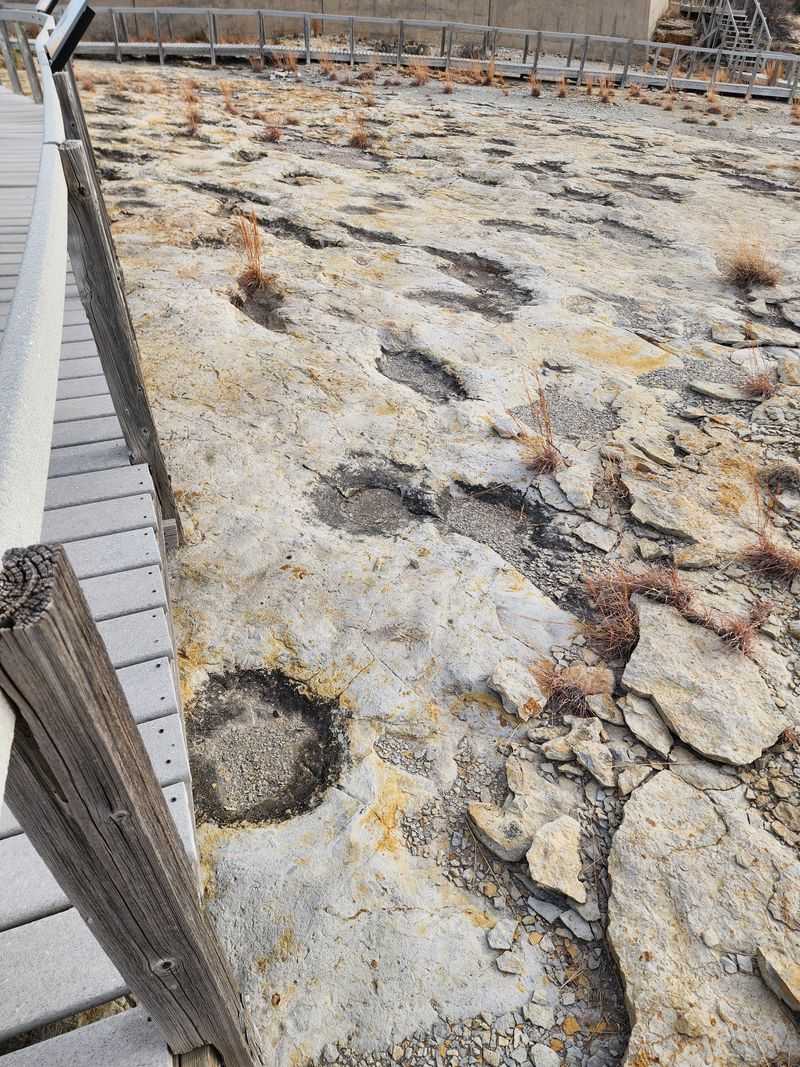
Imagine photographing dinosaur footprints frozen in stone while the cosmos blazes overhead—that’s the magic waiting at Clayton Lake.
This northeastern New Mexico gem combines paleontology with astronomy in the most unexpected way.
Over 500 dinosaur tracks from multiple species are preserved along the lake’s spillway, dating back more than 100 million years.
When darkness falls, the park transforms into a stargazer’s paradise with incredibly low light pollution.
You can set up long exposures that capture both ancient trackways and modern starlight in a single frame, creating images that span geological eras.
The lake itself offers reflection opportunities when winds are calm, doubling the star count in your compositions.
Spring and early summer provide the best combination of accessible tracks and clear skies.
Camping is available if you want to shoot multiple sessions throughout the night.
Bring a powerful headlamp for safely navigating the trackway area in darkness.
Few places let you connect Earth’s distant past with the universe’s timeless present quite like this hidden treasure.
4. Cosmic Campground
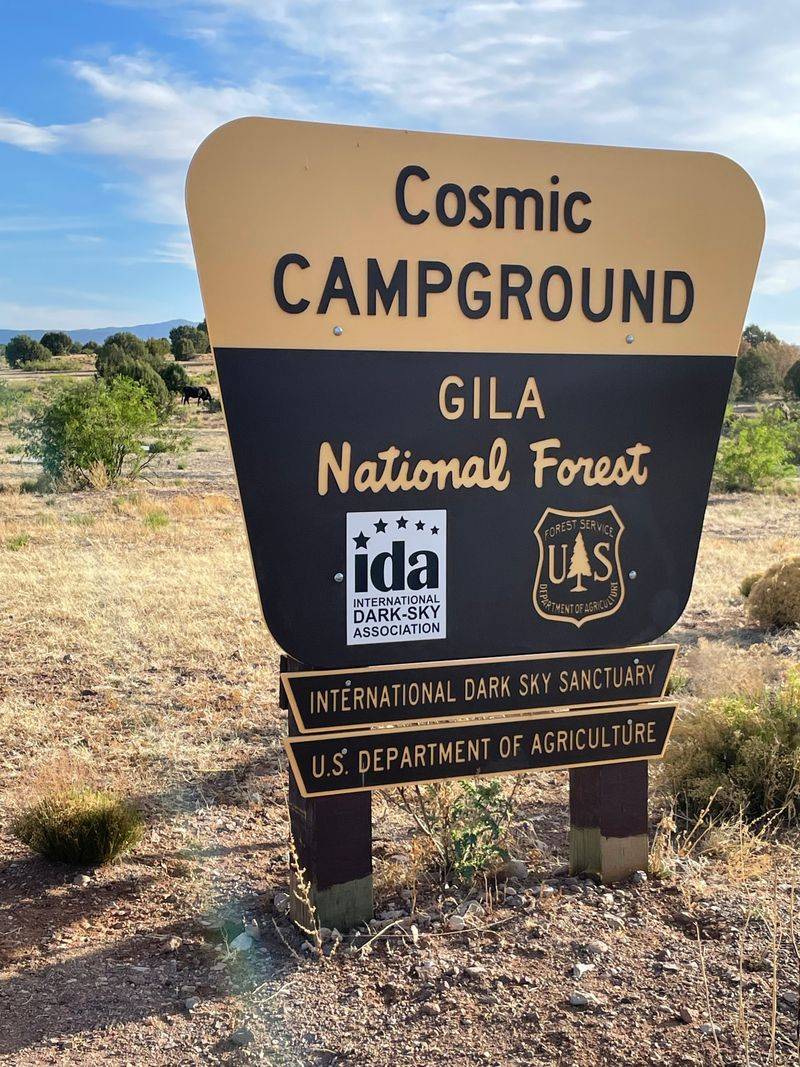
With a name like Cosmic Campground, you know this place takes its dark skies seriously—and it absolutely delivers on that promise.
Tucked deep in the Gila National Forest of southwestern New Mexico, this remote campground was specifically designated for astronomy enthusiasts. It sits at 7,000 feet elevation in a valley surrounded by mountains that block any distant city glow.
The campground features red-light-only policies after dark to preserve night vision for all visitors.
You’ll find dedicated astronomy pads where you can set up equipment without disturbing fellow campers.
The Milky Way core appears so bright here during summer months that it actually casts shadows on the ground.
Your camera will capture detail in the galactic center that looks almost unreal in its clarity.
Access requires driving a rough dirt road, so high-clearance vehicles are recommended.
Cell service is nonexistent, adding to the feeling of complete escape.
Pack everything you need for overnight stays—there are no facilities beyond vault toilets.
This is raw, authentic dark sky photography at its finest.
5. Valles Caldera National Preserve
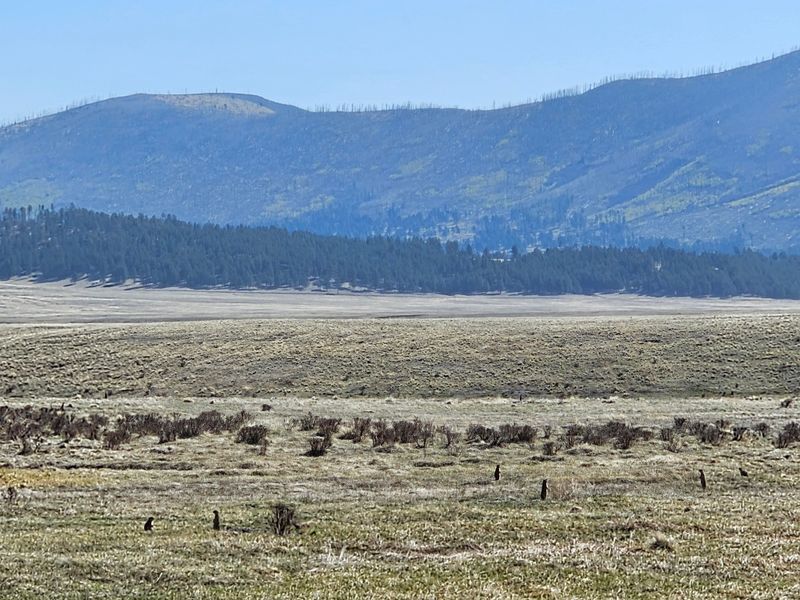
Picture a massive volcanic crater stretching 13 miles across, filled with meadows and mountain peaks, all beneath skies so dark they seem infinite.
Valles Caldera formed from a catastrophic eruption over one million years ago, creating the stunning bowl-shaped preserve you see today.
The high-elevation grasslands and lack of nearby development make it exceptional for astrophotography.
Rolling meadows provide foreground interest without obstructing your view of the sky, while distant mountain ridges add depth to compositions.
Elk often graze at night, and if you’re patient, you might capture them silhouetted against the stars.
Access is somewhat limited—the preserve closes at certain hours and requires advance planning for night visits.
Check their website for special night sky programs and photography permits.
Summer thunderstorms can roll in quickly at this elevation, so monitor weather carefully.
When conditions align, though, the combination of volcanic landscape and pristine darkness creates photographs that feel almost prehistoric.
Bring warm clothing year-round—temperatures drop significantly after sunset at 8,000+ feet elevation.
6. El Morro National Monument
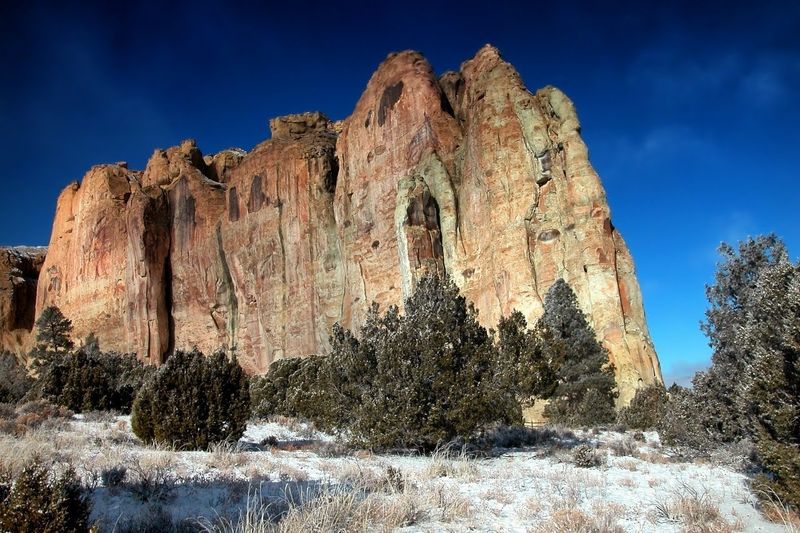
Centuries of travelers carved their names into this massive sandstone bluff, and now you can photograph those historical signatures beneath the same stars they once navigated by.
El Morro rises dramatically from the New Mexico plains, its pale rock face covered with inscriptions dating from ancient Puebloan petroglyphs to Spanish explorers to American pioneers.
At night, the monument’s light-colored stone catches just enough starlight to remain visible in long exposures.
The contrast between the illuminated cliff face and the dark sky creates natural drama in your compositions.
You can experiment with light painting the inscriptions while keeping the stars sharp, or go for pure silhouette shots.
The monument closes at certain hours, so plan accordingly or join organized night sky events when available.
New moon periods offer the darkest conditions for maximum star visibility.
Parking is limited, and the area can be tricky to navigate in complete darkness.
Scout your shooting locations during daylight hours first.
The combination of human history and cosmic timelessness makes this location uniquely meaningful for night photography.
7. Fort Union National Monument
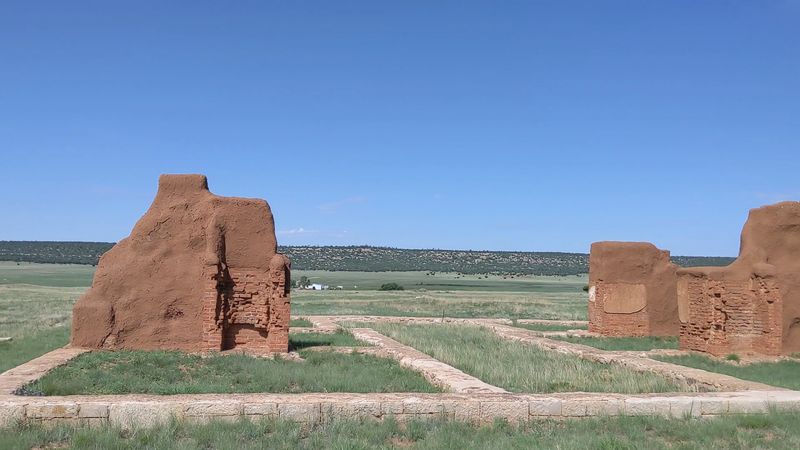
Crumbling adobe walls and chimneys standing alone on the prairie create haunting silhouettes against the star-filled New Mexico sky.
Fort Union was once the largest military installation in the Southwest, protecting the Santa Fe Trail during the mid-1800s.
Today, its ruins offer photographers incredible structural elements to frame against the night sky.
The fort’s location on open grasslands means unobstructed horizons in every direction, perfect for capturing the full arc of the Milky Way.
Brick chimneys and wall remnants provide strong vertical elements that anchor compositions and give scale to the vastness above.
The monument typically closes at sunset, but special permits or events sometimes allow after-hours access. Contact the park in advance if you’re planning a dedicated night shoot.
Prairie winds can be intense, so weight your tripod and protect your gear from blowing dust.
The isolation also means complete darkness—bring multiple light sources for safety.
Photographing these frontier ruins under starlight connects you to the soldiers and travelers who once looked up at these same constellations from this very spot.
8. Salinas Pueblo Missions National Monument
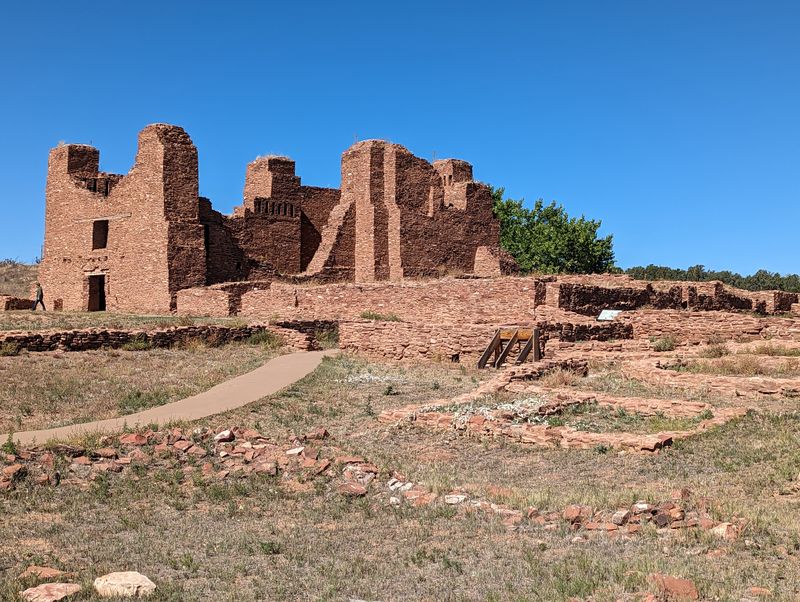
Three separate sites, all featuring stunning Spanish mission ruins and ancient pueblo structures, offer multiple opportunities for dramatic night sky photography.
Salinas Pueblo Missions preserves the remains of 17th-century churches built by Spanish colonists alongside existing Puebloan communities.
The towering stone walls, though roofless now, still reach impressively toward the sky.
Each location—Abó, Quarai, and Gran Quivira—has its own character and photographic possibilities.
Quarai features particularly well-preserved walls that create powerful frames for the stars beyond.
The monuments’ central New Mexico location keeps them relatively free from light pollution, though not as pristine as more remote parks.
Still, the architectural drama more than compensates, giving you Gothic-style arches and windows that perfectly frame celestial subjects.
Access policies vary by site, so confirm hours before planning a night shoot.
The monuments occasionally host special stargazing events open to photographers.
These ruins carry a complex history of cultural collision and cooperation—approaching them with respect adds depth to your creative process.
The resulting images blend architecture, history, and astronomy into something truly special.
9. Valle De Oro National Wildlife Refuge
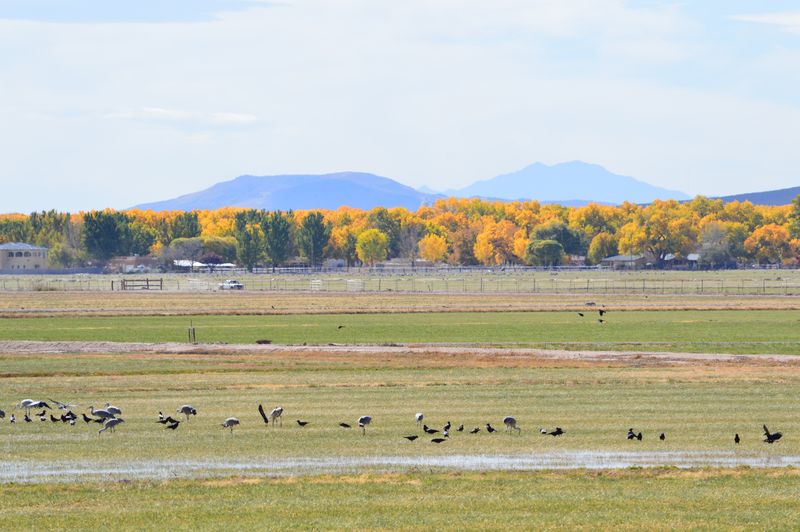
Just minutes from Albuquerque, this urban wildlife refuge proves you don’t always have to drive hours into the wilderness for quality night sky photography.
Valle de Oro sits in the Middle Rio Grande Valley, protecting wetlands and grasslands that attract hundreds of bird species.
After dark, the refuge offers surprisingly decent star visibility despite its proximity to New Mexico’s largest city.
Ponds and water features provide excellent reflection opportunities when conditions are calm, effectively doubling your star count.
The flat terrain and open skies give you wide-angle possibilities that include both terrestrial and celestial subjects.
This refuge is particularly valuable for photographers who can’t easily travel to remote locations or who want to practice techniques before heading to darker sites.
The accessibility makes it perfect for spontaneous shoots when conditions look promising.
Check refuge hours and access policies—some areas close at dusk while others remain open.
Respectful behavior is especially important in this urban-adjacent location.
You might not capture the most dramatic Milky Way shots here, but the convenience and unique wetland setting create their own photographic rewards.
10. White Sands National Park
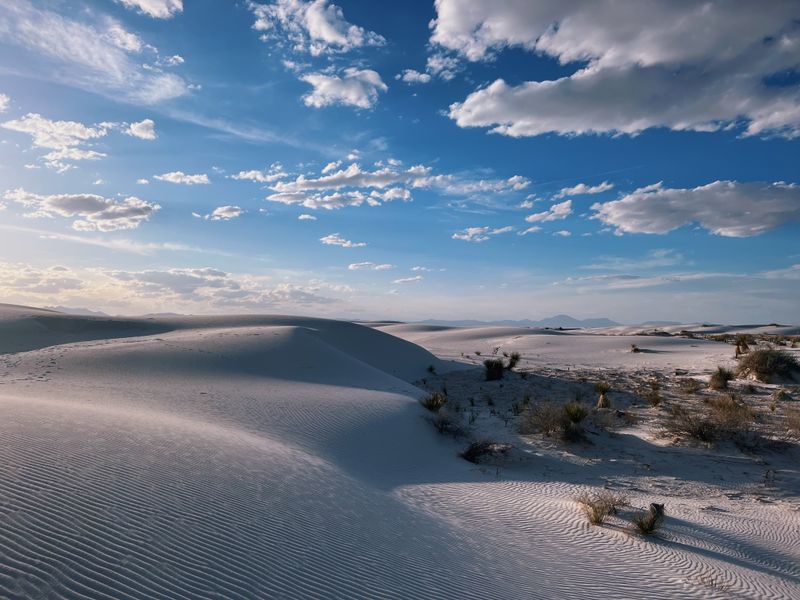
Endless waves of pure white gypsum sand glowing softly under starlight create one of the most surreal night photography experiences on Earth.
White Sands is the world’s largest gypsum dune field, covering 275 square miles of southern New Mexico.
The brilliant white sand reflects ambient light in ways that make night photography both challenging and magical.
During new moon periods, the dunes appear ghostly pale beneath the stars, creating an almost lunar landscape.
With even slight moonlight, the sand illuminates dramatically, giving you enough foreground detail for shorter exposures that keep stars sharp.
The park offers monthly full moon hikes and occasional special night photography permits that allow you to stay after regular closing hours.
These events book quickly, so plan well in advance.
The constantly shifting dunes mean endless composition possibilities—no two visits will look the same.
Ripple patterns in the sand add texture and leading lines to guide viewers’ eyes through your frames.
Protect your gear from fine gypsum dust, which gets absolutely everywhere.
The results, though, are worth any extra cleaning—these otherworldly images look like they could be from another planet entirely.