
10 Remote Wisconsin Islands You Can Only Access By Boat
Wisconsin isn’t just about cheese curds and Packers games.
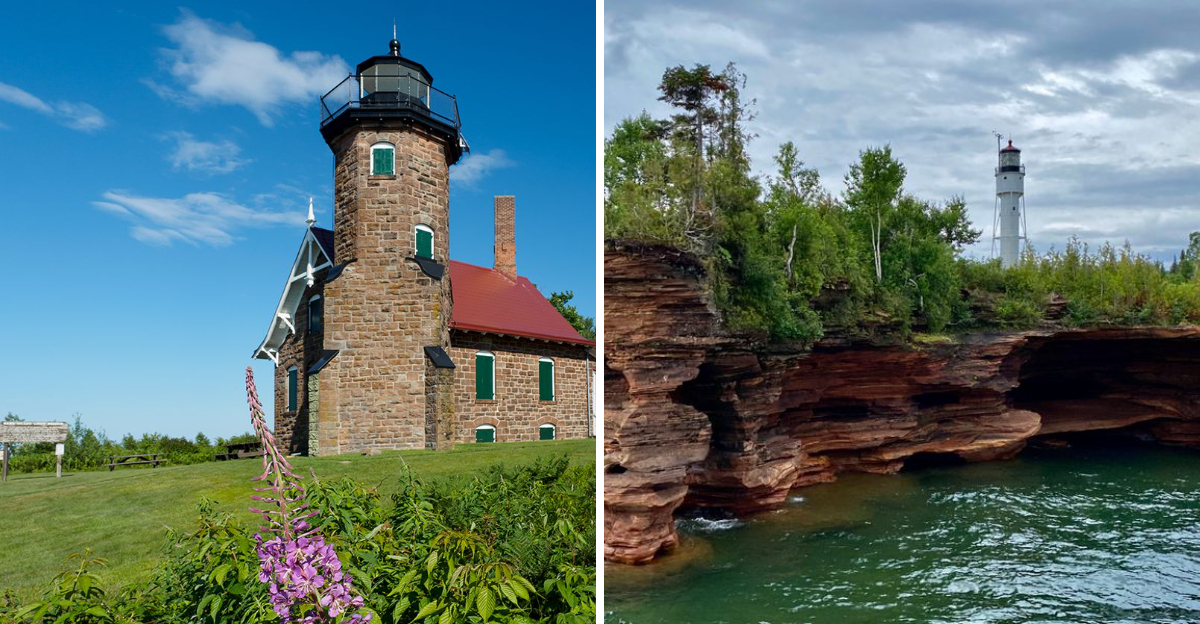
Hidden across our Great Lakes waters are wild, untouched islands that most people never see.
Getting there means leaving your car behind and hopping on a boat, but trust me, the adventure is worth every wave.
These remote spots offer quiet beaches, historic lighthouses, and forests so peaceful you’ll forget what traffic sounds like.
1. Rock Island (Door County)
Reaching Rock Island feels like stepping back in time to when life moved slower and nature ruled everything.
You’ll need to take two ferries to get here—first to Washington Island, then a second smaller boat to Rock Island itself.
Once you arrive, cars don’t exist, electricity is limited, and the only sounds are waves crashing and birds calling overhead.
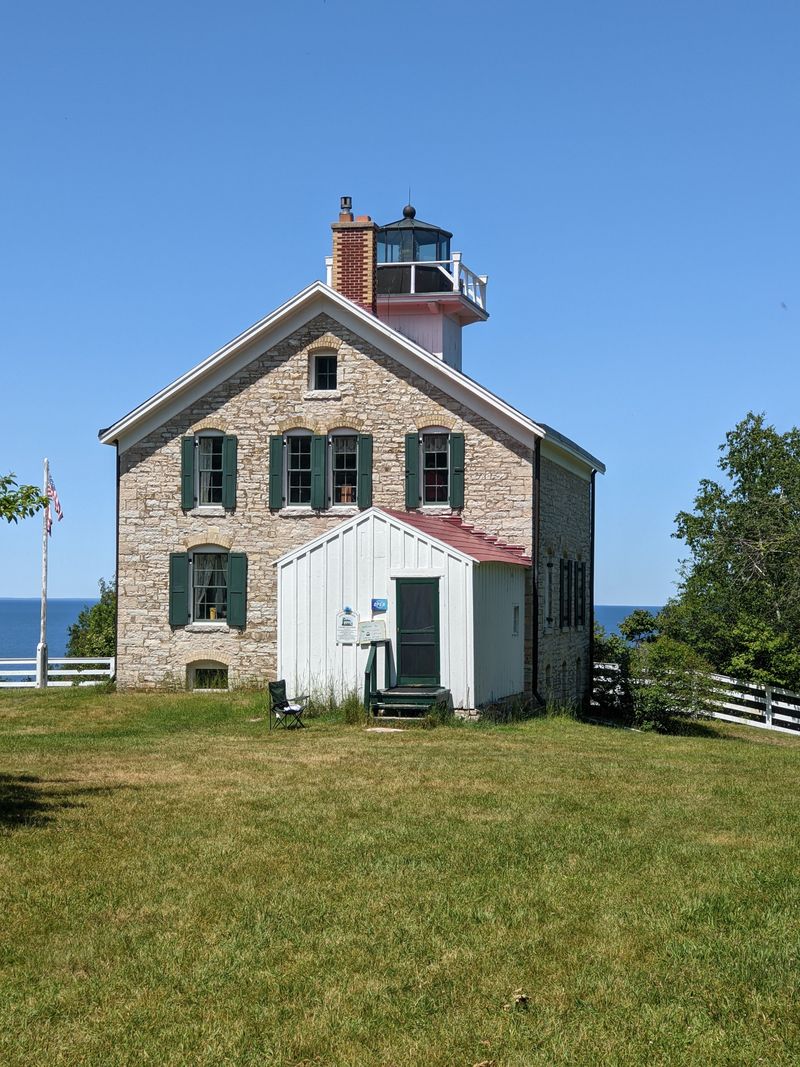
The island is home to one of the oldest lighthouses in Wisconsin, a striking stone tower that’s been guiding sailors since 1858.
Hiking trails wind through thick forests and along limestone bluffs that drop dramatically into Lake Michigan.
Campsites here are primitive, meaning no showers or fancy bathrooms, just you, your tent, and the stars.
Swimming in the crystal-clear waters feels like a reward after a long hike.
Bring everything you need because there are no stores or restaurants once you’re on the island.
This place teaches you to slow down and appreciate the simple beauty of untouched wilderness.
2. Washington Island (Door County)
Washington Island sits just off the tip of Door County’s peninsula, and getting there by ferry is half the fun.
The boat ride takes about 30 minutes, and you can bring your car if you want, but honestly, biking around feels way more freeing.
This island has a quirky charm, with lavender farms, art galleries, and even an Icelandic heritage museum that tells the story of the island’s early settlers.
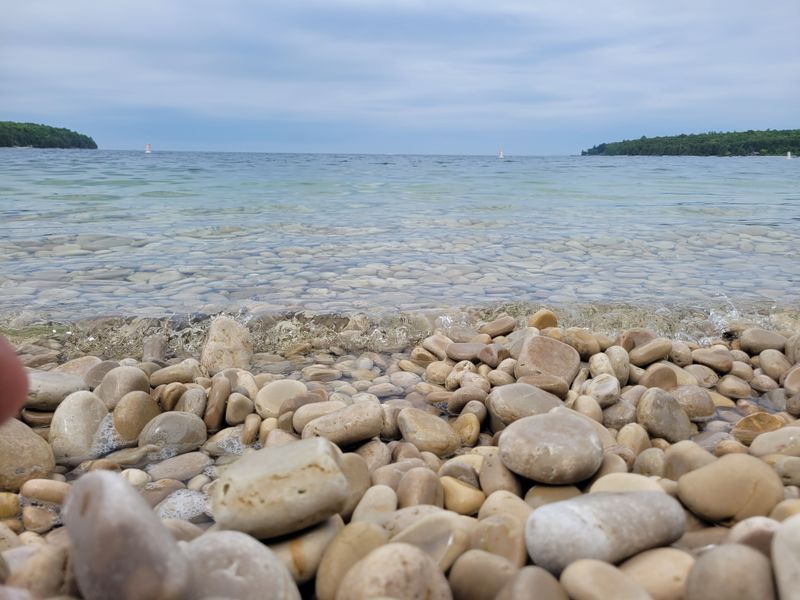
Schoolhouse Beach is the main attraction, covered entirely in smooth, rounded limestone pebbles instead of sand.
The water here is so clear you can see straight to the bottom, making it perfect for swimming on hot summer days.
You’re not allowed to take the stones home, though—they’re protected to keep the beach beautiful for future visitors.
Local restaurants serve fresh whitefish and cherry pie, two Wisconsin classics you can’t skip.
The island has a laid-back vibe where everyone waves and nobody’s in a rush.
Whether you’re exploring forests, visiting historic sites, or just relaxing by the water, Washington Island offers a peaceful escape from everyday stress.
3. Madeline Island (Bayfield County)
Madeline Island is the largest and only inhabited island in the Apostle Islands chain, and it’s been a gathering place for centuries.
Native Americans called it Moningwunakauning, meaning “home of the golden-breasted woodpecker,” long before European fur traders arrived.
Today, you can catch a ferry from Bayfield year-round, though in winter, they sometimes use a special wind sled when the ice gets thick.
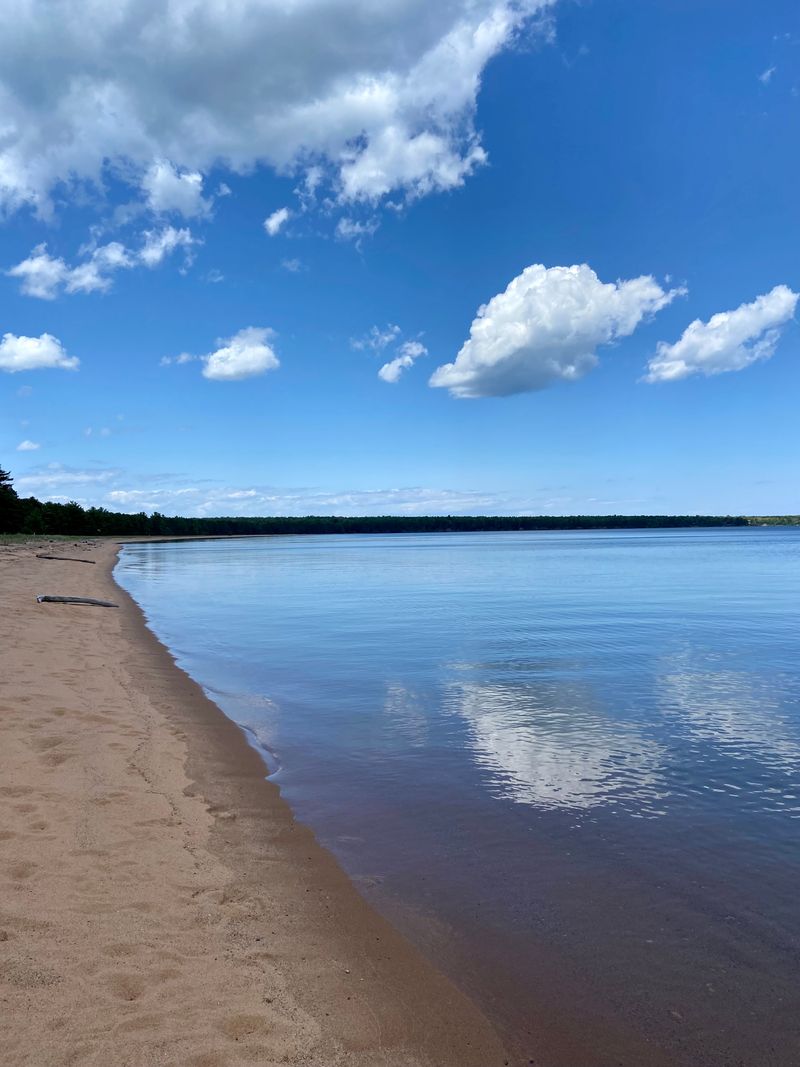
Big Bay State Park covers a huge chunk of the island and offers camping, hiking, and a stunning sandy beach that stretches for a mile.
The town of La Pointe is small but charming, with shops selling handmade crafts, ice cream parlors, and cozy cafes.
Renting a bike or a golf cart is the best way to explore since the island is only 14 miles long.
History buffs love the Madeline Island Museum, which showcases artifacts from the fur trade era and Native American culture.
Sunsets over Lake Superior from this island are absolutely breathtaking, painting the sky in shades of pink and orange.
Whether you visit for a day or stay a week, Madeline Island delivers peace, beauty, and a deep connection to Wisconsin’s past.
4. Sand Island (Apostle Islands National Lakeshore)
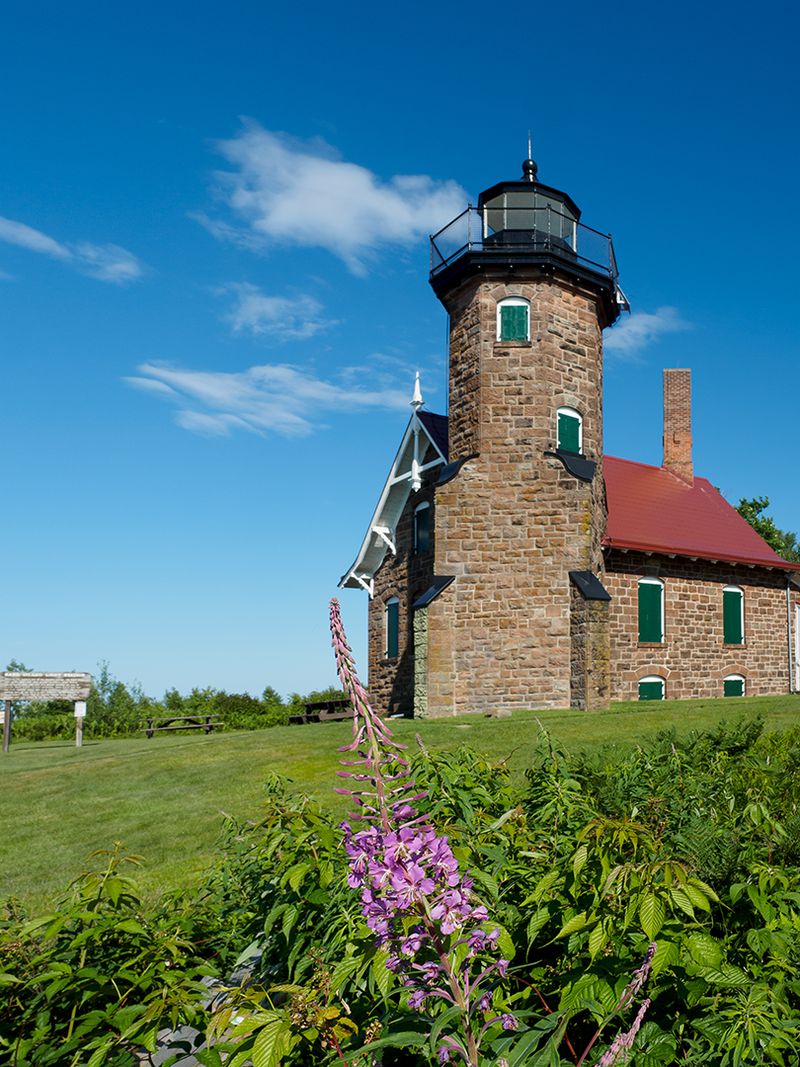
Sand Island earned its name from the beautiful sandy beaches that line parts of its rugged shoreline.
Getting here requires a private boat or a water taxi from Bayfield, and the journey across Lake Superior can be choppy, so pack your sea legs.
Once you land, you’ll find yourself in true wilderness with just a few hiking trails and a handful of primitive campsites scattered around the island.
The Sand Island Lighthouse is the star attraction, a striking brownstone structure built in 1881 that still stands proudly on the northern tip.
You can walk right up to it and imagine what life was like for the lighthouse keepers who lived in isolation here.
The island’s forests are thick with birch, pine, and spruce trees, creating a peaceful canopy overhead as you explore.
Sea caves carved into the sandstone cliffs are accessible by kayak when the lake is calm, revealing stunning natural sculptures.
Wildlife is abundant, with black bears, deer, and countless bird species calling the island home.
Camping here means no cell service, no Wi-Fi, and no distractions—just you, nature, and the endless horizon of Lake Superior stretching out before you.
5. Stockton Island (Apostle Islands National Lakeshore)
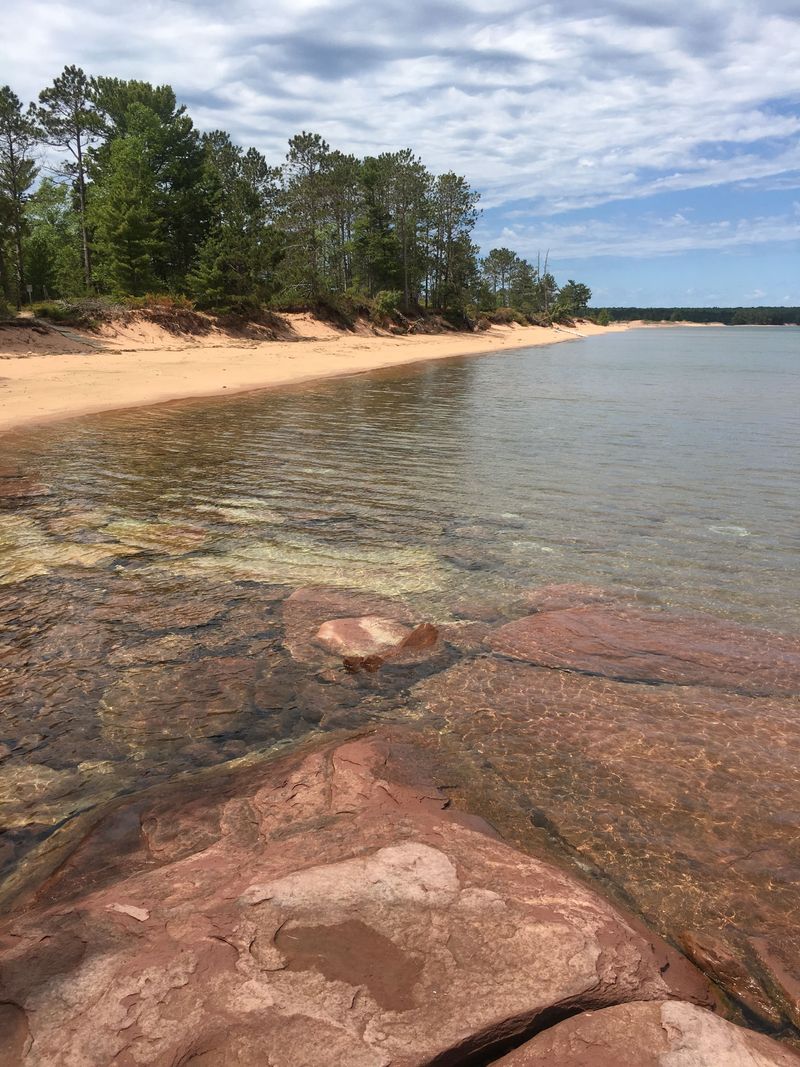
Stockton Island is a favorite among campers who crave solitude and natural beauty without giving up all creature comforts.
The island boasts the longest sand beach in the entire Apostle Islands chain, stretching for nearly two miles along the eastern shore.
Water taxis run regularly from Bayfield during summer months, making it one of the more accessible islands for overnight adventures.
Presque Isle Bay offers a protected harbor where boaters can anchor safely, and the campsites here have picnic tables and fire rings.
Hiking trails crisscross the island, taking you through forests, past inland lagoons, and up to scenic overlooks with panoramic lake views.
Black bears are common residents, so proper food storage in bear-proof containers is absolutely essential for campers.
The tombolo—a natural land bridge connecting two parts of the island—is a geological wonder worth exploring at low water levels.
Birdwatchers flock here during migration seasons to spot rare species passing through this important flyway.
Sunrises over Lake Superior from Stockton’s eastern beach are magical, with golden light spreading across the water and warming your face as a new day begins.
6. Devils Island (Apostle Islands National Lakeshore)
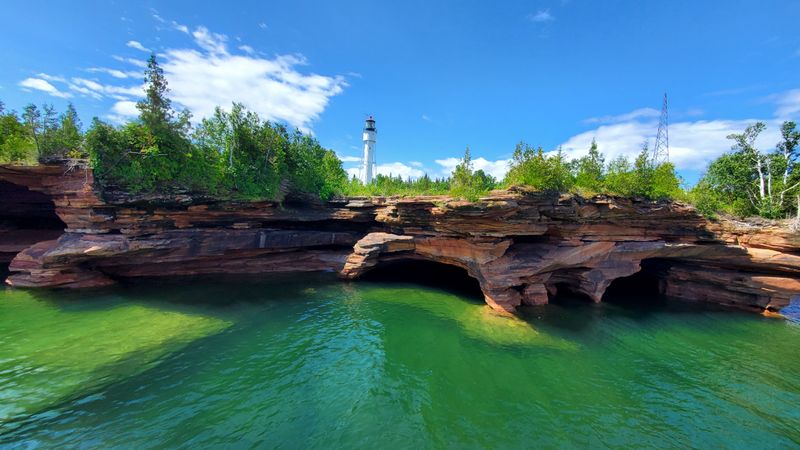
Devils Island gets its dramatic name from the treacherous waters surrounding it, which have caused countless shipwrecks over the centuries.
This is the northernmost island in the Apostle Islands chain, sitting about 7 miles from the mainland and exposed to Lake Superior’s full fury.
The sea caves here are legendary, carved by thousands of years of waves into intricate arches, tunnels, and chambers in the red sandstone cliffs.
Kayaking around the island when conditions are calm is an unforgettable experience, paddling through narrow passages where the rock glows orange in sunlight.
The Devils Island Lighthouse, built in 1898, stands tall and white against the blue sky, automated now but still guiding ships safely past the dangerous shoals.
Hiking trails on the island are short but rewarding, leading through forests and along clifftops with dizzying views down to the crashing waves below.
Camping is allowed, but there are no established sites, so you’ll need to practice Leave No Trace principles.
Weather can change fast out here, with fog rolling in suddenly and winds picking up without warning.
Only experienced boaters should attempt the journey, but those who make it are rewarded with one of Wisconsin’s most spectacular natural wonders.
7. Raspberry Island (Apostle Islands National Lakeshore)
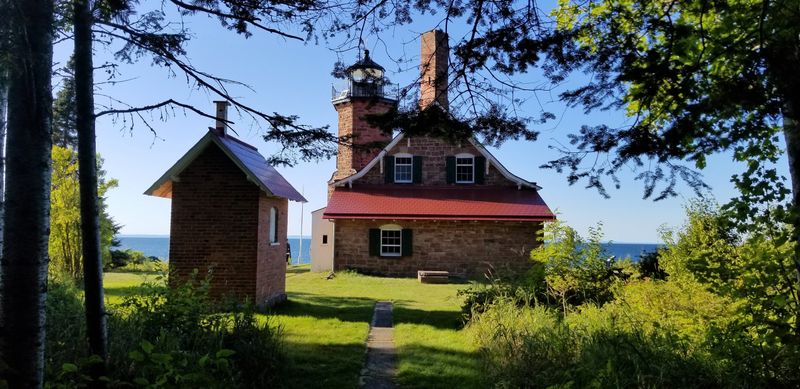
Raspberry Island is small but mighty, packing incredible beauty and history into just 64 acres of land.
The island’s centerpiece is its beautifully restored lighthouse complex, where National Park Service staff sometimes dress in period costumes and give living history tours.
Getting here requires a private boat or joining one of the seasonal cruises that stop at the island’s dock during summer months.
Walking paths wind around the island, taking you past the lighthouse keeper’s quarters, which have been meticulously restored to show how families lived here in the early 1900s.
The views from the lighthouse tower are stunning, offering 360-degree panoramas of Lake Superior and the surrounding islands dotting the horizon.
Wildflowers blanket the island in summer, with daisies, lupines, and other colorful blooms creating a natural garden.
Raspberry Island doesn’t have camping facilities, so visits are typically day trips unless you’re anchored offshore in a boat.
The shallow waters around the island are popular with kayakers who enjoy paddling in calmer conditions compared to more exposed locations.
History comes alive here in a way that feels personal and intimate, making you appreciate the isolated lives of lighthouse families who called this tiny island home.
8. Michigan Island (Apostle Islands National Lakeshore)

Michigan Island holds a unique distinction—it’s the only island in the Apostle Islands with two lighthouses standing on its shores.
The original lighthouse, built in 1857, sits lower on the island but was eventually replaced by a taller tower in 1929 when erosion threatened the first structure.
Both still stand today, creating a fascinating historical contrast and offering photographers incredible opportunities to capture Wisconsin’s maritime heritage.
Reaching Michigan Island requires careful navigation since there’s no official dock, meaning boaters must anchor offshore and wade or dinghy to the beach.
The island’s interior is wild and largely untouched, with thick forests and minimal trails, making it feel truly remote and adventurous.
Campsites are primitive and scattered, so you’ll need to be self-sufficient with all your supplies and water.
Birdlife is abundant here, especially during migration seasons when the island becomes a temporary home for thousands of warblers and other songbirds.
The rocky beaches are perfect for exploring tide pools and searching for unique Lake Superior agates and other colorful stones.
Visiting Michigan Island feels like discovering a secret that few people know about, a hidden gem where nature and history blend beautifully together.
9. Outer Island (Apostle Islands National Lakeshore)
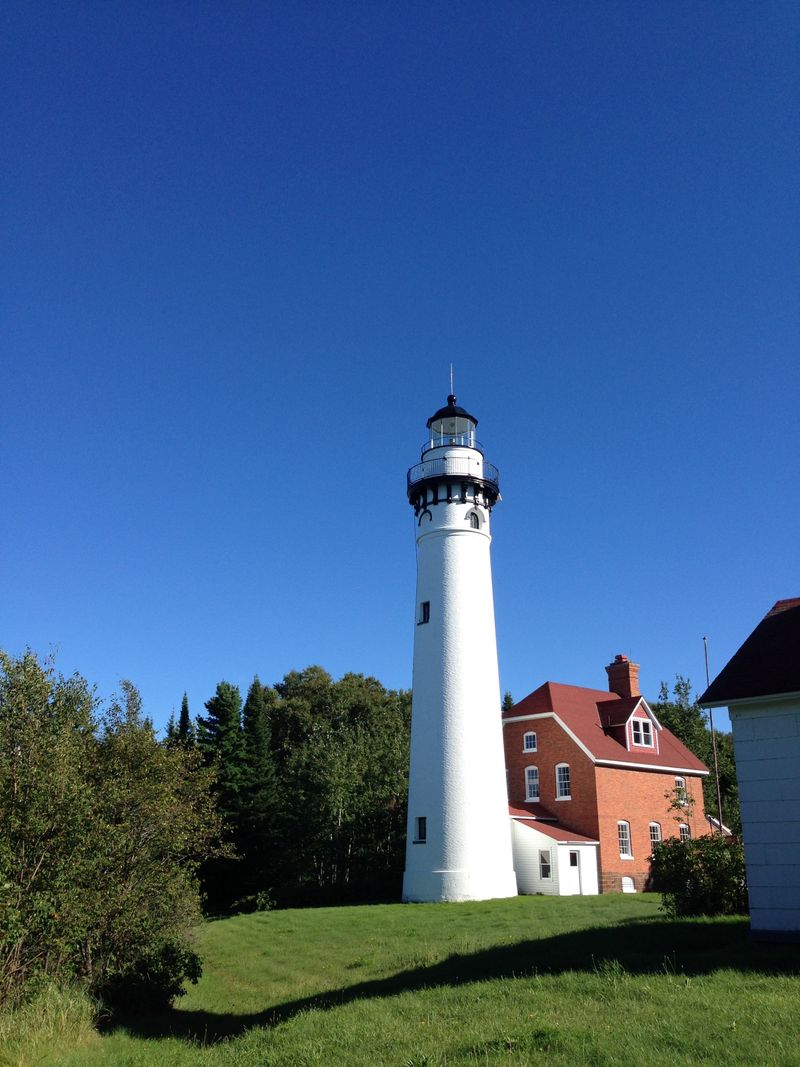
Outer Island lives up to its name, sitting farther from the mainland than any other island in the Apostle Islands group.
The journey here is long and can be rough, with open water crossings that test even experienced boaters’ skills and courage.
Your reward for making the trip is Wisconsin’s tallest lighthouse, a magnificent red brick tower standing 90 feet high and visible for miles across Lake Superior.
Built in 1874, the lighthouse and its keeper’s quarters have been partially restored, and you can climb the spiral staircase to the top for breathtaking views.
The island’s forests are pristine, filled with old-growth trees that have stood for centuries, creating a cathedral-like atmosphere as you hike beneath them.
Sandy beaches on the southern shore provide peaceful spots to rest, swim, or simply sit and watch the endless expanse of blue water.
Camping is allowed but limited to a few designated sites, and the isolation means you’ll likely have the entire island to yourself.
Wildlife encounters are common, with deer, foxes, and even the occasional black bear making appearances.
Outer Island demands respect for its remoteness, but those who venture here discover a profound sense of solitude and natural beauty that’s increasingly rare in our connected world.
10. Long Island (Apostle Islands National Lakeshore)
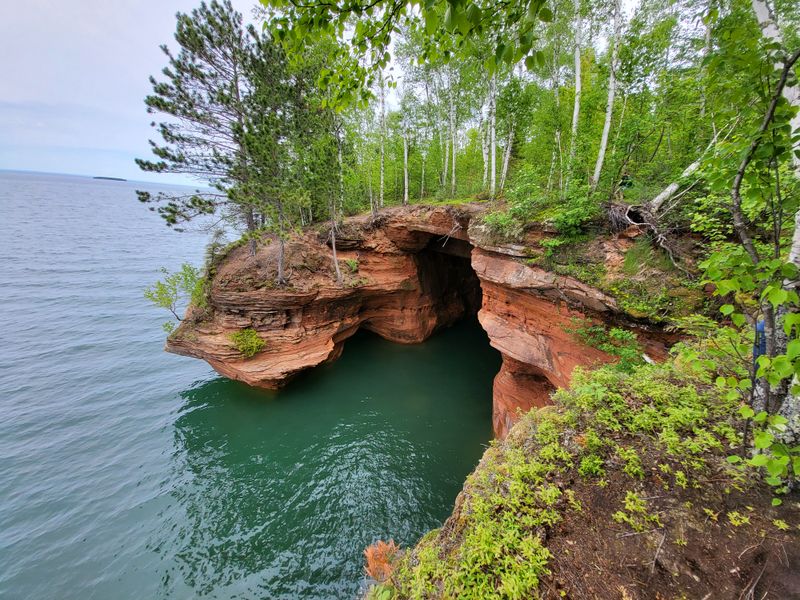
Long Island lives up to its name with a narrow, elongated shape that stretches through the waters of Lake Superior like a green ribbon.
This island is one of the lesser-known gems in the Apostle Islands, meaning you’ll encounter fewer visitors and more genuine wilderness experiences.
Access requires a private boat or water taxi, and there’s no established dock, so landing can be tricky depending on wave conditions.
The island’s interior features dense forests with minimal trails, making exploration feel like a true backcountry adventure where you might not see another soul.
Primitive camping is allowed, but you’ll need to bring everything including water, since there are no facilities or freshwater sources on the island.
The shoreline alternates between rocky cliffs and small pebbly beaches, each offering different perspectives on Lake Superior’s ever-changing moods.
Kayakers often paddle around Long Island’s perimeter, discovering hidden coves and interesting rock formations carved by centuries of wave action.
Wildlife viewing opportunities are excellent, with eagles often spotted soaring overhead and various waterfowl nesting along the protected shores.
For those seeking true solitude and a chance to disconnect completely from modern life, Long Island delivers an authentic wilderness experience that feels worlds away from civilization.