
10 Historic Covered Bridges In Vermont Worth A Road Trip
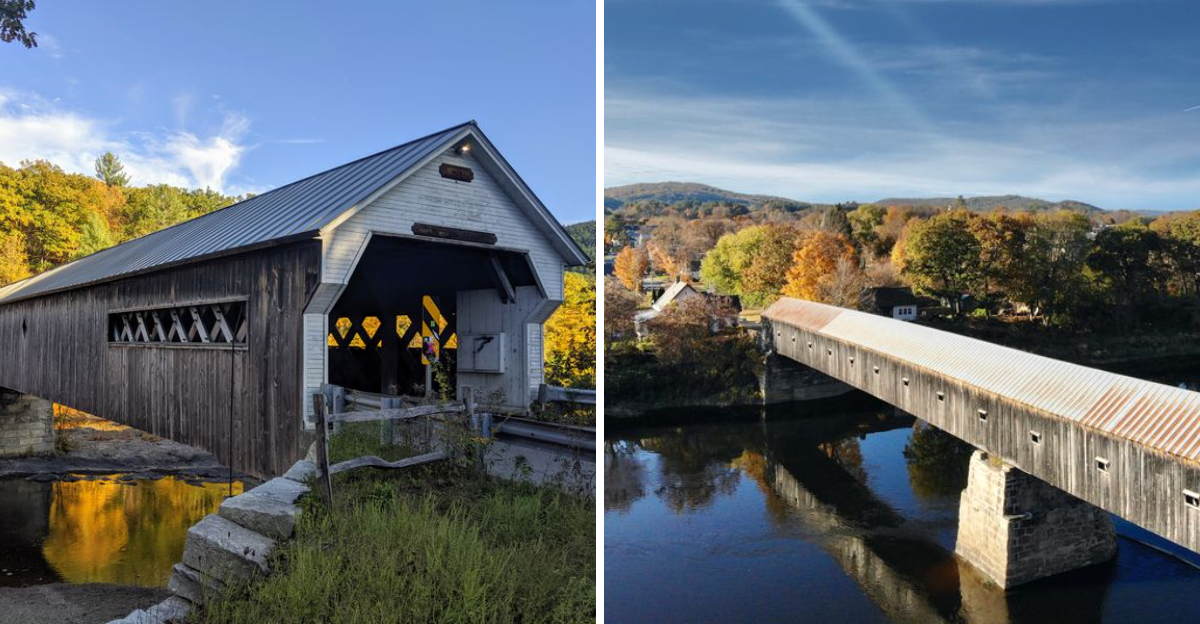
Vermont’s covered bridges are like stepping into a time machine that takes you back to when horses and carriages ruled the roads.
These wooden wonders aren’t just beautiful—they tell stories of craftsmanship, community, and a slower pace of life that feels refreshing in our fast-paced world.
Scattered across rolling hills and tucked beside babbling brooks, these bridges have survived storms, floods, and the march of time.
Pack your camera, grab some snacks, and get ready to explore ten incredible covered bridges that make Vermont one of the most charming places in America.
1. Taftsville Covered Bridge (Woodstock)
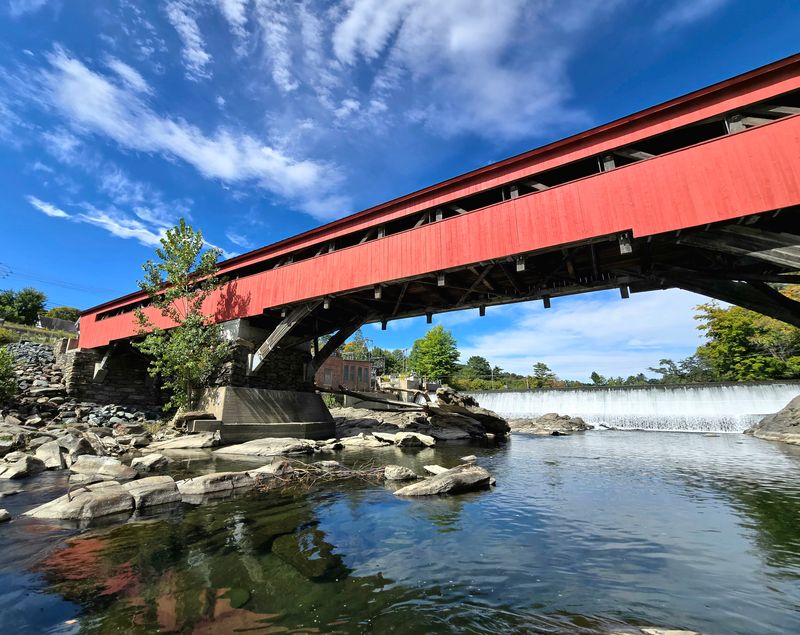
Built back in 1836, this beauty has watched nearly two centuries pass by from its perch over the Ottauquechee River.
The red paint against the green landscape creates a postcard-perfect scene that photographers absolutely adore.
What makes this bridge extra special is its incredible resilience—it survived the devastating floods of Hurricane Irene in 2011 and was lovingly restored.
Standing 165 feet long, it’s one of the longest covered bridges in Vermont.
The Town lattice truss design showcases the engineering brilliance of early American builders.
When you visit, park nearby and walk through slowly to admire the wooden beams overhead.
Woodstock itself is worth exploring, with its village green and charming shops.
The bridge sits right along Route 4, making it super easy to find.
Early morning light creates magical photo opportunities here.
2. Lincoln Covered Bridge (West Woodstock)
Just a few miles from Taftsville sits another gem that feels like it belongs in a storybook.
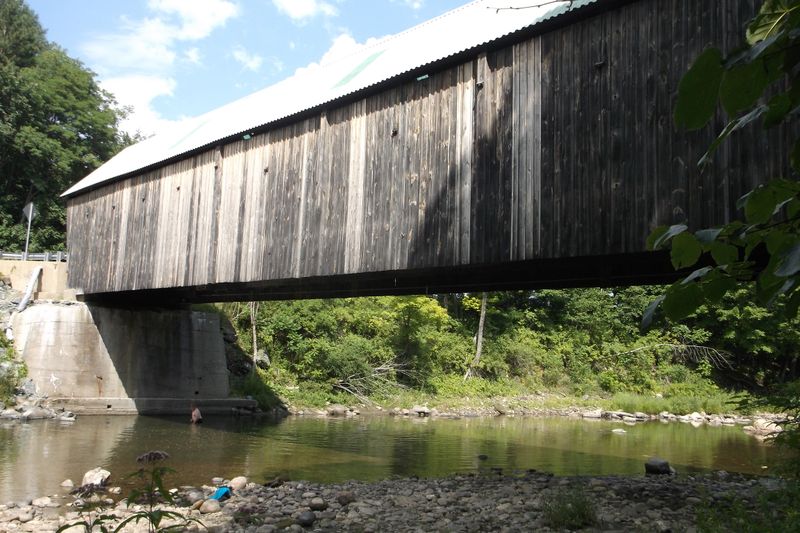
Constructed in 1877, the Lincoln Bridge spans the Ottauquechee River with quiet dignity.
Unlike its more famous neighbor, this bridge has a more secluded, peaceful vibe that makes you want to linger.
The weathered wood exterior tells tales of countless Vermont winters and summers.
At 136 feet long, it’s slightly smaller but equally impressive in its craftsmanship.
Local legends whisper about couples who’ve shared their first kiss beneath its sheltering roof.
The surrounding area offers fantastic hiking trails if you’re feeling adventurous.
Bring a picnic blanket and enjoy lunch by the riverbank after exploring the bridge.
The combination of both Woodstock bridges makes for a perfect half-day adventure.
Don’t rush—these structures deserve your full attention and appreciation.
3. Cornish–Windsor Covered Bridge (Windsor)
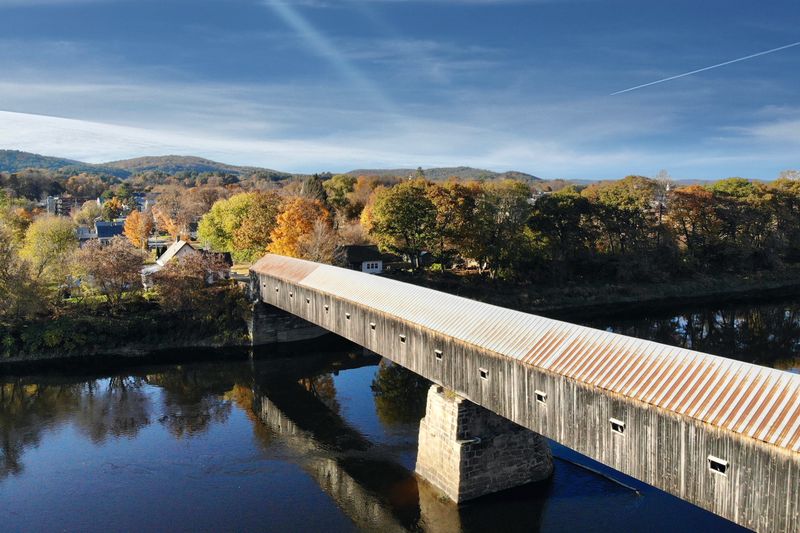
Hold onto your hats because this bridge holds a spectacular record—it’s the longest wooden covered bridge in the United States!
Stretching an amazing 460 feet across the Connecticut River, it connects Vermont to New Hampshire.
Walking through it feels like a journey through a wooden tunnel that just keeps going.
Built in 1866, it has witnessed generations of travelers crossing between two states.
The echoing footsteps and creaking boards add to the authentic historical experience.
This bridge actually appears on the National Register of Historic Places, which is pretty cool.
Because it spans state lines, you can literally stand in two places at once!
The views from either end showcase the beautiful Connecticut River valley.
Visit during fall when the foliage creates a kaleidoscope of colors reflecting in the water below.
It’s worth the drive just to say you’ve crossed America’s longest covered bridge.
4. West Dummerston Covered Bridge (Dummerston)

Tucked away in southern Vermont, this bridge has been greeting travelers since 1872.
Its bright red exterior practically glows against the lush green hillsides surrounding it.
At 280 feet long, it’s Vermont’s longest single-span covered bridge still standing today.
The West River flows peacefully beneath its sturdy beams, creating perfect reflection opportunities for photographers.
Local farmers used to drive their cattle and wagons across it daily, heading to market.
Now it carries cars, but the weight limit keeps traffic light and respectful of its age.
The Town lattice truss construction demonstrates remarkable engineering that has stood the test of time.
Nearby, you’ll find quiet country roads perfect for a leisurely drive after visiting.
Spring brings wildflowers that frame the bridge beautifully, while winter snow creates a completely different magical scene.
This bridge represents Vermont’s commitment to preserving its architectural heritage for future generations to enjoy.
5. Chiselville Covered Bridge (Sunderland)
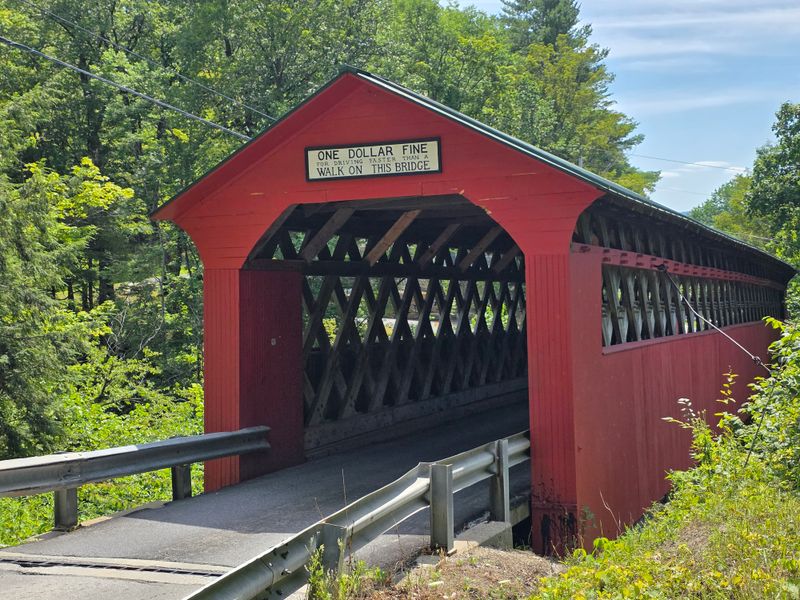
Perched over the aptly named Roaring Branch, this bridge has been standing strong since 1870.
The dark, weathered wood gives it a mysterious, almost haunted appearance that’s absolutely captivating.
It’s shorter than some others at 117 feet, but what it lacks in length it makes up in character.
Mountain views surround this bridge, making it feel like you’ve discovered a secret hideaway.
The rushing water below creates a soundtrack that’s both soothing and energizing.
Photographers love the dramatic contrast between the dark bridge and the bright Vermont sky.
Local history buffs will tell you stories about the bridge’s role in connecting isolated mountain communities.
The Town lattice truss design here is particularly well-preserved, showing off the original craftsmanship.
Visit in early summer when mountain laurel blooms add splashes of pink to the green landscape.
This bridge rewards those willing to venture slightly off the beaten path with unforgettable views and atmosphere.
6. Arlington Green Covered Bridge (West Arlington)

Right near the village green sits this charming bridge that feels like the heart of the community.
Constructed in 1852, it’s one of Vermont’s older covered bridges still welcoming visitors today.
The bright red paint job makes it impossible to miss as you drive through West Arlington.
Norman Rockwell lived nearby and found endless inspiration in scenes like this bridge.
At 80 feet long, it’s one of the shorter bridges on this list but absolutely packed with charm.
The Batten Kill flows underneath, famous among fly fishermen for its excellent trout population.
Artists and painters often set up easels here to capture the quintessential Vermont scene.
The village green provides a perfect spot for a rest after exploring the bridge’s interior.
Kids love running through and listening to their voices echo off the wooden walls.
This bridge represents small-town Vermont at its absolute finest and most welcoming.
7. Paper Mill Village Bridge (Bennington)
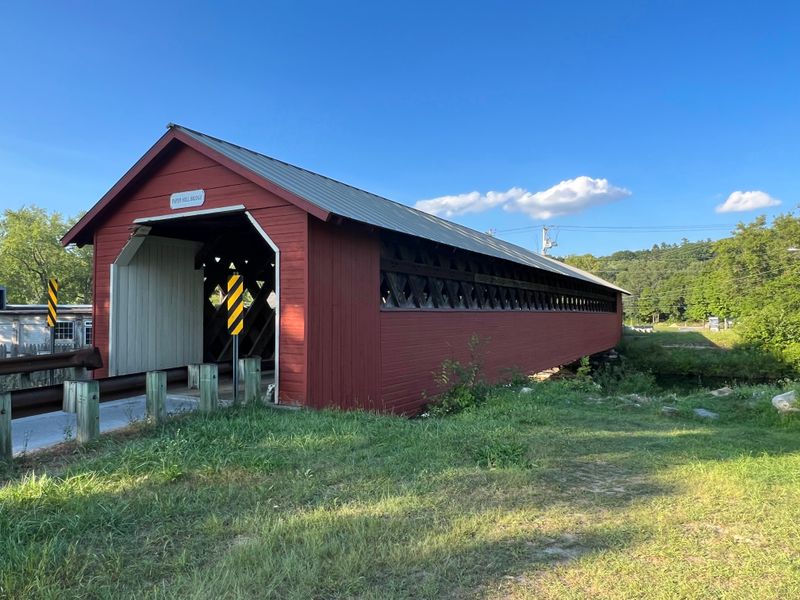
History runs deep at this bridge, which gets its name from the paper mill that once operated nearby.
Built in 1889, it served workers traveling to and from the mill during Vermont’s industrial heyday.
The natural wood exterior has aged gracefully, developing a silvery patina that looks incredible in photographs.
At 125 feet long, this bridge crosses Walloomsac River with sturdy confidence.
The surrounding area still shows remnants of the old mill village, adding layers to your visit.
Walking through feels like stepping into a living history lesson about Vermont’s manufacturing past.
Bennington itself offers museums and Revolutionary War sites worth exploring after the bridge.
The Town lattice truss here is particularly interesting because you can see the wooden pins clearly.
Autumn transforms this spot into a photographer’s dream with brilliant foliage reflected in the water.
This bridge connects Vermont’s agricultural past with its brief but important industrial period beautifully.
8. Northfield Falls Covered Bridge (Northfield Falls)
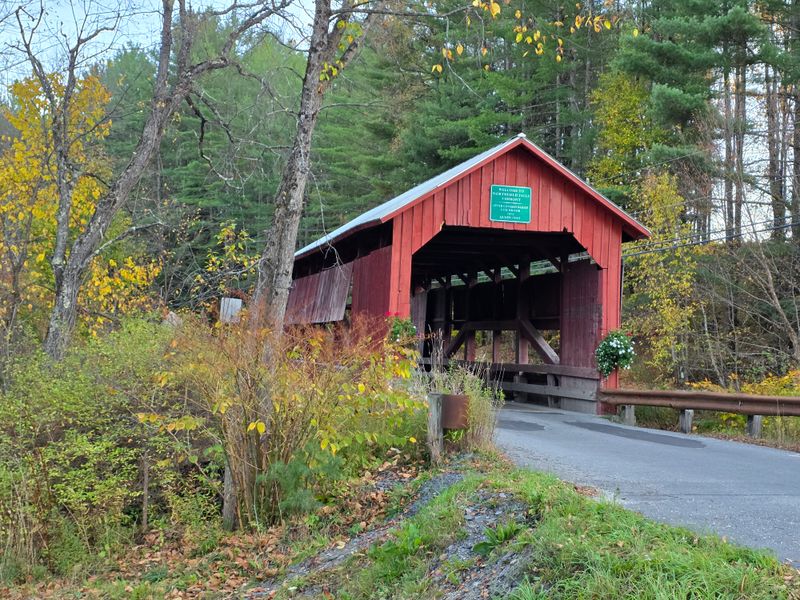
Right in the heart of Northfield Falls village, this bridge has been a community landmark since 1872.
The Dog River flows beneath it, sometimes gently, sometimes roaring after spring snowmelt.
Locals still use it daily, making it feel like a living, breathing part of the town rather than just a tourist attraction.
At 137 feet long, it perfectly balances practicality with historical charm.
The red exterior paint gets refreshed regularly by dedicated townspeople who treasure their bridge.
Standing inside, you can see generations of graffiti and carvings that tell their own stories.
The village surrounding the bridge offers a genuine glimpse into everyday Vermont life.
A small general store nearby sells maple syrup and homemade fudge perfect for road trip snacking.
Winter visits are magical when snow blankets everything and icicles hang from the bridge’s edges.
This bridge proves that covered bridges aren’t just museum pieces—they’re still vital parts of Vermont communities today.
9. Brown Covered Bridge (Shrewsbury)
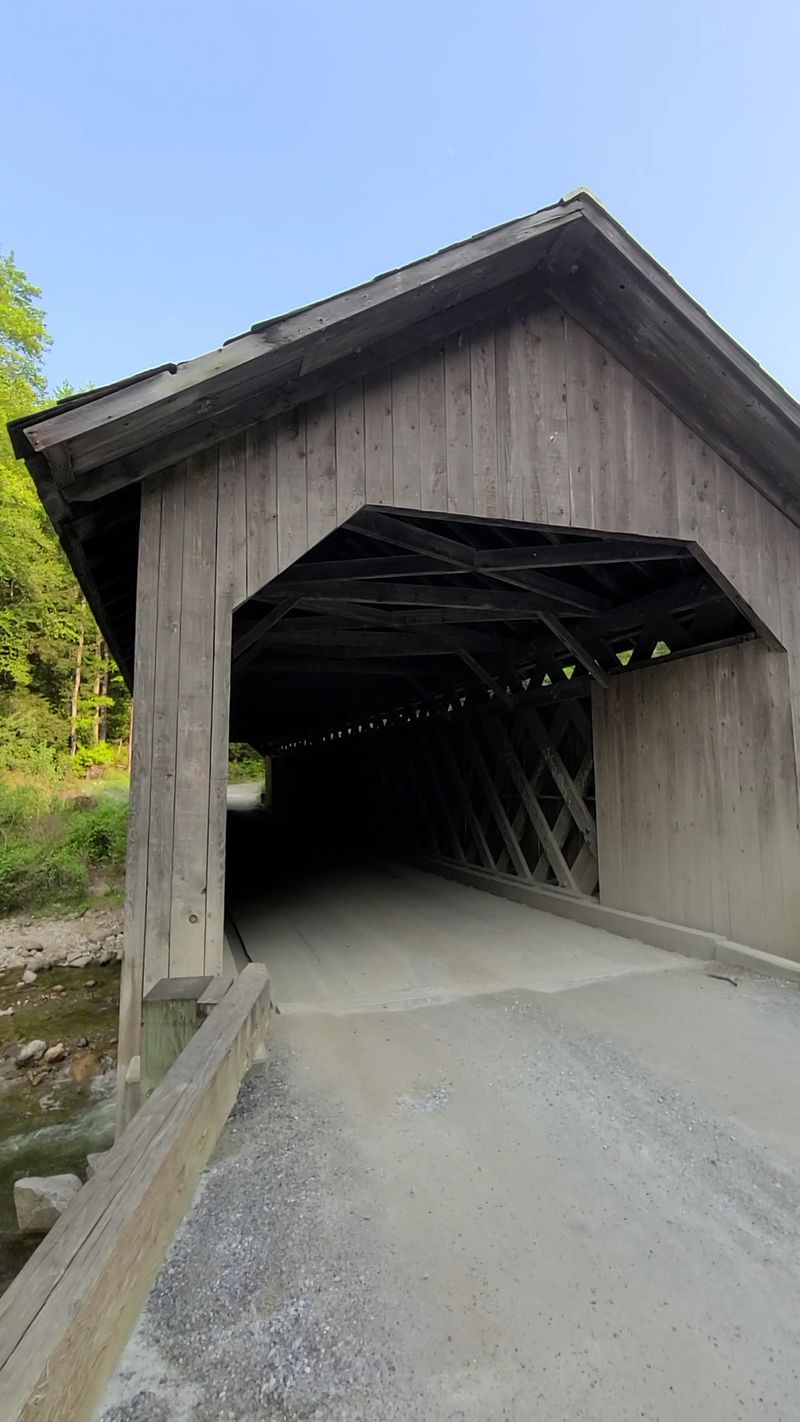
Way up in the hills of Shrewsbury, this bridge rewards adventurous travelers with stunning mountain views.
Built in 1880, it has weathered countless harsh Vermont winters without losing its character.
The natural wood exterior has turned a beautiful silvery-brown that perfectly matches its name.
At 120 feet long, it crosses Cold River in a spot that feels wonderfully remote and peaceful.
The surrounding forest creates a canopy that makes the bridge feel like a secret hideout.
Very few tourists make it this far, so you’ll likely have the place to yourself.
The rocky stream below is perfect for wading on hot summer days after exploring the bridge.
Local wildlife is abundant here—keep your eyes open for deer, wild turkeys, and even moose.
The drive to reach this bridge takes you through some of Vermont’s most beautiful backcountry roads.
This bridge is for people who love getting off the tourist trail and finding hidden treasures.
10. Pulp Mill Covered Bridge (Middlebury)
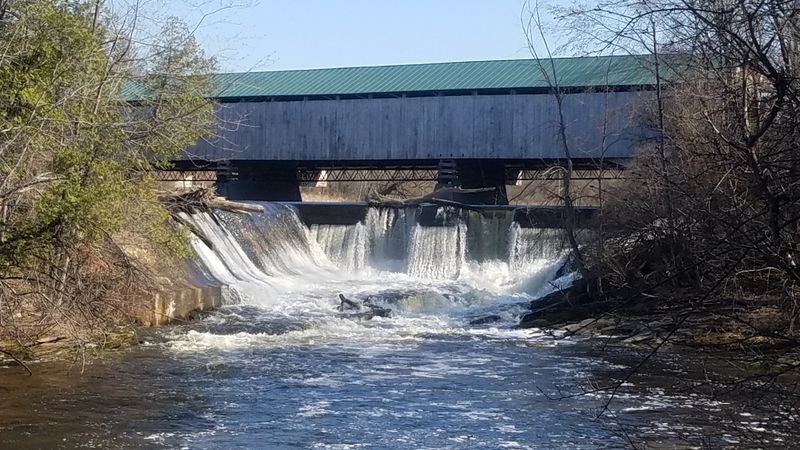
Named after the pulp mill that once powered Middlebury’s economy, this bridge tells Vermont’s industrial story.
Constructed in 1820, it’s one of the oldest covered bridges in the entire state still standing.
The deep red paint contrasts beautifully with Otter Creek flowing beneath its sturdy beams.
At 139 feet long, it has carried everything from horse-drawn wagons to modern cars across the decades.
The Town lattice truss design here is considered one of the finest examples in New England.
Middlebury College students often visit for history projects, sketching classes, and romantic evening walks.
The college town atmosphere adds energy and youthfulness to this historic site.
Nearby restaurants and cafes make it easy to turn your bridge visit into a full day trip.
The falls adjacent to the bridge create a soothing soundtrack and beautiful photo backdrop.
This bridge perfectly blends Vermont’s educational, industrial, and natural heritage into one unforgettable stop on your covered bridge road trip adventure.