
The Laid-Back Oregon Forest Town Where Foggy Mornings Define The Rhythm Of Life
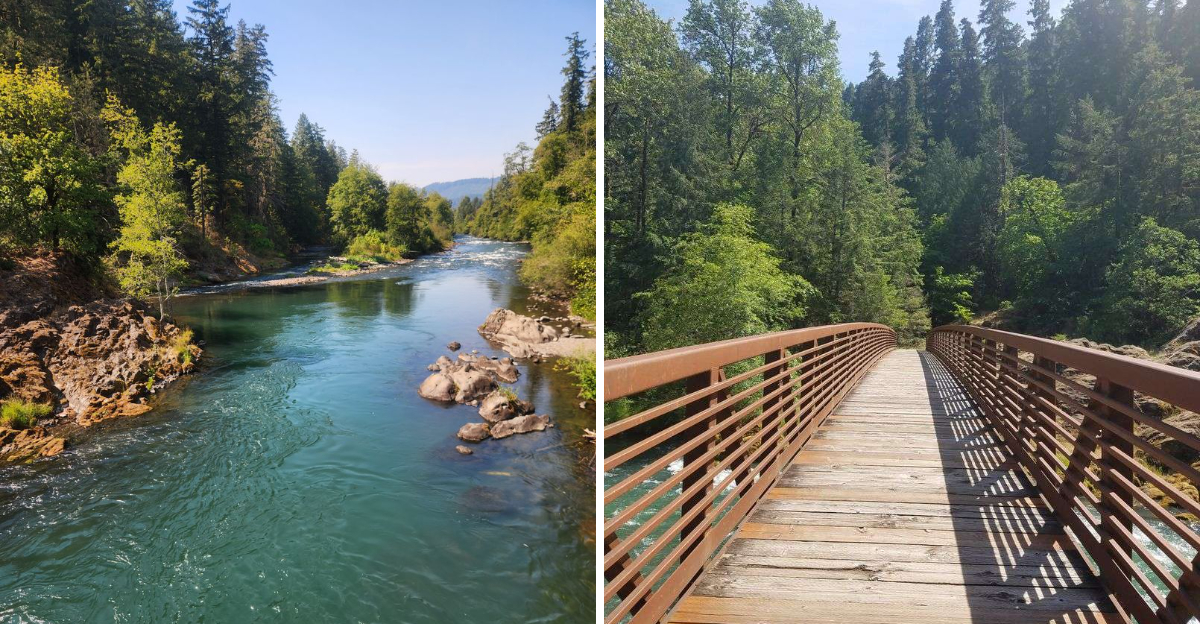
Oakridge sits tucked into the forested hills of Lane County, about 40 miles east of Eugene, where the Willamette National Forest stretches out in all directions.
Fog comes in thick most mornings, wrapping the town in a soft gray blanket that softens the edges of everyday life.
This is a place where people measure time by the weather, the rivers, and the rhythm of the mountains, not by rush hour or appointment books.
If you’re looking for a small Oregon town that hasn’t lost its connection to the land, Oakridge is worth your attention.
Fog Rolls In From The Forest Almost Every Morning
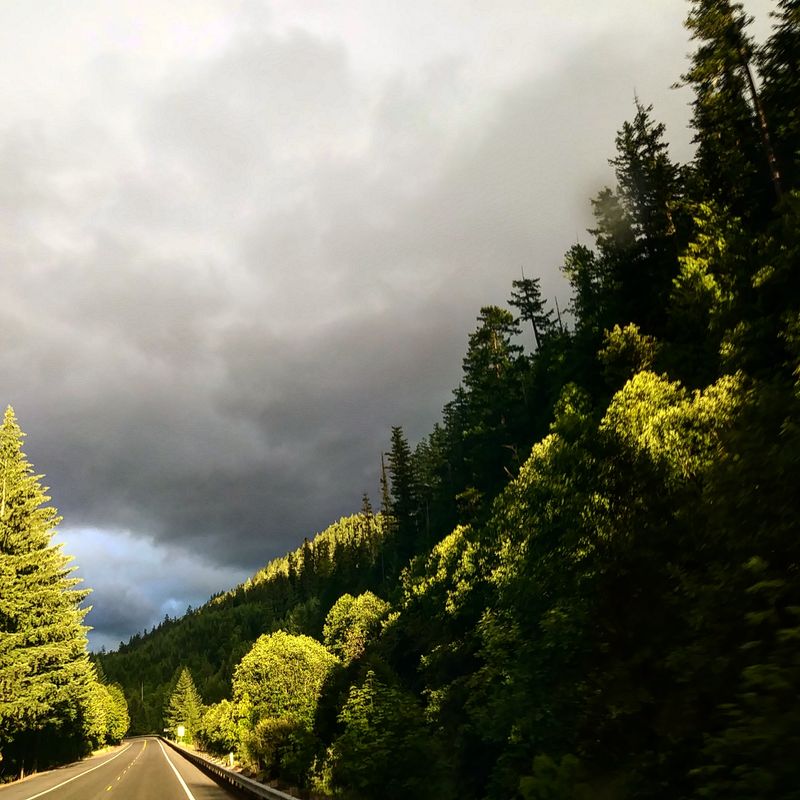
Oakridge wakes up under a heavy layer of fog that drifts down from the surrounding ridges and settles into the valley like clockwork.
Most mornings between late fall and early spring, visibility drops to just a few hundred feet.
The mist clings to the trees, softens the streetlights, and turns familiar roads into something quieter and more mysterious.
Locals don’t fight it or complain about it.
They plan around it, dress for it, and talk about it the way other towns talk about traffic.
Fog becomes part of the daily routine, something you check before heading out the door.
By midmorning, the sun usually breaks through, burning off the gray and revealing the mountains again.
But those early hours set the tone for the day.
They remind you that nature still runs the show here, and that’s exactly how people in Oakridge prefer it.
Life Moves At The Pace Of The Willamette National Forest
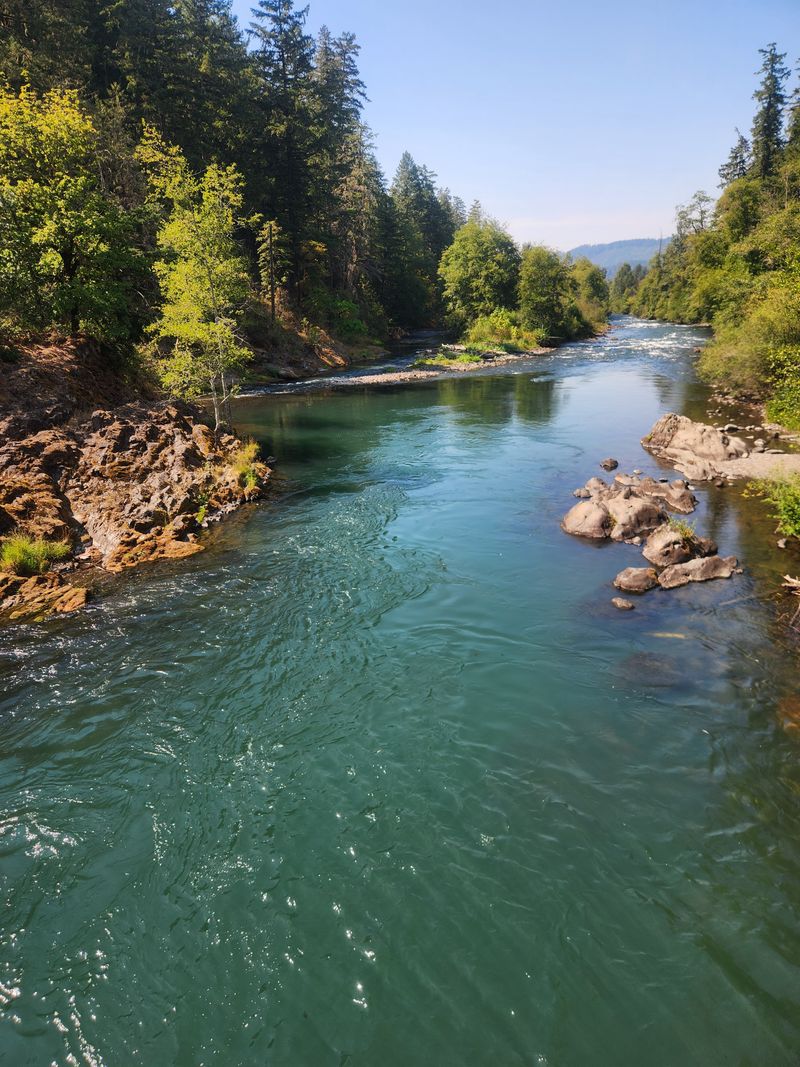
Oakridge is surrounded on nearly all sides by the Willamette National Forest, one of the largest stretches of protected wilderness in the Pacific Northwest.
The forest doesn’t just frame the town—it defines it.
People here live according to its seasons, its weather patterns, and its natural rhythms.
You won’t find much urgency in Oakridge.
Conversations take longer.
People stop to say hello even if they don’t know you.
The pace feels deliberate, unhurried, and rooted in something older than modern schedules.
This isn’t a place where productivity is measured in meetings or emails.
It’s measured in firewood stacked, trails cleared, and time spent outside.
The forest sets the tempo, and the town follows without resistance.
That slower rhythm can feel jarring at first, but it’s also what draws people back.
Mornings Begin With Coffee, Quiet Streets, And River Mist
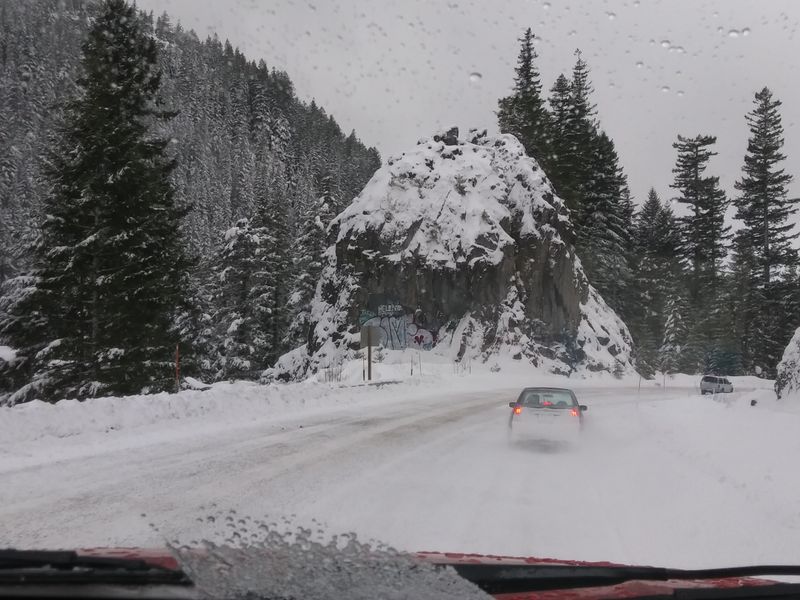
Early morning in Oakridge feels like a secret shared among a few.
The streets are empty except for the occasional truck heading toward a trailhead or logging road.
Steam rises from the Willamette River and its tributaries, mixing with the fog and creating layers of gray and white that shift with the breeze.
Coffee shops open early, and the regulars show up before the sun does.
Conversations are low and easy, punctuated by the hiss of the espresso machine and the clink of ceramic mugs.
There’s no rush to leave, no pressure to move on to the next thing.
The mist along the river gives the morning a cinematic quality, like something out of a film about the Pacific Northwest.
But this isn’t staged or curated.
It’s just what happens when a mountain town wakes up in the middle of the forest.
The Town Sits Where Rivers, Creeks, And Mountains Meet

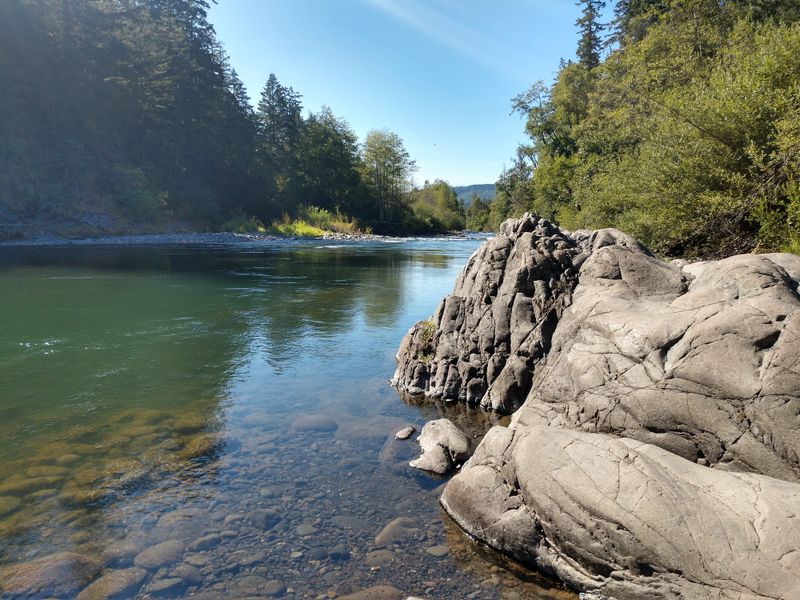
Oakridge is located at the confluence of multiple waterways, including the Middle Fork of the Willamette River and several smaller creeks that flow down from the Cascade Range.
The town sits at about 1,200 feet in elevation, nestled into a valley surrounded by peaks that rise well over 5,000 feet.
This geography gives Oakridge its character and its weather.
Water is everywhere here.
You hear it before you see it—rushing under bridges, tumbling over rocks, pooling in wide bends where fishermen cast their lines.
The sound becomes part of the background, a constant reminder that the landscape is alive and moving.
The mountains provide shelter from the worst of the coastal storms but also trap moisture in the valley.
That’s why the fog lingers and why the air feels thick and cool even in summer.
It’s a small town shaped entirely by its surroundings.
Covered Bridges And Forest Roads Are Part Of Everyday Life
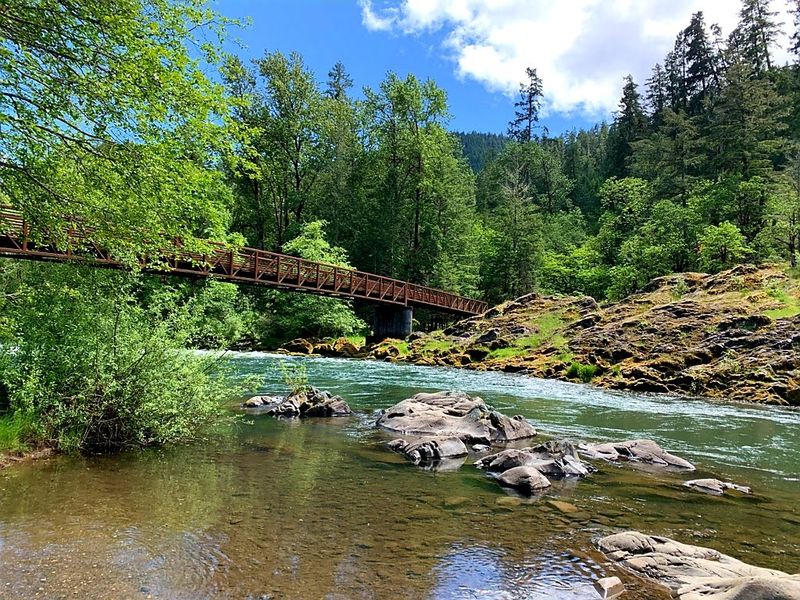
Lane County is home to more covered bridges than any other county in Oregon, and several of them are located just outside Oakridge.
These aren’t tourist attractions—they’re working pieces of infrastructure that people drive across daily.
Office Covered Bridge and Westfir Covered Bridge are two of the most recognizable, but there are others tucked along backroads that only locals know about.
Forest roads branch off in every direction, leading to trailheads, fishing spots, and remote campsites.
Many of them are gravel, narrow, and unsigned.
You learn them by driving them, not by looking at a map.
These roads and bridges are part of the fabric of life here.
They’re how people get to work, how they reach their favorite places, and how they navigate a landscape that doesn’t offer many shortcuts.
It’s a slower way to live, but it’s also more connected to the land.
Outdoor Recreation Isn’t A Weekend Activity — It’s Daily Life
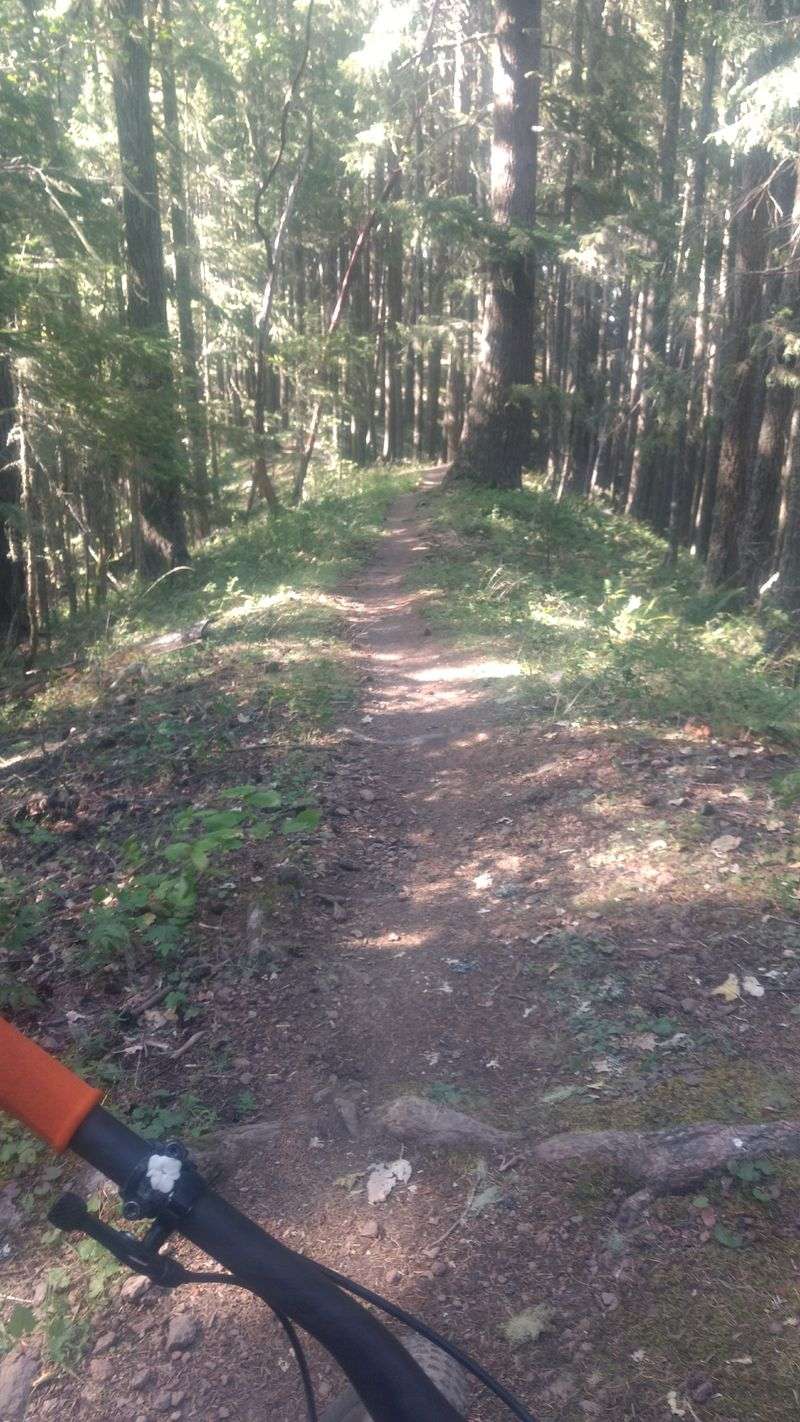
In Oakridge, outdoor recreation isn’t something people do when they have free time.
It’s woven into the structure of everyday life.
People mountain bike before work, fish during lunch, and hike after dinner.
The trails are rarely crowded because the people using them live here year-round.
Oakridge has earned a reputation as a mountain biking destination, with miles of singletrack that wind through old-growth forest and along ridgelines.
But it’s also known for paddling, trail running, skiing, and hunting.
The variety is part of what makes the town unique.
You don’t need to plan a trip or book a weekend getaway.
You just walk out your door.
That accessibility changes how people think about recreation.
It becomes less about escape and more about routine, less about performance and more about presence.
It’s a different kind of lifestyle, and it suits the people who choose to stay.
Foggy Mornings Give Way To Clear, Blue Afternoons
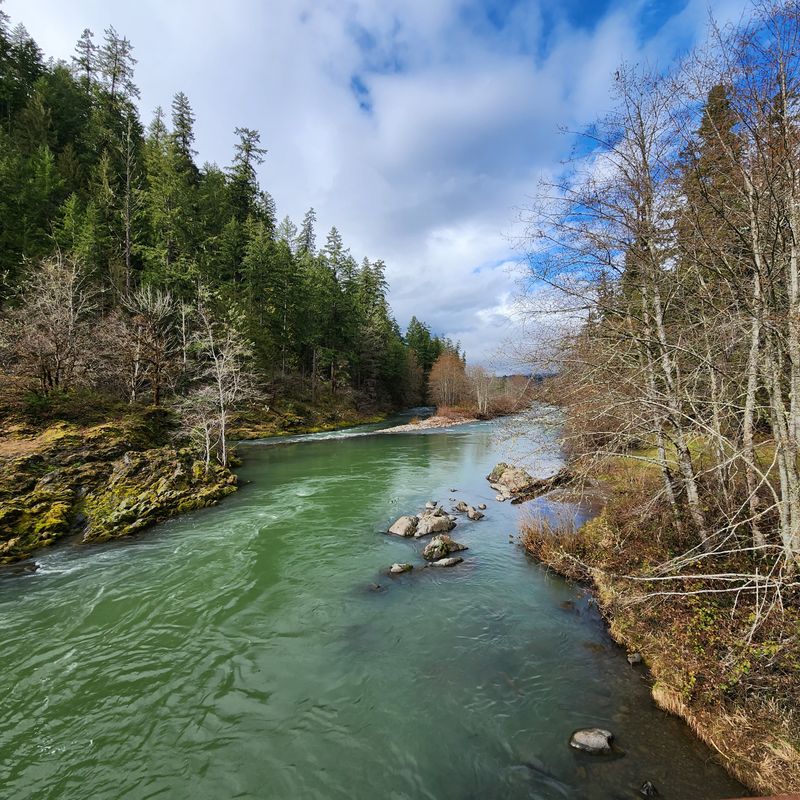
One of the most reliable patterns in Oakridge is the way the weather shifts from morning to afternoon.
Fog dominates the early hours, but by noon, the sun usually breaks through and burns it off completely.
What was gray and muted at 7 a.m. becomes sharp and bright by 2 p.m.
The transformation can be dramatic.
Mountains that were invisible in the morning suddenly appear in full detail.The river changes from silver to blue.
The air warms up, and the town comes alive in a different way.
People time their days around this shift.
Morning chores happen indoors.
Afternoon work happens outside.
It’s a rhythm that feels natural once you’ve lived here for a while.
The fog doesn’t feel oppressive because you know it’s temporary.
It’s just the way the day begins before the mountains reveal themselves again.
The Town Feels Miles Away From Oregon’s Busy Cities
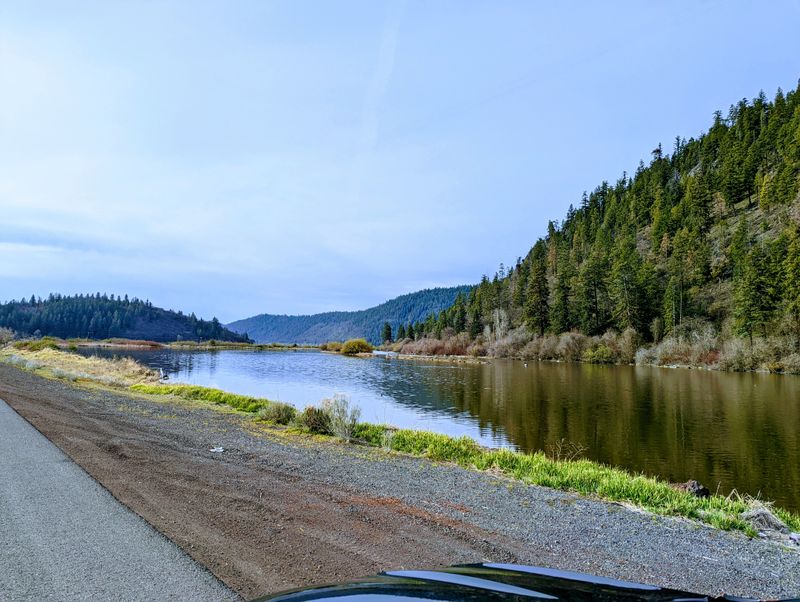
Oakridge is only 40 miles from Eugene, but it feels like a different world.
There’s no traffic, no strip malls, and no sense of hurry.
The drive along Oregon Route 58 takes you up into the mountains and away from the Willamette Valley’s sprawl.
By the time you arrive, the noise and pace of city life feel distant.
Portland is about 150 miles to the northwest, far enough that most people in Oakridge don’t think about it much.
The town operates on its own terms, with its own economy and its own sense of identity.
It’s not a suburb or a bedroom community.
It’s a place that exists independently.
That distance is part of the appeal.
People come here because they want separation from urban life, not just a break from it.
They want to live somewhere that still feels remote, even if it’s technically accessible.
Oakridge offers that kind of isolation without being completely cut off.
Forest Sounds Replace City Noise
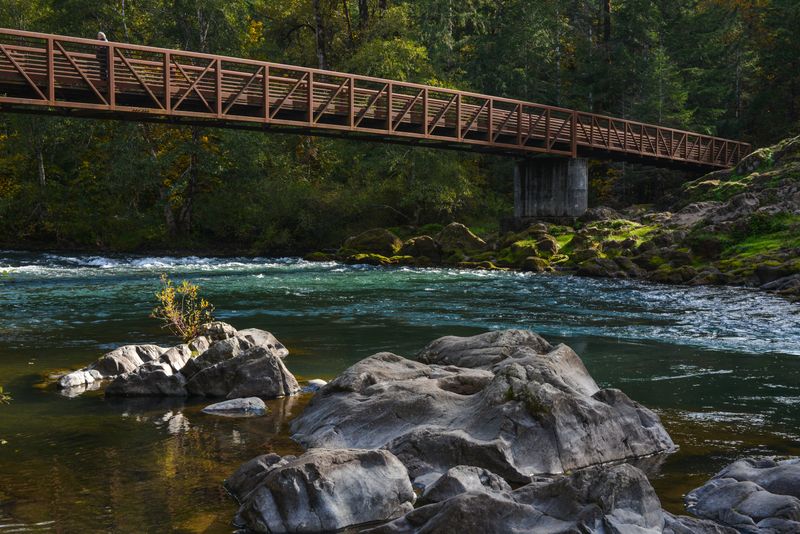
In Oakridge, the soundscape is entirely different from what you’d hear in a city or even a suburb.
There are no sirens, no car alarms, no constant hum of traffic.
Instead, you hear wind moving through the trees, rain on the roof, and the occasional call of a raven or woodpecker.
The rivers and creeks provide a low, steady background noise that changes with the season.
In spring, they roar with snowmelt.
In late summer, they drop to a murmur.
That sound becomes something you tune into rather than tune out.
At night, the quiet can be startling if you’re not used to it.
There’s no ambient light, no distant hum of the city.
Just darkness and silence, broken occasionally by the creak of a tree or the rustle of an animal moving through the underbrush.
It’s the kind of quiet that lets you think, sleep deeply, and reset in ways that aren’t possible in louder places.
Seasonal Rhythms Matter More Than The Clock
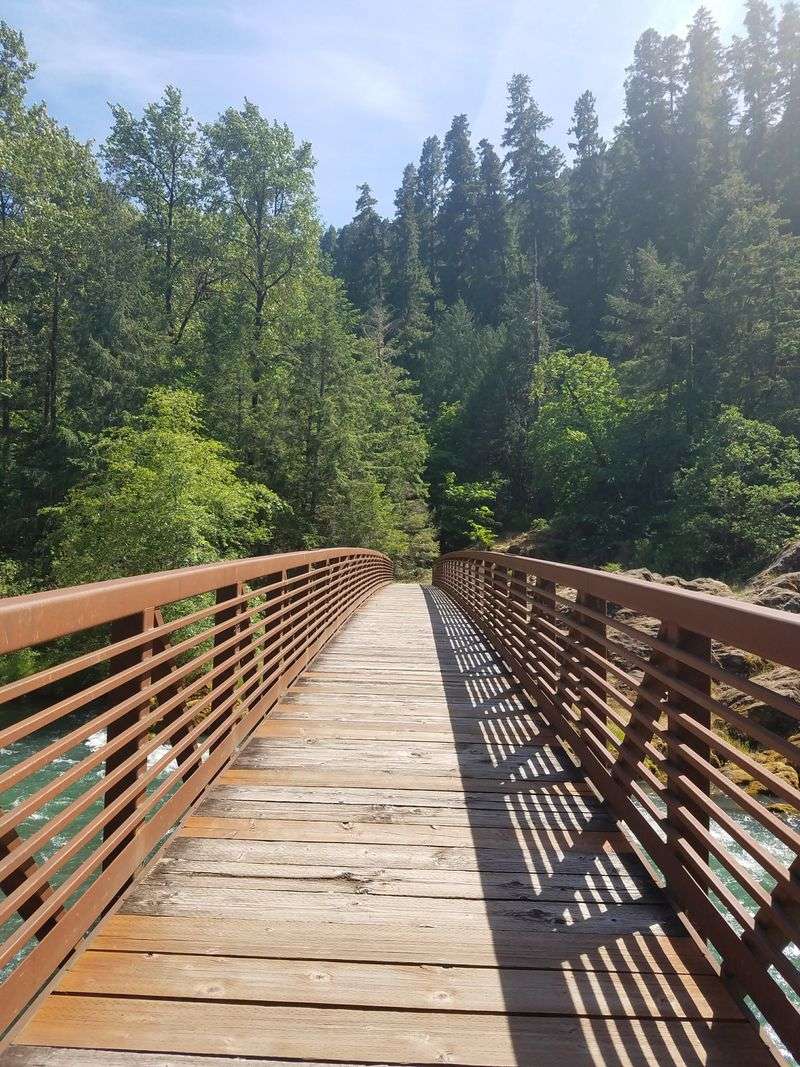
Oakridge operates on a seasonal calendar more than a daily one.
People plan their lives around hunting season, fishing season, mushroom season, and snow
season.The clock matters less than the conditions outside.
You don’t schedule a hike for 3 p.m. on Saturday—you go when the weather’s right and the trail’s clear.
Winter brings snow to the higher elevations, and the town shifts into a quieter mode.
Summer opens up the backcountry, and people spend more time on the trails and rivers.
Fall is for foraging and preparing for the colder months ahead.
Each season has its own rhythm and its own set of tasks.
This seasonal awareness is something that gets lost in cities, where climate control and artificial light flatten the year into a uniform experience.
In Oakridge, you feel the changes.
You adjust to them.
You live according to them.
It’s a more grounded way to experience time.
A Community Built Around Self-Reliance And Simplicity
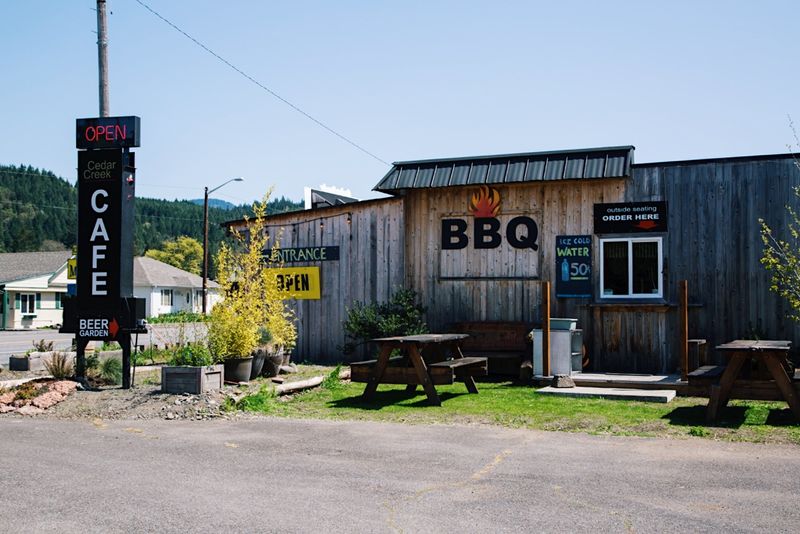
Oakridge is a town where people know how to do things for themselves.
They chop their own firewood, fix their own trucks, and grow their own vegetables.
There’s a culture of self-reliance here that comes from living in a place where services are limited and the nearest hardware store might be a 30-minute drive.
Simplicity is valued over convenience.
People don’t expect same-day delivery or 24-hour stores.
They plan ahead, make do with what they have, and help each other out when something breaks or someone needs a hand.
That kind of community cohesion is rare in more connected places.
It’s not about survivalism or off-grid ideology.
It’s just practical.
Living in a small mountain town requires a certain level of competence and resourcefulness.
People here take pride in that, and it shows in how they approach daily life.
There’s a quiet confidence that comes from knowing you can handle whatever comes your way.
Fog Turns Ordinary Places Into Cinematic Scenes
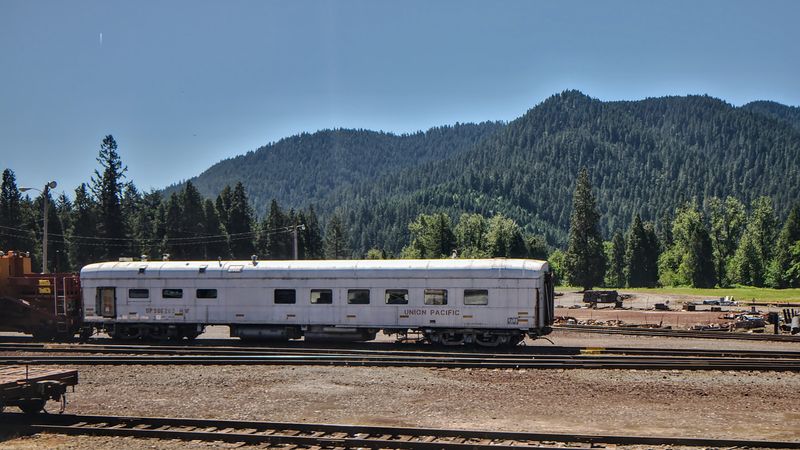
There’s something about fog that changes the way a place looks and feels.
In Oakridge, it transforms everyday scenes—a gas station, a parking lot, a stretch of highway—into something more atmospheric and visually striking.
The soft light and muted colors give everything a cinematic quality, like you’ve stepped onto a film set.
Photographers and filmmakers have long been drawn to the Pacific Northwest for this reason.
The fog adds drama without being heavy-handed.
It creates depth, mystery, and mood.In Oakridge, you get that effect almost daily during certain times of the year.
Even locals notice it.
A familiar street looks different when it’s wrapped in mist.
The forest feels deeper.
The mountains feel closer.
Fog doesn’t just change visibility—it changes perception.
It makes the ordinary feel a little more significant, a little more worth paying attention to.
That’s part of what makes mornings in Oakridge so compelling.
Oakridge Appeals To Those Who Prefer Quiet Over Convenience
Oakridge isn’t for everyone.
It doesn’t have a grocery store on every corner, a bustling nightlife, or easy access to major airports.
What it does have is space, silence, and proximity to some of the best wilderness in Oregon.
For people who value those things, the tradeoffs are worth it.
The town attracts a specific type of person—someone who’s comfortable with solitude, capable of entertaining themselves, and more interested in the outdoors than in shopping or dining options.
It’s a place for readers, hikers, tinkerers, and people who don’t need constant stimulation.
Living here requires some flexibility and a willingness to adapt.
But for those who fit, Oakridge offers something increasingly hard to find: a genuine small-town experience in a landscape that still feels wild.
It’s not about escaping modern life entirely—it’s about choosing a version of it that moves slower, feels quieter, and stays closer to the ground.