
The Quiet Virginia Railroad Town That Time Seems To Have Skipped
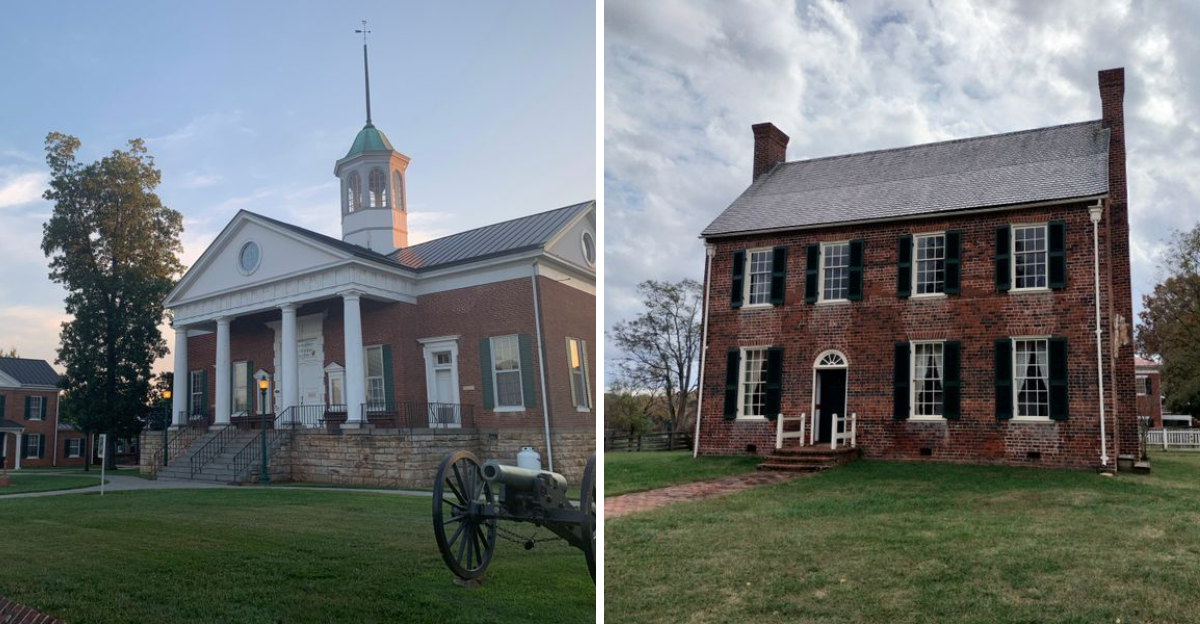
Tucked away in central Virginia lies a town that feels suspended in another century.
Appomattox, with its population of just over 1,700 residents, remains largely untouched by the rush of modern development that has transformed so many American small towns.
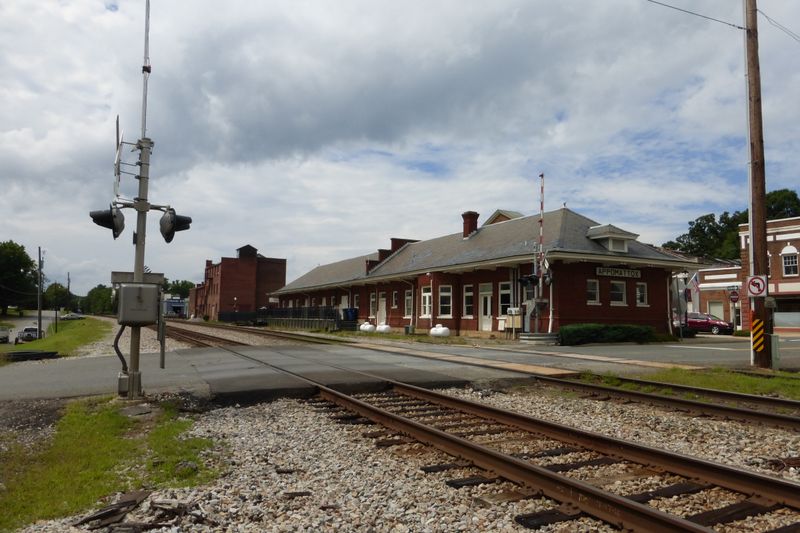
The railroad tracks still run through the heart of this community, a reminder of the era when steam engines connected rural Virginia to the wider world.
For visitors seeking authenticity and a genuine glimpse into how life once moved at a gentler pace, Appomattox offers something increasingly rare: a place where history isn’t just preserved in museums, but woven into the fabric of everyday existence.
Appomattox: Where History And Quiet Reside Together
Few places manage to balance historical significance with everyday tranquility quite like Appomattox.
The town sits comfortably in its role as county seat, maintaining a population that has barely shifted in decades.
Visitors arriving here notice immediately how the usual noise of modern life seems muted, replaced by birdsong and the occasional rumble of a passing train.
Located at 37.3570894, -78.8252911 in Virginia 24522, the town occupies a landscape of rolling hills and farmland.
The architecture speaks to different eras without clashing, from nineteenth-century storefronts to modest mid-century homes.
Nothing here demands your attention with flashing signs or aggressive marketing.
Instead, Appomattox invites a slower form of discovery.
Residents go about their business with the unhurried confidence of people who know their neighbors and trust their routines.
This combination of historical weight and present-day calm creates an atmosphere found in few American towns today.
A Railroad Town That Still Bears The Mark Of The Past
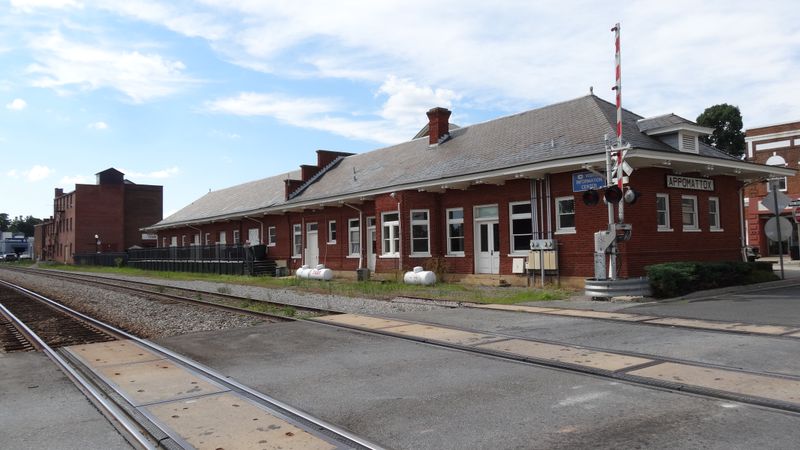
Railroads built Appomattox in the way they built countless American towns during the nineteenth century.
The difference here is that the railroad never entirely left, and neither did the physical reminders of that era.
Tracks still cut through the center of town, and the rhythm of freight trains remains part of the local soundscape.
Walking along these routes today feels like tracing the veins of commerce that once pumped life into rural Virginia.
The depot buildings, though no longer bustling with passengers, stand as quiet monuments to a different kind of connectivity.
Before highways and airports dominated travel, these rails represented possibility and progress.
Local residents maintain a respect for this heritage that goes beyond nostalgia.
The railroad shaped not just the town’s layout but its entire identity.
Even now, when trains pass through without stopping, they remind everyone that Appomattox was once a vital junction in a much larger network.
Appomattox Court House National Historical Park: A Landmark Of Timelessness
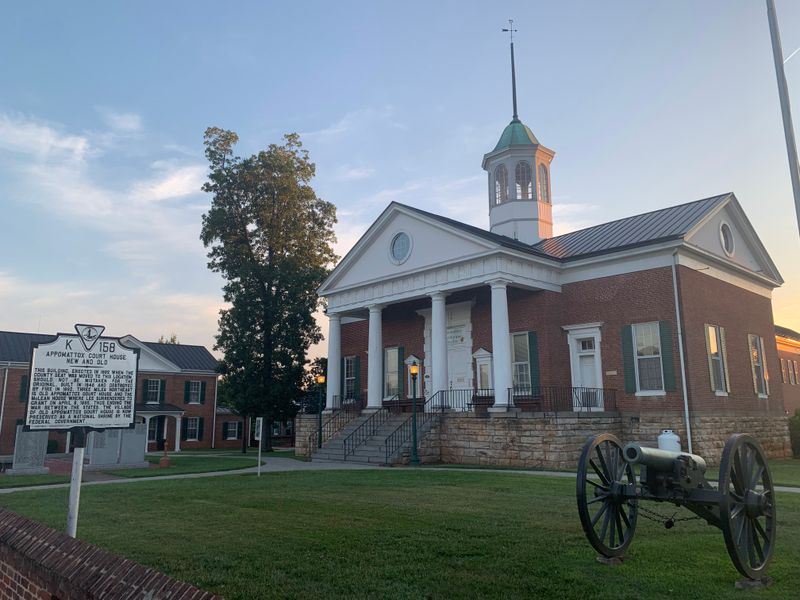
History students know Appomattox Court House as the site where the Civil War effectively ended in April 1865.
What textbooks rarely convey is how remarkably preserved this place remains, offering visitors an almost untouched window into that pivotal moment.
The National Park Service has maintained the village with such care that walking its grounds feels like stepping sideways through time.
The reconstructed buildings stand exactly where their originals did, surrounded by the same rolling Virginia countryside that witnessed surrender and reconciliation.
No theme park atmosphere intrudes here—just quiet paths, informative markers, and the weight of what transpired.
Visitors can stand in the McLean House parlor where generals Grant and Lee met to end four years of devastating conflict.
Beyond its historical significance, the park offers something more subtle: perspective.
The modest scale of these buildings reminds us that world-changing events often unfold in surprisingly ordinary places.
Appomattox Court House remains timeless precisely because it refuses to dramatize itself.
Appomattox’s Main Street: A Step Back Into The Past
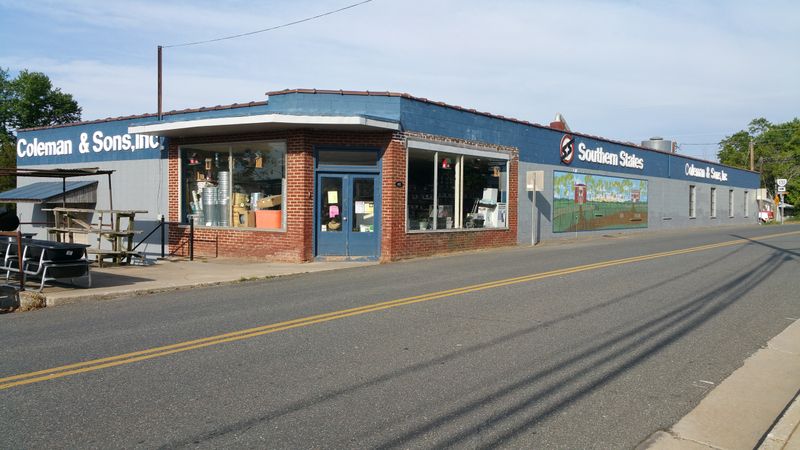
Main Street in Appomattox operates on principles that feel increasingly foreign to modern American commerce.
Stores here open when their owners arrive and close when the day’s work is done, not according to corporate schedules.
The storefronts themselves carry decades of paint and repair, each layer telling its own small story.
You won’t find chain restaurants or familiar franchise logos dominating the landscape.
Instead, locally owned businesses occupy buildings that have served the community for generations.
A hardware store might sit next to a small diner, both operated by families who have lived in Appomattox for decades.
Walking this street requires adjusting your expectations and your pace.
Conversations happen on sidewalks, and shopkeepers remember regular customers by name.
The architecture ranges from simple brick facades to more elaborate Victorian details, all weathered by time but maintained with obvious care.
This is commerce as community practice, not just transaction.
The Slow Rhythm Of Appomattox: Where Life Moves At Its Own Pace
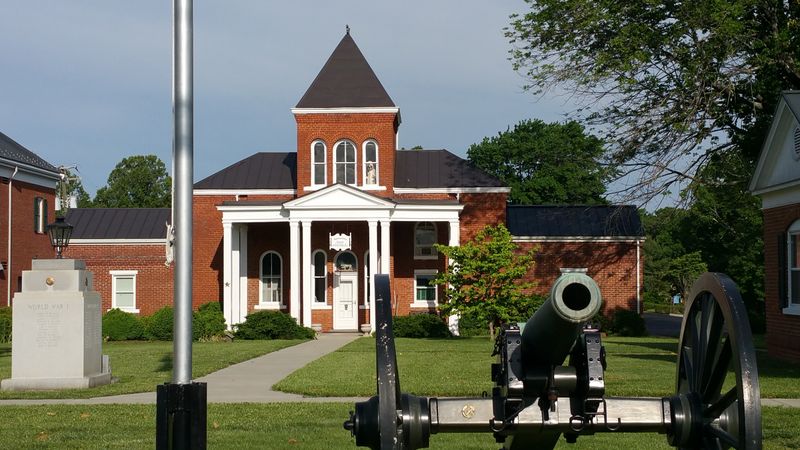
Spend a few days in Appomattox and you’ll notice how differently time seems to function here.
Mornings arrive with less urgency, and evenings settle in without the frantic energy that characterizes urban areas.
People drive slower, walk without checking their phones constantly, and actually pause to acknowledge strangers.
This isn’t laziness or backwardness—it’s a deliberate maintenance of a lifestyle that prioritizes different values.
Residents here have chosen to remain in a place where rush hour means a few extra cars on the road.
The local economy supports this rhythm, with businesses that serve community needs rather than chasing constant growth.
For visitors accustomed to packed schedules and endless stimulation, this pace can feel disorienting at first.
There’s nothing to frantically photograph or check off a list.
Instead, Appomattox offers the increasingly rare gift of simply being present in a place where time hasn’t been compressed into productivity metrics.
The Town’s Preservation Of Its Railroad Legacy
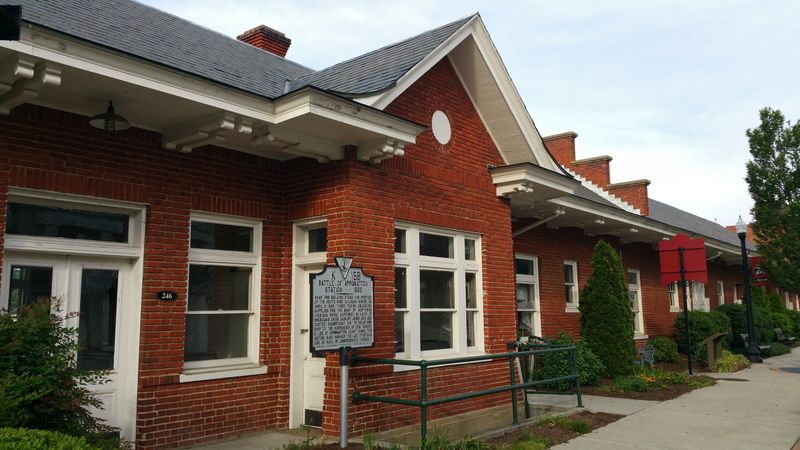
Appomattox hasn’t turned its railroad history into a tourist attraction, which is precisely what makes it authentic.
The preservation here happens through continued use and community memory rather than museum displays.
Old photographs in local businesses show the town when the depot was its busiest hub, and longtime residents can still point out where various railroad buildings once stood.
The physical infrastructure remains visible throughout town, from the tracks themselves to the layout of streets that were designed to serve rail commerce.
Certain buildings still bear faded paint advertising services that catered to railroad workers and travelers.
This isn’t preservation as performance—it’s simply what happens when a community values its past enough to maintain it.
The railroad shaped Appomattox’s identity in ways that persist even as the industry itself has changed.
Young people growing up here still hear stories about when the trains stopped regularly and the depot bustled with activity.
This oral history, combined with physical remnants, keeps the railroad legacy alive.
Small-Town Charm Meets Historic Landmark In Appomattox
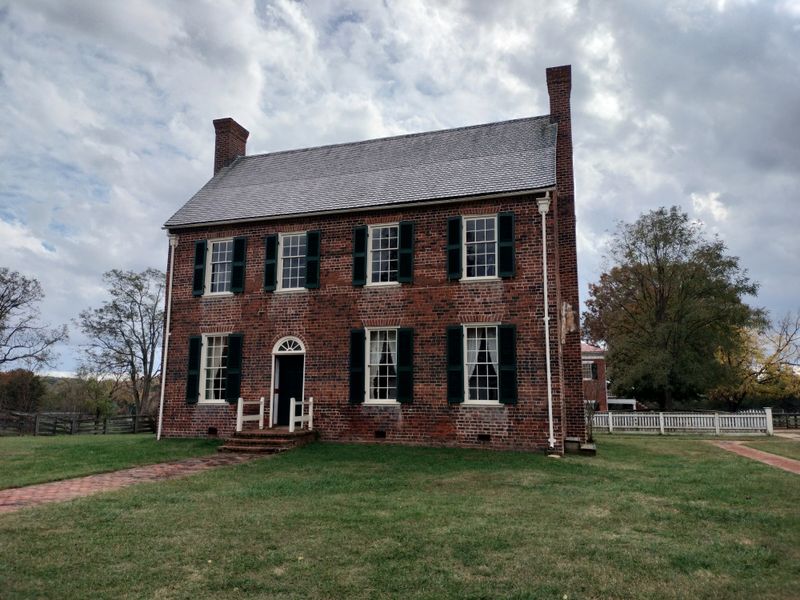
Living in the shadow of major historical significance could easily overwhelm a small town’s identity.
Appomattox has somehow managed to honor its place in American history while maintaining a functioning community that isn’t just a living museum.
Residents here are neighbors first, historical custodians second.
The charm of Appomattox comes from this balance—children play in parks near sites where history was made, and local festivals celebrate community rather than reenacting battles.
The town has avoided becoming a theme park version of itself, which takes considerable restraint in an era of heritage tourism.
You can buy groceries, get your car repaired, and attend a church service, all while surrounded by buildings that witnessed the Civil War’s conclusion.
This integration of the ordinary and the extraordinary creates a unique atmosphere.
Visitors come for the historical park but often remember the friendly conversation at a local cafe or the sunset viewed from a quiet residential street.
Appomattox proves that small-town charm and historical significance can coexist without either diminishing the other.
Appomattox: A Town Where Rural Life Still Thrives
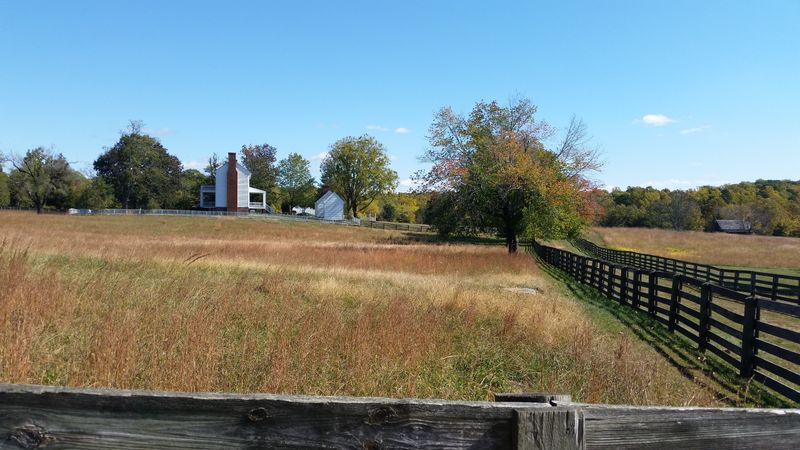
Agriculture remains a living presence in Appomattox County, not just a nostalgic memory or weekend hobby.
Drive in any direction from the town center and you’ll encounter working farms, fields planted with seasonal crops, and livestock grazing in pastures.
This agricultural foundation shapes everything from the local economy to the rhythm of community events.
Farmers here face the same challenges as their counterparts nationwide—changing markets, weather uncertainties, and the constant pressure of development.
Yet Appomattox has maintained enough rural character that farming remains viable for families who have worked the land for generations.
The connection between town and country stays strong, with agricultural concerns still discussed at local government meetings.
For visitors from urban areas, this agricultural presence offers perspective on where food actually comes from.
The landscape around Appomattox isn’t manicured or designed for tourism—it’s working land that feeds people and supports livelihoods.
This authenticity has become increasingly rare as rural areas either urbanize or transform into recreational destinations.
The Quiet Communities Of Appomattox County: Hidden In Plain Sight
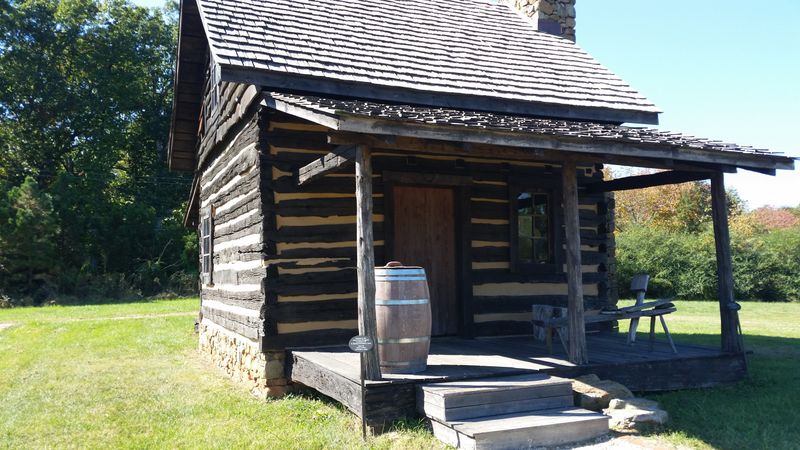
Beyond the town of Appomattox itself, the surrounding county holds numerous small communities that rarely appear on maps or travel guides.
These clusters of homes and farms have their own identities, their own churches, and their own ways of doing things.
Many have existed since before the Civil War, their names known primarily to locals and longtime residents.
Exploring these communities requires slowing down and paying attention to subtle markers—a crossroads with a church and a few houses, a country store that serves as an unofficial gathering place, or a cemetery that reveals generations of family names.
There’s no tourism infrastructure here because these places aren’t trying to attract visitors.
They’re simply continuing to exist as they have for decades.
The people in these quiet communities maintain strong connections to their land and their neighbors.
Help arrives when needed without formal organization, and local knowledge gets passed down through conversation rather than documentation.
This way of life persists in Appomattox County partly through geography and partly through deliberate choice.
History Preserved: How Appomattox Has Stuck To Its Roots
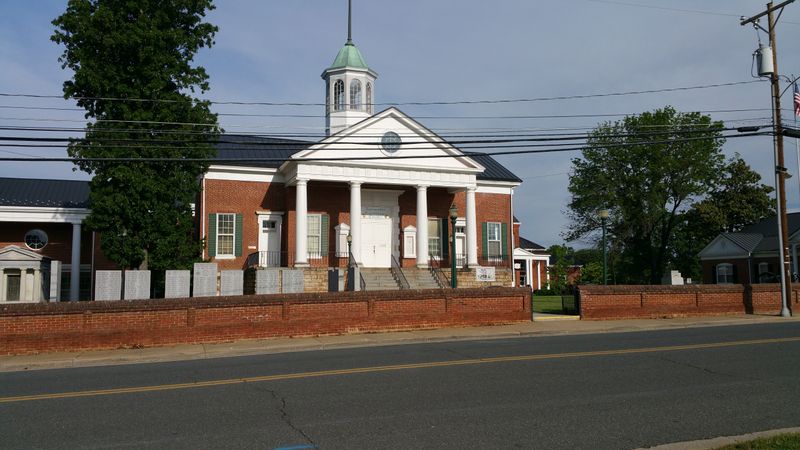
Preservation in Appomattox happens through use rather than isolation.
Historic buildings continue to serve practical purposes—as homes, businesses, and community spaces—rather than standing empty as monuments.
This approach keeps the town’s heritage alive in daily life instead of relegating it to special occasions and tourist seasons.
Local government and residents have resisted the kind of development that would fundamentally alter the town’s character.
This doesn’t mean refusing all change, but rather evaluating new proposals against the question of whether they serve the existing community.
The result is a town that has modernized selectively, adding necessary services without sacrificing its essential identity.
You can see this philosophy in the maintained storefronts, the careful restoration of significant buildings, and the absence of jarring modern construction.
Appomattox has stuck to its roots not through rigid rules but through a collective understanding of what makes the place worth preserving.
This kind of cultural consensus can’t be legislated—it emerges from genuine community investment.
Visiting Appomattox: A Journey To A Different Era
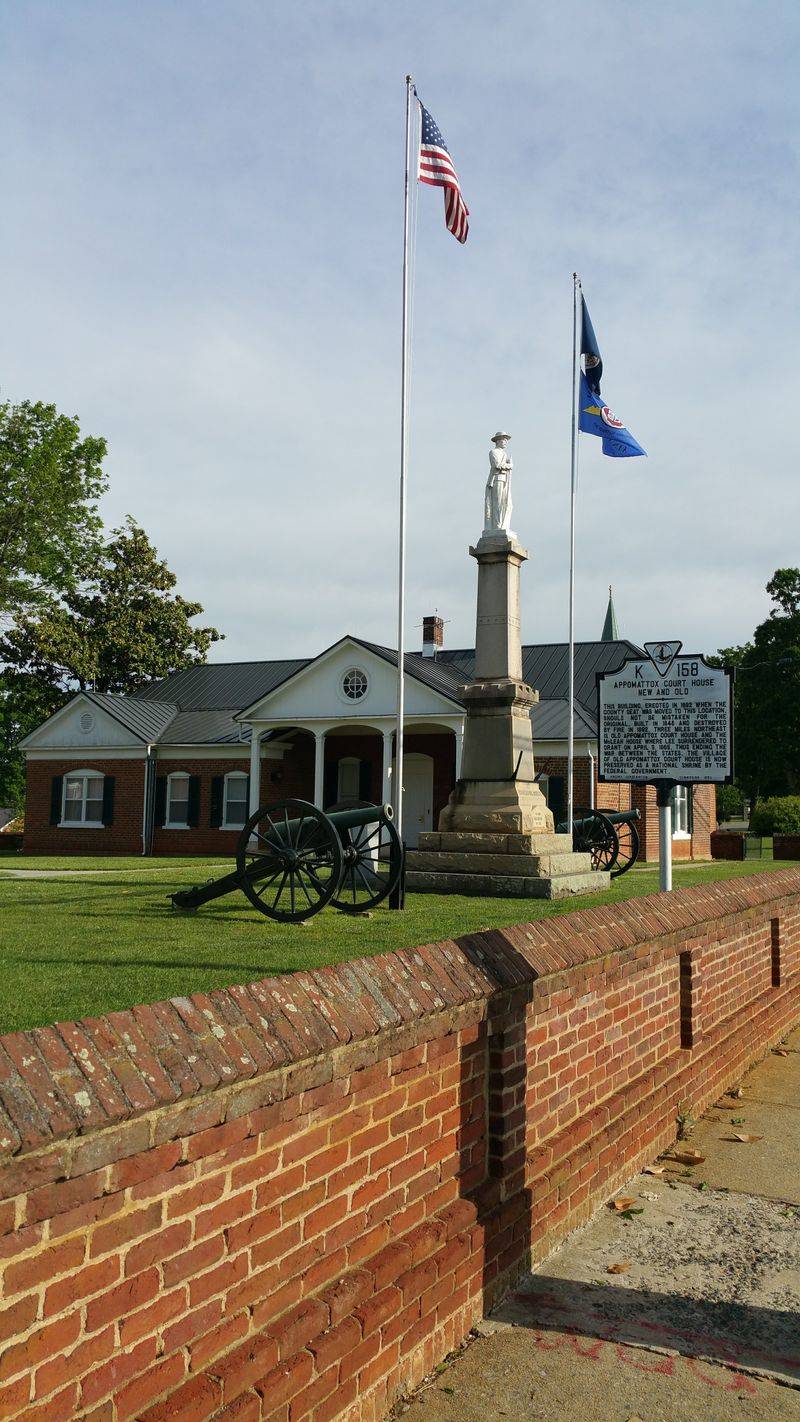
Planning a visit to Appomattox requires adjusting your expectations about what constitutes a destination.
There are no luxury hotels, trendy restaurants, or entertainment complexes here.
What you’ll find instead is a genuine small Virginia town that happens to be historically significant, where a bed-and-breakfast might occupy a house built in the 1800s and dinner happens at a locally owned diner.
The experience of visiting Appomattox centers on observation and conversation rather than activities and attractions.
You might spend an afternoon at the National Historical Park, then drive through the surrounding countryside, and finish the day talking with a shopkeeper about local history.
This kind of travel rewards patience and curiosity rather than efficiency and completeness.
For those willing to embrace this approach, Appomattox offers something increasingly valuable: authenticity.
You’re not consuming a curated experience designed for tourists—you’re visiting a real place where real people live their lives.
That journey to a different era isn’t just about historical sites; it’s about encountering a pace and style of life that modern America has largely abandoned.
The Enduring Appeal Of Unchanged Places Like Appomattox
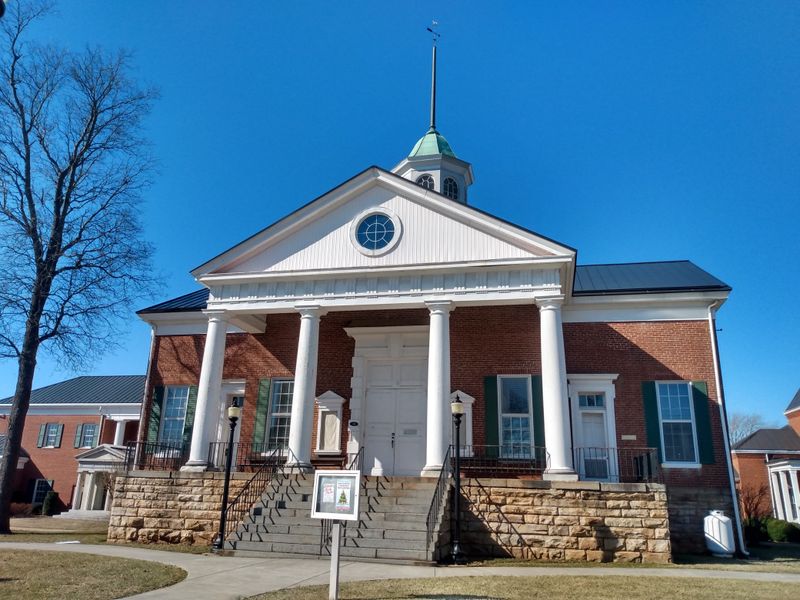
In an era of constant transformation, places like Appomattox gain value precisely because they haven’t chased every trend or embraced every change.
The town represents continuity in a world obsessed with disruption, offering proof that some ways of living remain viable and valuable.
This isn’t about romanticizing the past or rejecting progress—it’s about recognizing that not all change constitutes improvement.
Appomattox appeals to visitors who sense that something important has been lost in the rush toward efficiency and standardization.
The town’s unchanged character provides a reference point, a place to remember how communities functioned before big-box stores and digital connectivity reshaped social interaction.
You can still experience neighborliness here, not as a performance but as a practical reality.
The railroad town that time seems to have skipped offers lessons about preservation, community, and the courage required to resist pressure to become something you’re not.
Appomattox remains itself—quiet, historically significant, and genuinely Virginian—which makes it increasingly rare and remarkably worth visiting.