
The Quiet South Carolina Coastal Village Travelers Rarely Visit
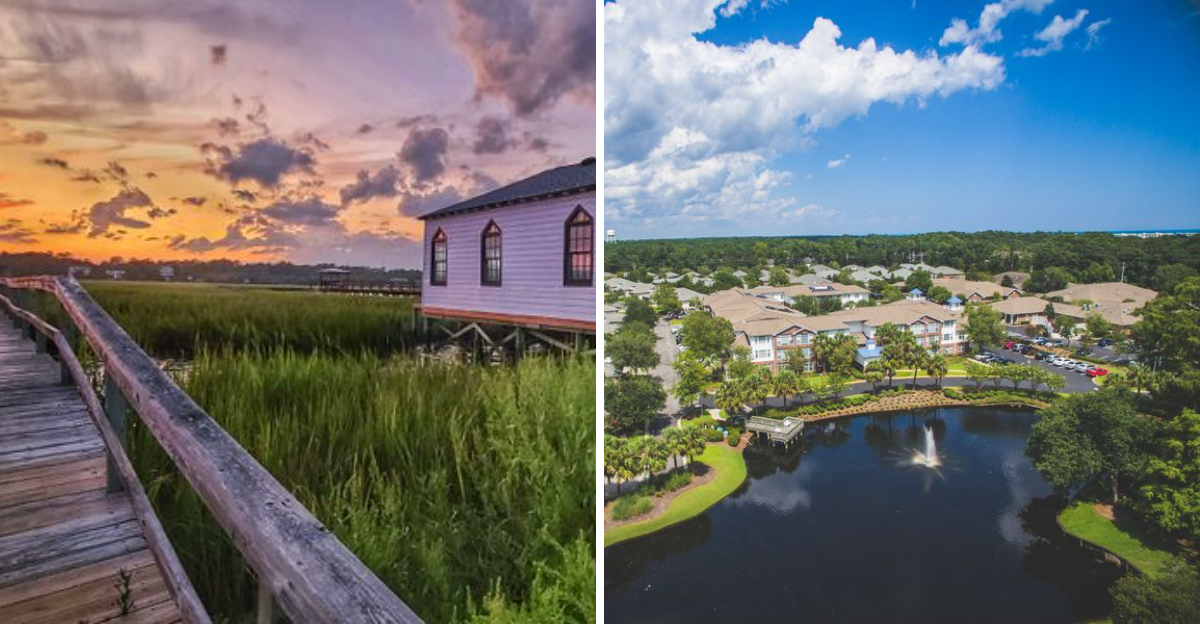
Pawleys Island sits quietly on the South Carolina coast, far removed from the neon-lit boardwalks and tourist traps that define so many seaside towns.
This small barrier island has somehow managed to stay off the radar of mass tourism, preserving a way of life that feels increasingly rare in modern America.
While nearby Myrtle Beach draws millions of visitors each year, Pawleys Island remains a place where time slows down, hammocks sway between ancient oaks, and the only sounds are waves and birdsong.
For travelers seeking authentic coastal charm without the crowds, this hidden village offers something truly special.
A Historic Village With No Overcrowded Beaches
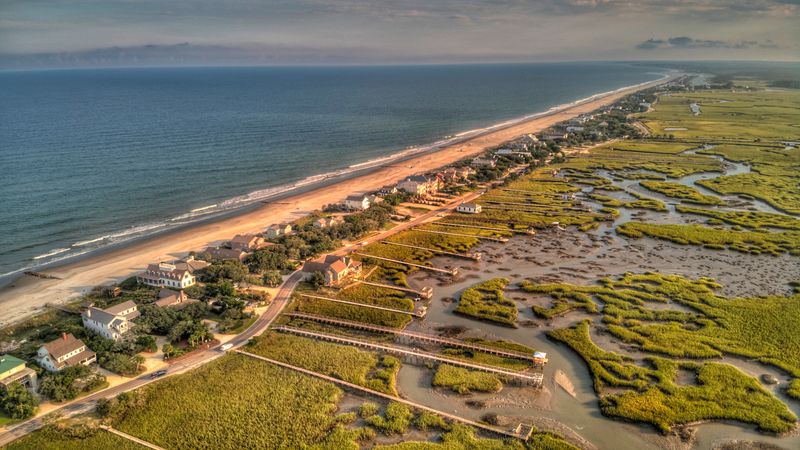
Walking along the shore here feels like stepping into a different era entirely.
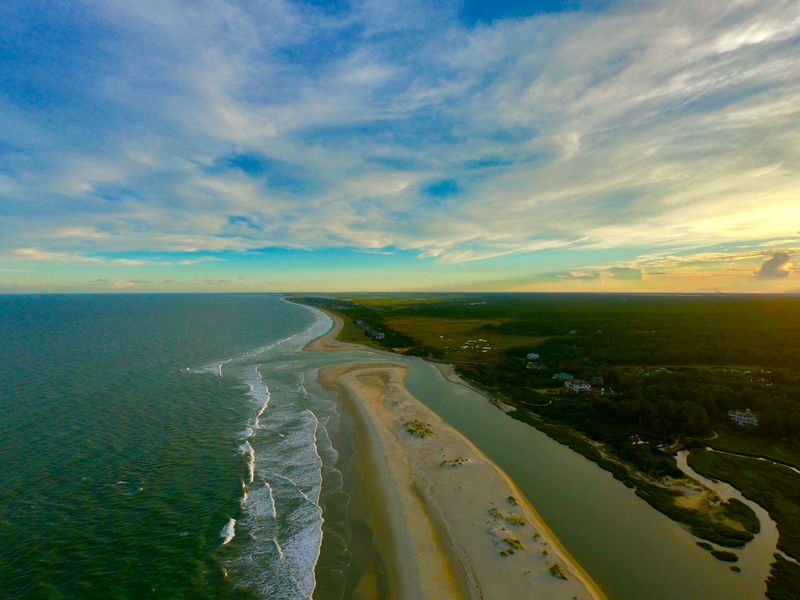
The beaches stretch wide and empty, unmarred by high-rise condos or commercial development.
Families spread out their towels with plenty of room to breathe, and you can actually hear the ocean.
Pawleys Island has protected its coastline through careful planning and local resistance to overdevelopment.
The result is a shoreline that looks much as it did generations ago.
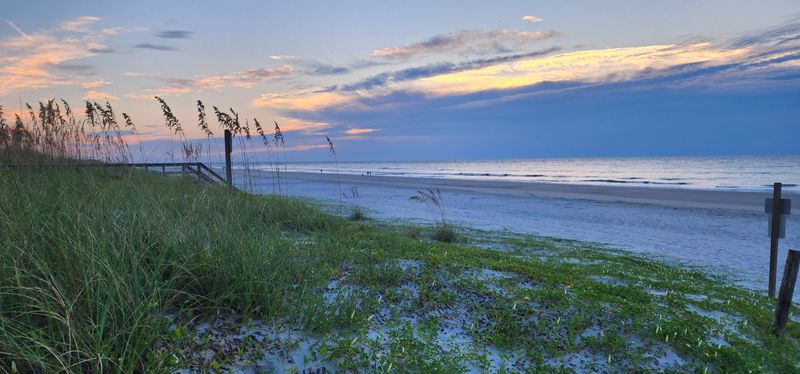
Driftwood scatters naturally across the sand, and sea oats wave from the dunes without manicured landscaping.
Morning walks reveal shorebirds hunting for breakfast and dolphins playing just beyond the breakers.
Afternoons pass slowly under beach umbrellas, with books and conversations replacing jet skis and parasailing.
Evenings bring spectacular sunsets viewed from nearly private stretches of coast.
This is beach life as it was meant to be experienced—unhurried, uncrowded, and utterly restorative.
The absence of beach bars and souvenir shops might disappoint some, but for others, it’s precisely the point.
The Secret Is In The Low-Key Lifestyle
Residents of Pawleys Island have cultivated something precious: a genuine disinterest in keeping up with anyone.
There are no country clubs demanding membership, no dress codes at local establishments, and certainly no pretense.
Wealth exists here, to be sure, but it whispers rather than shouts.
The unofficial motto—”arrogantly shabby”—captures this philosophy perfectly.
Old beach houses wear their weathered shingles with pride, and pickup trucks park beside luxury sedans without anyone caring.
People judge you by your character and conversation, not your vacation rental’s square footage.
This attitude extends to daily rhythms as well.
Mornings start with coffee on screened porches, not frantic schedules.
Afternoons might involve fishing, reading, or simply watching clouds drift by.
Evenings center around simple meals and genuine conversation rather than entertainment complexes.
The lifestyle here rejects the frenetic energy that defines modern vacation culture.
Visitors often arrive wound tight and leave wondering why they ever lived any other way.
That transformation is Pawleys Island’s greatest gift.
A True Retreat For Nature Lovers And Beachgoers
Nature dominates the landscape here in ways that feel increasingly uncommon along developed coastlines.
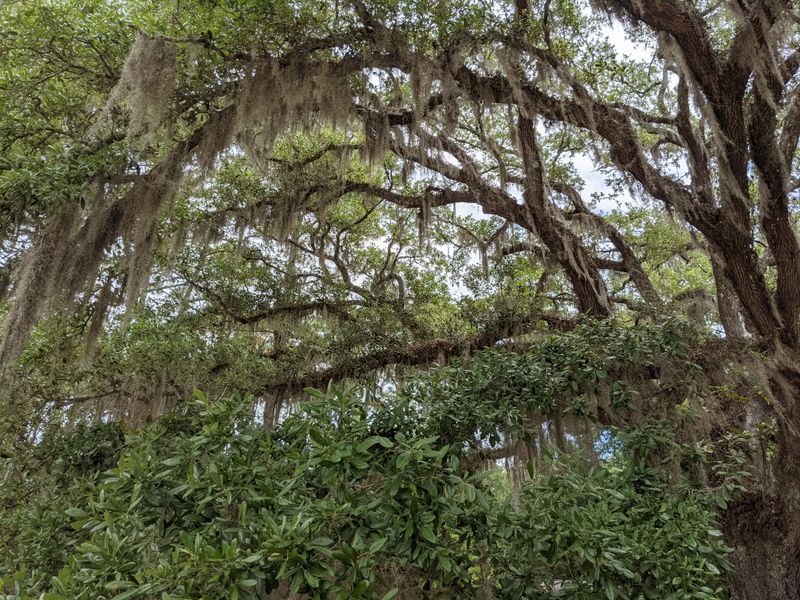
Maritime forests grow thick with live oaks draped in Spanish moss, creating shaded tunnels that feel almost primeval.
Salt marshes teem with life, offering endless opportunities for observation and exploration.
Birdwatchers consider Pawleys Island a treasure, with species ranging from great blue herons to painted buntings.
The varied ecosystems—beach, dune, maritime forest, and marsh—support remarkable biodiversity.
Patient observers might spot loggerhead sea turtles during nesting season or dolphins feeding in the creeks.
The island’s small size makes exploration manageable even for casual nature enthusiasts.
Walking and biking paths connect different habitats without requiring extensive planning or equipment.
Kayakers find calm waters perfect for paddling through winding marsh channels.
What makes the experience special is the absence of interpretive centers and guided tours with microphones.
Nature here remains largely unmediated, allowing for genuine discovery and personal connection.
You learn by looking, listening, and paying attention rather than following markers.
The Perfect Place For Those Who Love The Outdoors—Without The Crowds
Outdoor recreation here follows a different model than most coastal destinations.
You won’t find rental shops every hundred yards or organized activities scheduled throughout the day.
Instead, the island offers space and freedom for self-directed exploration.
Fishing remains a primary draw, with opportunities ranging from surf casting to creek fishing to chartered offshore trips.
Local anglers share knowledge generously, and the lack of crowds means plenty of room along the shore.
Surf conditions vary but generally favor swimming and bodyboarding rather than serious wave riding.
Cycling works beautifully on the island’s quiet roads, where traffic moves slowly and drivers expect bicycles.
Kayaking and paddleboarding suit the calm creek waters perfectly, with rental options available but not aggressively marketed.
Even simple activities like shell collecting and beachcombing feel more rewarding without competing with masses.
The outdoor experience here centers on participation rather than spectacle.
No one performs for an audience or posts constantly for validation.
People simply engage with the natural world directly, finding satisfaction in the activity itself.
Quiet Streets Lined With Classic Southern Cottages
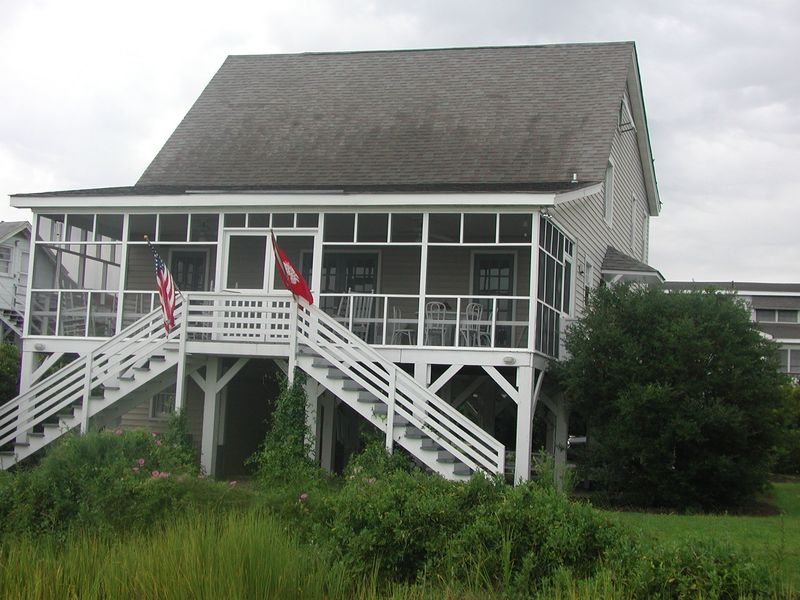
Architecture on Pawleys Island tells a story of practicality and tradition rather than fashion or ostentation.
Most homes rise on stilts, a sensible adaptation to coastal flooding that also creates shaded gathering spaces below.
Wide porches wrap around many structures, acknowledging that outdoor living matters as much as indoor comfort.
The oldest cottages date back generations, their weathered wood silvered by salt air and sun.
Many families have owned the same beach house for decades, passing it down through inheritance rather than selling to developers.
This continuity creates a neighborhood feeling rare in vacation destinations.
Streets remain narrow and unhurried, with names like Myrtle Avenue and Pritchard Street marking blocks of modest homes.
No gated communities interrupt the streetscape, and public beach access points appear regularly.
Landscaping tends toward native plants and casual arrangements rather than manicured perfection.
Walking these streets at dusk, with porch lights glowing and families gathering for dinner, feels like visiting a place that tourism hasn’t ruined.
The cottages embody a coastal aesthetic that values comfort and durability over trendiness.
They suggest that sometimes the old ways work best.
A Village Steeped In History But Untouched By Mass Tourism
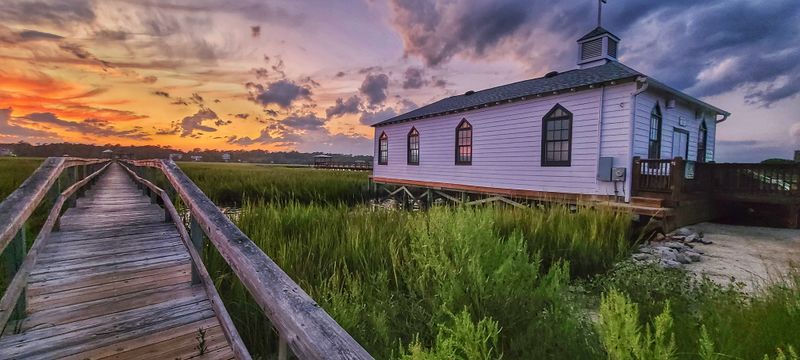
Pawleys Island’s history stretches back to the early 1700s, when rice planters built summer homes here to escape malarial swamps inland.
The barrier island offered ocean breezes and respite from the brutal heat of plantation life.
Some of the oldest homes in the Pawleys Island Historic District still stand, tangible connections to that distant past.
Unlike many historic sites, though, Pawleys Island hasn’t been preserved as a museum or theme park.
People actually live in these old houses, maintaining them as family homes rather than tourist attractions.
History exists as a living presence rather than a curated exhibit.
The island witnessed both Revolutionary and Civil War activity, though few formal markers call attention to these events.
Local knowledge passes through conversation rather than plaques and visitor centers.
This understated approach to history creates opportunities for genuine discovery rather than prescribed learning.
Mass tourism has bypassed Pawleys Island partly through geography—it’s a small barrier island with limited access—and partly through community determination.
Residents have consistently resisted development proposals that would transform the island’s character.
The result is a place where history informs the present without overwhelming it.
The Lost Art Of Hammock-Lounging On Pawleys Island
Pawleys Island gave America one of its most enduring symbols of relaxation: the rope hammock.
A local riverboat captain named Joshua John Ward created the design in the early 1800s, weaving cotton rope into a breathable bed.
The Original Pawleys Island Rope Hammock still gets handcrafted here today, continuing an unbroken tradition.
Hammocks appear everywhere on the island, strung between palm trees, live oaks, and porch posts.
Their presence serves as both practical furniture and philosophical statement.
To hang a hammock is to declare that doing nothing has value, that rest deserves dedicated space.
The art of hammock-lounging requires practice and surrender.
You must position yourself correctly, find the balance point, and then simply let go.
Reading works well, but eventually most people set down their books and drift into that rare state between waking and sleeping.
In our productivity-obsessed culture, hammock time feels almost transgressive.
Pawleys Island reminds us that rest isn’t laziness but wisdom.
The gentle sway of a rope hammock in a coastal breeze might be the island’s greatest achievement.
The Tranquil Pawleys Island Creek Is A Hidden Gem
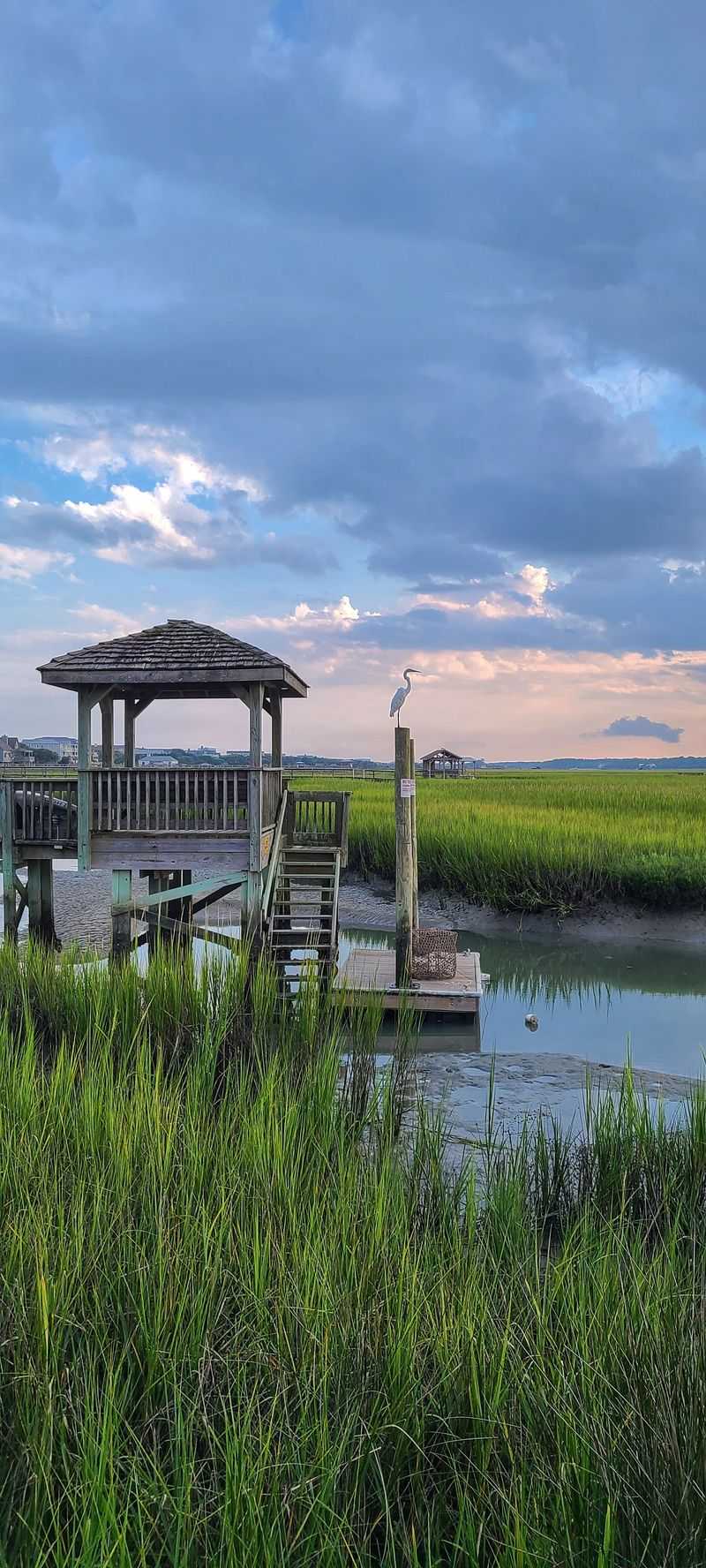
While visitors naturally gravitate toward the ocean, locals know that Pawleys Creek holds equal appeal.
This tidal waterway separates the island from the mainland, creating a protected environment rich with marine life.
The creek’s calm waters contrast beautifully with the ocean’s energy, offering a different kind of coastal experience.
Kayaking the creek reveals a world of salt marshes, oyster beds, and winding channels.
The water clarity allows views of fish darting below, while egrets and herons hunt along the edges.
Tides dramatically transform the landscape twice daily, exposing mudflats at low tide and flooding the marsh at high tide.
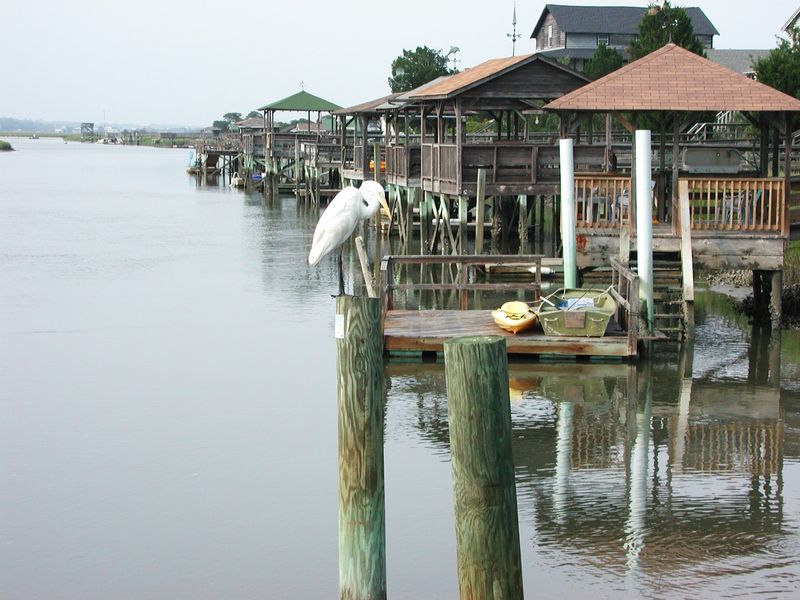
Several docks and small marinas provide creek access, though they maintain a decidedly low-key character.
Fishing from these docks yields flounder, redfish, and trout depending on season and conditions.
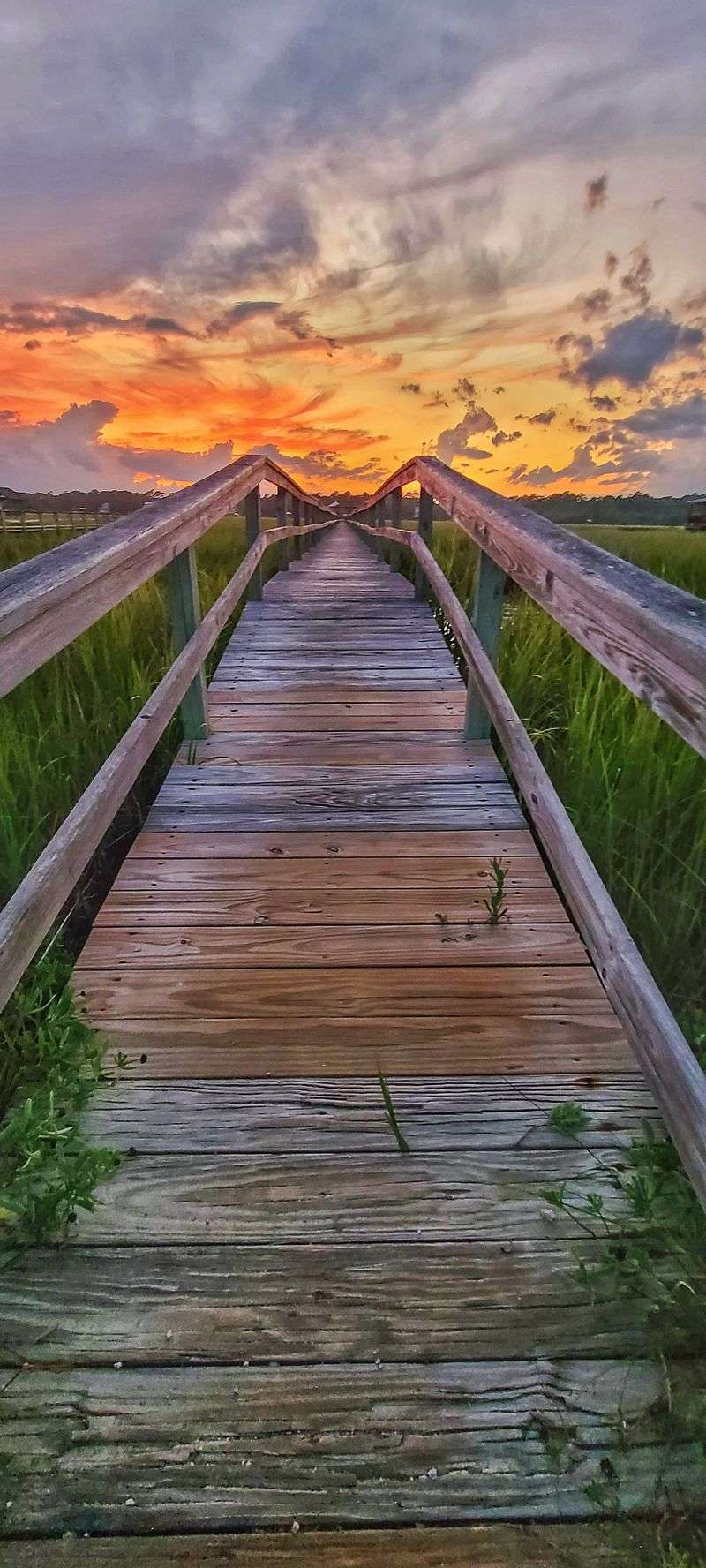
Sunsets over the creek often surpass ocean views, with marsh grasses glowing gold and sky reflecting in still water.
The creek represents Pawleys Island’s quieter face, the side that rewards patience and observation.
Many visitors never discover it, remaining focused on the beach.
Those who explore the creek find a hidden dimension to the island’s character.
Locals Keep It Quiet—And They Like It That Way
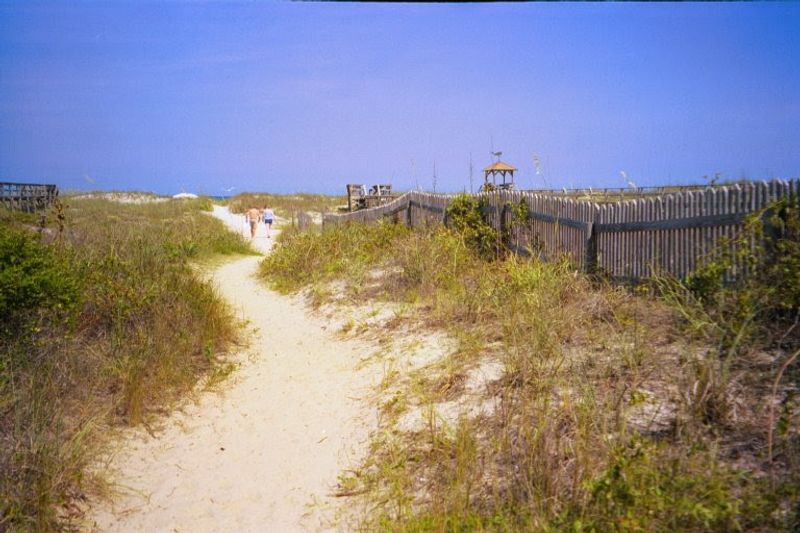
Talk to longtime residents and you’ll detect a certain protectiveness about their island home.
They’re friendly enough but not particularly interested in promoting Pawleys Island to the wider world.
The lack of aggressive tourism marketing isn’t accidental—it’s intentional strategy.
This attitude might seem unwelcoming until you understand its roots.
Residents have watched nearby communities transform into unrecognizable tourist zones, losing character and livability in the process.
Pawleys Island determined to avoid that fate, even if it meant less economic development.
The town of Pawleys Island, located at 33.4332° N, 79.1214° W, maintains strict building codes and resists chain businesses.
You won’t find national restaurant franchises or big-box stores here.
Local businesses dominate, creating an economy based on community relationships rather than corporate profits.
Some might call this approach elitist or exclusionary.
Others see it as a community exercising its right to self-determination.
Either way, the strategy has preserved something rare: a coastal village that still feels like a real place rather than a vacation product.
No Crowds, Just Peaceful Dining And Local Flavors
Dining on Pawleys Island follows the island’s broader philosophy: quality over quantity, substance over spectacle.
Restaurants number in the dozens rather than hundreds, and most emphasize fresh seafood prepared simply.
Reservations help during peak season, but you won’t encounter the hour-long waits common at trendier destinations.
Local favorites include family-owned establishments that have served the community for generations.
Menus feature Lowcountry classics like shrimp and grits, she-crab soup, and fried flounder.
Preparations honor regional traditions rather than chasing culinary trends or fusion concepts.
Several restaurants overlook the creek or marsh, offering views that enhance the dining experience without requiring premium pricing.
Atmospheres tend toward casual, with outdoor seating and come-as-you-are dress codes.
Service moves at an unhurried pace that matches the island’s overall tempo.
The dining scene here won’t satisfy those seeking cutting-edge cuisine or celebrity chef concepts.
What it offers instead is honest food, reasonable prices, and the pleasure of eating without performance or pretense.
Meals here nourish both body and spirit, reminding us that dining is fundamentally about sustenance and connection.
A Coastal Community That’s More About Connection Than Commerce
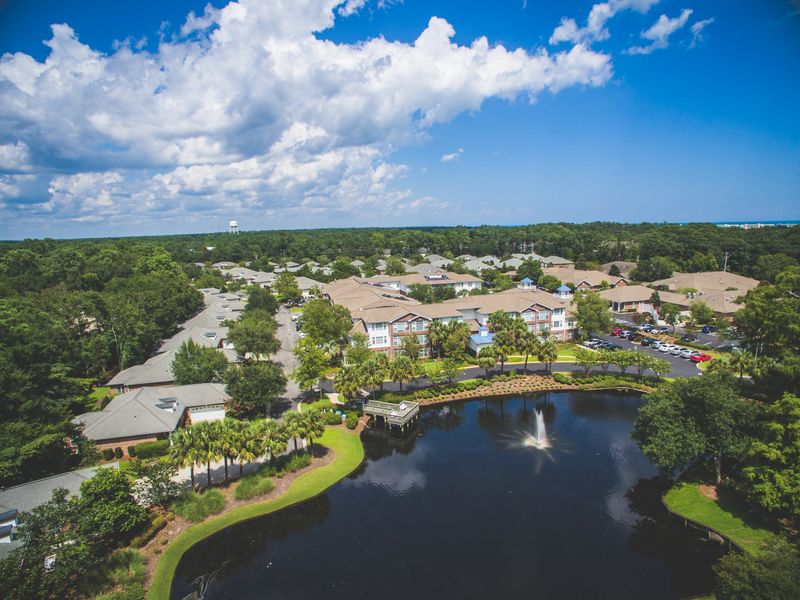
Commerce certainly exists on Pawleys Island, but it occupies a supporting role rather than center stage.
The island’s identity comes from its residents, natural environment, and cultural traditions rather than its commercial offerings.
This priority shows in how the community organizes itself and what it chooses to celebrate.
Local events emphasize participation over spectacle.
The annual Fourth of July parade features golf cart floats and neighborhood participation rather than corporate sponsorships.
Community gatherings happen in homes and on beaches rather than in convention centers.
People know their neighbors and look out for one another in ways that feel increasingly rare.
This emphasis on connection extends to visitors as well, though it requires some adjustment.
You won’t find the aggressive hospitality of tourism-dependent towns where every interaction has a transactional quality.
Instead, you encounter a quieter welcome that assumes you’ve come seeking what the island actually offers rather than what you think it should provide.
The result is a community that feels genuine rather than performed.
Pawleys Island exists primarily for the people who live there, with tourism as a side benefit rather than the main purpose.
Brookgreen Gardens And Huntington Beach State Park Nearby
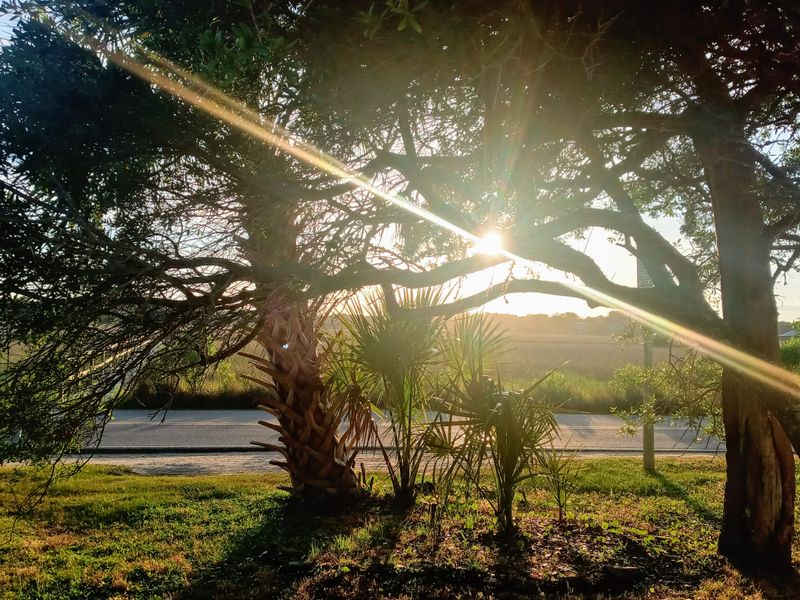
Just north of Pawleys Island, two remarkable destinations add depth to any visit without compromising the island’s tranquility.
Brookgreen Gardens combines sculpture, gardens, and wildlife in a unique cultural landscape.
The former rice plantation now houses one of the world’s largest collections of American figurative sculpture set among native plant gardens.
Walking the garden paths reveals bronze figures emerging from live oak groves and reflecting pools.
The zoo features native Lowcountry species in naturalistic habitats, emphasizing conservation and education.
Seasonal plantings ensure that something blooms year-round, creating constantly changing displays.
Adjacent Huntington Beach State Park offers three miles of undeveloped beach plus freshwater and saltwater marshes.
Atalaya, a Moorish-style mansion built in the 1930s, stands as a fascinating architectural anomaly amid the coastal landscape.
The park’s diverse habitats attract more than 300 bird species, making it a premier birding destination.
Both sites provide cultural and natural enrichment without the commercial overlay that characterizes many attractions.
They complement Pawleys Island perfectly, offering activity options while respecting the area’s overall character.
Visitors can explore these places and still return to the island’s peaceful embrace.