
Pennsylvania’s Mountain Towns Tourists Overlook But Locals Love
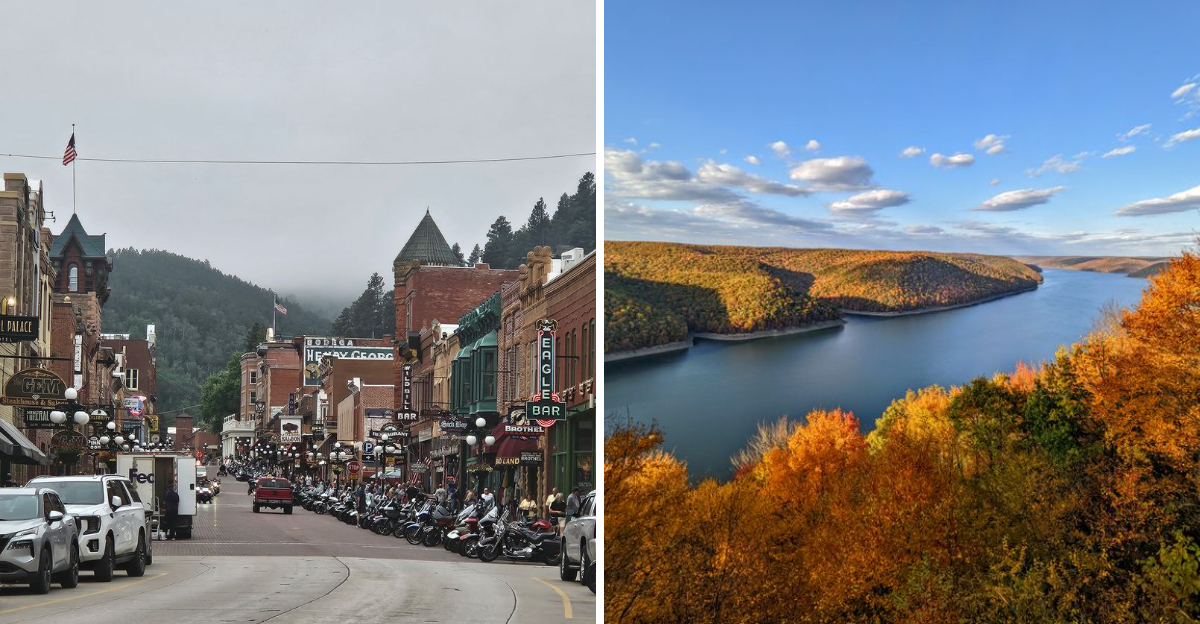
Pennsylvania hides some of the most charming mountain towns you’ve probably never heard of, and that’s exactly how the locals like it.
While tourists flock to the usual hotspots, these eleven hidden gems offer authentic experiences, stunning mountain views, and that small-town warmth that makes you feel right at home.
I’ve explored these overlooked treasures, and trust me, once you discover what makes each one special, you’ll be planning your next getaway before you finish reading.
Ready to explore Pennsylvania’s best-kept secrets?
1. Bloomsburg
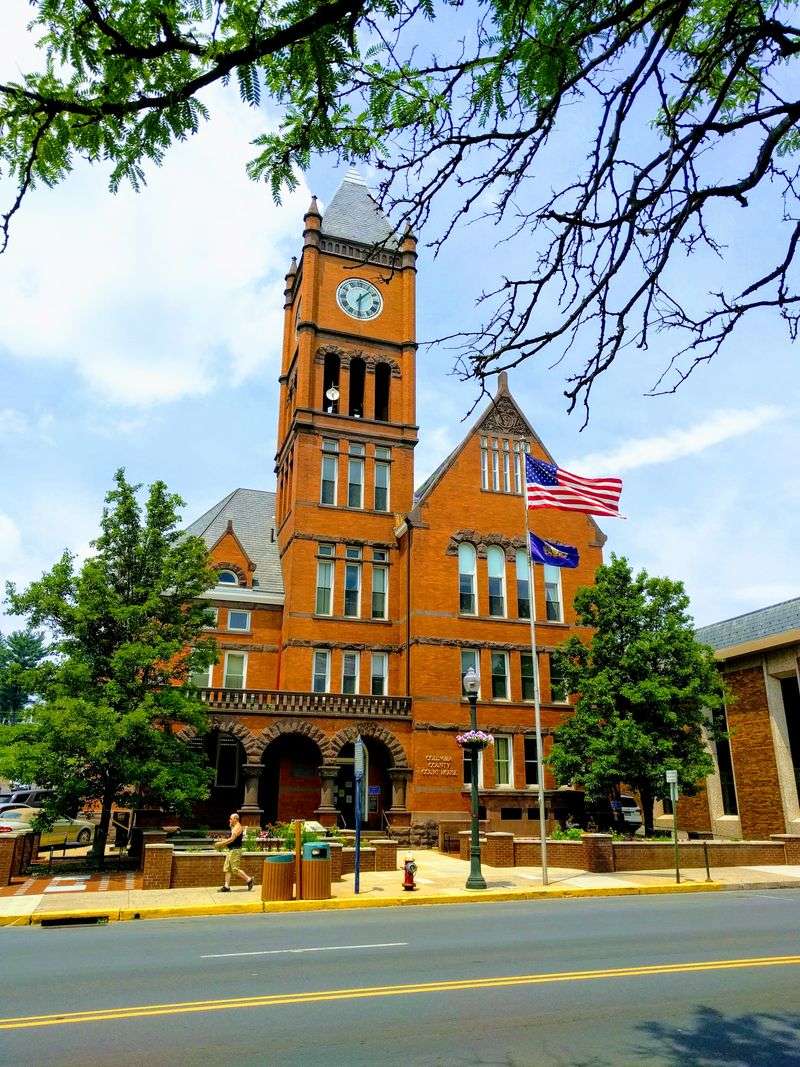
Nestled along the Susquehanna River, this college town bursts with energy that most travelers miss entirely.
Bloomsburg University brings youthful vibrancy to historic streets lined with Victorian homes and local shops that have served families for generations.
The town square hosts farmers markets where you can chat with growers who’ve worked the same land their grandparents did.
Every fall, the Bloomsburg Fair transforms the area into Pennsylvania’s largest agricultural celebration, drawing locals from surrounding counties.
Mountain trails just minutes from downtown offer peaceful hikes through forests that explode with color come October.
Main Street cafes serve coffee strong enough to fuel your adventures, and the owners remember your name by your second visit.
Local restaurants dish out comfort food that tastes like Sunday dinner at grandma’s house.
The community theater puts on shows that rival big-city productions, and ticket prices won’t break your budget.
2. Lewisburg
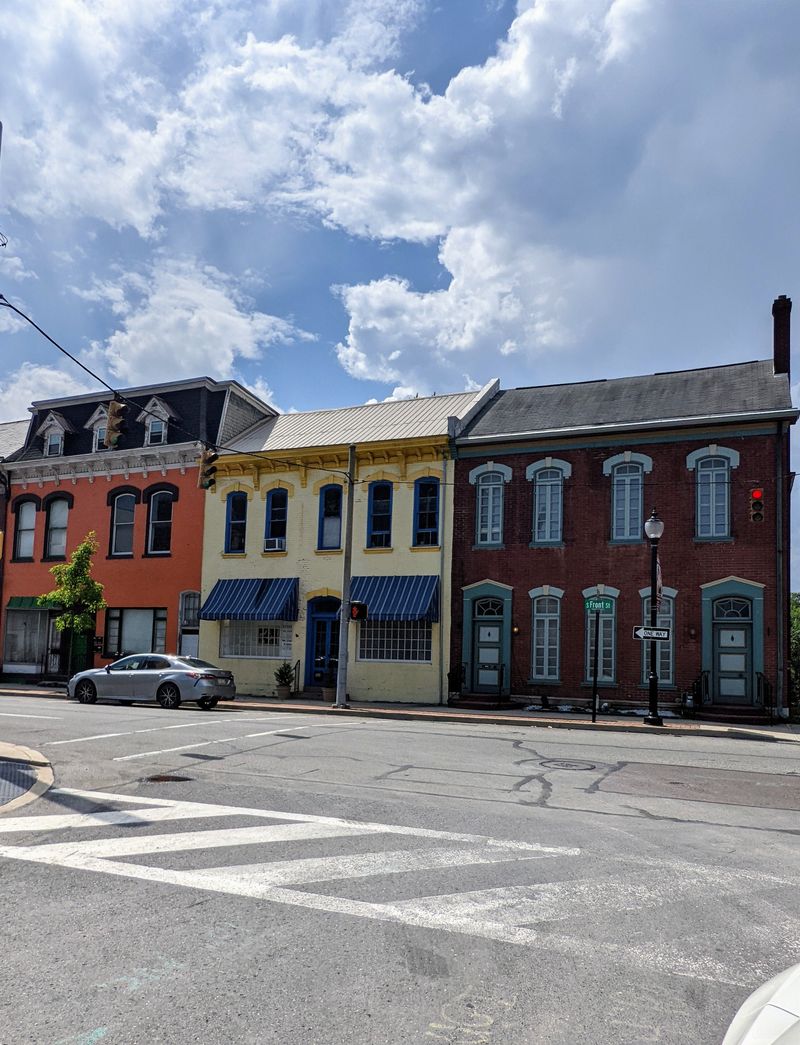
Bucknell University gives this mountain town an intellectual charm that sets it apart from typical tourist destinations.
Downtown Lewisburg feels like stepping into a storybook, with brick sidewalks leading past galleries, bookshops, and restaurants that source ingredients from nearby farms.
The historic district earned National Register status, and every building tells stories locals love sharing over coffee.
Art galleries showcase regional talent, and you’ll find pieces that capture Pennsylvania’s mountain beauty in ways photographs never could.
The Campus Theatre, a restored art deco gem, screens independent films and hosts live performances that pack the house on weekends.
Antique shops overflow with treasures, and shop owners know the history behind every item.
Hiking trails along Buffalo Creek offer solitude that’s increasingly rare in our busy world.
Local festivals celebrate everything from chocolate to film, drawing crowds who appreciate authentic cultural experiences.
The community’s commitment to preserving small-town character while embracing creativity makes every visit feel special.
3. Jim Thorpe
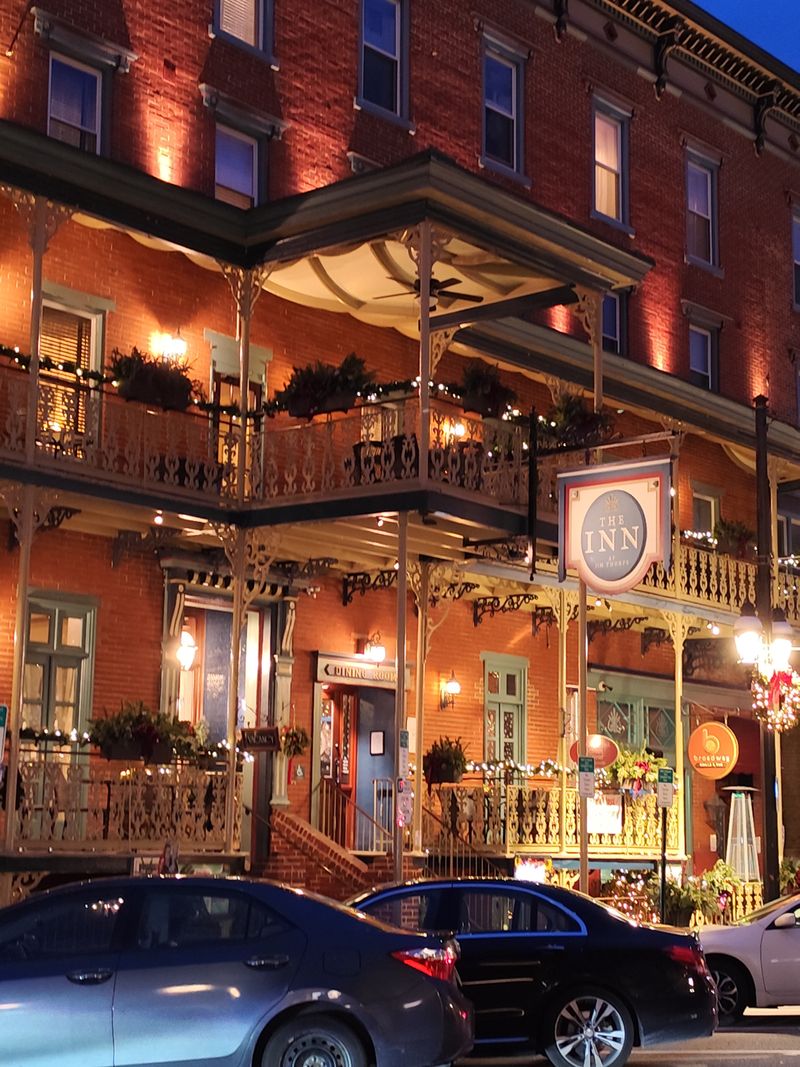
Victorian architecture cascades down steep hillsides in what locals affectionately call the “Switzerland of America.”
Once a coal mining powerhouse, Jim Thorpe reinvented itself as an outdoor recreation paradise without losing its gritty historical soul.
The Lehigh Gorge surrounds the town with dramatic cliffs that kayakers and white-water rafters navigate during warmer months.
Historic train rides through the gorge offer views that make your Instagram followers jealous, but experiencing it in person beats any photograph.
Broadway shows at the Mauch Chunk Opera House bring professional theater to mountain country, and the intimate venue makes every seat feel like front row.
Ghost tours after dark reveal the town’s spooky past, complete with tales of the unsolved murder that still fascinates true crime enthusiasts.
Boutique hotels occupy restored mansions where coal barons once lived in luxury.
Mountain biking trails challenge riders of all skill levels, and local outfitters provide gear and guidance.
The town square hosts festivals year-round, celebrating everything from fall foliage to vintage motorcycles.
4. Brookings
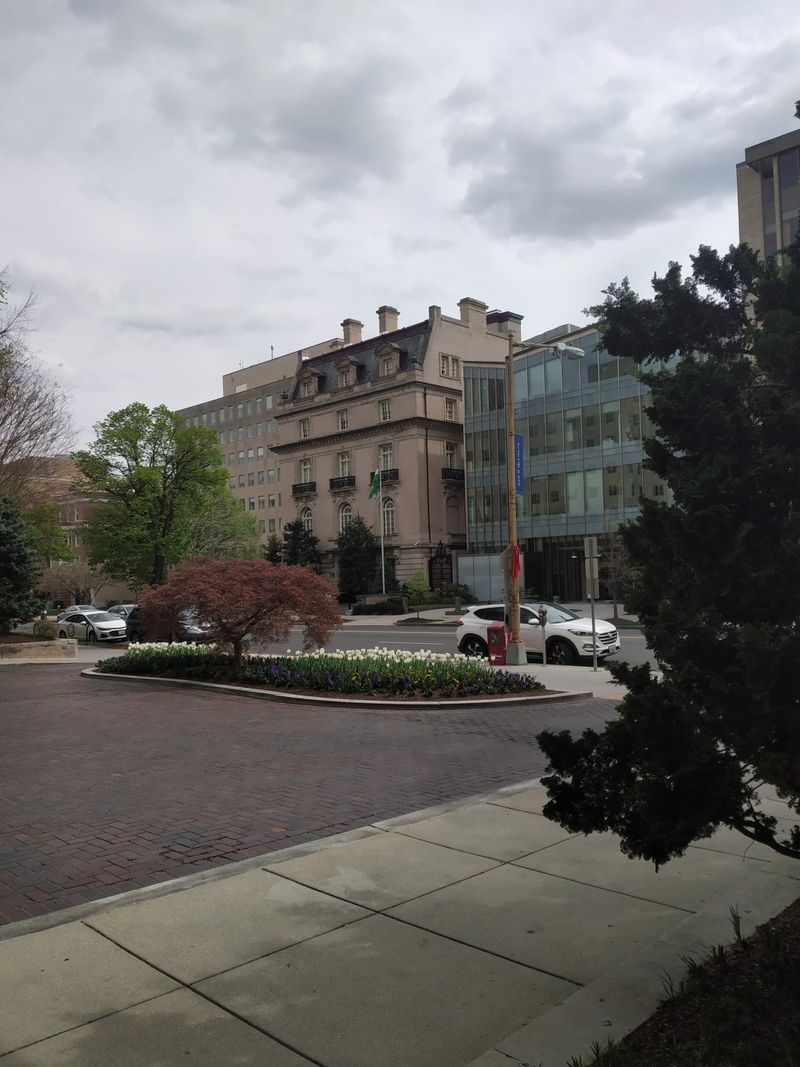
Hidden deep in Pennsylvania’s mountain country, Brookings offers the kind of peace that resets your entire nervous system.
This tiny community thrives on agriculture and forestry, with families who’ve worked the land for five generations or more.
No chain stores interrupt the landscape here—just family-owned businesses that close on Sundays because that’s what communities do.
Fishing streams wind through valleys where you’re more likely to see deer than other people.
The general store doubles as the town’s social hub, where locals gather to exchange news and homemade preserves.
Mountain views from nearly every vantage point remind you why people choose simple living over city chaos.
Hiking trails maintained by volunteers lead to overlooks that tour buses never reach.
Local churches host potluck dinners where strangers become friends over casseroles and pie.
The slower pace might frustrate visitors at first, but by day two, you’ll understand why residents fiercely protect their quiet mountain paradise from overdevelopment and tourist crowds.
5. Aberdeen
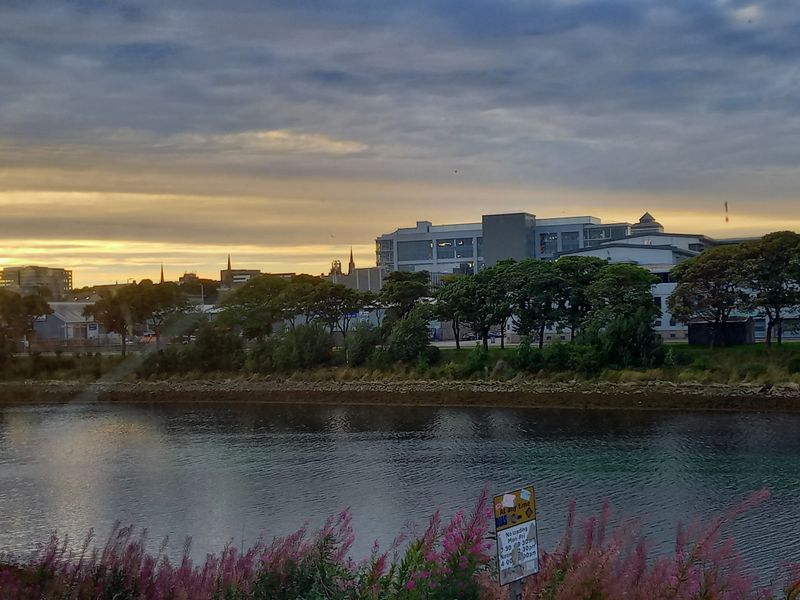
Farmland meets mountain wilderness in Aberdeen, where agricultural traditions run deeper than the roots of century-old oak trees.
This unincorporated community proves that Pennsylvania’s best treasures often lack official town
status.Barns painted with hex signs dot the landscape, and roadside stands sell produce picked that same morning.
Local families maintain maple sugaring operations that welcome visitors during late winter months.
The sweet smell of boiling sap fills the air, and tasting fresh maple syrup straight from the evaporator spoils you for store-bought versions forever.
Covered bridges span creeks where kids still fish with cane poles like their grandparents did decades ago.
Country roads wind through forests that blaze with color every autumn, creating natural tunnels of red and gold.
Small cemeteries preserve local history, with headstones dating back to Pennsylvania’s earliest settlements.
Neighbors still help each other with harvests and barn repairs, keeping alive the cooperative spirit that built rural America.
No restaurants or hotels exist here—just authentic mountain life that tourists rarely glimpse.
6. Huron
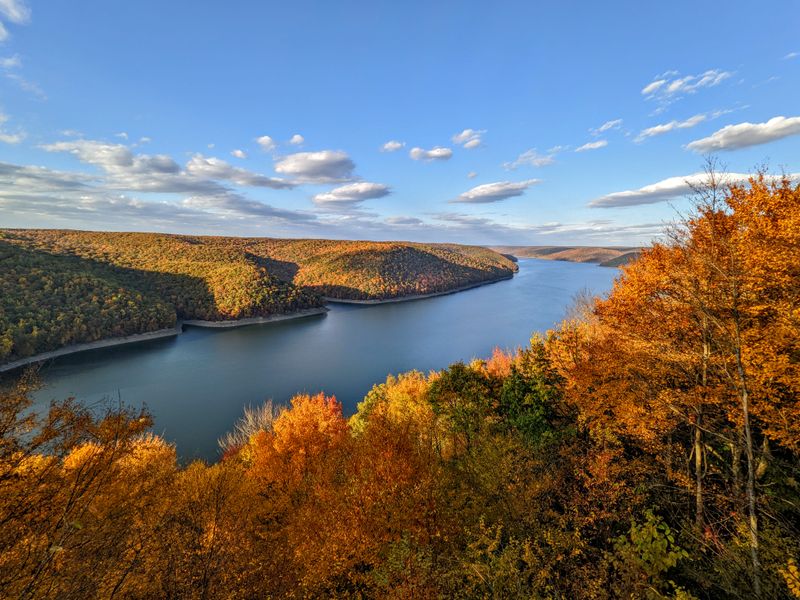
Tucked into Pennsylvania’s wildest mountain terrain, Huron consists of scattered homes connected by winding roads that test your navigation skills.
Wildlife outnumbers residents here, and that’s precisely how the locals prefer things.
Black bears regularly wander through yards, and seeing one barely interrupts the morning coffee routine anymore.
Hunting camps occupy the hills, where generations gather each fall to continue traditions that bond families together.
The nearest grocery store sits twenty miles away, so residents stock up and plan ahead like pioneers once did.
Community members volunteer with the fire department because in remote mountain areas, neighbors literally save each other’s lives.
Stargazing here rivals any planetarium show—zero light pollution means the Milky Way stretches overhead like a cosmic river.
Four-wheel drive vehicles aren’t optional during winter months when snow transforms roads into challenging obstacles.
Cell phone service comes and goes, forcing people to actually talk face-to-face.
This extreme isolation isn’t for everyone, but those who choose Huron wouldn’t trade their mountain solitude for any city convenience.
7. Yankton
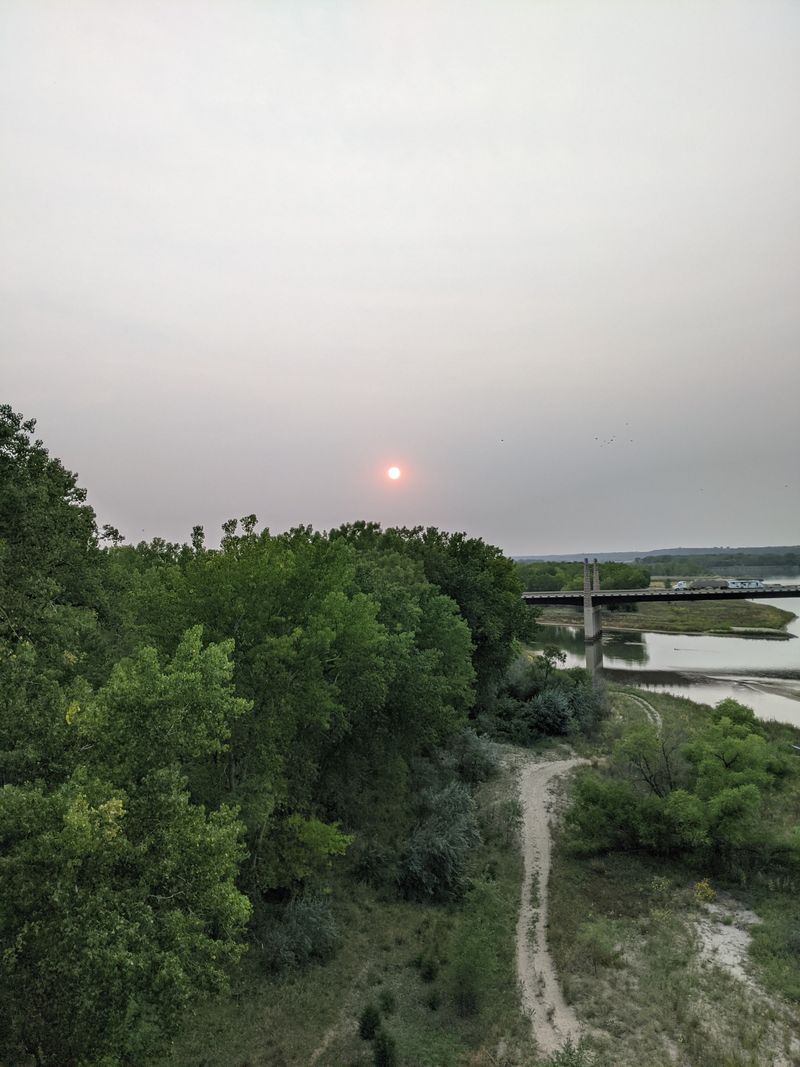
Yankton barely appears on most maps, which suits the handful of families who call this mountain hollow home just fine.
Coal mining heritage runs through this community’s DNA, though the mines closed decades ago.
Abandoned tipples and company houses remind visitors of the dangerous work that once sustained entire families.
Streams still run orange in places from acid mine drainage, a sobering reminder of industry’s environmental cost.
Yet nature reclaims more territory each year, and wildlife populations rebound in formerly scarred landscapes.
Local historians preserve mining stories, ensuring younger generations understand the sacrifices their ancestors made underground.
Mountain laurel blooms transform hillsides into pink and white wonderlands each June.
Old logging roads provide excellent hiking routes for those willing to navigate without trail markers or modern conveniences.
The closest neighbors might live a mile away, but they’ll still check on you during winter storms.
Yankton represents Pennsylvania’s forgotten places—communities that thrived, declined, and now exist quietly while the world rushes past, completely unaware of their enduring mountain spirit.
8. Deadwood
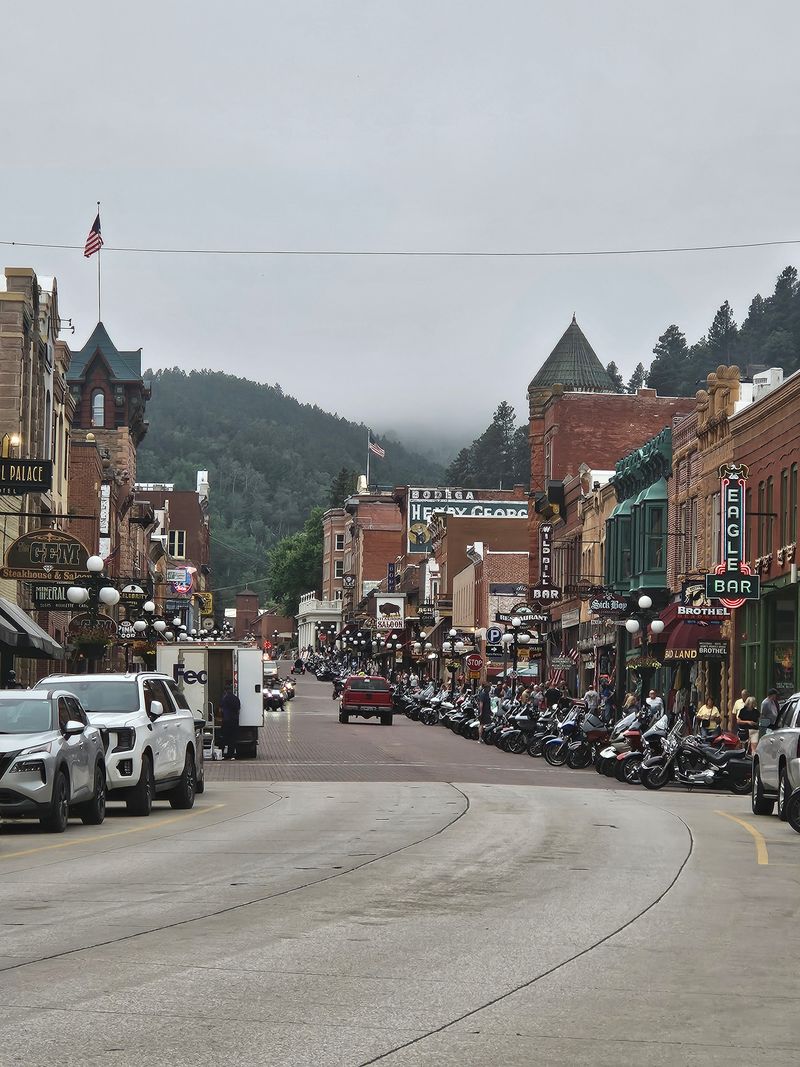
With a name like Deadwood, you’d expect ghost stories, and this Pennsylvania mountain hamlet delivers them in abundance.
Logging operations gave the town its ominous name back when timber barons cleared entire mountainsides.
Today, second-growth forests reclaim the land, but old-timers remember when you could see for miles from ridgetops now covered in trees.
Local legends speak of loggers who died in accidents and supposedly still haunt certain hollows after dark.
Whether you believe the stories or not, walking these mountain trails at dusk definitely raises goosebumps.
The few remaining residents embrace the spooky reputation, sharing tales that get more elaborate with each retelling.
Hunting cabins outnumber permanent homes, and during deer season, the population temporarily triples.
A small church holds services twice monthly, and attendance remains steady despite the shrinking community.
Deadwood represents Appalachian resilience—a place that refuses to completely disappear despite economic hardships and population decline.
Visiting feels like time travel, offering glimpses into Pennsylvania’s rugged past that sanitized tourist destinations never capture.
9. Sturgis
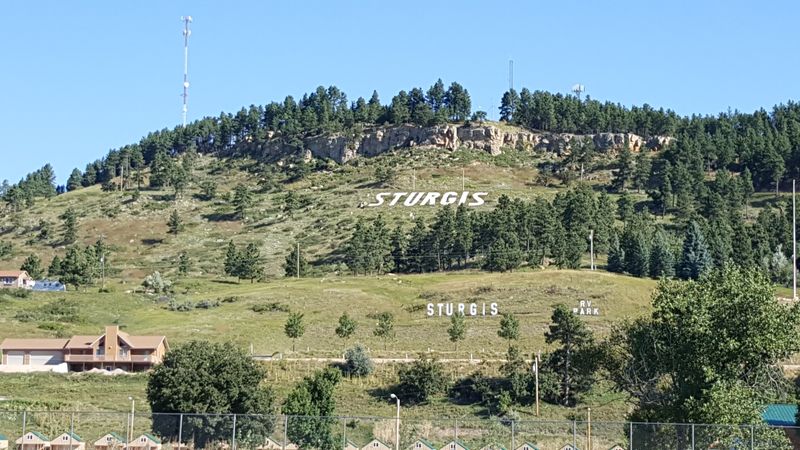
No, not that Sturgis—Pennsylvania’s version trades motorcycles for mountain tranquility and prefers peace over parties.
This quiet community spreads across rolling hills where farms transition into forested slopes.
Family names on mailboxes repeat throughout the area, evidence of multigenerational roots that anchor this place.
One-room schoolhouses once educated local children, and a few still stand as reminders of simpler educational times.
Now kids ride buses to consolidated schools miles away, but community bonds remain stronger than in many larger towns.
Summer evenings bring neighbors outdoors, where conversations happen over fence lines and kids play until lightning bugs signal bedtime.
Garden produce gets shared generously—if you admire someone’s tomatoes, expect to leave with a bagful.
The volunteer fire company hosts fish fries and bingo nights that serve as social anchors for the scattered community.
Mountain roads challenge cyclists who seek serious hill training away from traffic.
Sturgis may share a famous name, but it’s carved out an identity rooted in agricultural traditions and mountain values that have nothing to do with leather jackets or chrome.
10. Watertown
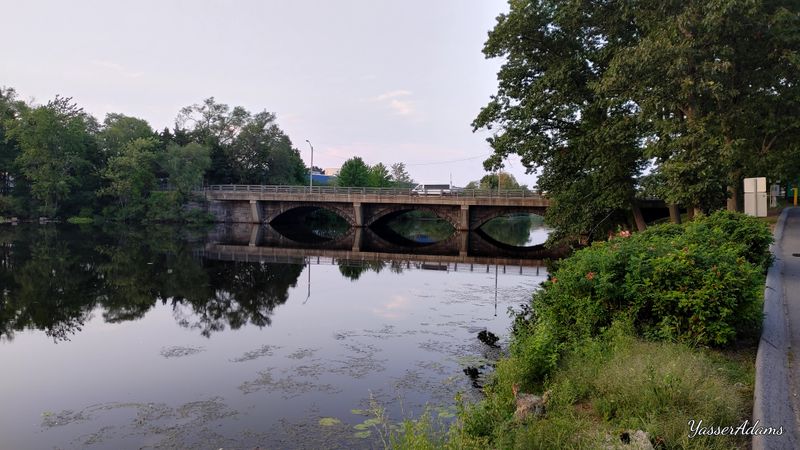
Multiple streams converge near Watertown, giving this mountain community its straightforward name and excellent fishing opportunities.
Trout thrive in cold mountain waters, and local anglers guard their favorite holes like state secrets.
The sound of rushing water provides constant background music, especially during spring snowmelt when creeks swell to dramatic proportions.
Old mills once harnessed waterpower for grinding grain and sawing lumber, and a few restored buildings help visitors understand early industrial ingenuity.
Covered bridges span wider streams, their weathered timbers still solid after 150 years of Pennsylvania weather.
Photography enthusiasts arrive during autumn when reflected foliage turns streams into flowing kaleidoscopes.
Watertown residents maintain streamside trails that follow water routes through forests and meadows.
Kids still catch crayfish and build rock dams like children have done for generations.
The community takes watershed protection seriously, organizing cleanup days and monitoring water quality.
Swimming holes offer refreshing relief during humid summer afternoons, though the mountain-fed water stays bracingly cold even in August.
Watertown proves that Pennsylvania’s best recreation doesn’t require admission fees or reservation systems.
11. Chamberlain
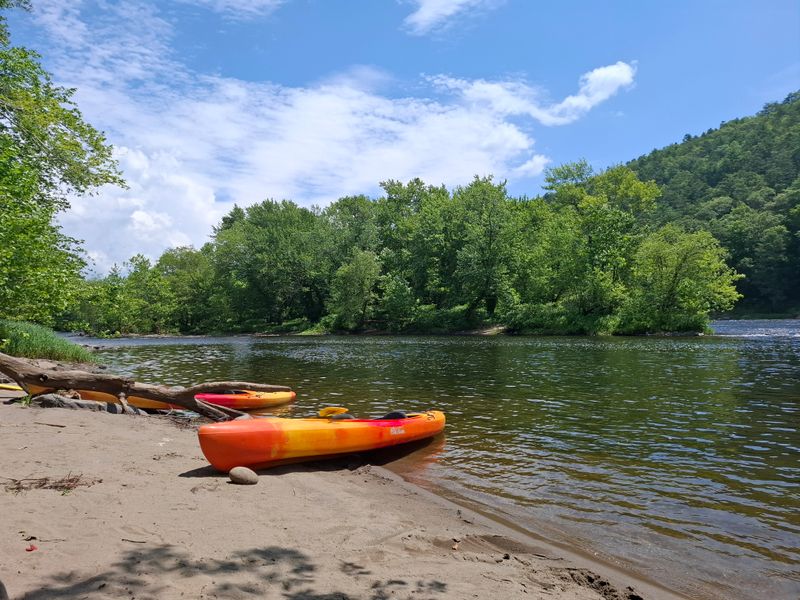
Chamberlain exists as more of a concept than an official municipality—a collection of homes and farms united by shared mountain geography.
No downtown area anchors this community, just country roads connecting neighbors who measure distances in minutes rather than miles.
Family farms practice the same crop rotations their ancestors developed through trial and error over centuries.
Barn quilts decorate outbuildings, each geometric pattern telling stories about the families who chose specific designs.
Local women maintain the quilting tradition, gathering for bees where needlework and gossip flow in equal measure.
The community celebrates harvest season with informal gatherings where everyone contributes their specialty dishes.
Mountain views stretch in every direction, and residents never tire of sunrises that paint ridgelines in shades of pink and gold.
Dirt roads turn muddy during spring thaws, testing vehicle suspensions and driver patience equally.
Chamberlain represents Pennsylvania’s agricultural heartland, where people work hard, help neighbors, and find contentment in simple mountain living.
Tourists drive through without stopping, completely missing the authentic rural culture thriving just off the main highway.