
This Quiet Texas Town Is A Dream Come True For A Slower Retirement

Kingsland, Texas sits quietly along the shores of Lake LBJ in the Hill Country, offering a pace of life that feels almost forgotten in modern times.
For retirees seeking calm days, friendly neighbors, and a genuine sense of place, this small town delivers without pretense or rush.
The streets stay quiet, the landscape stays open, and the rhythm of daily life favors reflection over ambition.
If you’ve been searching for a place where retirement means living well rather than living fast, Kingsland might be exactly what you’ve been looking for.
A Hill Country Lake Town Where Daily Life Moves At A Gentle Pace
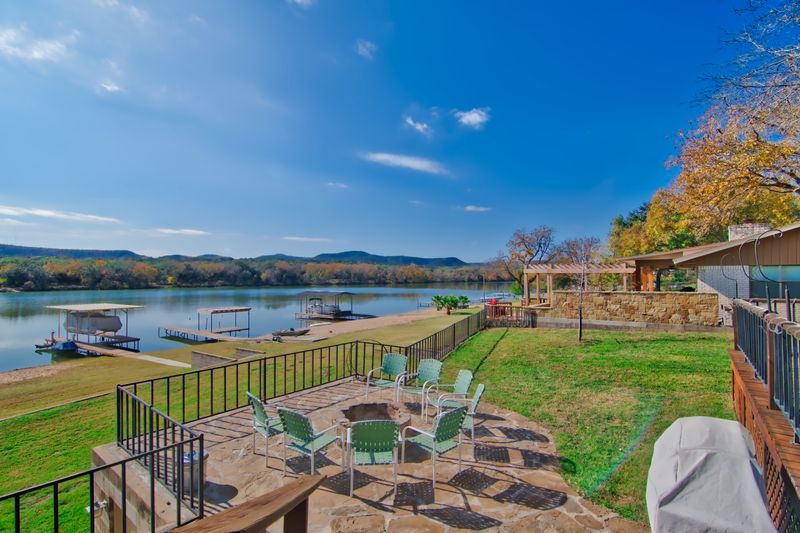
Kingsland rests in Llano County, where the Hill Country rolls gently toward the water and the air carries a stillness you can actually feel.
Texas Ranch to Market Road 1431 runs through the heart of town, connecting residents to essentials without bringing the noise of through traffic.
Most mornings begin with coffee on the porch and end with sunsets over the lake, and nobody apologizes for the lack of urgency.
Errands take minutes, not hours, and you’ll likely run into someone you know at the post office or grocery store.
The town’s layout encourages slow drives and walking, with wide skies overhead and little reason to hurry anywhere.
Retirement here doesn’t mean filling your calendar with activities—it means having the freedom to decide what your day looks like without pressure or noise crowding in.
People who settle in Kingsland often say they finally feel like they can breathe.
The rhythm is unhurried, the distractions are few, and the days unfold with a simplicity that feels both intentional and natural.
For those who’ve spent decades chasing deadlines, this change of pace isn’t just welcome—it’s transformative.
Lake LBJ Offers Calm Waterfront Living Without Tourist Crowds
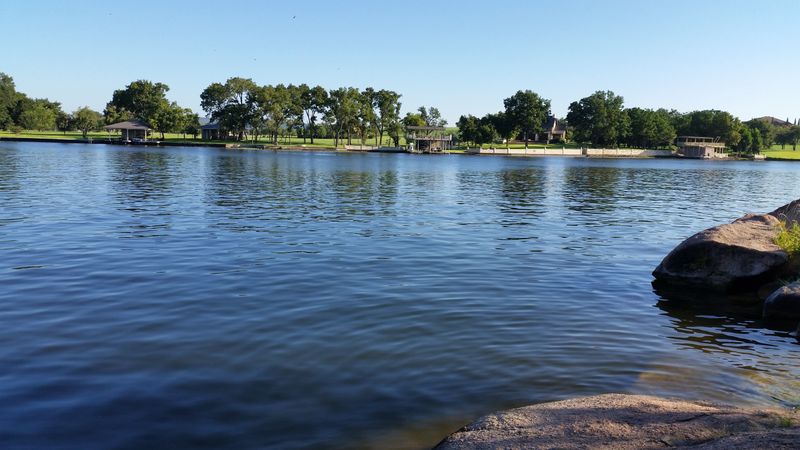
Lake LBJ stretches for miles along Kingsland’s edge, providing constant-level water that never fluctuates with the seasons.
Unlike some Texas lakes that rise and fall unpredictably, this one stays steady year-round, making it ideal for quiet waterfront living.
You won’t find jet ski rental shops or crowded marinas here—just clean water, easy access, and plenty of room to fish, kayak, or simply sit by the shore.
Retirees who enjoy being near water without dealing with weekend crowds appreciate the balance Kingsland offers.
The lake feels personal rather than commercial, and most days you’ll have stretches of shoreline entirely to yourself.
Bird-watching is excellent along the banks, and early mornings bring a kind of stillness that’s hard to find near more popular Texas lakes.
Boating remains popular among locals, but the pace stays relaxed and the water stays navigable even during peak summer months.
Whether you own a boat or prefer to enjoy the view from land, Lake LBJ provides a peaceful backdrop that never feels overdone.
It’s waterfront living without the chaos, and for many retirees, that distinction makes all the difference.
A Small Population Means Quiet Streets And Familiar Faces
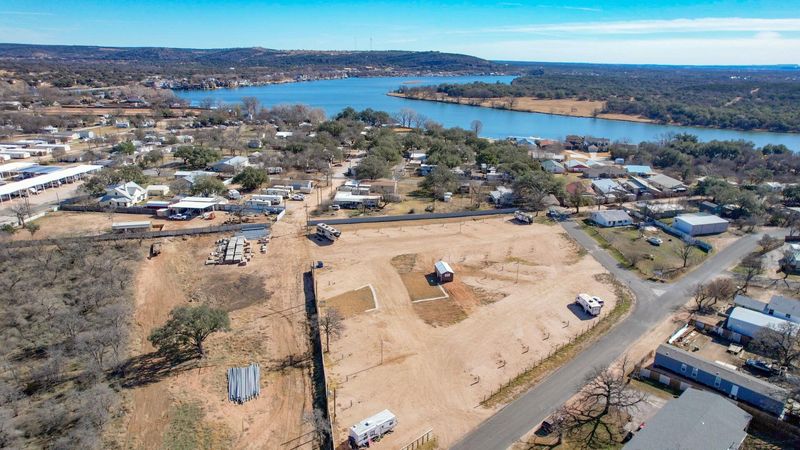
Kingsland’s population stood at 6,030 in the 2010 census, a modest increase from 4,584 in 2000.
That growth reflects steady interest without the explosive development that often erases a town’s character.
The size feels just right—large enough to support local businesses and services, small enough that you’ll recognize people at the hardware store or coffee shop.
Neighborhoods stay quiet throughout the day, with little through traffic and even less noise pollution.
Children ride bikes without constant supervision, and evening walks feel safe and unhurried.
There’s a comfort in knowing your neighbors by name, and that sense of familiarity builds naturally when the population stays manageable.
Retirees often mention the social ease that comes with living in a smaller community.
Conversations happen organically, invitations feel genuine, and there’s no need to navigate complex social hierarchies or cliques.
Kingsland’s size creates a sense of belonging without demanding constant participation, allowing residents to engage as much or as little as they prefer.
For those who’ve grown weary of anonymity in larger cities, this shift feels deeply refreshing.
Retirees Appreciate The Lack Of Big-City Traffic And Noise
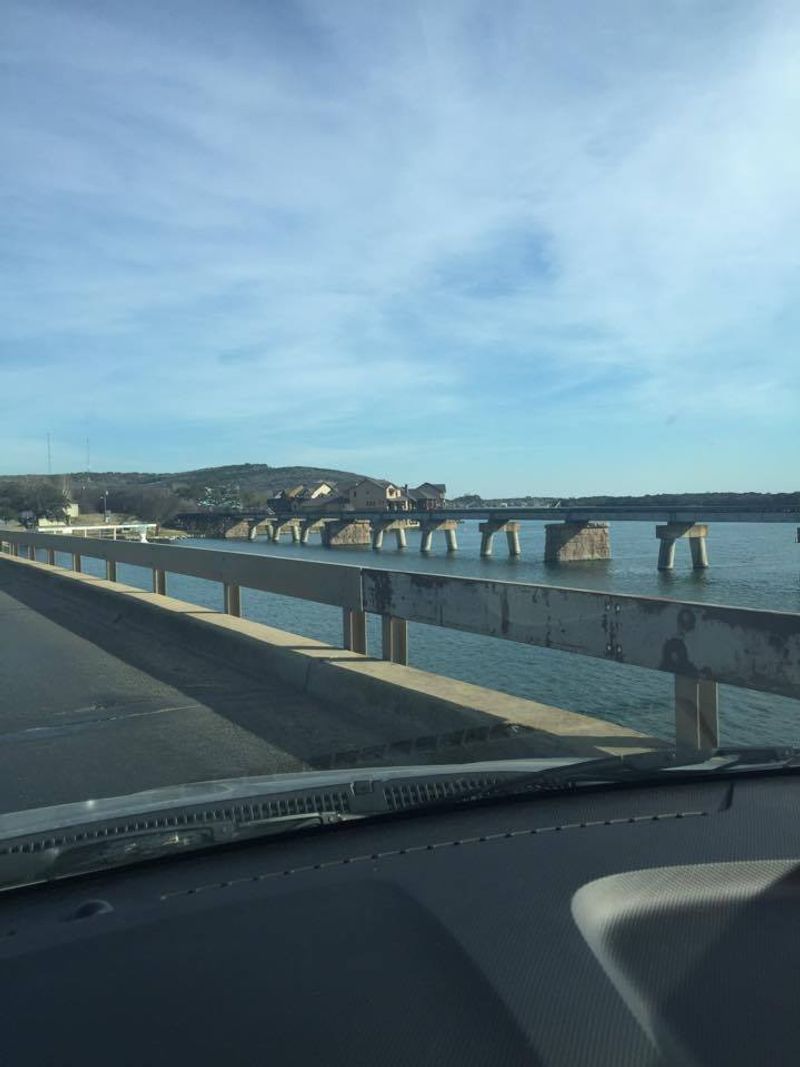
Morning commutes don’t exist in Kingsland, and rush hour is a concept that belongs to another world entirely.
Traffic lights are scarce, and you can cross town in minutes without encountering congestion or frustration.
The absence of honking horns, idling trucks, and constant engine noise creates an environment where peace isn’t an occasional luxury—it’s the default setting.
Many retirees who move here from Austin, Houston, or Dallas describe the relief of no longer sitting in traffic or planning their days around avoiding it.
Errands become simple again, and the mental energy previously spent navigating crowded highways can now be directed toward hobbies, relationships, or simply resting.
The quiet isn’t just auditory—it’s psychological, and the difference shows in how people carry themselves.
Evenings in Kingsland bring a stillness that allows you to hear crickets, wind through the trees, and not much else.
Streetlights are few, so the stars appear brighter and more numerous than most Texans remember seeing in years.
For those who’ve spent decades surrounded by urban noise, this level of quiet feels almost disorienting at first—and then, gradually, it becomes the thing they value most about living here.
Outdoor Recreation Is Easy, Accessible, And Never Overcrowded
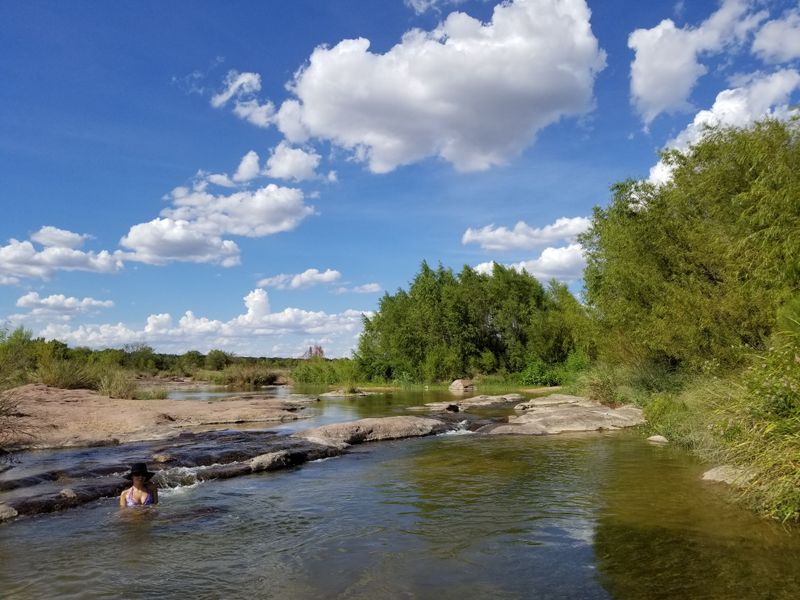
Hiking trails, fishing spots, and scenic overlooks surround Kingsland, offering outdoor recreation without requiring reservations or arriving at dawn to secure parking.
The Hill Country terrain provides gentle elevation changes and varied landscapes, making walks and hikes manageable for retirees at different fitness levels.
You won’t encounter crowds on the trails, and most mornings you’ll have the paths entirely to yourself.
Fishing remains a popular pastime along Lake LBJ, where bass, catfish, and sunfish are plentiful and the competition for good spots is minimal.
Bird-watching draws enthusiasts year-round, with herons, egrets, and various songbirds making regular appearances along the water and in the surrounding woodlands.
The accessibility of these activities matters—most outdoor recreation requires little planning, no fees, and only a short drive or walk from home.
For retirees who value staying active without dealing with crowded parks or expensive memberships, Kingsland delivers exactly what’s needed.
The landscape invites exploration without demanding athleticism, and the pace encourages regular participation rather than occasional weekend adventures.
Outdoor living becomes part of daily life here, not something you schedule around other obligations.
Affordable Hill Country Living Compared To Larger Texas Cities
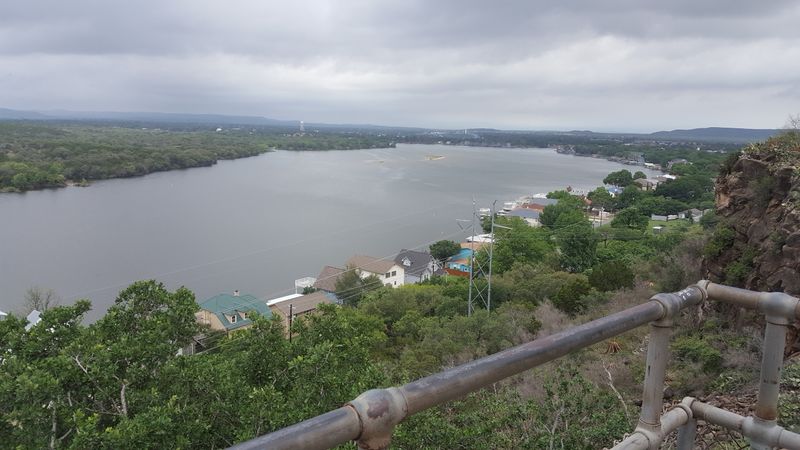
Property costs in Kingsland remain significantly lower than in Austin, Fredericksburg, or other Hill Country destinations that have experienced explosive growth.
Retirees on fixed incomes find the affordability appealing, especially when paired with the quality of life the town offers.
Housing options range from modest single-family homes to waterfront properties, with prices that don’t require decades of savings or financial gymnastics to afford.
Utilities, groceries, and everyday expenses also run lower than in urban areas, allowing retirement dollars to stretch further without sacrificing comfort.
Property taxes stay reasonable, and the cost of maintaining a home doesn’t carry the same financial burden it does in rapidly developing regions.
This affordability doesn’t come with a trade-off in safety or quality—it’s simply the result of living in a place that hasn’t been discovered and commodified by real estate speculators.
For retirees downsizing from larger cities, the financial relief often comes as a pleasant surprise.
The money saved on housing and daily expenses can be redirected toward travel, hobbies, or building savings, creating a sense of financial security that enhances retirement rather than constraining it.
Kingsland proves that affordable living and a high quality of life aren’t mutually exclusive.
Healthcare And Essentials Are Close Enough — Without Feeling Urban

Kingsland sits within reasonable driving distance of Marble Falls and Llano, both offering medical clinics, pharmacies, and grocery stores that cover most day-to-day needs.
For more specialized care, Austin lies about an hour away, providing access to major hospitals and specialists without requiring a daily commute.
The balance works well for retirees who want proximity to healthcare without living in the middle of a medical district.
Local services in Kingsland include a post office, small grocery options, and essential businesses that handle routine errands without requiring trips to larger towns.
The setup encourages self-sufficiency while ensuring that help remains accessible when needed.
Most retirees find this arrangement practical—close enough to feel secure, far enough to maintain the quiet lifestyle they moved here to enjoy.
Emergency services respond quickly despite the town’s rural character, and the community maintains strong connections with regional healthcare providers.
For retirees managing chronic conditions or requiring regular checkups, the proximity to Marble Falls and Austin provides reassurance without compromising the peaceful environment Kingsland offers.
Healthcare access remains a priority, but it doesn’t dominate the landscape or dictate where people choose to live.
Mild Winters Make Year-Round Outdoor Living Possible
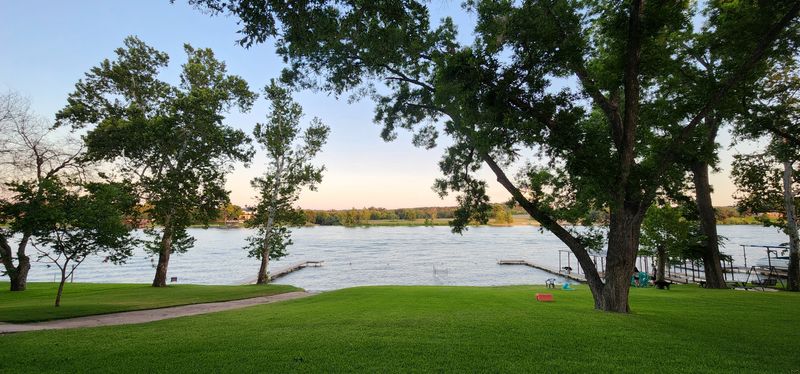
Winter temperatures in Kingsland rarely dip below freezing for extended periods, allowing outdoor activities to continue comfortably throughout the year.
January and February bring cooler mornings and evenings, but afternoons often warm enough for hiking, fishing, or simply sitting outside with a book.
Snow is rare, ice storms are infrequent, and the seasonal shift feels gentle rather than harsh.
This mild climate appeals strongly to retirees who’ve grown tired of shoveling driveways, scraping windshields, or staying indoors for months at a time.
Gardens can be maintained year-round with minimal adjustment, and outdoor furniture doesn’t need to be stored away for half the year.
The ability to walk, garden, and enjoy the lake in December or January adds real value to daily life, extending the usable seasons far beyond what northern climates allow.
Summer brings heat, as it does throughout Texas, but the lake provides natural relief and the evenings cool down enough to make porches and patios comfortable.
Air conditioning handles the worst of it, and most residents adjust their schedules to take advantage of cooler morning and evening hours.
The year-round outdoor access remains one of Kingsland’s most appreciated features, particularly for retirees who want to stay active without battling extreme weather.
A Tight-Knit Community Where Neighbors Actually Know Each Other
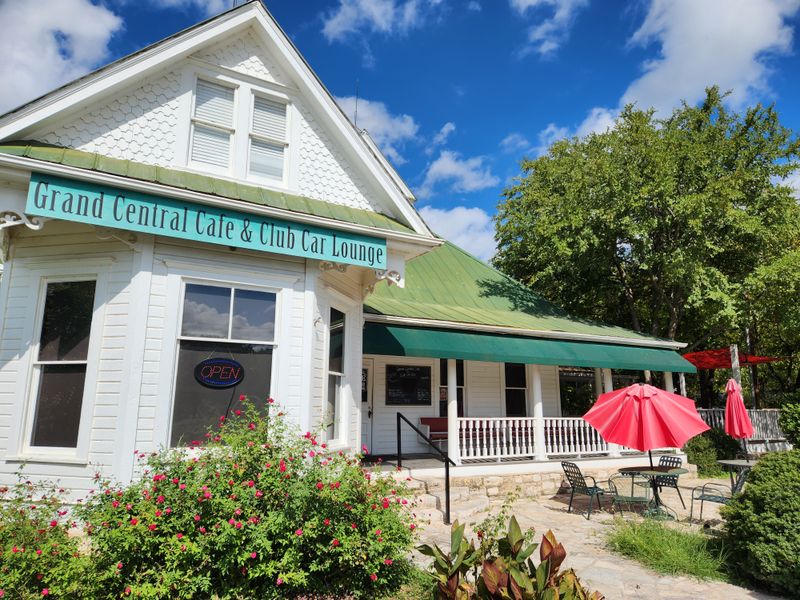
Social connections in Kingsland develop naturally through shared spaces, local events, and the simple reality of running into the same people regularly.
Neighbors wave from their porches, conversations happen at the grocery store, and newcomers find themselves welcomed without needing to force their way into established groups.
The community’s size fosters familiarity without creating the insularity that sometimes plagues very small towns.
Local gatherings—whether informal cookouts, fishing trips, or seasonal celebrations—provide opportunities to build friendships without the pressure of formal networking.
Retirees often mention the ease of making connections here, particularly compared to larger cities where neighbors remain strangers for years.
The social fabric feels genuine, built on repeated interactions and shared experiences rather than superficial politeness.
For those who value community but don’t want constant social demands, Kingsland strikes a comfortable balance.
You can be as involved or as private as you prefer, and both approaches are respected.
The town offers connection without intrusion, and for retirees seeking meaningful relationships without drama or complexity, that combination proves difficult to find elsewhere.
Friendships here tend to be straightforward, and that simplicity feels refreshing after decades of navigating more complicated social environments.
Kingsland’s Location Balances Seclusion With Practical Access
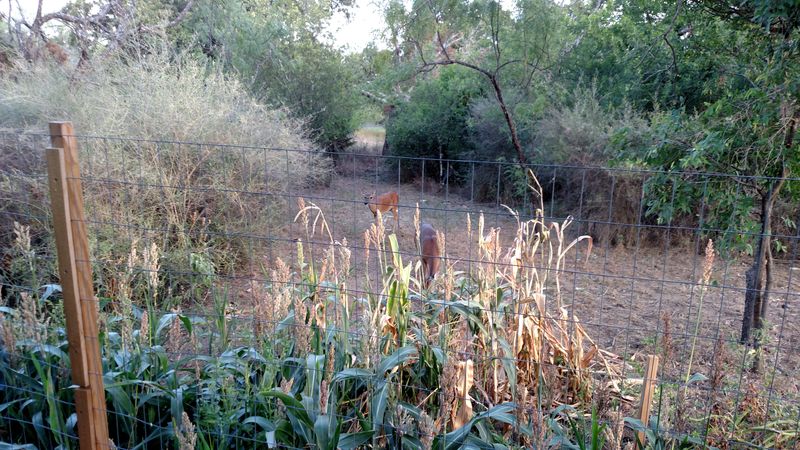
Kingsland sits far enough from major highways to avoid the noise and traffic that come with them, yet close enough to Austin and other regional hubs to remain connected.
Texas Ranch to Market Road 1431 provides the primary route through town, linking residents to Marble Falls, Burnet, and eventually Interstate 35 without subjecting them to constant traffic flow.
The location feels deliberately tucked away, offering seclusion without isolation.
For retirees who want to escape urban life but still need occasional access to airports, specialty stores, or cultural events, this positioning works exceptionally well.
Austin lies about an hour east, making day trips feasible for concerts, medical appointments, or visiting family.
The drive itself remains scenic, winding through Hill Country landscapes that make the journey feel more like recreation than obligation.
This balance between seclusion and access allows retirees to control their level of engagement with the wider world.
Some make the trip to Austin regularly, while others go months without leaving the immediate area, and both approaches work equally well.
Kingsland’s location supports whatever lifestyle residents prefer, providing options without imposing demands.
For those seeking flexibility in their retirement years, this geographic positioning offers practical advantages that enhance daily life.
Simple Pleasures Replace Busy Schedules In Everyday Life
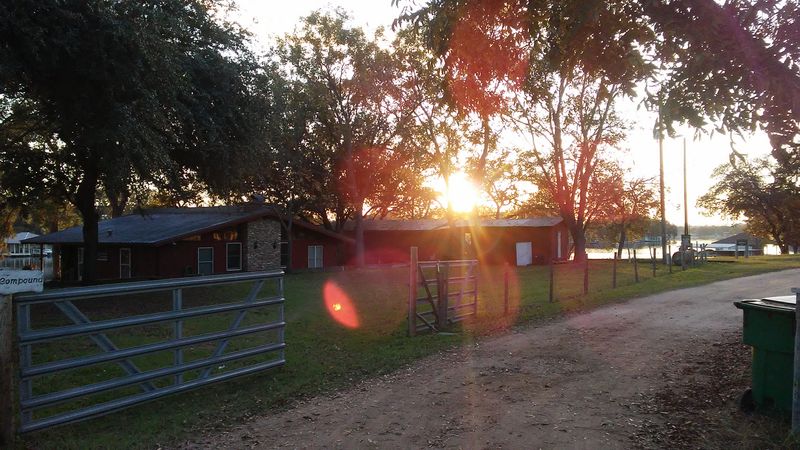
Retirement in Kingsland revolves around simple, repeatable pleasures rather than packed calendars or ambitious plans.
Morning coffee on the porch becomes a ritual, evening walks along the lake provide daily exercise, and afternoons might involve reading, fishing, or working in the garden.
The absence of pressure to constantly do something productive or exciting allows residents to rediscover the satisfaction of unhurried days.
Many retirees describe the adjustment period—learning to slow down, to appreciate quiet moments, and to stop feeling guilty about not being busy.
Kingsland’s environment supports this shift, with few distractions and little social pressure to maintain appearances or schedules.
The town doesn’t offer endless entertainment options, and that scarcity proves to be an advantage rather than a limitation.
Simple pleasures take on greater significance when they’re not competing with constant stimulation.
Watching the sunset becomes something you actually look forward to rather than something you notice in passing.
Conversations with neighbors have room to develop depth because nobody’s rushing off to the next appointment.
For retirees who spent decades juggling responsibilities, this return to simplicity feels less like deprivation and more like finally living the way they’d always hoped to once obligations lifted.
The Town Has Resisted Overdevelopment — And Residents Prefer It That Way
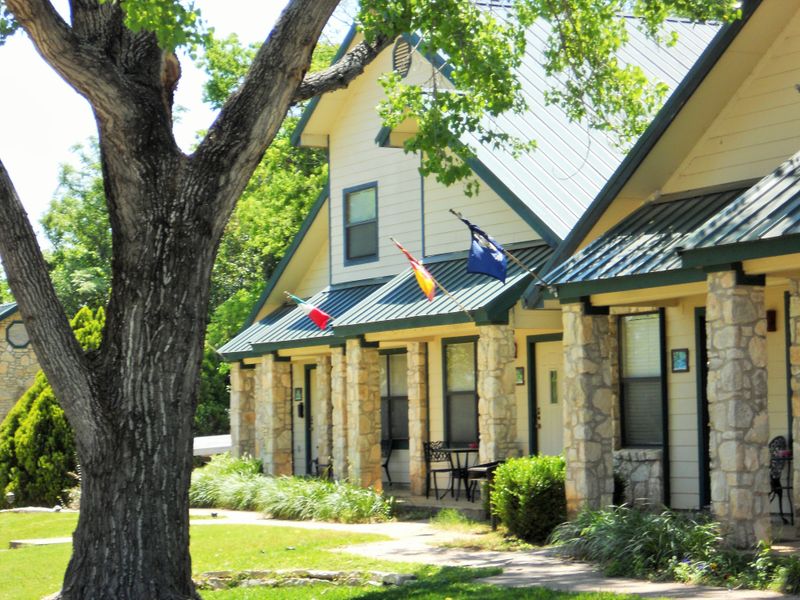
Kingsland has avoided the rapid development that transformed other Hill Country towns into crowded tourist destinations or bedroom communities for larger cities.
Zoning remains modest, chain restaurants are scarce, and new construction happens slowly enough that the town’s character stays intact.
Residents appreciate this restraint, recognizing that unchecked growth often destroys the very qualities that made a place attractive in the first place.
The absence of large-scale development means fewer traffic lights, fewer strip malls, and fewer reasons for outsiders to pass through.
Local businesses remain locally owned, and the downtown area retains a functional simplicity rather than transforming into a curated shopping district.
This resistance to overdevelopment isn’t accidental—it reflects community priorities that favor preservation over profit.
For retirees seeking stability and predictability, Kingsland’s slow growth provides reassurance that the place they move to won’t change dramatically within a few years.
The town won’t suddenly sprout luxury condos or attract crowds that overwhelm local resources.
This commitment to maintaining character over chasing trends creates an environment where long-term planning makes sense and where residents can trust that their investment—both financial and emotional—will be respected and protected by the community around them.
For Many Retirees, Kingsland Feels Like Texas The Way It Used To Be
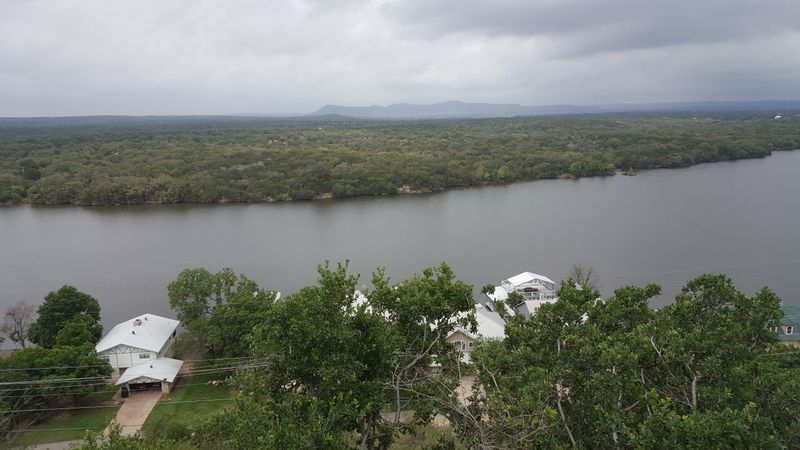
Kingsland carries a sense of continuity with an older version of Texas—one that prioritized space, neighborliness, and a slower pace over constant expansion and commercialization.
The landscape still dominates, development remains secondary, and people take time to talk rather than rushing past each other.
For retirees who remember when Texas felt less crowded and less frantic, Kingsland offers a recognizable echo of that earlier era.
This isn’t nostalgia for nostalgia’s sake—it’s an appreciation for values and rhythms that feel increasingly rare across the state.
Front porches get used, handshakes still mean something, and community ties develop through shared experience rather than social media.
The town hasn’t frozen in time, but it has maintained a connection to the past that many retirees find deeply comforting.
Located at 30.6582405, -98.44058489999999 in Llano County, Kingsland sits in Texas 78639, a small corner of the Hill Country that hasn’t been swept up in the state’s rapid transformation.
For those who’ve watched beloved places change beyond recognition, Kingsland represents something increasingly precious—a place that still feels like home, even if you’ve never lived there before.
Retirement here isn’t about escaping Texas; it’s about rediscovering the version of it that first made people fall in love with the state.