
This Little-Known South Carolina Town Feels Frozen In Another Era
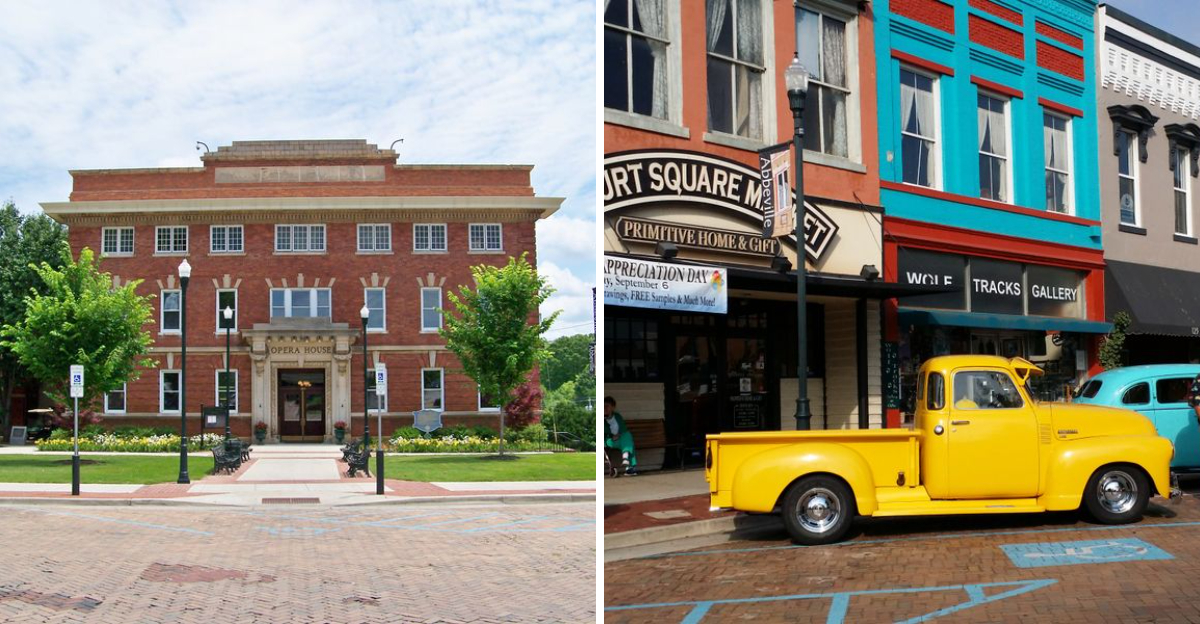
Abbeville sits quietly in the western corner of South Carolina, 86 miles from Columbia and 45 miles south of Greenville, as if time decided to pause here decades ago.
With a population hovering around 5,000, this county seat carries the weight of history in its brick streets and century-old storefronts.
Walking through its downtown feels less like visiting a modern Southern town and more like stepping onto a film set dressed for the 1800s.
The town’s preservation isn’t a tourist gimmick—it’s simply how Abbeville has chosen to live.
Historic Courthouse Square At The Heart Of Town
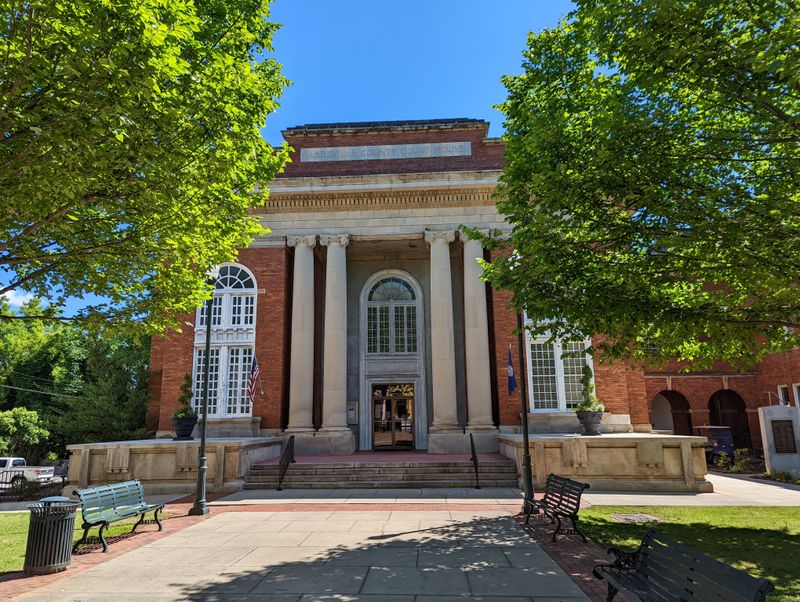
The square anchors Abbeville’s identity with a presence that commands respect without demanding attention.
Built in the 1800s, the courthouse stands as a physical reminder of how Southern towns once organized themselves around civic duty and community gathering.
Magnolia trees frame the building, their branches offering shade to benches where locals still sit and talk.
You won’t find chain stores or franchise coffee shops crowding the perimeter.
Instead, independently owned businesses line the square, their facades largely unchanged from photographs taken a century ago.
The square hosts farmer’s markets and seasonal festivals, maintaining its role as the town’s social center.
Visitors often remark that standing here feels like inhabiting a postcard from another time.
The architecture speaks to an era when craftsmanship mattered more than speed, and civic buildings were designed to last generations.
Abbeville’s downtown, located at South Carolina 29620, radiates outward from this central point.
The Abbeville Opera House Has Stood Since 1904
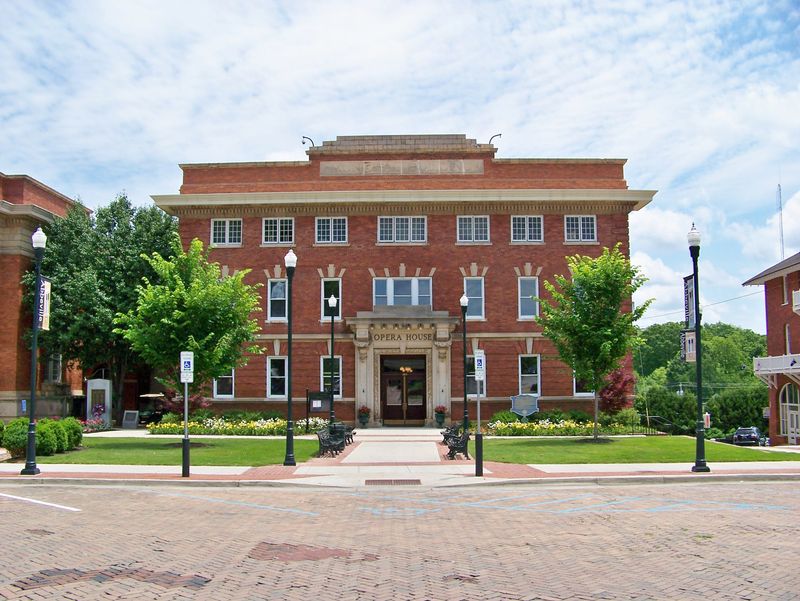
Few buildings capture a town’s cultural ambitions quite like an opera house built when the population barely topped a few thousand.
The Abbeville Opera House opened its doors in 1904, a bold statement from a community that valued the arts enough to construct a proper venue.
The building’s facade retains its original character, with tall windows and decorative brickwork that announce its purpose before you step inside.
Productions still grace its stage more than a century later, ranging from community theater to touring acts.
The interior preserves much of its early 20th-century charm, including wooden seats and a balcony that offers views of both the stage and the town square beyond.
Attending a performance here means experiencing entertainment the way your great-grandparents might have.
The acoustics remain impressive, a testament to builders who understood sound before modern technology made it easier.
This opera house proves that small towns once invested in culture with the same seriousness as larger cities.
Brick Streets Create A 19th-Century Downtown Feel
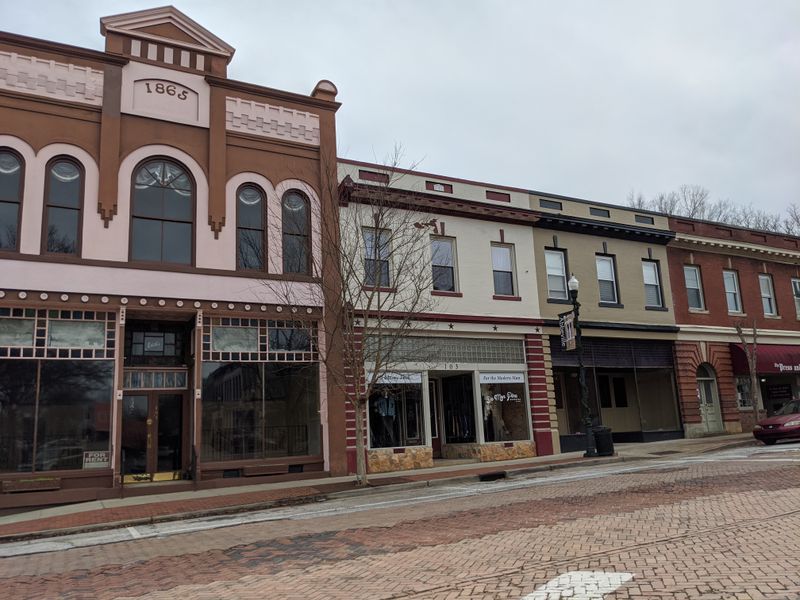
Asphalt paving crews apparently missed Abbeville’s downtown when they modernized most of South Carolina.
The original brick streets remain intact, their uneven surfaces forcing drivers to slow down and pedestrians to watch their step.
These bricks were laid by hand over a century ago, each one placed with care that modern road construction rarely bothers with.
Walking across them produces a satisfying sound that concrete sidewalks can’t replicate.
The bricks have weathered generations of traffic, their surfaces worn smooth in some places and cracked in others.
Maintaining these streets costs more than repaving with modern materials, but Abbeville residents have consistently chosen preservation over convenience.
Rain pools differently on brick than on asphalt, creating patterns that change with each storm.
The streets contribute significantly to the sensation that you’ve traveled backward in time.
They connect the buildings to an era when craftsmanship extended even to infrastructure.
A Town Shaped By Civil War History
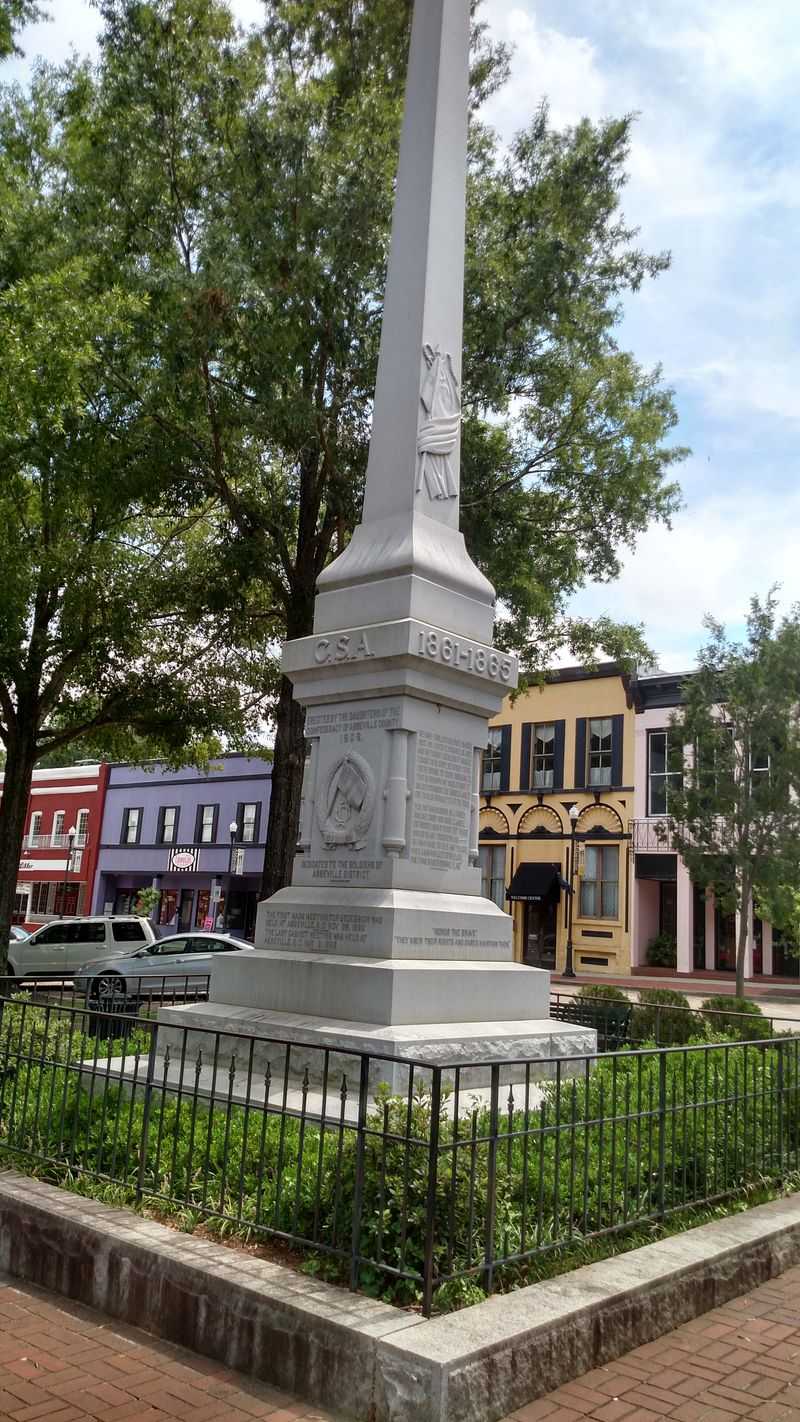
Abbeville claims a peculiar distinction in American history—it witnessed both the beginning and the end of the Confederacy’s organized resistance.
Jefferson Davis held his final council of war here in 1865, meeting in a house that still stands on the square.
Earlier, secession meetings took place in Abbeville, helping set in motion events that would reshape the nation.
Historical markers throughout town identify significant Civil War locations, though they’re presented without the romanticized mythology that plagues some Southern communities.
The history is acknowledged rather than celebrated, preserved as fact rather than legend.
Buildings that served as hospitals, meeting halls, and temporary headquarters remain in use today, their original purposes marked by plaques.
Understanding Abbeville requires grappling with this complicated past.
The town doesn’t hide from its role in the conflict, nor does it use history as a tourism gimmick.
Instead, Abbeville exists as a living archive of a pivotal American moment.
Local Shops Still Ring The Square
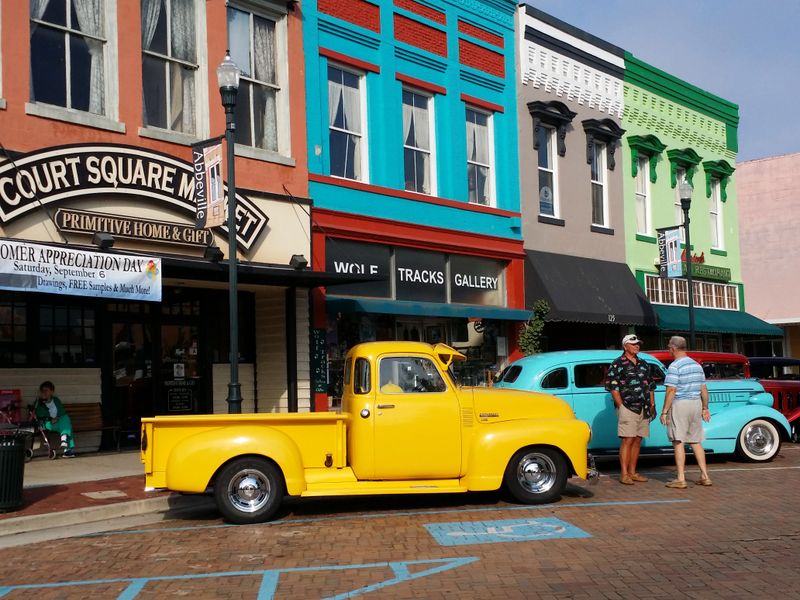
National retail chains haven’t colonized Abbeville’s downtown the way they have in most American towns.
Family-owned businesses occupy the storefronts surrounding the courthouse square, many operated by the same families for multiple generations.
You’ll find hardware stores where employees actually know how to fix things, not just scan barcodes.
Antique shops display furniture and household items that once filled local homes, creating an informal museum of regional life.
A few restaurants serve Southern cooking that hasn’t been adapted for tourist palates or franchise requirements.
Shopping here means interacting with owners who remember your name and your previous purchases.
The pace feels deliberately slower, as if rushing would violate some unspoken community agreement.
Prices aren’t always cheaper than big-box stores, but purchases come with conversation and local knowledge.
These shops provide essential services while maintaining the downtown’s historical character.
Economic survival and historical preservation happen simultaneously here.
Life Moves Slower Than Modern Southern Towns
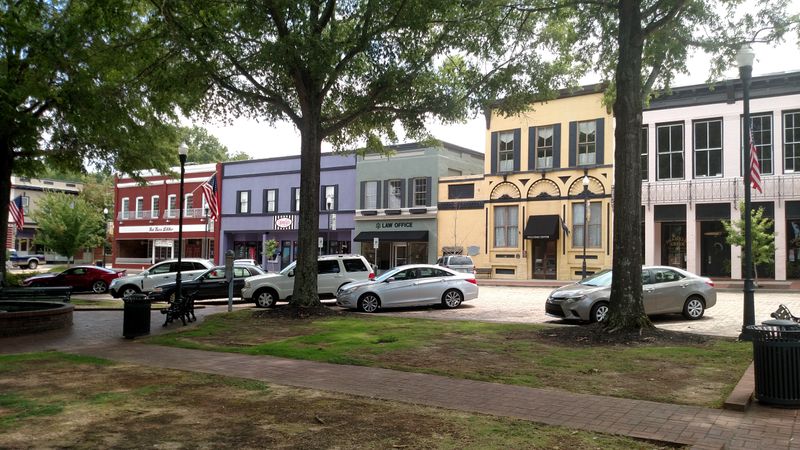
Abbeville operates on a different clock than nearby Greenville or Anderson.
Rush hour consists of a few extra cars around the square, and traffic jams are virtually unknown.
People still wave to drivers they don’t recognize, maintaining a custom that disappeared from most places decades ago.
Businesses close for lunch, and nobody seems bothered by the inconvenience.
Conversations happen on sidewalks without the participants constantly checking their phones.
This slower pace isn’t laziness or economic stagnation—it’s a deliberate choice about how to structure daily life.
Residents could commute to faster-paced towns for work, and many do, but they return to Abbeville’s rhythm each evening.
The town rejects the assumption that faster always means better.
Visitors from cities often find the pace disorienting at first, then strangely appealing.
Time seems to expand here, allowing space for activities that modern life usually crowds out.
A Small Population Preserves The Rhythm Of Life
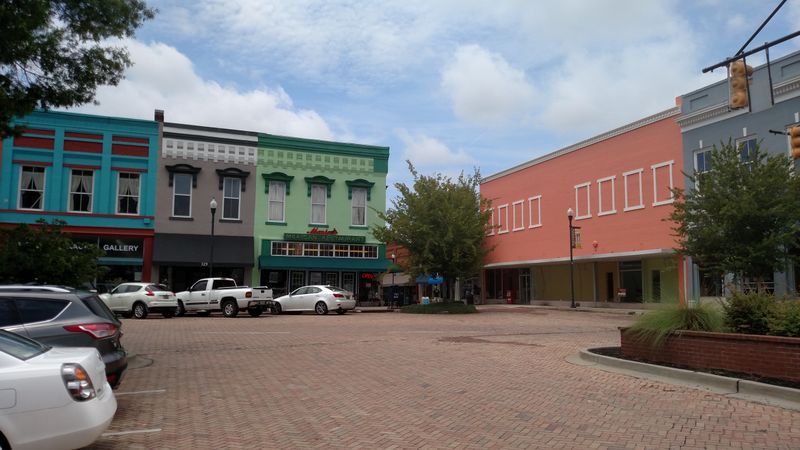
With roughly 5,000 residents, Abbeville maintains a population size that allows genuine community to function.
Everyone doesn’t know everyone, but social networks overlap enough that anonymity is difficult to achieve.
This scale creates accountability that larger towns can’t replicate—your reputation matters when you’ll encounter the same people repeatedly.
The small population also means change happens slowly, if at all.
New developments require broad consensus, giving preservation-minded residents significant influence.
Young people often leave for college or jobs, a pattern common to rural America, but some return after experiencing faster-paced places.
Those who stay tend to be deeply invested in maintaining Abbeville’s character.
Population size influences everything from school enrollment to church attendance to local politics.
The town has avoided the growth pressures that transform other South Carolina communities.
Stability comes from staying small rather than chasing expansion.
Community Events Center On Downtown Traditions
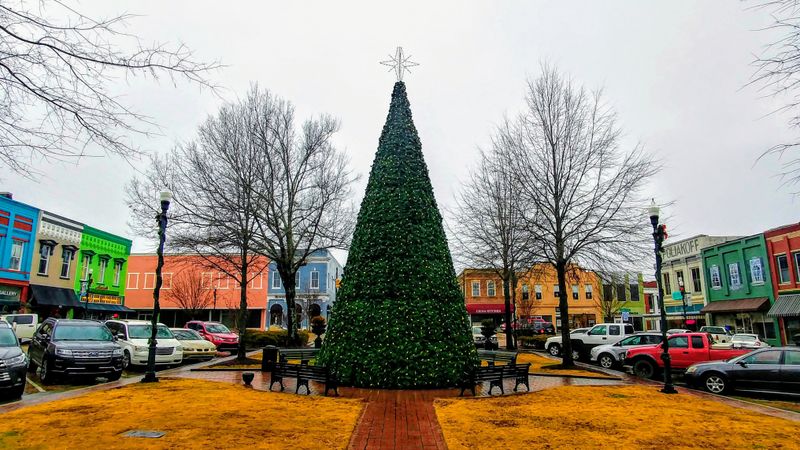
Abbeville’s social calendar revolves around events that have been repeated for generations with minimal modification.
The town hosts seasonal festivals on the courthouse square, bringing residents together in ways that feel increasingly rare in American life.
Christmas celebrations involve caroling and decorations that emphasize tradition over spectacle.
Summer concerts on the square draw families with lawn chairs and homemade food.
These gatherings aren’t curated for Instagram or designed to attract tourists—they exist primarily for residents.
Church events still anchor many social calendars, reflecting the town’s Deep South location and cultural continuity.
High school football games draw crowds that represent a significant percentage of the total population.
Community events reinforce social bonds and shared identity in ways that digital connection can’t replicate.
Participation rates remain high because alternative entertainment options are limited.
The events preserve a model of community life that most of America has abandoned.
Architecture Reflects Generations Of Southern History
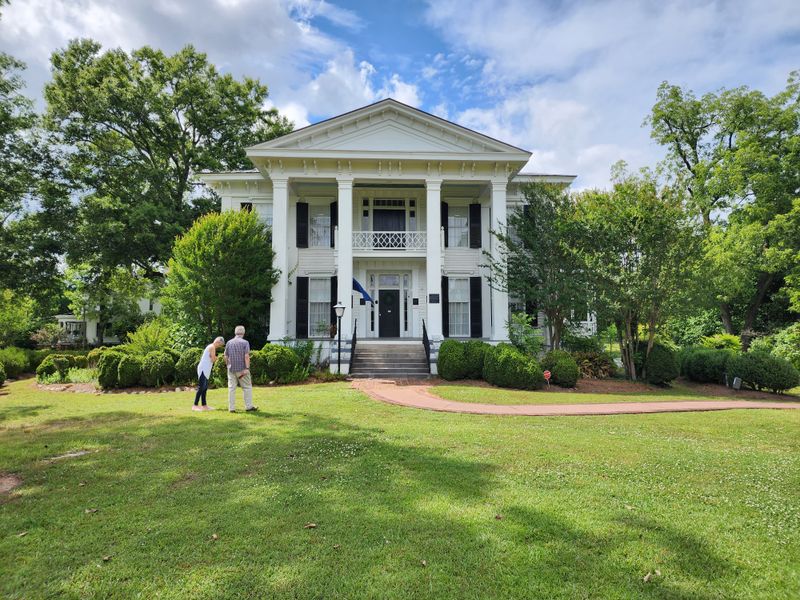
Buildings in Abbeville span multiple architectural periods, creating a physical timeline of Southern design.
Antebellum structures with columned porches stand near Victorian-era commercial buildings with ornate cornices.
Early 20th-century additions show how architectural tastes evolved while maintaining visual harmony with older structures.
Many buildings retain original details that would have been removed during modernization efforts elsewhere.
Wooden shutters still function rather than serving as mere decoration.
High ceilings and large windows reflect design strategies for managing heat before air conditioning.
The architectural variety provides visual interest while maintaining a cohesive historical character.
Preservation hasn’t frozen the town in a single era but rather maintained multiple layers of history simultaneously.
Walking through Abbeville offers an informal education in how Southern architecture adapted to changing needs and styles.
The buildings demonstrate that historical preservation can accommodate evolution without destroying character.
Little Modern Development Has Changed The Town
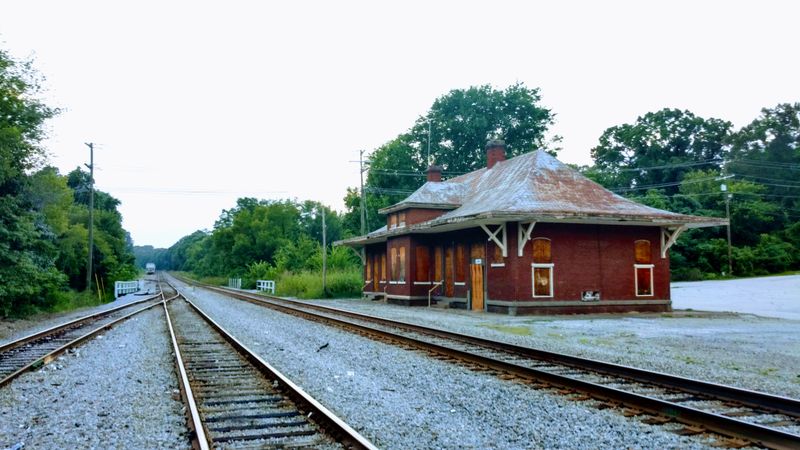
Drive through Abbeville and you’ll notice what’s absent more than what’s present.
No big-box stores line the highways leading into town.
Strip malls haven’t colonized the outskirts with their predictable mix of chain restaurants and discount retailers.
The town has either rejected or failed to attract the kind of development that transforms most American communities.
Whether this represents economic wisdom or missed opportunity depends on your perspective.
Residents seem content with the tradeoff—fewer shopping options in exchange for preserved character.
The lack of development pressure has kept property values stable but not explosive.
Young families seeking affordable housing and slower-paced living occasionally discover Abbeville, but growth remains modest.
The town’s distance from major highways provides natural protection from development pressures.
Abbeville demonstrates that staying the same requires as much effort as changing, just directed differently.
A Place That Feels Like Old Small-Town America
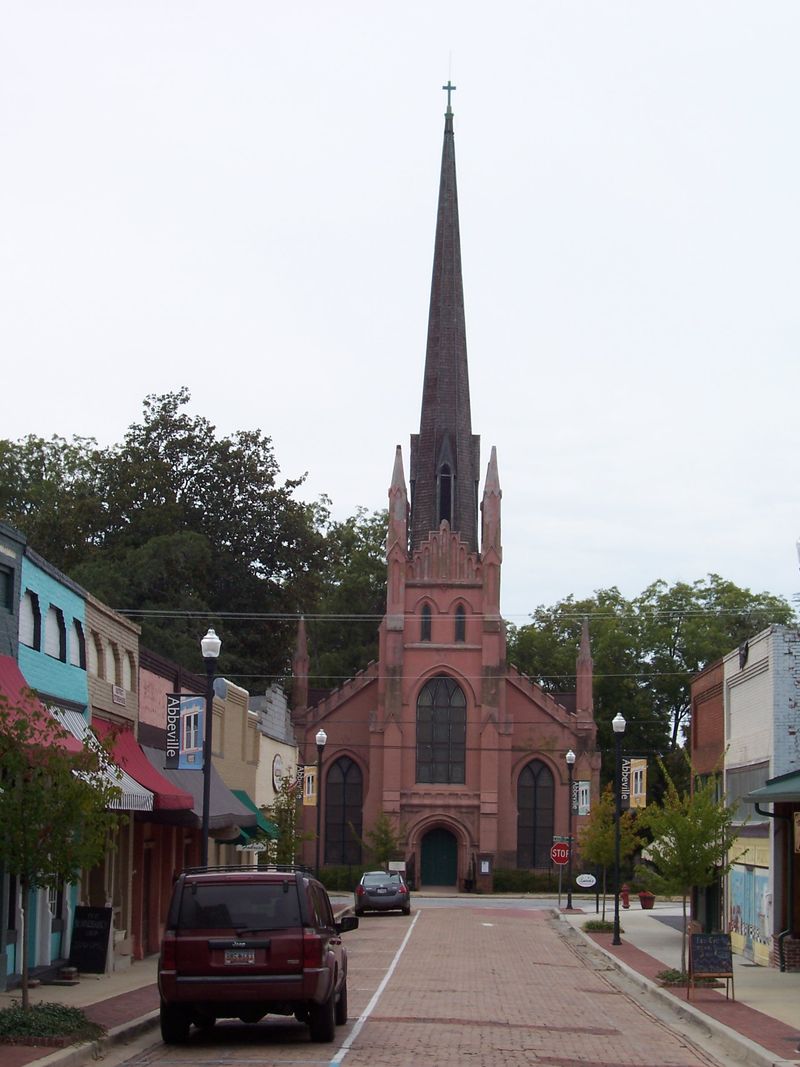
Abbeville embodies a version of American small-town life that exists more often in memory and movies than in actual communities.
The combination of preserved architecture, stable population, and traditional social patterns creates an atmosphere that feels increasingly anachronistic.
Visitors often describe the sensation of displacement, as if they’ve stumbled into a living history exhibit.
The town doesn’t perform its historical character for tourists—it simply continues existing as it has for decades.
This authenticity distinguishes Abbeville from towns that have manufactured quaintness for economic benefit.
Whether this way of life can persist remains uncertain.
Economic pressures, generational change, and broader cultural shifts threaten even the most determined preservation efforts.
For now, Abbeville offers a glimpse of how American towns once functioned before homogenization smoothed away regional distinctiveness.
The experience resonates particularly with those old enough to remember when most small towns operated this way.