
This Little-Known New York Lakeside Village Feels Miles From The Crowds
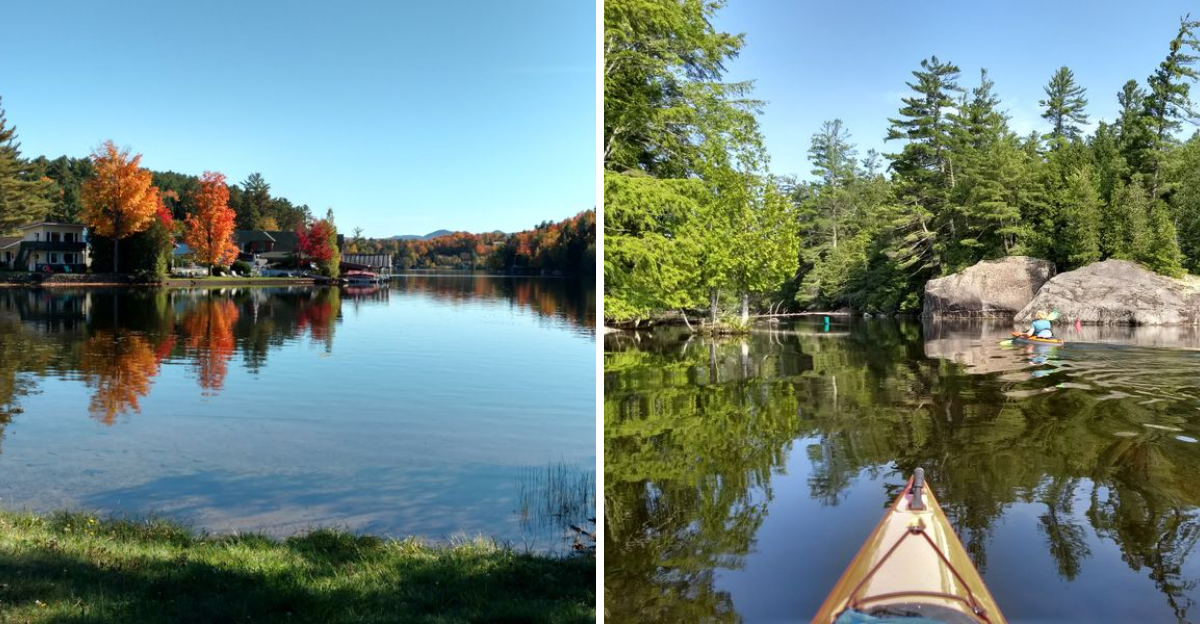
Saranac Lake sits quietly in the heart of the Adirondack Mountains, a small village where the rhythm of life follows the seasons rather than the demands of tourism.
With fewer than five thousand residents and no major highways cutting through, it remains one of the most peaceful escapes in upstate New York.
While nearby Lake Placid draws crowds year-round, Saranac Lake holds onto its old-world charm and unhurried pace.
Here, the lakes are clear, the streets are walkable, and the wilderness feels close enough to touch.
A Lakeside Village Tucked Deep In The Adirondack Mountains
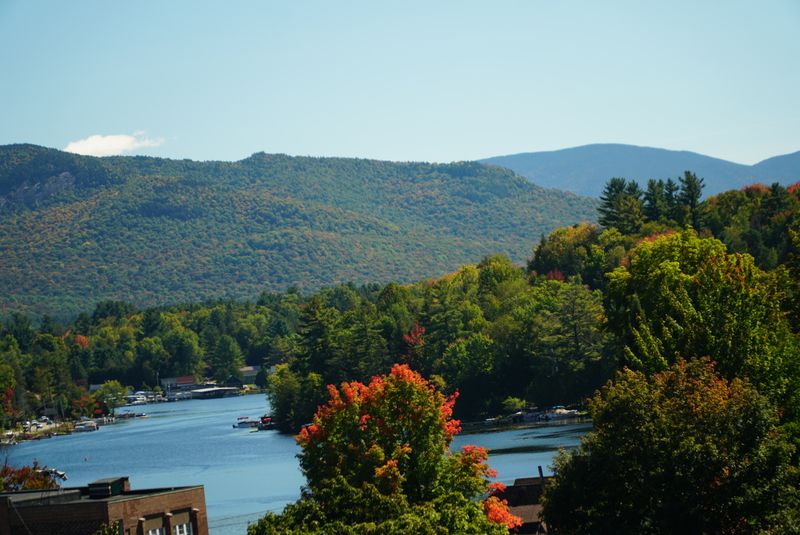
Saranac Lake rests at the northern edge of the Adirondack Park, surrounded by dense forest and mountain ridges that block out much of the noise from the outside world.
The village itself stretches across parts of three towns and two counties, giving it a geographic identity that feels more organic than administrative.
Driving in from any direction, you pass through miles of woodland before the first buildings appear.
There are no billboards or strip malls to announce your arrival.
Instead, the village emerges slowly, with modest homes and tree-lined streets that seem to blend into the landscape rather than dominate it.
The mountains here are not dramatic peaks but rolling, forested hills that frame the horizon in every direction.
This geography has shaped the village’s character for more than a century.
Isolation bred self-reliance, and the distance from major cities kept development slow and deliberate.
Even today, Saranac Lake feels less like a destination and more like a place people stumble upon and choose to stay.
Lake Flower Brings Calm Waterfront Living Right Into Town
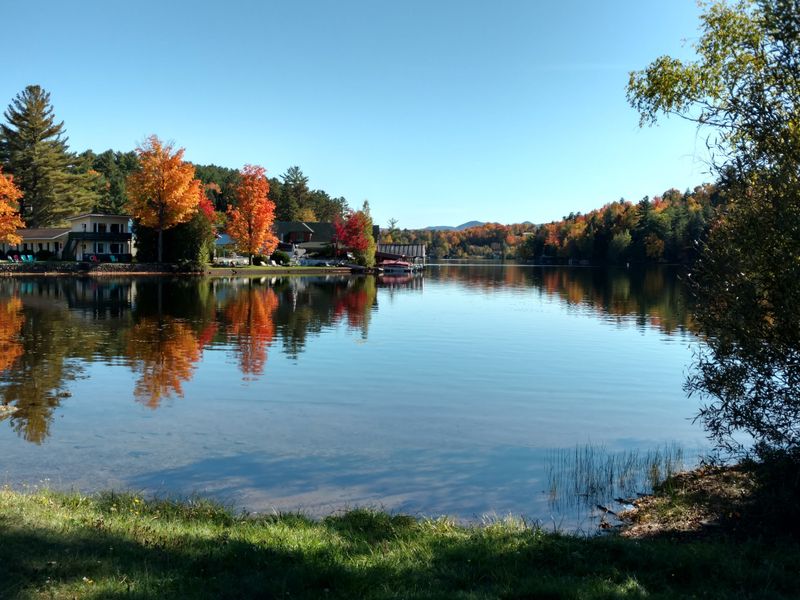
Lake Flower runs along the southern edge of the village, its shoreline dotted with docks, benches, and a walking path that follows the water for nearly a mile.
Unlike many Adirondack lakes, which sit miles from the nearest town, Lake Flower is woven directly into the fabric of daily life here.
You can park downtown, walk two blocks, and find yourself standing at the water’s edge.
The lake is shallow and warm in summer, making it popular with families and paddlers.
Canoes and kayaks glide across the surface on calm mornings, while swimmers wade in from the small public beach near the library.
There are no jet skis or motorboats racing through—just quiet, unhurried movement.
In the evening, locals gather along the shore to watch the light change over the water.
The sunset here is understated, more soft glow than dramatic blaze, but it draws people out nonetheless.
Lake Flower is not a spectacle; it is simply there, steady and accessible, a constant presence in village life.
Quieter Than Nearby Lake Placid, With A More Local Feel
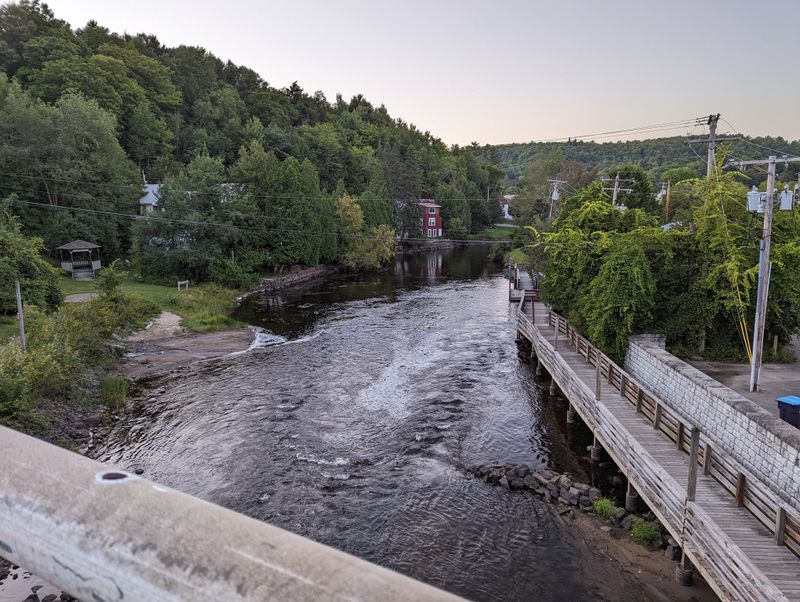
Lake Placid is less than ten miles away, but the two villages could not feel more different.
Where Lake Placid thrives on its Olympic legacy and tourist infrastructure, Saranac Lake remains stubbornly unhurried, with no grand resorts or celebrity-chef restaurants to speak of.
The streets here are narrower, the storefronts more practical, the pace noticeably slower.
You will not find tour buses idling on Main Street or crowds lining up for selfies at scenic overlooks.
Instead, the village caters to locals—families running errands, retirees meeting for coffee, contractors picking up supplies.
Visitors who do arrive tend to blend in rather than stand out, drawn by word of mouth rather than glossy brochures.
This distinction is deliberate.
Saranac Lake has resisted the kind of development that transforms small towns into theme parks, choosing instead to preserve its working-class roots and community focus.
The result is a place that feels lived-in rather than curated, where authenticity is not a marketing term but a daily reality.
A Small Population Keeps Daily Life Unhurried
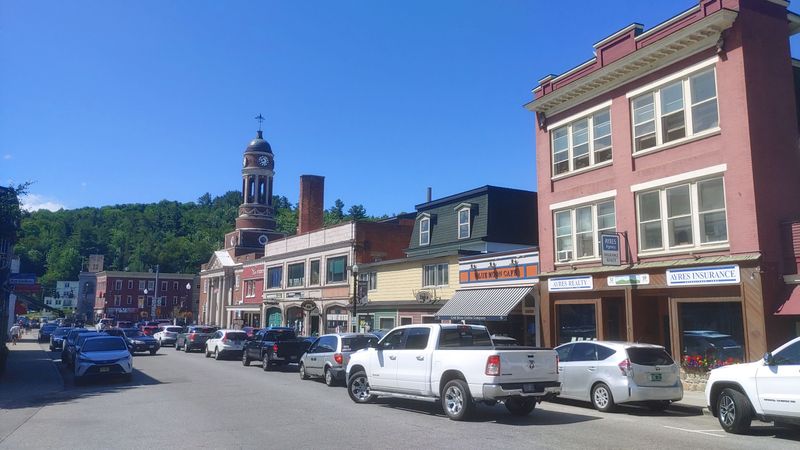
According to the 2020 census, Saranac Lake is home to just 4,887 residents, making it the largest community by population in the entire Adirondack Park.
That statistic sounds impressive until you remember the park itself covers six million acres, much of it uninhabited wilderness.
In practical terms, the village remains small enough that familiar faces appear regularly and anonymity is nearly impossible.
This size shapes the rhythm of daily life in subtle but meaningful ways.
There are no traffic jams, no long waits at restaurants, no competition for parking spaces.
Errands that might take an hour in a larger town can be completed in fifteen minutes here.
People move with intention but without urgency, as if they trust that everything will still be there when they arrive.
The village’s modest population also fosters a sense of shared responsibility.
When something needs doing—whether it is organizing a fundraiser or clearing a trail—residents show up.
This is not nostalgia for small-town life; it is simply how things work when everyone knows they are part of the same ecosystem.
Walkable Streets That Rarely Feel Busy
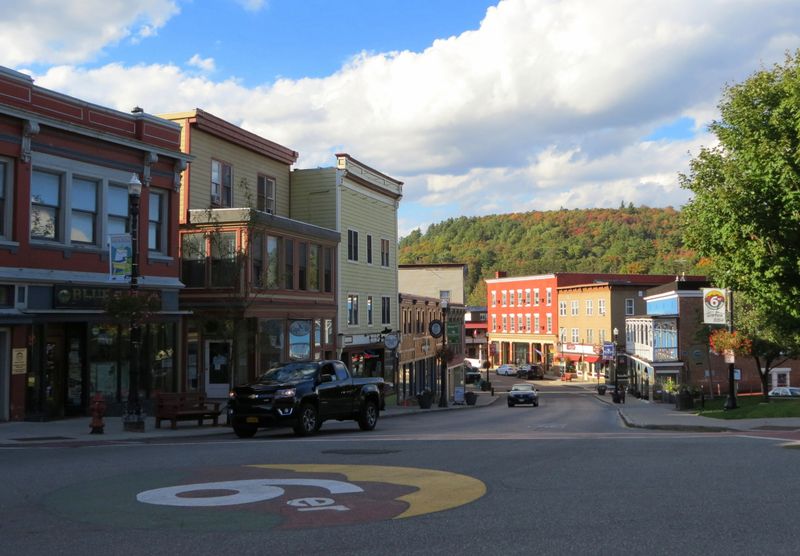
Downtown Saranac Lake spans roughly six blocks, all of them easily navigable on foot.
The sidewalks are wide, the intersections clearly marked, and the distances between shops and services short enough that driving feels unnecessary.
You can walk from the post office to the library to the grocery store in under ten minutes, all without crossing a major road.
Even during peak tourist season, the streets never feel congested.
There are no throngs of visitors spilling off tour buses or blocking storefronts for photos.
Instead, foot traffic remains light and steady, with enough space for everyone to move comfortably.
This makes the village ideal for those who prefer to explore on their own terms, without jostling for position or waiting in line.
The village’s compact layout also encourages spontaneity.
A morning coffee run might turn into an impromptu conversation with a neighbor or an unplanned stop at the bookstore.
Walking here is not just practical; it is a way to engage with the place and its people at a human pace.
Surrounded By Lakes, Forests, And Protected Wilderness
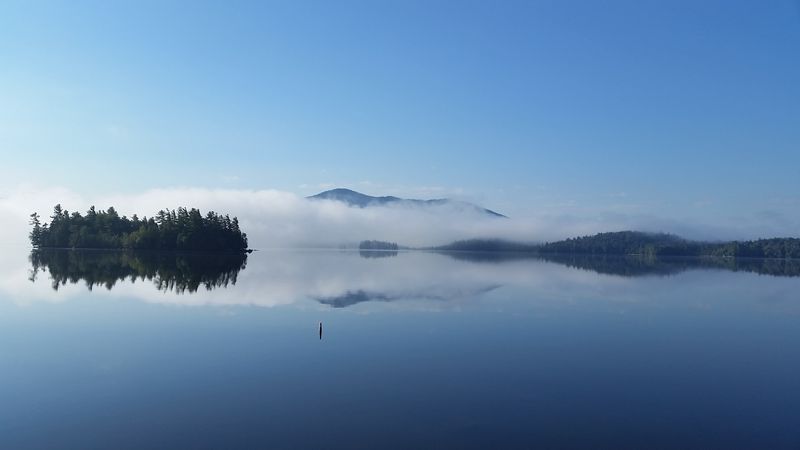
Saranac Lake sits within the Adirondack Park, a six-million-acre patchwork of public and private land that includes some of the most protected wilderness in the eastern United States.
The village itself is encircled by lakes—Lake Flower, Lower Saranac, Middle Saranac—and beyond them, dense forests that stretch for miles without interruption.
This proximity to wild spaces is not incidental; it defines the village’s identity and daily rhythm.
You do not need to drive far to find solitude.
Trailheads are minutes away, and many of them lead to quiet ponds, ridgeline views, or old-growth forests where the only sound is wind through the trees.
The wilderness here is not a backdrop but an active presence, shaping weather patterns, wildlife sightings, and the way people plan their days.
Protected status means development is limited and logging is regulated, preserving the landscape for future generations.
This commitment to conservation is visible everywhere—in the unmarred shorelines, the intact canopy, the absence of sprawl.
Saranac Lake exists within nature rather than alongside it.
Kayaking And Paddling Without Heavy Boat Traffic
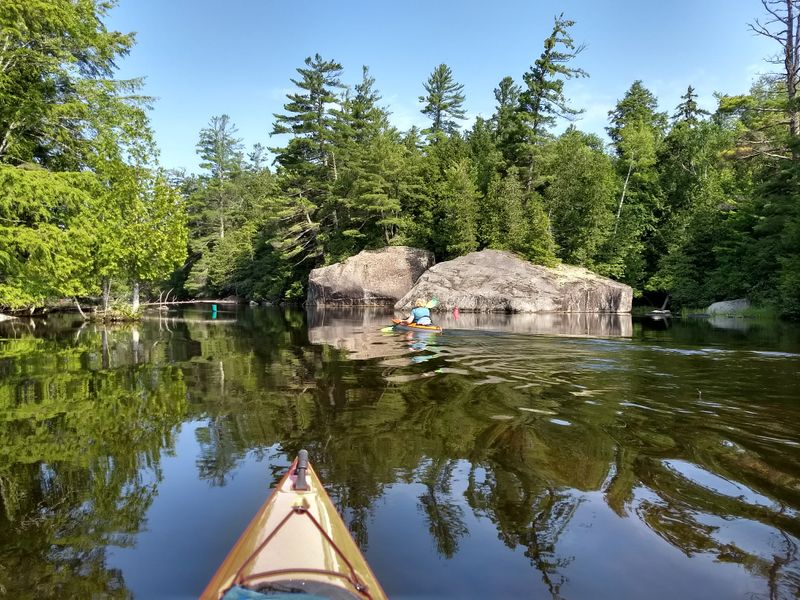
The lakes around Saranac Lake are ideal for paddlers seeking calm water and minimal interference.
Unlike more popular Adirondack destinations, where motorboats and personal watercraft dominate the surface, these waters remain quiet and largely undisturbed.
You can launch a kayak or canoe from several public access points and spend hours exploring without encountering more than a handful of other boats.
Lake Flower is the most accessible, with a boat launch near downtown and a shoreline that invites leisurely exploration.
For those seeking more solitude, Lower and Middle Saranac offer wider expanses and fewer people, with routes that wind through marshlands and under forested banks.
The lack of heavy traffic makes these waters safe for beginners and peaceful for experienced paddlers alike.
Paddling here is not about speed or competition; it is about observation and immersion.
You notice the way light moves across the water, the sudden appearance of a heron, the faint scent of pine carried on the breeze.
These lakes reward patience and presence, qualities that seem to come naturally in this unhurried corner of New York.
A Downtown That Serves Locals, Not Mass Tourism
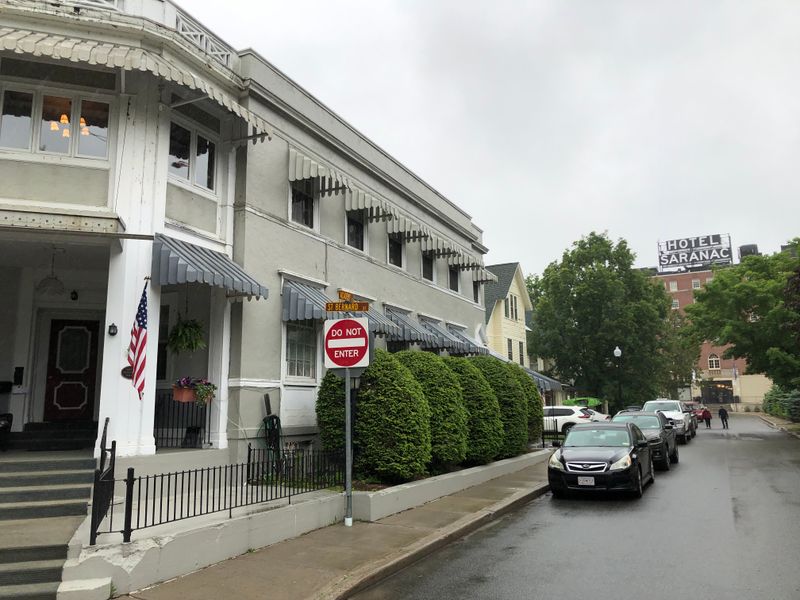
Main Street in Saranac Lake is lined with businesses that reflect the needs and tastes of year-round residents rather than seasonal visitors.
You will find a hardware store, a pharmacy, a laundromat, and a grocery co-op—places that serve daily life rather than vacation fantasies.
There are a few restaurants and cafes, but they are modest and unpretentious, the kind of spots where regulars occupy the same stools every morning.
This focus on locals creates a different kind of downtown experience.
Storekeepers recognize faces, service is personal rather than transactional, and the pace is unhurried.
You can ask for recommendations and receive honest answers rather than rehearsed pitches.
The village has not been reengineered to maximize tourist dollars, which means it retains a functional, lived-in quality that many resort towns have lost.
Visitors who appreciate this authenticity often find themselves welcomed rather than merely tolerated.
The village does not cater to crowds, but it does not shut them out either.
It simply continues being itself, and those who value that tend to return.
Historic Roots As A 19th-Century Health Retreat
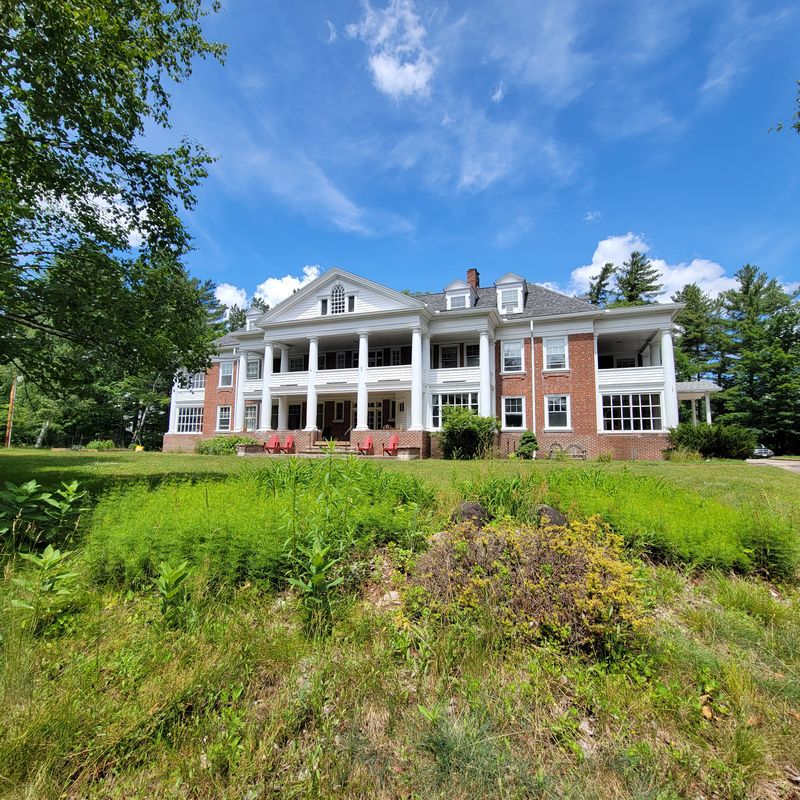
In the late 1800s, Saranac Lake became known as a treatment center for tuberculosis, drawing patients from across the country who sought the curative powers of fresh mountain air.
Dr. Edward Livingston Trudeau established a sanatorium here in 1884, pioneering the rest cure that combined outdoor living, nutrition, and isolation.
For decades, the village thrived as a health retreat, its economy built on care and recovery.
Many of the village’s older buildings date from this era—former cure cottages with wide porches designed to maximize air circulation, converted now into homes and bed-and-breakfasts.
The legacy of this period is visible not just in architecture but in the village’s enduring emphasis on wellness, nature, and quiet living.
Saranac Lake’s identity was shaped by people who came here to heal, and that sense of refuge persists.
Today, the village honors this history without dwelling on it.
A small museum preserves artifacts and stories from the sanatorium years, but the focus remains on the present.
Still, the past lingers—in the layout of the streets, the design of the buildings, and the understanding that this place has always offered something restorative.
Seasonal Tourism Leaves Long Stretches Of Peace And Quiet
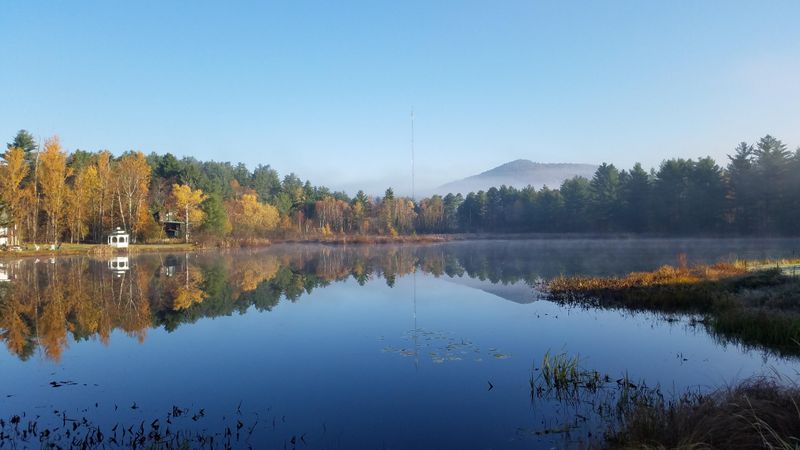
Tourism in Saranac Lake follows a predictable pattern, peaking in summer and fall and dropping off sharply once winter arrives.
By late November, the village settles into a quieter rhythm, with fewer visitors and more breathing room for residents.
This seasonal ebb and flow creates long periods of tranquility that many Adirondack towns no longer experience.
Winter here is not marketed as a destination season, despite the snow and proximity to ski areas.
The village becomes more insular, focused on local events, school activities, and the routines of cold-weather living.
Restaurants reduce their hours, some shops close for the season, and the streets feel emptier but not abandoned.
For those who value solitude, this is the best time to visit.
Spring and early fall offer similar pockets of calm, when the weather is mild but the crowds have not yet arrived or have already left.
These in-between moments reveal the village at its most authentic, when life proceeds without performance or pretense.
Seasonal tourism is tolerated, even welcomed, but it does not dictate the village’s identity.
Nature Shapes The Pace Of Life More Than Schedules
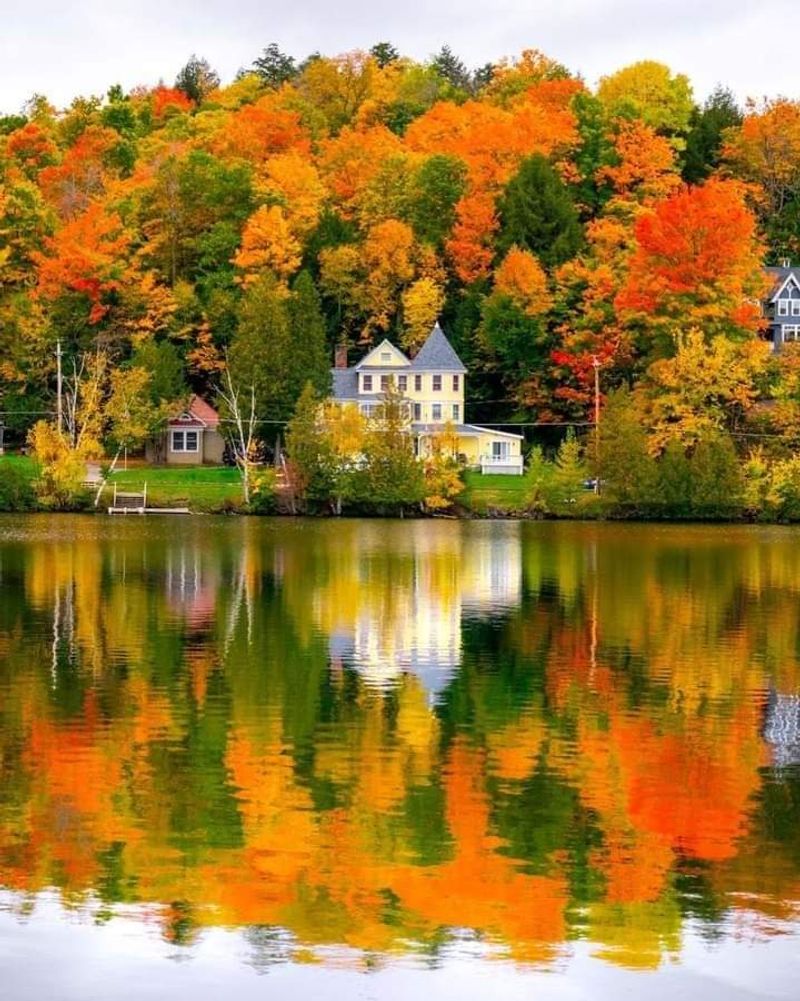
In Saranac Lake, the weather and the landscape dictate daily rhythms more than any calendar or clock.
Winter storms can shut down roads and cancel plans, forcing residents to adapt and slow down.
Spring thaw brings mud season, a weeks-long period when unpaved roads become impassable and patience becomes essential.
Summer and fall offer narrow windows of warmth and color, and people make the most of them, knowing they will not last.
This dependence on natural cycles creates a different relationship with time.
Deadlines feel less urgent when a snowstorm can delay everything by days.
Plans are made with flexibility, and people learn to accept what they cannot control.
The result is a pace of life that feels less frantic and more deliberate, shaped by forces larger than individual ambition.
Living here requires a willingness to let nature set the terms.
You cannot fight the cold or rush the seasons, so you learn to move with them instead.
This is not resignation but adaptation, a quiet acknowledgment that some things are beyond human control—and that is not a bad thing.
A Place Where Adirondack Living Still Feels Authentic
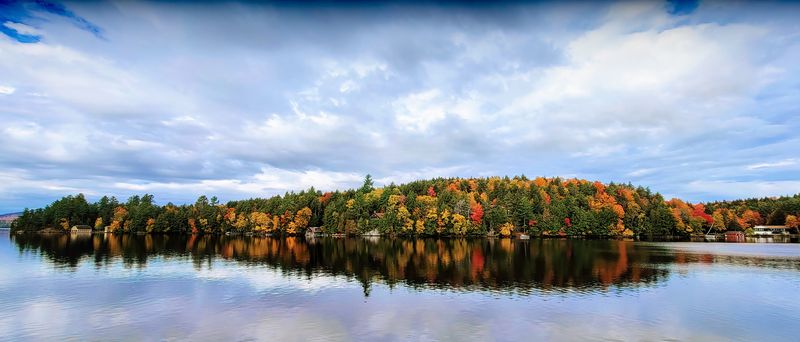
Authenticity is a difficult quality to define, but in Saranac Lake, it is unmistakable.
The village has not been polished or repackaged for outside consumption; it remains a working community where people live year-round, raise families, and earn modest livings.
There is no manufactured charm here, no carefully curated aesthetic designed to appeal to weekend visitors.
What you see is what exists.
This authenticity extends beyond appearances.
The village’s economy is not built on tourism alone—it includes healthcare, education, small manufacturing, and service industries that support local needs.
People here are not performing Adirondack life for an audience; they are living it, with all the challenges and rewards that entails.
The result is a place that feels grounded and real, where the landscape and the community are genuinely interdependent.
For visitors seeking an escape from the superficiality of heavily marketed destinations, Saranac Lake offers something rare: a place that has not sacrificed its identity for growth.
It remains itself, unhurried and unpolished, a village where Adirondack living is not a brand but a way of being.