
The Calm Arizona Desert Town Tucked Far From The Busy Highways
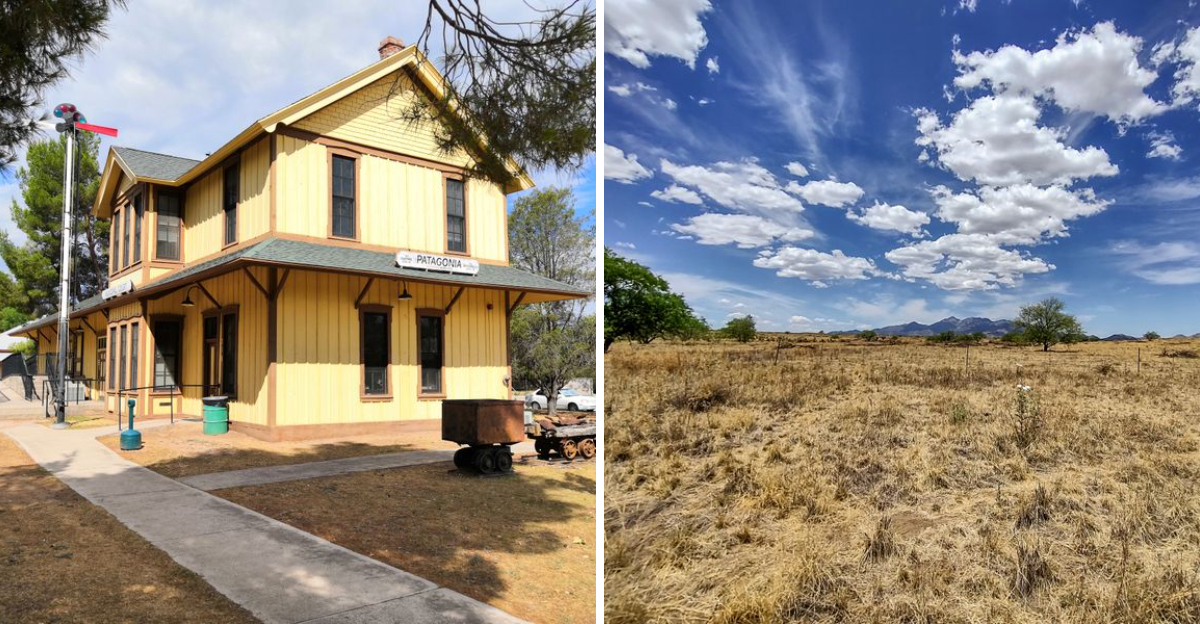
Patagonia, Arizona sits twenty miles north of the Mexican border, cradled between low hills and wide grasslands that stretch toward distant mountain ranges.
The town itself holds fewer than a thousand residents, most of whom arrived seeking refuge from the noise and haste that define much of modern Arizona.
No interstate highway cuts through this valley, and no chain stores line its streets—just a handful of local shops, a post office, and the kind of stillness that makes visitors check their watches to confirm time is still passing.
What follows is a closer look at what makes this remote desert community worth the detour.
A Quiet Desert Town Far From Arizona’s Major Freeways
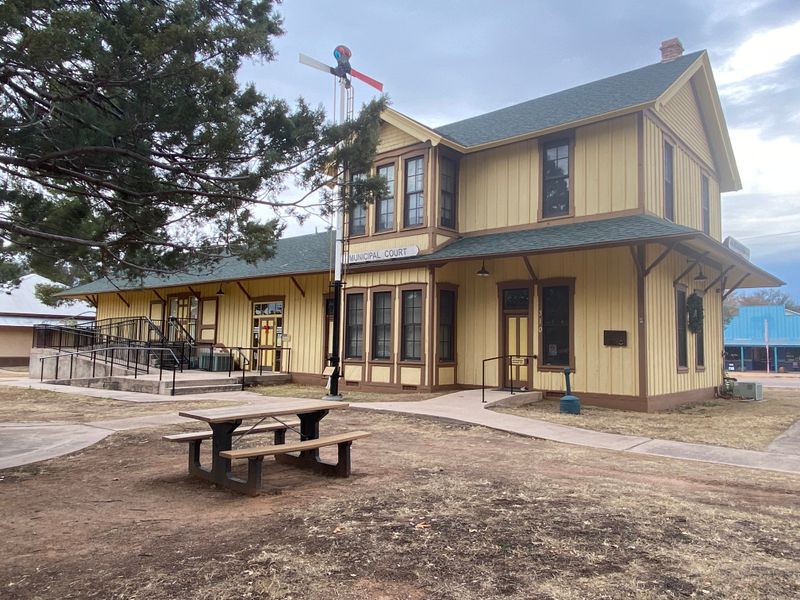
Patagonia lies along State Route 82, a two-lane road that winds through ranch country without pretense or hurry.
The nearest interstate is Interstate 19, which runs roughly twenty-five miles to the west, carrying tourists and truckers toward Tucson or Nogales.
Most travelers never turn east toward Patagonia, which suits the residents just fine.
The town developed in the 1800s as a supply hub for nearby mines and cattle operations, and its location was chosen for proximity to water and grazing land rather than commercial traffic.
That geographic isolation has preserved a rhythm of life that feels unhurried and deliberate.
Streets remain empty for long stretches, and the sound of passing cars is rare enough to draw attention.
Visitors arriving from Phoenix or Tucson often remark on the contrast.
There are no billboards, no traffic lights, and no ambient hum of distant engines.
The town exists in a pocket of quiet that feels both intentional and accidental, shaped by geography as much as by choice.
Tucked Into Rolling Hills Near the U.S.–Mexico Border
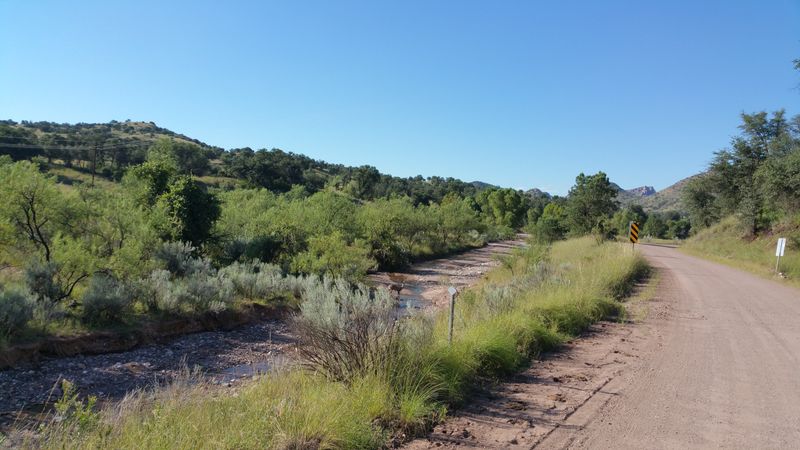
The Patagonia Mountains rise to the south and east, their slopes covered in oak and juniper that darken in the afternoon light.
To the west, the Santa Rita range forms a jagged silhouette against the horizon, visible from almost any point in town.
The valley floor sits at roughly four thousand feet, high enough to temper the desert heat but low enough to avoid the snow that dusts higher elevations in winter.
Patagonia’s location at 31.5395378, -110.7561963 places it within Santa Cruz County, a region known more for ranching and borderland ecology than for urban development.
The town is less than twenty miles from the international boundary, and the cultural influence of northern Sonora is evident in local architecture, food, and language.
The surrounding terrain consists of rolling grasslands interspersed with mesquite and cottonwood along seasonal creeks.
During the summer monsoon, these dry washes fill with rushing water, transforming the landscape briefly before the heat returns.
The hills themselves are gentle, worn smooth by wind and time, offering long views without dramatic peaks.
A Population Small Enough to Keep Life Unrushed
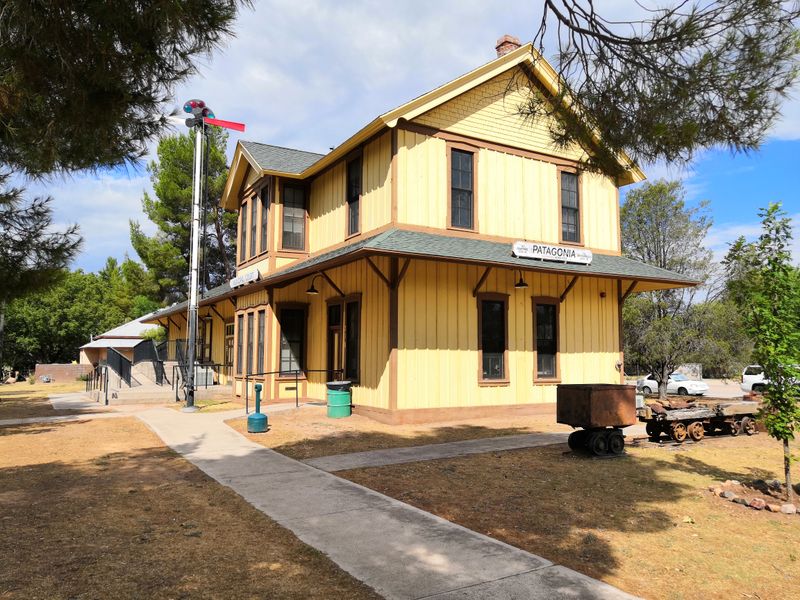
According to the 2010 census, Patagonia’s population numbered 913, a figure that has remained relatively stable for decades.
The town’s modest size means that most residents know one another by name, and newcomers are noticed immediately.
There is no anonymity here, which can be either comforting or unsettling depending on one’s temperament.
The demographic mix includes retirees drawn by the mild climate and low cost of living, artists seeking affordable studio space, and a handful of families whose roots in the area stretch back generations.
The local school serves fewer than a hundred students, and the library operates on a volunteer basis.
This small population means that community events—potlucks, town meetings, art shows—are intimate affairs where attendance is both expected and appreciated.
There are no crowds, no waiting lists, and no sense of competition for resources.
Life moves at a pace determined by individual preference rather than external pressure, and the absence of urgency is one of the town’s defining characteristics.
A Main Street That Still Feels Local
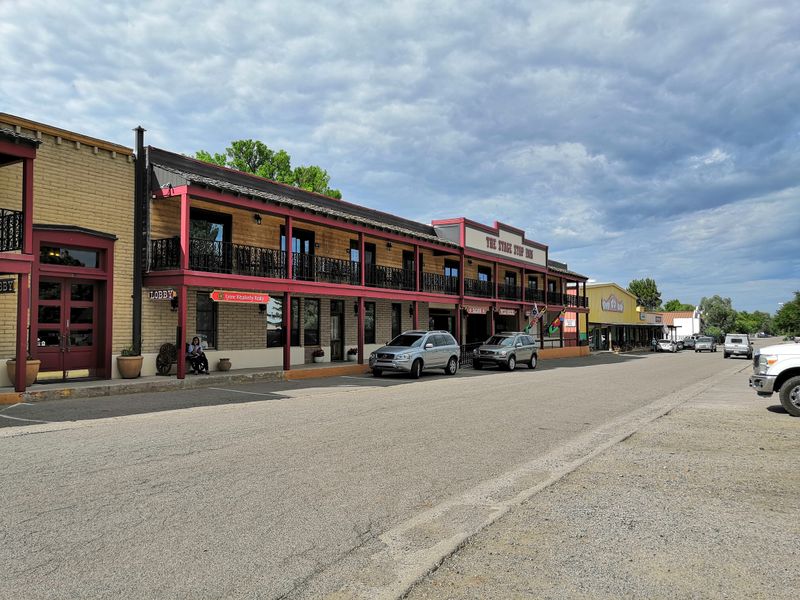
Patagonia’s commercial district occupies a single block along McKeown Avenue, where a handful of businesses operate without much fanfare.
There is a café that opens early for ranchers and birdwatchers, a general store stocked with basics, and a small gallery showcasing work by regional artists.
The storefronts are modest, some painted in fading pastels, others left to weather naturally in the desert sun.
No chain restaurants or franchises have established a presence here, and the absence of corporate branding gives the street a timeless quality.
The businesses that survive do so by serving the needs of locals rather than tourists, though visitors are welcomed warmly when they arrive.
Walking along McKeown Avenue, one notices the lack of urgency.
Shop owners greet passersby, dogs nap in the shade, and conversations unfold without the need for efficiency.
The street feels lived-in rather than curated, a place where commerce and community overlap without friction.
It is the kind of main street that exists in memory more often than in reality, preserved here by circumstance and deliberate choice.
Surrounded by Open Desert and Grassland Landscapes
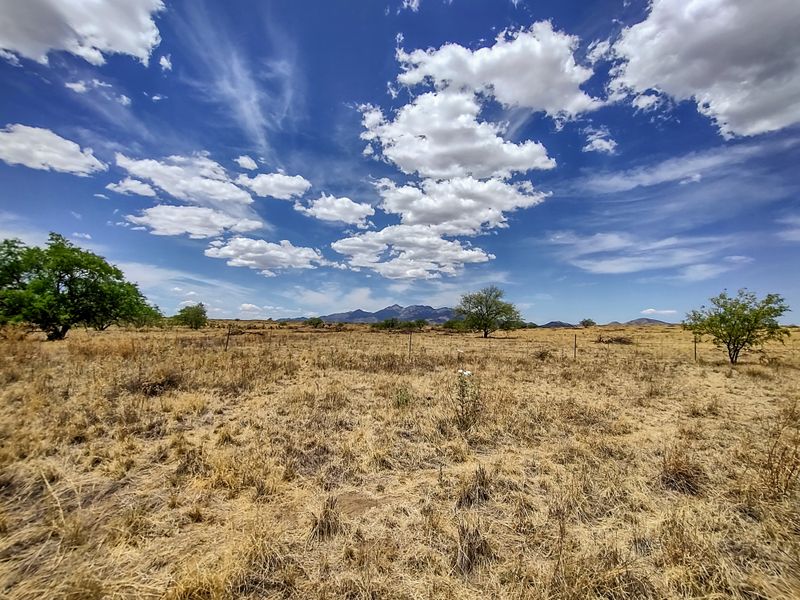
Beyond the town limits, the landscape opens into broad expanses of grama grass and scattered mesquite, punctuated by the occasional windmill or stock tank.
These grasslands, part of the Sonoran Desert’s upper reaches, support a surprising diversity of plant and animal life despite the apparent emptiness.
The horizon extends unbroken in most directions, offering a sense of scale that can be both liberating and disorienting.
Seasonal rains transform the terrain briefly, bringing wildflowers and green growth that fade quickly once the moisture evaporates.
During dry months, the land takes on hues of tan and gold, with shadows cast by distant mountains providing the only variation.
Hiking or driving through these grasslands, one encounters few signs of human activity.
Fences mark property lines, and dirt roads lead to remote ranches, but otherwise the land feels untouched.
The openness has a meditative quality, drawing the eye outward and encouraging long silences.
For those accustomed to enclosed spaces, the vastness can feel overwhelming at first, but most visitors find it strangely restorative.
Why Patagonia Avoids the Crowds of Southern Arizona
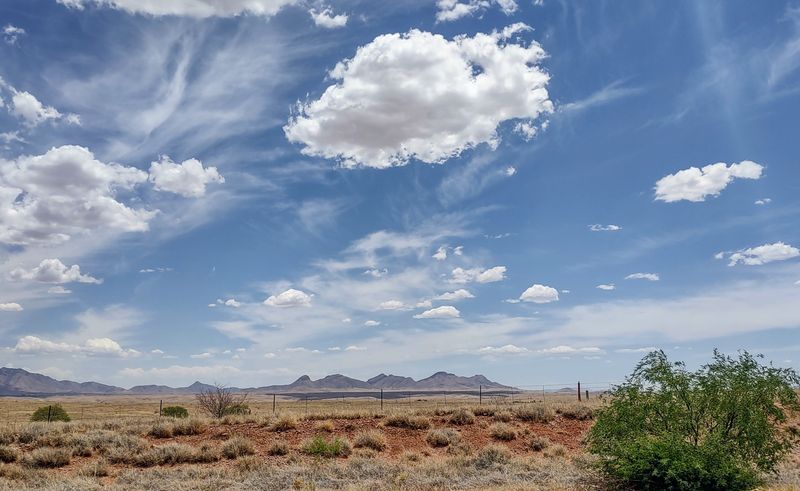
Tucson and its sprawling suburbs lie roughly sixty miles northwest, drawing the majority of visitors to southern Arizona with museums, resorts, and national park access.
Patagonia, by contrast, offers no major attractions in the conventional sense—no theme parks, no shopping districts, no luxury accommodations.
The town’s appeal is subtle, rooted in what it lacks rather than what it provides.
Most travelers passing through the region stick to well-marked routes, following signs toward Tombstone, Bisbee, or the Chiricahua Mountains.
Patagonia appears on few itineraries, and those who do arrive tend to be birdwatchers, naturalists, or individuals seeking solitude.
The absence of infrastructure for mass tourism—limited lodging, no tour operators, minimal signage—acts as a natural filter.
Visitors who make the effort to reach Patagonia are generally those who appreciate quiet and understated beauty.
The town has avoided the transformation that overtakes many rural communities once they become popular, largely because its remoteness and lack of amenities discourage casual visitors.
This obscurity is both a blessing and a challenge for local businesses.
Birdlife and Nature Shape Daily Life Here
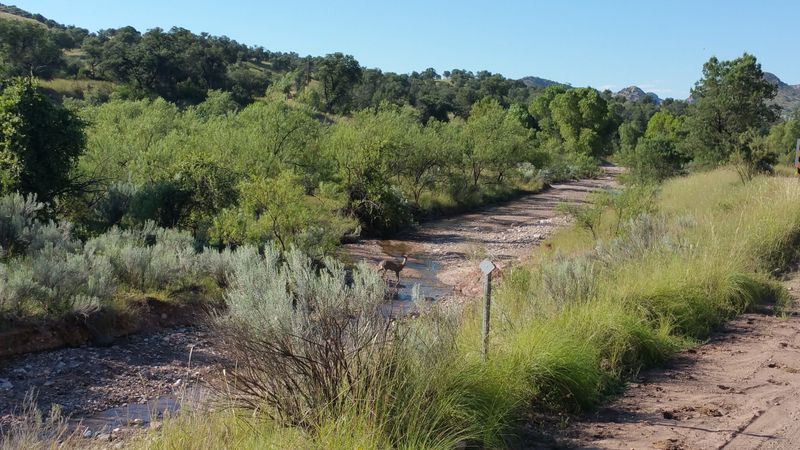
The Patagonia-Sonoita Creek Preserve, managed by The Nature Conservancy, lies just outside town and attracts birdwatchers from across the country.
The preserve protects a rare riparian corridor, home to species seldom seen elsewhere in the United States.
Gray hawks, thick-billed kingbirds, and rose-throated becards nest in the cottonwoods, and serious birders arrive with field guides and long lenses, hoping for a glimpse.
Even those with no particular interest in ornithology notice the abundance of avian activity.
Hummingbirds dart between feeders hung from porch eaves, and raptors circle lazily overhead in the afternoon thermals.
The rhythm of the seasons is marked not by holidays or commercial calendars but by migrations and nesting cycles.
Locals speak casually of what species have been spotted recently, and the arrival of certain birds signals shifts in weather or water availability.
This connection to the natural world is not romanticized or performative; it is simply part of living in a place where human activity remains subordinate to ecological patterns.
A Town Better Known to Locals Than Tourists
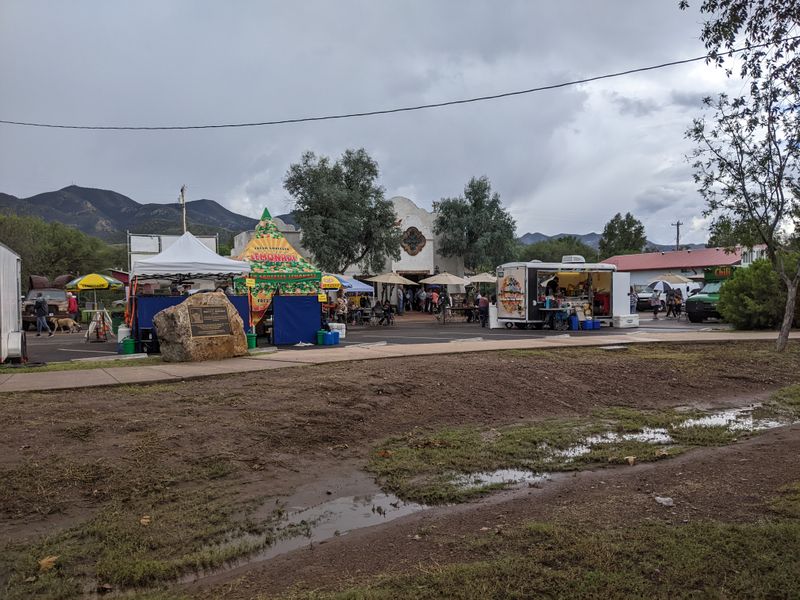
Patagonia’s reputation within Arizona is modest; most state residents know of it vaguely, if at all.
Those who do recognize the name are often ranchers, birders, or individuals with ties to Santa Cruz County.
The town has never sought a broader profile, and its lack of marketing or promotion reflects a collective ambivalence toward growth.
Guidebooks mention Patagonia briefly, usually in the context of nearby natural areas or as a stopover between Tucson and the border.
Few writers linger on the town itself, which offers little in the way of photogenic landmarks or dramatic narratives.
This low profile has allowed Patagonia to retain an authenticity that more famous destinations have lost.
There is no pressure to perform for visitors, no incentive to alter the town’s character in pursuit of tourist dollars.
The people who live here do so because they prefer obscurity, and the lack of outside attention is considered a feature rather than a flaw.
For travelers seeking places untouched by hype, this obscurity is precisely what makes Patagonia worth finding.
Cool Desert Evenings and Clear Night Skies
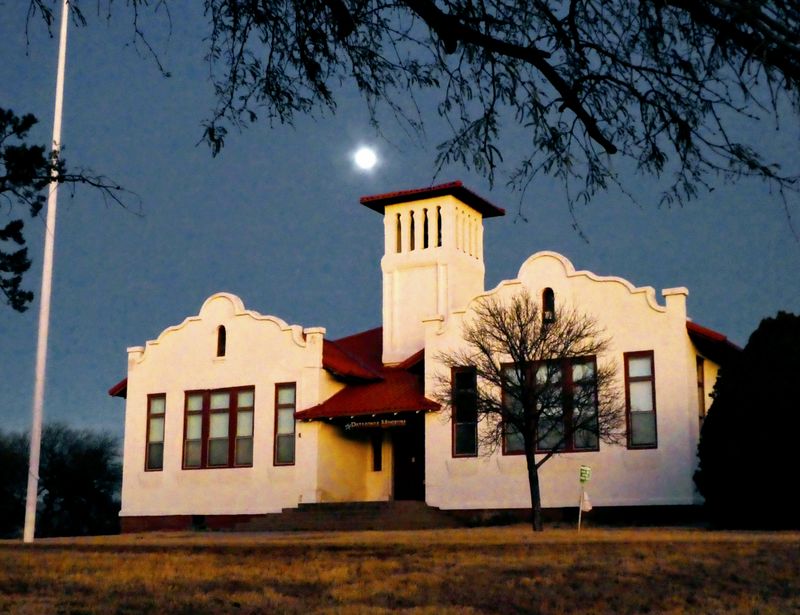
Patagonia’s elevation moderates the temperature, and even during summer months, evenings cool down enough to make sitting outdoors comfortable.
Residents gather on porches or in backyards as the sun sets, watching the light fade over the mountains.
The transition from day to night is gradual and unobstructed, with no urban glow to soften the darkness.
Once full night arrives, the sky reveals itself in a way that urban dwellers rarely experience.
The Milky Way stretches overhead, and constellations appear with startling clarity.
There is little artificial light in Patagonia—no streetlights, no illuminated signs—so the stars dominate the visual field.
Amateur astronomers occasionally set up telescopes in empty lots, and even casual observers find themselves pausing to look up.
The silence of the night matches the clarity of the sky, broken only by the occasional call of a nighthawk or the rustle of wind through dry grass.
These evenings offer a kind of restorative quiet that is increasingly rare, a reminder of what darkness and stillness once meant.
Historic Roots Without Commercial Tourism
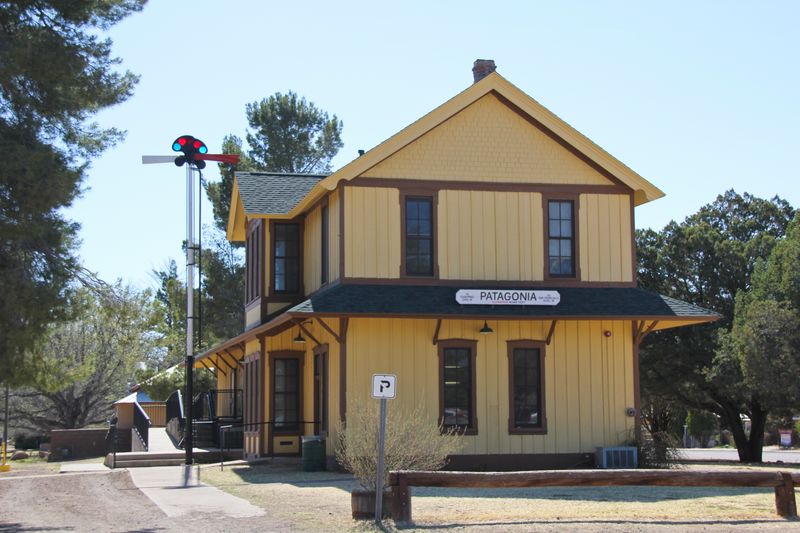
Patagonia’s origins trace back to the mid-1800s, when prospectors discovered silver and lead in the surrounding hills.
The town served as a supply point for miners and ranchers, and a few weathered buildings from that era still stand along the main street.
No effort has been made to turn these structures into tourist attractions; they remain functional or simply stand empty, their history evident but unadorned.
Unlike towns such as Tombstone or Jerome, which have embraced their Wild West heritage with museums and reenactments, Patagonia has left its past largely unexamined.
There are no guided tours, no historical plaques, and no gift shops selling replica spurs.
This lack of commercialization means that the town’s history feels genuine rather than performed.
Old photographs hang in the café, and longtime residents share stories when asked, but there is no formal narrative imposed on the past.
The buildings, roads, and landscape speak for themselves, offering a quiet testament to the people who settled here and the industries that sustained them.
For those interested in history without spectacle, this restraint is refreshing.
Life Slows Naturally in Patagonia
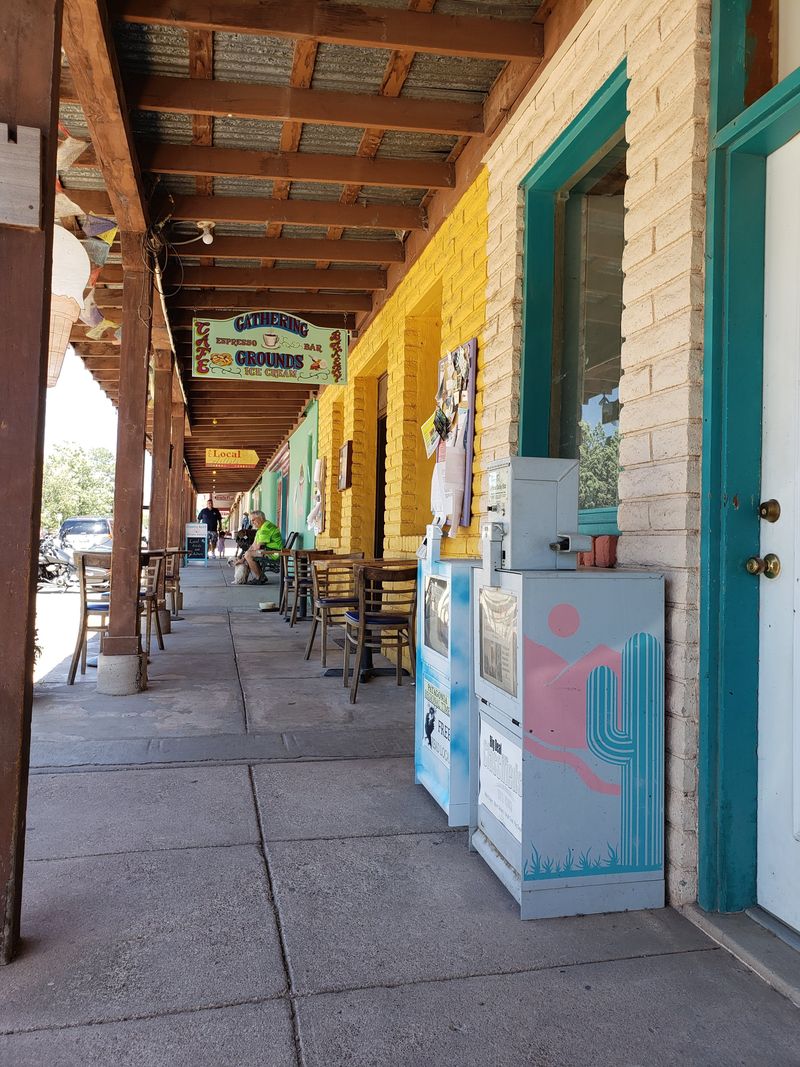
There is no particular event or policy that enforces the slower pace of life in Patagonia; it simply emerges from the town’s size, location, and culture.
Errands that might take minutes elsewhere unfold over hours here, not due to inefficiency but because every transaction includes conversation.
The woman at the post office asks about your weekend, the man at the café remembers your order, and these interactions are not rushed.
Without traffic, commutes, or competing demands on time, residents find themselves with hours that stretch rather than compress.
Afternoons are spent reading, walking, or simply sitting in the shade, and this idleness is neither guilt-inducing nor unusual.
Visitors often report feeling disoriented during their first day or two, accustomed as they are to schedules and productivity metrics.
The absence of urgency can feel uncomfortable at first, like a muscle that has been clenched for too long suddenly released.
But most adjust quickly, finding that the slower pace allows for a kind of attention and presence that hurried environments make impossible.
Time, in Patagonia, feels less like a resource to manage and more like a condition to inhabit.
Why Travelers Seeking Quiet Find Their Way Here
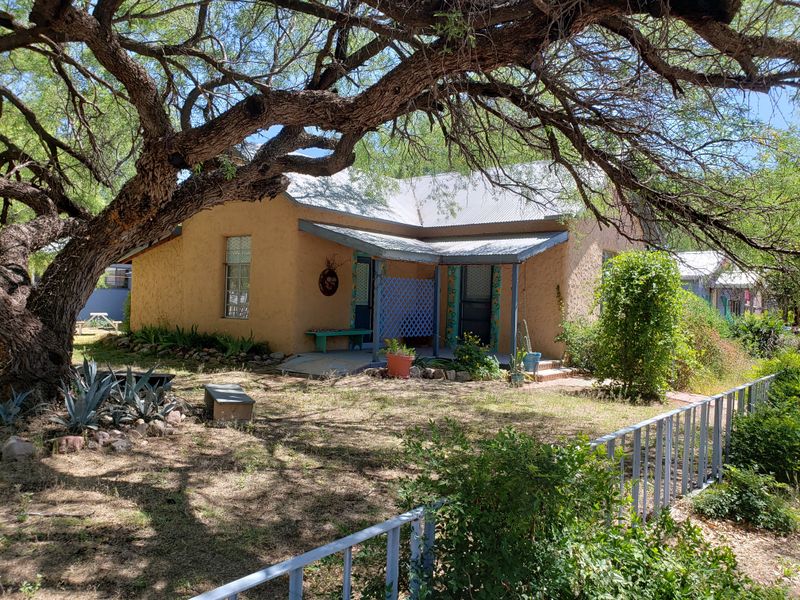
Patagonia attracts a specific type of visitor: those who have grown weary of noise, crowds, and the relentless stimulation of modern life.
These travelers are not seeking adventure or entertainment but rather the opportunity to exist without distraction.
The town offers little to do in the conventional sense, and that absence is precisely what draws people.
Some arrive for a weekend, intending to continue elsewhere, and find themselves extending their stay.
Others return year after year, renting the same small house or camping in the nearby hills.
What keeps them coming back is not any single feature but the cumulative effect of stillness, space, and simplicity.
Patagonia provides an environment where it is possible to think clearly, to notice small details, and to move through the day without constant interruption.
For those overwhelmed by the demands of urban or suburban life, the town functions as a refuge, a place where the usual pressures recede and something quieter takes their place.
It is not for everyone, but for those who need it, Patagonia offers something increasingly difficult to find elsewhere.