
This Quiet Colorado Valley Town Is Where Life Finally Slows Down
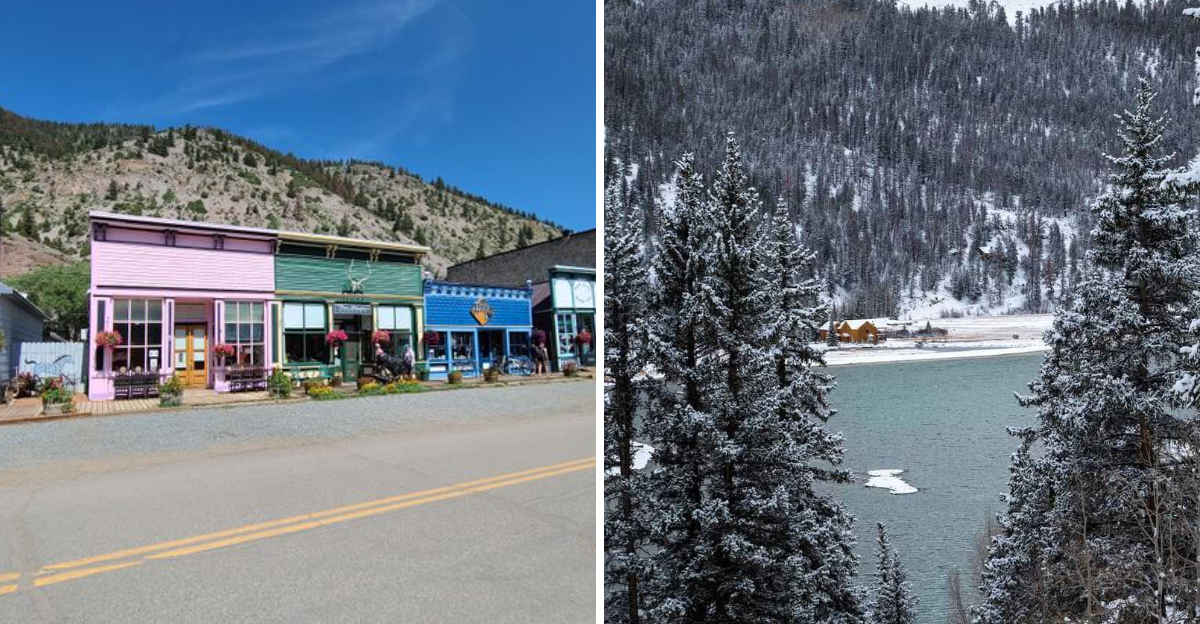
Lake City sits at 8,671 feet in the San Juan Mountains, where the pace of life is measured in morning coffee on wooden porches and afternoon walks along Henson Creek.
This remote Colorado town, the county seat of Hinsdale County, holds a population of just over 400 people, small enough that neighbors greet each other by name and silence is considered a feature, not a flaw.
The streets are lined with Victorian-era buildings that survived the silver mining boom, and the surrounding wilderness remains as untouched now as it was a century ago.
If you’re searching for a place where doing less is the entire agenda, Lake City delivers without apology.
One Of Colorado’s Most Remote Towns
Getting to Lake City requires intention.
The nearest commercial airport sits more than two hours away, and the drive in—especially from the north along the Alpine Loop—winds through high-altitude passes that close entirely in winter.
Cell service fades in and out, and the last stretch of pavement gives way to gravel roads that branch into wilderness.
Isolation here isn’t a drawback.
It’s the foundation of the town’s character.
Without chain stores or traffic lights, the rhythm of daily life remains unhurried and self-contained.
Residents rely on each other for conversation, supplies, and the kind of neighborly help that’s become rare in more accessible places.
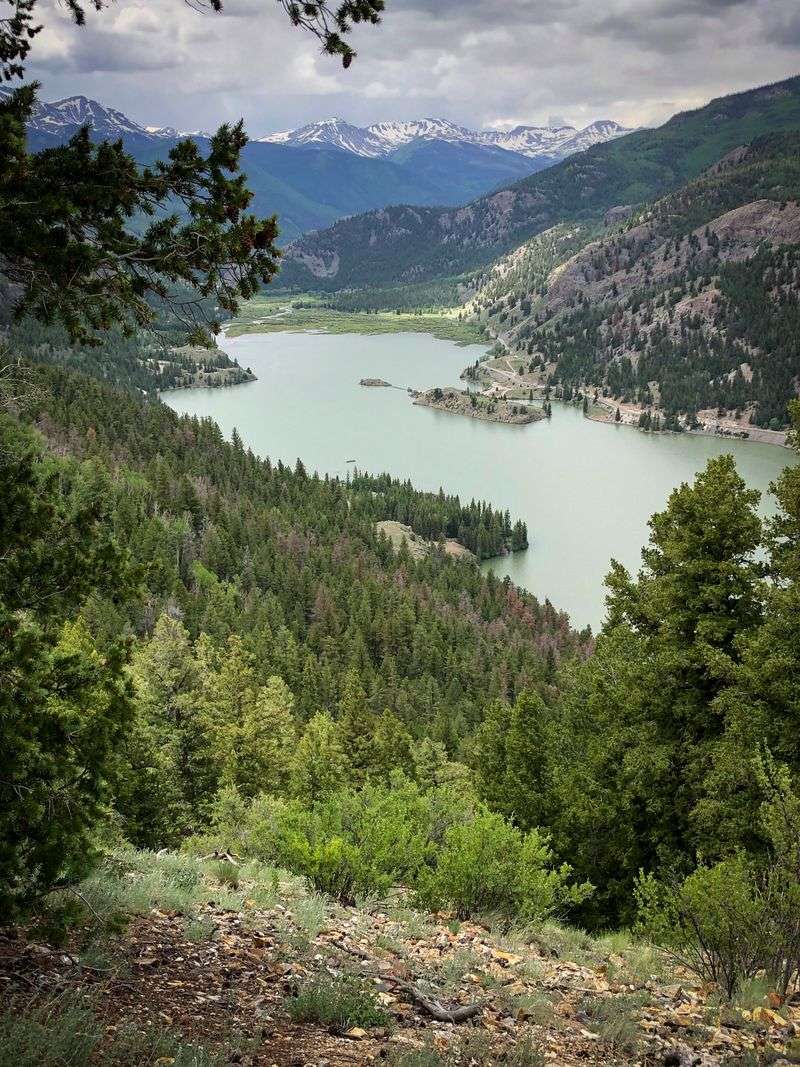
The town’s location, tucked into a valley at the headwaters of the Lake Fork of the Gunnison River, makes it feel like a pocket of calm carved out of the surrounding peaks.
Visitors who make the journey often describe it as stepping back into a version of the West that prioritizes quiet over convenience.
That remoteness, rather than being inconvenient, becomes the very reason people return year after year.
Surrounded By The San Juan Mountains
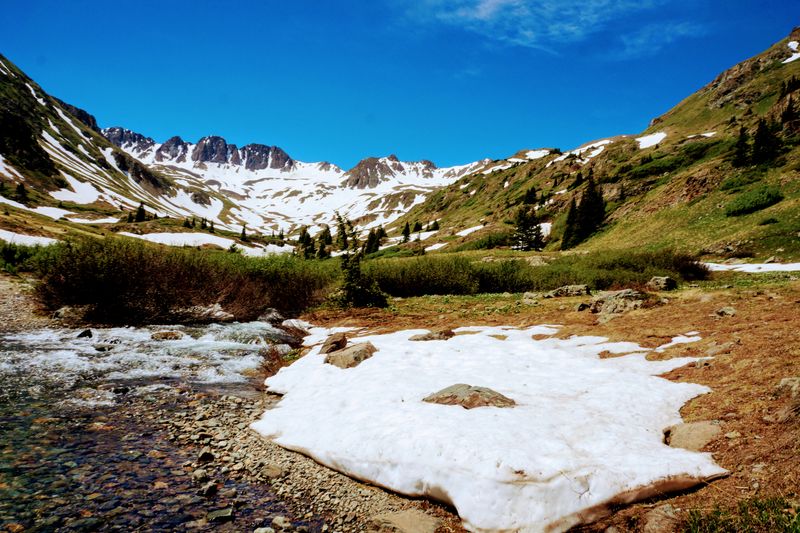
The San Juan range encircles Lake City with peaks that rise well above 13,000 feet, their ridgelines sharp and unforgiving even in summer.
Snow lingers on the high slopes into July, and wildflowers bloom in waves across the alpine meadows as the melt retreats.
The mountains aren’t just scenery—they define the town’s weather, its seasons, and the temperament of the people who live here.
Hiking trails begin at the edge of town and climb into basins where elk graze and marmots whistle warnings from the rocks.
The Continental Divide runs close by, and the landscape shifts from dense spruce forests to open tundra within a few miles of elevation gain.
The air thins quickly, and the silence up there is profound.
Back in town, the mountains frame every view.
They’re visible from the post office, the general store, and the benches along Silver Street.
That constant presence shapes how people spend their time—mornings are for hiking, afternoons for fishing, and evenings for watching the light change on the high ridges.
A Population Small Enough That Everyone Still Knows Each Other
With just over 400 full-time residents, Lake City operates on a first-name basis.
The mayor waves from across the street, the owner of the hardware store remembers what you bought last season, and newcomers are noticed immediately—not with suspicion, but with the kind of friendly curiosity that comes from living somewhere people actually care who their neighbors are.
Community events draw nearly everyone.
The summer farmers market is equal parts produce stand and social gathering, and the annual Wildflower Festival brings out volunteers who’ve been organizing it for decades.
There’s no anonymity here, which means accountability runs high and help arrives without being asked for.
This intimacy extends to local governance.
Town meetings are held in person, often in the small building at 800 Gunnison Avenue, and decisions are made with input from residents who’ve lived here long enough to remember when things were done differently.
The scale of the population allows for a kind of civic engagement that larger towns have lost entirely.
A National Historic District Where Time Seems To Pause
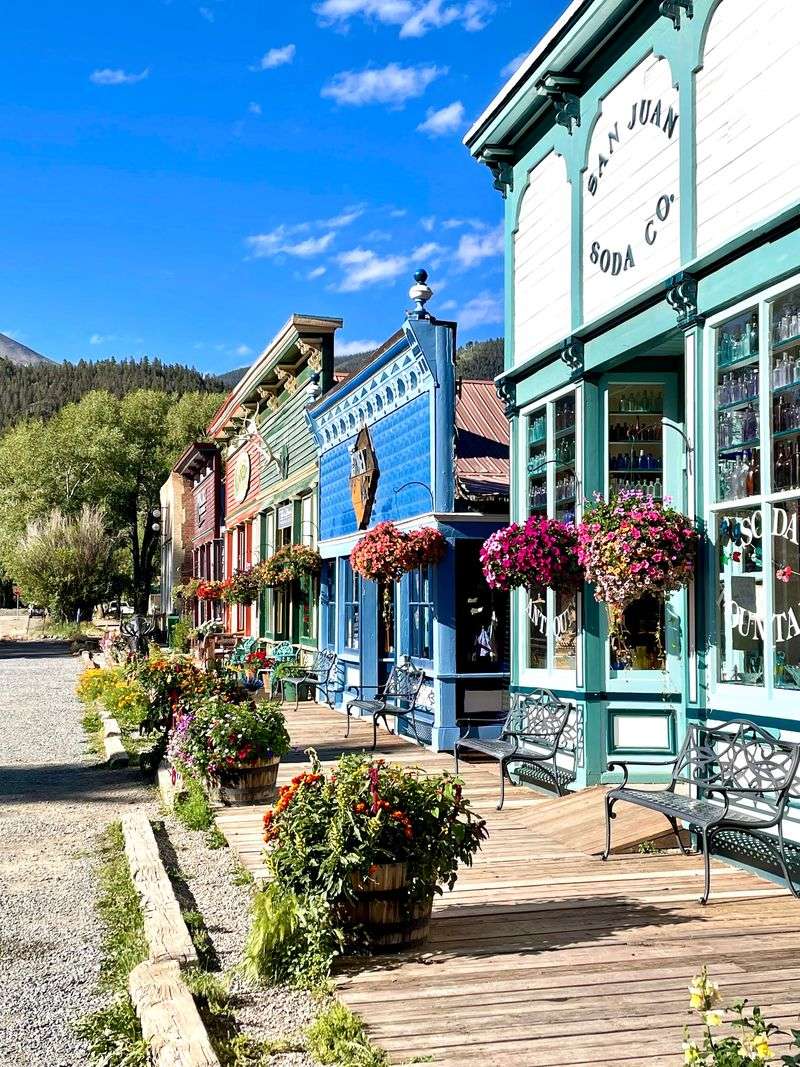
Lake City’s downtown is a registered National Historic District, preserved with enough care that walking through it feels like flipping through a well-kept archive.
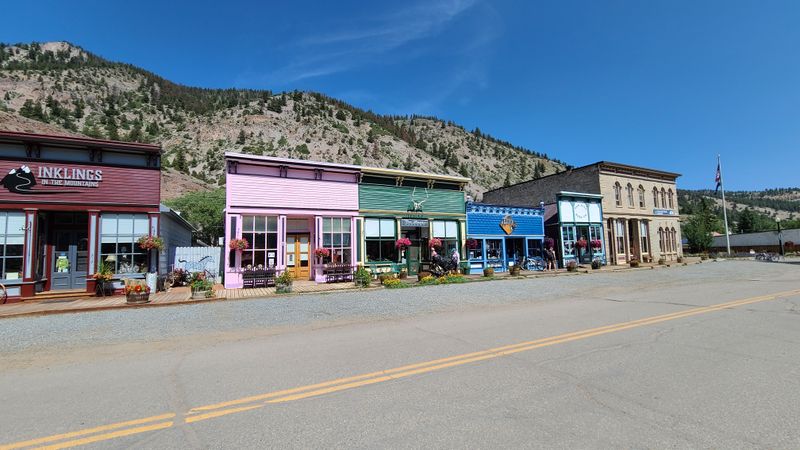
Victorian storefronts line Silver Street, their facades painted in muted tones that haven’t changed much since the silver boom of the 1870s.
The buildings are functional, not ornamental—still housing businesses, residences, and the occasional museum.
There’s no theme-park gloss here.
The wear is honest.
Wooden sidewalks creak underfoot, and hand-painted signs announce services that haven’t been updated in decades.
The Hinsdale County Museum occupies an old church and holds artifacts from mining days, including photographs of men who lived and died in these mountains.
Preservation in Lake City isn’t driven by tourism marketing.
It’s a matter of respect for what came before.
The town resists modernization not out of stubbornness, but because the old ways still work.
That restraint gives the place a dignity that’s hard to find in mountain towns where development has overtaken character.
Lake San Cristobal Sets The Pace For Summer Days
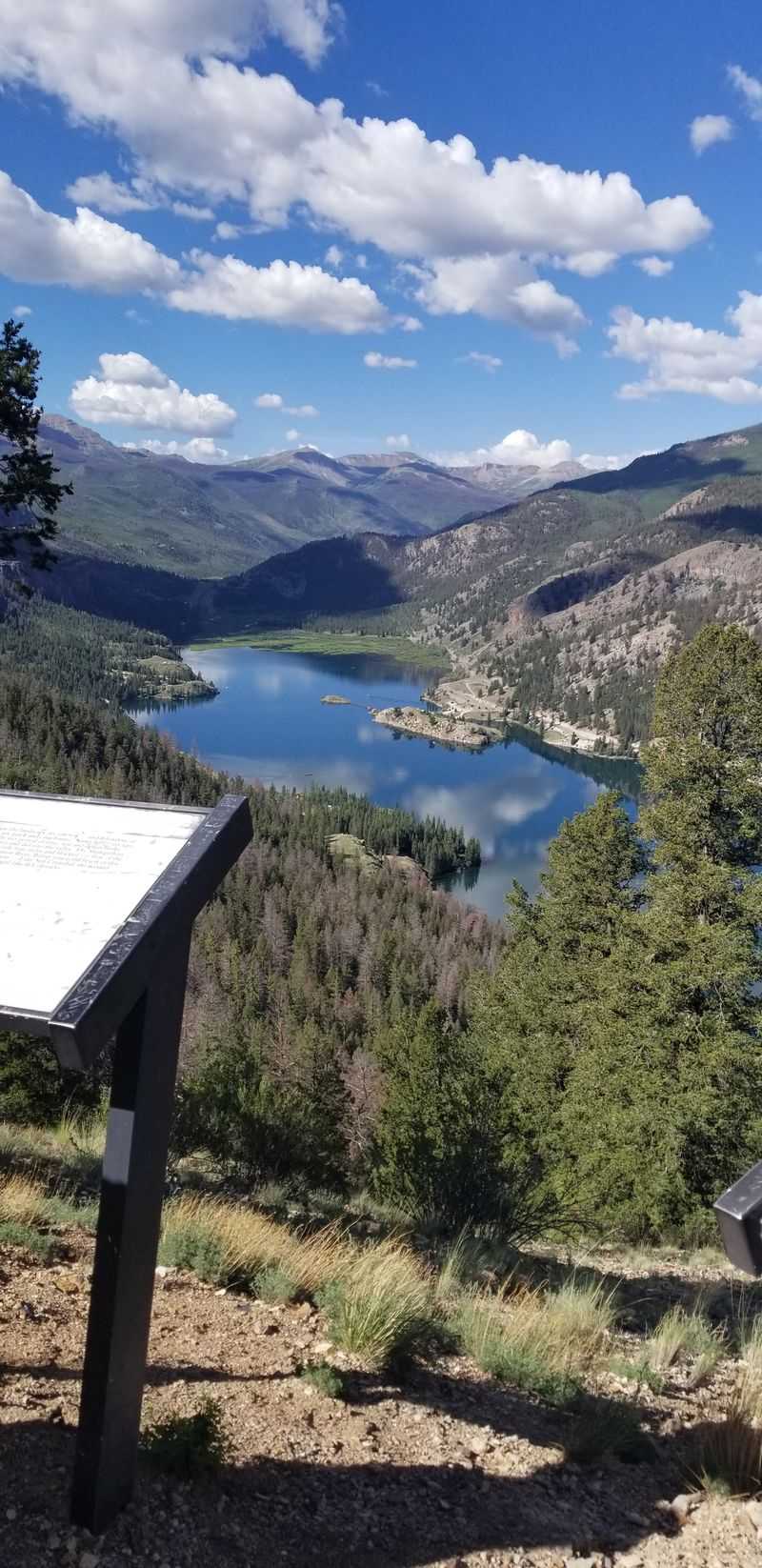
Just a few miles south of town, Lake San Cristobal spreads across 89 acres, its surface reflecting the peaks of the San Juan range with startling clarity.
Formed by the Slumgullion Earthflow—a massive, slow-moving landslide—the lake is Colorado’s second-largest natural body of water.
Its shoreline is edged with willows and wildflowers, and the water stays cold even in August.
Fishing here is quiet and deliberate.
Rainbow and brown trout cruise the deeper sections, and anglers work the banks with patience rather than urgency.
Kayaks and canoes glide across the surface in the early morning, when the wind is calm and the only sound is the occasional splash of a jumping fish.
The lake sets the rhythm for summer in Lake City.
Families pack picnics and spend entire afternoons on the shore, watching the light shift and the clouds build over the ridges.
There’s no rush to leave, no agenda beyond being present.
That unhurried quality defines the experience—time spent at Lake San Cristobal is measured in moments, not minutes.
Nature Comes First, Not Schedules
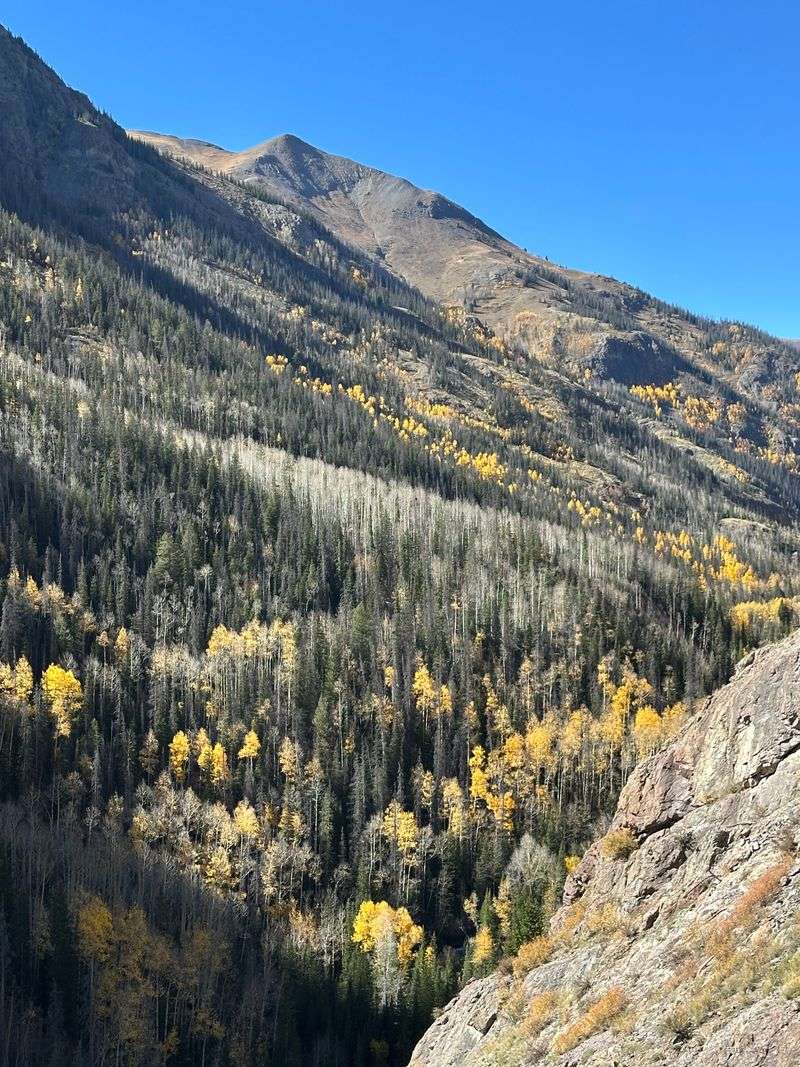
In Lake City, plans bend around weather, wildlife, and the condition of the trails.
A morning hike might get postponed because a moose is blocking the trailhead, or an afternoon fishing trip could be cut short by a sudden thunderstorm rolling over the peaks.
Nobody complains—this is simply how things work when nature holds more authority than any calendar.
The town operates on seasonal time.
Winter is for hibernation, spring for mud and melt, summer for visitors and long daylight, and fall for solitude and color.
Businesses adjust their hours accordingly, and residents plan their year around what the mountains allow rather than what they demand.
This deference to the natural world creates a rhythm that feels both ancient and refreshing.
Clocks matter less than light, and productivity is measured by what gets done when conditions are right, not by arbitrary deadlines.
The result is a community that moves with the land instead of against it, and a quality of life that prioritizes presence over efficiency.
No Ski Resort Crowds, Even In Peak Season
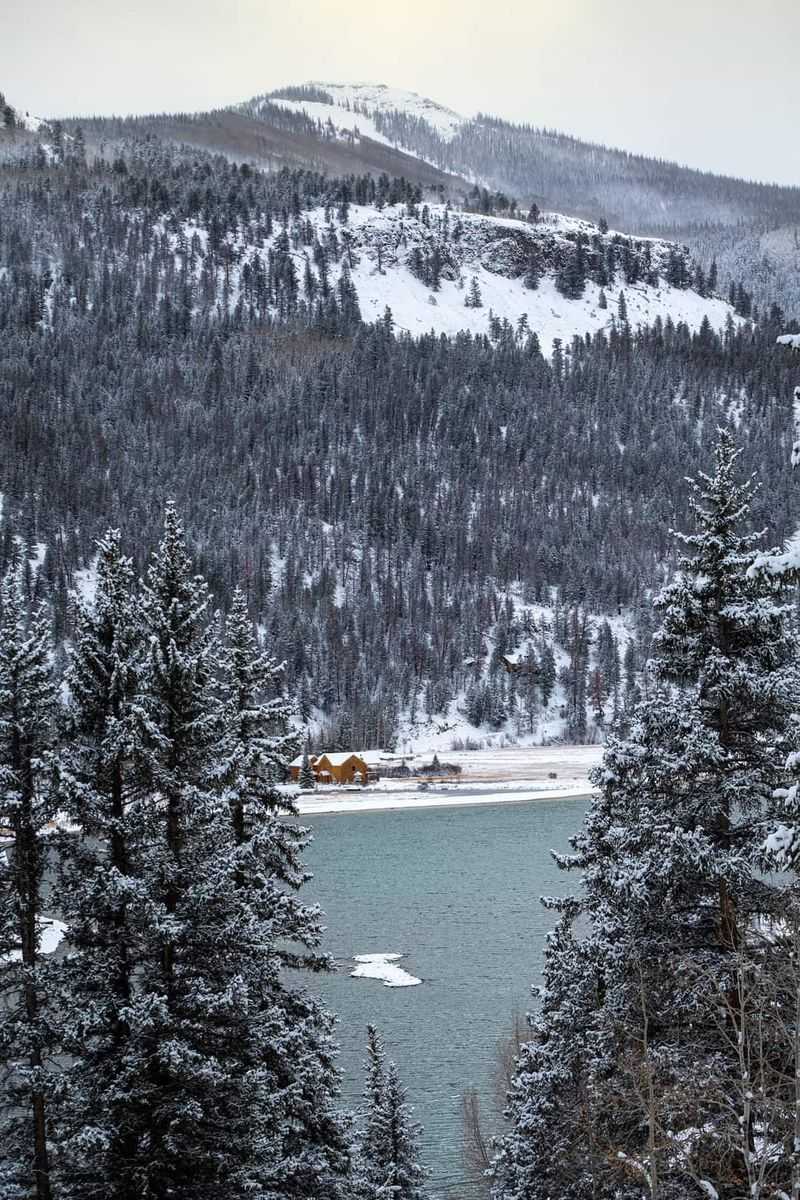
Lake City has no ski lifts, no gondolas, and no après-ski scene.
Winter here is a different proposition entirely—backcountry terrain, snowshoeing routes, and the kind of silence that only comes when snow muffles everything.
The absence of a resort means the absence of crowds, traffic, and the commercialization that follows ski-town development.
Those who visit in winter come prepared.
Avalanche awareness is essential, and the terrain demands respect.
The rewards are solitude and untracked powder in bowls that would be swarmed elsewhere.
The town itself slows to a crawl, with only a handful of businesses staying open and the population dropping to its core group of year-round residents.
Even in summer, when visitors arrive in greater numbers, Lake City never feels overrun.
There are no lift lines, no reservation systems, and no jostling for parking.
The town’s infrastructure remains modest by design, which keeps the experience intimate and the pace manageable.
That restraint is intentional, and it’s what keeps Lake City from becoming another overcrowded mountain destination.
A Place Where Doing Less Is The Whole Point
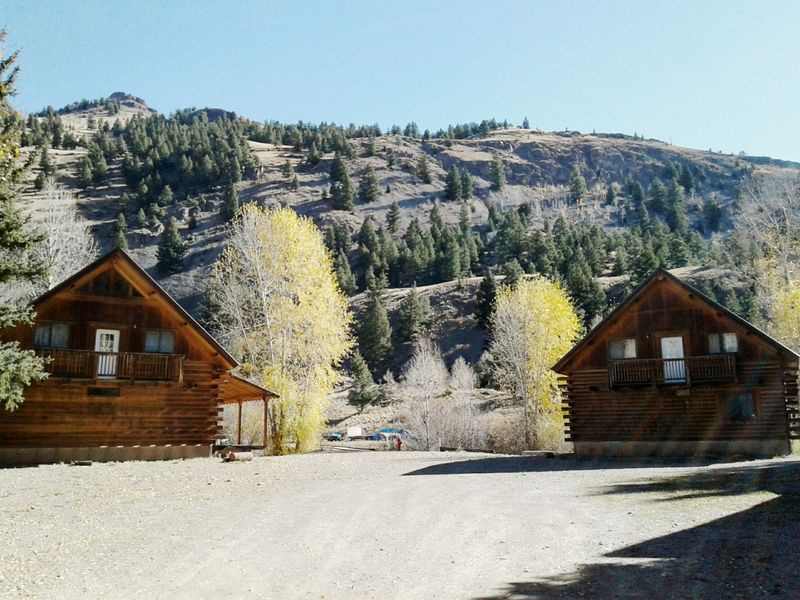
Lake City doesn’t offer much in the way of entertainment.
There are no movie theaters, no shopping malls, and no nightlife to speak of.
What it does offer is the rare opportunity to do nothing without guilt—to sit on a porch with a book, to walk without a destination, to watch the sky change without checking the time.
This minimalism is deliberate.
The town attracts people who are tired of overstimulation and constant connectivity.
Here, boredom is a luxury, and stillness is a skill worth relearning.
Days unfold slowly, shaped by small pleasures: coffee at sunrise, a midday nap, an evening stroll along Henson Creek.
The culture of doing less extends to the way people interact.
Conversations happen without hurry, and there’s no pressure to fill silence with chatter.
The town’s remoteness and small size create an environment where rest is not only accepted but expected.
For those accustomed to the relentless pace of modern life, Lake City offers something increasingly rare—permission to slow down completely.