
A Hidden Pennsylvania River Town Where Old-World Charm Lives On
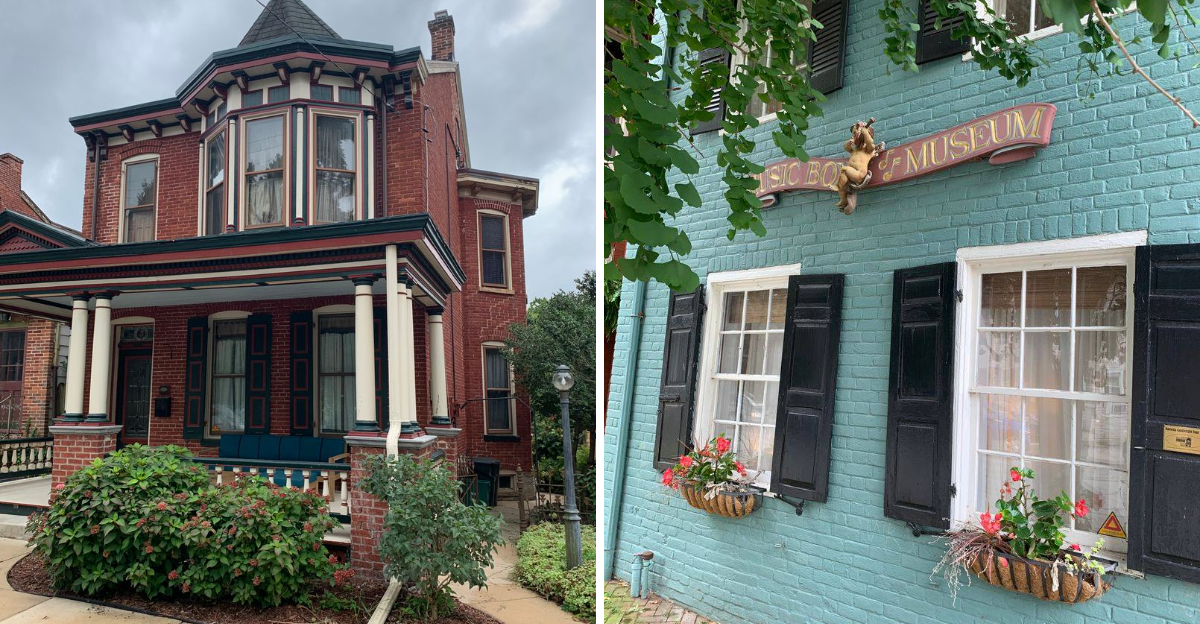
Marietta sits quietly along the east bank of the Susquehanna River in Lancaster County, Pennsylvania, a place where brick streets and Federal-era architecture still define daily life.
While modern tourism rushes past toward better-known destinations, this borough of fewer than 3,000 residents continues at its own measured pace, largely unchanged by the pressures that have reshaped so many American river towns.
For travelers seeking a glimpse of Pennsylvania as it existed generations ago—unhurried, unpretentious, and deeply rooted in its past—Marietta offers something increasingly rare: authenticity without the performance.
A Quiet Susquehanna River Town Most Travelers Miss
Geography has a way of determining which places become famous and which remain known only to those who seek them deliberately.
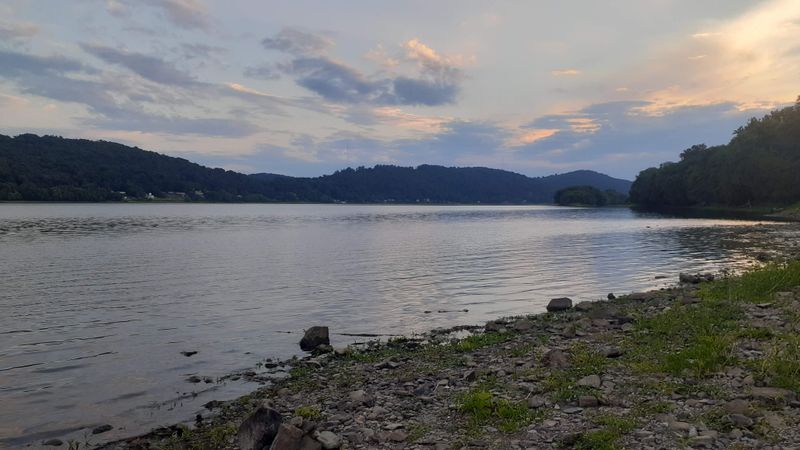
Marietta occupies a bend along the Susquehanna River northwest of Columbia, positioned just far enough from major highways to avoid the pull of through traffic.
Its population hovers around 2,600, a number that has remained remarkably stable for decades.
Visitors who do arrive often come by accident or recommendation rather than guidebook.
The borough lacks the aggressive marketing campaigns that define many heritage tourism towns.
What it offers instead is a lived-in quality, a sense that the community exists for its residents first and visitors second.
Streets are clean but not manicured.
Homes are well-kept but not staged.
The river flows past without fanfare, as it has for centuries, shaping the rhythm of life here in ways both subtle and enduring.
Brick Streets And Architecture From A Bygone Era
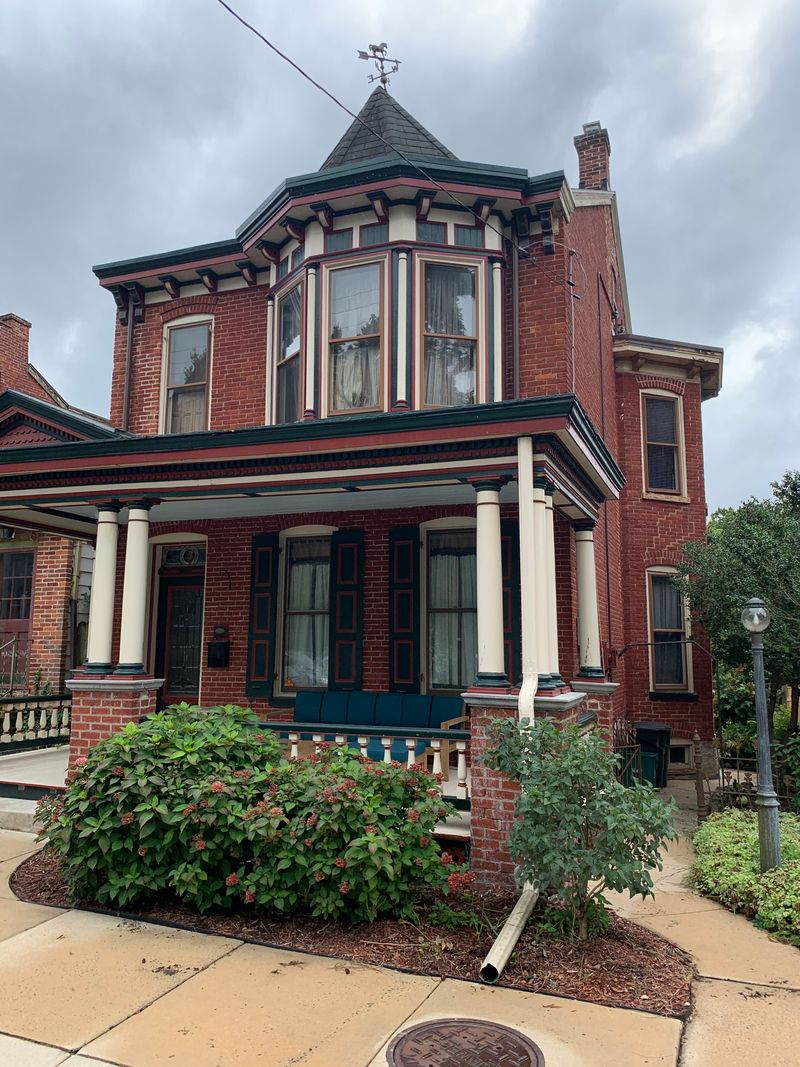
Walking through Marietta feels like stepping onto a film set designed to evoke early American prosperity.
Many of the borough’s streets are still paved with brick, their surfaces worn smooth by more than a century of use.
The architecture reflects the Federal and Victorian styles that dominated residential construction in prosperous 19th-century towns, with symmetrical facades, tall windows, and detailed cornices.
Several structures date to the late 1700s and early 1800s, built when Marietta served as a key point along the Susquehanna for trade and river commerce.
These buildings were constructed with care and expense, intended to last.
Remarkably, many remain in private hands, still serving as homes or small businesses rather than museums.
The effect is less Williamsburg and more working town that simply never tore down its past.
Preservation here has been organic, driven by economics and community values rather than tourism strategy.
Life Shaped By The Flow Of The Susquehanna River

Rivers have personalities, and the Susquehanna here is wide, slow-moving, and prone to moods.
Marietta’s location on the east bank has defined its character since its founding.
The river provided transportation, power, and trade routes during the borough’s early years, connecting it to markets both north and south.
Flooding has always been a concern, and the community has learned to live with the river’s occasional assertions of power.
Homes near the waterfront are built with basements designed to withstand high water.
Today, the river serves less commercial purpose but remains central to the town’s identity.
Residents fish from its banks, walk trails along its edge, and watch the water change with the seasons.
There is a particular quality to river towns—a sense of orientation, of knowing which direction things flow—that shapes daily life in ways outsiders rarely notice but locals take for granted.
A Historic District That Feels Largely Unchanged
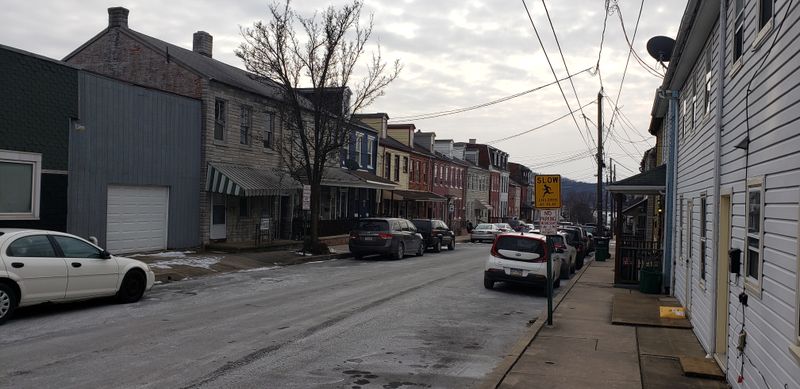
Formal historic district designation carries weight in preservation circles, but in Marietta the effect is more lived than legislated.
The borough’s core retains an architectural cohesion that speaks to decades of careful stewardship rather than aggressive restoration.
Buildings have been maintained, not reimagined.
Paint colors tend toward muted tones appropriate to their era.
Additions, when made, generally respect original proportions and materials.
The result is a streetscape that feels remarkably consistent, as though the past century of development passed lightly over this particular stretch of Pennsylvania.
There are no theme park flourishes here, no costumed interpreters or reconstructed storefronts.
The historic district functions as a neighborhood where people live, work, and raise families.
This everyday quality is precisely what makes it noteworthy.
Authenticity of this kind cannot be manufactured; it survives only where communities choose continuity over reinvention.
Why Marietta Never Became A Major Tourist Stop
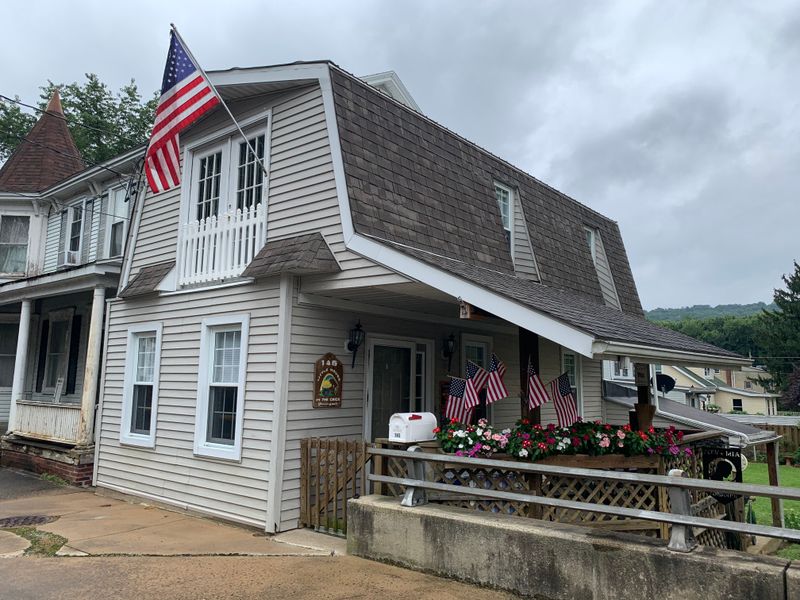
Tourism requires infrastructure, marketing, and a willingness to reshape a place to meet visitor expectations.
Marietta has largely declined that bargain.
While nearby towns have embraced heritage tourism with varying degrees of success, Marietta has remained a residential community first.
There are no major attractions in the conventional sense—no amusement parks, outlet malls, or heavily promoted historical sites.
The borough lacks the concentration of restaurants and shops that typically signal a tourist-friendly destination.
Some might view this as missed opportunity; others see it as intentional preservation of character.
The absence of tourist infrastructure means that visitors experience Marietta much as residents do: quietly, without fanfare or commercial mediation.
This creates a different kind of travel experience, one that requires more initiative and offers fewer conveniences but potentially greater rewards for those interested in places rather than attractions.
The town exists on its own terms, not yours.
River Commerce Roots That Built The Town
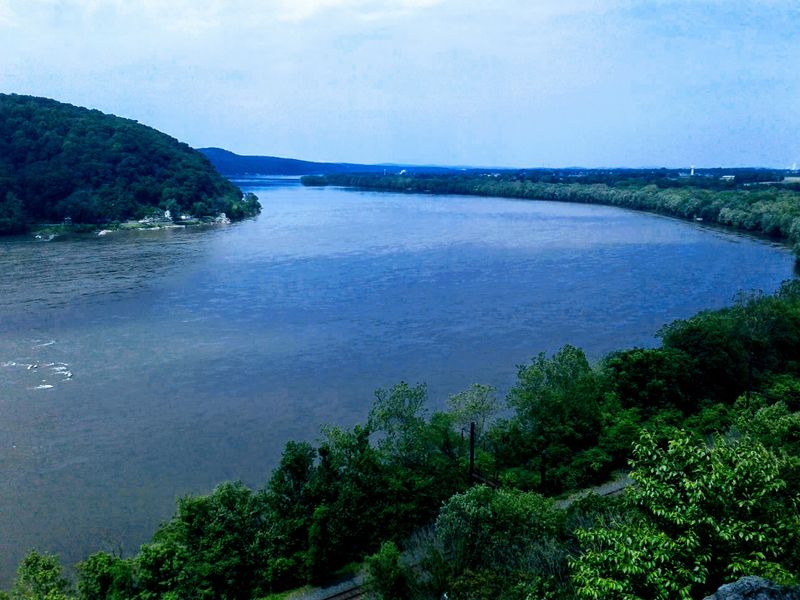
Marietta’s founding and early prosperity were inseparable from its position along the Susquehanna.
In the late 18th and early 19th centuries, the river served as Pennsylvania’s primary north-south transportation corridor.
Goods moved by flatboat and later by canal, and towns positioned at strategic points along the route prospered accordingly.
Marietta became a center for lumber, iron, and agricultural products moving to market.
Warehouses lined the waterfront; taverns and inns served rivermen.
The arrival of railroads in the mid-1800s shifted commerce away from the water, and Marietta’s role as a trade hub gradually diminished.
What remained was the physical infrastructure of prosperity—the substantial homes, commercial buildings, and civic structures built during the boom years.
These buildings tell the story of a town that mattered once in ways it no longer does, a common American narrative but one that Marietta has navigated with particular grace.
Small-Town Living In The Heart Of Amish Country
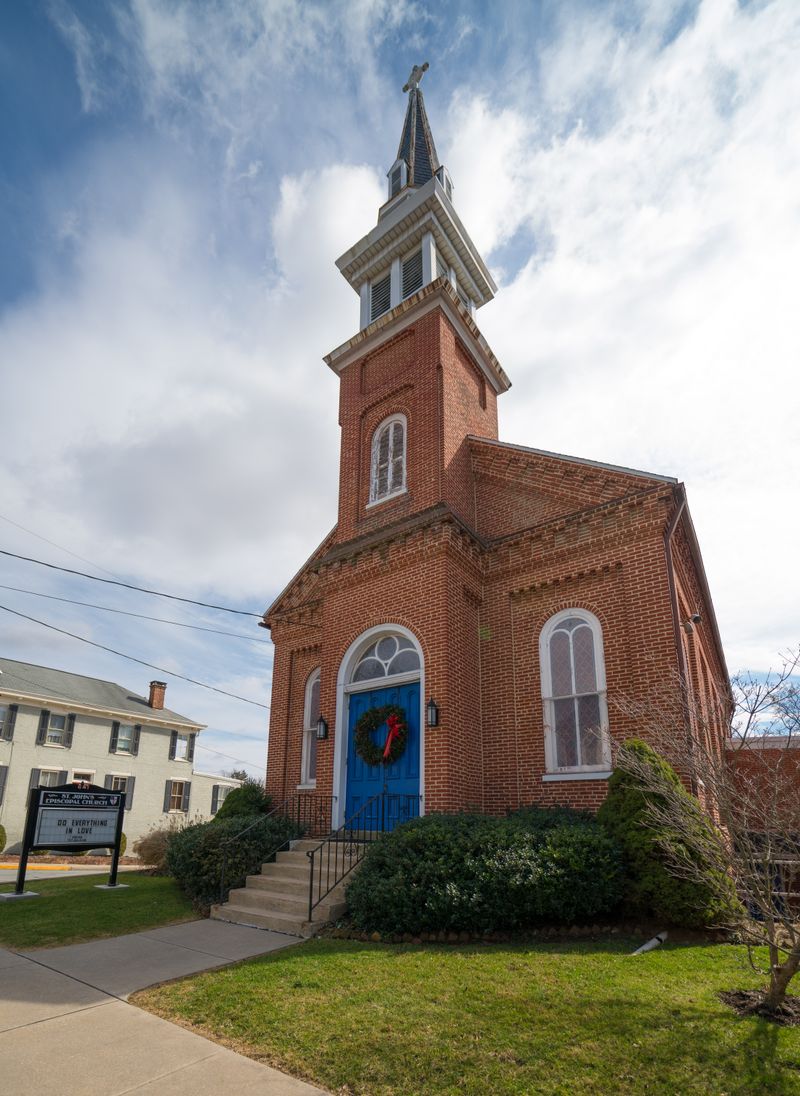
Lancaster County’s Amish population is among the largest in North America, and while Marietta itself is not an Amish community, it sits within a broader cultural landscape shaped by Plain traditions.
The surrounding countryside features the distinctive black buggies, immaculate farms, and roadside produce stands that characterize the region.
This proximity influences Marietta in subtle ways—a slower pace, a respect for craftsmanship, a certain reserve in public life.
The borough serves as a market town for nearby rural areas, a role it has played for generations.
Visitors staying in Marietta gain access to Amish Country without the commercialization that defines some of the more heavily touristed areas.
The experience feels less curated, more incidental.
You might see a buggy tied outside a hardware store or encounter Plain families at a local restaurant, but these are everyday occurrences rather than staged cultural encounters.
Context matters, and Marietta provides it.
Walkable Streets Where Time Feels Slower
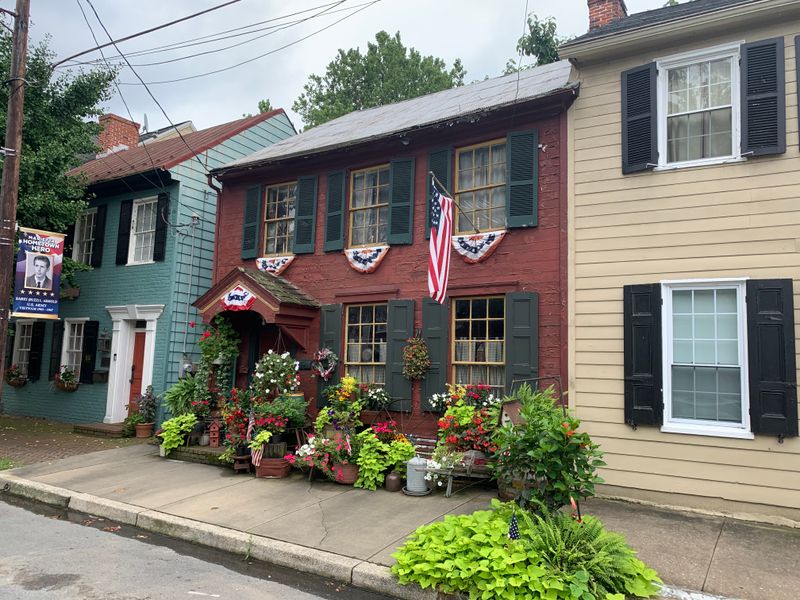
Marietta was designed in an era when walking was the primary mode of local transportation, and that human scale remains evident.
The borough is compact enough to traverse on foot in under an hour, with most residential areas within easy walking distance of the small commercial district along Front Street.
Sidewalks are well-maintained, and traffic moves at residential speeds.
There is little of the hurry that characterizes modern suburban life.
Residents walk to the post office, the library, the riverfront.
Children bike to school.
Neighbors encounter one another regularly, a pattern that encourages the kind of casual social interaction increasingly rare in car-dependent communities.
For visitors, this walkability offers an opportunity to experience the town at a pace that allows for observation and chance discovery.
You notice details—architectural ornament, garden plantings, the sound of the river—that would be invisible from a car window.
Slowness becomes a feature rather than a limitation.
A Community Defined By Preservation, Not Development
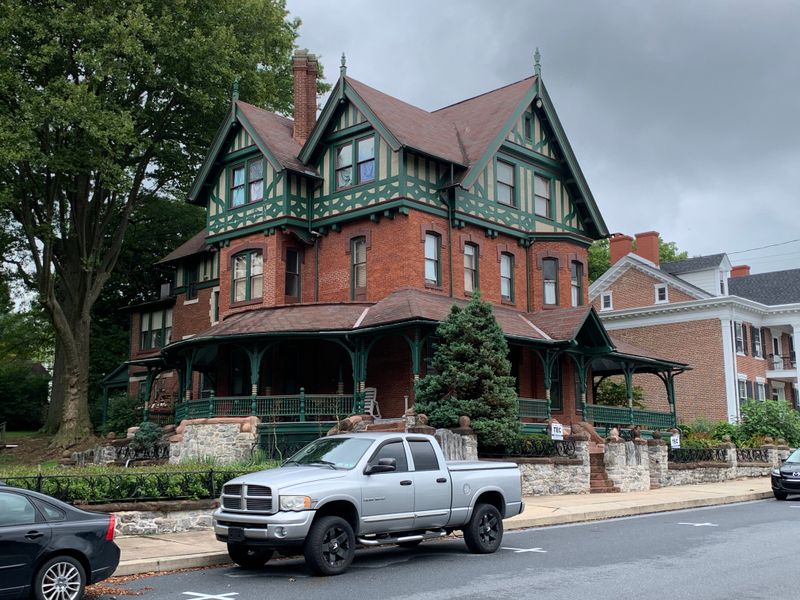
Many American towns face a choice between preservation and development, between maintaining historic character and pursuing economic growth.
Marietta has tilted decisively toward the former.
New construction is limited, and what does occur tends to be small-scale and contextual.
There are no strip malls on the outskirts, no big-box stores dominating the landscape.
The borough has resisted the kind of sprawling development that has homogenized so many small towns.
This choice comes with trade-offs.
Economic opportunities are more limited than in growing communities.
Young people often leave for college and careers elsewhere.
But what remains is a place with a clear identity, a town that looks and feels distinctly like itself rather than like anywhere else.
For residents and visitors alike, that specificity of place has value.
Marietta exists as a reminder that growth is not the only measure of success, that continuity and character have worth beyond economics.
River Trails, Views, And Everyday Calm
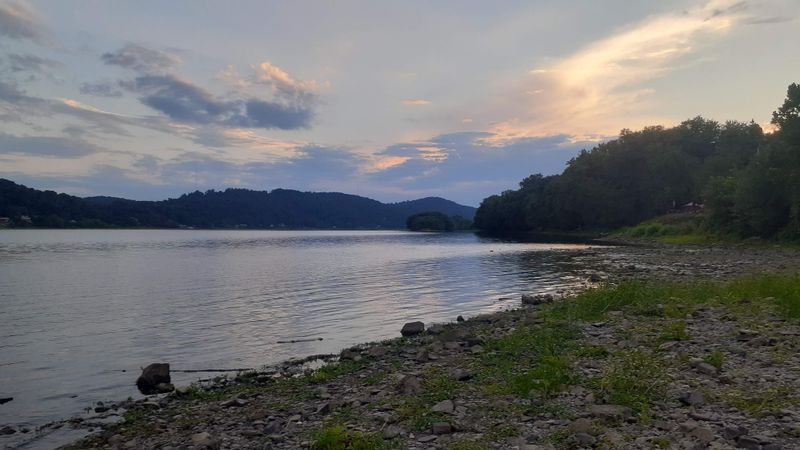
Access to the Susquehanna is one of Marietta’s enduring assets.
Trails along the riverbank provide opportunities for walking, jogging, and simply watching the water.
The views here are expansive, particularly at dawn and dusk when light transforms the river’s surface.
Birdwatchers frequent the area, as the river corridor serves as a migration route for numerous species.
Anglers cast for smallmouth bass and catfish from the banks and nearby access points.
What strikes many visitors is the absence of crowds.
Even on pleasant weekends, the trails remain relatively quiet, used primarily by locals rather than tourist groups.
This creates a sense of shared public space without competition or congestion.
The river provides not spectacle but presence—a constant, changing element that anchors daily life.
Sitting by the water, watching the current, becomes an exercise in doing very little, which may be exactly what some travelers need.
Old-World Charm Without The Crowds
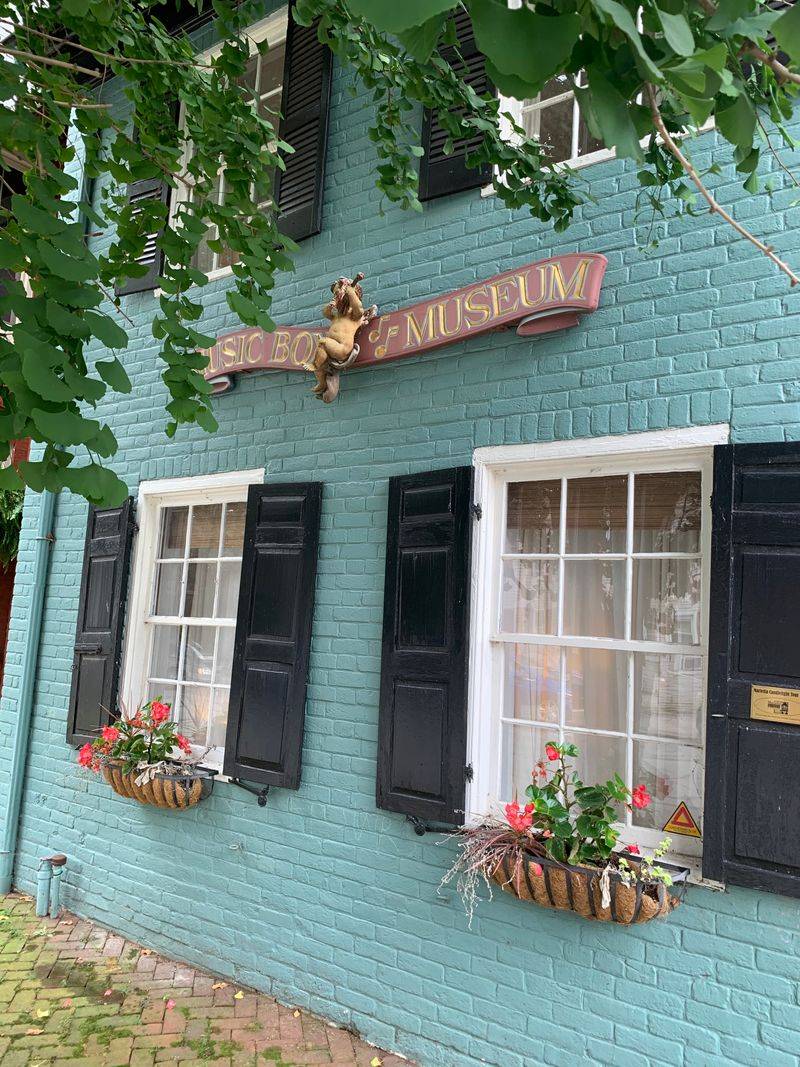
Charm is a marketing term often applied to places that have been carefully engineered to appear quaint.
Marietta possesses the quality without the engineering.
Its appeal lies in what has not happened here—the absence of chain stores, themed attractions, and the visual clutter of aggressive commercialism.
Streets retain their original character because they have never been redesigned for maximum tourist throughput.
Buildings look their age because they are their age, maintained but not restored to theme-park perfection.
Visitors seeking an experience of historic small-town Pennsylvania without fighting crowds or navigating tourist infrastructure will find Marietta quietly satisfying.
You can walk the streets without being jostled, photograph buildings without waiting for tour groups to clear the frame, and eat in local establishments without reservations made weeks in advance.
The town offers a rare commodity in modern travel: space to observe and reflect without constant stimulation or competition for resources.
Why Marietta Feels Like Pennsylvania In Another Century
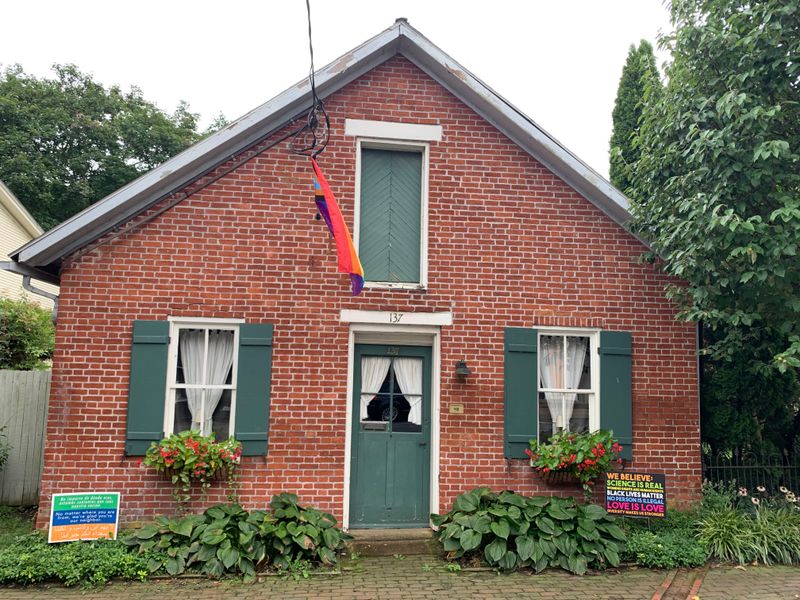
Temporal displacement is a curious sensation—the feeling that you have somehow stepped outside your own era.
Marietta produces this effect not through costume or performance but through continuity.
The physical environment has changed remarkably little in the past century.
Buildings that housed businesses in 1920 often still do.
Homes occupied by the same families for generations remain in residential use.
The street grid, the architectural vocabulary, even the pace of daily life echo earlier decades.
This is not a frozen museum but a living community that has simply chosen to maintain its connection to the past.
Modern life exists here—residents have internet, smartphones, contemporary concerns—but the physical setting in which that life unfolds remains rooted in an earlier America.
For travelers, this creates an opportunity to experience historical continuity rather than historical recreation.
Marietta does not pretend to be old; it simply is, and that authenticity makes all the difference.