
This Quiet Washington Forest Town Is The One Everyone Drives Past
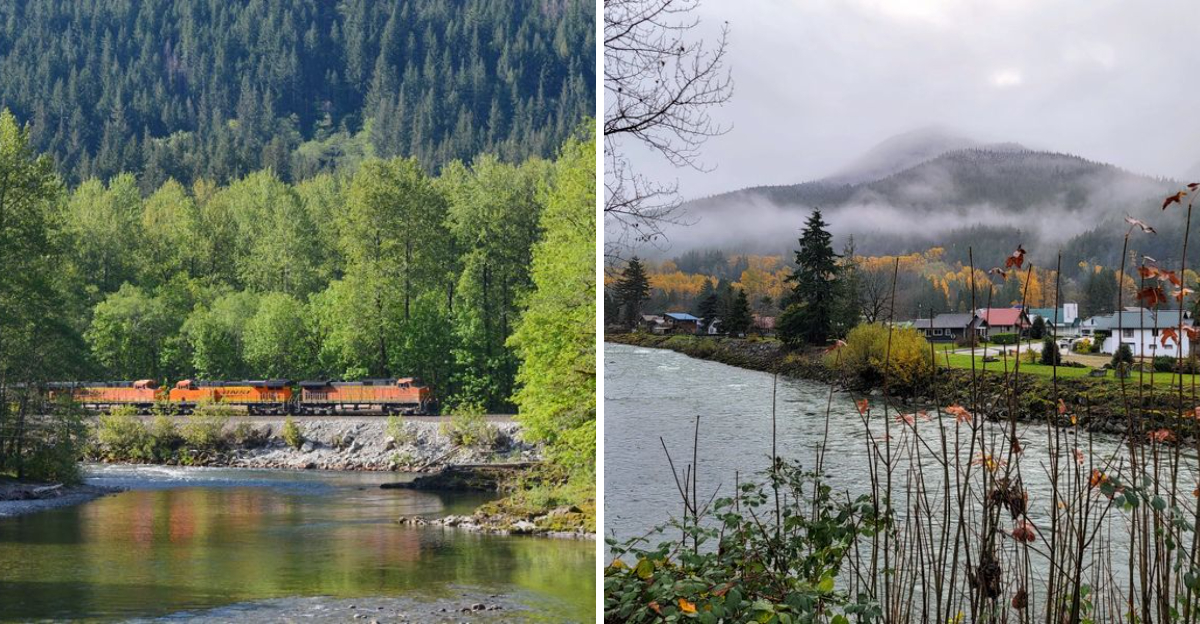
Skykomish sits alongside Highway 2, a blink-and-you-miss-it cluster of buildings pressed between mountains and forests where the Cascade Range begins to rise in earnest.
Most travelers blow past on their way to Stevens Pass or Leavenworth, registering the name only as a mileage marker or a place to refuel.
But this tiny railroad town, home to just over 160 residents, holds a quiet history and a mountain character that reveals itself only to those who slow down long enough to notice.
Most Drivers Only Know Skykomish As A Sign On Highway 2
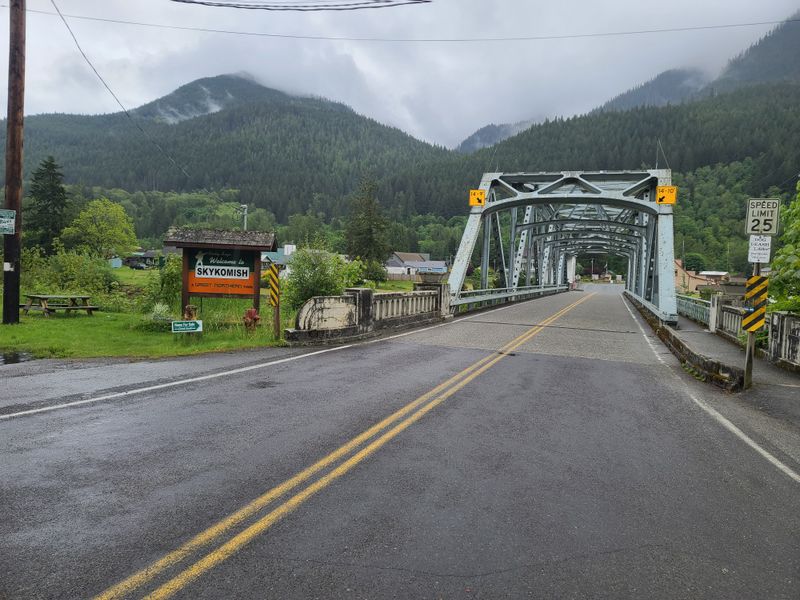
Highway 2 runs east from Everett through the heart of the Cascades, carrying thousands of vehicles each week toward ski areas, mountain towns, and eastern Washington.
Skykomish appears suddenly along that route, announced by a green highway sign and a brief cluster of rooftops before the road curves onward.
Few drivers consider stopping.
The town occupies a narrow corridor of flat ground between the highway and the river, hemmed in by forested slopes on both sides.
Gas stations and cafés line the main drag, built to serve travelers rather than draw them in.
Speed limits drop for half a mile, then climb back up as the forest closes in again.
For most people, Skykomish exists only as a reference point, a name they pass twice each winter without ever stepping out of the car.
The town has grown accustomed to this role.
Its economy has long relied on transience, first with the railroad and now with the highway, and its identity has been shaped by those who pass through rather than those who arrive.
A Historic Railroad Town Hidden In Plain Sight
Skykomish was born in the 1890s as a division point on the Great Northern Railway, a critical stop where crews changed shifts and engines took on water before tackling the mountain grades ahead.
At its peak in the 1920s, several thousand people lived here, supporting a bustling railyard, hotels, saloons, and supply stores.
The town thrived on the rhythm of steam locomotives and the steady flow of workers moving freight and passengers across the continent.
When the railroad modernized and rerouted operations, Skykomish shrank rapidly.
The population dwindled to a few hundred, then fewer still.
Today, remnants of that industrial past remain visible in the layout of the streets and the bones of old buildings, though much of the original infrastructure has disappeared or been repurposed.
The history is still present for those willing to look.
Old rail spurs run parallel to the main line, and the town museum preserves photographs and artifacts from the boom years.
Skykomish never reinvented itself as a tourist destination, so its railroad heritage feels more like memory than spectacle.
Surrounded By National Forests On All Sides
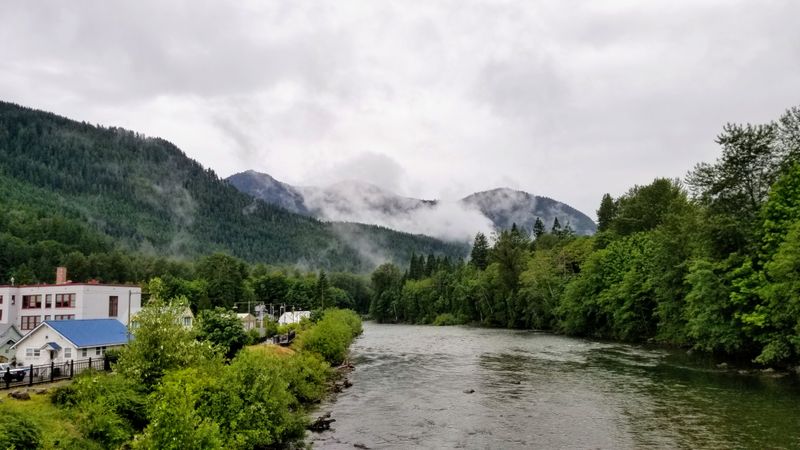
Mount Baker-Snoqualmie National Forest wraps around Skykomish in every direction, covering nearly two million acres of wilderness, old-growth timber, and alpine terrain.
The town exists as a small clearing within that expanse, a pocket of human habitation in a landscape otherwise dominated by Douglas fir, western red cedar, and mountain hemlock.
The forest presses close, visible from every street corner and audible in the rustle of wind through the canopy.
This proximity to public land defines much of the town’s character and appeal.
Residents live within minutes of trailheads, fishing access, and backcountry routes that see far less traffic than those near more popular mountain towns.
The forest also shapes the climate and mood, casting long shadows in winter and holding moisture year-round.
Skykomish sits at 929 feet in elevation, low enough to avoid the heaviest snowfall but high enough to feel the shift in seasons sharply.
The surrounding forests provide a buffer from urban sprawl and a sense of isolation that many residents value deeply, even as it complicates access to services and economic opportunities.
The Skykomish River Flows Quietly Through Town
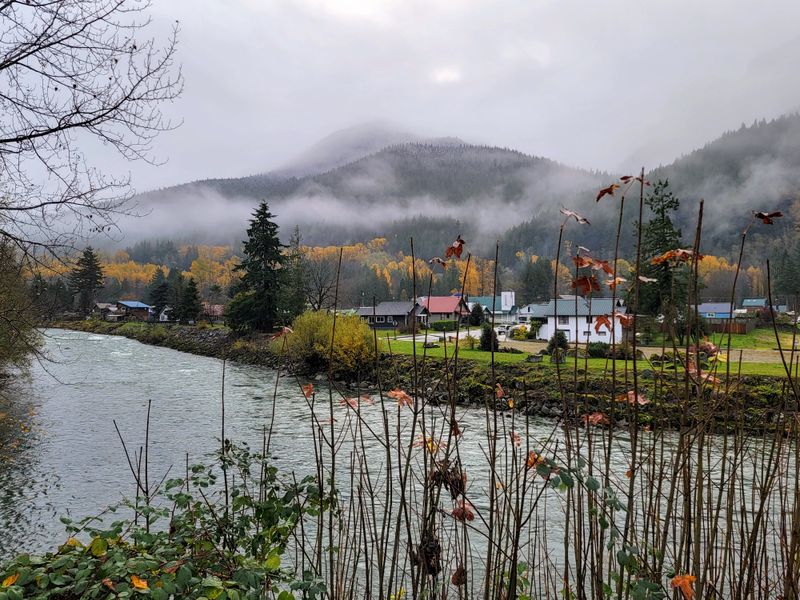
The South Fork Skykomish River runs parallel to Highway 2 through the center of town, a cold, clear waterway fed by snowmelt and mountain springs.
Its presence is constant but understated, audible from the main street on quiet mornings and visible from several access points along the road.
The river has shaped the town’s geography and history, providing water for the railroad and a natural corridor through the mountains.
Anglers come here for steelhead and trout, particularly in the fall and winter months when runs move upstream.
The river is not heavily fished compared to more accessible stretches farther west, and local knowledge still matters.
Access is straightforward but not advertised, and the banks are often empty even during peak seasons.
The river also serves as a boundary, separating the town from the steeper terrain to the north.
Its flow is steady rather than dramatic, lacking the waterfalls and rapids that draw crowds elsewhere.
For residents, the river is less a feature than a fact, woven into daily life without fanfare or spectacle.
One Of The Smallest Towns Along A Major Mountain Highway

With a population of 161 as of the 2020 census, Skykomish ranks among the smallest incorporated towns in Washington State.
It occupies just 0.39 square miles, much of that taken up by the highway, the river, and the railroad right-of-way.
What remains is a tight grid of streets lined with older homes, a few commercial buildings, and open lots where structures once stood.
The town’s size creates a distinct social atmosphere.
Most residents know one another by name, and civic life revolves around a small number of institutions and gathering places.
Services are limited to the essentials: a post office, a general store, a café, and a fire station staffed largely by volunteers.
Despite its proximity to larger population centers, Skykomish feels remote in ways that have little to do with distance.
The lack of growth and the absence of chain businesses reinforce a sense of separateness, as if the town exists on a different timeline than the cities and suburbs an hour to the west.
This isolation appeals to some and frustrates others, depending on what they seek from mountain living.
Overshadowed By Stevens Pass, Just Minutes Away

Stevens Pass sits roughly 15 miles east of Skykomish, a major ski resort and year-round recreation area that draws tens of thousands of visitors each winter.
The pass marks the crest of the Cascades at 4,061 feet, offering downhill skiing, snowboarding, and access to backcountry routes.
It is one of the busiest mountain destinations in Washington, and its presence dominates the regional economy and traffic patterns along Highway 2.
Skykomish benefits modestly from this proximity, serving as a gas stop or meal break for skiers heading to the slopes.
But the town has never captured a meaningful share of the resort traffic, lacking the lodging infrastructure and commercial development that might anchor a ski-town identity.
Most visitors pass through without stopping, and those who do rarely stay long.
This dynamic has defined Skykomish for decades.
The town remains in the shadow of Stevens Pass, close enough to feel the economic pull but too small and underdeveloped to compete.
Some residents appreciate this arrangement, valuing the quiet that comes from being overlooked.
Others see missed opportunity.
A Downtown That Still Reflects Its Railroad Roots
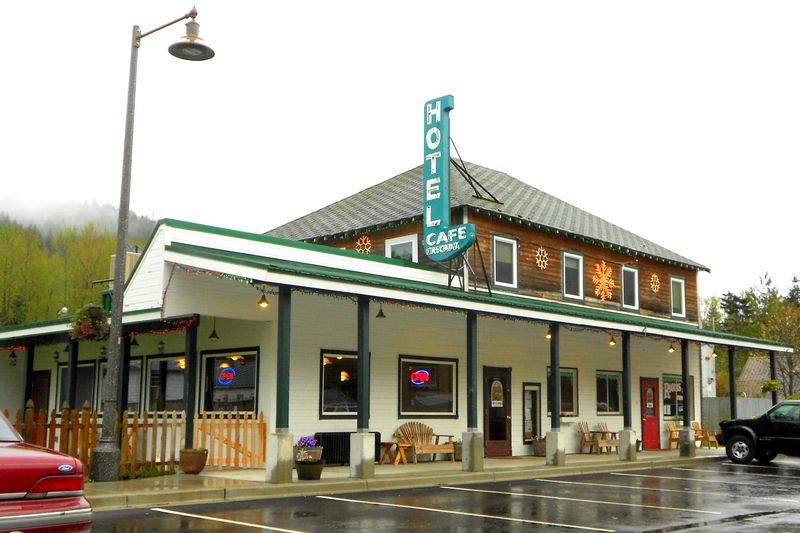
The layout of Skykomish remains recognizable as a railroad town, with streets running perpendicular to the tracks and commercial buildings facing the line rather than the highway.
The original depot is gone, but the rail corridor still cuts through the center of town, and freight trains pass regularly, their horns echoing off the surrounding ridges.
The town’s infrastructure was built to support rail operations, and that purpose is still legible in the architecture and street grid.
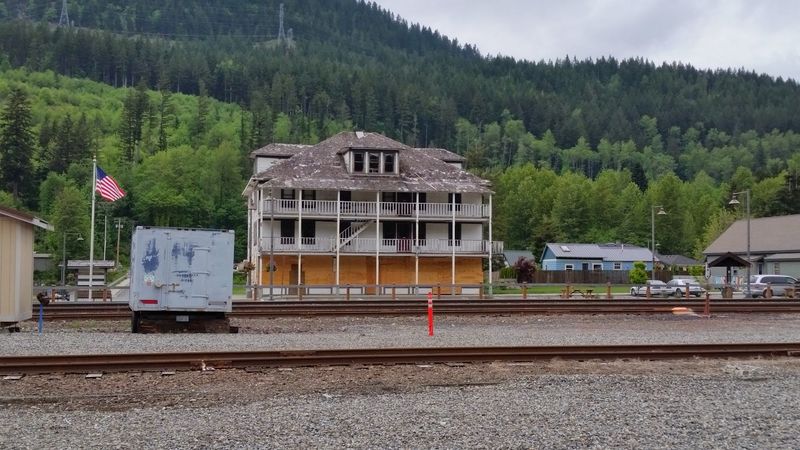
A few historic structures survive, including the Skykomish Hotel, a two-story wooden building dating to the early 1900s.
The hotel no longer operates as lodging but serves as a landmark and a reminder of the town’s former scale.
Elsewhere, newer construction has filled in gaps left by demolished buildings, creating a patchwork of eras and styles.
The downtown is functional rather than charming, designed for utility rather than aesthetics.
There are no boutiques or galleries, no carefully restored storefronts aimed at tourists.
What remains is a working town, shaped by its past and adapted to a much quieter present.
Life Here Moves At A Slower, Weather-Driven Pace
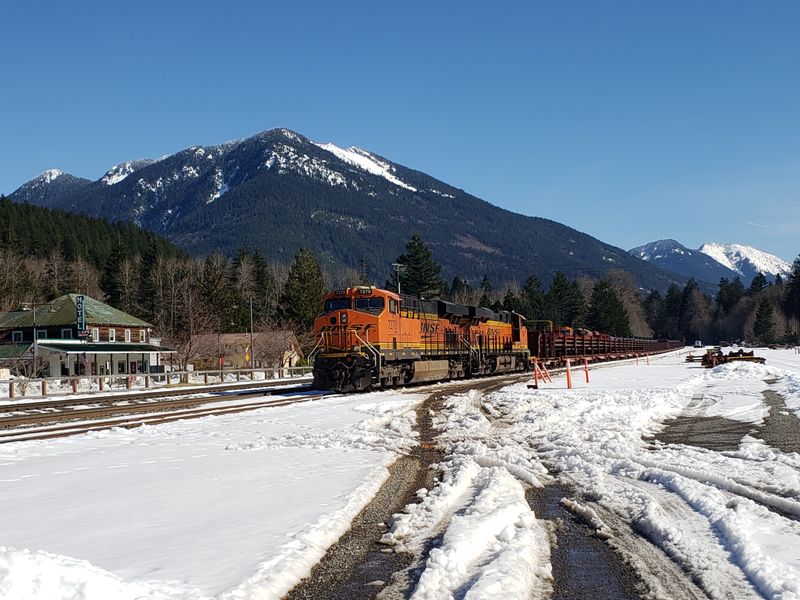
Skykomish receives heavy precipitation throughout the year, with rain dominating the fall, winter, and spring months and occasional snow blanketing the town when temperatures drop.
The climate is typical of the western Cascades: damp, cool, and heavily influenced by Pacific storms that funnel through the mountain passes.
Weather dictates much of daily life, from road conditions to outdoor work schedules to the mood of the town itself.
The rhythm here is deliberate and tied to the seasons.
Winter brings shorter days and longer stretches indoors, with the occasional power outage or road closure reminding residents of their dependence on infrastructure and weather patterns.
Spring arrives late, and summer is brief but intensely green, with long evenings and clear skies that feel almost extravagant after months of gray.
There is little urgency in Skykomish, no rush hour or crowded sidewalks.
The pace reflects the population size and the surrounding landscape, both of which resist speed.
For those accustomed to urban schedules, the adjustment can be difficult.
For others, it is precisely the point.
No Resort Scene, No Tourist Crowds
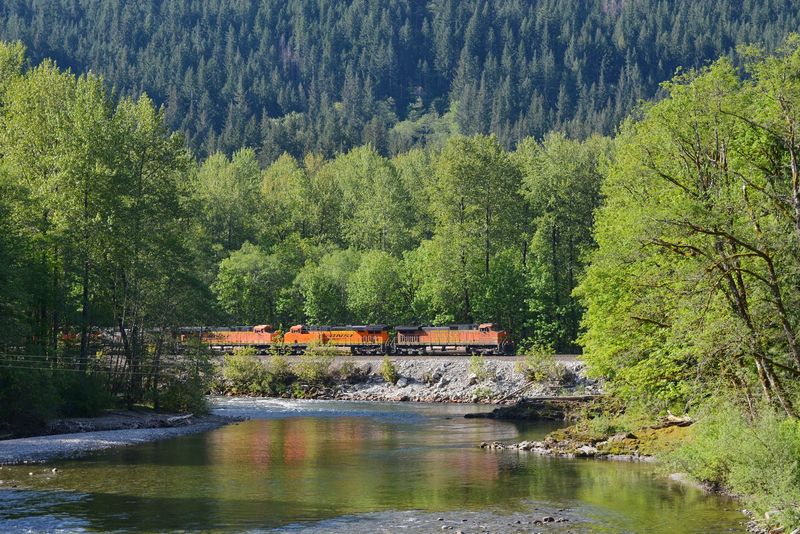
Unlike Leavenworth to the east or the towns along the North Cascades Highway, Skykomish has never developed a tourist economy.
There are no resort hotels, no guided tour companies, no tasting rooms or adventure outfitters.
The town lacks the infrastructure and the branding that might attract visitors seeking a mountain getaway with amenities.
What it offers instead is proximity to wilderness and a lack of distraction, appealing to a narrow slice of travelers who value solitude over convenience.
This absence of tourism shapes the town’s character in subtle ways.
There is no seasonal influx of workers, no pressure to cater to out-of-town tastes, no tension between locals and visitors.
The businesses that survive do so by serving residents and the occasional passerby, not by targeting the recreation market.
For some, this is a drawback.
The lack of economic activity means fewer jobs, fewer services, and less investment in public amenities.
For others, it is a feature.
Skykomish remains unpolished and unpackaged, a place that has avoided the transformation so many mountain towns have undergone in recent decades.
Outdoor Access Without The Trailhead Chaos
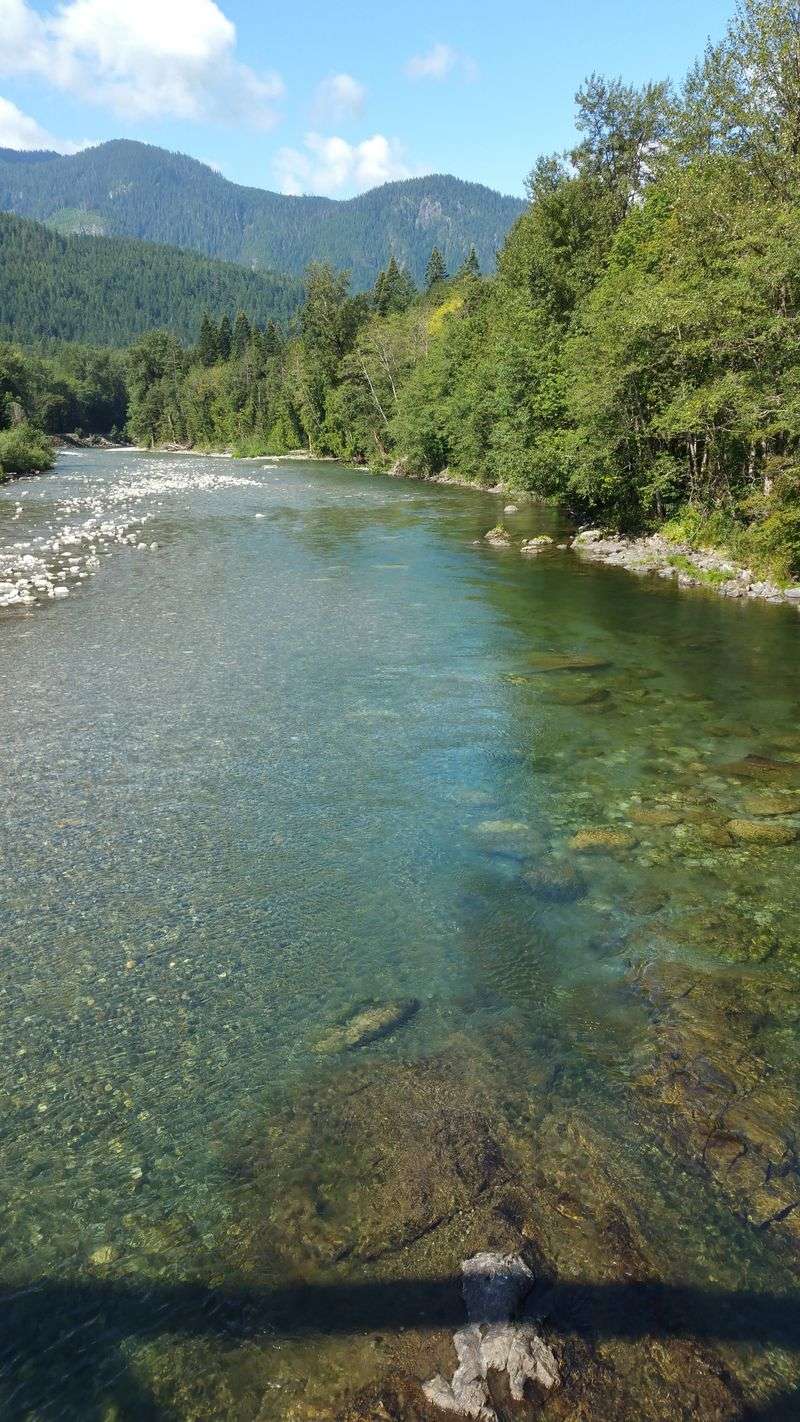
Skykomish serves as a gateway to dozens of hiking trails, fishing spots, and backcountry routes that see a fraction of the traffic found near Seattle or along Interstate 90.
Trailheads within a short drive of town include access to alpine lakes, old-growth forests, and ridge walks with expansive views of the Cascade Range.
Many of these routes require a Northwest Forest Pass but otherwise remain free of permits, reservations, or crowding.
The town’s location along Highway 2 makes it a convenient base for exploring the central Cascades without the competition for parking or the noise that plagues more popular areas.
On weekdays, even well-known trails can feel empty.
On weekends, the crowds are manageable, drawn more toward Stevens Pass or farther west.
This access is one of Skykomish’s primary assets, though it is rarely advertised or promoted.
Locals guard their favorite spots, and the lack of signage or online hype helps keep visitation low.
For those willing to do the research, the area offers a quieter alternative to the heavily trafficked trails that dominate hiking guides and social media feeds.
A Place People Pass Through—But Rarely Get To Know
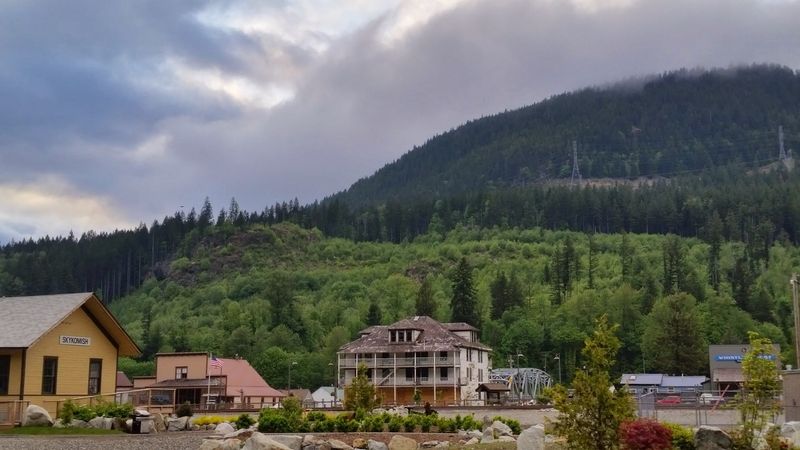
Skykomish exists in a state of perpetual transition, defined more by movement than by arrival.
Trains rumble through without stopping, cars accelerate back to highway speed after a brief slowdown, and even the seasons seem to pass quickly in the narrow valley.
The town has adapted to this role, building its modest economy around transience rather than permanence.
Few people come here with the intention of staying, and fewer still return once they leave.
This transience has shaped the town’s identity in ways both practical and psychological.
Buildings remain unfinished or underused, businesses open and close without fanfare, and the population fluctuates with the availability of work and housing.
There is a sense of impermanence that some find unsettling and others find liberating.
Yet beneath the flow of traffic and the turnover of residents, a core group remains, bound by choice or circumstance to this small clearing in the forest.
They know the town not as a sign on the highway but as a place with its own rhythms, challenges, and quiet satisfactions, invisible to those who pass through but unmistakable to those who stay.
The Town’s Address Is Simply Washington 98288
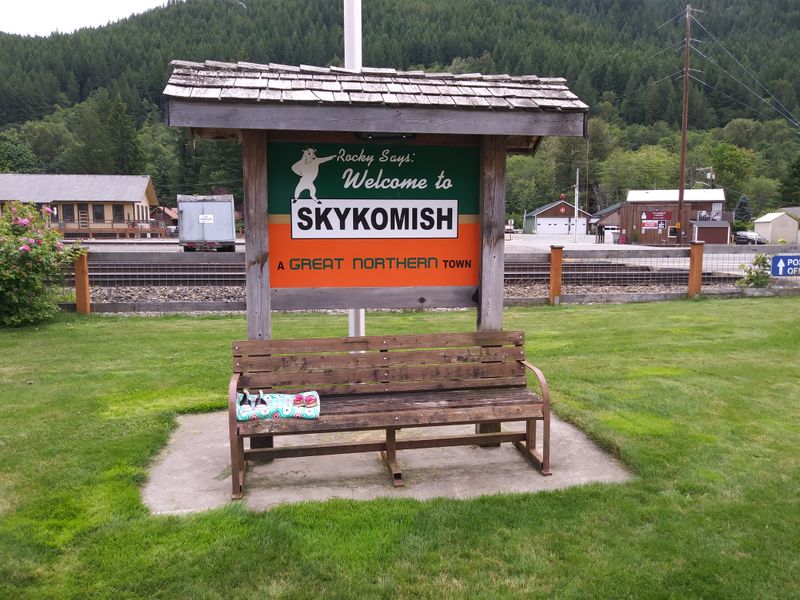
Skykomish occupies a small enough footprint that its mailing address consists of little more than a ZIP code and the state.
The town sits in King County, though it feels far removed from the urban core that dominates the western portion of the county.
Its official website, maintained by the town government, offers basic information about services, meeting schedules, and contact details, reflecting the scale and simplicity of local administration.
The town operates with a mayor-council form of government, and civic participation is both necessary and visible.
With so few residents, every voice carries weight, and decisions about zoning, infrastructure, or public safety involve direct input from those affected.
There is little bureaucracy, for better or worse.
This simplicity extends to the physical layout.
Street names are few, and addresses are easy to remember.
Navigation is intuitive, and getting lost is nearly impossible.
The town occupies coordinates 47.7092746, -121.3601013, a precise location that belies the vague sense of liminality that defines the place.
Skykomish is easy to find on a map but harder to understand without spending time there.