
This Quiet South Carolina Lowcountry Town Stays Off The Tourist Trail
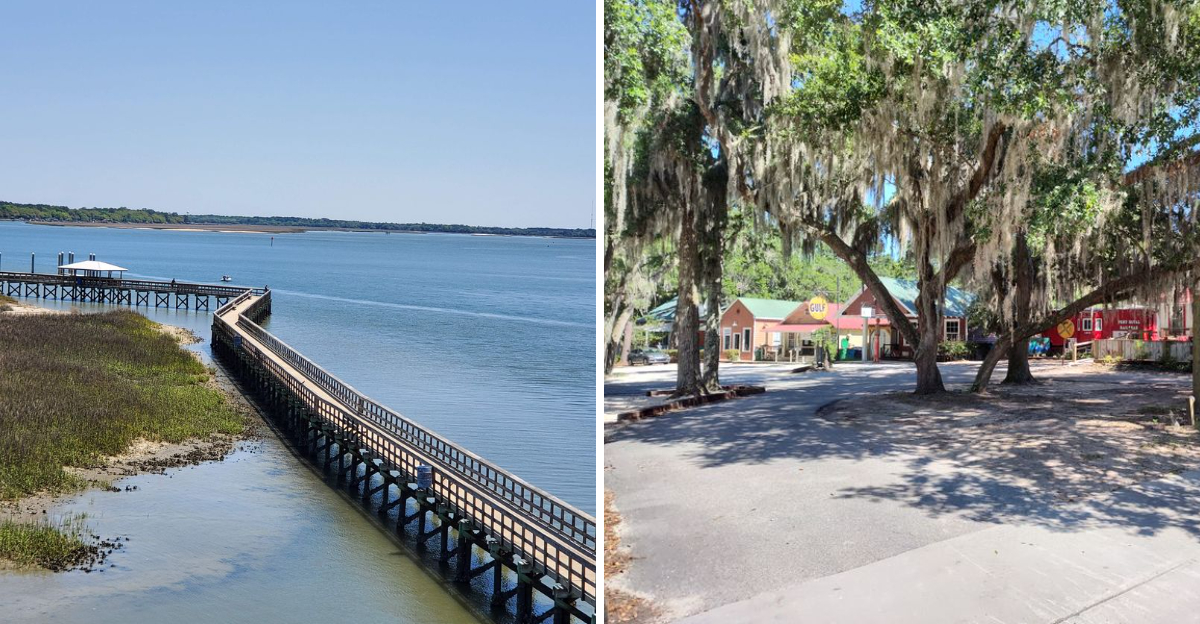
Port Royal sits quietly along the edge of Beaufort County, a small Lowcountry town that most travelers pass without a second glance.
While nearby Beaufort draws steady crowds and Hilton Head bustles with resort traffic, Port Royal remains stubbornly unhurried, content to let the world rush by.
The town offers something increasingly rare: a coastal experience shaped by everyday rhythms rather than visitor expectations, where wetlands meet neighborhoods and working waterfronts still define the shoreline.
Overshadowed By Beaufort, Port Royal Rarely Draws The Spotlight
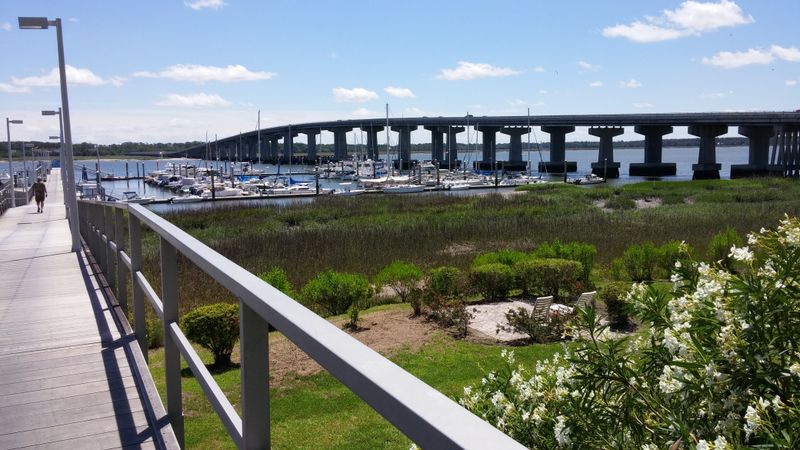
Beaufort commands attention with its antebellum architecture and film-set charm, leaving Port Royal to exist in a comfortable shadow just across the bridge.
Most visitors never make the short drive from Beaufort’s historic district, assuming the neighboring town offers little more than residential streets and marine facilities.
That assumption works in Port Royal’s favor, preserving a quiet character that disappears quickly in places designed for tourism.
The town shares Port Royal Island with its more famous neighbor but occupies a distinctly different space in the regional imagination.
Where Beaufort cultivates its postcard appeal, Port Royal maintains the practical infrastructure of a working waterfront community.
Fishing boats outnumber tour vessels, and the few restaurants cater to locals rather than out-of-state license plates.
This arrangement suits Port Royal well.
The town benefits from proximity to Beaufort’s amenities without absorbing its crowds, creating a balance that feels deliberate rather than accidental.
Visitors seeking authentic Lowcountry life often discover Port Royal only after exhausting Beaufort’s more obvious attractions, finding a town that never needed to compete for attention.
A Working Waterfront Town, Not A Resort Destination
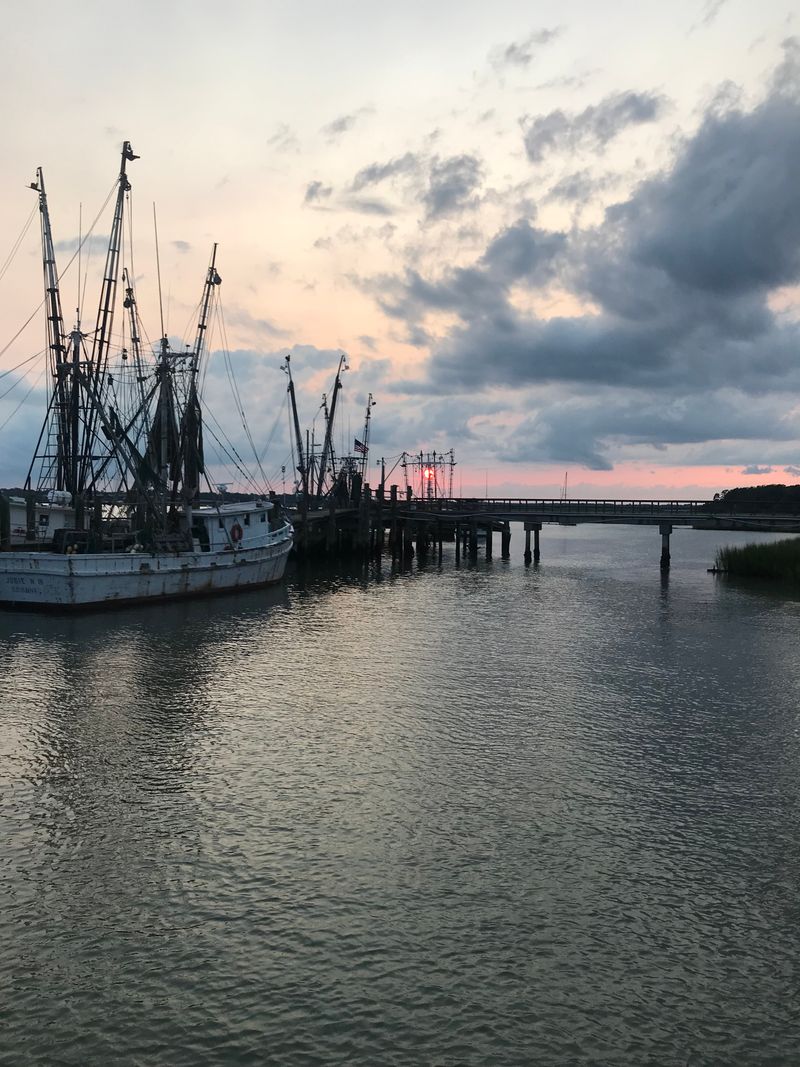
Commercial fishing operations and marine services define Port Royal’s waterfront character in ways that luxury condominiums and beachfront hotels never will.
Shrimp boats tie up at weathered docks where the work of hauling, sorting, and selling seafood continues as it has for generations.
The smell of salt and diesel hangs in the air, a reminder that this shoreline serves function before aesthetics.
Resort destinations prioritize visitor comfort and manufactured experiences, but Port Royal’s waterfront remains stubbornly utilitarian.
The town hosts Marine Corps Recruit Depot Parris Island and Naval Hospital Beaufort, lending a military presence that further distinguishes it from typical coastal tourist stops.
Chain restaurants and souvenir shops hold little territory here.
This working-class authenticity creates an atmosphere that either appeals immediately or fails to register at all.
Travelers expecting manicured beaches and waterfront dining may find Port Royal underwhelming, while those drawn to genuine coastal communities recognize something increasingly scarce.
The waterfront operates on its own schedule, indifferent to seasonal tourism patterns that govern life elsewhere in the Lowcountry.
The Cypress Wetlands Sit Right In The Middle Of Town
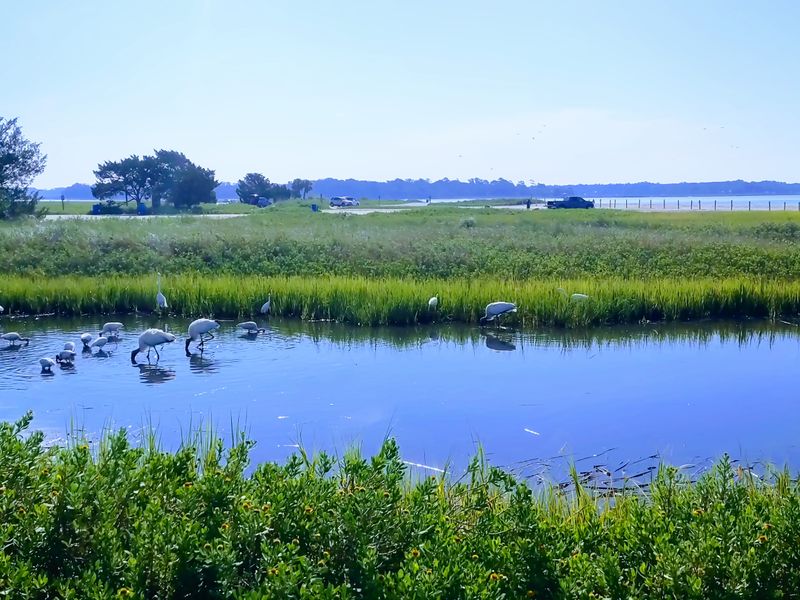
Port Royal Cypress Wetlands occupies an unlikely position for a nature preserve: wedged between residential neighborhoods and commercial corridors at 1501 Paris Avenue.
The sixty-acre tract contains boardwalks threading through bald cypress stands and blackwater swamps that seem transported from deeper wilderness rather than carved from suburban development.
Herons stalk the shallows while turtles sun themselves on half-submerged logs, oblivious to the parking lots nearby.
Most coastal towns relegate natural areas to outskirts or sacrifice them entirely to growth pressures, but Port Royal preserved this wetland complex at its geographic center.
The decision speaks to priorities that value ecological character over maximum development potential.
Walking these boardwalks requires only minutes from downtown streets, offering immediate immersion in Lowcountry swamp environments without lengthy drives.
The wetlands function as both recreation area and natural buffer, filtering stormwater while providing habitat for species that define the region’s biodiversity.
Families visit for afternoon walks, photographers arrive at dawn for light filtering through Spanish moss, and residents treat the preserve as casual greenspace rather than special destination.
This integration of wild and settled landscapes creates texture often missing from more tourist-oriented communities.
The Sands Beach Feels Like A Local Secret
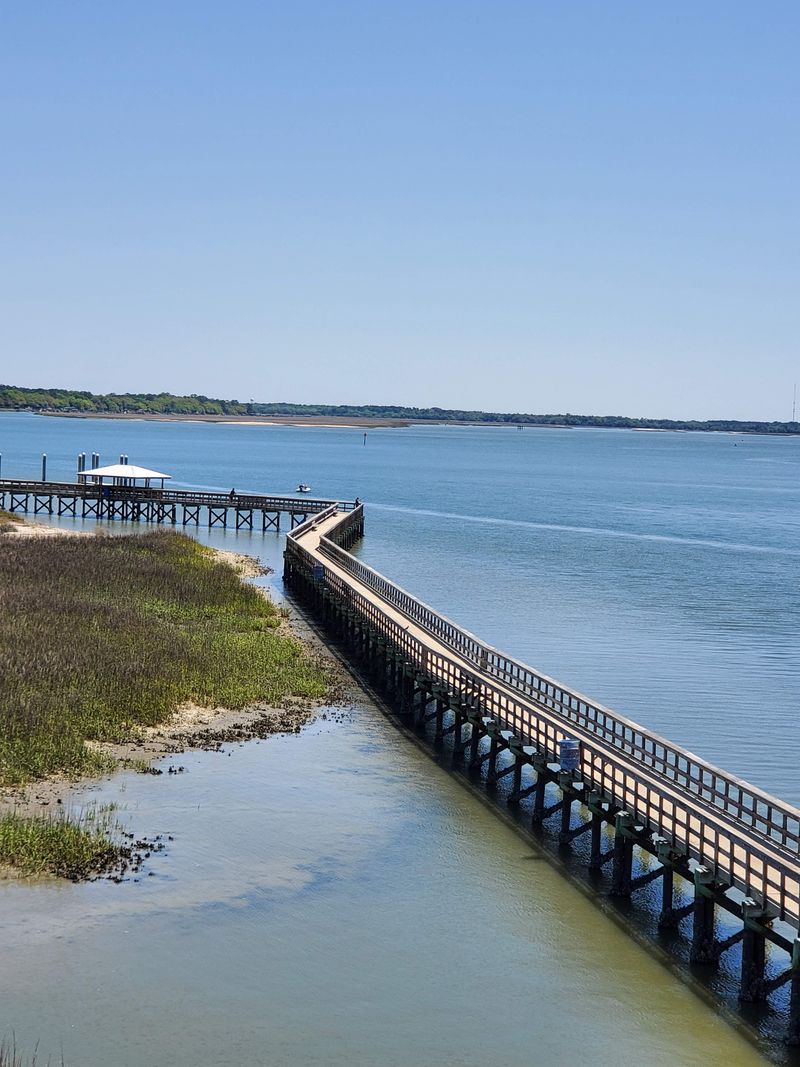
Finding The Sands Beach requires either local knowledge or deliberate research, as the small public access point lacks the signage and amenities that announce most coastal beaches.
Located at the end of a residential street, the beach offers modest stretches of sand and marsh views rather than the broad oceanfront expanses visitors expect from South Carolina barrier islands.
Port Royal Sound spreads wide and calm, more estuary than open Atlantic.
Families from surrounding neighborhoods treat The Sands as community space, arriving with folding chairs and coolers for quiet afternoons watching shrimp boats pass.
The beach sees heaviest use during summer evenings when heat relents and light softens across the water.
No lifeguards patrol, no concessions operate, and parking remains limited to a small lot that fills quickly on weekends.
This low-key character preserves an experience increasingly difficult to find along developed coastlines.
The Sands offers no competition to Hilton Head’s resort beaches or Hunting Island’s dramatic shoreline, but it provides something those destinations cannot: a genuine neighborhood beach where locals outnumber visitors and the rhythms remain unhurried.
Travelers seeking Instagram-worthy vistas will leave disappointed; those appreciating understated coastal access may find it perfect.
No Cruise Ships, No Tour Buses, No Big Attractions
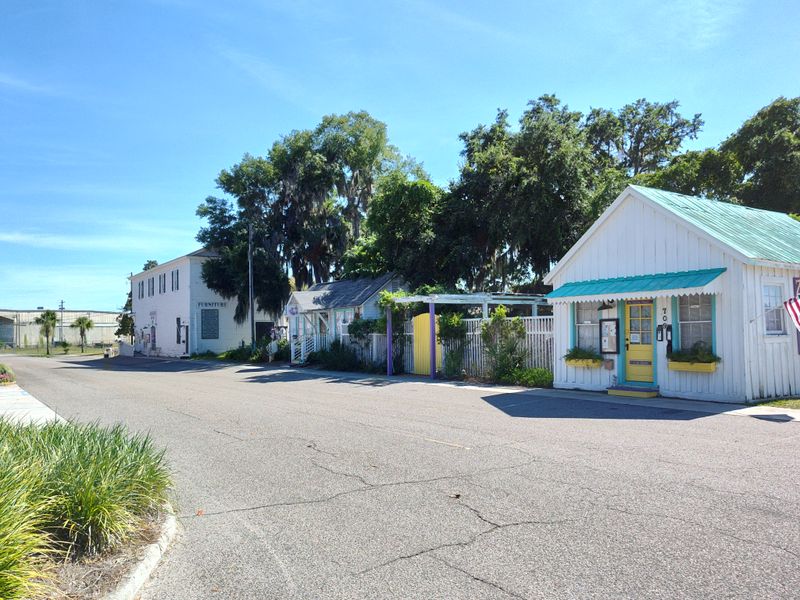
Port Royal operates without the infrastructure that defines modern tourism economies, lacking both the destinations that draw large groups and the facilities to accommodate them.
No historic mansions offer guided tours, no adventure companies hawk kayak expeditions, and no downtown district caters specifically to visitors seeking curated experiences.
The town simply continues its daily business, indifferent to whether outsiders find it compelling.
This absence of commercial tourism creates space for a different kind of travel experience.
Walking Port Royal’s streets reveals a community functioning for itself rather than performing for guests, where businesses serve local needs and public spaces accommodate residents first.
The distinction becomes obvious after time spent in nearby tourist centers where every interaction carries transactional weight.
Some travelers find this lack of attractions disorienting, uncertain how to spend time in a place offering no obvious itinerary.
Others recognize the freedom in destinations that demand nothing, where exploration follows curiosity rather than guidebook recommendations.
Port Royal rewards visitors who appreciate places simply for existing rather than entertaining, though that audience remains deliberately small.
The town seems content with this arrangement, having never pursued the crowds that complicate life elsewhere in the Lowcountry.
Deep Lowcountry History Without The Ticket Booths
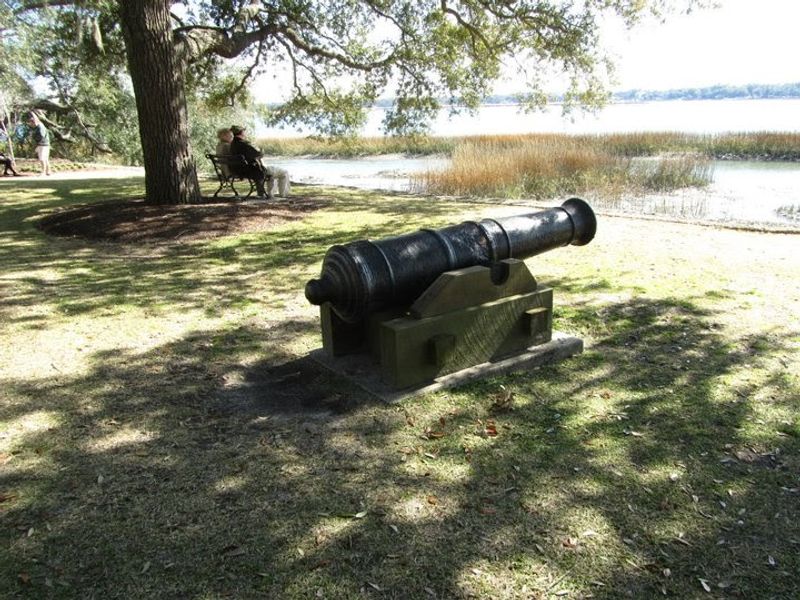
Port Royal’s history stretches back centuries through Spanish exploration, French settlement attempts, and eventual English colonization, yet the town markets none of this heritage through formal attractions.
The name itself references colonial ambitions, when European powers competed for control of these coastal lands and the indigenous peoples who called them home.
Layers of military history accumulate here, from Civil War fortifications to the Marine Corps presence that continues shaping local identity.
Beaufort monetizes its antebellum past through house museums and walking tours, but Port Royal’s historical significance remains largely unmarked and uninterpreted.
Visitors encounter history through landscape and context rather than plaques and admission fees.
The Naval Hospital campus occupies land with complex colonial and military backstories, while the waterfront reflects centuries of maritime culture that predates modern tourism.
This approach to heritage feels either refreshingly authentic or frustratingly inaccessible depending on visitor expectations.
History enthusiasts willing to research independently can trace fascinating threads through Port Royal’s development, while casual tourists seeking easy historical narratives may leave confused.
The town preserves its past through continued use rather than museum curation, allowing historical landscapes to function in present contexts without romantic reconstruction.
A Walkable Old Village Built For Daily Life, Not Visitors
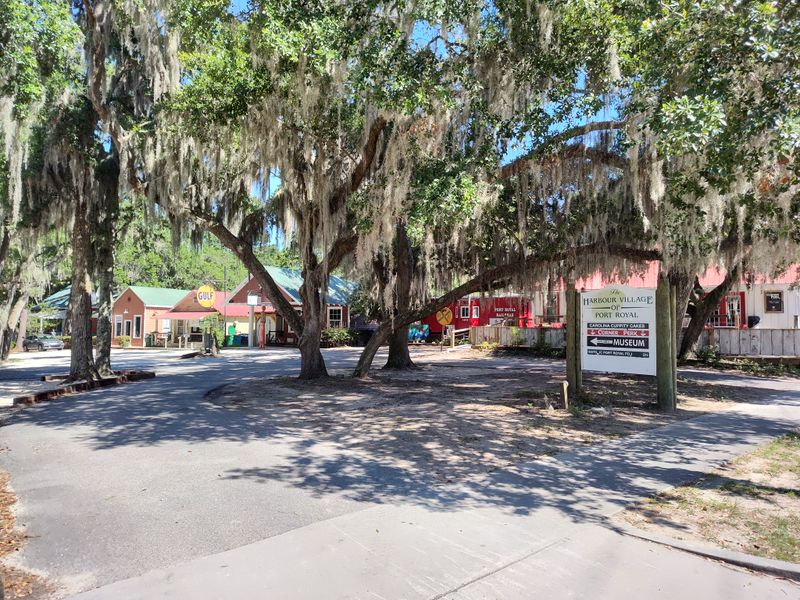
Port Royal’s historic village district maintains a pedestrian scale that predates automobile dominance, with narrow streets connecting residential blocks to waterfront areas and small commercial nodes.
Walking these neighborhoods reveals architecture spanning decades rather than centuries, with modest homes reflecting working-class coastal life more than plantation grandeur.
Front porches face streets where neighbors still greet each other, and sidewalks serve actual transportation purposes rather than tourist strolls.
The village layout accommodates daily errands and social interactions that define small-town life, though modern development has stretched Port Royal beyond its original walkable core.
Residents still walk to the post office, the waterfront, and neighborhood businesses, maintaining patterns that car-dependent suburbs eliminate.
This functionality distinguishes Port Royal from historic districts preserved primarily for aesthetic appeal.
Visitors walking these streets participate in genuine community space rather than observing recreated history.
The experience lacks the polished charm of Beaufort’s downtown but offers something more honest about how coastal Lowcountry towns actually function.
Port Royal’s walkability serves residents first, with any visitor benefit remaining incidental.
That priorities become clear quickly, as does the appeal of places built for living rather than touring.
Sunsets Over The Sound Rival Any In The Lowcountry

Port Royal Sound spreads wide and unobstructed to the west, creating natural theater for sunsets that compete with any coastal vista in South Carolina.
Light moves across water and marsh in shifting patterns as the sun descends, painting sky and sound in colors that change minute by minute.
The absence of high-rise development preserves sightlines that commercial beaches often sacrifice to construction.
Locals know the best vantage points scattered along the waterfront, from public parks to informal access spots where the view opens completely.
These locations see regular gatherings during golden hour, with residents treating spectacular sunsets as routine rather than special event.
Photographers arrive with tripods, families pause evening walks, and fishing continues as backdrop to the daily light show.
What makes Port Royal’s sunsets remarkable extends beyond the visual spectacle to include the unhurried context surrounding them.
Watching sunset here involves no jockeying for position among crowds, no restaurant reservations timed to the event, and no pressure to capture the perfect social media moment.
The experience remains simple and accessible, available to anyone willing to pause and watch light fade across the Lowcountry marshscape.
That simplicity preserves something essential about coastal living that busier destinations often lose.