
A Quiet Tennessee Plateau Town Where The Past Still Lingers
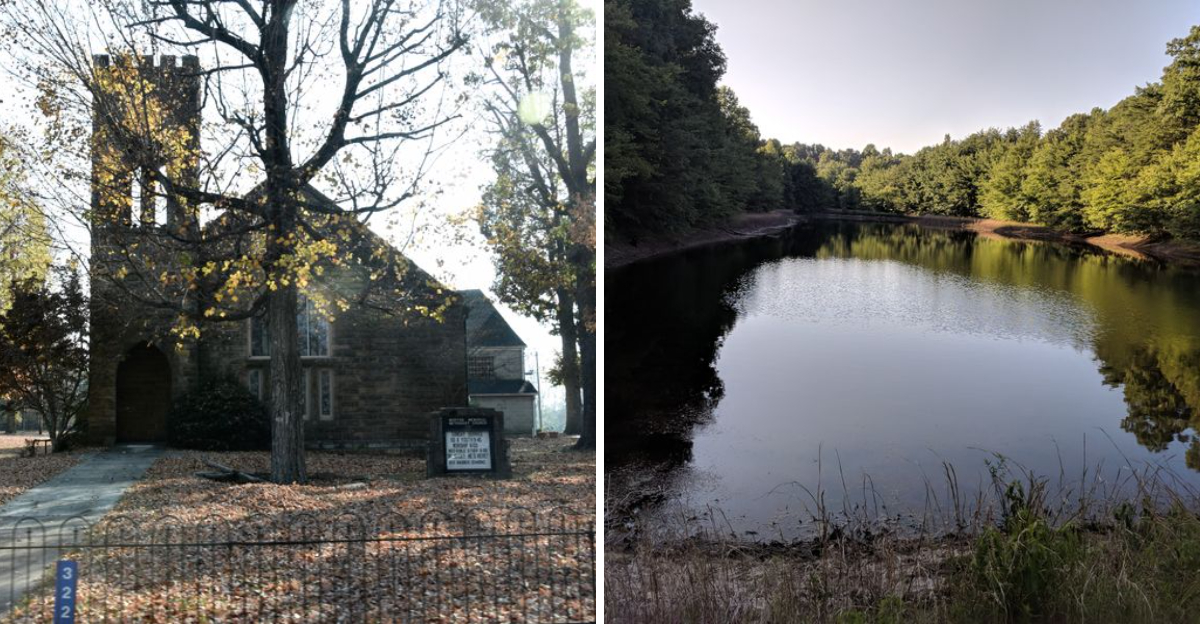
Monteagle sits quietly atop the Cumberland Plateau, a small Tennessee town where time seems to move at a different pace.
Old inns still welcome travelers, forests press close to the streets, and the mountain air carries stories from another century.
This is a place that has resisted the rush of modern tourism, choosing instead to preserve the character that shaped it long before highways cut through the hills.
A Small Town Perched High On The Cumberland Plateau
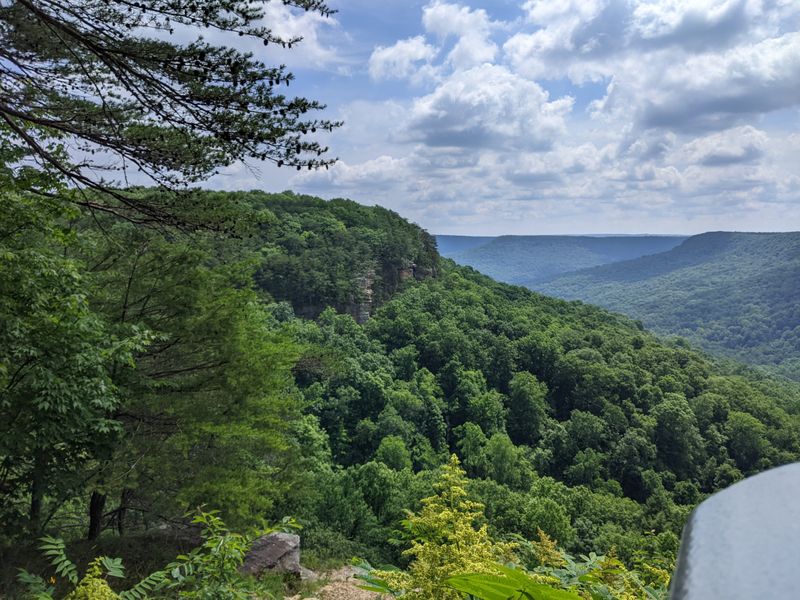
Geography determines character in ways that residents rarely discuss but visitors immediately sense.
Monteagle occupies a narrow strip of elevated land where Franklin, Grundy, and Marion counties converge, standing at an elevation that makes summer afternoons bearable and winter mornings sharp.
The town stretches along what was once a critical mountain pass, a natural gateway that funneled travelers between Nashville and Chattanooga long before engineers carved modern routes through the rock.
Population numbers tell part of the story—just over twelve hundred souls at last official count, with the majority residing in Grundy County.
But statistics fail to capture the sensation of arrival, that moment when the road levels out after a long climb and the plateau opens wide.
Buildings here seem temporary against the permanence of stone and forest, as though the mountain merely tolerates human presence rather than welcoming it outright.
Altitude shapes everything from architecture to attitude in this corner of Tennessee.
Known For Generations As The Gateway To The Plateau
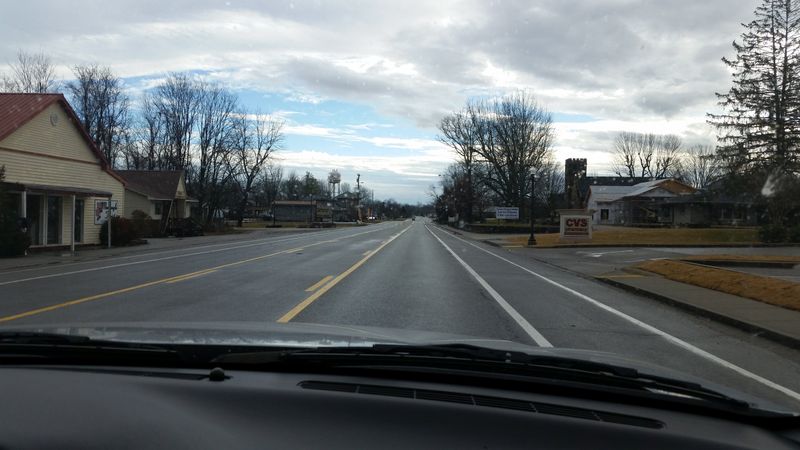
Before Interstate 24 simplified the journey between major cities, travelers faced a genuine challenge ascending the Cumberland escarpment.
Monteagle became synonymous with that transition, the place where lowland Tennessee ended and mountain Tennessee began.
Wagon trains paused here to rest animals before the final push upward, and later, early automobiles overheated on steep grades that tested both machinery and nerve.
The town’s identity formed around this role as threshold and refuge.
Businesses catered to those in transit, offering meals, repairs, and lodging to people whose journeys had been interrupted by geography.
Even today, the layout of the town reflects that original purpose, with establishments clustered near the main route in a pattern established over a century ago.
Modern highways have diminished the drama of the ascent, but Monteagle retains its gateway status in subtler ways.
Locals still speak of “going down the mountain” or “coming back up,” phrases that acknowledge the plateau as a distinct realm requiring passage through this particular town.
Cooler Air And Slower Days Above The Valleys Below
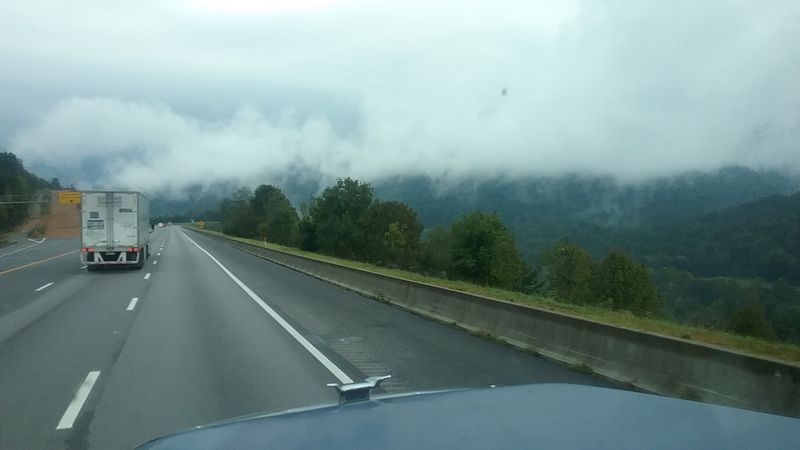
Temperature differences between Monteagle and surrounding lowlands can reach ten degrees on summer afternoons, a fact that shaped the town’s development more than any single economic factor.
Wealthy families from southern cities once fled here to escape oppressive heat, establishing seasonal residences and creating a culture of mountain retreat that persists in modified form today.
Morning fog lingers longer, settling into hollows and creating atmospheric conditions that photographers find irresistible but locals simply accept as routine.
Pace of life follows the weather patterns, unhurried and deliberate.
Businesses keep hours that reflect actual customer flow rather than corporate mandates, and conversations extend naturally without the pressure of schedules demanding attention elsewhere.
Visitors accustomed to lowland urgency often misinterpret this rhythm as inefficiency, missing the point entirely.
A Town Shaped By Travelers Long Before Interstates
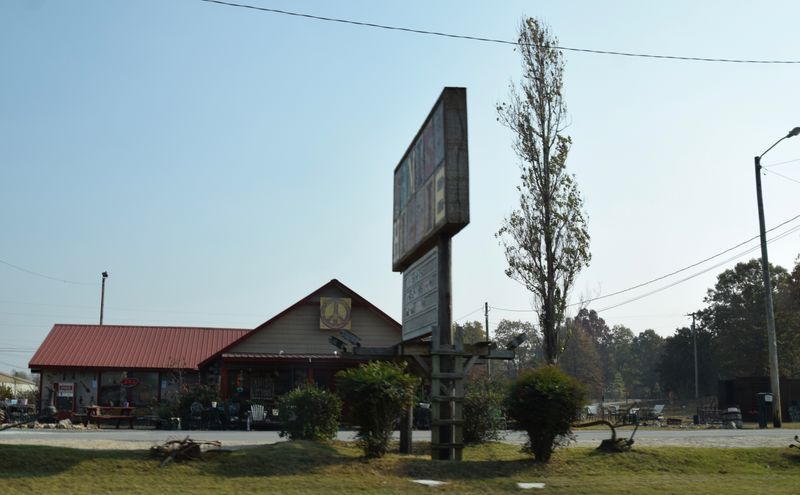
Highway 41 preceded the interstate by decades, serving as the primary north-south corridor through this section of Tennessee.
Monteagle prospered during that era, when every vehicle traveling between Nashville and Chattanooga passed directly through town, and the journey required stops for fuel, food, and rest.
Motels lined the route, diners stayed open late, and service stations competed for business with hand-painted signs promising fair prices and honest work.
That infrastructure remains visible today, though much of it serves different purposes or stands empty.
Buildings that once housed thriving motor courts now contain antique shops or remain shuttered altogether, their mid-century architecture slowly surrendering to weather and neglect.
A few establishments adapted successfully, finding ways to attract customers who choose the old highway deliberately rather than arriving by necessity.
The town’s relationship with travelers has always been transactional yet somehow personal, a balance that modern tourism rarely achieves.
People passed through but remembered the experience, returning years later to find things largely unchanged.
Historic Inns And Retreats That Still Define The Town
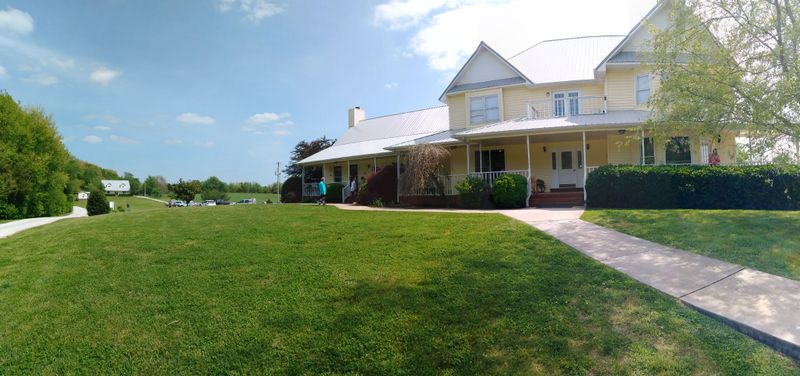
Assembly grounds and religious retreat centers occupy significant acreage around Monteagle, remnants of a nineteenth-century movement that saw mountain elevation as conducive to spiritual reflection.
The Monteagle Sunday School Assembly, established in 1882, continues operating on its original grounds, hosting summer programs in Victorian-era cottages that seem immune to architectural trends that transformed other resort communities.
These institutions created a particular atmosphere that commercial development never quite displaced.
Quiet remains valued over entertainment, contemplation over distraction.
Visitors arrive expecting peace rather than excitement, and the town delivers accordingly.
Accommodations tend toward the modest and comfortable rather than luxurious, with emphasis on porches and conversation rather than amenities and isolation.
The Edgeworth Inn and similar establishments maintain traditions that would seem impossibly quaint elsewhere but function naturally here.
Breakfast served at specific hours, common areas encouraging interaction, evening routines that acknowledge actual darkness rather than fighting it with artificial light—these patterns persist because they suit the environment and the people who choose to experience it.
Why Monteagle Never Became A Modern Tourist Strip
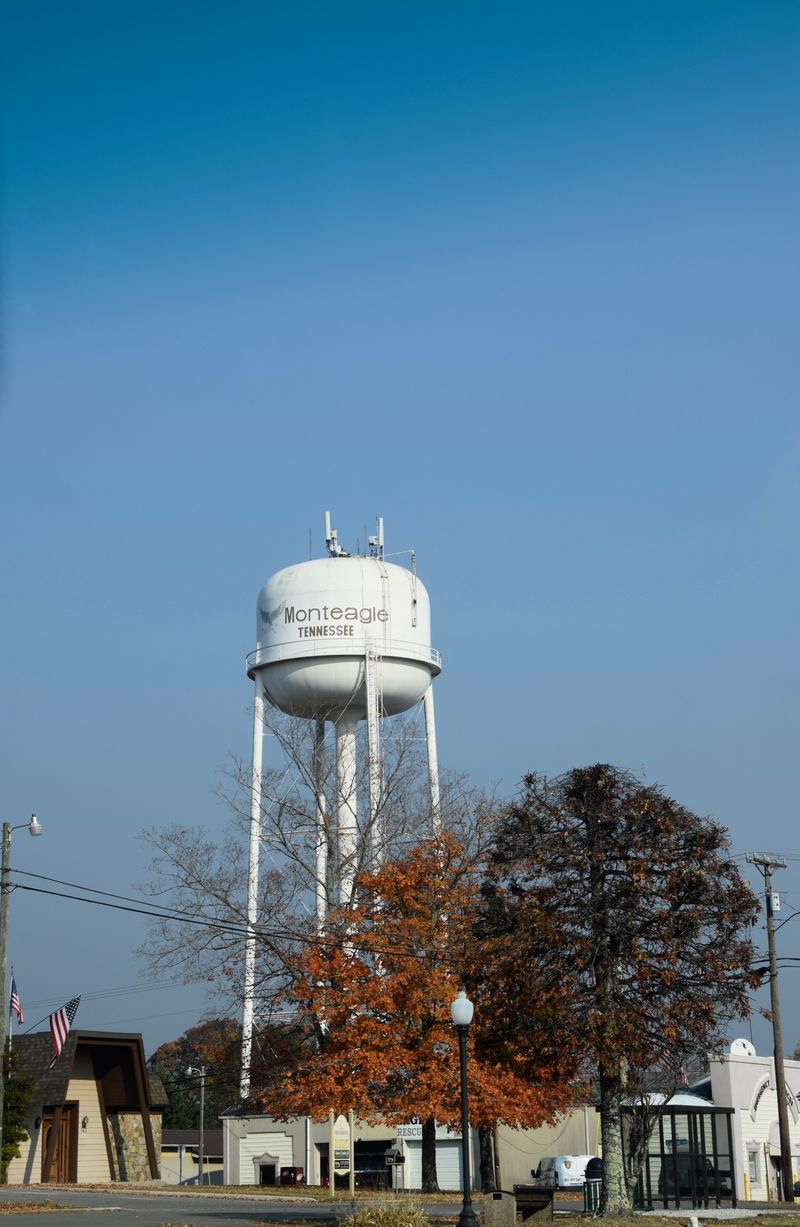
Geography protected Monteagle from certain types of development that transformed other mountain towns into entertainment destinations.
The plateau’s flat terrain lacks dramatic vistas that attract sightseers, and the forests, while extensive, offer hiking rather than spectacle.
No single natural feature compels visitors to stop, no waterfall or overlook that demands a place on every itinerary.
This absence of obvious attractions proved advantageous in retrospect.
Developers seeking to capitalize on scenic tourism looked elsewhere, leaving Monteagle to its quieter identity.
The town avoided the gift shop proliferation and themed restaurant invasion that often accompanies discovery by tour buses and travel magazines.
Local resistance played a role as well, though residents rarely frame it in those terms.
Zoning decisions and business choices reflected preferences for maintaining character over maximizing revenue.
When chain restaurants and national retailers evaluated Monteagle, they found insufficient population density and traffic volume to justify investment.
The town accepted this verdict without protest, understanding that some kinds of growth carry costs that balance sheets fail to capture.
Plateau Forests And Quiet Roads Surround Daily Life
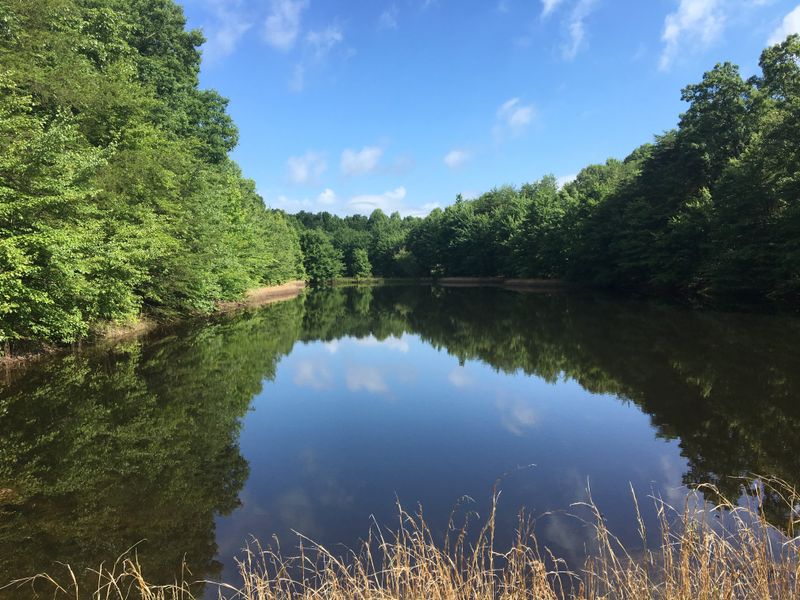
South Cumberland State Park encompasses thousands of acres within easy reach of Monteagle, offering trail systems that range from gentle walks to challenging scrambles over rock formations.
These public lands ensure that wilderness remains accessible rather than abstract, a backdrop to daily life rather than a distant destination requiring planning and preparation.
Residents incorporate the forest into routine activities in ways that urban dwellers might envy.
Morning runs follow trails that wind through hardwood stands, afternoon breaks might include short hikes to clear the mind, and evening walks proceed under canopy thick enough to muffle the sounds of civilization.
This proximity to undeveloped land shapes community values and individual priorities in subtle but significant ways.
Roads extending from town center quickly transition from pavement to gravel, leading to hollows and ridges where homes sit separated by acres rather than fence lines.
The forest asserts itself aggressively here, reclaiming cleared land within seasons if maintenance lapses.
Living in Monteagle means accepting this relationship, understanding that nature tolerates human presence but never truly surrenders to it.
A Past Rooted In Rest, Reflection, And Retreat
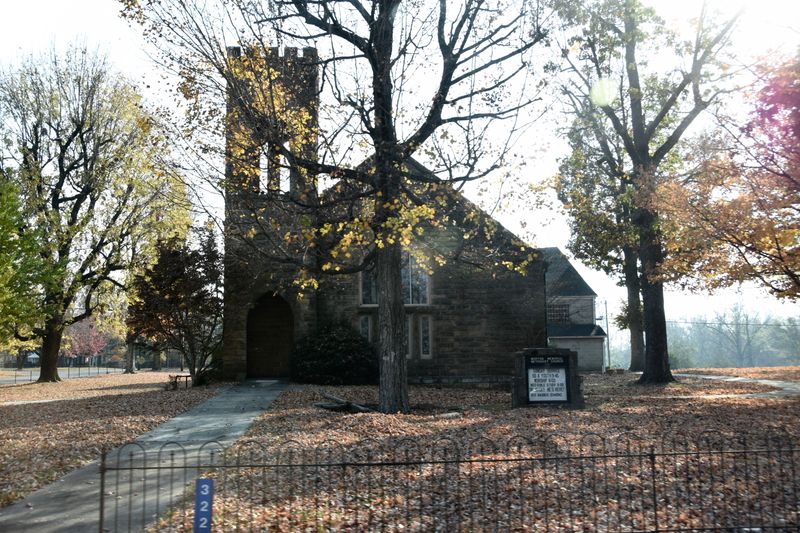
Religious camp meetings and educational assemblies established Monteagle’s foundational purpose in the late 1800s, attracting people seeking respite from industrial cities and lowland heat.
These gatherings emphasized intellectual discourse and spiritual renewal rather than mere recreation, creating traditions that influenced the town’s development for generations.
Architecture from that era survives in remarkable concentration, particularly within the Assembly grounds where cottages maintain original details despite modern updates to plumbing and wiring.
Walking these streets feels like entering a preserved moment, though residents occupy the homes year-round rather than treating them as museum pieces.
The past functions as living context rather than historical curiosity.
This heritage of intentional retreat continues informing how Monteagle presents itself.
Marketing materials, when they exist at all, emphasize tranquility and disconnection rather than activities and attractions.
The town offers escape from contemporary pressures without requiring visitors to camp in wilderness or surrender basic comforts.
That balance between isolation and civilization remains Monteagle’s most marketable quality, though locals rarely think in such terms.
Where Local Life Outpaces Through Traffic
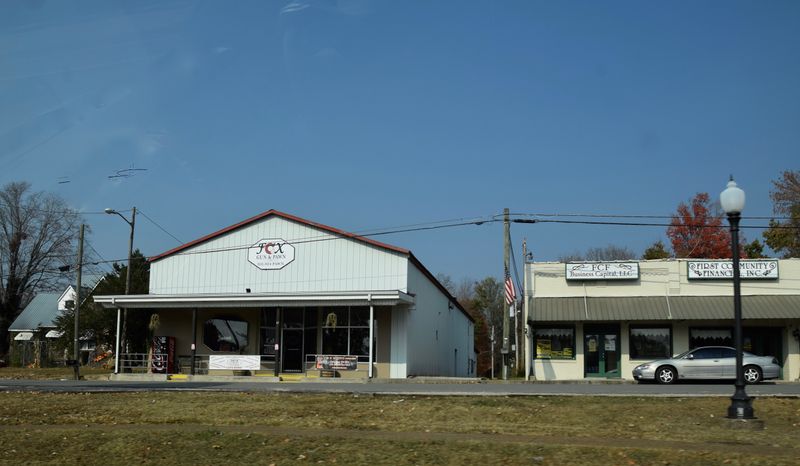
Interstate construction diverted the majority of through traffic away from Monteagle, fundamentally altering the town’s relationship with travelers.
What initially seemed economically devastating ultimately preserved community character, allowing local life to reassert itself after decades of serving transient populations.
Businesses that survived the transition did so by focusing on residents rather than visitors, creating establishments that function as genuine community gathering places.
The local diner serves breakfast to the same customers most mornings, hardware stores stock items that address actual regional needs rather than tourist impulses, and conversations proceed without the self-conscious performance that often characterizes tourist-dependent towns.
This shift restored balance between serving outsiders and sustaining community.
Visitors who arrive now encounter a functioning town rather than a stage set designed for their consumption.
Schools operate, local government addresses mundane infrastructure issues, and residents pursue lives that would continue unchanged if tourism ceased entirely.
That authenticity, ironically, makes Monteagle more appealing to certain travelers than any amount of deliberate development could achieve.
A Community That Preserves Its Old Mountain Identity
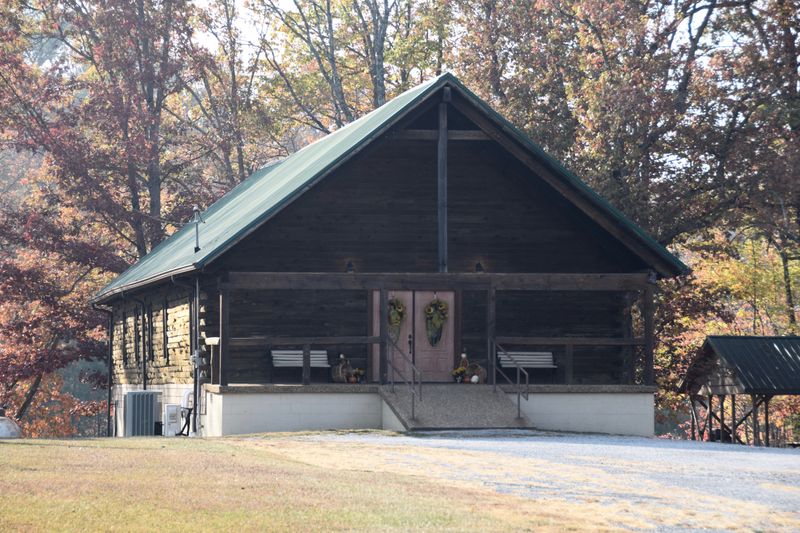
Mountain culture in Tennessee carries specific connotations regarding self-reliance, directness, and skepticism toward outside influence.
Monteagle embodies these qualities without performing them for tourist consumption, maintaining traditions because they remain functional rather than merely nostalgic.
Local knowledge still matters here in practical ways.
Residents understand which roads become impassable during winter storms, which wells produce reliable water during dry summers, and which neighbors possess skills that circumvent the need for expensive professional services.
This network of shared information and mutual assistance operates largely invisible to outsiders but constitutes the foundation of community resilience.
Preserving identity requires active choice in the face of pressures toward homogenization.
Monteagle resists becoming indistinguishable from suburban developments or generic tourist towns through countless small decisions about zoning, business licensing, and public investment.
The result feels organic rather than curated, a community that knows itself and declines to apologize for refusing to become something else.
Located along U.S.
Route 41 in southeastern Tennessee, the town occupies a position that could easily have led to complete transformation.
Quiet Evenings Under Plateau Skies
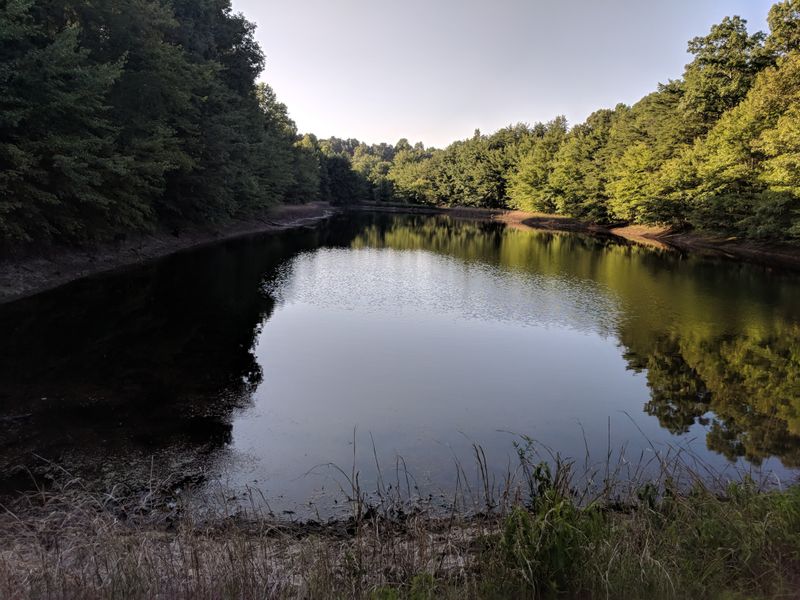
Darkness arrives thoroughly in Monteagle, undiminished by the light pollution that washes out night skies in more developed areas.
Stars appear in numbers that startle people accustomed to urban environments, and the Milky Way stretches visible across clear evenings with a clarity that seems almost archaic.
Evening routines here follow patterns established before electricity dominated human schedules.
Porches serve as primary gathering spaces during warm months, with conversations extending through twilight into full dark without the interruption of screens or the pressure of planned entertainment.
Silence becomes noticeable rather than uncomfortable, punctuated by natural sounds that urban dwellers might find unsettling in their intensity.
The quality of darkness affects sleep patterns and circadian rhythms in ways that residents rarely articulate but visitors often mention.
Without constant artificial light, bodies respond to natural cycles more readily, producing deeper rest and more energetic mornings.
This simple environmental factor contributes significantly to Monteagle’s reputation as a restorative destination, though few marketing materials identify it explicitly as such.
Why Monteagle Still Feels Like An Earlier Tennessee
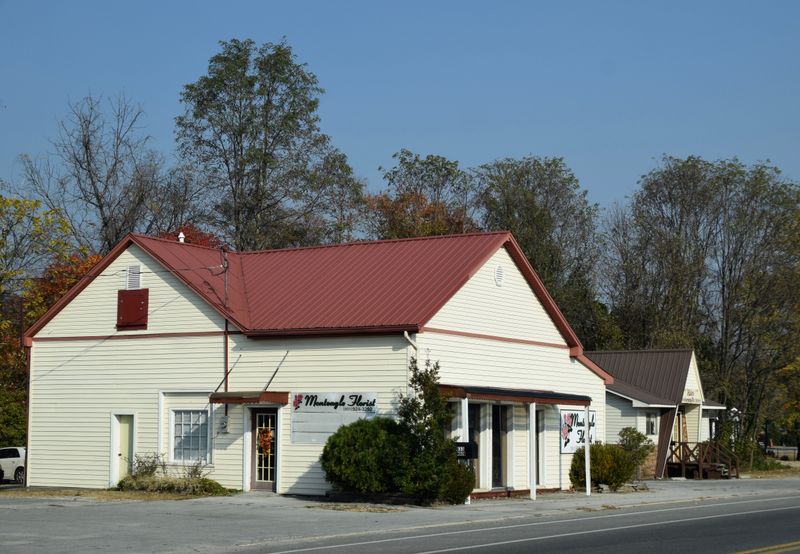
Temporal displacement describes the sensation many visitors experience in Monteagle, a feeling that decades have passed differently here than elsewhere.
This results not from deliberate preservation efforts but from geographic isolation and economic patterns that never demanded wholesale modernization.
Buildings remain in service long past their intended lifespan elsewhere, repaired and adapted rather than demolished and replaced.
Commercial architecture from the 1940s through 1960s dominates the streetscape, creating visual continuity with an era when regional character trumped national branding.
Even newer construction tends toward modest scale and traditional forms, avoiding the aggressive contemporaneity that announces itself in growing communities.
Social patterns mirror this physical continuity.
People know their neighbors by name, local institutions command genuine loyalty rather than mere patronage, and community decisions involve actual discussion among stakeholders rather than pronouncements from distant corporate offices.
These qualities characterized small-town Tennessee throughout the state’s history but survive now in increasingly rare pockets.
Monteagle represents one such pocket, valuable precisely because it never tried to become anything else.