
This Quiet Wisconsin Northwoods Village Is A Local Secret
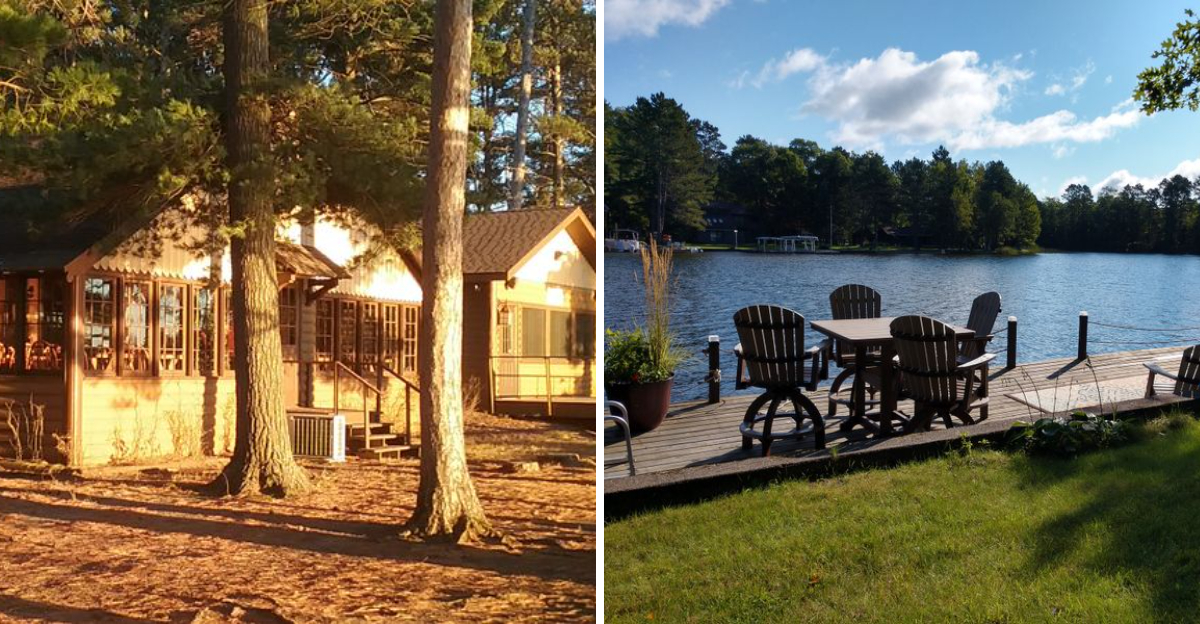
Manitowish Waters sits in the far north of Wisconsin, a village so small and so secluded that most travelers pass it by without a second thought.
Surrounded by ten pristine lakes and endless stretches of pine forest, it has remained largely untouched by the usual rush of tourism that defines other vacation towns.
The people who know it best are the ones who return year after year, drawn by the kind of quiet that feels earned rather than advertised.
This is a place where the rhythm of life follows the seasons, the water, and the habits of those who choose to stay.
A Northwoods Village Tucked Deep In Northern Wisconsin
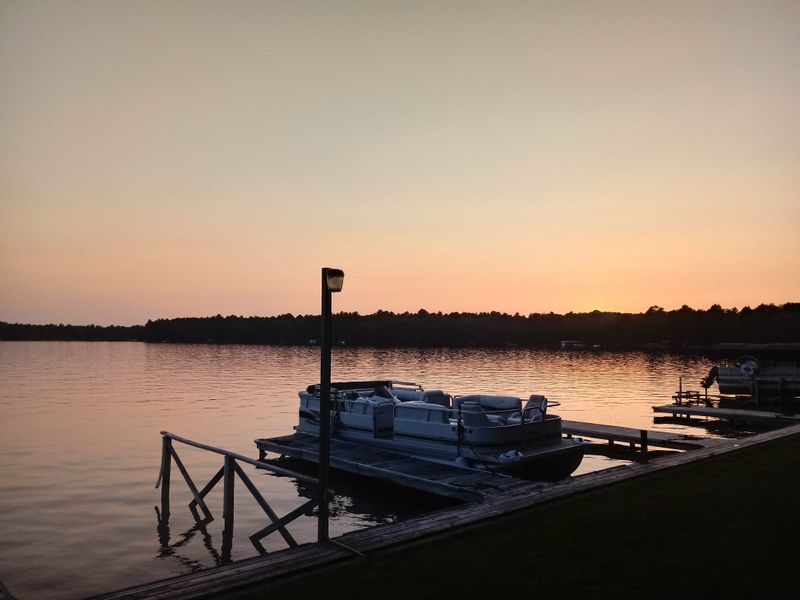
Manitowish Waters occupies a corner of Vilas County that feels deliberately removed from the rest of the state.
The village itself, with a population hovering just above 500, sits along County Road W, a road that winds through forest and wetland without much fanfare.
There are no billboards announcing its presence, no sprawling visitor centers at the town line.
What you find instead is a cluster of homes, a few modest businesses, and a community that has resisted the urge to expand beyond its natural boundaries.
The landscape here is defined by water and trees, with the village center serving as a quiet anchor rather than a destination in itself.
People who live here year-round speak of it with a kind of protective fondness, as though the place might lose something vital if too many outsiders arrived at once.
The address—Manitowish Waters, WI 54545—marks a location, but it also signals a way of life that prioritizes stillness over spectacle.
A Town Built Around A Legendary Chain Of Lakes
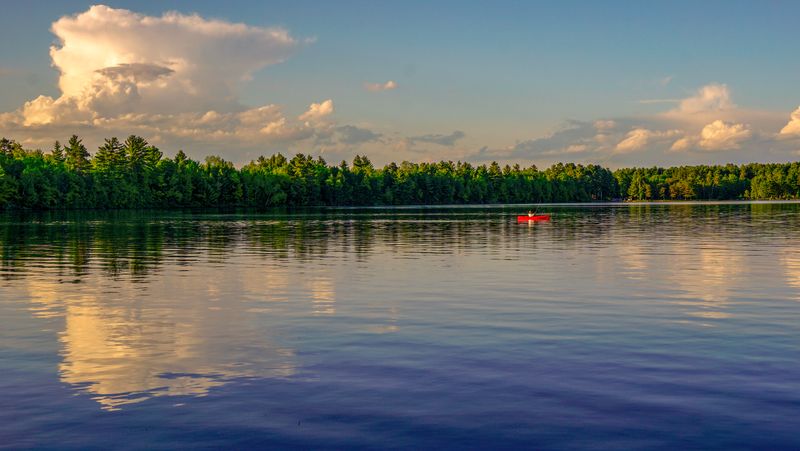
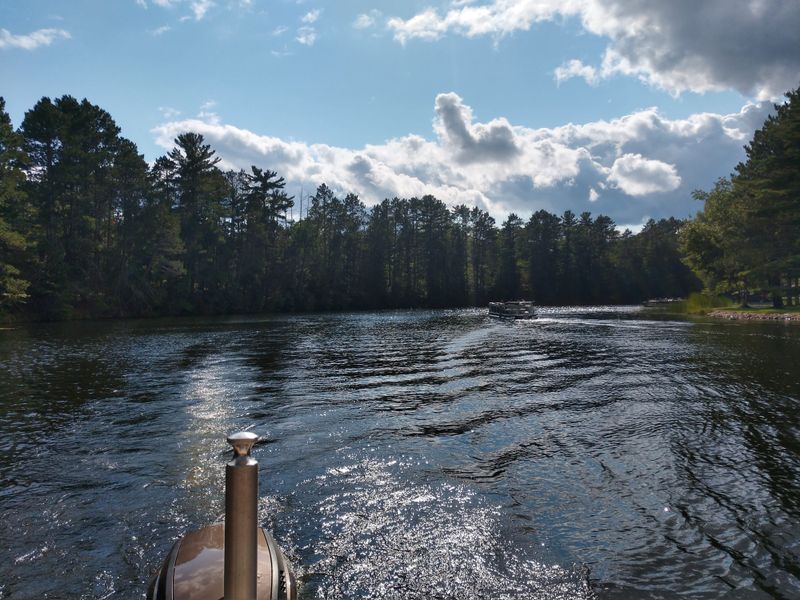
The ten lakes that surround Manitowish Waters form a connected system known locally as the Manitowish Chain.
Each body of water has its own character—some shallow and weedy, others deep and clear—but together they create a network that defines the town’s identity and daily routines.
Fishing guides have worked these waters for generations, passing down knowledge of where the walleye run in spring and where the muskie hide in summer.
Paddlers can spend entire afternoons moving from one lake to the next, following narrow channels that cut through stands of wild rice and lily pads.
The lakes are not dramatic in the way that mountain ranges or ocean cliffs command attention.
Their appeal lies in their consistency, their refusal to change much from one decade to the next.
Locals will tell you that the best way to understand Manitowish Waters is to spend time on the water itself, watching the light shift across the surface as the day moves forward.
Why Manitowish Waters Stays Off The Tourist Radar
Unlike towns that actively court visitors with festivals, waterparks, and aggressive marketing campaigns, Manitowish Waters has never pursued that kind of attention.
There is no boardwalk, no amusement district, no parade of souvenir shops lining the main road.
The businesses that do exist—a handful of restaurants, a small grocery, a few outfitters—cater primarily to the needs of residents and seasonal homeowners.
Tourism here is measured in fishing licenses and boat rentals, not in crowds or traffic jams.
The village lacks the infrastructure that would support a large influx of visitors, and there seems to be little interest in building it.
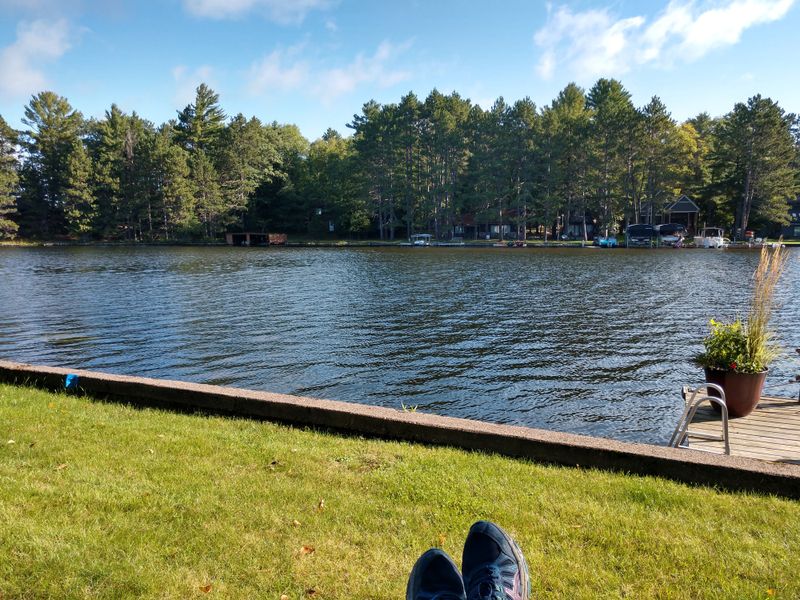
What this creates is a destination that appeals to a specific kind of traveler: someone looking for solitude rather than entertainment, someone content to spend hours on a dock with a book and a thermos of coffee.
The absence of tourist infrastructure is not a flaw but a feature, one that keeps the place feeling more like a refuge than a resort.
Quiet Weekends Defined By Water, Pines, And Silence
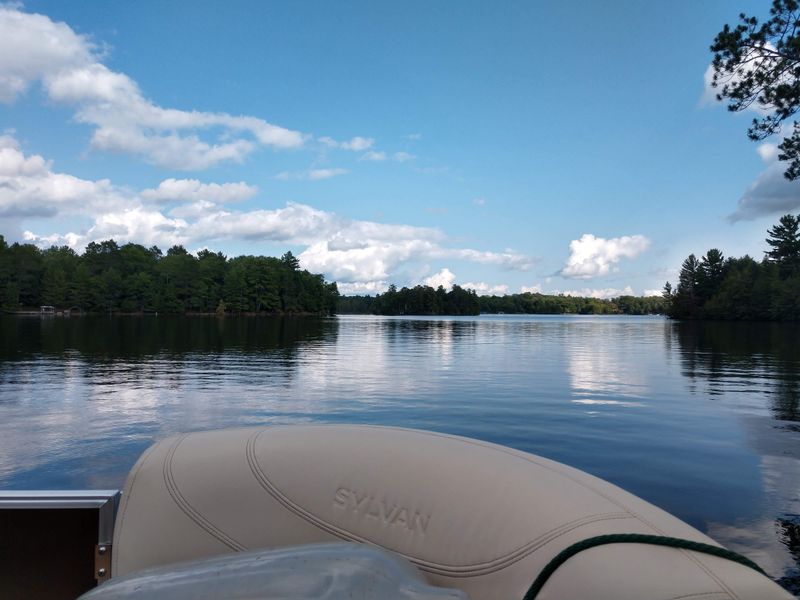
Weekends in Manitowish Waters unfold with a kind of deliberate slowness that can feel disorienting to anyone accustomed to overscheduled days.
Mornings begin with the sound of loons calling across the water, a sound so distinctive that it becomes a kind of natural alarm clock for those staying near the shore.
There is no rush to get anywhere, no list of must-see attractions demanding attention.
Instead, the day might involve a long paddle through the chain, a few hours casting for bass, or simply sitting on a porch watching the wind move through the pines.
Evenings are marked by the fading light on the water and the gradual appearance of stars overhead, unobscured by streetlights or ambient glow from nearby cities.
The silence here is not absolute—there are always birds, insects, the occasional boat motor in the distance—but it is profound enough to shift the pace of thought and conversation.
People who spend time here often remark on how quickly they lose track of what day it is.
Lake Life Without Crowds Or Resort Strips
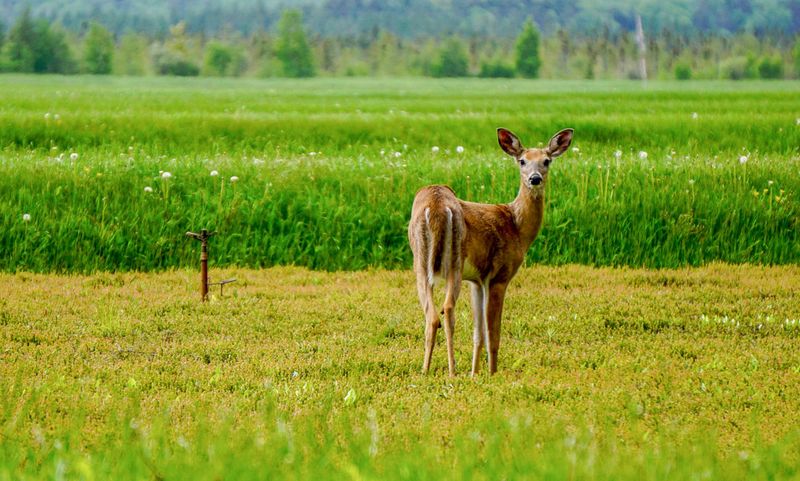
The shoreline around Manitowish Waters is dotted with private cabins and seasonal homes, but there is no continuous strip of development, no wall of condos blocking access to the water.
Much of the land remains forested, with homes set back among the trees rather than clustered side by side.
This spacing creates a sense of privacy that is increasingly rare on popular lakes, where every inch of waterfront seems claimed and maximized.
Here, you can paddle for an hour and encounter only a handful of other boats, each moving at the same unhurried pace.
The absence of large resorts means there are no jet ski rental stands, no beach bars blasting music, no organized water sports disrupting the calm.
What you get instead is a version of lake life that feels closer to what it might have been fifty years ago—unpolished, unpackaged, and largely self-directed.
People bring their own boats, catch their own fish, and make their own entertainment.
A Community Shaped By Fishing, Paddling, And Seasons
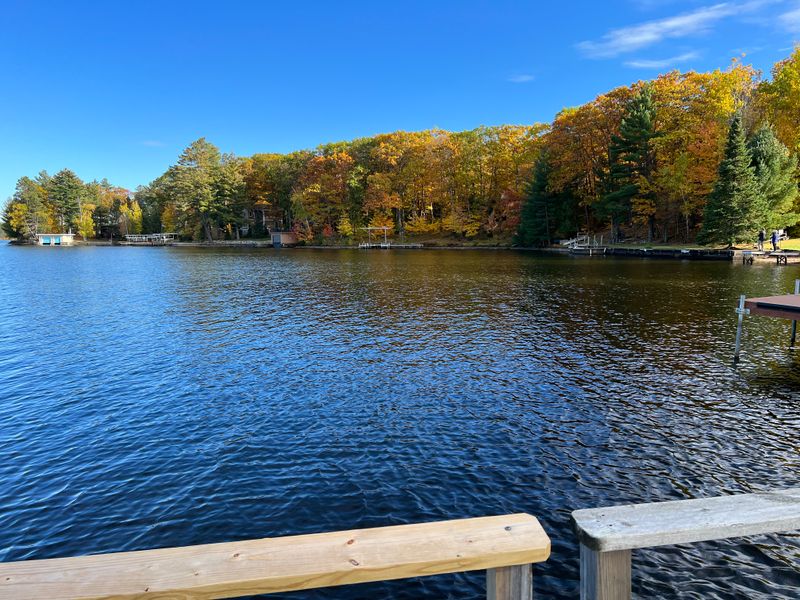
Life in Manitowish Waters revolves around activities that require patience and a willingness to work with the natural world rather than against it.
Fishing is not just a pastime but a central organizing principle, with locals tracking the movements of walleye, muskie, and northern pike with the kind of attention others reserve for stock prices or sports scores.
Paddling—whether by canoe, kayak, or stand-up board—is the primary means of exploring the chain, and it is common to see people of all ages out on the water, moving quietly from lake to lake.
The rhythm of the year is marked by seasonal shifts: ice fishing in winter, spawning runs in spring, lazy afternoons in summer, and the brilliant color of autumn reflected in still water.
There is little here that happens quickly or on demand.
Everything requires timing, knowledge, and a certain amount of humility in the face of weather and wildlife.
Small-Town Scale That Keeps Life Unhurried
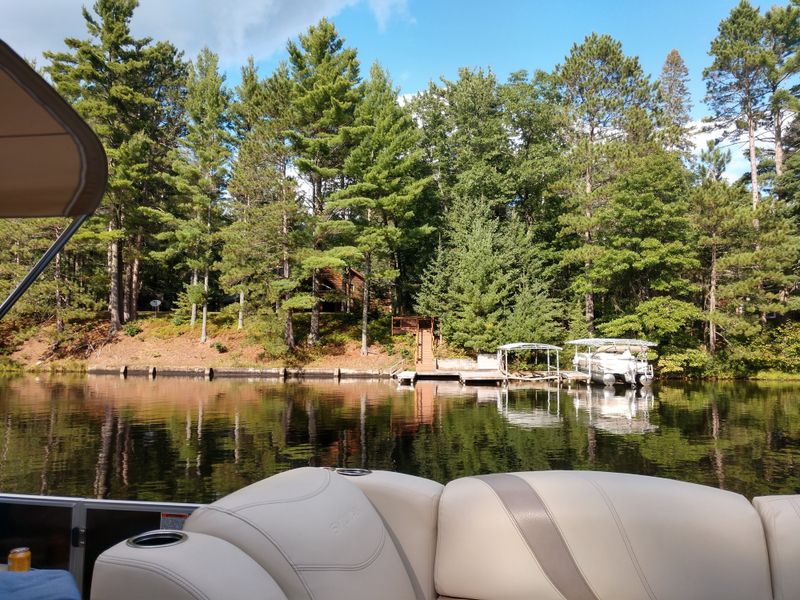
With a population that barely tops 500, Manitowish Waters operates on a scale that makes anonymity nearly impossible.
People know each other by name, by boat, by the time of day they typically head out onto the water.
There is one post office, one library, and a general understanding that if you need something specific, you will probably have to drive to a larger town.
This smallness has a way of slowing everything down, not through inconvenience but through the absence of urgency.
There are no traffic lights, no rush-hour commutes, no lines at the grocery store.
What might feel limiting in another context becomes liberating here, where the lack of options forces a kind of simplicity.
Meals are cooked at home, entertainment is self-generated, and social life revolves around informal gatherings rather than scheduled events.
The town’s size is not a limitation but a defining feature, one that shapes the pace and texture of everyday life in ways that larger communities cannot replicate.
Forests And Waterways Surround Everyday Life
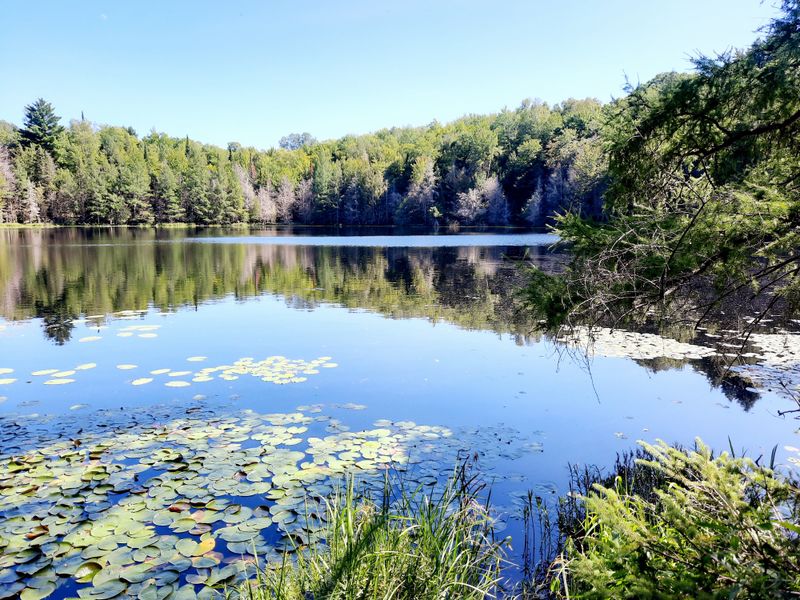
Step outside almost anywhere in Manitowish Waters and you are immediately within sight of either water or woods, often both.
The forest here is predominantly pine, with birch and aspen mixed in, creating a canopy that filters the light and muffles sound in a way that urban environments never manage.
The waterways—lakes, streams, and wetlands—are not separate from the town but woven into its fabric, shaping where people live, how they move, and what they do with their time.
There are no sprawling parking lots, no industrial zones, no stretches of concrete that dominate the landscape.
Instead, the built environment exists in constant negotiation with the natural one, with roads curving around wetlands and homes positioned to preserve sightlines to the water.
This proximity to wilderness is not incidental but central to the town’s identity.
People who live here speak of the forest and the lakes not as amenities but as neighbors, entities with their own moods and rhythms that must be respected.
A Village Known More To Locals Than Visitors
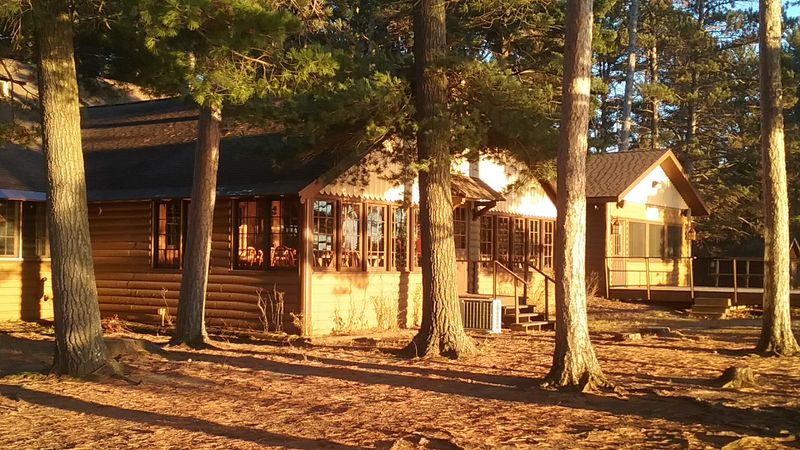
Ask most people outside of northern Wisconsin about Manitowish Waters and you will likely be met with blank stares.
The village has no national park designation, no famous historical site, no claim to fame that would place it on a typical travel itinerary.
Its reputation, such as it is, exists almost entirely within the state, passed along by word of mouth among fishing enthusiasts and families with generational ties to the area.
This obscurity is not accidental but the result of a community that has never sought the spotlight.
There are no PR campaigns, no efforts to brand the town as the next great getaway.
What this means is that the people who do find their way here tend to be those with specific interests—serious anglers, paddlers looking for quiet water, or families returning to cabins that have been in their possession for decades.
The village remains largely invisible to the casual tourist, and that invisibility is precisely what makes it valuable to those who know it well.
Even Summer Feels Calm Here
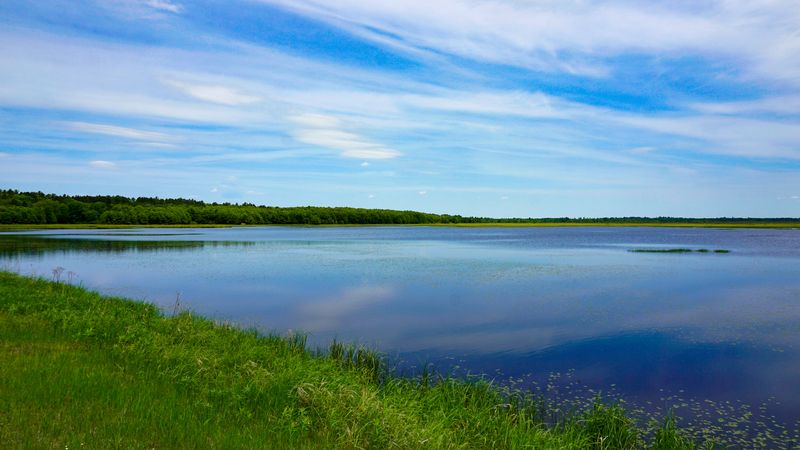
Summer in most lake towns means crowds, noise, and a kind of frantic energy as people try to pack as much activity as possible into a short season.
Manitowish Waters, by contrast, remains remarkably subdued even during the busiest months.
The lakes see more traffic, certainly, and the few restaurants fill up during dinner hours, but there is no sense of the place being overrun.
Part of this is due to the lack of large resorts or rental properties that might bring in waves of short-term visitors.
Most of the people here in summer are either residents or seasonal homeowners, individuals with a vested interest in maintaining the area’s character.
The result is a summer that feels less like a peak season and more like an extended version of the rest of the year—a little busier, a little warmer, but still fundamentally quiet.
You can still find stretches of shoreline with no one else in sight, still spend an afternoon on the water without encountering a single jet ski.
Where The Northwoods Rhythm Never Changes
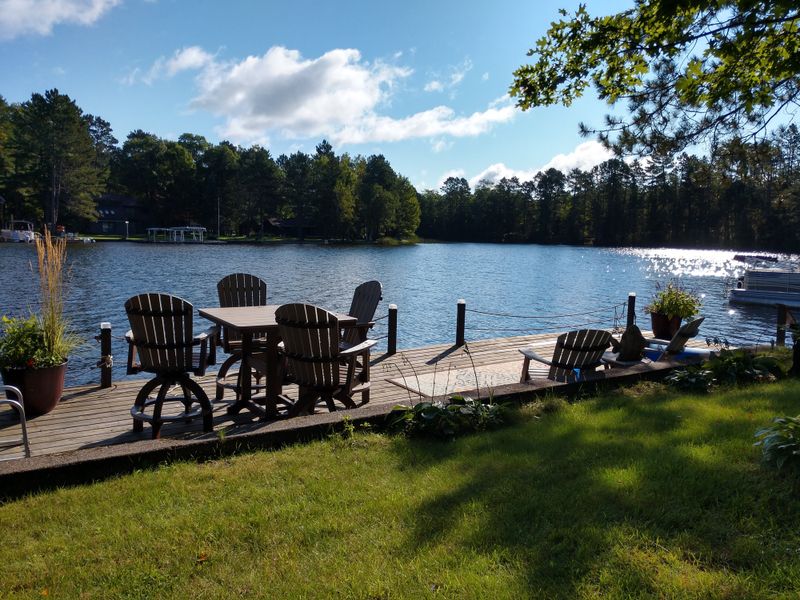
There is a particular cadence to life in the Northwoods, a rhythm dictated by daylight, weather, and the behavior of wildlife.
Manitowish Waters adheres to this rhythm with a kind of stubborn consistency that resists outside pressures to modernize or accelerate.
People wake with the sun, move through the day at a pace determined by the task at hand, and settle in as darkness falls.
This is not a place where trends take hold quickly or where new developments disrupt established patterns.
The same fishing spots produce the same results, the same trails lead to the same views, and the same conversations unfold on the same porches year after year.
For some, this constancy might feel stifling, but for those who value predictability and continuity, it is deeply reassuring.
The Northwoods rhythm is not about excitement or novelty but about the quiet satisfaction of knowing what to expect and finding comfort in that knowledge.
Why Manitowish Waters Remains A True Local Secret
The phrase ‘local secret’ gets thrown around so often that it has lost much of its meaning, applied to any place that has not yet been completely overrun by tourists.
Manitowish Waters, however, earns the designation in a way that few places can.
Its remoteness, its lack of conventional attractions, and its community’s disinterest in promotion have combined to keep it off the radar of all but the most dedicated seekers of solitude.
There is no viral Instagram moment here, no single feature that lends itself to easy marketing.
What the village offers instead is cumulative and subtle—a collection of small pleasures that reveal themselves slowly and only to those willing to stay awhile.
The people who return year after year do so not because the place has changed but because it has not.
In a world where so many destinations seem to be racing toward sameness, Manitowish Waters remains defiantly itself, a true local secret in every sense of the term.