
Discover Arizona’s Remote Slot Canyon That Will Leave You Speechless
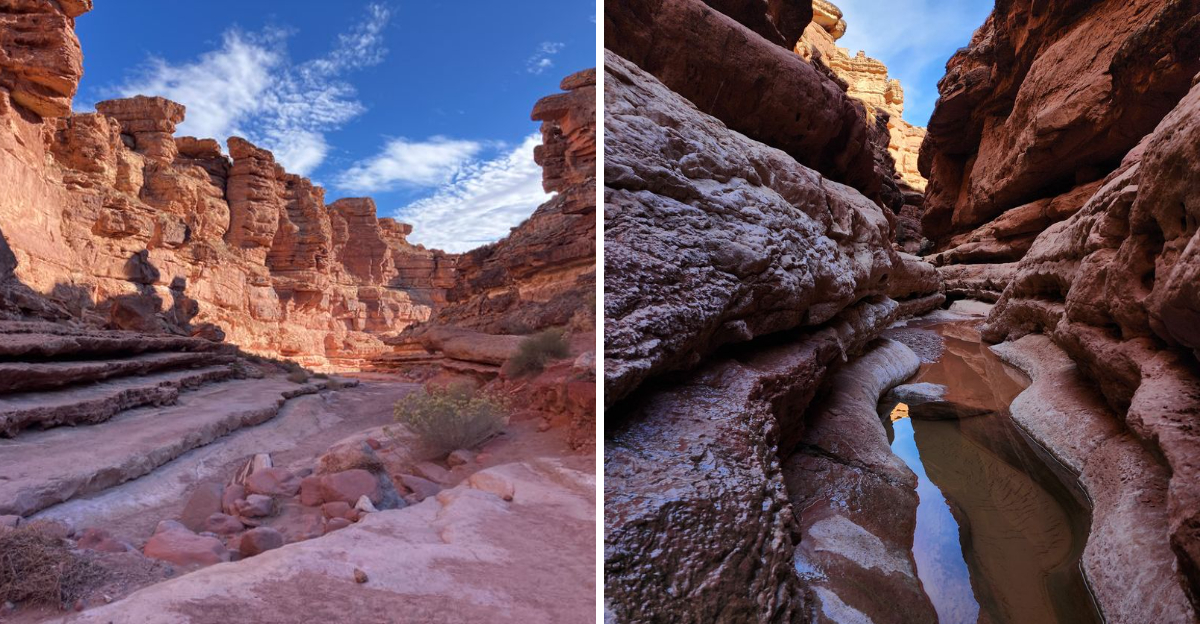
Cathedral Wash Trail in Arizona offers one of the most secluded slot canyon experiences in the American Southwest.
Carved into the landscape near the Colorado River, this narrow passageway delivers stunning rock formations, natural scrambles, and a sense of discovery that feels refreshingly untouched.
Unlike more famous slot canyons that require permits and guided tours, Cathedral Wash welcomes adventurous hikers willing to navigate its twisting, shadowed corridors on their own terms.
A Remote Slot Canyon Hidden Near The Colorado River
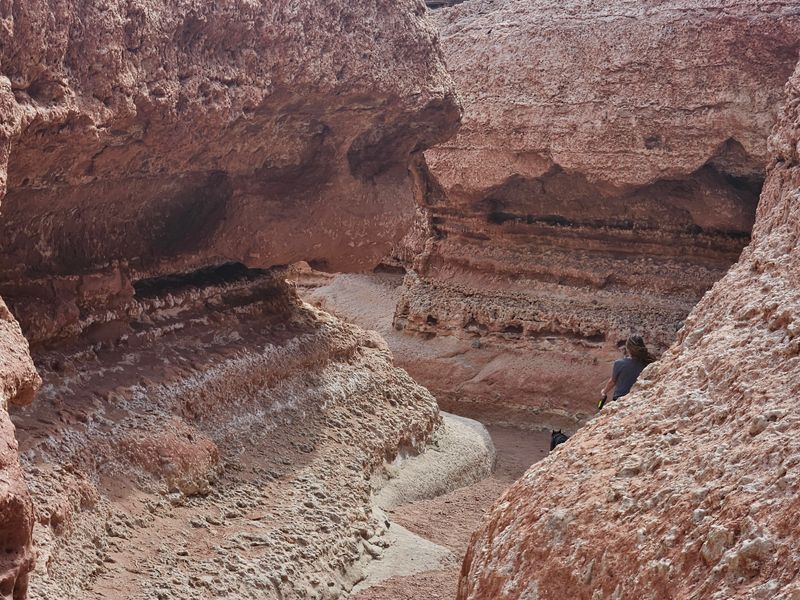
Cathedral Wash Trail sits tucked away in a landscape where few casual tourists venture, positioned along Arizona 86036 in the high desert country near Lake Powell.
Access requires a deliberate journey off the main highway, and the trailhead itself offers little fanfare—no visitor center, no paved parking lot, just open country and the promise of something extraordinary below.
The remoteness becomes part of the experience, allowing hikers to feel genuinely separated from the crowds that gather at more publicized Arizona destinations.
Once you begin the descent, the terrain shifts dramatically.
What starts as barren desert quickly gives way to sculpted sandstone walls that rise higher with each step forward.
The canyon’s location near the Colorado River means the geological forces at work here have been shaping rock for millions of years, creating a corridor that feels both ancient and alive.
Few places in Arizona offer this combination of isolation and natural drama, making Cathedral Wash a destination worth seeking out for those craving authentic wilderness encounters.
Why Cathedral Wash Feels More Isolated Than Most Arizona Canyons
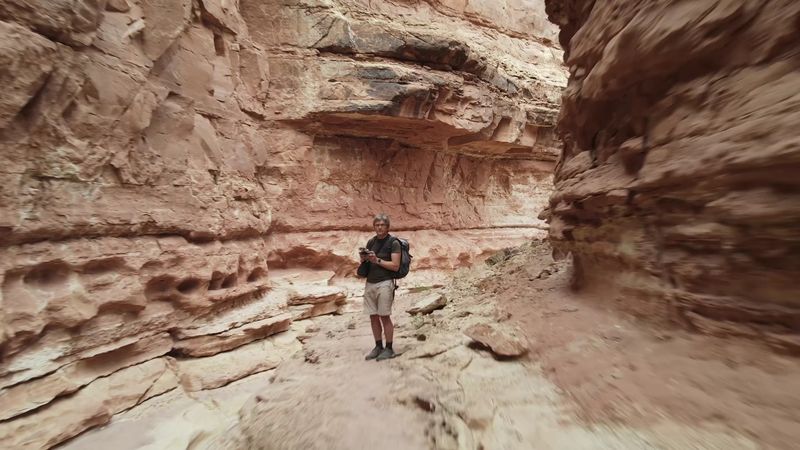
Visiting Cathedral Wash means accepting that you will likely encounter no one else during your hike.
Unlike Antelope Canyon or Buckskin Gulch, which have become fixtures on travel Instagram feeds and tour operator itineraries, Cathedral Wash remains largely unknown outside serious hiking communities.
The absence of signage, facilities, and formal trails contributes to this sense of seclusion, as does the canyon’s distance from major population centers.
The isolation here is not accidental.
The terrain demands a certain level of fitness and route-finding ability, which naturally filters out casual day-trippers.
There are no railings, no marked paths through the narrows, and no guarantee that conditions will remain stable throughout your visit.
This remoteness carries both appeal and responsibility.
Hikers must be prepared to navigate independently, carry sufficient water, and understand the risks associated with slot canyons in desert environments.
The reward for this self-reliance is an experience that feels genuinely personal, where the canyon reveals itself to you alone.
Towering Narrows Carved By Flash Floods Over Millennia
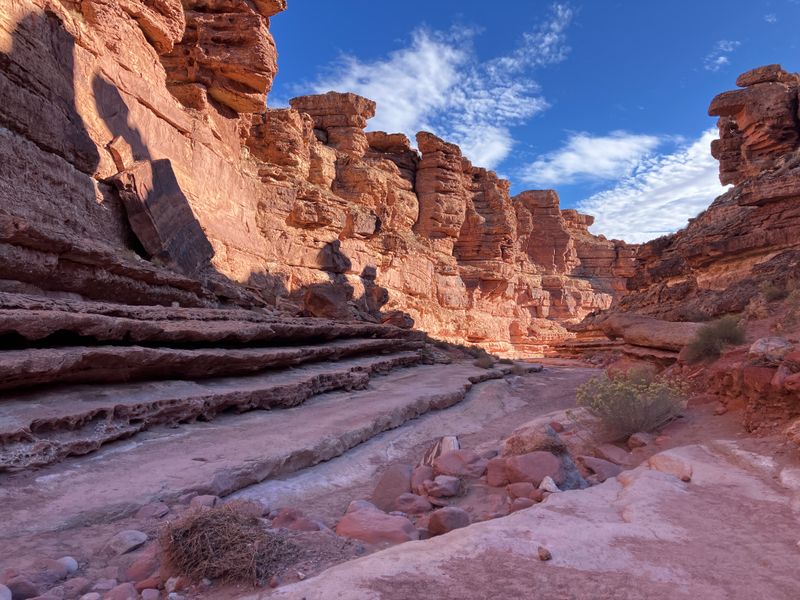
Walking through Cathedral Wash means moving through a geological archive written in stone.
The narrows here were not carved by gentle streams or gradual erosion but by the violent force of flash floods that have surged through this drainage for thousands of years.
Each rainstorm in the surrounding watershed funnels water into this single channel, where it picks up speed and power, grinding away at the sandstone walls and deepening the canyon inch by inch.
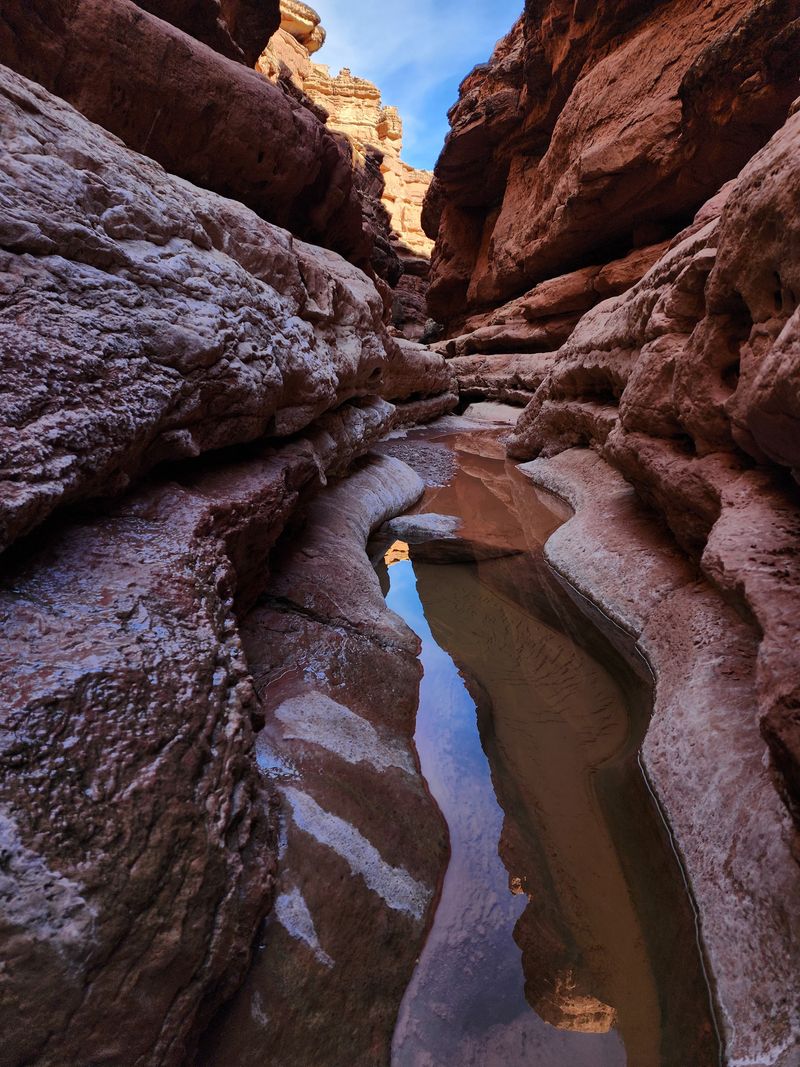
The result is a corridor where walls tower overhead, sometimes reaching heights that block out direct sunlight entirely.
The rock surfaces show clear evidence of water’s work—smooth curves, polished faces, and sculpted alcoves that could only form under sustained hydraulic pressure.
The colors shift from pale cream to deep rust, revealing layers of sediment deposited across geological epochs.
Understanding the forces that created this place adds depth to the experience.
Every curve and contour tells a story of water, time, and relentless natural processes.
The Quiet Descent From Open Desert Into Canyon Shadows
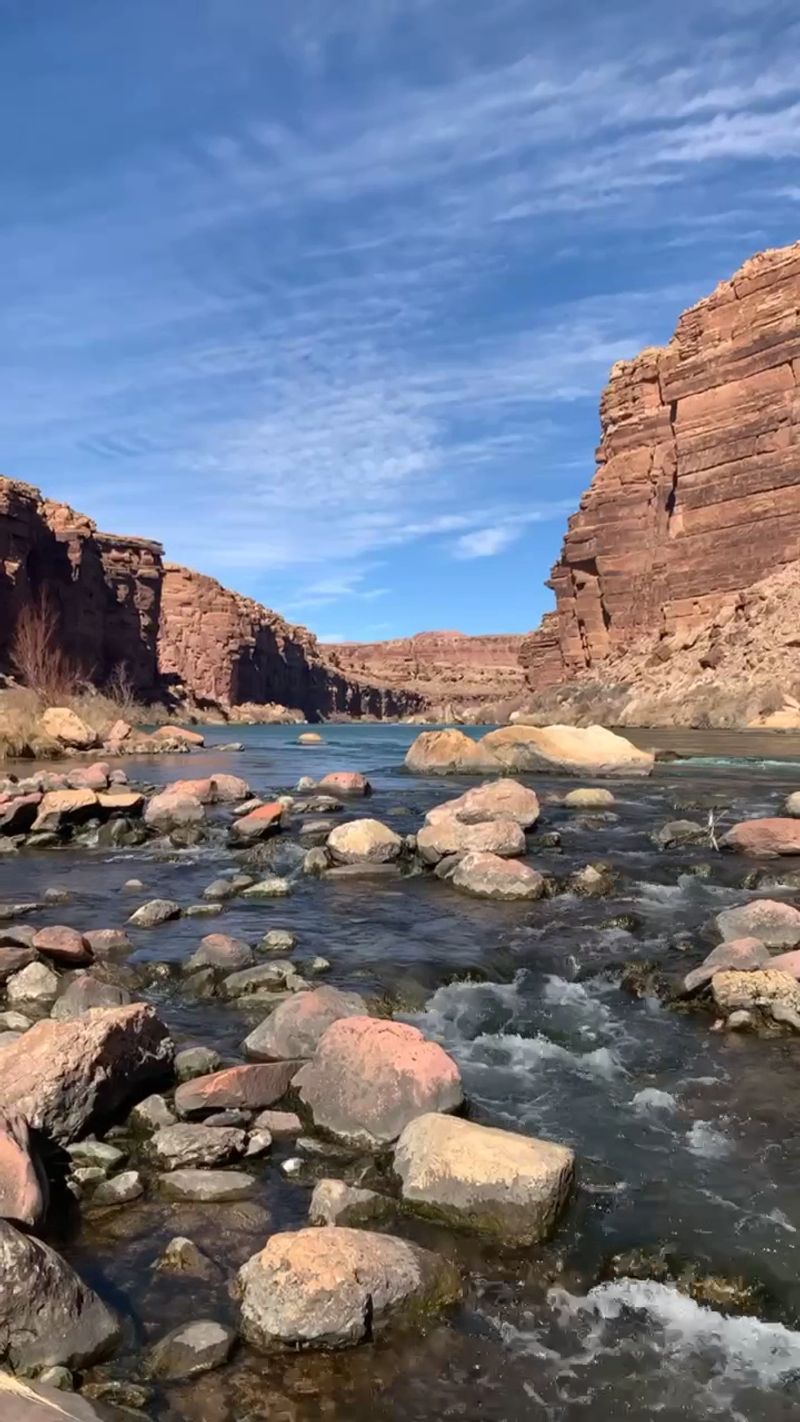
Cathedral Wash begins not with fanfare but with subtlety.
The initial approach crosses flat desert terrain where sagebrush and scattered rock mark the landscape, offering little hint of what lies ahead.
Then the ground begins to dip, almost imperceptibly at first, as the wash starts to cut into the earth.
Within minutes, the walls begin to rise around you.
Sunlight still reaches the canyon floor at this stage, but the quality of light changes as sandstone surfaces reflect and diffuse the rays.
The temperature drops noticeably as you move deeper, and the sounds of the desert—wind, birds, the crunch of boots on gravel—take on a different character in the enclosed space.
This gradual transition allows hikers to adjust mentally and physically to the environment.
There is no sudden plunge into darkness, no jarring shift from one landscape to another.
Instead, the canyon welcomes you slowly, drawing you deeper into its folds with each step until you realize you have entered a completely different world.
Natural Rock Scrambles That Make The Journey An Adventure
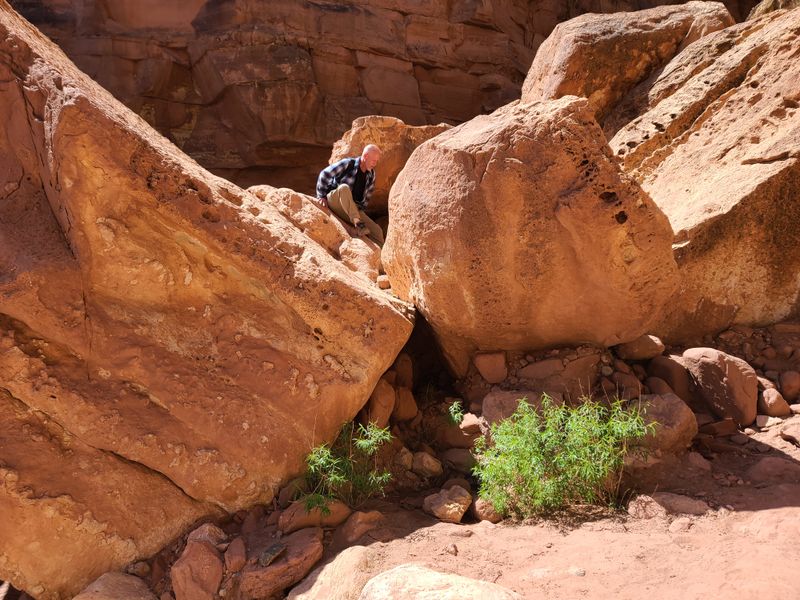
Cathedral Wash is not a walk on groomed trails.
The route demands engagement, requiring hikers to scramble over boulders, navigate uneven surfaces, and occasionally use hands as well as feet to progress through tighter sections.
These natural obstacles are part of what makes the experience memorable—they transform a simple hike into an active exploration where every turn presents a new challenge.
Some boulders sit wedged between canyon walls, creating natural chockstones that must be climbed over or around.
Other sections feature slickrock slopes where careful foot placement becomes essential.
The scrambles are never technical enough to require ropes or specialized gear, but they do demand attention and a willingness to move beyond comfort zones.
For many hikers, these physical challenges enhance the sense of accomplishment.
Reaching the Colorado River at the canyon’s end feels earned rather than given, a reward for persistence and careful navigation.
The scrambles also ensure that Cathedral Wash remains a destination for those seeking genuine adventure rather than passive observation.
How The Canyon Changes Shape, Light, And Mood As You Move Through It
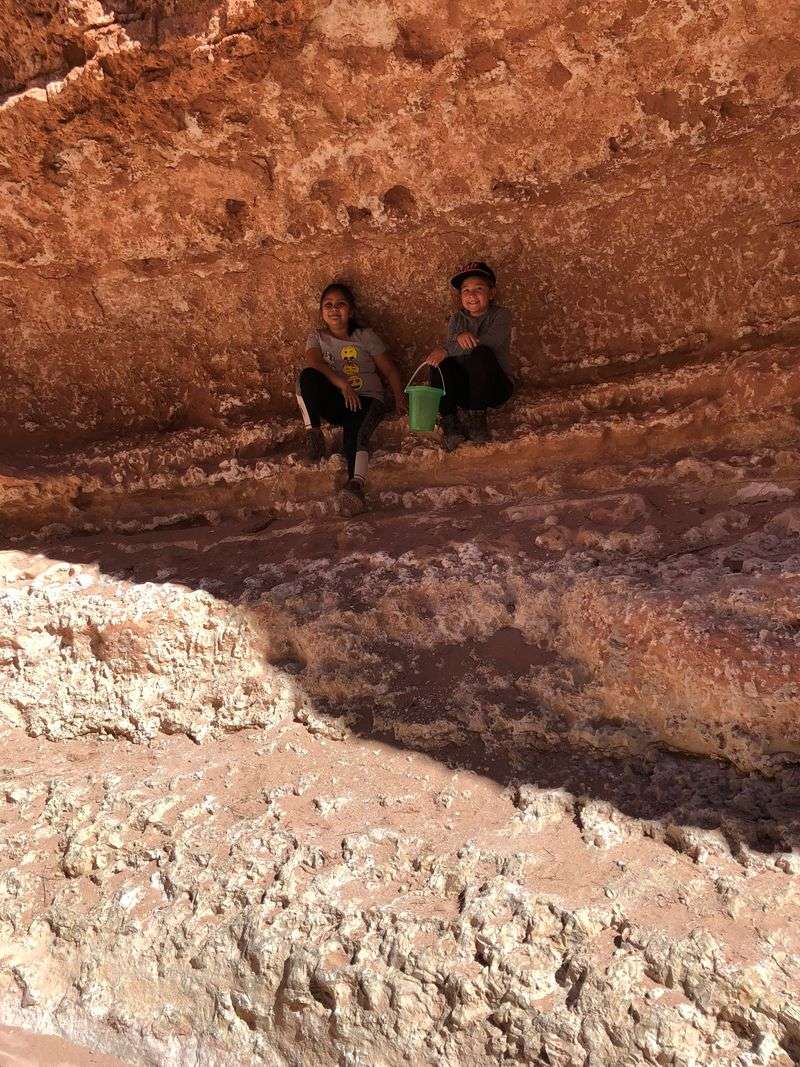
No two sections of Cathedral Wash feel identical.
The canyon constantly reinvents itself as you progress, widening into open chambers before constricting again into passages so narrow that shoulders nearly brush both walls simultaneously.
These variations in width create corresponding shifts in atmosphere—some sections feel expansive and airy, while others press close with an almost tangible weight.
Light behaves differently depending on the time of day and the canyon’s orientation.
Morning sun may illuminate one section with golden warmth while leaving another in cool shadow.
Midday light penetrates the deepest narrows with a diffused glow that makes the sandstone appear to radiate from within.
Late afternoon brings long shadows and rich contrasts that emphasize every texture and contour.
The mood shifts along with these physical changes.
Moments of quiet introspection in shadowed narrows give way to exhilaration in open stretches where the sky reappears overhead.
This dynamic quality keeps the hike engaging from start to finish, ensuring that boredom never settles in.
A Rare Slot Canyon Experience Without Permits Or Tour Groups
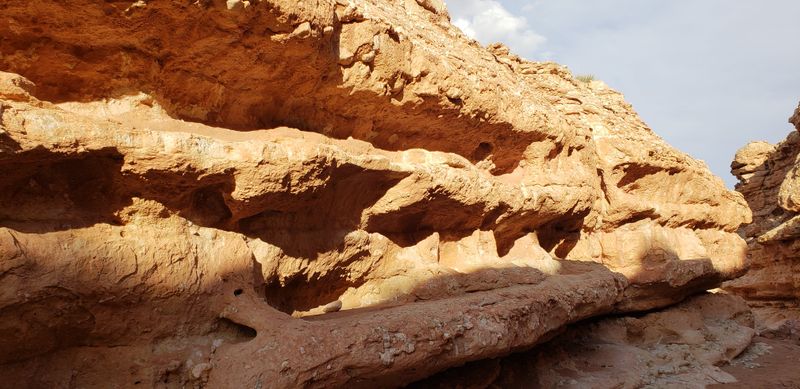
One of Cathedral Wash’s most appealing qualities is its accessibility without bureaucratic barriers.
Many of Arizona’s premier slot canyons require advance permits, lottery entries, or mandatory guided tours—systems designed to manage crowds and protect fragile environments.
Cathedral Wash operates under no such restrictions, allowing hikers to arrive when conditions suit them and explore at their own pace.
This freedom extends to group size, timing, and route choices.
There are no designated time slots, no guides rushing you through photogenic sections, and no crowds queuing for their turn in the narrows.
The experience remains fundamentally personal, shaped by individual decisions rather than institutional requirements.
The absence of permits does not mean the canyon is unregulated wilderness—basic Leave No Trace principles apply, and hikers bear full responsibility for their safety.
But for those who value spontaneity and independence, the ability to simply arrive and begin hiking represents a rare luxury in an era of increasingly managed outdoor recreation.
Why Timing Matters: Best Seasons And Light Conditions
Cathedral Wash rewards careful planning when it comes to timing.
Spring and fall offer the most comfortable temperatures, with daytime highs that make desert hiking pleasant rather than punishing.
Summer brings extreme heat that can turn the exposed approach into an ordeal, while winter may leave sections of the canyon floor icy and treacherous after storms.
Light conditions vary dramatically with the seasons and time of day.
Photographers often prefer the softer light of early morning or late afternoon, when the sun sits low enough to create dramatic contrasts without harsh overhead glare.
Midday visits during summer months may illuminate the deepest sections of the canyon that remain shadowed at other times, though the heat trade-off is significant.
Weather patterns also influence timing decisions.
Monsoon season, typically July through September, brings the highest flash flood risk and should be avoided entirely.
Checking forecasts not just for the immediate area but for the entire upstream watershed becomes essential before committing to a hike through any slot canyon in Arizona.
The Moment Cathedral Wash Opens To The Colorado River

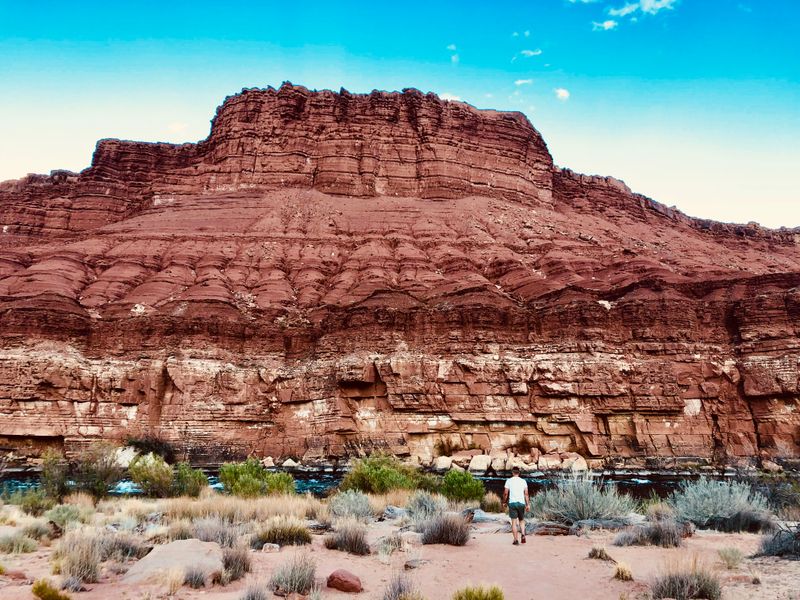
After navigating the twists and constrictions of the canyon, the sudden appearance of the Colorado River feels almost surreal.
The narrows widen, the walls step back, and there it is—a broad ribbon of water cutting through the desert landscape, utterly different in character from the enclosed world you have been moving through.
The contrast is immediate and striking.
The river here flows with surprising force, its current visible in the way it moves past rocks and bends around obstacles.
The water carries a distinctive color, tinted by suspended sediment from upstream reaches, and the sound of its movement provides a constant backdrop to the otherwise quiet scene.
Standing at this confluence point, where canyon meets river, creates a sense of arrival that few hiking destinations can match.
Many hikers linger here, resting on riverside rocks and absorbing the achievement of the journey.
The return trip through the canyon will be different—familiar territory seen from a new perspective, with the satisfaction of completion coloring every step.
Safety Considerations In A Remote Arizona Slot Canyon
Cathedral Wash demands respect and preparation.
Flash floods represent the most serious hazard, capable of transforming a dry canyon into a deadly torrent within minutes.
Checking weather forecasts for the entire region—not just the immediate area—is mandatory before entering.
Even distant storms can send water rushing through the canyon, and there are sections where escape to higher ground is impossible.
Navigation challenges also require attention.
The canyon offers no marked trail, and some route-finding ability proves essential.
Carrying adequate water, typically at least two liters per person, becomes critical in the desert environment where temperatures can soar and shade is limited on the approach.
Cell phone coverage is nonexistent in the canyon, meaning emergencies must be handled with available resources.
Informing someone of your plans and expected return time provides a basic safety net.
The remoteness that makes Cathedral Wash appealing also means rescue would be delayed and difficult.
Proper preparation transforms these risks from threats into manageable considerations.
Why Cathedral Wash Leaves A Lasting Impression Long After The Hike Ends

Some places fade from memory once you leave them, their details blurring into generic recollections of scenery and exertion.
Cathedral Wash is not one of those places.
The combination of isolation, physical challenge, and raw natural beauty creates an experience that lingers, surfacing in quiet moments long after you have returned to everyday life.
Perhaps it is the way the canyon made you feel small against geological time, or the satisfaction of navigating its challenges without assistance.
Maybe it is the memory of standing at the Colorado River after earning that view through effort and attention.
Whatever the specific trigger, Cathedral Wash tends to occupy a special category in hiking memories—the kind of place you find yourself describing to friends and recommending without hesitation.
The canyon’s relative obscurity means that discovering it feels like finding something genuinely your own, a secret worth keeping even as you share it with those who will appreciate its character.
That sense of personal connection is what transforms a good hike into a memorable one.