
This California Lakeside Town Feels Like A World Away From The Freeways
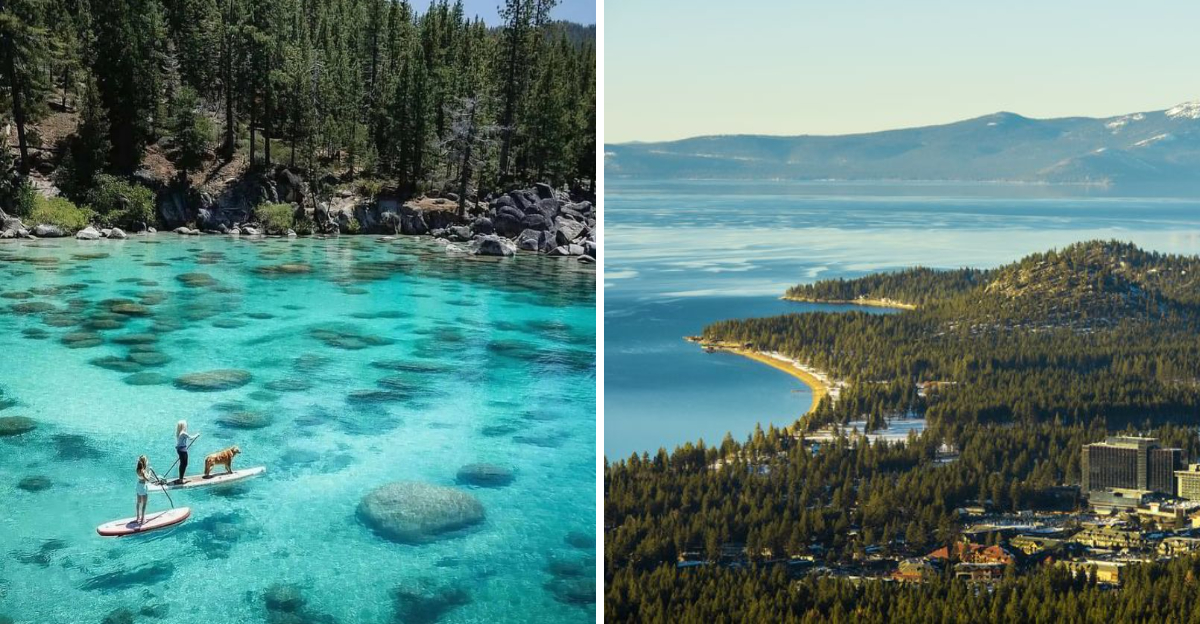
South Lake Tahoe sits at the edge of California’s largest alpine lake, far from the concrete sprawl and endless lanes that define much of the state.
The town is hemmed in by mountains, forests, and water, creating a pocket of calm that feels disconnected from the freeway culture most Californians know too well.
Visiting here means trading traffic noise for wind in the pines and swapping billboards for granite peaks that rise straight from the shoreline.
No Major Freeways Run Through Town
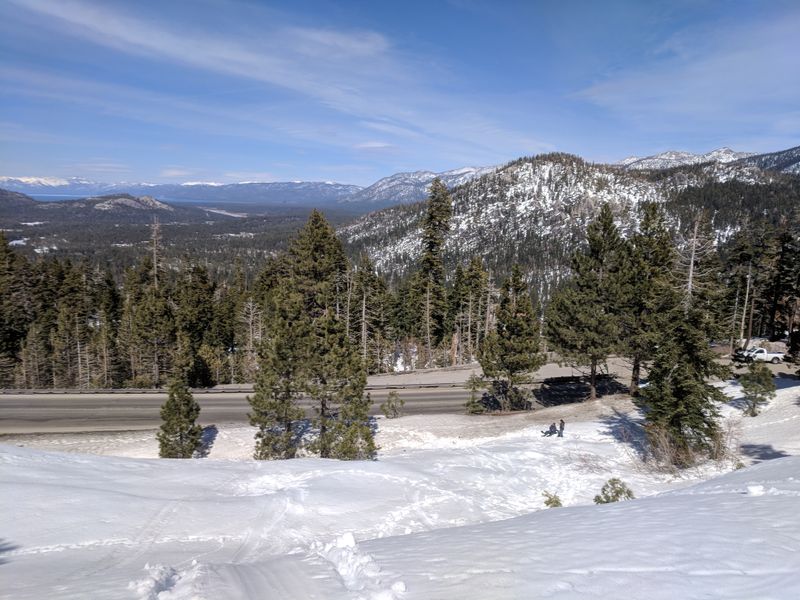
Arriving in South Lake Tahoe requires patience and intention.
There are no eight-lane highways cutting through the center, no cloverleaf interchanges casting shadows over neighborhoods.
Instead, two-lane roads wind through the forest, slowing your speed and shifting your focus from destination to surroundings.
The main routes into town—Highway 50 from the west and Highway 89 from the north—are scenic byways, not freeways.
They curve around boulders, follow the contours of the lake, and force drivers to pay attention.
Traffic lights are few, and stop signs appear at intersections framed by towering pines.
This lack of freeway infrastructure is deliberate.
South Lake Tahoe’s location within the Tahoe Basin, a protected watershed, limits large-scale development.
The result is a town that feels insulated from the rest of California, where getting there is part of the experience rather than an inconvenience to endure.
The Shoreline Matters More Than Traffic
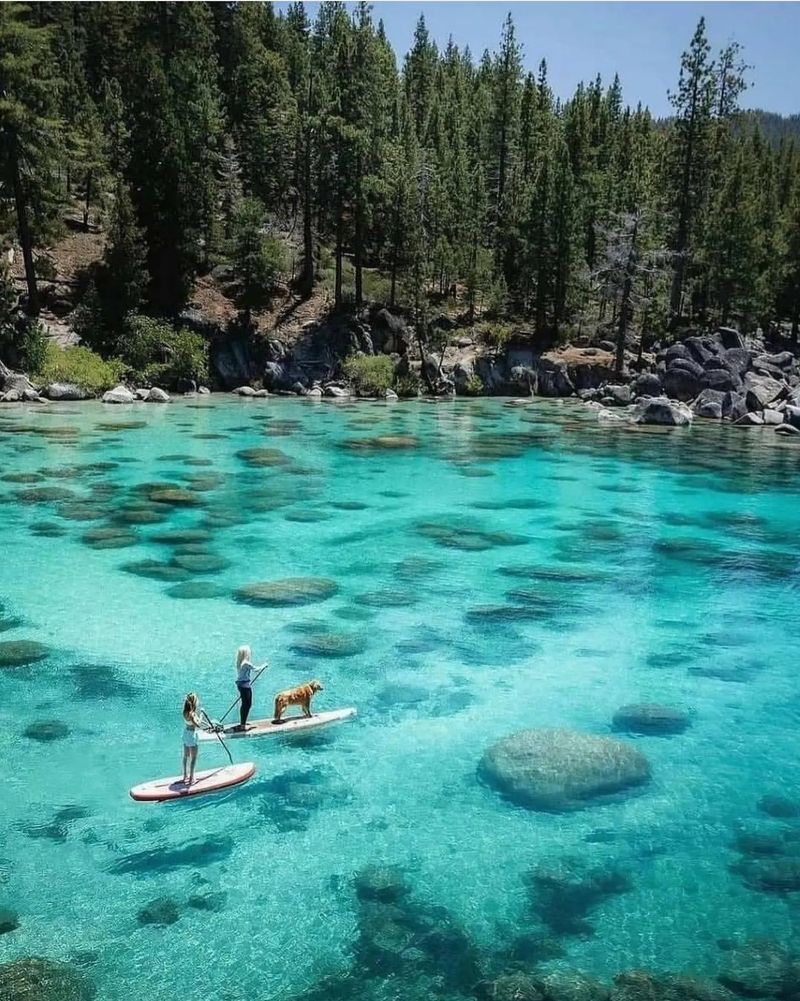
In South Lake Tahoe, the lake itself dictates the layout of daily life.
Streets run parallel to the water, and most residents orient their routines around proximity to the shore rather than convenience to a highway exit.
Morning walks happen on beaches, not sidewalks beside roaring intersections.
Lake Tahoe Boulevard, the town’s main artery, hugs the southern shore and offers constant views of blue water framed by mountains.
Even during peak tourist season, the rhythm here stays tied to the natural landscape.
People stop to watch the light change on the water, not to check traffic apps.
Beaches like El Dorado and Nevada Beach sit within walking or biking distance of most neighborhoods.
Access points are frequent, unmarked by the kind of signage that clutters coastal towns closer to Los Angeles or San Francisco.
The shoreline becomes the center of gravity, pulling people toward open space instead of asphalt.
Forests And Peaks Quiet The Town
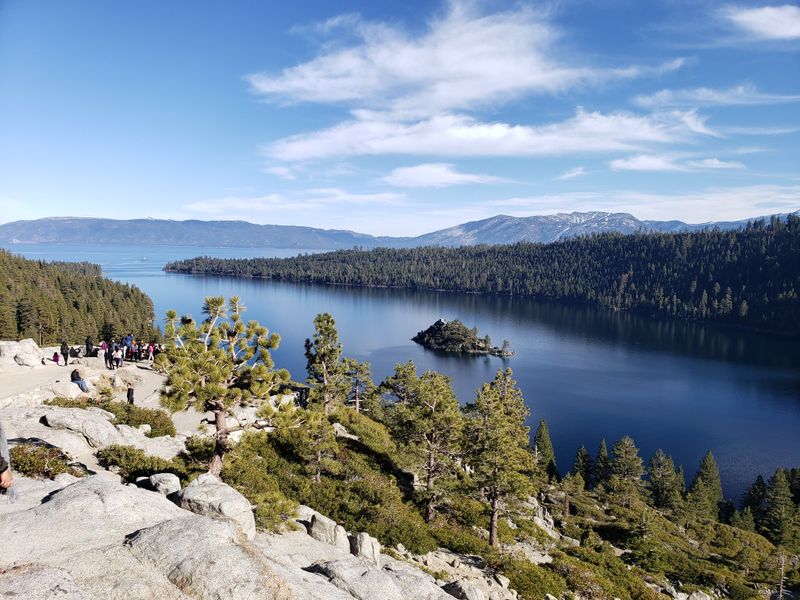
South Lake Tahoe is surrounded by wilderness on three sides, with the Sierra Nevada rising sharply to the west and national forest land stretching north and south.
This natural buffer absorbs sound, filters air, and creates a sense of enclosure that feels protective rather than confining.
The hum of traffic is replaced by wind moving through branches.
Mount Tallac, one of the most prominent peaks visible from town, rises to over 9,700 feet and anchors the western skyline.
Trails leading into the Desolation Wilderness start just minutes from downtown, offering immediate access to backcountry terrain.
Even in summer, when tourists fill the beaches, the forests remain quiet.
This topography also limits sprawl.
Development can only spread so far before hitting steep slopes or protected land.
The result is a compact town where density is low and open space is abundant, a sharp contrast to the valley cities where freeways enable endless horizontal growth.
Walkable, Bike-Friendly Neighborhoods
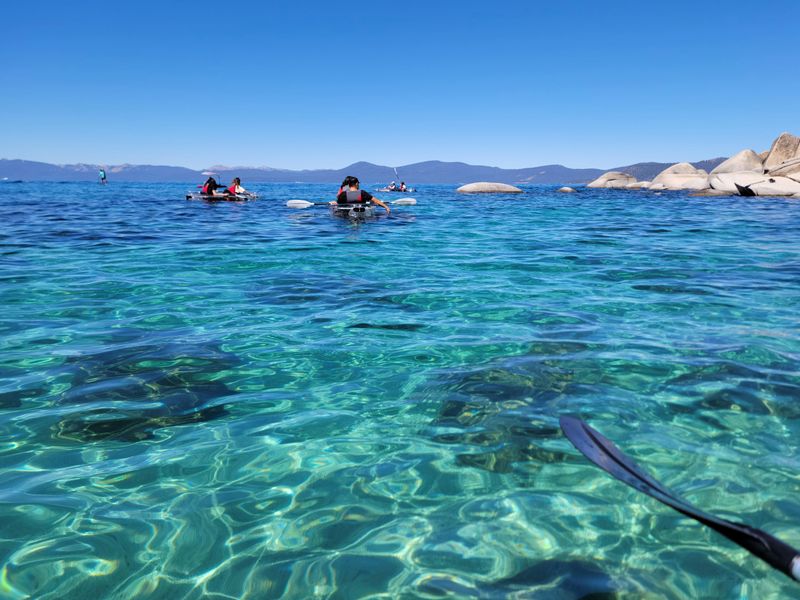
Getting around South Lake Tahoe on foot or by bike is not only possible but often preferable to driving.
The town’s relatively flat terrain near the lake makes cycling practical year-round, and a network of paved paths connects residential areas to beaches, parks, and shopping districts.
Cars are optional here in a way they rarely are elsewhere in California.
The South Lake Tahoe Bike Path runs for miles along the lakeshore, offering a car-free route with views that change by the hour.
Locals use it for commuting, not just recreation.
Grocery stores, coffee shops, and restaurants cluster in compact zones, reducing the need for long drives.
Van Sickle Bi-State Park, located just south of town, provides wooded trails that cross into Nevada and back.
The park’s trailhead sits within walking distance of several neighborhoods, reinforcing the idea that outdoor access doesn’t require a vehicle.
This walkability fosters a slower pace and a stronger sense of community.
Life Moves By Weather, Not Rush Hour
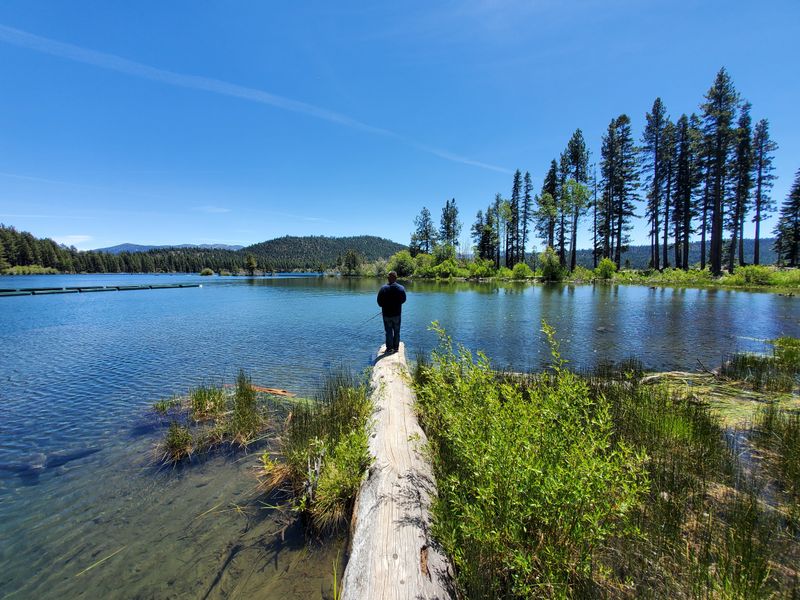
Morning routines in South Lake Tahoe are shaped by snowfall, wind direction, and cloud cover, not by commute times or traffic reports.
Residents check the forecast to decide whether to ski, hike, or stay inside, not to calculate the fastest route to an office park.
This shift in priorities changes the texture of daily life.
Winter storms can close roads and cancel plans, but they also bring fresh powder to nearby resorts like Heavenly and Kirkwood.
Summer afternoons are measured by how long the sun stays on the beach, not by when rush hour begins.
The absence of a traditional commute removes one of the most stressful elements of urban living.
Even visitors notice the difference.
Without the pressure of freeway schedules, people linger longer over meals, take spontaneous detours, and adjust plans based on weather rather than obligation.
Time feels more fluid here, less segmented into rigid blocks dictated by traffic patterns.
Beaches Replace Billboards
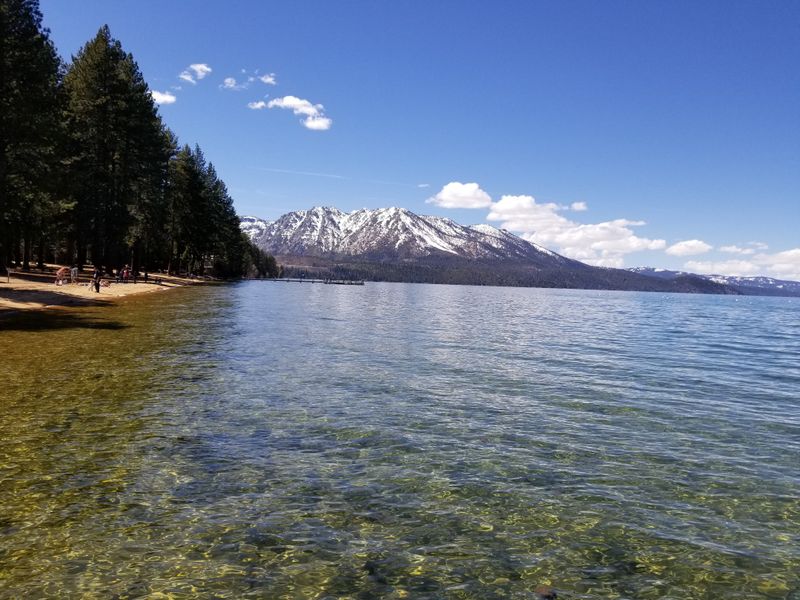
Where other California towns line their main roads with advertisements and commercial clutter, South Lake Tahoe offers unobstructed views of sand, water, and mountains.
The visual landscape here is dominated by natural features, not corporate messaging.
This absence of billboards creates a mental spaciousness that mirrors the physical environment.
Nevada Beach, located just across the state line, stretches for over a mile with minimal development.
The only structures are restrooms and picnic tables, leaving the shoreline open and accessible.
El Dorado Beach, closer to downtown, maintains a similar simplicity despite its proximity to hotels and restaurants.
Regulations within the Tahoe Basin restrict signage and limit commercial sprawl, preserving sightlines and reducing visual noise.
Even the casino district in Stateline, Nevada, feels restrained compared to Las Vegas.
The effect is subtle but significant: without constant advertising, attention shifts to the immediate surroundings, and the town feels less like a marketplace and more like a place to simply exist.
Outdoor Life Shapes Daily Routines
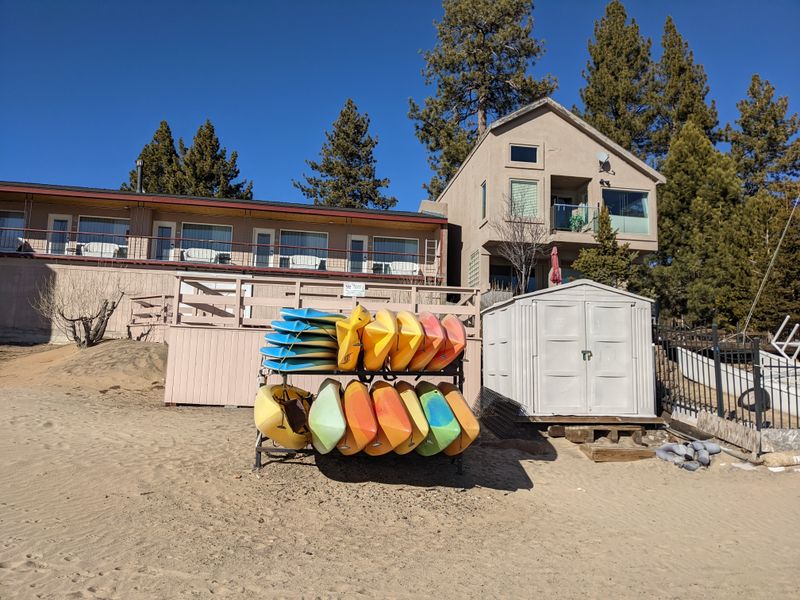
In South Lake Tahoe, outdoor recreation is not a weekend activity but a daily practice woven into the fabric of ordinary life.
People ski before work in winter, paddle after lunch in summer, and hike during breaks year-round.
The proximity of trails, beaches, and mountains makes this integration possible without the logistical gymnastics required in larger cities.
Heavenly Mountain Resort, one of the largest ski areas in North America, sits at the edge of town with lifts accessible from multiple neighborhoods.
On powder days, locals adjust their schedules to catch first chair, then return to work or errands by midday.
This flexibility is rare in places where outdoor access requires long drives.
Summer brings a different rhythm but the same principle.
Kayaks and paddleboards launch from beaches within minutes of downtown, and trailheads for routes like the Rubicon Trail or Eagle Lake are less than a half-hour away.
The ease of access removes barriers, turning outdoor time into a default rather than a special occasion.
True Darkness And Quiet At Night
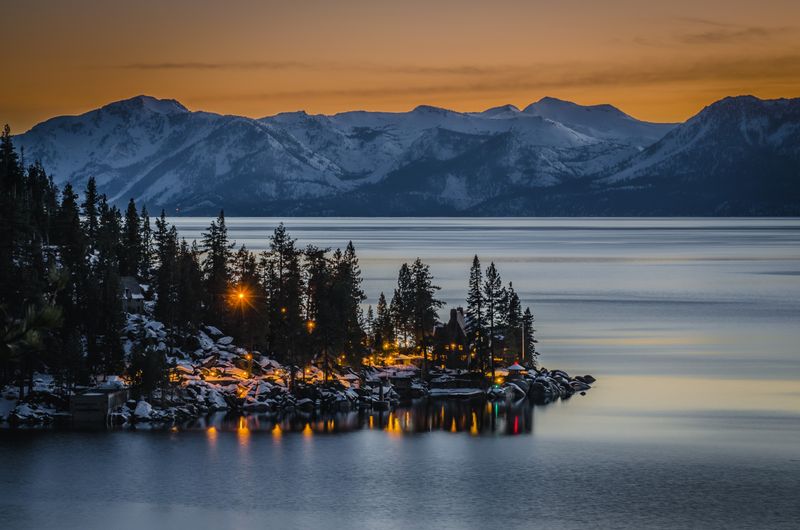
When the sun sets in South Lake Tahoe, the town grows genuinely dark.
There are no freeway lights spilling over ridgelines, no urban glow washing out the stars.
On clear nights, the Milky Way stretches across the sky in a way that feels almost confrontational to anyone accustomed to light pollution.
Silence settles in with the darkness.
The absence of major roads means less nighttime traffic noise.
Residential streets empty by evening, and the only sounds are wind through trees or waves lapping at the shore.
Even the casinos in Stateline, which stay open around the clock, occupy a small footprint and don’t dominate the soundscape.
This combination of darkness and quiet has practical effects.
Sleep comes easier, and mornings feel less jarring.
Wildlife moves through town more freely at night, and the natural rhythms of the environment become more apparent.
It’s a reminder that not all of California hums with constant activity after dark.
High Elevation Above Urban Sprawl
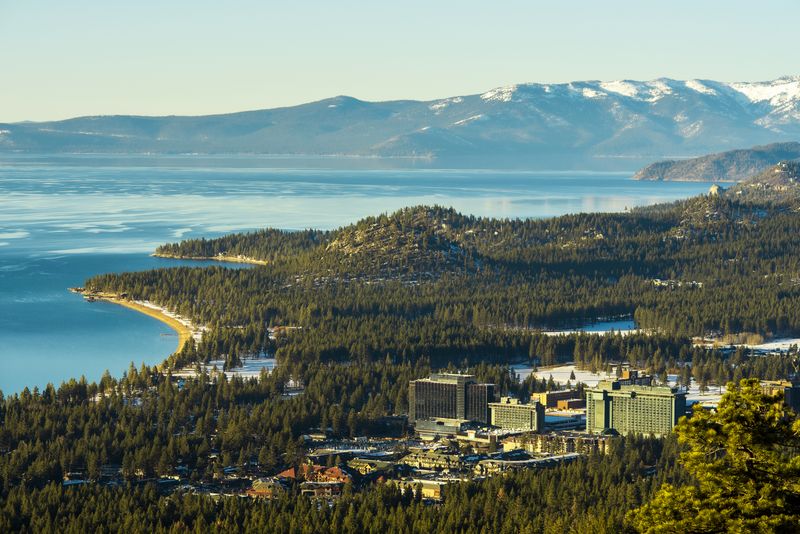
South Lake Tahoe sits at 6,200 feet above sea level, placing it well above the fog, smog, and congestion that define California’s coastal and valley cities.
The elevation creates a physical separation from the lowlands, and with it comes cleaner air, sharper light, and a climate that feels distinct from the rest of the state.
The altitude is part of the town’s identity.
Visitors often notice the difference in air quality immediately.
The thin, dry atmosphere at elevation lacks the haze common in Los Angeles or the Central Valley.
On clear days, visibility stretches for miles, and the blue of the lake appears almost unnatural in its intensity.
Breathing feels easier despite the reduced oxygen.
The elevation also moderates summer heat.
While Sacramento swelters at 105 degrees, South Lake Tahoe rarely breaks 80.
Winters bring heavy snow, but the cold is dry and manageable.
This climate, combined with the geographic isolation, reinforces the sense of being removed from the typical California experience.
Seasonal Rhythms Set The Pace
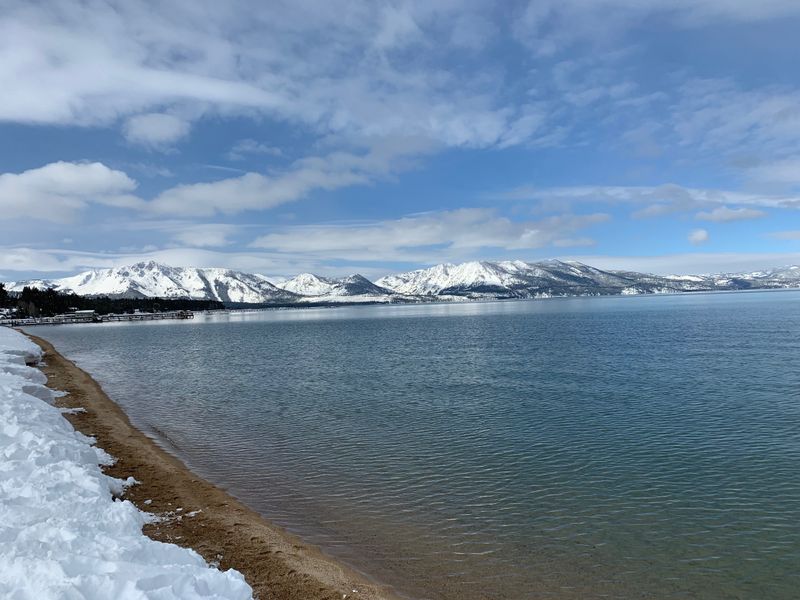
Life in South Lake Tahoe follows the calendar more closely than the clock.
Winter transforms the town into a ski hub, with resorts operating from November through May and snow dominating the landscape.
Spring brings melt and mud, a quiet interlude when locals reclaim the town before summer crowds arrive.
Each season brings distinct activities, moods, and routines.
Summer is the busiest time, with beaches packed and trails filled.
The lake warms just enough for swimming, and outdoor concerts and festivals fill the calendar.
Fall, brief but striking, offers golden aspens and empty trails before the first snowfall closes high-elevation routes.
The cycle repeats, and residents plan their lives around it.
This seasonal structure contrasts sharply with the year-round sameness of coastal California, where weather changes little and routines stay static.
In South Lake Tahoe, the environment dictates the rhythm, and people adapt accordingly.
The result is a life that feels more attuned to natural cycles and less driven by human schedules.
Protected Lands Surround The Town
South Lake Tahoe is encircled by public land managed by the U.S.
Forest Service, California State Parks, and regional agencies committed to preserving the Tahoe Basin.
The Desolation Wilderness, Eldorado National Forest, and Lake Tahoe Basin Management Unit collectively protect hundreds of thousands of acres, ensuring that development stays contained and wildlands remain accessible.
This protection is both legal and cultural.
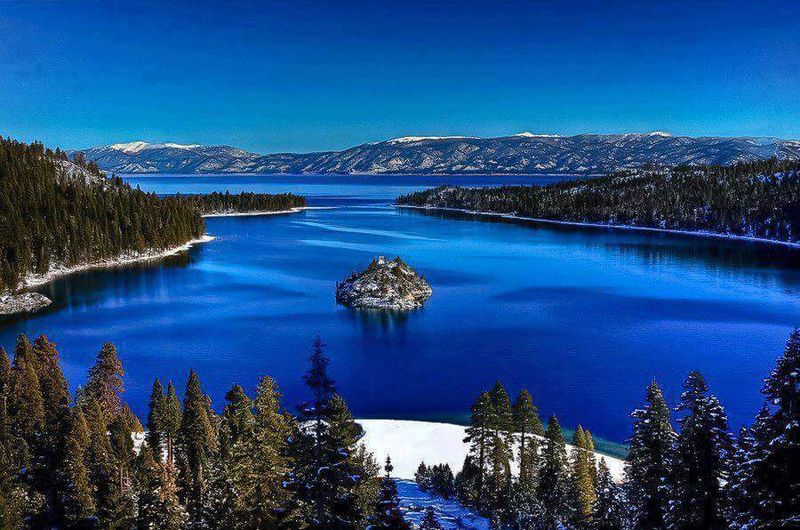
Emerald Bay State Park, located just west of town, showcases this commitment.
The park includes Vikingsholm, a 1929 Nordic-style mansion, and offers trails, beaches, and viewpoints that draw visitors year-round.
The site is carefully managed to balance public access with environmental preservation, a model repeated throughout the region.
These protected lands function as a buffer, preventing the kind of unchecked growth that has consumed other California mountain towns.
South Lake Tahoe can’t sprawl indefinitely because there’s nowhere to sprawl.
The result is a town that remains compact, contained, and deeply connected to the wilderness that defines it.
A Town Defined By What It Lacks
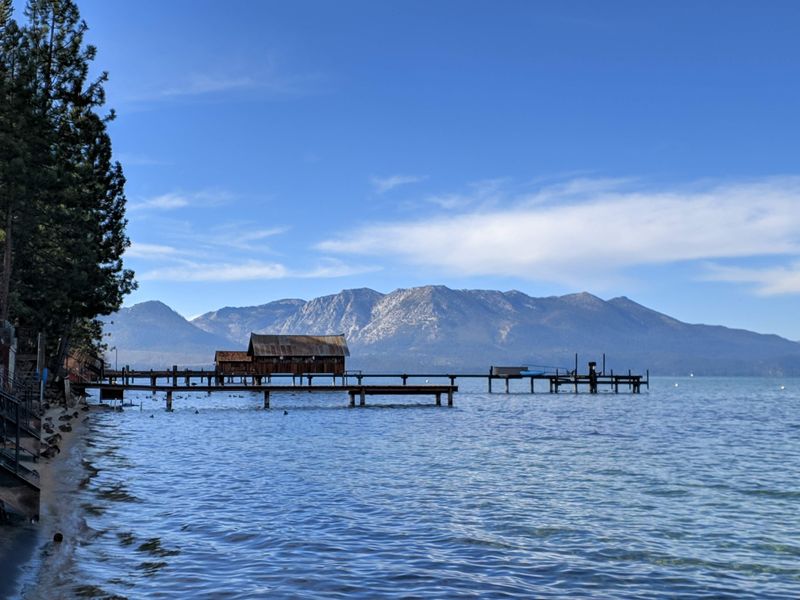
South Lake Tahoe earns its distinction not through what it offers but through what it refuses to become.
There are no shopping malls anchoring suburban sprawl, no industrial parks humming at the edge of town, no freeway overpasses casting shadows over neighborhoods.
The town has resisted the development patterns that define much of California, and that resistance is evident in every quiet street and undeveloped shoreline.
The address—California 96150—places the town firmly within the state, but the experience feels separate from the California most people know.
Located at 38.939926, -119.9771868, South Lake Tahoe occupies a geographic and cultural space apart from the freeway corridor that connects San Francisco to Los Angeles.
This separation is intentional, protected by regulation and reinforced by geography.
Visitors come here to escape the noise, traffic, and pace of urban California.
What they find is a town where natural features matter more than infrastructure, where seasons dictate routines, and where the absence of freeways creates a sense of arrival rather than transit.