
The North Carolina Backroad Mountain Town Where Mornings Move Slow On Purpose
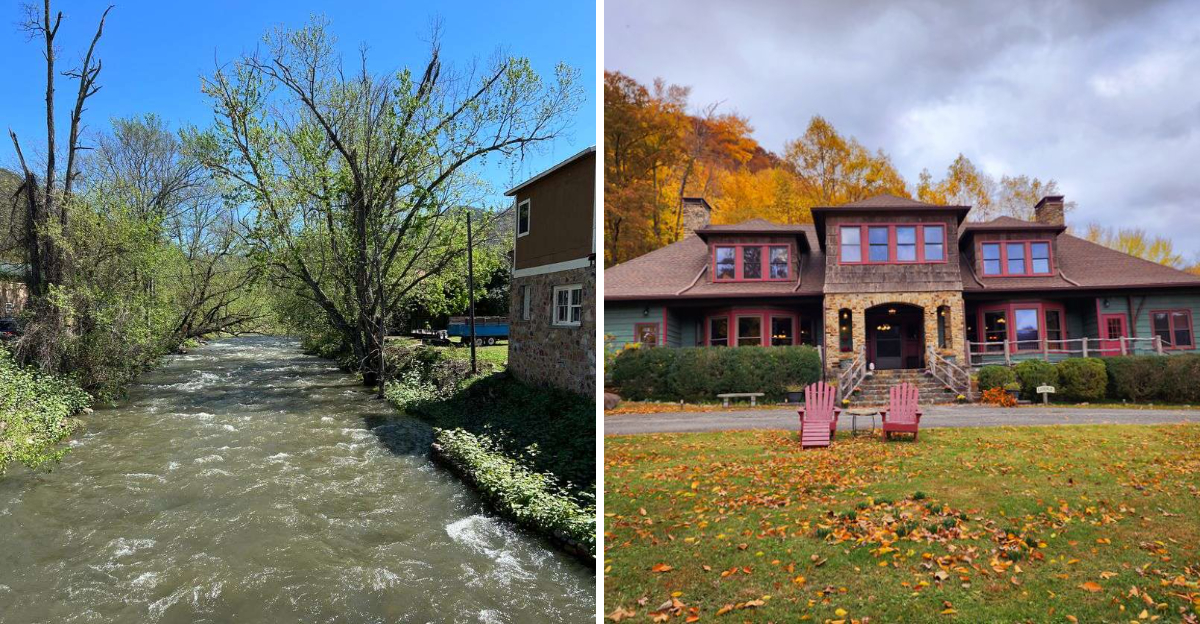
Hot Springs sits tucked into the western edge of North Carolina, where Madison County meets the Tennessee line and the French Broad River carves through forested ridges.
This is a place that resists acceleration by design, where the rhythm of the day follows the sun rather than a schedule.
The town’s 520 residents understand something visitors come here to remember: that mornings need not be conquered but simply lived through with patience and attention.
The Town Is Reached By Curving Backroads, Not Interstates
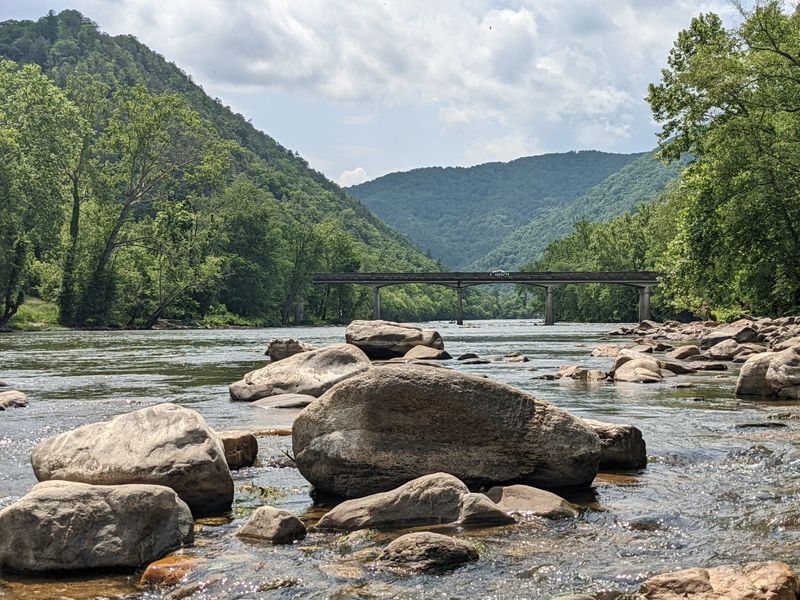
Getting to Hot Springs requires commitment, the kind expressed through winding two-lane roads that climb and descend through Appalachian hollows.
No highway exit announces your arrival.
Instead, Route 25 and Route 70 converge here after miles of curves that demand attention and reward it with views of ridgelines stacked against the sky.
Cell service fades in and out along these approaches, which feels less like an inconvenience and more like a gradual shedding of urgency.
The roads themselves teach a lesson in patience before you ever set foot in town.
Every turn reveals another stretch of forest or a farmhouse set back from the pavement, evidence that this region values distance from the grid.
By the time you roll into the center of Hot Springs, located at 35.8923253, -82.8290318, your speed has already adjusted.
The journey conditions you for what awaits: a place where haste has no currency and the landscape itself enforces a gentler pace.
Morning Fog Rises Off The French Broad River
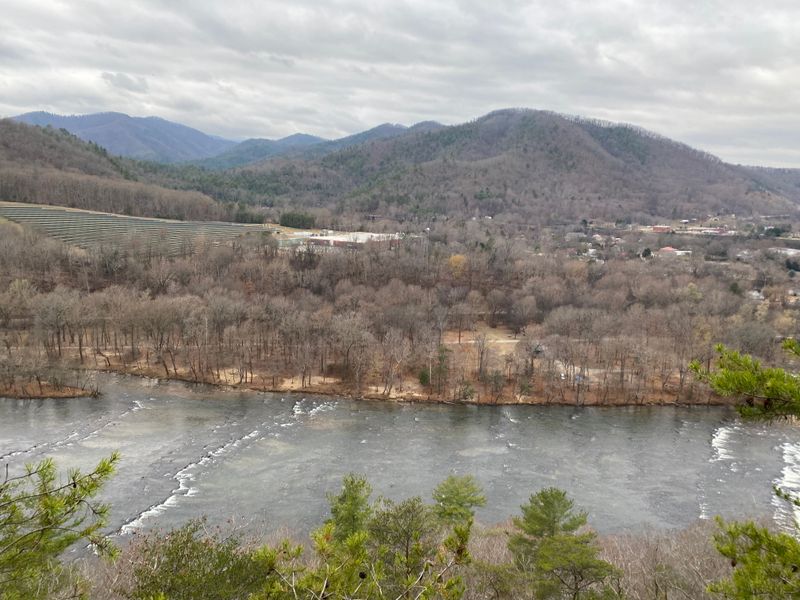
Dawn in Hot Springs begins with vapor lifting from the French Broad, a river older than the mountains it cuts through.
The fog moves slowly, clinging to the water’s surface before drifting upward into the cooler air above.
It softens the edges of buildings and blurs the line between water and sky, creating a scene that feels suspended in time.
Locals know this morning ritual well, but it never becomes mundane.
The fog shifts with temperature and season, sometimes thick enough to obscure the opposite bank, other times thin and luminous as gauze.
It transforms the ordinary act of stepping outside into something worth pausing for.
The river itself flows northward, an oddity among eastern waterways, and its presence defines the town’s geography and mood.
Standing beside it as mist rises, you understand why mornings here resist hurry.
The river teaches patience simply by being what it is: ancient, persistent, and utterly indifferent to schedules.
Natural Hot Springs Encourage Unhurried Starts
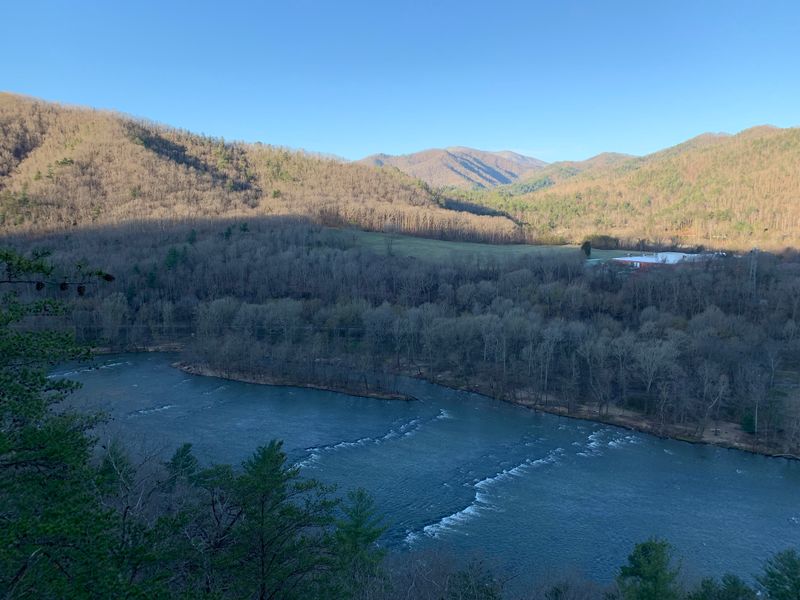
The thermal waters that gave this town its name emerge from deep underground, heated by geothermal activity and rich with minerals.
These springs have drawn people for centuries, long before the town incorporated or the railroad arrived.
Soaking in them requires nothing but time and a willingness to sit still while warmth seeps into tired muscles.
Commercial spas now channel the springs into tubs and pools, but the experience remains fundamentally unchanged.
Water temperature hovers around 100 degrees, warm enough to relax without overwhelming.
There is no rush to get in or out, no agenda beyond letting the heat do its work.
Morning soaks are particularly popular, offering a transition from sleep to wakefulness that feels less jarring than coffee alone.
The springs impose their own timeline, one measured in breaths and the gradual loosening of tension.
You emerge not energized in the conventional sense, but grounded and ready to meet the day at a human pace.
The Appalachian Trail Passes Directly Through Town
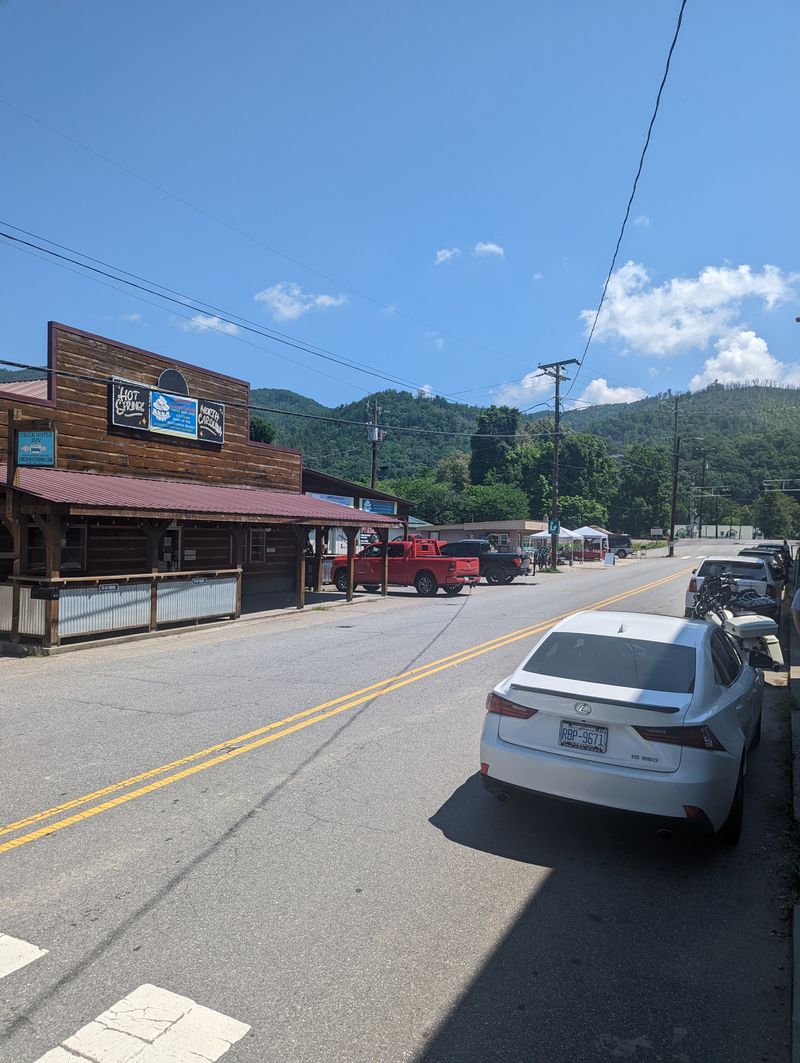
Few towns can claim the Appalachian Trail as a main street, but Hot Springs is one of them.
Hikers descending from the mountains walk directly through the downtown corridor, their backpacks and trail-worn clothes a common sight among storefronts and cafes.
The white blazes that mark the trail appear on telephone poles and sidewalks, guiding thru-hikers north toward Maine or south toward Georgia.
This intersection of wilderness and civilization creates an unusual energy.
Hikers pause here to resupply, rest, and remember what beds and hot showers feel like.
Locals are accustomed to their presence, offering directions, recommendations, and occasional trail magic without fanfare.
The trail’s passage through town reinforces the community’s connection to the broader Appalachian landscape.
It reminds residents and visitors alike that Hot Springs exists not apart from the mountains but as an integral part of them, a place where the journey and the destination overlap completely.
Protected Forest Land Surrounds The Community
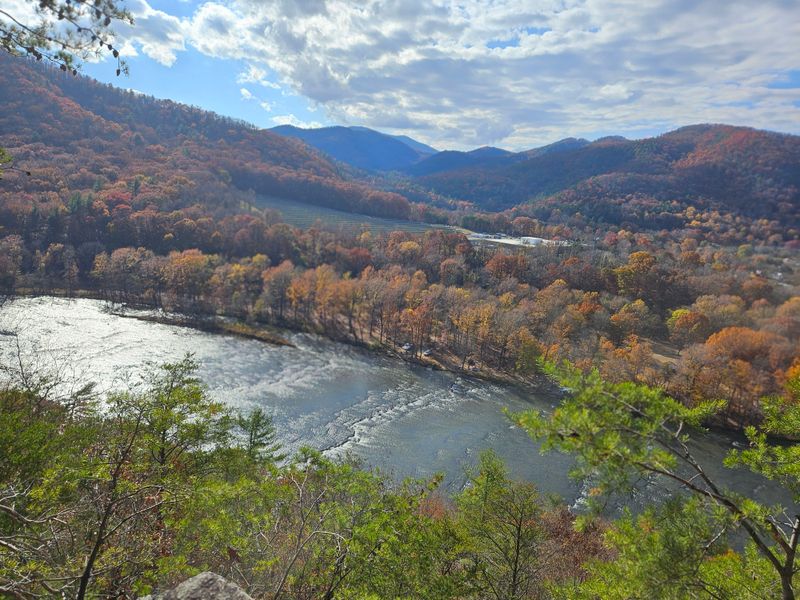
Pisgah National Forest wraps around Hot Springs on multiple sides, ensuring that development has natural limits and the wilderness remains close.
These public lands encompass hundreds of thousands of acres, offering trails, streams, and ridgelines that remain largely as they were generations ago.
The forest acts as both boundary and backdrop, shaping what the town can become and what it chooses to preserve.
Hiking options range from easy riverside walks to strenuous climbs that reward effort with panoramic views.
The forest’s presence means that wildlife sightings are routine rather than remarkable.
Deer move through yards at dusk, and birdsong provides the dominant soundtrack from dawn onward.
This proximity to protected land influences the town’s character in subtle ways.
Growth happens slowly, if at all, because space is finite and the surrounding mountains are not for sale.
The result is a community that feels nestled rather than sprawling, contained by geography and grateful for it.
Downtown Is Small Enough To Cross On Foot
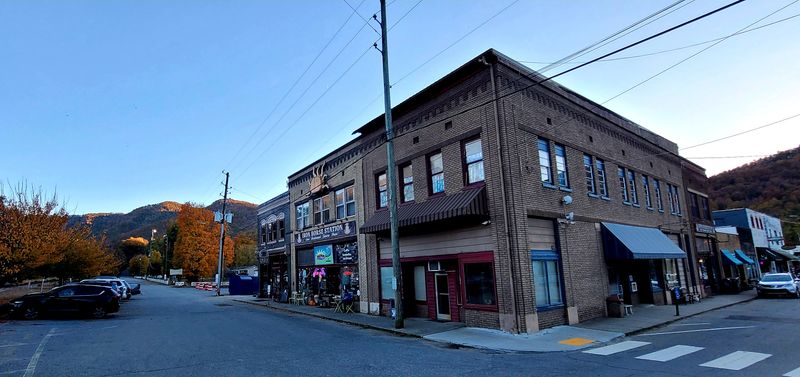
Bridge Street forms the heart of Hot Springs, a short stretch of storefronts, restaurants, and businesses that can be walked end to end in five minutes.
There are no traffic lights, no parking meters, and no need for a map.
Everything essential sits within easy reach, compact and unpretentious.
This scale encourages spontaneity and chance encounters.
You run into the same faces multiple times during a visit, and conversations happen naturally rather than by appointment.
The lack of sprawl means decisions are simple: walk left or walk right, and you will find what you need.
Architecture reflects the town’s history without trying too hard to preserve it.
Buildings are functional first, charming second, with a mix of ages and styles that suggest organic growth rather than planned development.
The overall effect is welcoming without being precious, a downtown that serves residents and visitors equally well without catering exclusively to either.
There Is No Rush Hour — Only River Levels And Weather
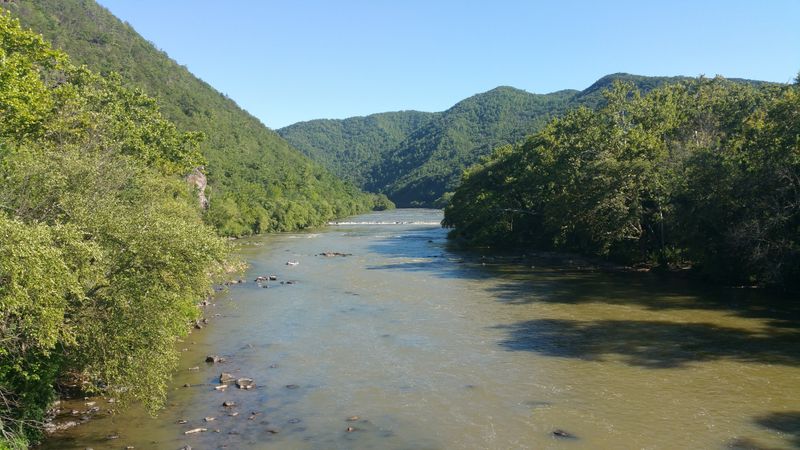
Traffic congestion does not exist in Hot Springs, at least not in any form recognizable to city dwellers.
The rhythms that matter here are natural rather than industrial: whether the French Broad is running high after rain, whether fog will delay the morning, whether ice will make the roads treacherous come winter.
These conditions shape the day more than any clock.
Locals check river gauges and weather forecasts with the attention others reserve for stock tickers.
A rising river means kayakers will arrive, bringing business and energy.
Falling temperatures mean wood smoke will hang in the valleys and mornings will require extra layers.
These variables cannot be controlled, only adapted to.
The absence of rush hour traffic reflects a broader truth about the town’s priorities.
Speed is not valued for its own sake.
Efficiency matters less than attentiveness.
The result is a daily rhythm that bends around conditions rather than bulldozing through them, a flexibility that feels less like laziness and more like wisdom.
Local Businesses Open When The Day Actually Begins
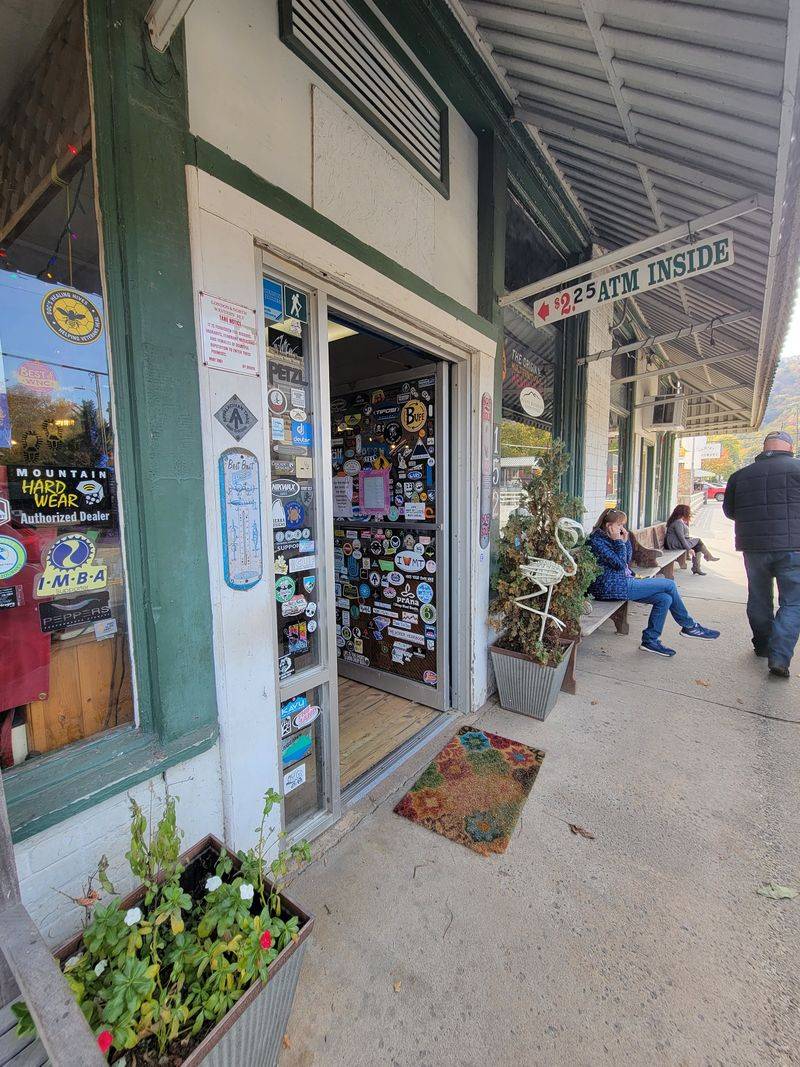
Operating hours in Hot Springs follow a logic that prioritizes readiness over rigidity.
A cafe might open at seven or eight depending on when the baker finishes, and no one complains because the coffee is worth waiting for.
Shops post hours that include phrases like “or by appointment” and “weather permitting,” acknowledging that circumstances sometimes override intentions.
This approach requires trust between businesses and customers, an understanding that flexibility benefits everyone.
Visitors accustomed to franchise predictability may find it disorienting at first, but most adjust quickly.
The trade-off for uncertain opening times is authenticity: places run by individuals who care more about quality than volume.
Seasonal variations affect schedules as well.
Winter brings shorter days and fewer tourists, so some establishments close entirely or scale back hours.
Spring and fall see increased activity as hikers and leaf-watchers arrive.
The businesses adapt, expanding and contracting with demand rather than maintaining a facade of constant availability that serves no one well.
Silence Is Broken By Birds And Water, Not Engines
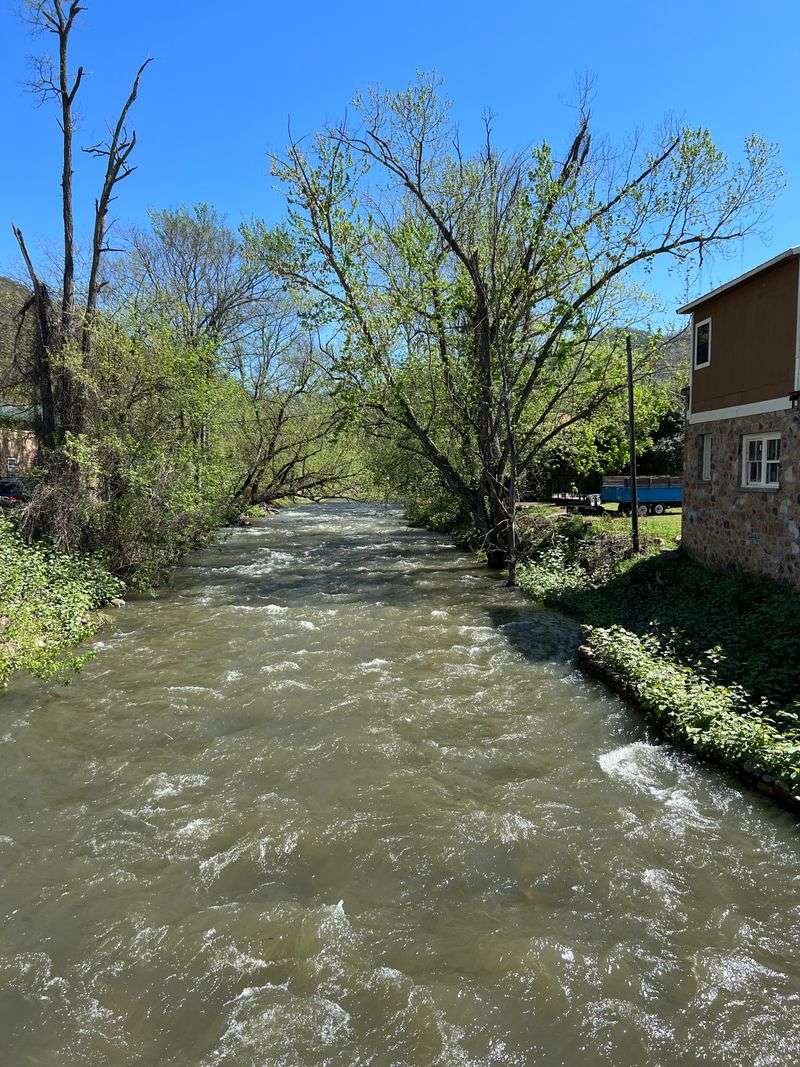
Mornings in Hot Springs arrive with a soundtrack that urban dwellers often forget exists.
Birdsong dominates, a layered chorus that shifts with the seasons as migrants come and go.
The French Broad adds its constant murmur, audible from most points in town, a low rush that becomes part of the background until you listen for it specifically.
Engine noise is present but minimal.
A truck passes, a car door closes, then quiet returns.
There are no sirens, no construction crews starting at dawn, no leaf blowers shattering the peace.
The soundscape remains largely organic, shaped by wind, water, and wildlife rather than machinery.
This auditory environment affects perception in ways that are hard to quantify but easy to feel.
Conversations happen at lower volumes.
Thoughts arrive with less interference.
The nervous system, accustomed to constant stimulation, gradually downshifts into a state closer to its baseline.
Silence here is not empty but full, populated by sounds that require attention rather than demanding it.
Seasonal Change Dictates The Town’s Energy
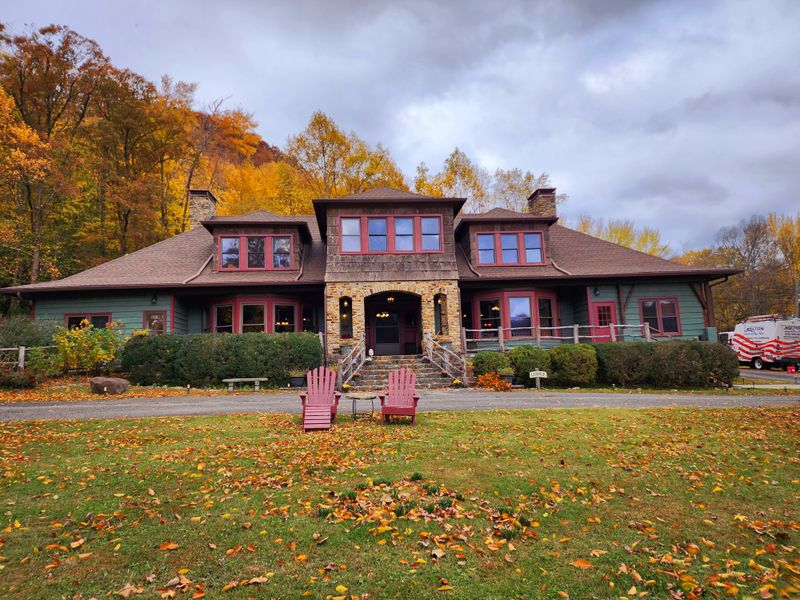
Hot Springs does not maintain a single personality year-round but shifts with the calendar, each season bringing its own character and pace.
Spring arrives with wildflowers and thru-hikers, the trail community swelling as northbound travelers pass through.
The town wakes from winter’s quiet, businesses reopening and activity increasing as daylight stretches longer.
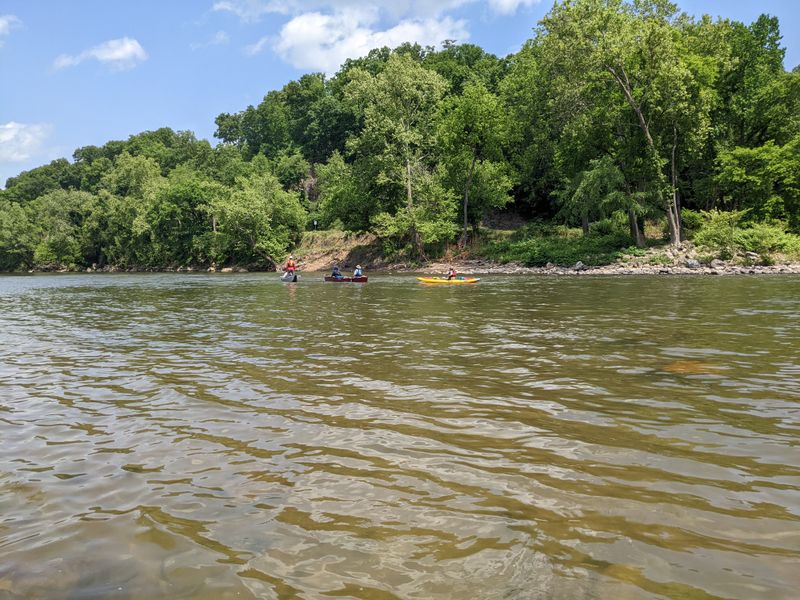
Summer brings heat and the French Broad’s coolest appeal, with tubers and kayakers joining the hikers.
Fall transforms the ridgelines into a spectacle of color, drawing leaf-watchers and photographers.
Winter empties things out again, leaving the town to its residents and the occasional hardy visitor who prefers solitude to crowds.
These shifts are accepted rather than resisted.
The town does not try to manufacture consistent year-round tourism but embraces the ebb and flow.
This seasonal rhythm reinforces the sense that Hot Springs operates on nature’s timeline rather than imposing its own, a humility that keeps the place grounded and genuine.
Visitors Arrive Looking For Stillness, Not Entertainment
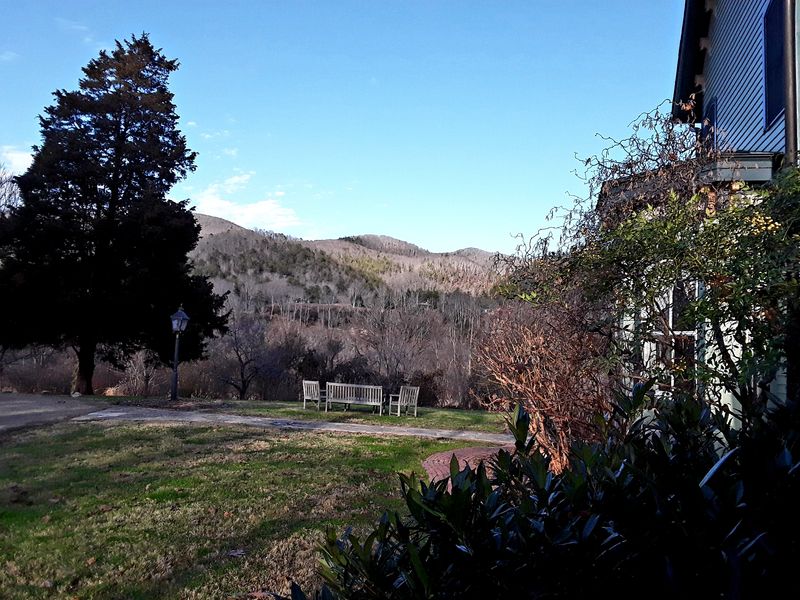
People come to Hot Springs with specific intentions, and those intentions rarely involve amusement parks or nightlife.
They seek trails, thermal waters, and the kind of quiet that cannot be manufactured or packaged.
The town delivers on these expectations without embellishment, offering exactly what it has and nothing it does not.
This self-selection creates a particular type of visitor culture.
Guests tend toward introspection and appreciation rather than consumption and complaint.
They understand that the lack of attractions is itself the attraction, that boredom here is a feature rather than a bug.
Conversations in cafes reflect this: less talk of itineraries, more reflection on what it feels like to slow down.
The town does not market itself aggressively because it does not need to.
Word of mouth and the Appalachian Trail provide steady traffic.
Those who arrive expecting more stimulation typically move on quickly, while those seeking less find exactly what they hoped for and often stay longer than planned.
Evenings End Early, Letting Mornings Begin Gently
As daylight fades in Hot Springs, the town follows suit without resistance.
Restaurants close by eight or nine, streetlights illuminate empty sidewalks, and the sounds of the day give way to night’s deeper quiet.
This is not a place where evening transforms into nightlife but rather where darkness signals rest.
The early endings create space for early beginnings, a cycle that respects the body’s natural rhythms.
Without late-night distractions, sleep comes easier and deeper.
Morning arrives not as an interruption but as a natural continuation, the next phase in a pattern that feels ancient and right.
Visitors often report sleeping better here than they do at home, waking without alarms and feeling genuinely rested.
The town’s evening habits contribute to this: by refusing to fight the dark, Hot Springs allows the morning to arrive on its own terms, unhurried and gentle, exactly as it should be.