
This Georgia Lake Country Village Feels Like A Pause You Didn’t Know You Needed
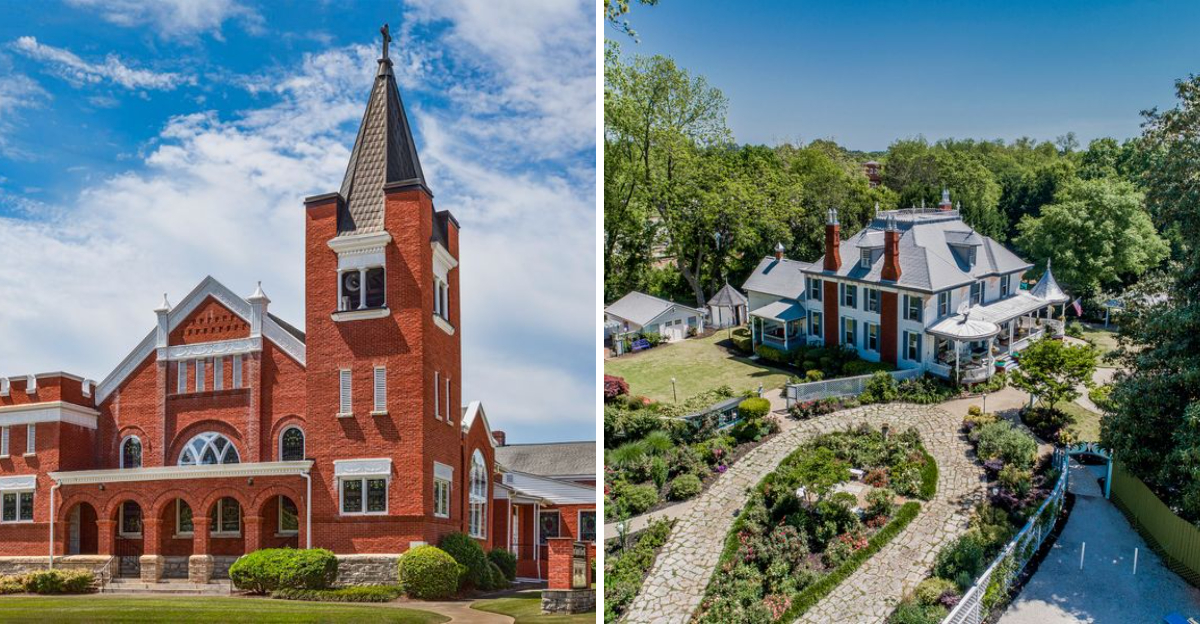
Greensboro, Georgia sits halfway between Atlanta and Augusta, a small town that feels deliberately removed from the urgency of either city.
The streets are wide and unhurried, the downtown walkable, and Lake Oconee lies close enough to shape the rhythm of daily life without turning the place into a resort.
People come here not for attractions or itineraries, but for the simple relief of slowing down in a place that never sped up to begin with.
A Small Georgia Town At The Heart Of Lake Country
Greensboro occupies a curious position in the landscape of northeast Georgia, sitting at the intersection of Interstate 20 and a region defined by water.
The town itself predates the lake by more than a century, but its character has been quietly reshaped by proximity to Lake Oconee.
What was once a rural county seat has become a gateway to one of the state’s most visited bodies of water, yet it has avoided the commercial sprawl that often follows such geography.
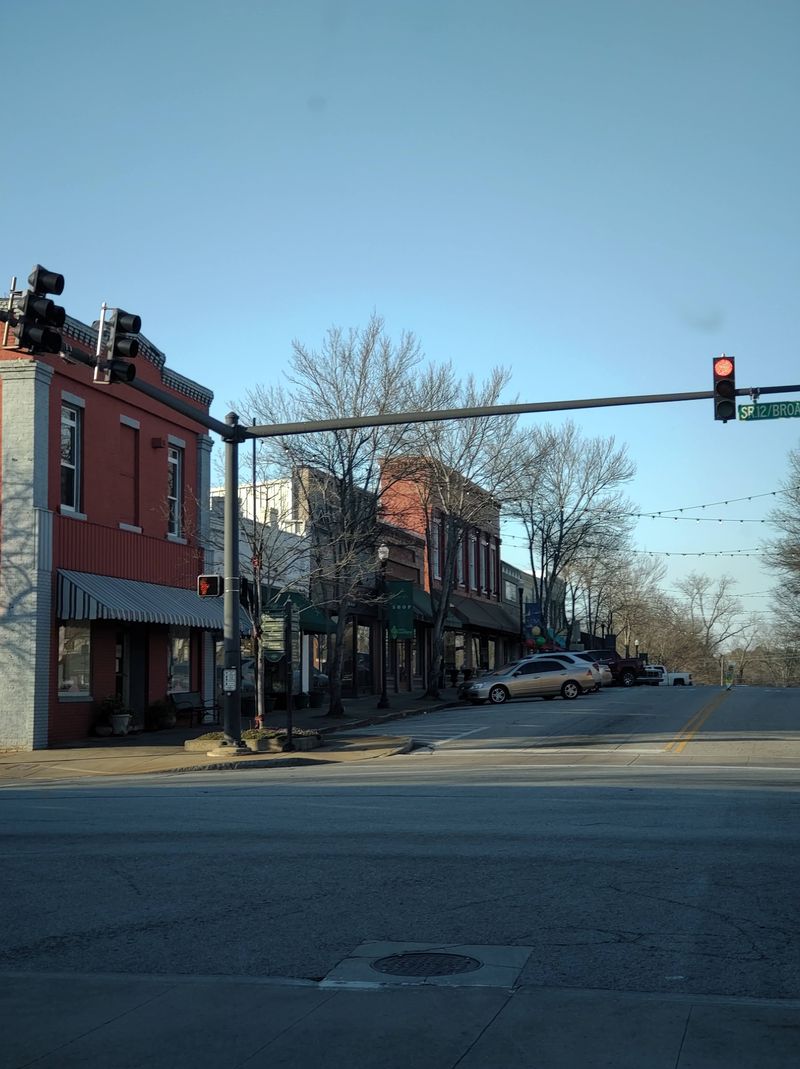
The town square remains the center of civic life, surrounded by brick buildings that date back to the 1800s.
Greensboro is located at 33.5756831, -83.1823789, in Greene County, where it serves as the county seat.
The population hovers around 3,600, a modest size that allows for both anonymity and familiarity.
Visitors often arrive expecting a lakefront resort town and find instead a place that feels more like a neighbor than a destination.
The lake is nearby, but not omnipresent.
The town wears its location lightly, offering access without spectacle.
Why Greensboro Feels Slower The Moment You Arrive
There is no grand entrance to Greensboro, no arch or sign that announces your arrival with fanfare.
You exit the interstate and follow a two-lane road through farmland and pine, and then the town simply appears.
The transition is gradual, almost apologetic, as if the town itself is reluctant to interrupt your thoughts.
Traffic lights are few, and the ones that exist seem to operate on a timer set for a different era.
Cars pause at stop signs longer than necessary, not out of caution but habit.
Pedestrians cross streets without hurry, and drivers wait without impatience.
The architecture reinforces this sense of deceleration.
Buildings are low and set back from the road, with wide porches and deep awnings that invite pausing.
There are no glass towers or digital billboards, nothing that demands attention or accelerates the pulse.
Even the air feels different here, thicker and warmer, as though time itself has agreed to move at a more forgiving pace.
Life Shaped By The Presence Of Lake Oconee
Lake Oconee lies just minutes from downtown Greensboro, a sprawling reservoir created in the 1970s by damming the Oconee River.
The lake covers more than 19,000 acres and has more than 370 miles of shoreline, making it one of the largest lakes in Georgia.
Its presence has altered the economy, the social fabric, and the daily routines of the town in ways both visible and subtle.
Mornings in Greensboro often begin with the sound of boat trailers rattling down the road toward the water.
Fishermen leave before dawn, returning hours later with coolers and stories.
Retirees from Atlanta and Augusta have built homes along the lake, drawn by the promise of waterfront living without the isolation of a purely recreational community.
The lake has brought money and tourists, but Greensboro has resisted becoming a satellite of the resorts that line the shore.
The town remains separate, a place where people live year-round, where schools and churches and grocery stores operate independently of the seasonal rhythms of vacation.
A Walkable Downtown Built For Unhurried Days
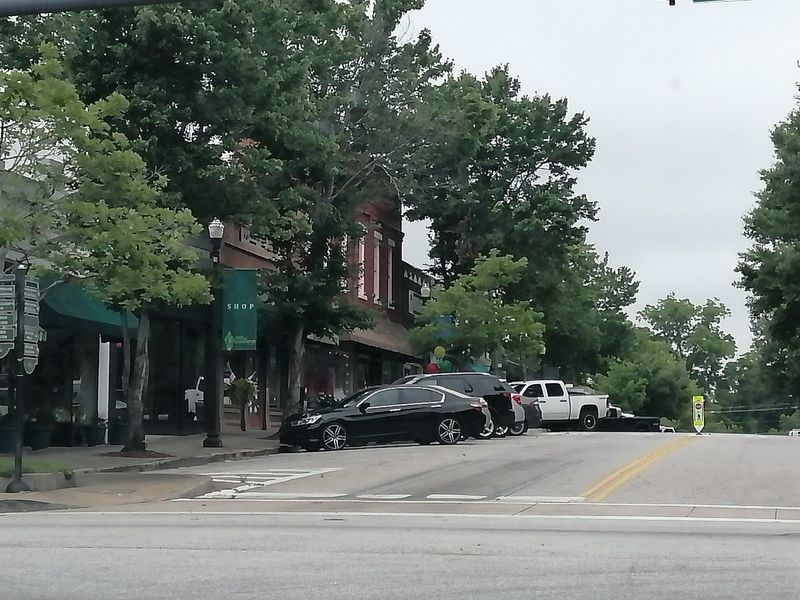
Downtown Greensboro consists of a handful of blocks arranged around a central square, the kind of layout that encourages walking simply because parking and driving feel more complicated.
The sidewalks are wide and shaded by oak trees, and the storefronts are close enough to the curb that you can read the signs without squinting.
There are no chain stores here, no familiar logos to orient yourself by.
The businesses operate on schedules that reflect the preferences of their owners rather than the demands of commerce.
A bookstore might close on Wednesdays.
A café might open late after a rainstorm.
These irregularities feel less like inconvenience and more like evidence of a town that values autonomy over efficiency.
Walking through downtown, you notice the absence of noise.
There are no car alarms, no construction, no loudspeakers.
Conversations carry across the street, and you can hear the creak of a screen door closing two buildings away.
The scale of the place invites exploration without requiring a map.
Historic Streets That Encourage Lingering
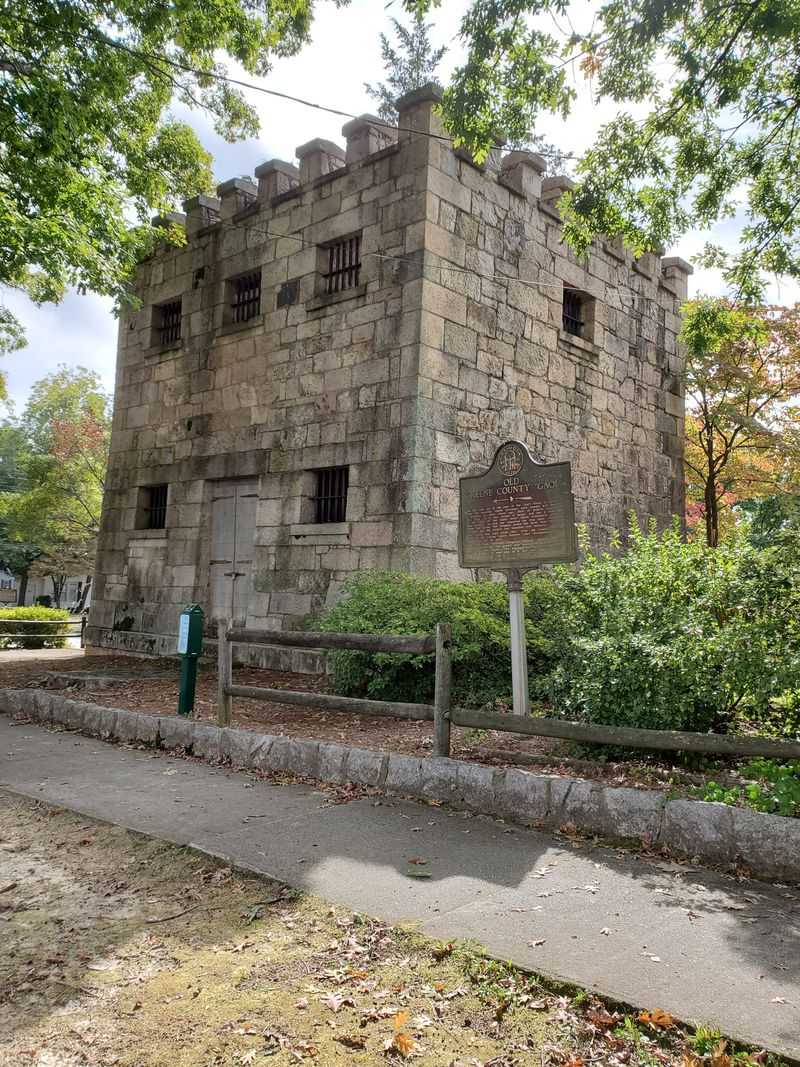
Greensboro’s historic district is not roped off or labeled with interpretive signs.
The old homes and buildings are simply there, occupied and functional, woven into the daily life of the town.
Many date back to the mid-1800s, built in the Greek Revival and Victorian styles that were fashionable before the Civil War.
Some have been restored with care, others wear their age more plainly.
Walking these streets, you encounter details that reward attention: hand-carved porch brackets, wavy glass in old windows, brick sidewalks that have settled into gentle curves.
There are no tour groups, no docents, no admission fees.
The history is available to anyone willing to slow down and look.
The town has preserved these structures not as monuments but as dwellings, and this choice gives the district a living quality that museum towns often lack.
You might see laundry hanging on a line behind a house built in 1850, or a modern car parked in front of a building that once served as a general store.
The past and present coexist without ceremony.
How Lake Country Mornings Set The Tone
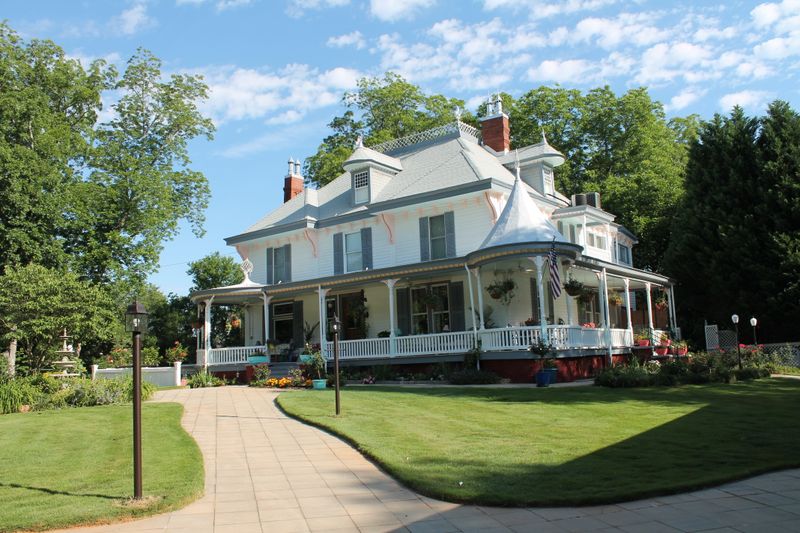
Mornings in Greensboro arrive with a particular quality of light, soft and golden, filtered through the humidity that rises from the lake.
The air is cool for the first hour or two, and the town takes advantage of this brief window.
People walk dogs, water gardens, sit on porches with coffee and newspapers.
There is a sense of ritual to these early hours, a collective agreement to begin the day slowly.
By mid-morning, the heat has arrived, and the pace adjusts accordingly.
Shops open their doors but leave the lights dim.
Awnings are lowered.
Fans turn lazily overhead.
The rhythm of the day is dictated not by clocks but by temperature and light, a pattern that feels more agricultural than urban.
This attunement to the natural world is one of the defining characteristics of lake country living.
The water moderates the climate, the trees provide shade, and the landscape shapes behavior in ways that feel instinctive rather than imposed.
Mornings here are not rushed because rushing would be counterproductive.
Local Shops And Cafés That Favor Conversation Over Rush
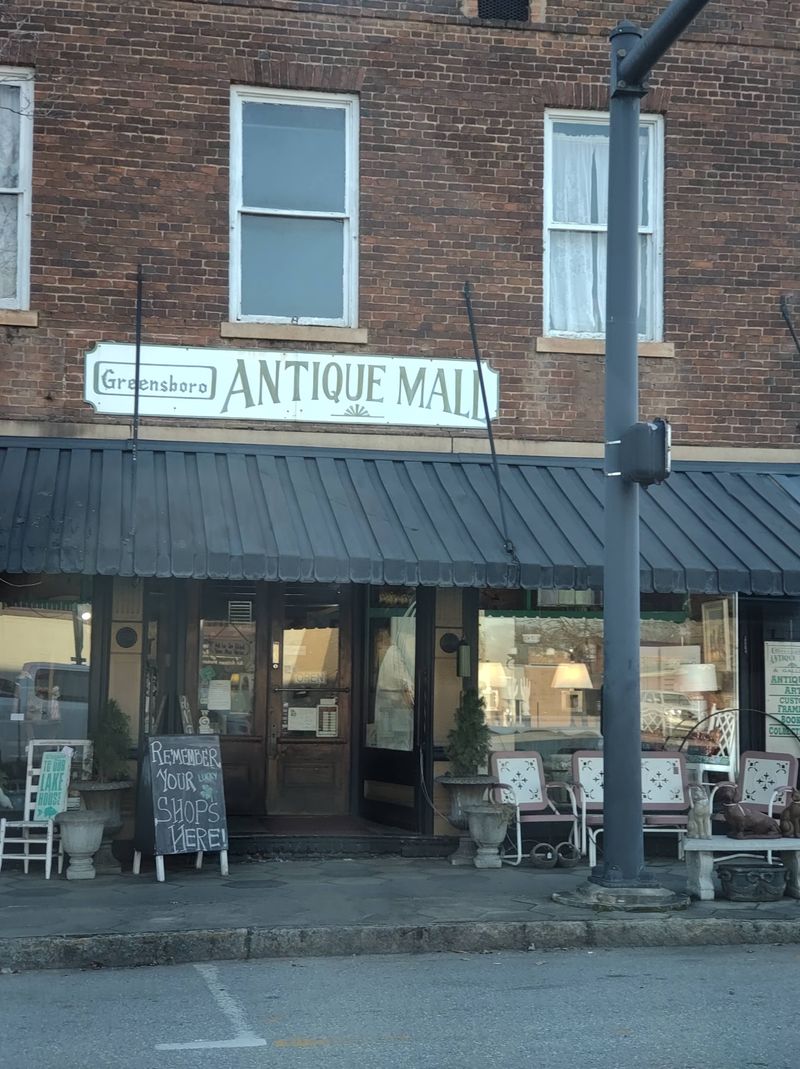
The businesses in downtown Greensboro operate with a different set of priorities than their counterparts in larger towns.
Speed is not valued here, nor is volume.
A coffee shop might serve only a dozen customers in an hour, but each transaction includes conversation, small talk that stretches into stories.
The barista knows your name, your order, and often your business.
This emphasis on interaction over efficiency shapes the entire retail experience.
There are no self-checkout lanes, no apps, no systems designed to minimize human contact.
Buying something in Greensboro requires patience and participation.
You wait your turn, you chat with the clerk, you leave knowing a little more about the person who sold you bread or books or hardware.
Some might find this pace frustrating, but for many it is precisely the appeal.
The shops and cafés function as social infrastructure, places where community is built one conversation at a time.
They are slow by design, and the slowness is the point.
Evenings That End Quietly By The Water
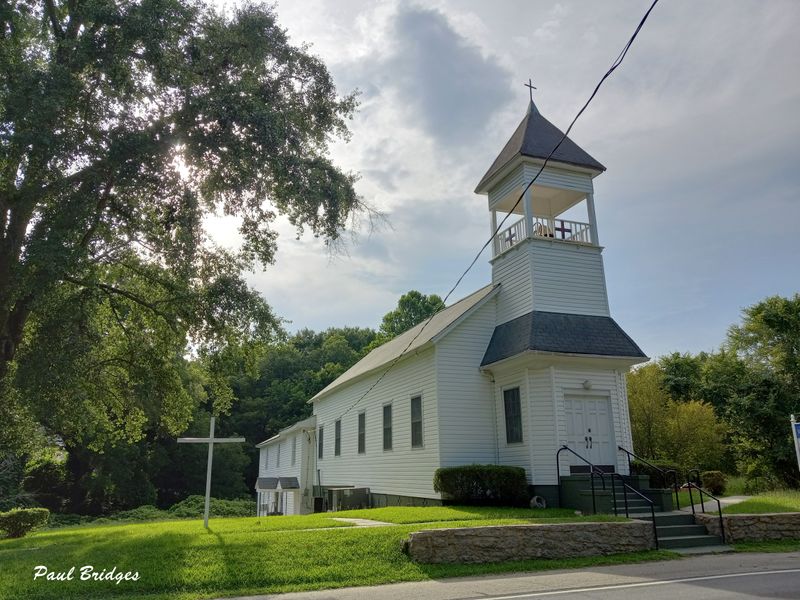
As the day cools, Greensboro empties toward the lake.
Families pack coolers and towels, retirees load fishing rods into trucks, and the roads leading to the water fill with traffic moving at a deliberate pace.
The evening ritual is less about activity than presence, a desire to be near the water as the light fades.
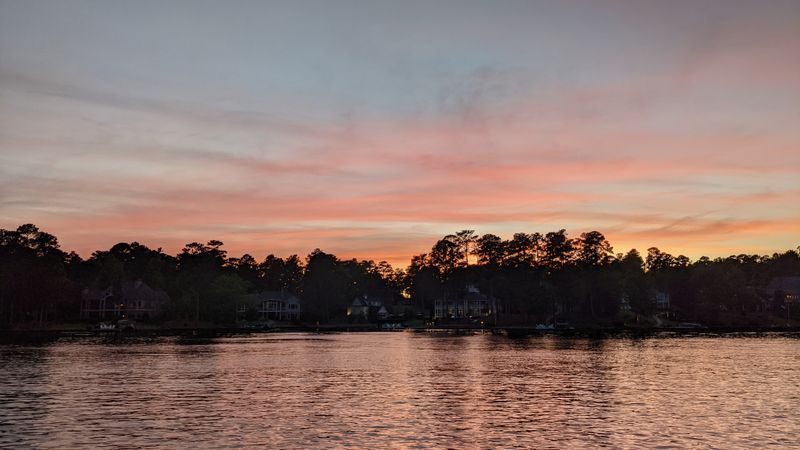
The lake at dusk is a study in stillness.
The surface reflects the sky, turning pink and orange and purple as the sun drops below the tree line.
Boats drift without engines, their occupants content to float and watch.
On the shore, people sit in folding chairs or on the hoods of cars, talking quietly or not at all.
There is no agenda to these evenings, no schedule to keep.
The lake offers an endpoint to the day, a place to pause before returning home.
By the time darkness settles, the roads are quiet again, and the town slips into a silence that feels earned rather than imposed.
Why This Town Avoids The Feel Of A Resort
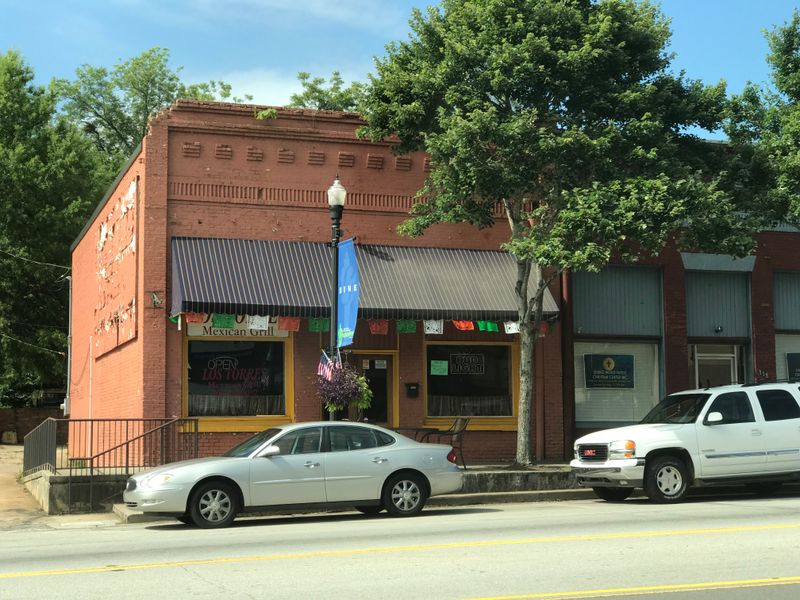
Greensboro sits adjacent to some of the most expensive real estate in Georgia, yet it has managed to avoid the transformation that typically accompanies such proximity.
The lakefront resorts operate as separate entities, gated communities with golf courses and marinas that cater to a specific clientele.
The town itself remains unadorned, its businesses practical rather than boutique, its streets free of the manicured landscaping that signals resort territory.
This separation is partly geographic and partly intentional.
Greensboro existed long before the lake, and its identity is rooted in agriculture and county government rather than tourism.
The people who live here year-round have little interest in catering to visitors, and the town reflects that indifference.
There are no souvenir shops, no charter boat services, no establishments that exist solely to serve the lake crowd.
The result is a town that feels authentic in a way that resort communities often do not.
Greensboro operates for its residents first, and visitors are welcome to participate on those terms or not at all.
A Place That Balances Growth Without Losing Calm
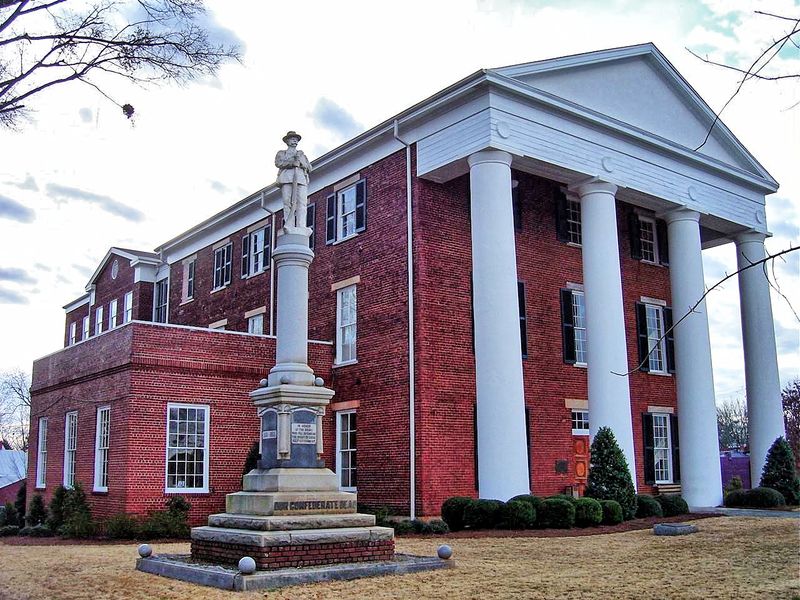
Greensboro has grown in recent decades, its population swelling as retirees and remote workers discover the appeal of lake country living.
New subdivisions have appeared on the outskirts, and the schools have expanded to accommodate the influx.
Yet the town has managed this growth without surrendering the qualities that drew people here in the first place.
Zoning regulations have kept commercial development concentrated in specific areas, preserving the residential character of the historic core.
The downtown remains walkable, the streets remain quiet, and the pace remains unhurried.
Growth has been absorbed rather than resisted, integrated into the existing fabric without tearing it apart.
This balance is fragile, and there are signs of tension.
Some worry that continued development will eventually erode the town’s character, turning it into just another suburb of Atlanta.
Others argue that growth is inevitable and that managing it thoughtfully is the best possible outcome.
For now, Greensboro retains its calm, but the future is uncertain.
Why Greensboro Feels Like The Pause People Didn’t Know They Needed
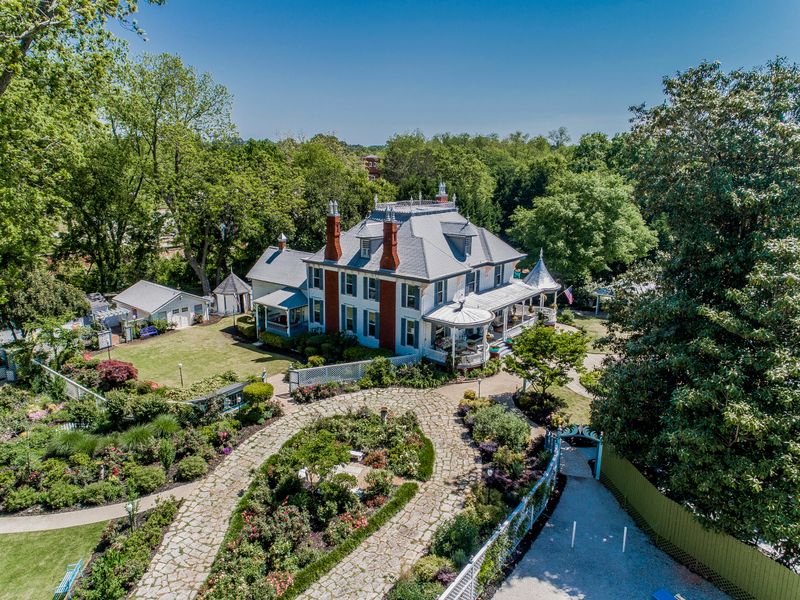
There is something restorative about a place that operates at its own speed, indifferent to the rhythms of the wider world.
Greensboro offers this without pretense or marketing, simply by being what it has always been: a small town in Georgia where the lake is close, the streets are quiet, and the days unfold without urgency.
People arrive here looking for a break and discover instead a different way of measuring time.
The pause that Greensboro provides is not the pause of vacation, which is temporary and artificial, but the pause of ordinary life lived at a sustainable pace.
It is the pause between conversations, the pause before deciding, the pause that allows for reflection rather than reaction.
This quality is rare and increasingly valuable.
Whether Greensboro can maintain this character as it grows remains to be seen.
For now, it stands as evidence that some places still resist acceleration, offering instead a kind of refuge that many people didn’t realize they were seeking until they found it.