
This Tennessee Tunnel Comes With A Jaw-Dropping Story Most People Have Never Heard
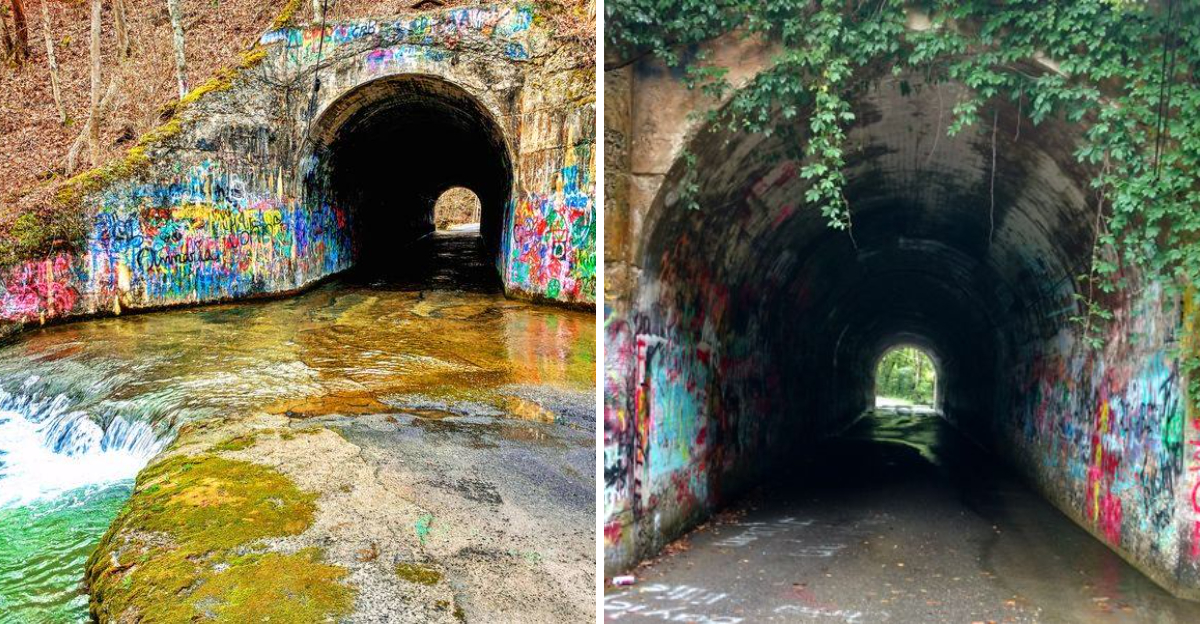
Sensabaugh Tunnel sits quietly along Sensabaugh Hollow Road near Church Hill, Tennessee, yet its reputation stretches far beyond the rural community that surrounds it. For decades, locals and curious travelers have whispered about strange occurrences, unexplained sounds, and eerie feelings experienced within its stone walls.
What makes this tunnel truly fascinating is not just the ghost stories that cling to it, but the complicated history of how those tales evolved and spread across generations without anyone knowing exactly where they began.
A Quiet Tunnel With A Big Reputation
Sensabaugh Tunnel earned its notoriety not through dramatic architecture or historical significance, but through whispered stories passed between teenagers and thrill-seekers. Located on Sensabaugh Hollow Road in Church Hill, Tennessee, this modest stone underpass appears unremarkable during daylight hours.
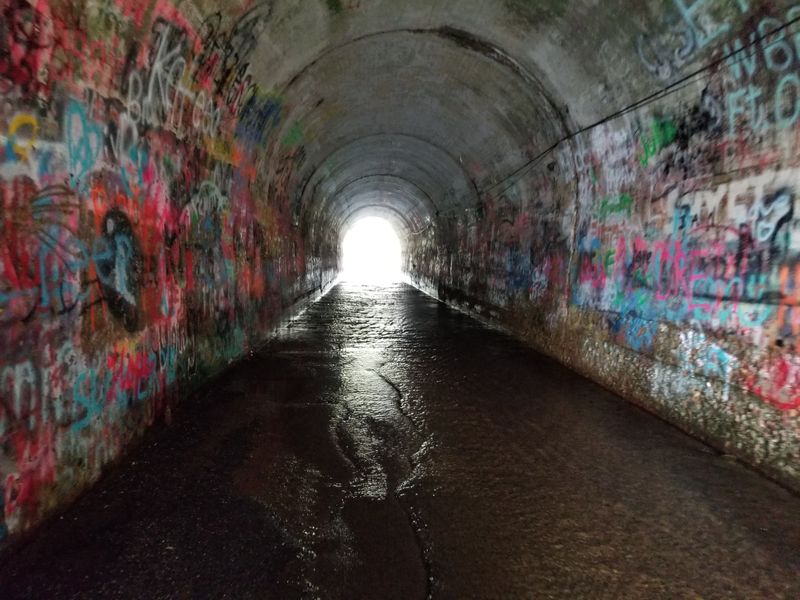
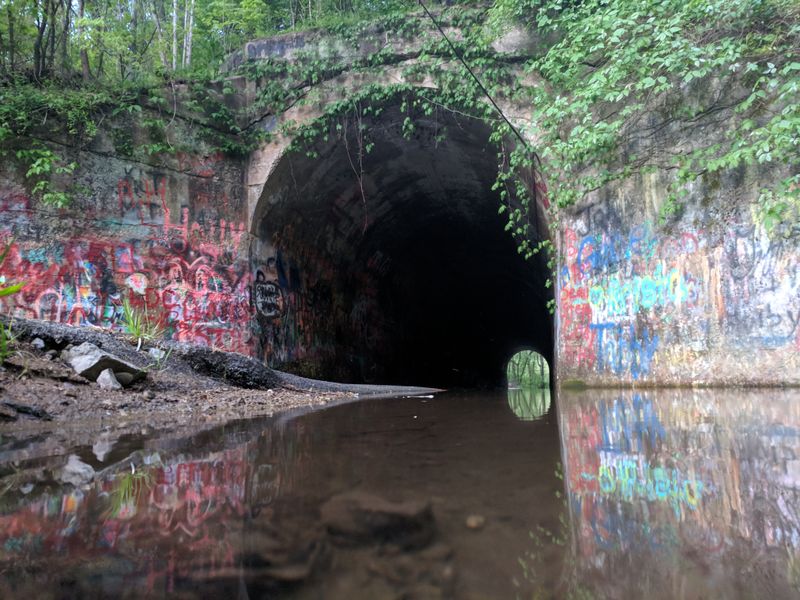
Water trickles through its base, graffiti covers its walls, and the occasional vehicle passes through without incident.
Yet its reputation as one of Tennessee’s most haunted locations has drawn visitors from across the country. Paranormal investigators arrive with recording equipment, hopeful of capturing evidence of the supernatural.
Others come simply to test their courage, driving through at midnight to see if the legends hold any truth.
The tunnel’s fame rests entirely on folklore rather than documented history. No official records confirm the tragic events supposedly connected to this place.
Still, the stories persist, growing more elaborate with each generation that discovers this unassuming passage beneath the railroad tracks above.
The Tunnel Is Real But The Story Is Complicated
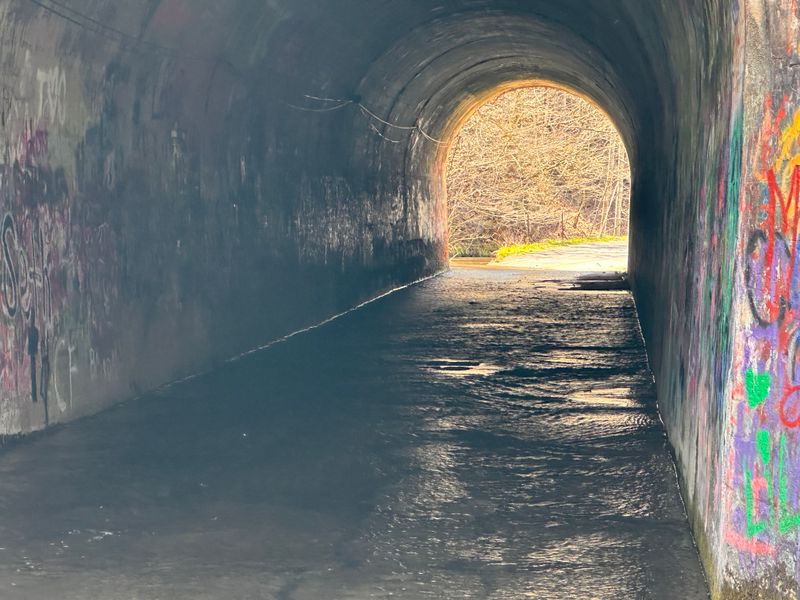
Visitors can find Sensabaugh Tunnel easily enough by following directions to Sensabaugh Hollow Road, but pinning down the truth behind its legends proves far more difficult. The physical structure exists as a functional underpass allowing road traffic beneath the CSX Railroad tracks.
Open twenty-four hours daily, it serves as an ordinary piece of infrastructure for local residents.
What complicates matters is the confusion surrounding which structure actually deserves the Sensabaugh Tunnel name. According to the U.S.
Geological Service, the official Sensabaugh Tunnel belongs to the railroad above, passing through Sensabaugh Ridge approximately 1,100 feet south of the road underpass. Most visitors never realize they’re attaching ghost stories to what technically qualifies as an underpass rather than a tunnel.
This confusion hasn’t dampened enthusiasm for the location. Whether tunnel or underpass, the stone passage has become inseparable from the folklore surrounding it, creating a situation where perception matters more than technical classification.
Sensabaugh Tunnel Predates The Legend
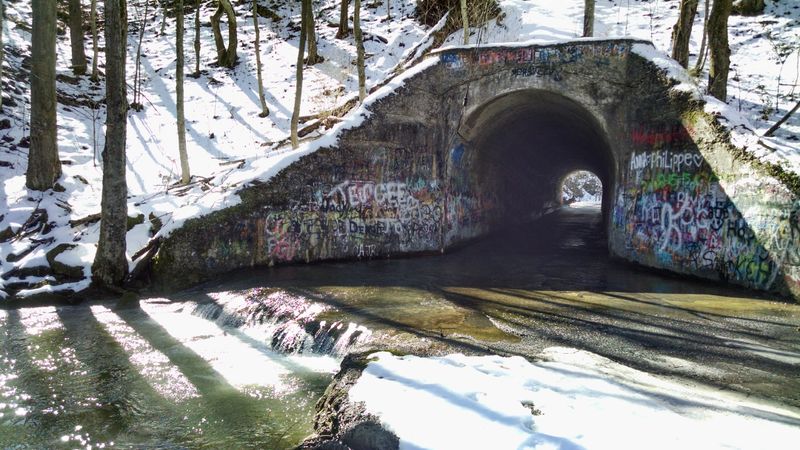
Construction of the underpass occurred long before ghost stories attached themselves to the location. Built to accommodate both the railroad expansion and local road traffic, the structure served purely practical purposes initially.
Early residents of the area knew it simply as a convenient passage, nothing more.
The Sensabaugh family name connects to the surrounding geography, lending the tunnel its official designation. Sensabaugh Ridge and Sensabaugh Hollow both carry this family’s legacy, marking their historical presence in the region.
No evidence suggests the family welcomed the supernatural associations that later emerged.
Decades passed before the tunnel transformed from mundane infrastructure into a destination for ghost hunters. The stone walls witnessed ordinary life for years—farmers hauling crops, families traveling to town, workers commuting to their jobs.
Something shifted in local consciousness, though precisely when remains unclear, and the tunnel acquired its darker reputation seemingly overnight in the collective memory of the community.
No One Agrees On How The Story Started
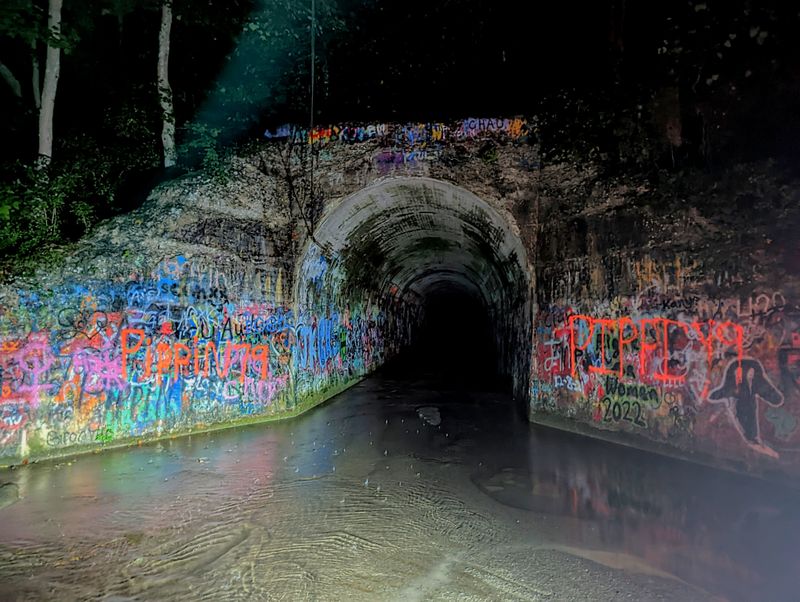
Ask ten different people about the tunnel’s haunting, and you’ll likely hear ten variations on the core legend. Some versions involve a tragic family incident, others describe a lost child, and still others reference completely different scenarios.
The lack of consensus reveals how folklore develops organically without a single authoritative source.
No newspaper archives document the supposed tragedies that allegedly occurred near the tunnel. Local historians have searched for evidence connecting specific deaths or crimes to the location without success.
This absence of documentation hasn’t prevented the stories from flourishing and multiplying.
What makes the legend particularly interesting is how each storyteller adds personal embellishments. Details shift depending on who’s speaking—the number of victims changes, the time period moves forward or backward, and the nature of the haunting transforms.
This fluidity suggests the stories serve a social function rather than preserving actual historical events, allowing each generation to reshape the narrative to suit contemporary fears and interests.
The Mystery Grew By Word Of Mouth
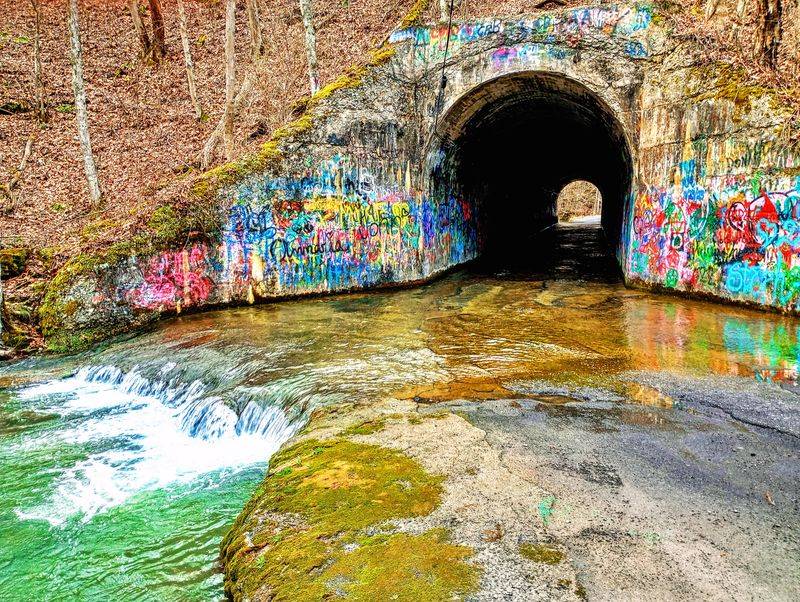
Every generation that discovered Sensabaugh Tunnel felt they were uncovering a secret unknown to outsiders. Friends told friends, siblings warned younger brothers and sisters, and the stories circulated through schools and workplaces.
This organic transmission gave the legend an authentic quality that official ghost tours or published accounts rarely achieve.
Campfire conversations and late-night gatherings provided perfect settings for sharing tunnel experiences. Someone would mention visiting the location, and suddenly everyone had a story—either personal or second-hand.
The social context encouraged dramatic retellings, with storytellers competing to present the most compelling version.
Parents who visited the tunnel as teenagers later brought their own children, passing along the tradition. This generational continuity strengthened the legend’s hold on the community.
By the time the internet emerged, Sensabaugh Tunnel already possessed decades of accumulated folklore, giving it credibility that newer haunted locations struggled to match. The stories had achieved a depth and complexity that only time can provide.
Rumors Spread Long Before The Internet
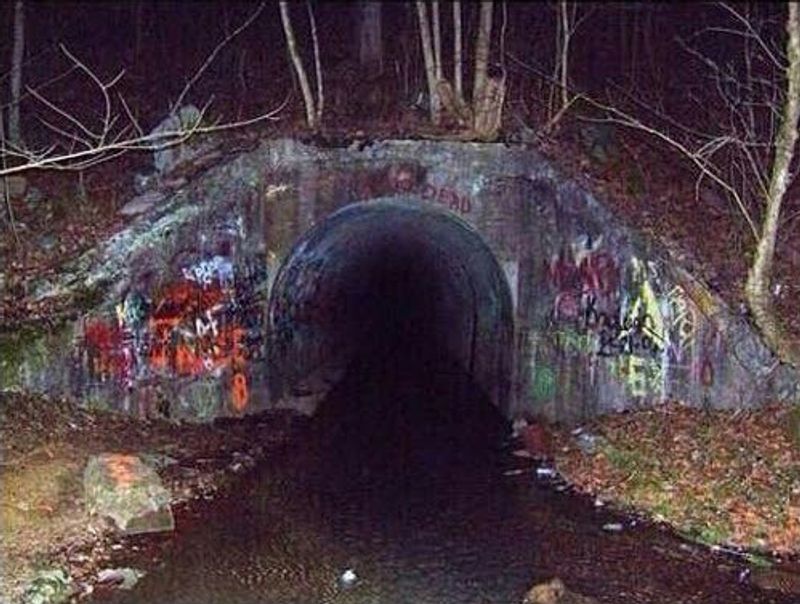
Sensabaugh Tunnel’s reputation grew through traditional word-of-mouth channels decades before social media existed. Teenagers challenged each other to visit after dark, creating a self-perpetuating cycle of dare and retelling.
Each visit produced new stories, whether genuine experiences or imaginative embellishments designed to impress peers.
High school students particularly embraced the tunnel as a test of courage. Driving through at midnight became a rite of passage, with some claiming their vehicles stalled inexplicably or headlights dimmed without reason.
Others reported hearing unexplained sounds or feeling overwhelming dread wash over them.
The pre-internet spread of these stories demonstrates how effectively local legends can propagate through communities. Without websites or forums to standardize the narrative, the tunnel’s haunting remained delightfully inconsistent.
Each telling added layers, and the lack of fact-checking allowed the most dramatic versions to thrive. Geographic isolation helped too—Church Hill’s rural location meant fewer outsiders questioned or challenged the established folklore.
In Daylight, It Looks Completely Ordinary
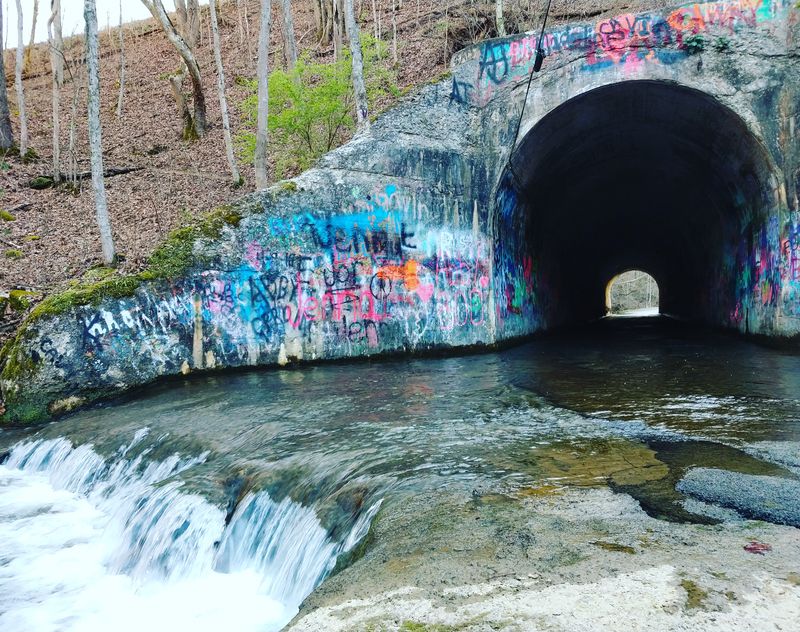
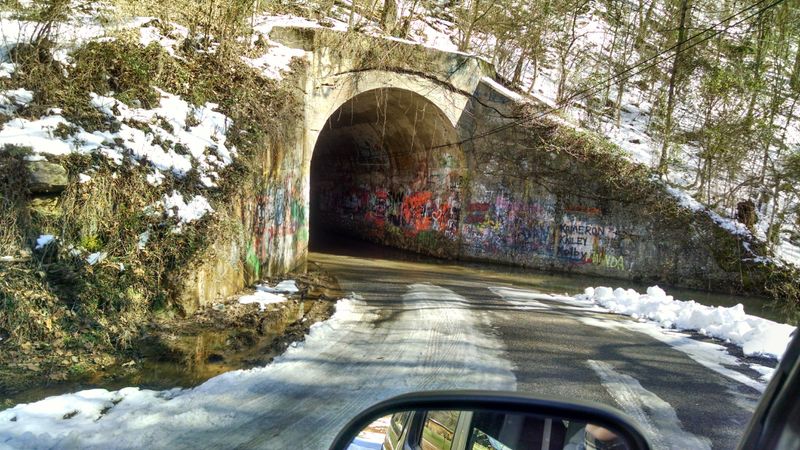
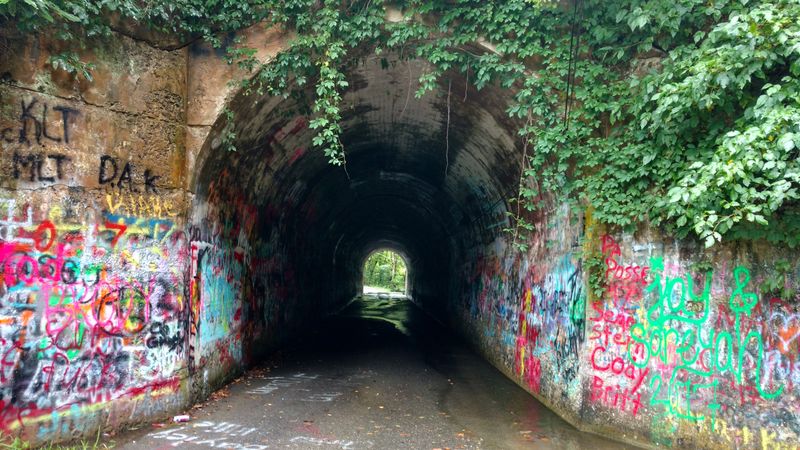
Visitors approaching Sensabaugh Tunnel during afternoon hours often express surprise at its mundane appearance. Sunlight reveals a simple stone underpass, perhaps fifty feet long, with water running through its base.
Graffiti decorates the walls in layers, some fresh and others faded from years of exposure. Trash occasionally litters the area, left by careless visitors.
The surrounding landscape offers pleasant rural scenery without obvious menace. Trees line the road, and the sound of water trickling through the tunnel creates a peaceful atmosphere.
Cars pass through regularly, locals going about their daily business without apparent concern for supernatural threats.
This daytime ordinariness makes the tunnel’s haunted reputation seem almost absurd. Nothing about the structure suggests tragedy or paranormal activity.
Yet this contrast between daylight normalcy and nighttime dread forms part of the location’s appeal. The transformation that supposedly occurs after dark—when ordinary stone becomes a portal to the unexplained—captures imaginations precisely because the setting seems so unremarkable in sunshine.
Locals Treated It As A Rite Of Passage
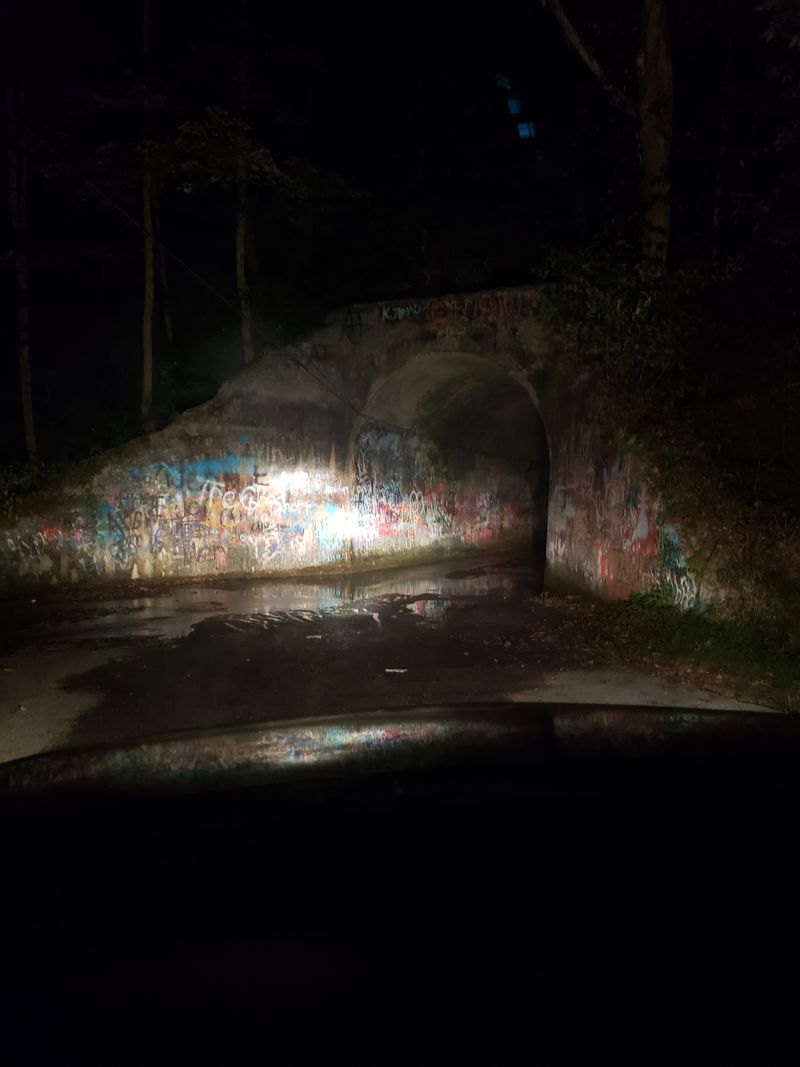
Growing up near Church Hill meant eventually facing the challenge of Sensabaugh Tunnel after dark. Teenagers viewed visiting the location as proof of bravery, a threshold between childhood and more mature fearlessness.
Those who refused risked social ridicule, while those who went earned bragging rights and social capital.
Different groups developed different rituals around tunnel visits. Some insisted on turning off headlights midway through, others required walking the entire length on foot, and still others demanded staying inside for a specific duration.
These self-imposed rules intensified the experience, transforming a simple drive into a structured dare.
Local families with connections to the area sometimes dismissed the haunting stories, having lived near the tunnel their entire lives without incident. One visitor even reported meeting a Sensabaugh family member who claimed no knowledge of paranormal activity.
Yet these dissenting voices rarely dampened enthusiasm among young people seeking adventure and the thrill of potentially encountering something beyond normal experience in their otherwise quiet community.
Each Retelling Changed The Story
Folklore scholars recognize Sensabaugh Tunnel as a textbook example of how legends evolve through retelling. Each person who shares the story unconsciously modifies details, emphasizing elements that resonate personally while downplaying or forgetting others.
Over time, these small changes accumulate into significantly different versions.
Some retellings focus on auditory phenomena—crying babies, screaming women, or unexplained whispers echoing through the stone passage. Others emphasize visual experiences like mysterious lights, shadowy figures, or photographic anomalies discovered only after leaving the location.
Still others describe physical sensations: sudden temperature drops, overwhelming anxiety, or the feeling of being watched.
The malleability of the legend allows it to adapt to changing cultural contexts. Earlier versions might have emphasized different fears than contemporary retellings.
Modern visitors bring smartphones and recording equipment, producing new types of evidence that earlier generations couldn’t have imagined. Yet the core narrative remains recognizable across decades, suggesting certain elements resonate regardless of era or individual interpretation.
Fact And Folklore Became Blurred
Distinguishing between documented history and invented narrative proves nearly impossible with Sensabaugh Tunnel. The stories have circulated for so long that many locals accept them as historical fact despite the absence of supporting evidence.
This blurring of boundaries between reality and legend creates a unique cultural artifact.
Paranormal investigators who visit often report mixed results. Some capture unexplained sounds on recording equipment or photograph unusual light patterns.
Others spend hours at the location without experiencing anything remotely supernatural. These inconsistent outcomes fuel ongoing debate about whether the tunnel genuinely harbors paranormal activity or simply serves as a blank canvas for imagination.
The tunnel’s 4.5-star rating from visitors reflects this ambiguity. Reviews range from enthusiastic accounts of supernatural encounters to dismissive assessments from skeptics who found nothing unusual.
Both perspectives coexist, with neither side able to definitively prove their position. This unresolved tension keeps the legend alive, ensuring each new generation can approach the tunnel with fresh eyes and form their own conclusions.
The Tunnel Became A Local Myth
Sensabaugh Tunnel achieved something rare for a haunted location—it became inseparable from the community’s identity. Mention Church Hill to paranormal enthusiasts, and the tunnel immediately comes to mind.
This association brings tourism to an otherwise quiet area, though not always the kind locals appreciate.
The location’s accessibility contributes to its mythic status. Open twenty-four hours and requiring no admission fee, anyone can visit at any time.
This democratic access means the tunnel belongs to everyone rather than being controlled by commercial interests. Visitors can form personal relationships with the location without mediation.
Whether the tunnel actually harbors spirits remains unanswered and perhaps unanswerable. What’s certain is that the stories surrounding it have achieved a life of their own, independent of verifiable facts.
The legend persists because it serves human needs—the desire for mystery, the thrill of fear, and the comfort of shared stories that connect us to place and community. Sensabaugh Tunnel reminds us that sometimes the story matters more than the truth.