
15 Old-School New York Deli Rules That Would Shock Today’s Foodies
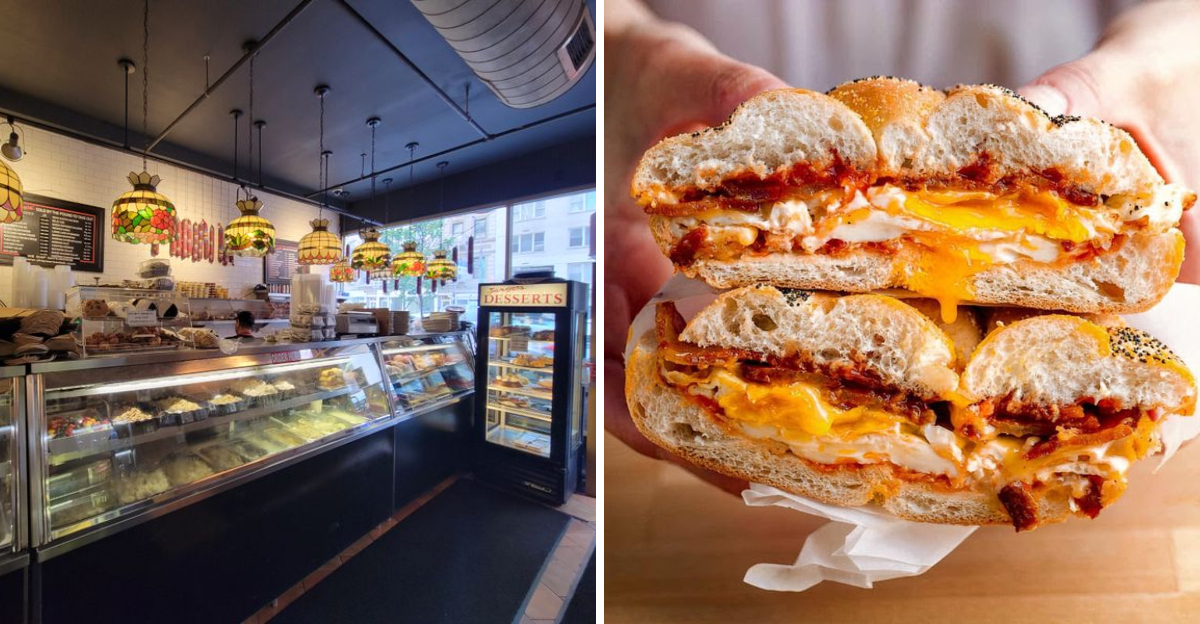
Picture this: you walk into a bustling New York deli in the 1940s, and everything feels different. The rules are strict, the workers run the show, and you don’t dare ask for extra mayo or complain about anything.
Old-school delis operated like well-oiled machines with unspoken codes that kept lines moving and customers in check. Today’s food culture celebrates customization and customer experience, but back then, you played by the deli’s rules or you didn’t eat.
1. Meatless Days Were Patriotic, Not Trendy
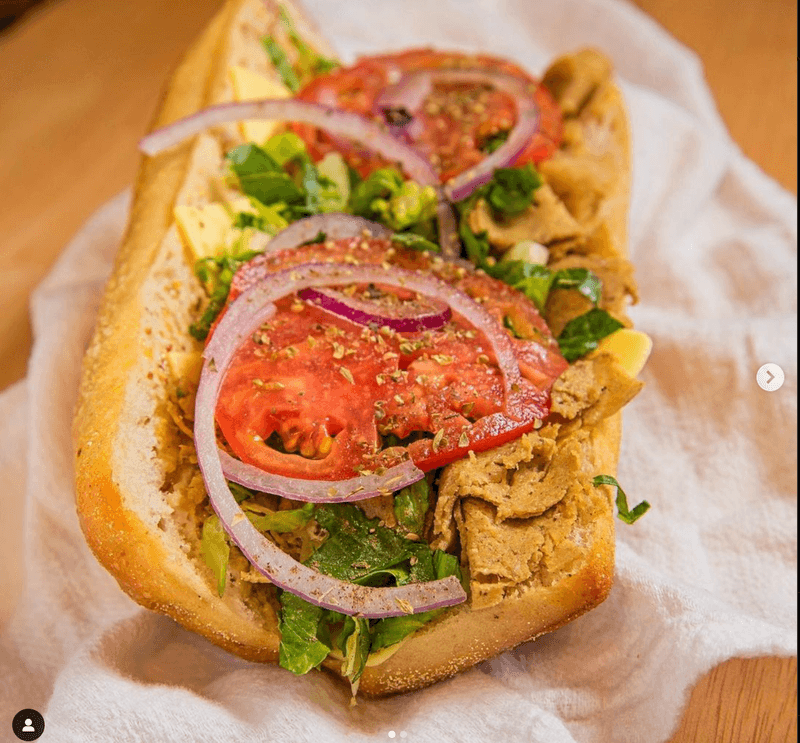
During World War II, going meatless wasn’t about health trends or environmental activism. It was your civic duty.
New York delis participated in rationing programs that required certain days of the week to be completely meat-free. Customers understood this was part of supporting the war effort, not a lifestyle choice.
Imagine walking into Katz’s Delicatessen, New York, and being told no pastrami today because it’s Tuesday. You wouldn’t argue or leave a bad review online.
You’d order something else and feel good about doing your part for the country.
The whole mindset was different back then. People accepted restrictions without complaint because everyone was making sacrifices together.
Today’s foodies might struggle with being told what they can and cannot order based on the day of the week, especially when they’re craving that specific sandwich they saw on Instagram.
2. Ceiling Prices Controlled What You Paid
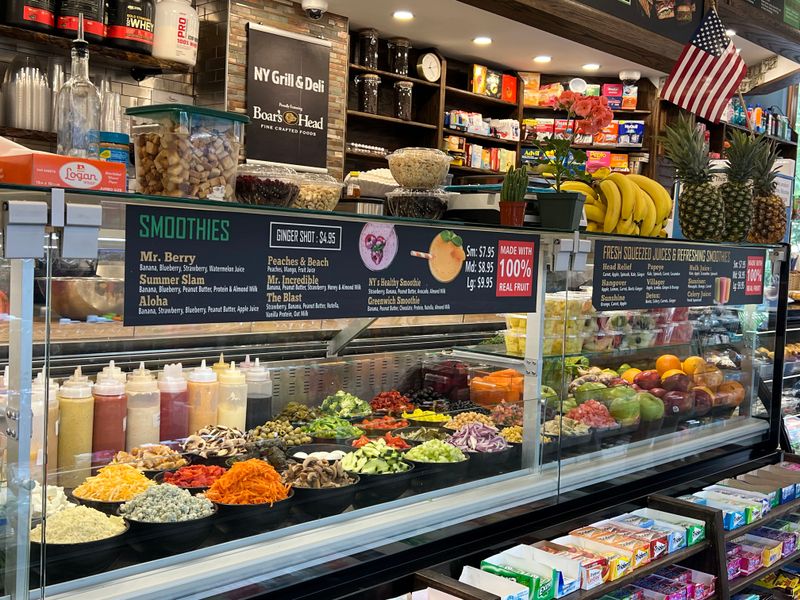
Government-imposed price ceilings during wartime meant delis couldn’t charge whatever they wanted. The Office of Price Administration set maximum prices for menu items, and deli owners had to comply or face serious penalties.
This wasn’t about market competition or special deals—it was federal law.
Walking into a place like the Carnegie Deli, which once stood at 854 7th Avenue, New York, NY 10019, meant you knew exactly what you’d pay. Prices were posted clearly and couldn’t fluctuate based on demand or time of day.
There were no surge pricing algorithms or dynamic menus.
Today’s diners are used to prices changing constantly, from happy hour specials to weekend upcharges. Back then, stability was the norm.
Everyone paid the same fair price, and deli owners made it work within those constraints, focusing on volume and efficiency rather than maximizing profit per sandwich.
3. Portions Were Generous by Rule, Not Marketing
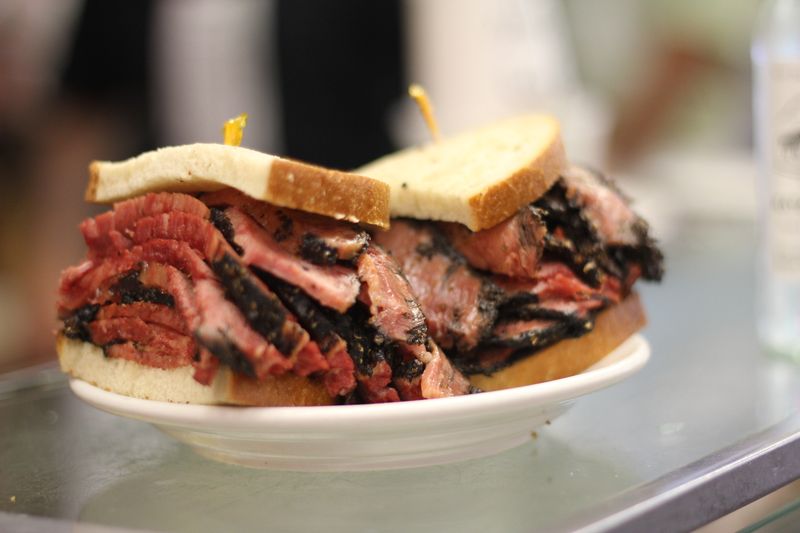
Those famous towering pastrami sandwiches weren’t Instagram bait or marketing gimmicks. Generous portions were simply standard practice, rooted in immigrant traditions of hospitality and making sure customers got real value.
Deli owners took pride in piling meat high because that’s what their reputation depended on.
At the Second Avenue Deli, originally at 156 Second Avenue, New York, NY 10003, you’d get a sandwich so stuffed you could barely fit your mouth around it. Nobody measured portions to maximize profit margins.
The goal was to send customers away satisfied and full, not calculating macros or photographing their plate.
Modern portion control focuses on consistency and cost management, often leaving diners wanting more. Old-school delis operated on abundance.
You got your money’s worth every single time, and that generosity built fierce customer loyalty that lasted generations. It wasn’t a promotional strategy—it was just how business was done.
4. The Paper Ticket Was Sacred

Every customer received a paper ticket when they entered, and that ticket followed you through your entire deli experience. You’d mark what you ordered at each station, and the cashier tallied everything up at the end.
Losing your ticket was a serious problem that could hold up the entire line.
At places like the famous Russ & Daughters at 179 East Houston Street, New York, NY 10002, that ticket system kept chaos at bay during rush hours. Workers checked your ticket at every stop, marking down each item in pencil.
There were no electronic systems or backup records if you lost it.
Today’s digital ordering systems let you tap, swipe, and go without thinking twice. But that paper ticket represented accountability and order in a fast-paced environment.
You guarded it carefully, knowing it was your only proof of what you’d ordered and what you owed. The system worked perfectly for decades.
5. No Custom Orders Allowed
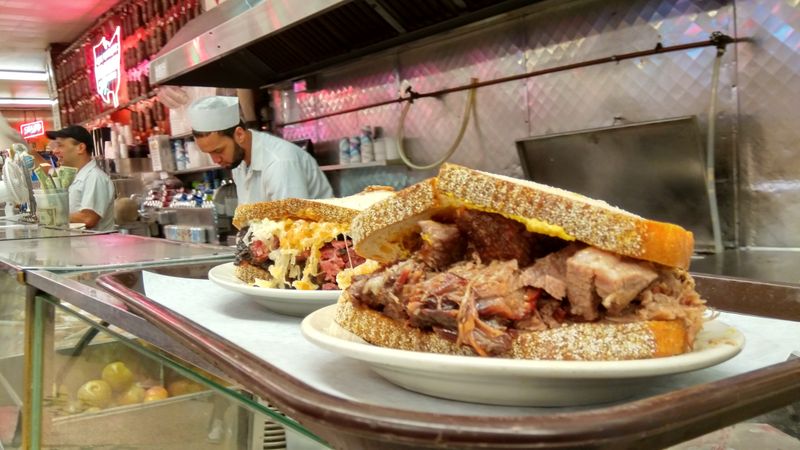
Forget asking for dressing on the side or swapping ingredients. Old-school delis made sandwiches one way—their way.
The menu listed what came on each sandwich, and that’s exactly what you got. Custom orders would slow down service and disrupt the carefully choreographed workflow behind the counter.
At Katz’s Delicatessen at 205 East Houston Street, New York, NY 10002, the countermen were artists who’d perfected their craft. They knew exactly how much mustard, how many pickles, and what ratio of lean to fat made the perfect sandwich.
Your personal preferences didn’t factor into their equation.
Modern food culture celebrates personalization and dietary accommodations, making it standard to modify every order. But back then, you trusted the experts.
If you didn’t like how they made it, you went somewhere else. That confidence in their method created consistency that customers could rely on every single visit.
6. Cash Was King—No Exceptions
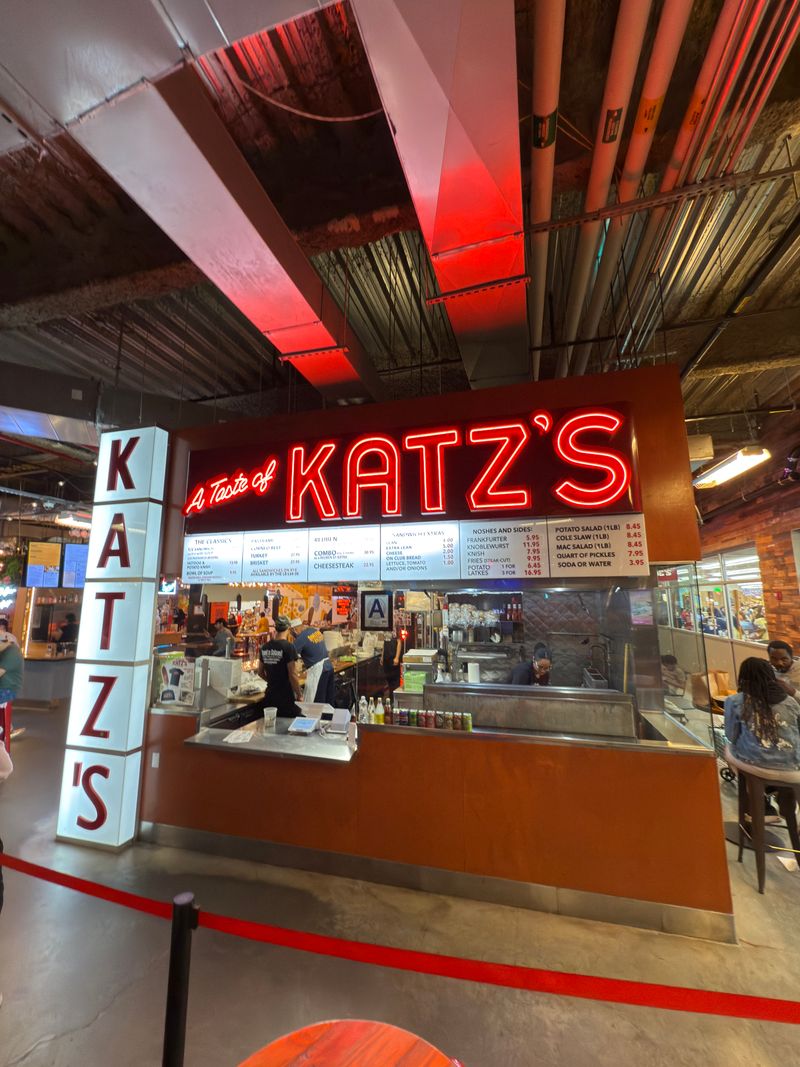
Credit cards didn’t exist in most delis until much later, and even checks were viewed with suspicion. You paid in cash, period.
This kept transactions lightning-fast and eliminated any possibility of payment disputes or bounced checks. The cash register rang constantly, and money changed hands in seconds.
Walking into Yonah Schimmel Knish Bakery at 137 East Houston Street, New York, NY 10002, meant having exact change ready if possible. Workers appreciated customers who could pay quickly and accurately, keeping the line moving.
There were no card readers to malfunction or processing delays to slow things down.
Today’s cashless payment options offer convenience, but they’ve also complicated transactions with tips, receipts, and technology failures. Old delis operated with beautiful simplicity.
Cash meant immediate, final payment with no chargebacks or digital records to manage. Everyone knew where they stood, and business flowed smoothly because of it.
7. Lines Were Silent and Serious
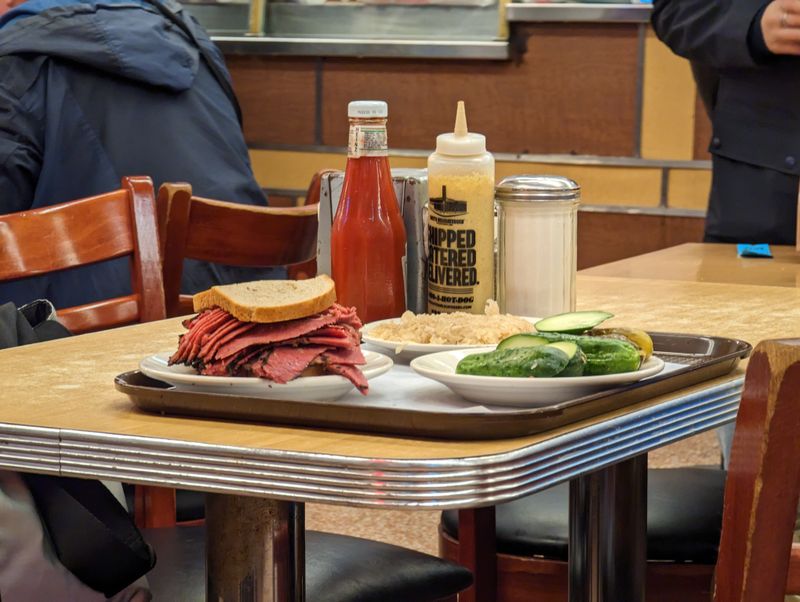
Nobody chatted in line or scrolled through their phones. Waiting customers stood quietly, watching the counter, ready to order the instant their turn came.
The atmosphere was focused and efficient, not social. Small talk would slow everything down and irritate everyone behind you.
At the busy lunch rush at a place like the original Carnegie Deli at 854 7th Avenue, New York, NY 10019, silence meant respect for other people’s time. You thought about your order, had your money ready, and moved quickly when called.
The whole system depended on this unspoken cooperation.
Modern dining encourages lingering and conversation, with restaurants designed as social spaces. But old delis functioned more like efficient feeding stations during peak hours.
You got in, got your food, and got out. That intensity created an energy that was uniquely New York—purposeful, fast-paced, and surprisingly effective at serving massive crowds.
8. Complaining About Salt Wasn’t Welcome
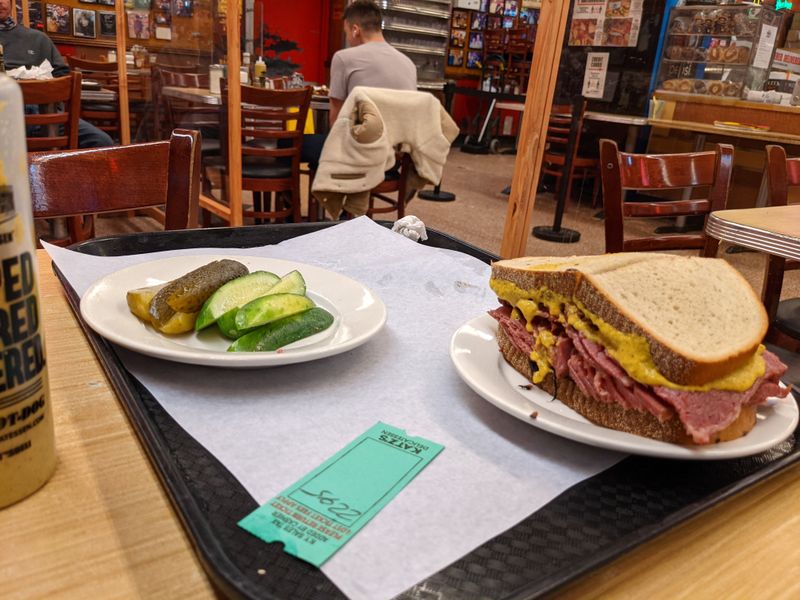
Pastrami, corned beef, and pickles are salty by nature. That’s fundamental to the curing and preservation process.
Complaining about salt content in a deli would mark you as someone who didn’t understand the food. Workers would look at you like you’d just complained about water being wet.
At the Second Avenue Deli, originally at 156 Second Avenue, New York, NY 10003, the cure recipes were perfected over generations. The salt level wasn’t negotiable or adjustable.
It was part of what made the meat tender, flavorful, and safe to eat before modern refrigeration became standard.
Today’s health-conscious diners often request low-sodium options or express concern about salt intake. But traditional deli food was never meant to be a light, healthy option.
It was substantial, flavorful working-class food that gave you energy for a long day. Accepting that was part of appreciating authentic deli culture.
9. Sandwiches Were Eaten Standing Up
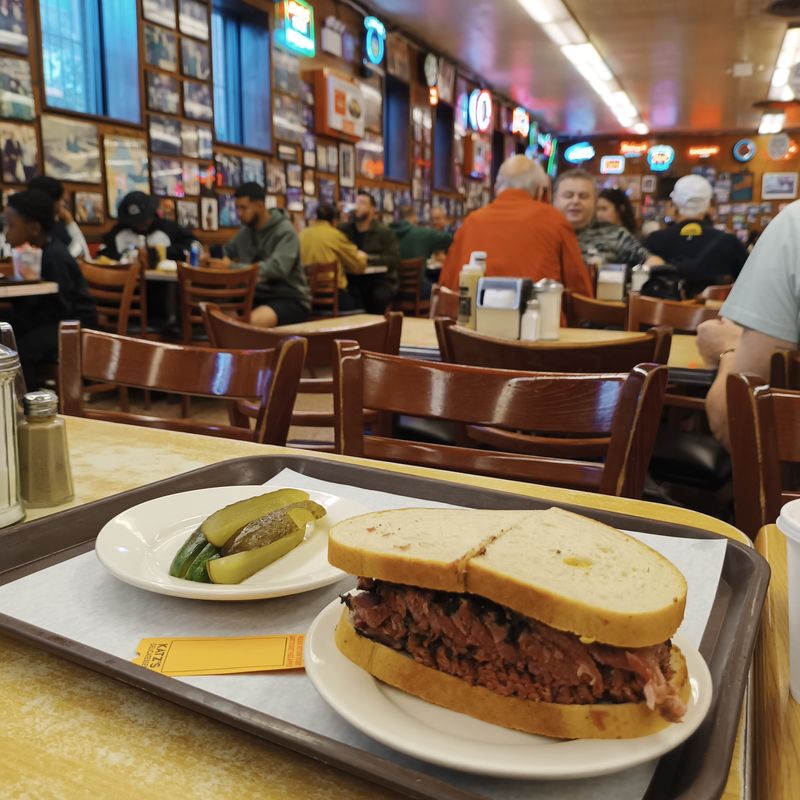
Many classic delis had limited or no seating. You ordered at the counter, received your sandwich, and ate it right there standing up, leaning against a narrow shelf or the wall.
This wasn’t about ambiance—it was about maximizing space and keeping customers moving through quickly.
At busy spots like Katz’s Delicatessen at 205 East Houston Street, New York, NY 10002, standing tables lined the walls where workers could grab lunch in minutes. Nobody lingered over their meal or expected a comfortable dining experience.
You fueled up and returned to work or went about your day.
Modern restaurants prioritize comfort with cushioned seating and atmosphere designed to encourage longer visits. But old delis operated on volume and turnover.
Standing while eating actually helped digestion and kept the experience brief and focused on the food itself, not the surroundings. It was efficient and practical for the neighborhood’s working population.
10. Takeout Came Wrapped in Paper, Not Containers
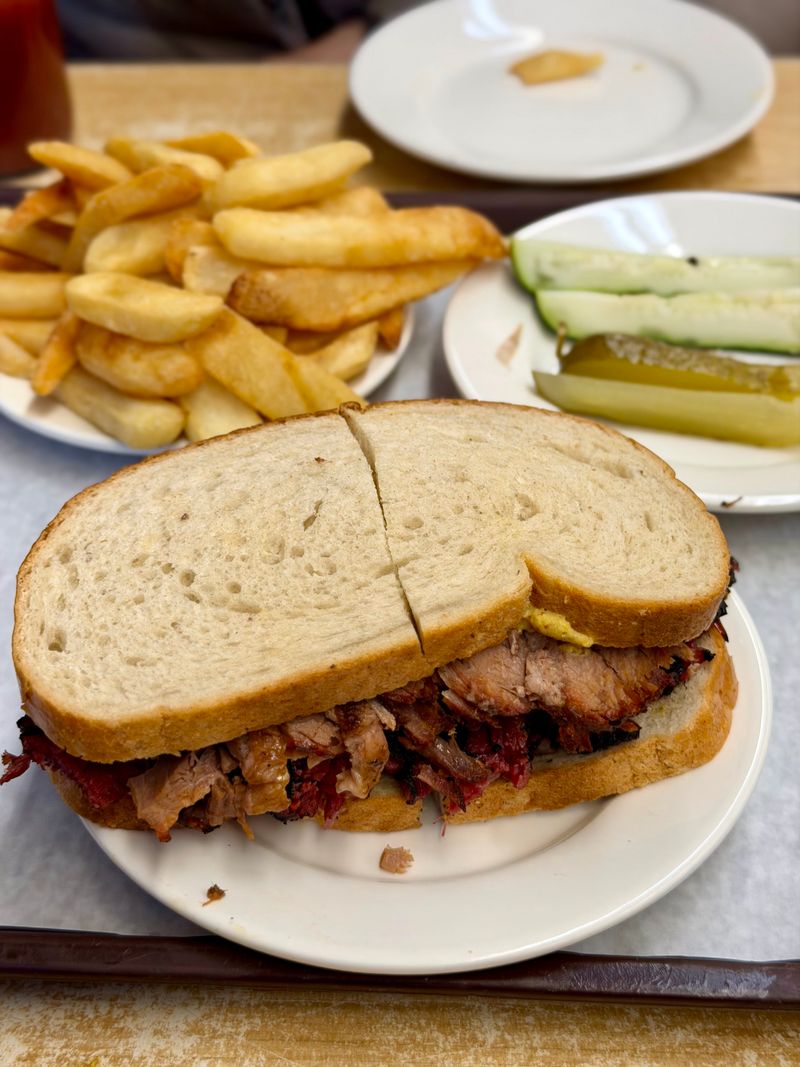
Your sandwich got wrapped tightly in wax paper or butcher paper, maybe secured with a rubber band if you were lucky. There were no plastic containers, foam boxes, or separate compartments for different items.
Everything got wrapped efficiently and handed over in a simple paper bag.
At Russ & Daughters at 179 East Houston Street, New York, NY 10002, workers perfected the art of the tight wrap that kept everything together during transport. The paper absorbed some moisture while protecting the sandwich, and the whole package was compact and easy to carry.
Today’s takeout comes in elaborate packaging with multiple containers, utensils, napkins, and condiment packets. But that simple paper wrap was environmentally friendly, took up minimal space, and worked perfectly well.
You unwrapped it carefully, and the paper became your plate. It was elegant in its simplicity and created far less waste than modern alternatives.
11. Menus Changed Based on Supply, Not Preference
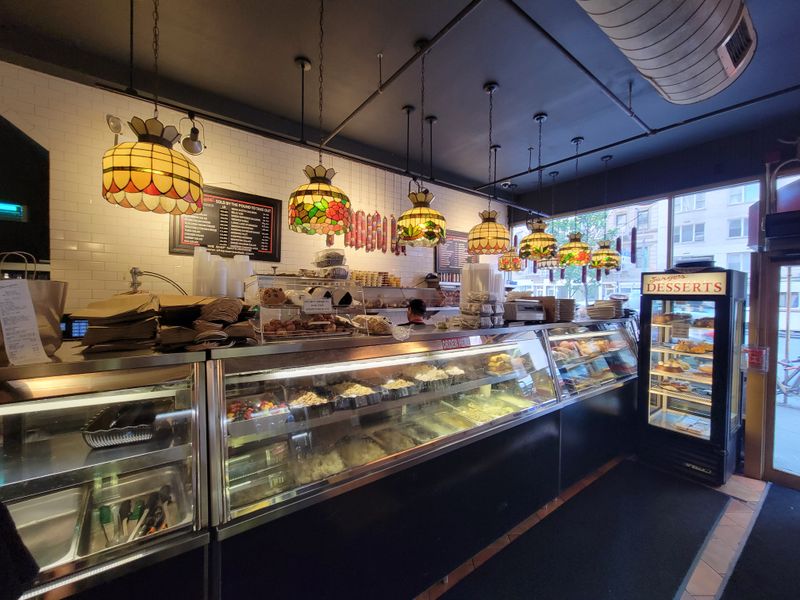
What was available today might not be available tomorrow. Delis worked with what their suppliers delivered, and menu items disappeared when ingredients ran out.
There was no guaranteed consistency because the supply chain itself wasn’t predictable, especially during and after the war years.
At Yonah Schimmel Knish Bakery at 137 East Houston Street, New York, NY 10002, certain knish flavors would sell out by mid-afternoon, and that was that. You couldn’t order ahead or expect them to make more just for you.
When it was gone, it was gone until the next batch.
Modern restaurants promise consistent menus year-round thanks to global supply chains and frozen ingredients. But old delis operated seasonally and locally by necessity.
This actually kept the food fresher and more interesting, though it required flexibility from customers. You learned to try whatever was available rather than fixating on one specific item.
12. Closing Early Was Normal
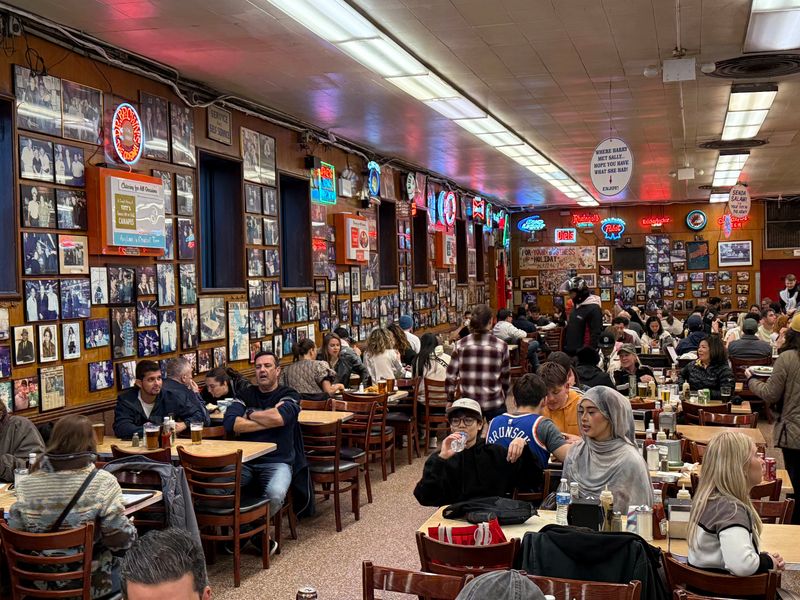
When the food ran out, the deli closed. Simple as that.
There was no staying open until a posted time if everything was already sold. Workers went home, and customers who arrived late just had to try again tomorrow.
Operating hours were more like guidelines than guarantees.
A place like the Carnegie Deli at 854 7th Avenue, New York, NY 10019, might close an hour or two early on particularly busy days when they’d sold through their inventory. This wasn’t seen as bad customer service—it meant the food was so popular and fresh that they’d run out.
Today’s 24-hour food culture and late-night delivery options mean we expect availability whenever we want it. But old delis operated on practical terms.
They prepared a certain amount each day, sold it, and closed. This actually ensured maximum freshness since nothing sat around waiting for customers.
You learned to show up earlier if you wanted the best selection.
13. Regulars Were Served First
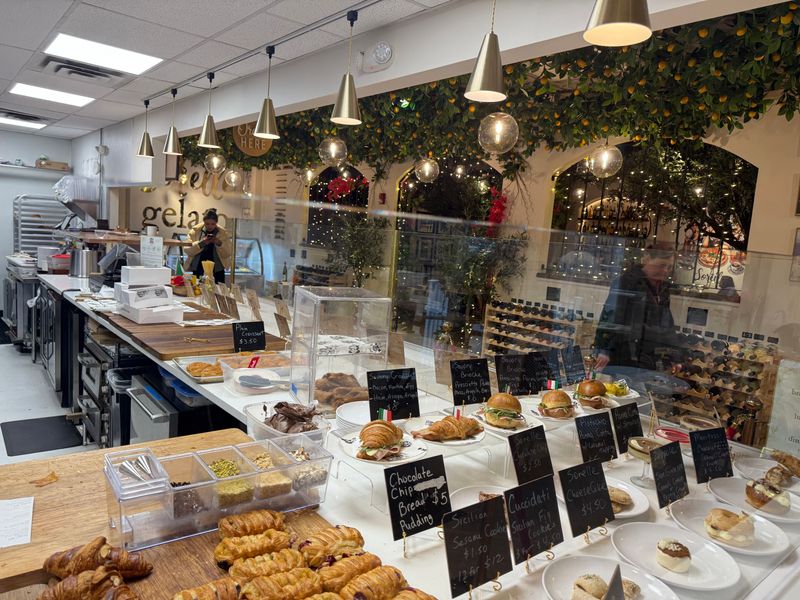
If you were a regular customer, you might get waved to the front of the line or have your order started before you even asked. This wasn’t considered unfair—it was respect for loyalty and the relationships that made neighborhood delis work.
Regulars kept the business running and earned their privileges.
At Katz’s Delicatessen at 205 East Houston Street, New York, NY 10002, countermen knew their regulars by name and remembered their usual orders. A familiar face meant trusted business and often a bigger tip.
That relationship was valuable to both parties and worth acknowledging publicly.
Modern restaurants emphasize equal treatment for all customers, with strict first-come, first-served policies. But old delis operated more like family businesses where relationships mattered.
New customers understood they needed to earn their place in the community. It created a sense of belonging and reward for loyalty that’s largely disappeared from today’s transactional dining culture.
14. Kosher Rules Were Strictly Observed
Many traditional New York delis followed kosher dietary laws without compromise. This meant no mixing of meat and dairy, specific preparation methods, and rabbinical supervision.
These weren’t optional guidelines for marketing purposes—they were religious obligations taken seriously by owners and customers alike.
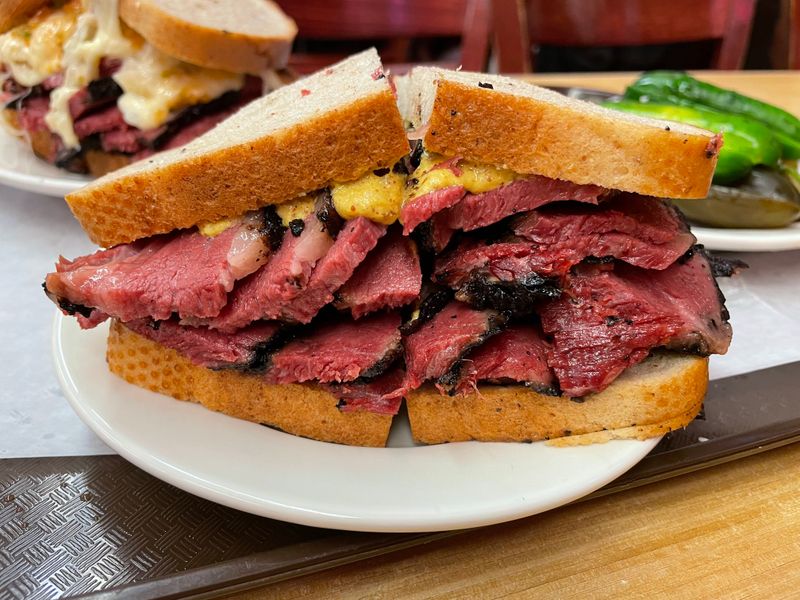
At the Second Avenue Deli, originally at 156 Second Avenue, New York, NY 10003, kosher certification meant everything from sourcing to preparation followed strict rules. You couldn’t order a cheeseburger or ask for butter on your pastrami sandwich.
These combinations were simply impossible, not because of preference but because of law.
Today’s delis often use the term kosher-style, offering traditional foods without actual kosher certification. But authentic old-school delis maintained their religious standards even when it was less convenient or profitable.
This commitment to tradition and faith was fundamental to their identity and connected them to centuries of Jewish culinary and religious practice.
15. Deli Workers Controlled the Pace, Not Customers
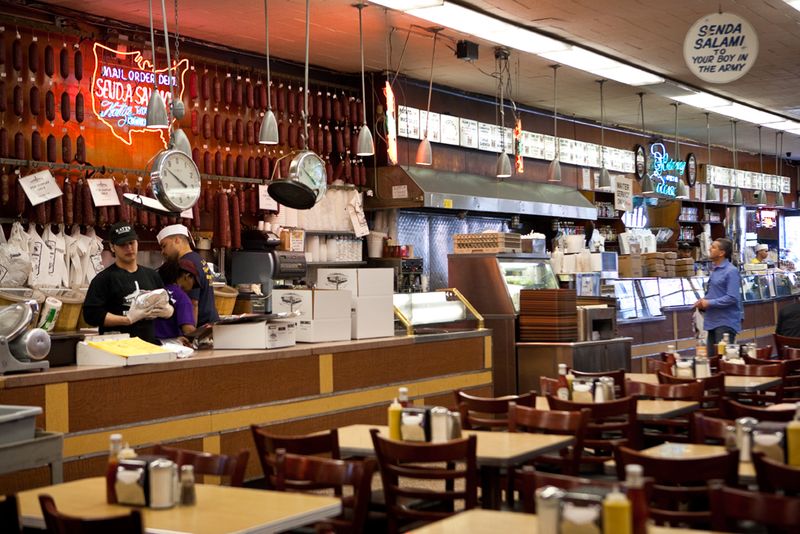
The people behind the counter ran the show completely. They decided when to take your order, how long to spend with each customer, and what pace the line moved.
Customers waited patiently and didn’t complain about speed or try to rush the process. The workers’ expertise and rhythm were respected.
At Russ & Daughters at 179 East Houston Street, New York, NY 10002, the fish slicers were masters of their craft who couldn’t be hurried. They took pride in perfect cuts and proper presentation.
Trying to rush them or demand faster service would be pointless and rude.
Modern customer service emphasizes accommodating guests and moving at their preferred pace. But old delis operated with workers as skilled craftspeople who deserved respect for their expertise.
They maintained quality by refusing to be rushed, and customers benefited from that commitment to doing things right. It was a different power dynamic that prioritized the product over convenience.