
This Secret Washington Beach Town Is Almost Too Good To Share
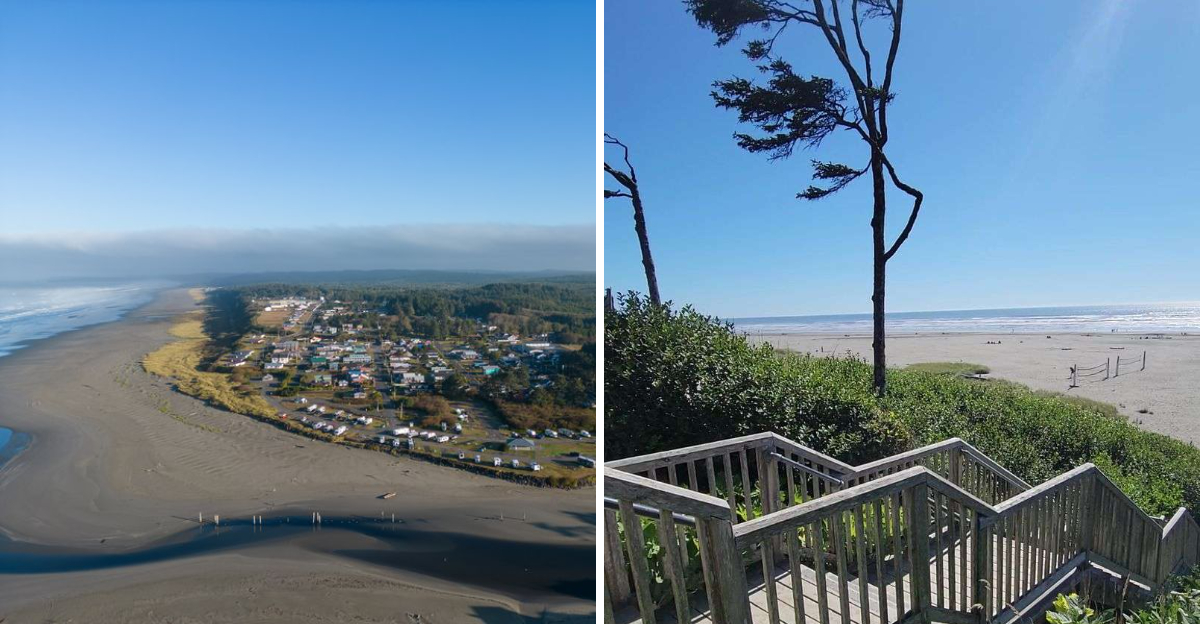
Tucked along the rugged Washington coast, Pacific Beach remains one of those rare places where the ocean still feels like it belongs to the locals. With a population hovering around 280, this quiet census-designated place in Grays Harbor County offers something increasingly hard to find: solitude by the sea.
While tourists flock to crowded resort towns farther south, Pacific Beach continues its unhurried rhythm, where fog rolls in like clockwork and the only real decision is whether to walk north or south along the shore.
Pacific Beach Is One Of Washington’s Quietest Ocean Towns
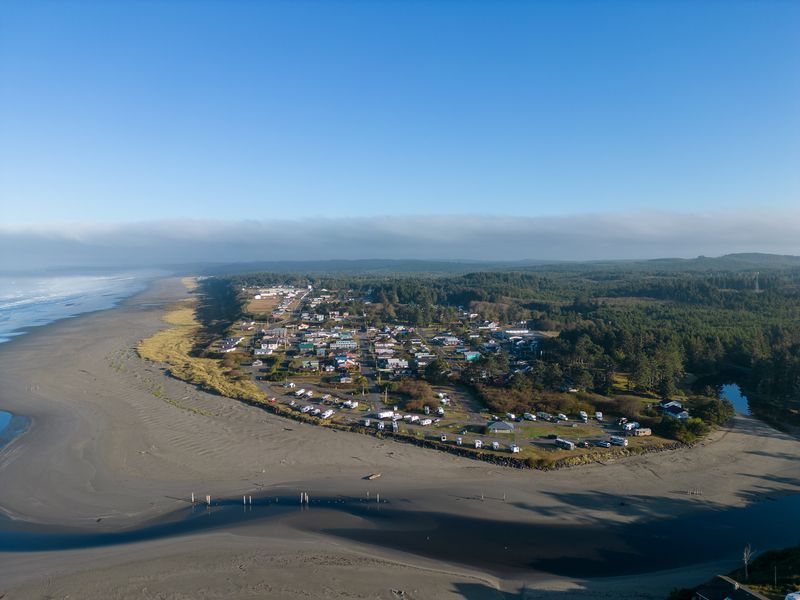
Population signs here don’t require many digits. With fewer than 300 year-round residents, Pacific Beach operates on a scale that feels almost anachronistic in the modern Pacific Northwest.
There are no traffic lights, no chain restaurants, and certainly no need for a parking attendant during most of the year.
What you find instead is a community that knows itself well. Small markets carry what’s needed, not what’s trendy.
Conversations happen slowly, without the urgency that defines so many coastal destinations.
Located at 47.2088559, -124.2001611 in Grays Harbor County, this stretch of shoreline manages to stay beneath the radar of most travelers heading toward more advertised beach towns. The absence of commercial infrastructure isn’t neglect—it’s preservation by circumstance.
People who live here appreciate the quiet, and visitors who discover it tend to respect that unspoken agreement.
Silence, after all, is a commodity in short supply along the American coastline. Pacific Beach offers it without pretense or apology, and that restraint is precisely what makes it memorable.
The Beach Here Is Wide, Flat, And Surprisingly Empty
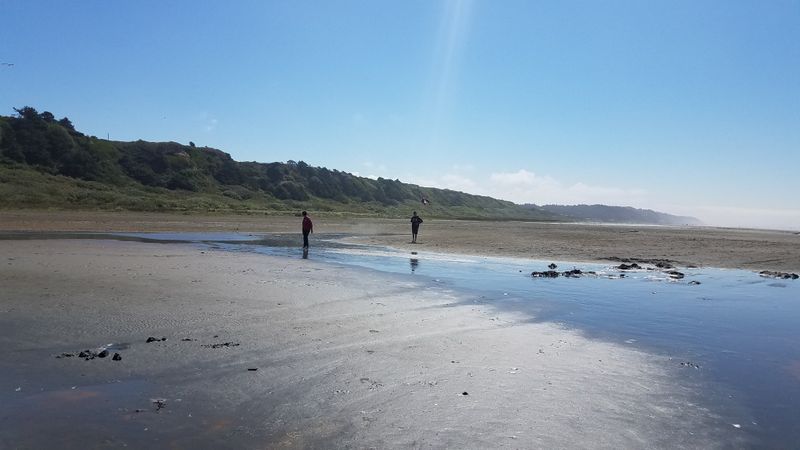
Miles of sand stretch in both directions, interrupted only by driftwood and the occasional beachcomber. Unlike many Washington beaches hemmed in by cliffs or rocks, this shoreline opens up with generous proportions.
At low tide, the beach extends far enough that the waterline feels distant, almost theoretical.
Families spread blankets without negotiating for space. Dogs run without leashes tangling with strangers.
The openness here isn’t just physical—it’s psychological, a kind of spatial luxury that changes how people behave.
Even on summer weekends, when neighboring beaches become shoulder-to-shoulder affairs, Pacific Beach maintains its composure. The flatness makes walking easy, whether you’re chasing the tide pools at the northern rocks or simply pacing out your thoughts.
Shells, agates, and polished stones appear with regularity, rewards for those willing to keep their eyes down.
This isn’t a beach for dramatic coastal photography or rugged exploration. It’s a beach for existing comfortably, for letting hours pass without agenda, and for remembering what shorelines felt like before they became destinations.
You Can Park Steps From The Sand (No Long Hikes Required)
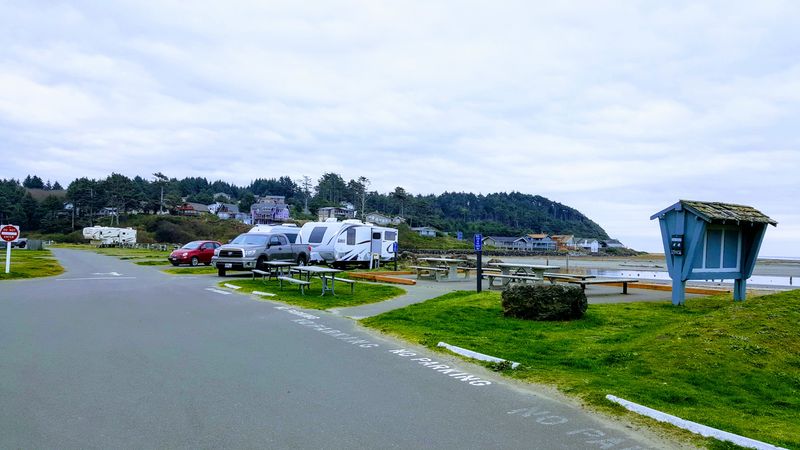
Accessibility here doesn’t require hiking boots or stamina. Parking areas sit directly adjacent to the beach, separated only by a narrow band of dune grass and weathered fencing.
Unloading chairs, coolers, and children happens in minutes, not after a mile-long descent down switchbacks.
For families with small children or visitors with mobility concerns, this proximity matters enormously. There’s no elaborate planning required, no anxiety about whether you’ve packed enough water for the trek back to the car.
Pacific Beach State Park offers the most formal access, with designated parking and clear paths to the sand. But even outside the park boundaries, informal pull-offs provide quick entry points along the main road.
The ease of access doesn’t diminish the experience—it enhances it, allowing more time on the beach and less time worrying about logistics.
Some might argue that difficulty adds value to a destination, that earning your view makes it sweeter. Perhaps.
But there’s something honest about a beach that simply welcomes you without ceremony, that doesn’t require proof of effort before granting entry to its shoreline.
Foggy Mornings And Golden Sunsets Define The Mood
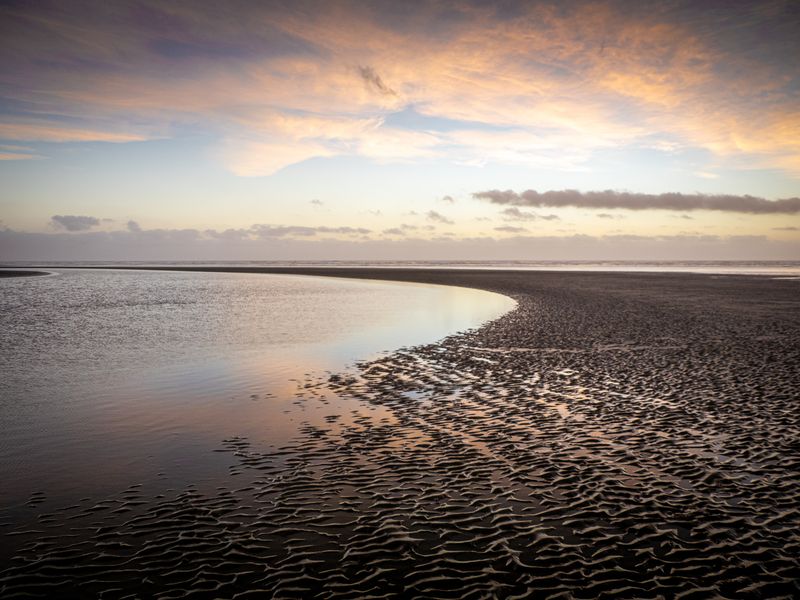
Dawn arrives wrapped in gray here, with fog thick enough to muffle sound and obscure the horizon. Mornings feel private, almost confessional, as if the beach exists in a separate dimension until the sun burns through.
Walking at first light means sharing the sand with gulls and your own footprints, nothing more.
By afternoon, conditions shift. Wind picks up, fog retreats, and the light takes on that peculiar coastal clarity that makes colors almost painfully vivid.
Beach grass glows gold. Wet sand reflects the sky like hammered metal.
Sunset brings the real performance. The western exposure means unobstructed views as the sun drops into the Pacific, painting the sky in shades that seem too saturated to be real.
Locals know the timing by heart, arriving with blankets and thermoses to watch the daily show.
Weather here isn’t background—it’s the main character. The mood shifts hourly, and visitors who stay long enough learn to read the signs: the quality of light, the direction of wind, the thickness of clouds offshore.
Understanding these rhythms is part of understanding the place.
This Town Has No Boardwalk, No Crowds, And No Rush
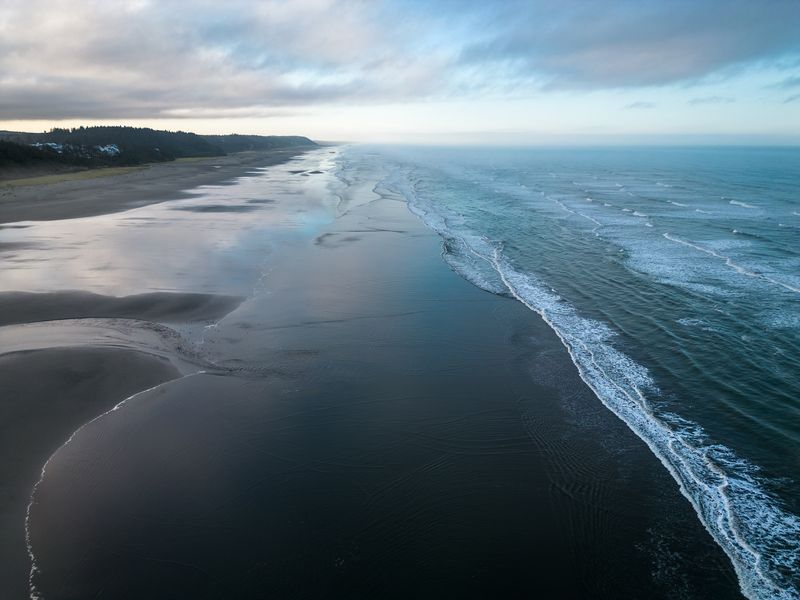
Infrastructure here remains minimal by design or neglect—the result is the same. There’s no wooden promenade lined with ice cream shops and souvenir stands.
No arcade games bleeping for attention. No loudspeakers announcing lost children or beach volleyball tournaments.
What exists instead is a handful of essential services: a small market, a few rental cottages, a restaurant or two that keep irregular hours depending on season and mood. Everything operates on island time, even though this isn’t technically an island.
The absence of commercial development means the beach remains the focus. People come here to be near the ocean, not to be entertained by businesses capitalizing on proximity to the ocean.
It’s a subtle but important distinction, one that shapes the entire character of a visit.
Rushing feels inappropriate here, almost rude. The pace is dictated by tides and daylight, not by schedules or itineraries.
Visitors arriving with packed agendas often find them dissolving within hours, replaced by the simple rhythm of walking, sitting, watching, and returning the next day to do it again.
Pacific Beach State Park Feels Like A Local Secret
State parks usually announce themselves with signage and visitor centers and interpretive displays. This one takes a quieter approach.
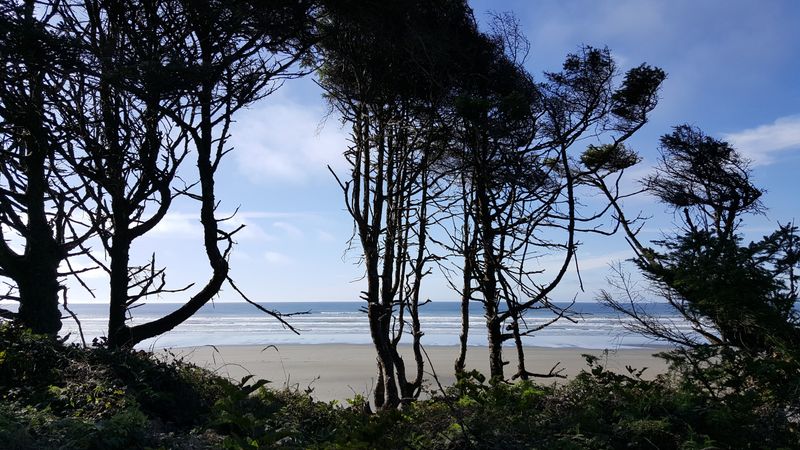
Pacific Beach State Park blends so seamlessly with its surroundings that many people use it without realizing they’ve entered designated parkland. Campsites sit tucked among shore pines, close enough to hear waves but sheltered from wind.
Facilities are basic but functional: picnic tables, fire rings, restrooms that get cleaned regularly but aren’t palatial. The park doesn’t try to compete with resort campgrounds.
It simply provides a place to stay near the water without requiring a mortgage payment for the privilege.
Locals use the park year-round, treating it as an extension of their backyard rather than a tourist attraction. On weekday mornings, you’ll find retirees walking dogs, artists sketching driftwood, and the occasional remote worker taking calls with the ocean as backdrop.
Weekends bring families, but even then, the atmosphere remains low-key.
Reservations are recommended during summer, but outside peak season, securing a spot rarely requires advance planning. The park operates with the kind of flexibility that reflects its community—accommodating, unpretentious, and more interested in access than exclusivity.
Most Visitors Drive Through Without Realizing What They Missed
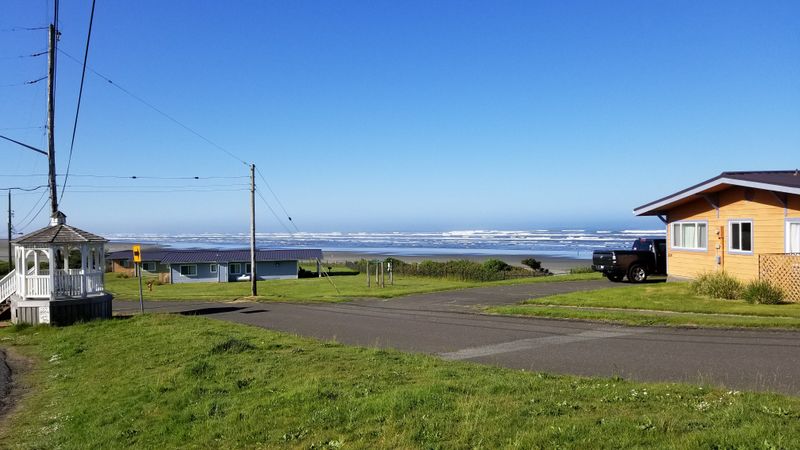
Highway 109 runs along the coast here, carrying travelers between more famous destinations. Signs mark Pacific Beach, but they’re easy to miss if you’re focused on reaching somewhere else.
Many people pass through without slowing, registering only another small town in a region full of them.
The town doesn’t advertise aggressively. There are no billboards promising the world’s best clam chowder or cheapest gas for fifty miles.
Nothing screams for attention. As a result, Pacific Beach gets overlooked by the very tourists who might appreciate it most—those seeking escape from crowds and commercialization.
Locals don’t exactly mourn this oversight. The lack of through-traffic keeps the town’s character intact, preserving the quiet that defines the place.
But there’s also a faint irony: the qualities that make Pacific Beach worth visiting are the same ones that keep visitors from discovering it.
Word spreads slowly here, passed between friends and family rather than through travel blogs and social media. Recommendations come with a quiet plea to respect what you find, to leave things as you found them, to understand that some places survive precisely because they remain slightly hidden.
The Town Is Small Enough To Explore In A Single Walk
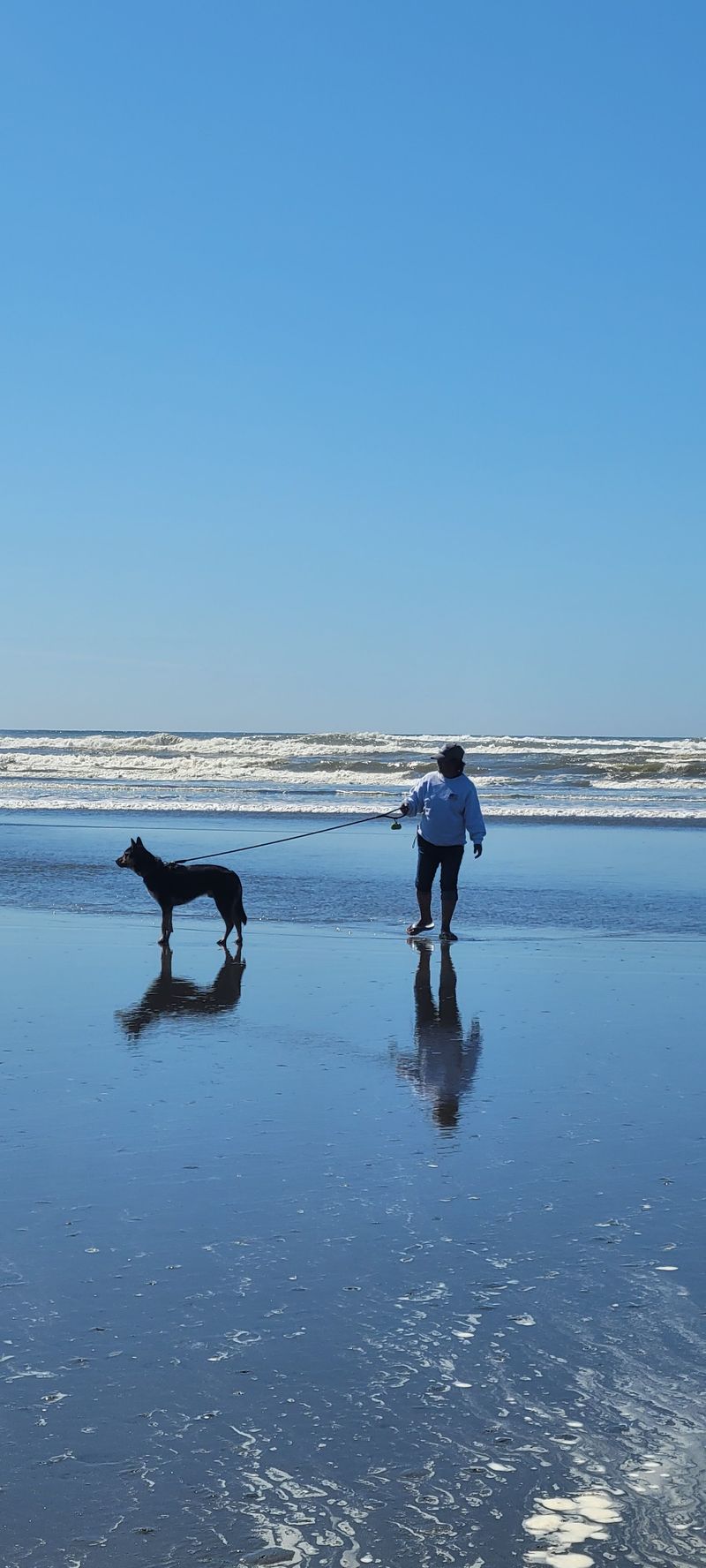
Geography here is manageable. From one end of town to the other takes perhaps twenty minutes on foot, less if you’re not stopping to peer into windows or read historical markers.
The main road runs parallel to the beach, with a few side streets branching off into residential areas where vacation rentals mix with year-round homes.
There’s no need for a map or GPS guidance. Orientation is simple: ocean on one side, forest on the other.
Everything worth finding sits somewhere between those two boundaries. A morning walk covers the essentials, leaving afternoons free for beach time or a longer exploration of the surrounding coastline.
This scale feels refreshing in an era of sprawling destinations that require shuttle buses and detailed planning. Here, discovering everything the town offers takes minimal effort, freeing visitors to focus on the beach itself rather than navigating urban infrastructure.
Small doesn’t mean lacking—it means concentrated, distilled down to what matters.
By the end of a weekend, you’ll recognize faces, know which houses have the best driftwood sculptures in their yards, and understand the unspoken rhythms that govern daily life. Familiarity comes quickly in a place this size, and with it, a surprising sense of belonging.
It’s The Kind Of Place People Visit Once—And Then Return Every Year
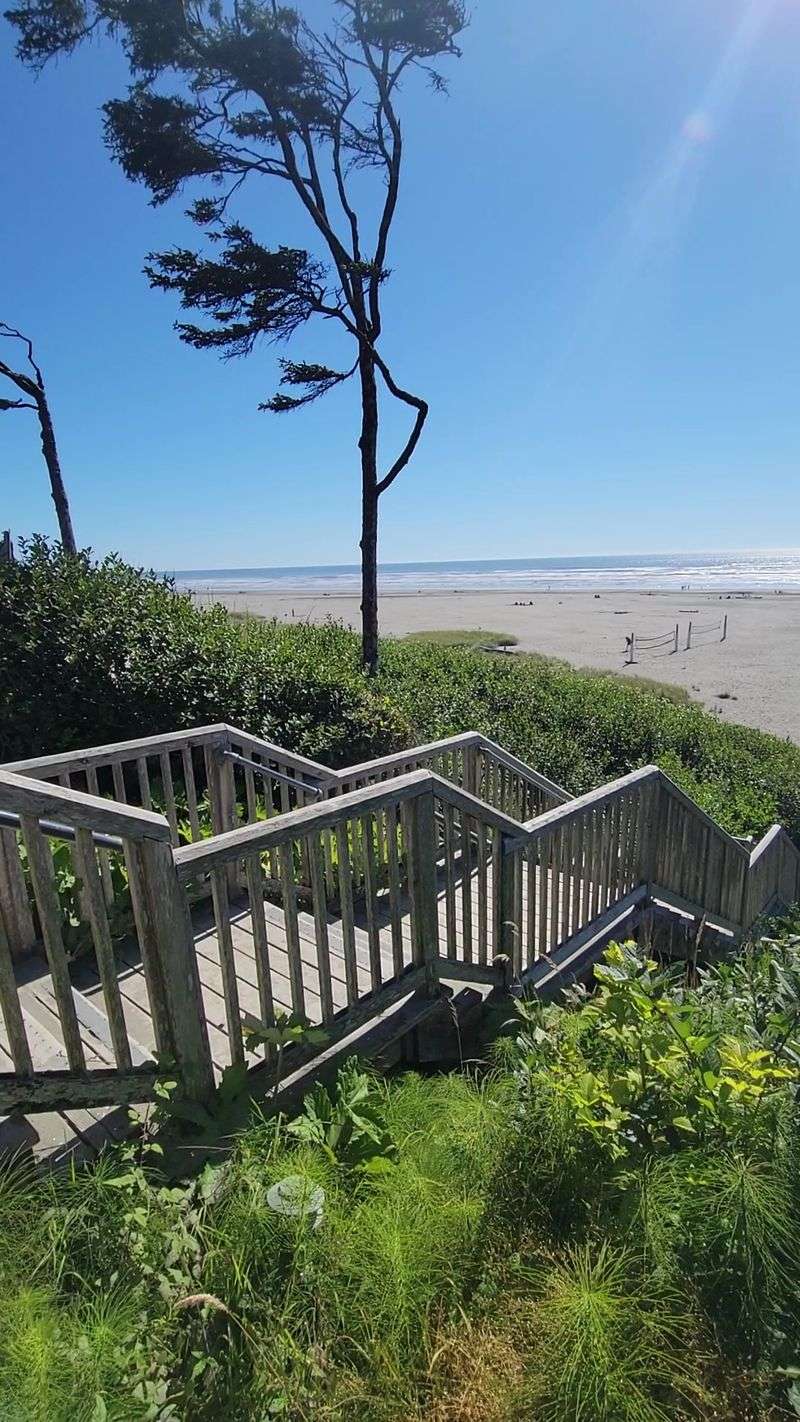
First-timers often arrive by accident or on a friend’s recommendation, expecting little beyond a place to park near the beach. What they discover instead is something harder to quantify: a particular quality of light, a specific feeling of calm, a rhythm that syncs with something internal.
By the time they leave, plans for next year’s visit are already forming.
Annual pilgrimages become tradition here. Families book the same rental cottage each summer, arriving on the same weekend, walking the same stretches of beach.
Rituals develop: morning coffee on the deck, afternoon walks to the tide pools, evening fires with s’mores and conversation. The repetition isn’t monotony—it’s continuity, a thread connecting one year to the next.
Locals recognize the returners, greeting them by name, asking about kids who’ve grown taller since last summer. This familiarity transforms visitors into something closer to temporary residents, welcomed back into a community that values loyalty and consistency.
Pacific Beach doesn’t offer novelty or constant stimulation. It offers reliability, a place that remains fundamentally itself year after year.
In a world of endless options and algorithmic recommendations, there’s profound comfort in returning to the same place, finding it unchanged, and realizing you wouldn’t want it any other way.
Pacific Beach Feels Like What The Washington Coast Used To Be
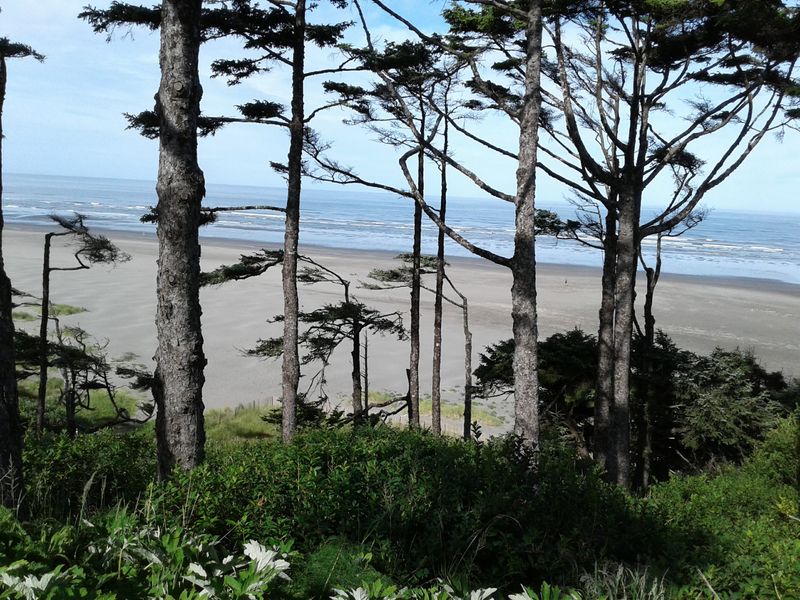
Before development transformed much of the Pacific Northwest coastline into resort communities and retirement enclaves, beach towns functioned differently. They were working places, communities built around fishing and timber rather than tourism.
Simplicity was standard, not a marketing angle.
Pacific Beach retains that older character, not through conscious preservation efforts but through economic and geographic circumstances that discouraged large-scale development. The result is a place that feels less engineered, more organic.
Buildings show their age without apology. Services exist to meet local needs first, tourist wants second.
Walking through town, you sense continuity with an earlier era. The scale is human.
The pace is unhurried. Commercial transactions happen with conversation, not automated efficiency.
These aren’t recreations of the past manufactured for nostalgic tourists—they’re simply the way things still operate here.
Whether this character will survive the next decade remains uncertain. Coastal property values climb steadily, and development pressure follows.
For now, though, Pacific Beach offers a glimpse of what much of the Washington coast looked like fifty years ago: functional, quiet, and focused more on the ocean than on the people who come to see it.
Tide Pools And Driftwood Offer Natural Entertainment Without Entrance Fees
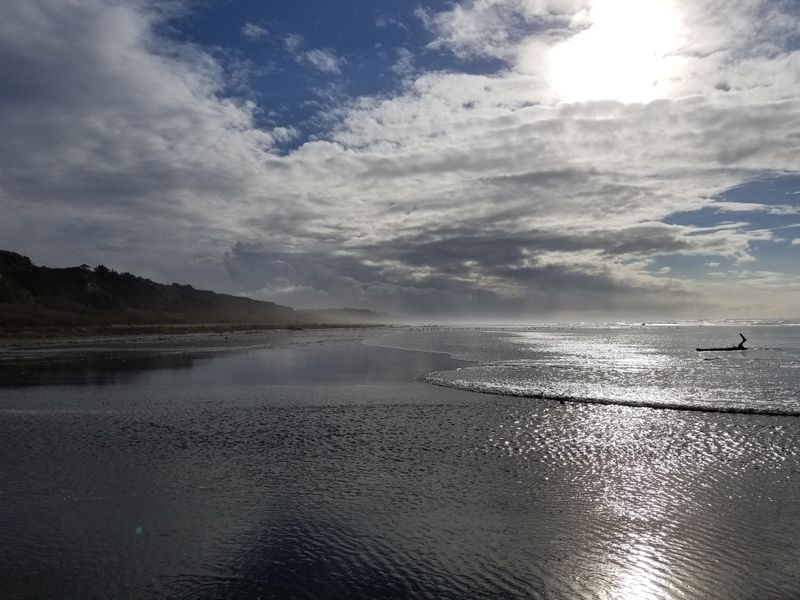
Entertainment here requires no tickets or reservations. Northern stretches of beach transition into rocky areas where tide pools form during low tide, creating natural aquariums filled with starfish, anemones, and small crabs.
Children spend hours crouched over these pools, discovering ecosystems that require no digital interface.
Driftwood arrives continuously, deposited by storms and high tides. Pieces range from small branches to massive logs that must have traveled miles before beaching here.
Builders construct elaborate forts and shelters, temporary architecture that will disappear with the next big tide. Artists arrange smaller pieces into sculptures and cairns, adding to the beach’s ever-changing gallery.
These activities cost nothing but attention. No admission fees, no equipment rentals, no scheduled programs.
The beach provides raw materials and inspiration; visitors provide imagination and curiosity. It’s an older model of recreation, one that predates theme parks and curated experiences.
Adults rediscover skills they’d forgotten: balancing rocks, identifying shells, reading tide charts. The simplicity feels almost radical in its contrast to typical vacation entertainment.
Here, boredom is impossible if you’re paying attention, and paying attention is the only requirement for a full day.
Winter Storms Turn The Beach Into A Dramatic Theater
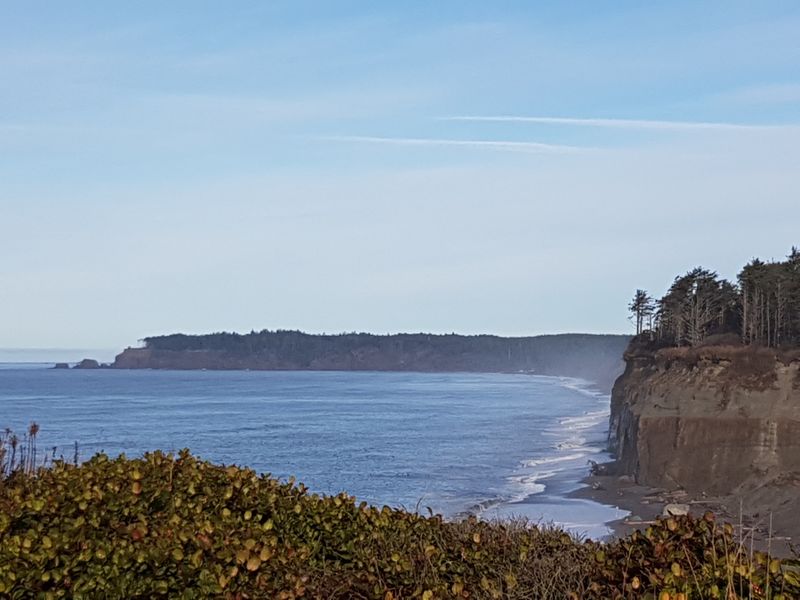
Summer brings calm conditions and gentle waves, but winter reveals the coast’s true power. Storms roll in from the Pacific with winds that bend shore pines horizontal and waves that shake the ground.
The ocean becomes something else entirely—wild, loud, and impossible to ignore.
Storm watching has become its own season here. Visitors arrive specifically for the drama, booking cottages with ocean views and settling in with hot drinks to watch nature’s performance.
Waves crash with percussion you feel in your chest. Spray reaches heights that seem physically impossible.
The beach transforms hourly as wind reshapes sand and water rearranges driftwood.
Walking during storms requires caution and proper gear, but those who venture out experience something unforgettable. The wind pushes you sideways.
Salt spray stings your face. The roar of surf drowns out thought.
It’s exhilarating and humbling simultaneously, a reminder that humans are spectators here, not directors.
Between storms, the beach reveals what the weather delivered: Japanese glass floats occasionally, always driftwood, sometimes debris that tells stories of distant origins. Winter’s violence creates summer’s landscape, and watching that creative destruction unfold offers its own strange entertainment.