
15 Secret Michigan Lakes Hikers Swear Are Worth Every Step
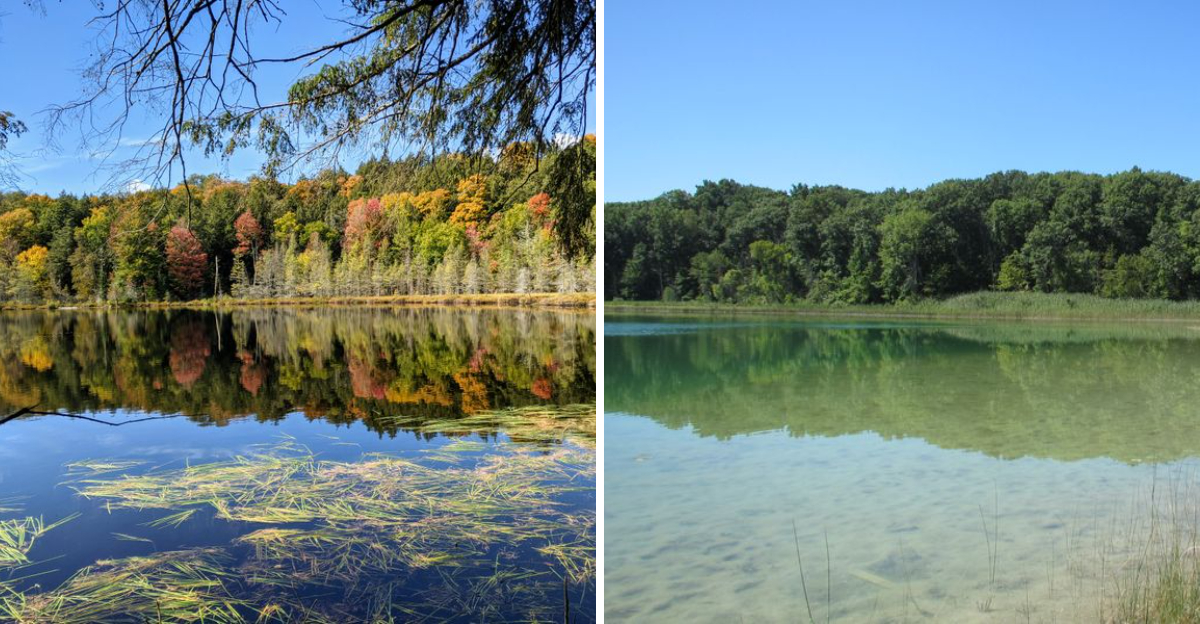
Michigan hides some of the most stunning, untouched lakes that most people never get to see. Tucked away in wilderness areas, state parks, and remote corners of the Upper Peninsula, these hidden gems reward hikers who are willing to trade crowds for quiet trails and breathtaking views.
If you’re ready to lace up your boots and discover water so clear it feels like a secret, you’re in for an unforgettable adventure.
1. Fisher Lake
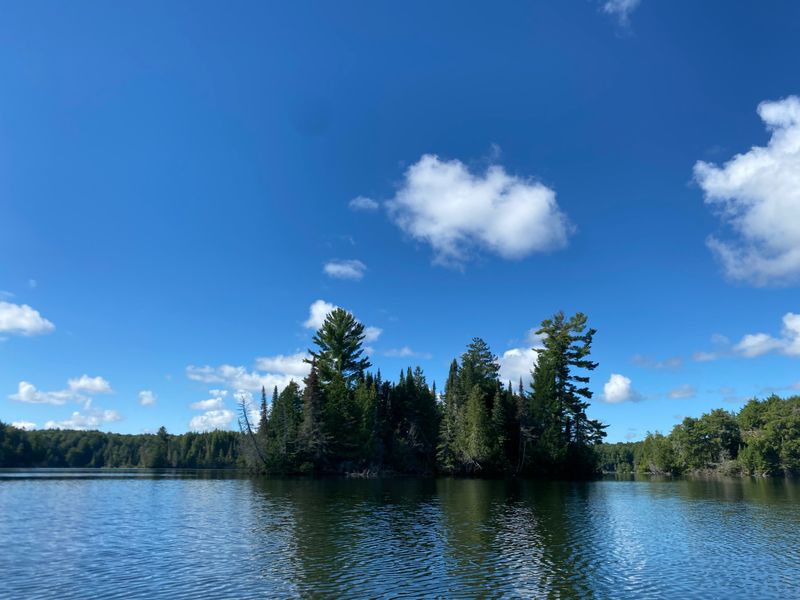
Imagine paddling across water so pristine you can see fish darting twenty feet below your kayak. Fisher Lake sits deep in the Sylvania Wilderness, where old-growth forests meet crystal-clear waters that feel like something from a nature documentary.
Getting here requires a solid hike through towering pines and maples, but every step builds anticipation for what’s waiting at the end.
The shoreline stays wild and undeveloped, meaning you won’t find picnic tables or parking lots disrupting the view. Loons call across the water at dawn, and the silence between their cries feels almost sacred.
Pack your fishing gear because the lake lives up to its name with excellent catches.
Backcountry camping spots dot the shoreline for those wanting to spend the night under stars so bright they reflect off the glassy surface. The trail difficulty sits at moderate, making it accessible for most hikers willing to carry their gear a few miles.
This lake rewards patience with solitude and scenery that photographs can’t quite capture.
2. Deer Island Lake
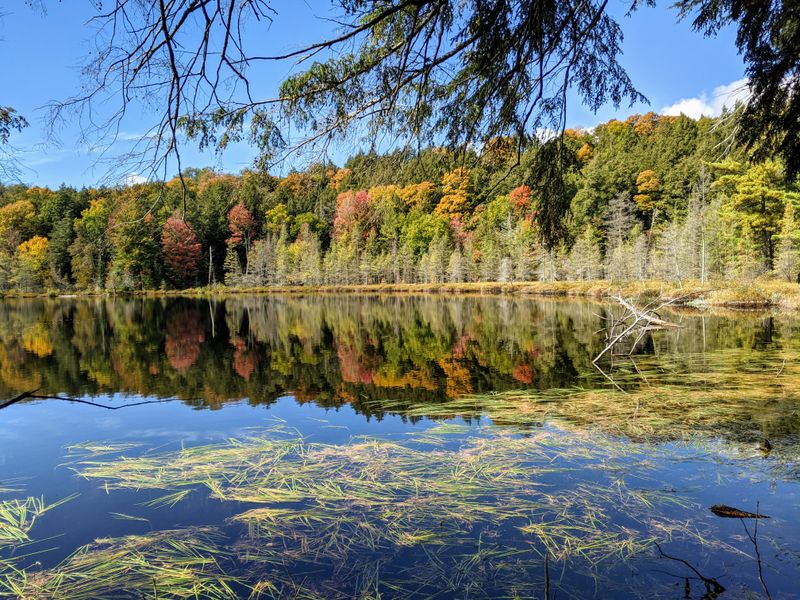
Named for the small island rising from its center, Deer Island Lake offers hikers a sense of discovery that’s hard to find anywhere else. The approach trail winds through dense hardwood forests where sunlight filters through leaves in golden shafts, creating an almost magical atmosphere.
When you finally break through the trees and catch your first glimpse of the lake, the view stops you in your tracks.
The island itself beckons adventurous souls who bring inflatable kayaks or canoes to explore its rocky shores. Wildlife sightings happen frequently here, with deer, beavers, and even the occasional black bear making appearances along the water’s edge.
The lake’s remote location means you’ll likely have the entire place to yourself on weekdays.
Fishing enthusiasts rave about the smallmouth bass and northern pike lurking in the deeper sections. The trail leading here connects to other Sylvania lakes, making it perfect for multi-day backpacking trips.
Bring your camera because the sunset reflections off the island create postcard-worthy moments every single evening.
3. Loon Lake
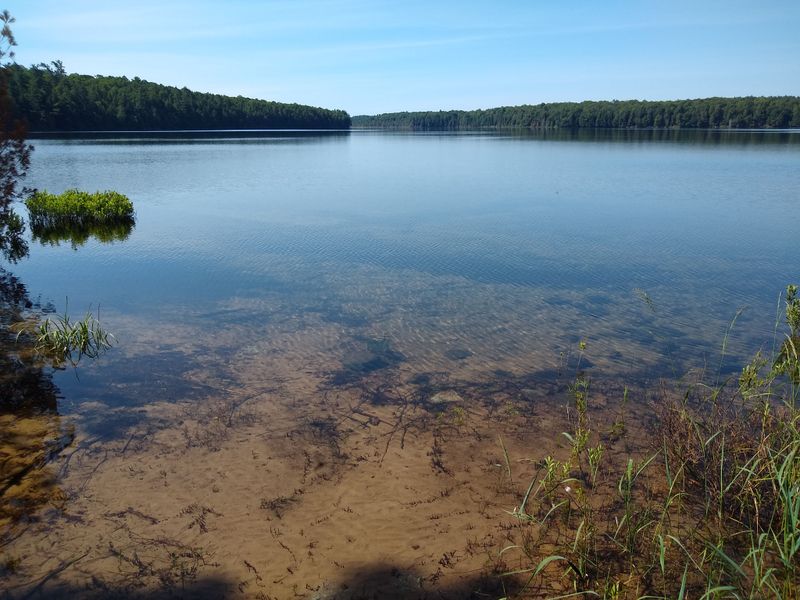
True to its name, Loon Lake serves as a sanctuary for these magnificent birds whose haunting calls echo across the water throughout summer months. The hike to reach this gem takes you through some of Michigan’s most untouched wilderness, where the forest feels ancient and the air smells like pine needles and fresh earth.
This isn’t a casual stroll, but the moderate trail rewards your effort with one of the clearest lakes in the entire state.
The water clarity here rivals anything you’d find in far-flung vacation destinations, with visibility often exceeding thirty feet. Swimmers love the gradual sandy entry points along the southern shore, while anglers prefer the rocky northern sections where fish tend to gather.
The lake bottom stays visible even in deeper sections, creating an almost tropical appearance despite the northern location.
Primitive campsites line portions of the shore, offering overnight visitors a chance to wake up to loon calls and morning mist rising off the water. The surrounding forest provides natural privacy between sites, maintaining that wilderness feeling even when other campers are present.
4. Lake Of The Clouds (Porcupine Mountains, Ontonagon County)
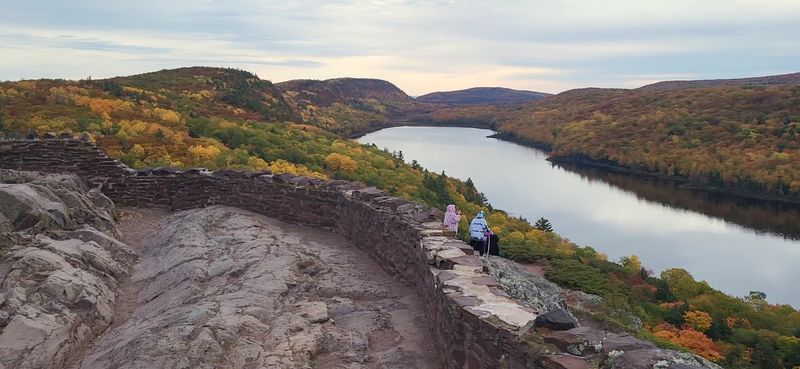
Perched high in the Porcupine Mountains, this iconic lake earned its name from the way clouds settle into the valley below the overlook. The scenic vista from the parking area draws thousands of visitors annually, but hiking down to the actual shoreline separates tourists from true adventurers.
The descent requires stamina and good knees, dropping nearly 400 feet in elevation through switchbacks and root-covered trails.
Once you reach the water’s edge, the crowds disappear entirely and you’re rewarded with a perspective few people ever experience. The lake stretches out like a mirror, reflecting the surrounding ridges and creating a sense of being completely enclosed by wilderness.
The water runs cold year-round, fed by mountain streams that keep it refreshingly crisp even in August.
Backpackers often use this lake as a basecamp for exploring deeper into the Porcupine Mountains Wilderness. The return hike back up to the overlook provides a serious workout, so pace yourself and bring plenty of water.
Early morning visits offer the best chance of seeing the lake living up to its cloudy namesake.
5. Crooked Lake
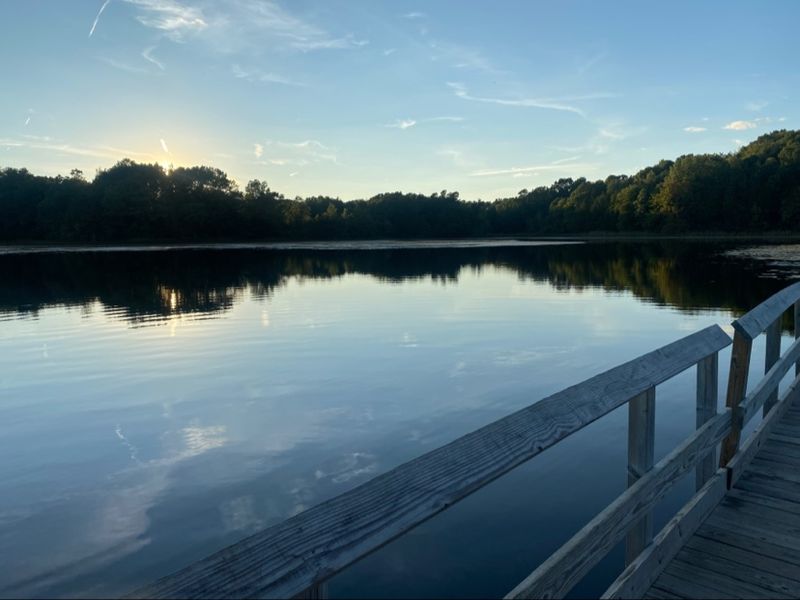
Getting to Crooked Lake feels like embarking on a proper expedition, which is exactly why hikers who make it here feel such a strong sense of accomplishment. The access road alone requires a high-clearance vehicle, and then you’re looking at a substantial hike just to reach the shoreline.
This barrier to entry keeps the lake remarkably pristine and uncrowded, even during peak summer weekends.
The lake’s irregular shoreline creates countless coves and inlets to explore, each one potentially hiding wildlife or perfect swimming spots. The water color shifts from deep blue in the center to turquoise near the sandy shallows, creating a visual feast for photographers.
Moose sightings happen with surprising frequency in this area, especially during early morning or evening hours.
Backcountry camping sites scattered around the lake offer different perspectives and experiences depending on which one you claim. The fishing here ranks among Michigan’s best, with lake trout, smallmouth bass, and yellow perch all thriving in these protected waters.
Pack everything you need because there are no facilities whatsoever, just pure wilderness and the lake.
6. Craig Lake
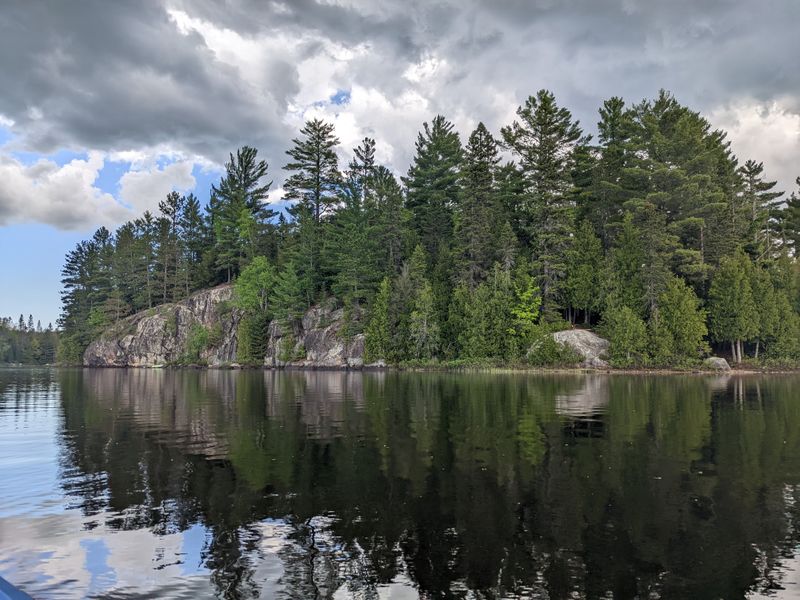
As the namesake of this remote state park, Craig Lake delivers everything you’d hope for in a backcountry destination and then some. The journey to reach it tests your commitment, with miles of rough roads followed by hiking trails that demand respect and preparation.
But hikers who’ve made the trek consistently describe it as one of Michigan’s most rewarding wilderness experiences.
The lake itself stretches across hundreds of acres, with depths reaching over 100 feet in certain sections. This depth creates habitat for lake trout that grow to impressive sizes, making it a bucket-list destination for serious anglers.
The surrounding forest remains largely untouched by logging, giving the entire area an ancient, primeval atmosphere that’s increasingly rare.
Canoe-in campsites dot the shoreline, accessible only by paddling across the lake’s open water. Wind can pick up quickly here, so water crossings require planning and respect for conditions.
The isolation and natural beauty create an experience that feels more like northern Canada than Michigan, which is exactly what keeps dedicated hikers returning year after year despite the challenging access.
7. Whitefish Lake
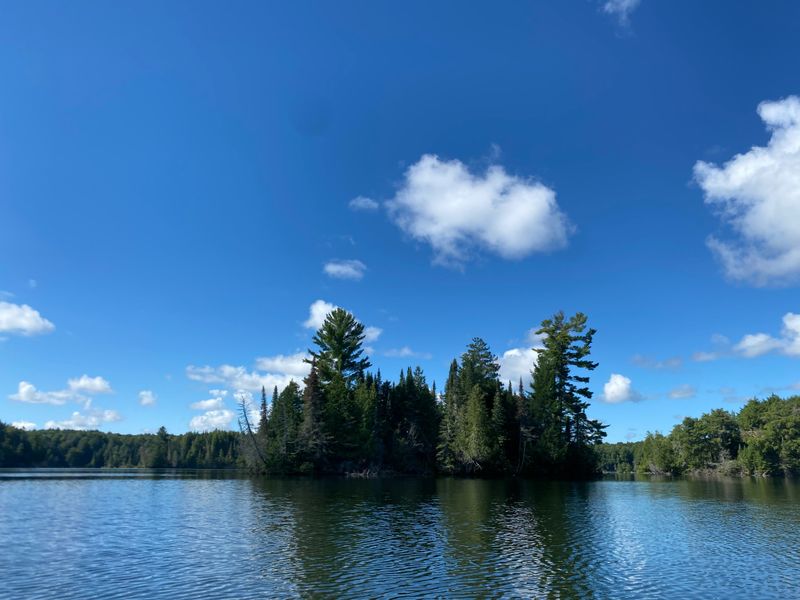
Whitefish Lake rewards hikers with some of the most dramatic rock formations found anywhere in Michigan’s lake country. Massive boulders line portions of the shoreline, creating natural diving platforms and sunbathing spots that feel like something from a mountain resort.
The water lives up to the Sylvania Wilderness reputation for clarity, with visibility that makes snorkeling an absolute must if you bring the gear.
The trail accessing this lake offers moderate difficulty with a few steep sections that get your heart pumping. Once you arrive, the variety of shoreline environments means you can find whatever experience you’re seeking, whether that’s a sandy beach, rocky outcrop, or shaded forest edge.
The lake’s size provides enough space that even when other hikers are present, everyone can find their own private corner.
Fishing here focuses primarily on smallmouth bass and panfish, with the rocky areas producing the most consistent action. The surrounding old-growth forest creates a cathedral-like atmosphere that makes even non-religious folks feel a sense of reverence.
Sunset viewing from the western shore ranks among the best in the entire wilderness area.
8. Clark Lake (Sylvania Wilderness, Gogebic County)
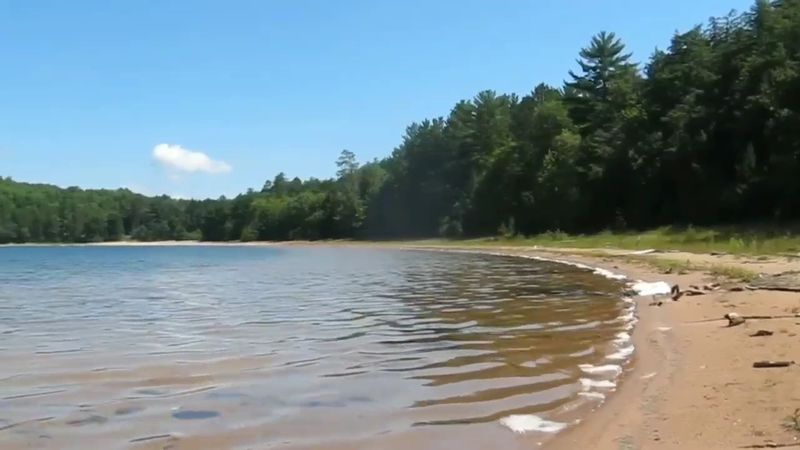
Clark Lake serves as a popular entry point into the Sylvania Wilderness, but don’t let that fool you into thinking it’s overdeveloped or crowded. The lake maintains its wild character despite being more accessible than some of its neighbors, offering hikers a perfect balance of wilderness experience without the extreme isolation.
The parking area sits close enough that you can realistically do this as a day hike while still experiencing true backcountry beauty.
The shoreline features a mix of environments, from sandy beaches perfect for swimming to marshy areas where wildlife viewing opportunities abound. Herons and kingfishers hunt along the shallows, while bald eagles occasionally soar overhead scanning for fish.
The water quality matches the high standards of the entire Sylvania system, with that signature clarity that makes you want to jump in immediately.
Several designated campsites offer overnight options for those wanting to extend their visit and experience the lake at different times of day. The trail system connects Clark Lake to other wilderness lakes, making it an ideal starting point for longer backpacking adventures.
Bring a hammock because the tall pines surrounding the lake create perfect hanging spots for afternoon relaxation.
9. Big Island Lake
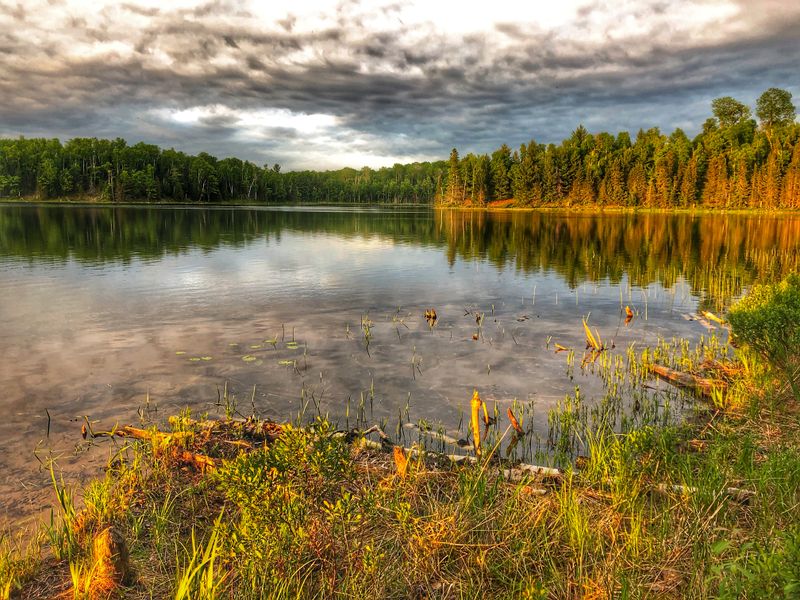
Hidden within its own designated wilderness area, Big Island Lake offers hikers a sense of remoteness that’s becoming increasingly precious in our connected world. The lake features not just one but several islands rising from its surface, creating a landscape that begs to be explored by canoe or kayak.
Getting here requires navigating forest service roads that test your vehicle’s suspension and your navigation skills, adding to the adventure factor.
The shoreline remains completely undeveloped, with no buildings or permanent structures anywhere in sight. This preservation allows wildlife to thrive, and you’ll likely spot beavers, otters, and various waterfowl during your visit.
The water stays refreshingly cool throughout summer, fed by springs and small streams that maintain excellent clarity.
Primitive camping spots scattered around the lake provide overnight options for those wanting the full wilderness experience. The fishing here focuses on northern pike and panfish, with the areas around the islands producing the most consistent catches.
Photographers love the way morning fog settles over the water, creating ethereal scenes that look like something from a dream sequence.
10. Big Seven Lake
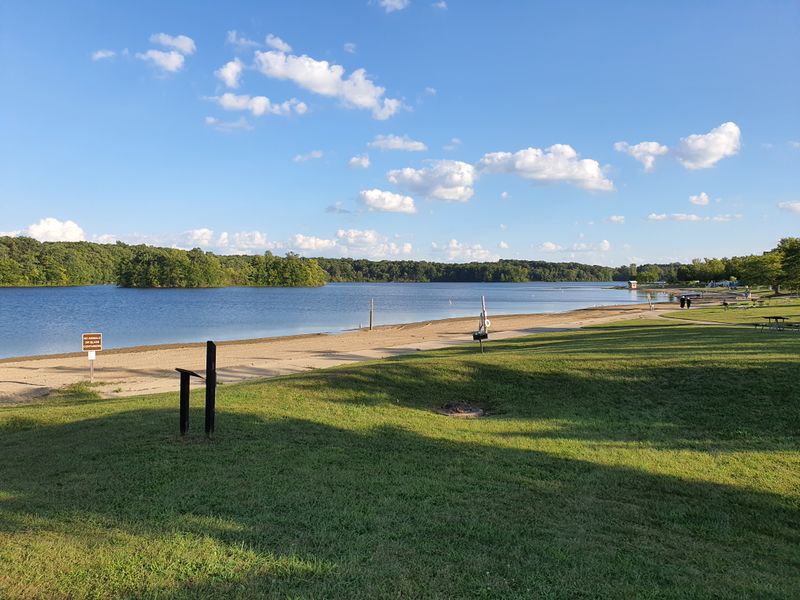
As the largest of the seven lakes that give this park its name, Big Seven Lake offers hikers a more accessible wilderness experience without requiring an expedition into the Upper Peninsula. The trail system here provides excellent variety, from easy shoreline walks to more challenging loops through the surrounding oak and hickory forests.
This makes it perfect for hikers who want a solid workout without committing to an overnight adventure.
The lake itself features clear water that’s swimmable during warmer months, with a sandy bottom that feels great underfoot. Bass fishing draws anglers year-round, with both largemouth and smallmouth species thriving in the diverse habitat.
The park’s location in southeast Michigan means you can escape into nature without burning an entire tank of gas or taking a week off work.
Wildlife viewing opportunities include white-tailed deer, wild turkeys, and numerous songbird species that make the forest come alive with sound during spring and summer. The interconnected trail system lets you combine multiple lakes into a single hike, creating custom routes based on your energy level and available time.
Fall colors here rival anything you’ll find further north, with the hardwood forest putting on a spectacular show each October.
11. Sand Lake
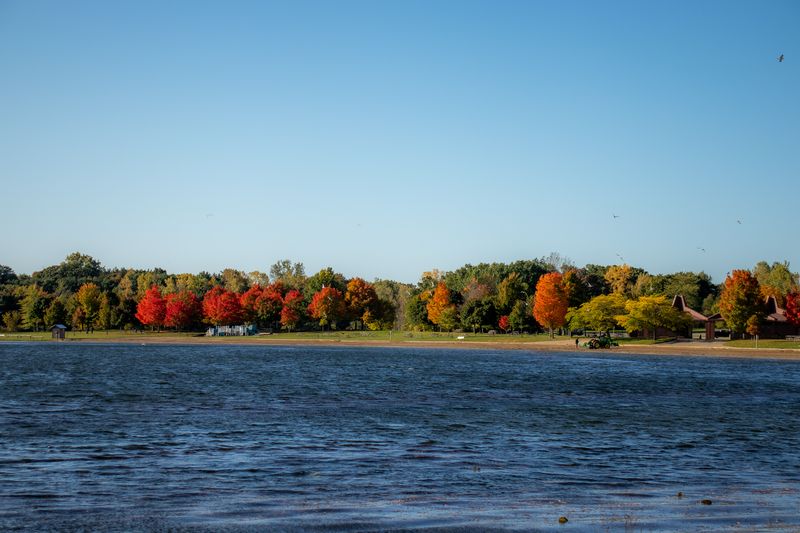
Sand Lake earns its name from the beautiful sandy bottom and beaches that make it feel more like a coastal destination than an inland Michigan lake. The hiking trail that circles the lake provides constant water views, with enough elevation change to keep things interesting without being exhausting.
This lake attracts families and casual hikers who appreciate the more developed amenities while still enjoying genuine natural beauty.
The water warms up nicely by mid-summer, making it one of the more comfortable swimming spots in the park system. The sandy entry stays gradual for quite a distance, perfect for wading and cooling off after a hike.
Picnic areas near the shore provide spots to refuel, though the best views come from finding your own quiet section of beach away from the main areas.
The surrounding trail connects to the other lakes in the park, but many hikers choose to focus solely on Sand Lake for a shorter, more relaxed outing. Sunset viewing from the western shore creates memorable moments, with the sandy bottom reflecting light in ways that rockier lakes can’t match.
Bring water shoes if you plan to explore beyond the main beach area, as some sections get a bit rocky.
12. Dickinson Lake (Seven Lakes State Park, Holly)
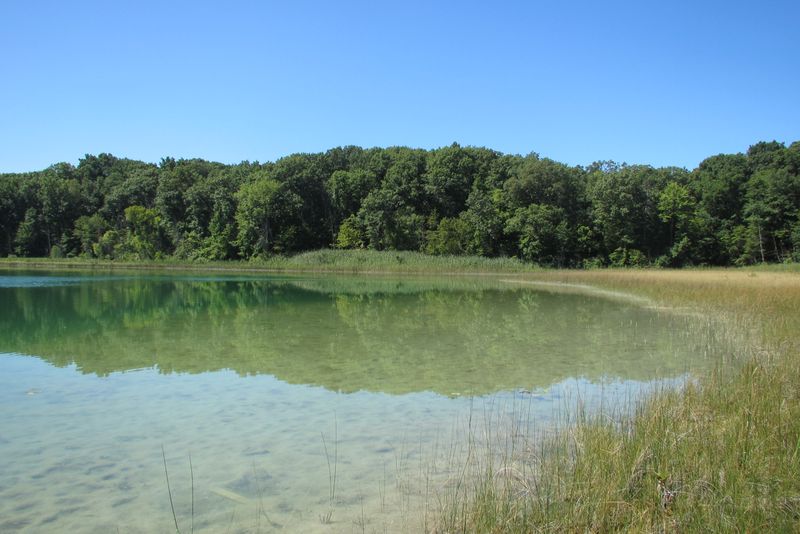
Tucked into a quieter corner of Seven Lakes State Park, Dickinson Lake rewards hikers seeking solitude with a more peaceful experience than some of its busier neighbors. The trail leading here winds through mature forest that provides welcome shade during hot summer days, with the sound of leaves rustling overhead creating a natural soundtrack to your hike.
The lake itself sits in a slight depression, giving it a hidden, secret-spot feeling that makes discovery feel even more special.
The shoreline features a mix of environments, from open sunny areas perfect for sunbathing to shaded coves where you can escape the heat. Fishing pressure stays lighter here compared to the larger lakes, which often translates to better catches for anglers willing to make the walk.
The water clarity allows you to watch fish swimming past, adding an aquarium-like quality to your shoreline relaxation.
Birdwatchers particularly appreciate Dickinson Lake for the variety of species that visit the surrounding habitat. The relatively small size creates an intimate atmosphere where you feel connected to the landscape rather than dwarfed by it.
Pack a lunch and plan to spend a few hours just soaking in the peaceful vibes that make this lake special.
13. Little Seven Lake
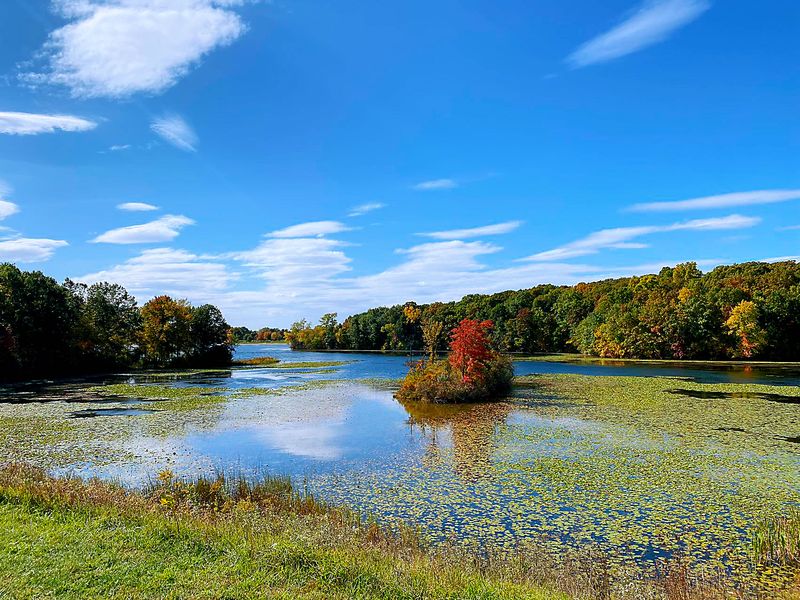
Don’t let the diminutive name fool you—Little Seven Lake packs plenty of charm into its smaller footprint. The compact size means you can hike completely around the shoreline in under an hour, making it perfect for those days when you want a nature fix without committing to an all-day adventure.
The trail stays relatively flat and well-maintained, accessible for hikers of varying ability levels including families with younger children.
The lake’s intimate scale creates a pond-like atmosphere where you can observe the entire ecosystem at once. Turtles sun themselves on logs, frogs chorus from the shallows, and dragonflies patrol the water’s edge hunting for mosquitoes.
This makes it an excellent spot for introducing kids to nature observation and wildlife watching.
Fishing here focuses on panfish, with bluegill and pumpkinseed being the most common catches. The shoreline vegetation grows thicker here than on some of the larger lakes, creating natural privacy screens between different sections of beach.
Photography enthusiasts love the way the surrounding trees frame the water, creating natural compositions that require minimal editing. The quiet, contemplative atmosphere makes Little Seven Lake feel like a hidden gem despite being in a developed state park.
14. Starvation Lake
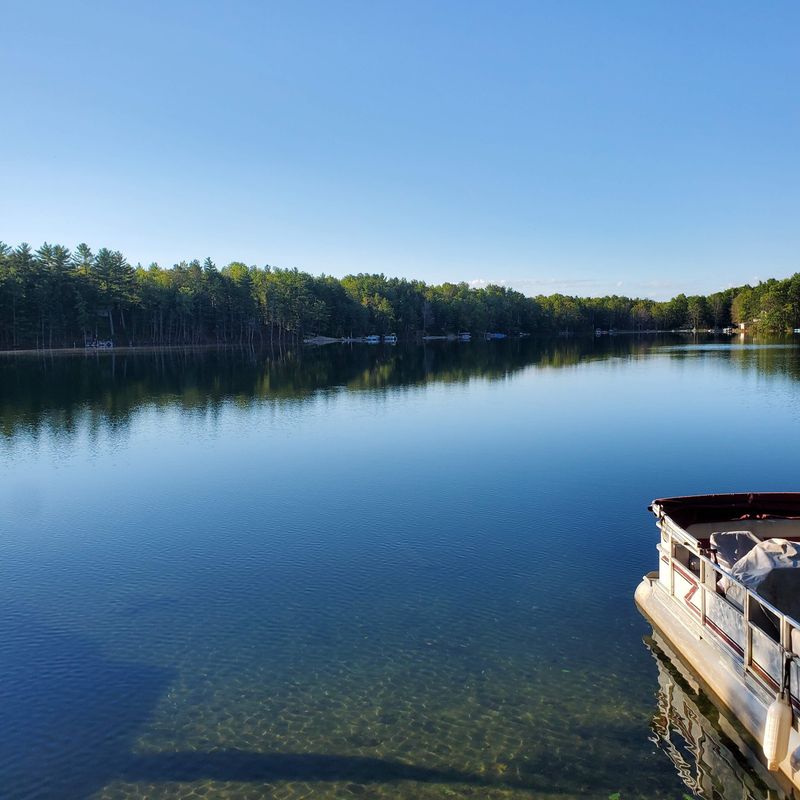
Despite its ominous name, Starvation Lake offers hikers a feast for the senses with pristine water and untouched shoreline that feels worlds away from civilization. The name actually comes from early logging days when workers supposedly ran short on supplies, not from any current lack of natural abundance.
Getting here requires navigating backroads and then hiking through state forest land, which keeps casual visitors away and preserves the wild character.
The lake sits in a natural bowl surrounded by rolling hills covered in mixed forest, creating a sheltered environment that stays calmer than more exposed bodies of water. This makes it ideal for paddling even when wind makes other lakes choppy and challenging.
The water maintains excellent clarity thanks to limited development and natural filtration through sandy soil.
Hikers often combine a visit here with exploration of the surrounding state forest trails, creating full-day adventures that showcase northern Michigan’s natural diversity. The fishing focuses on bass and pike, with the deeper sections holding some surprisingly large specimens.
Bring everything you need because there are zero facilities, just pure nature and the satisfaction of finding a place that still feels genuinely remote despite being in the Lower Peninsula.
15. French Farm Lake
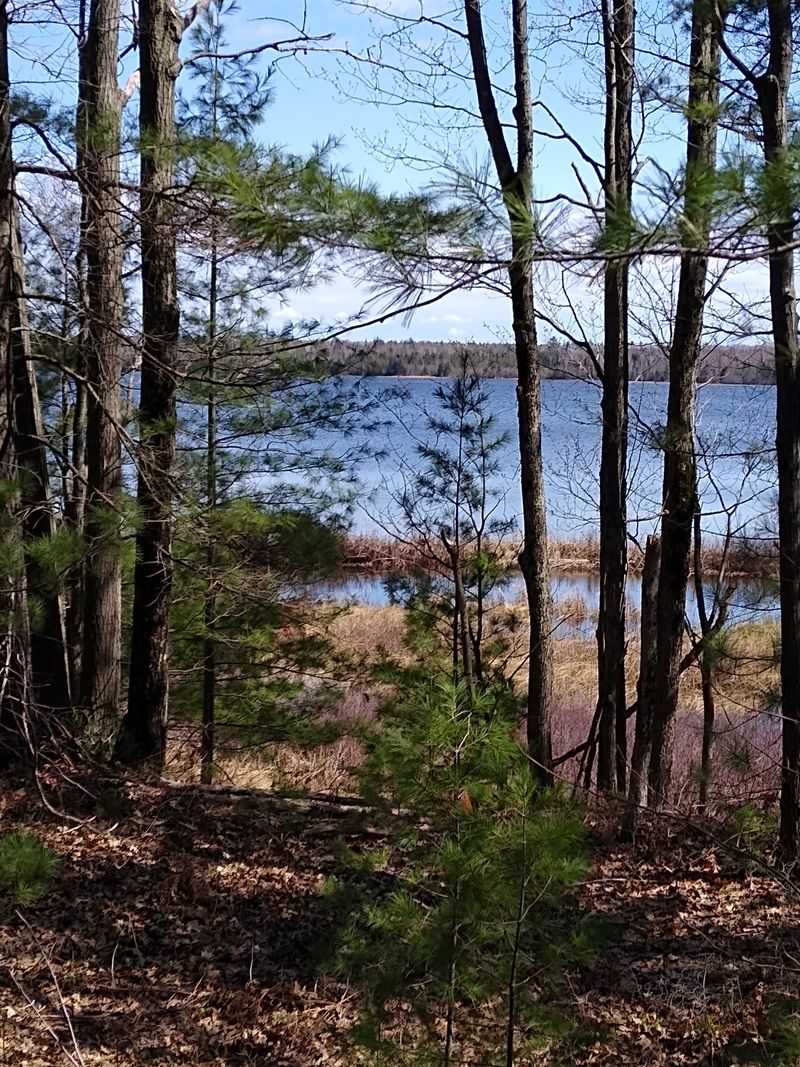
Nestled in the hills of Emmet County, French Farm Lake offers hikers a slice of northern Michigan beauty that’s escaped the overdevelopment plaguing many lakefront areas. The approach trail meanders through hardwood forest that explodes with color each autumn, making fall hikes particularly spectacular.
The lake itself sits at a slightly higher elevation than surrounding areas, providing views that extend beyond the immediate shoreline to rolling countryside beyond.
The water quality here impresses even veteran lake enthusiasts, with clarity that makes swimming and snorkeling genuine pleasures. The shoreline stays largely natural, with just enough cleared areas to access the water without feeling like you’re bushwhacking through jungle.
Local hikers guard this spot somewhat protectively, appreciating that it hasn’t shown up on every tourist map and social media feed.
The surrounding terrain provides excellent hiking opportunities beyond just the lake itself, with trails connecting to nearby natural areas for those wanting longer adventures. Fishing here produces decent catches of bass and panfish, though many visitors come more for the scenery and swimming than serious angling.
The relatively undiscovered status means you can often have the entire lake to yourself on weekdays, creating that rare feeling of discovering something truly special.