
10 Utah Desert Towns Tourists Somehow Always Miss
Utah is famous for its dramatic red rock landscapes and world-class national parks, but most travelers stick to the same well-worn path. While crowds flock to Moab and Zion, some of the state’s most charming desert communities remain wonderfully overlooked.
These small towns offer authentic local culture, stunning scenery, and a peaceful escape from tourist chaos, all without the lines and traffic.
1. Panguitch
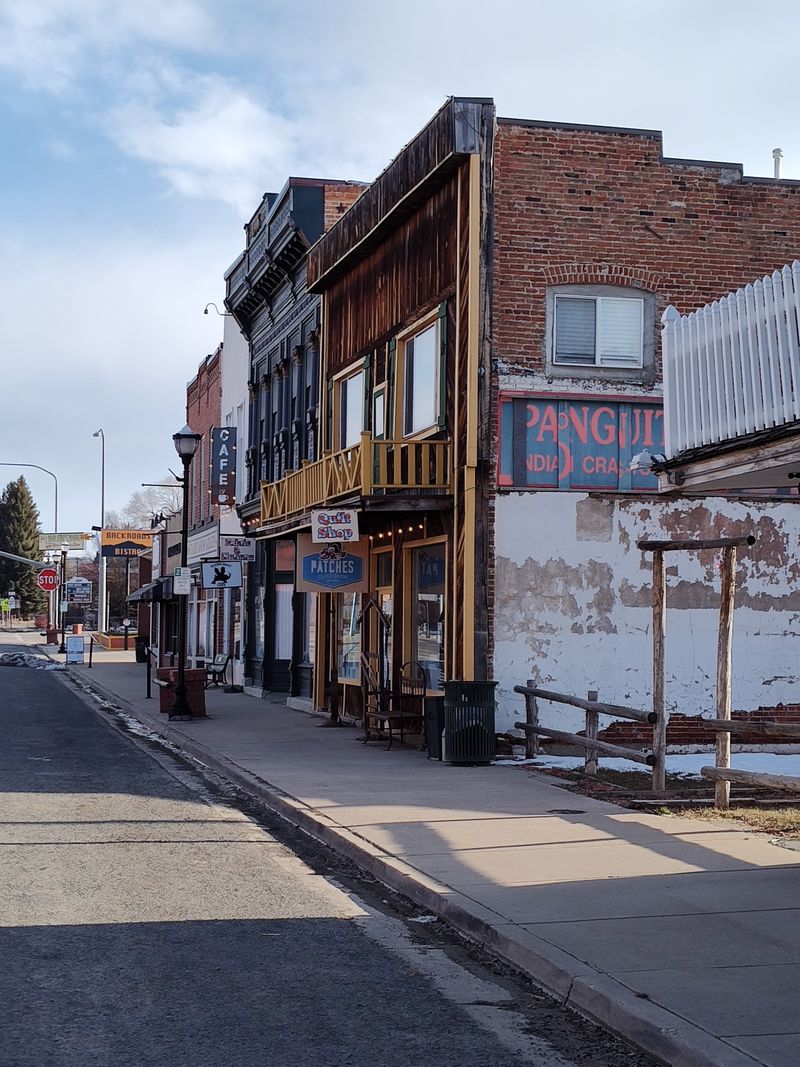
Brick-red Victorian homes line the streets of this quirky gateway town, where old-fashioned charm meets high desert beauty. Panguitch sits perfectly positioned between Bryce Canyon and Cedar Breaks, yet somehow most visitors zoom right past without stopping.
That’s their loss, because this place is packed with character.
Main Street feels like stepping back into the 1890s, with antique shops, mom-and-pop diners, and genuine Western hospitality. The annual Quilt Walk Festival celebrates a wild pioneer story involving women who laid quilts across deep snow to rescue starving settlers.
You can explore that history at the local museum or just wander the historic downtown.
Outdoor lovers will find endless trails, fishing spots, and jaw-dropping viewpoints nearby. The Paunsaugunt Wildlife Museum showcases hundreds of mounted animals in surprisingly lifelike dioramas.
Plus, accommodations here cost a fraction of what you’d pay closer to the national parks, making Panguitch a smart base camp for your southern Utah adventures.
2. Spring City
Imagine a town so perfectly preserved that the entire place is listed on the National Register of Historic Places. Spring City earned that distinction thanks to over 100 pioneer-era stone buildings still standing in remarkable condition.
Artists and craftspeople have discovered this hidden gem, transforming it into a quiet creative haven.
Wander down any street and you’ll encounter hand-hewn sandstone homes, ancient barns, and working farms that look almost exactly as they did in the 1800s. The Horseshoe Mountain pottery studio and several galleries showcase local talent.
Spring City Heritage Day in June brings the community together with demonstrations of blacksmithing, quilting, and other traditional skills.
The surrounding Sanpete Valley offers spectacular hiking and mountain biking against a backdrop of the Wasatch Plateau. Fall transforms the landscape into a kaleidoscope of gold and crimson.
If you’re seeking authentic rural Utah without commercialization or crowds, Spring City delivers an experience that feels genuinely untouched by modern tourism.
3. Moroni
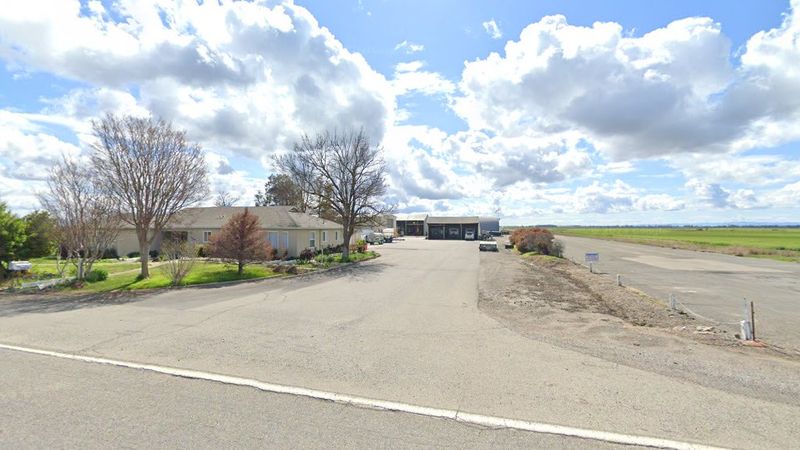
Named after a figure from Mormon scripture, Moroni sits at the base of the Wasatch Plateau surrounded by farmland and wide-open skies. This agricultural community might seem sleepy at first glance, but it holds surprises for curious travelers willing to slow down.
Turkey farming dominates the local economy—you’ll see massive flocks and processing facilities that supply much of America’s Thanksgiving dinners. The Moroni Feed Company and grain elevators speak to the town’s hardworking agricultural roots.
During harvest season, the whole valley buzzes with activity.
Just outside town, the scenic byways leading up into the mountains offer incredible fall colors and access to lesser-known fishing lakes. The Moroni Opera House, built in 1900, occasionally hosts community theater and concerts.
Local festivals celebrate the town’s heritage with rodeos, parades, and home-cooked meals that showcase genuine rural hospitality. Don’t expect fancy restaurants or boutique hotels here—Moroni’s appeal lies in its unvarnished authenticity and connection to Utah’s farming traditions.
4. Ephraim
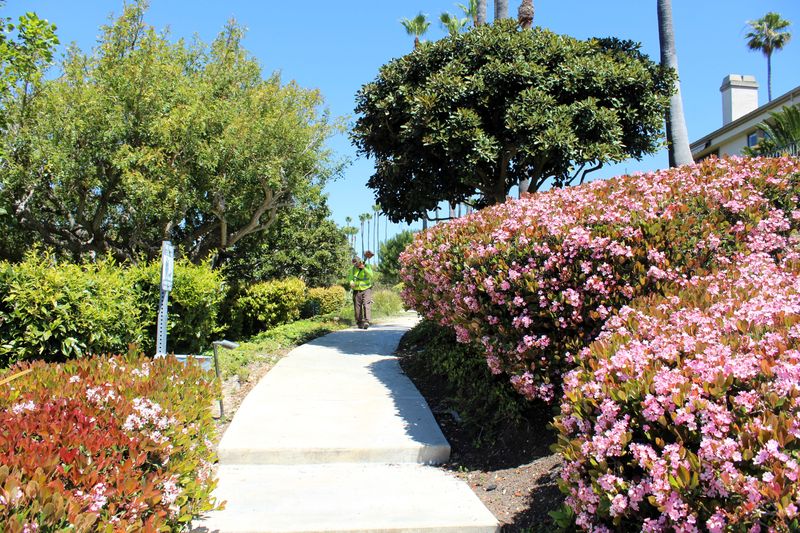
Home to Snow College, Ephraim blends youthful energy with pioneer history in a picturesque Sanpete Valley setting. The college brings cultural events, sports, and a lively vibe that’s rare in rural Utah towns.
Students and locals mingle at coffee shops and casual eateries along Main Street.
Scandinavian immigrants heavily influenced Ephraim’s development, and you can still taste that heritage at the annual Scandinavian Festival each Memorial Day weekend. Traditional foods, folk dancing, and craft demonstrations draw visitors from across the state.
The historic downtown features well-preserved 19th-century architecture, including beautiful stone churches and homes.
Outdoor recreation abounds in the surrounding mountains, with excellent ATV trails, fishing streams, and winter snowmobiling. The nearby Manti-La Sal National Forest provides endless exploration opportunities.
Ephraim also serves as a convenient base for visiting the stunning Skyline Drive, one of Utah’s most scenic mountain routes. Between the college atmosphere and the agricultural charm, Ephraim offers a unique blend you won’t find in typical tourist destinations.
5. Nephi
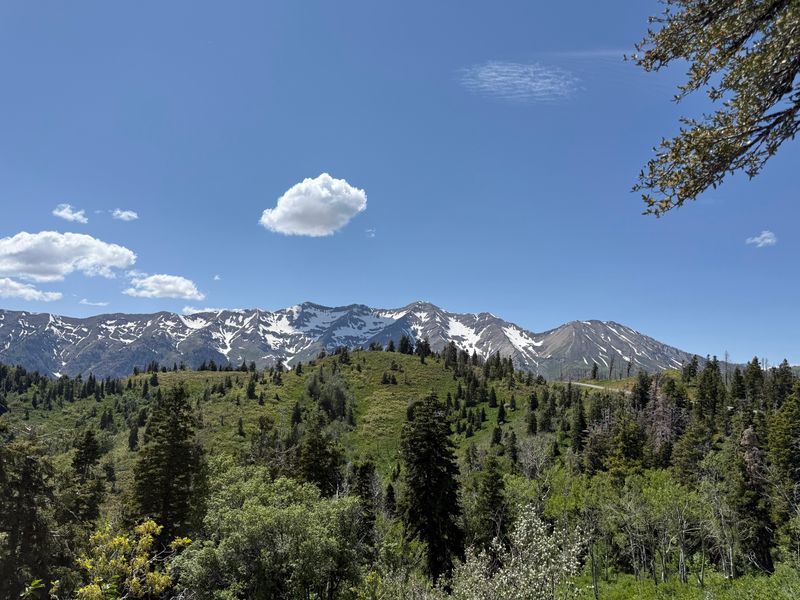
Situated along Interstate 15, Nephi could easily be just another highway stop—but venture off the exit and you’ll discover a town with real substance. As the Juab County seat, Nephi has a historic courthouse, charming residential neighborhoods, and a genuine small-town feel that rewards exploration.
The Nephi Cannibal was a sensational Old West murder case that put this town in the history books, though today it’s far more peaceful. Main Street features antique stores, local diners serving hearty comfort food, and friendly faces happy to chat with visitors.
The Ute Stampede Rodeo in July ranks among Utah’s oldest and most authentic rodeos.
Mount Nebo towers dramatically to the west, offering challenging hikes and breathtaking views for adventurous souls. The scenic Nebo Loop Byway winds through alpine meadows and forests, especially stunning during fall foliage season.
Little Sahara Recreation Area lies just to the west, where massive sand dunes provide thrilling off-road adventures. Nephi gives you access to diverse landscapes without the tourist infrastructure found in more famous destinations.
6. Fairview
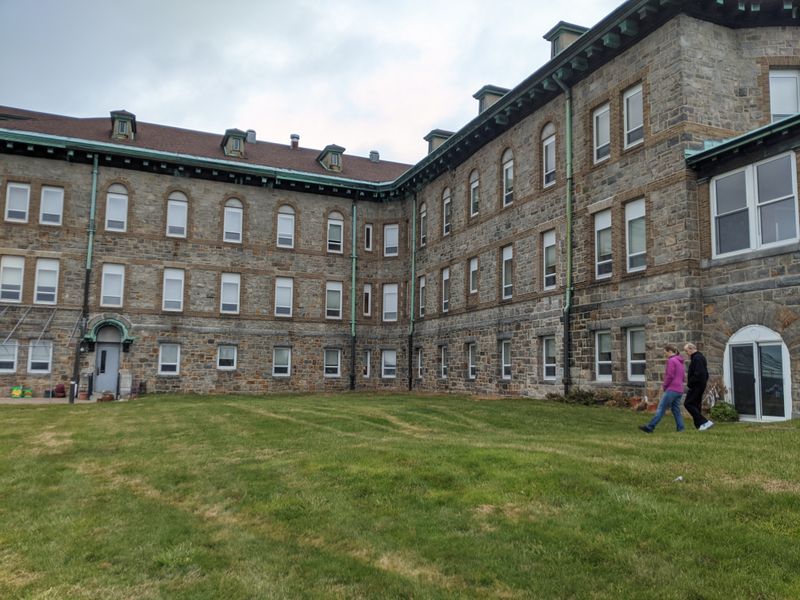
Tucked against the eastern slopes of the Wasatch Plateau, Fairview lives up to its name with sweeping vistas of the Sanpete Valley below. This quiet farming community has preserved its rural character while maintaining a welcoming attitude toward the few visitors who stumble upon it.
Fairview Museum of History and Art punches way above its weight for a town this size, featuring pioneer artifacts, Native American exhibits, and rotating art shows. The collection includes everything from ancient fossils to handmade quilts.
Locals take genuine pride in their heritage and love sharing stories about the area’s settlement.
Skyline Drive begins just above town, offering one of Utah’s most spectacular high-altitude scenic routes through aspen groves and mountain meadows. Fishing enthusiasts will find excellent streams and reservoirs nearby, often with hardly another angler in sight.
The town hosts a summer celebration with a rodeo, parade, and community barbecue that feels wonderfully old-fashioned. If you’re tired of crowded tourist attractions and crave authentic rural Utah, Fairview provides a refreshing alternative where you can actually relax.
7. Richfield
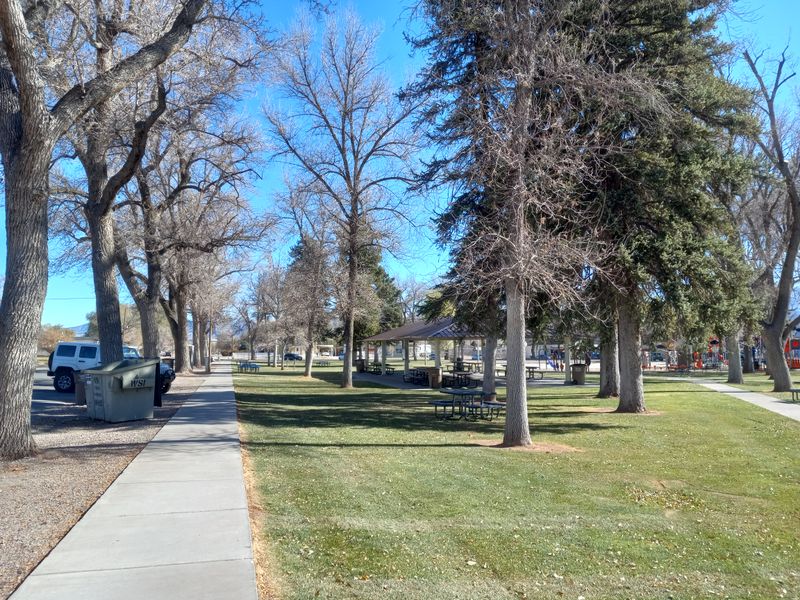
As the largest town in Sevier County, Richfield serves as a regional hub while maintaining its small-town approachability. Travelers often use it as a convenient overnight stop between northern and southern Utah, but few actually explore what the town itself has to offer.
Main Street showcases a mix of local businesses, including several surprisingly good restaurants and a historic theater that still shows movies. The Sevier County Courthouse, built in 1900, stands as an architectural landmark.
Richfield’s tree-lined neighborhoods and well-maintained parks create a pleasant atmosphere for stretching your legs.
Fremont Indian State Park sits just minutes away, preserving ancient rock art and pueblo ruins from a mysterious culture that vanished centuries ago. The museum there provides fascinating context about these early inhabitants.
Fishlake National Forest surrounds the area with countless recreation opportunities, including the famous Pando aspen grove—possibly the world’s largest living organism. Local events like the Sevier County Fair bring authentic agricultural traditions to life.
Richfield gives you practical amenities alongside genuine cultural experiences, making it more than just a convenient place to sleep.
8. Helper
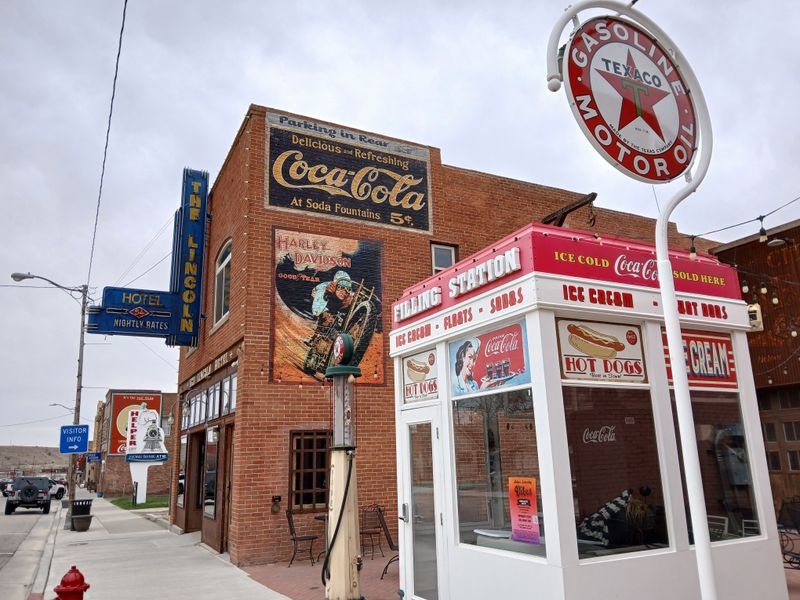
Coal mining built Helper, and the town wears that heritage proudly on its sleeve. Tucked into a dramatic canyon along the Price River, Helper has reinvented itself as an arts community while preserving its gritty industrial character.
The result feels wonderfully authentic and slightly offbeat.
Main Street is lined with galleries, studios, and quirky shops housed in century-old buildings. Murals depicting mining history cover entire walls, creating an outdoor art gallery.
The Western Mining and Railroad Museum tells the story of immigrant workers who built the railroads and extracted coal from these mountains. You’ll find Greek, Italian, and Asian influences throughout the town’s culture and cuisine.
Helper’s annual Arts Festival in August draws artists and musicians from across the region for a vibrant celebration. The Balance Rock Eatery and Pub serves creative food in a relaxed atmosphere that captures the town’s eclectic vibe.
Nearby Price Canyon offers excellent rock climbing and mountain biking. Helper isn’t polished or touristy—it’s raw, real, and full of character that reflects Utah’s working-class history.
9. Elsinore
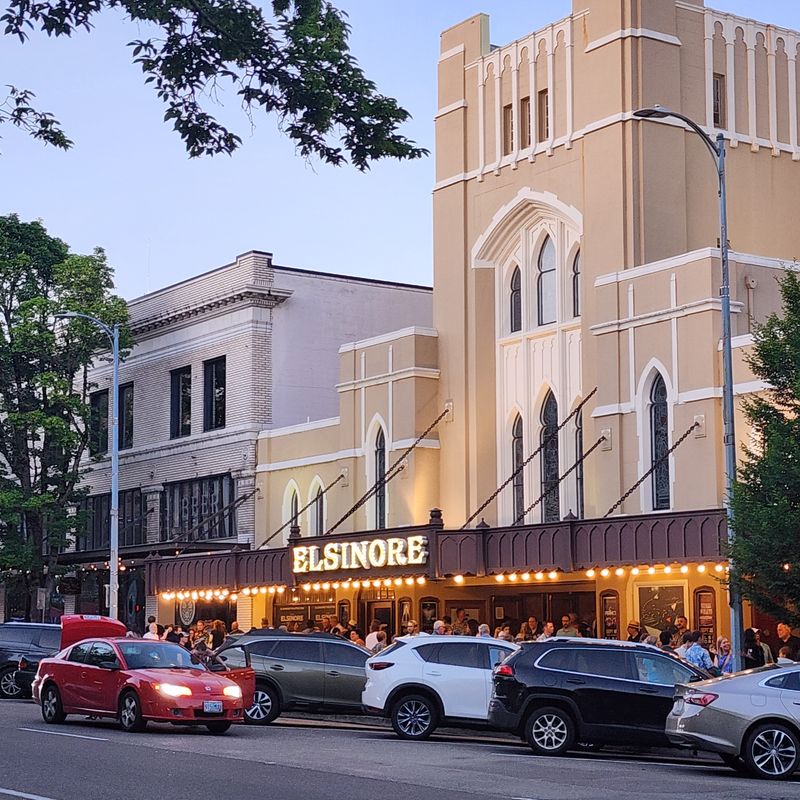
Tiny Elsinore sits in the Sevier Valley surrounded by agricultural fields and distant mountain ranges, seemingly forgotten by the outside world. With fewer than 1,000 residents, this farming community offers a glimpse into rural Utah life that hasn’t changed much in generations.
The town was named after Hamlet’s castle in Denmark, reflecting the Scandinavian heritage of many early settlers. That connection is celebrated during local festivals with traditional foods and folk traditions.
Main Street consists of just a few blocks, but you’ll find genuine friendliness and a slower pace that feels therapeutic.
Elsinore is known locally for its natural hot springs, though they’re undeveloped and require some local knowledge to find. The surrounding valley provides beautiful cycling routes through farmland with minimal traffic.
Piute State Park and Reservoir lie just to the east, offering excellent fishing and boating without the crowds found at more famous Utah lakes. If you’re looking to completely disconnect from tourist madness and experience authentic rural life, Elsinore delivers isolation and tranquility in spades.
Just don’t expect much in the way of amenities or entertainment.
10. Gunnison
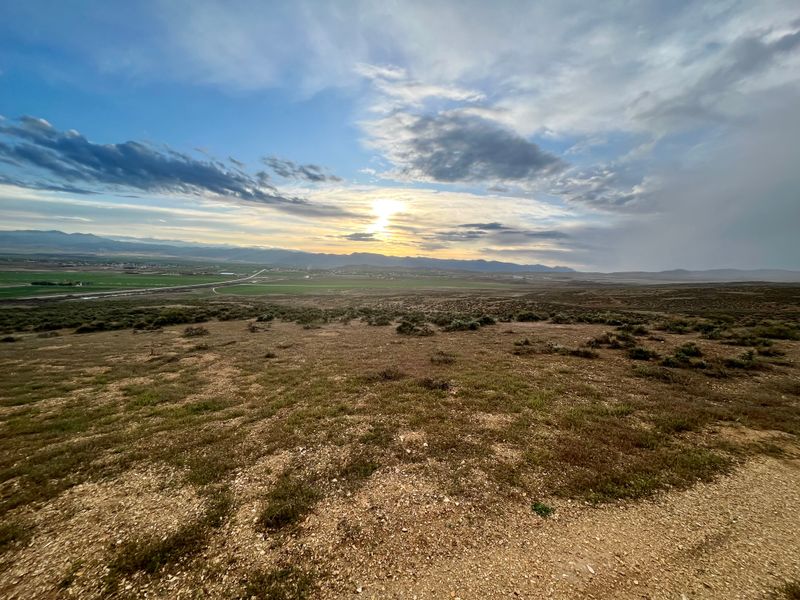
Gunnison spreads across the Sevier Valley floor with wide streets, tidy homes, and an atmosphere of quiet prosperity rooted in agriculture. Named after a famous explorer, this town has maintained its farming identity while developing just enough modern amenities to serve residents comfortably.
The Gunnison Valley Hospital and Snow College’s Richfield campus give the town a bit more infrastructure than typical rural communities. Still, the pace remains decidedly relaxed.
Local diners serve hearty breakfasts to ranchers and farmers who’ve been working since dawn. The annual Gunnison Valley Gem and Mineral Show attracts rockhounds from across the West.
Gunnison Reservoir provides fishing, boating, and bird watching opportunities just outside town, with spectacular sunsets reflecting off the water against mountain backdrops. The valley’s agricultural heritage comes alive during harvest season when fields turn golden and roadside stands sell fresh produce.
Palisade State Park nearby offers camping, golf, and water recreation. Gunnison won’t wow you with dramatic scenery or exciting nightlife, but it provides an honest, uncomplicated Utah experience where you can actually hear yourself think.