
This Hidden Virginia Town Feels Like You Stepped Straight Into The Past
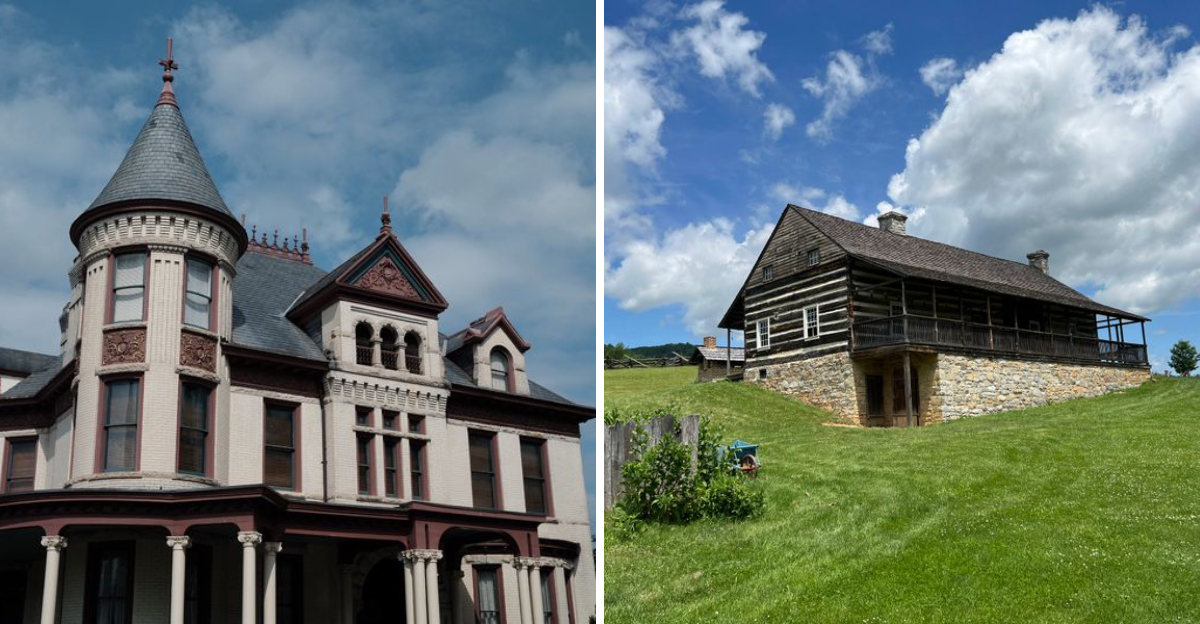
Staunton, Virginia sits quietly in the Shenandoah Valley, just off the interstate, yet most travelers pass it by without a second glance. That oversight is their loss, because this small independent city holds one of the most authentic historical experiences in the Commonwealth.
Walking its brick sidewalks and gazing up at rows of Victorian storefronts, you might wonder if someone forgot to update the calendar for the past century and a half.
Historic Downtown Preserved In Time
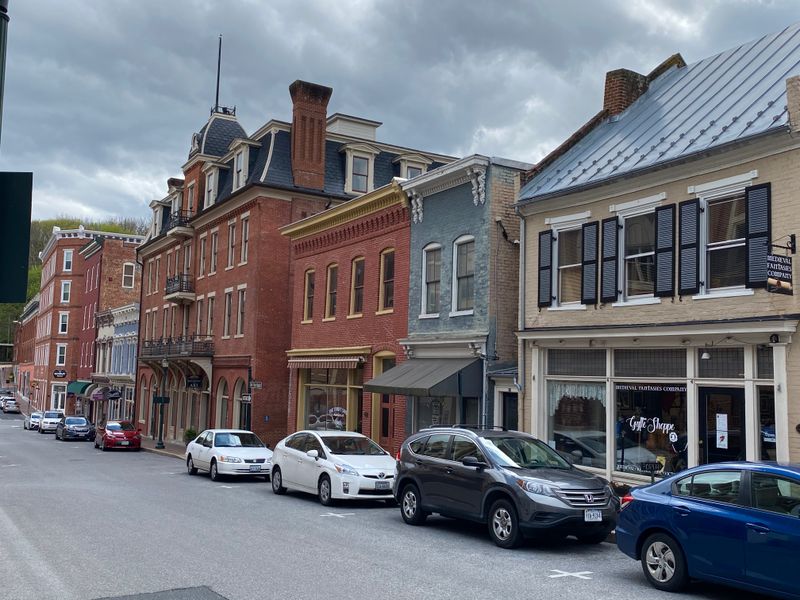
Staunton’s downtown core remains remarkably intact, with over two hundred buildings listed on the National Register of Historic Places. Unlike many American cities that bulldozed their past in favor of parking lots and modern storefronts, Staunton chose preservation.
The result is a streetscape that genuinely reflects the late nineteenth and early twentieth centuries, from ornate cornices to original brick facades.
You can walk several blocks without encountering a chain store or contemporary intrusion. Local businesses occupy spaces that have served commerce for generations.
The architectural consistency creates an immersive experience that feels less like a museum exhibit and more like an actual functioning town that simply refused to change with the times.
Staunton is located at 38.1494226, -79.0737047 in Virginia 24401, an independent city separate from surrounding Augusta County. That independent status has helped maintain local control over development decisions.
The downtown district proves that economic vitality and historical authenticity need not be mutually exclusive pursuits in American civic life.
Home Of The American Shakespeare Center
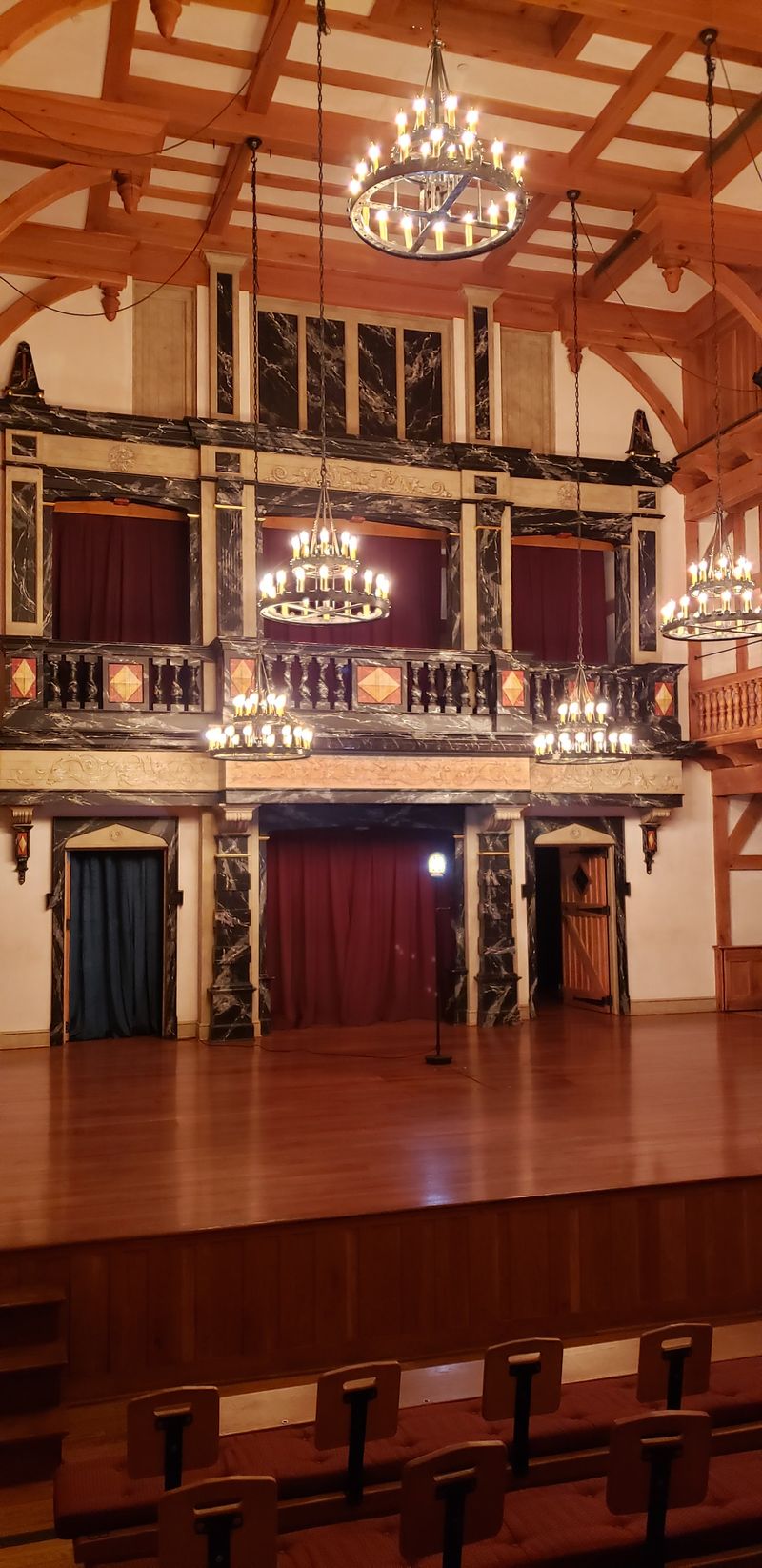
The Blackfriars Playhouse stands on New Street as the world’s only recreation of Shakespeare’s original indoor theater. The American Shakespeare Center operates this remarkable venue, staging productions under conditions that closely mirror those of Renaissance England.
Performances happen with universal lighting, minimal sets, and direct actor-audience interaction that would have been familiar to playgoers in 1606.
Attending a show here differs fundamentally from modern theater experiences. Actors address the audience, move through the seating areas, and respond to crowd reactions in real time.
The troupe performs year-round, tackling not only Shakespeare but also his contemporaries and new works written for the Blackfriars stage.
This commitment to historical staging methods reveals dimensions of these plays that proscenium theaters obscure. The building itself opened in 2001 but feels far older, constructed with careful attention to period detail.
For a small Virginia city of roughly twenty-six thousand residents, hosting a theater company of international reputation represents an unusual cultural achievement with deep roots in community identity.
Victorian Architecture Still Defines The Streets
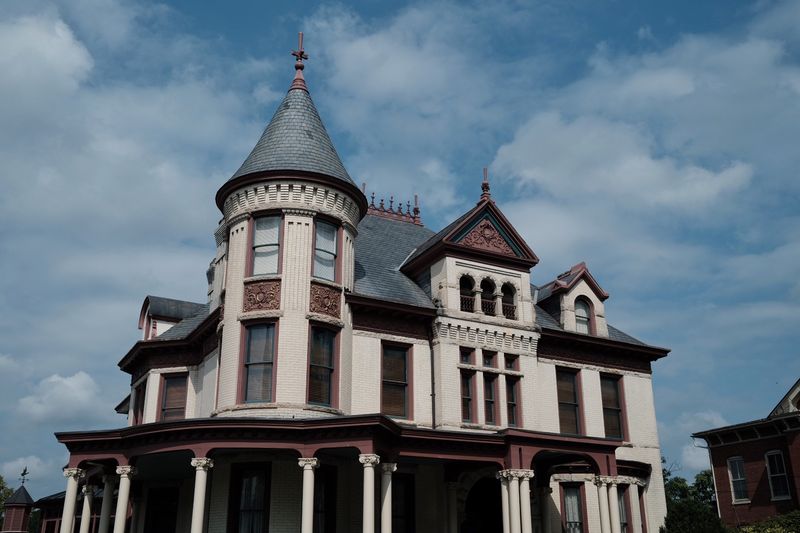
Walking through Staunton’s residential neighborhoods reveals an astonishing concentration of Victorian-era homes in various styles. Queen Anne houses display their characteristic turrets and wraparound porches, while Italianate examples show off their bracketed cornices and tall windows.
These structures were built during Staunton’s prosperous late nineteenth century, when the city served as an important regional center.
Many of these homes remain private residences, lovingly maintained by owners who understand their stewardship responsibilities. Others have been converted to bed-and-breakfasts, allowing visitors to experience Victorian domestic spaces firsthand.
The architectural diversity within the Victorian category alone demonstrates the wealth and ambition that characterized the city during that period.
Preservation here extends beyond mere facade maintenance. Interiors often retain original woodwork, mantels, and decorative plasterwork that would have been destroyed in less conscientious communities.
The Gospel Hill and Newtown neighborhoods particularly reward exploratory walks, offering block after block of well-preserved examples that collectively create an environment where the past remains visibly present in daily life.
A Nationally Recognized Historic District
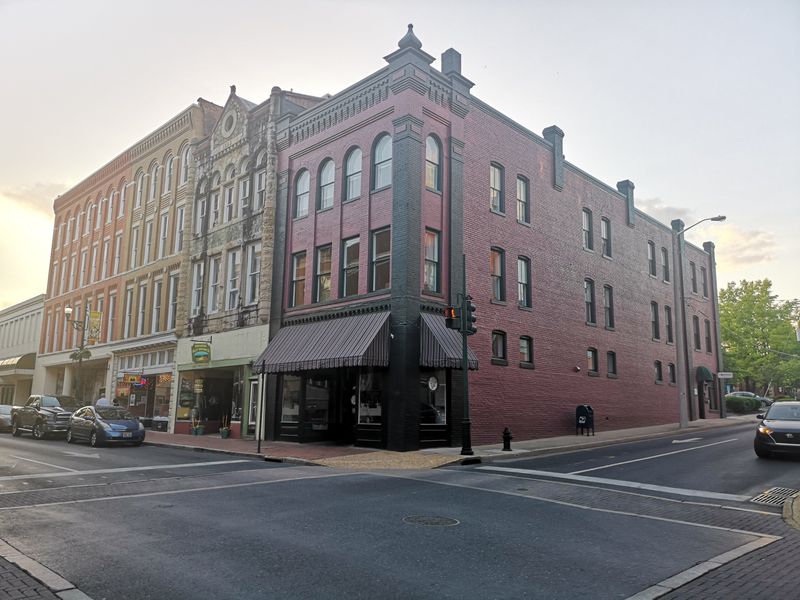
Staunton’s historic districts have earned designation not through political maneuvering but through genuine architectural and historical significance. The Beverley Street Historic District alone encompasses hundreds of contributing structures that collectively tell the story of a Virginia city’s evolution from frontier outpost to prosperous regional center.
Federal recognition brings both prestige and preservation standards that help maintain authenticity.
These districts protect not just individual buildings but entire streetscapes and the relationships between structures. Height restrictions, material requirements, and design review processes ensure that new construction respects historical context.
Some residents find these regulations burdensome, but they prevent the jarring juxtapositions that mar many American downtowns.
The historic district designation also attracts a particular type of resident and business owner—people who value continuity and character over convenience and novelty. This self-selection process reinforces Staunton’s historical identity in ways that mere regulation cannot achieve.
Walking these protected streets, you sense that preservation here represents not nostalgia but a deliberate choice about what kind of community people want to inhabit and sustain for future generations.
Deep Roots In Civil War History
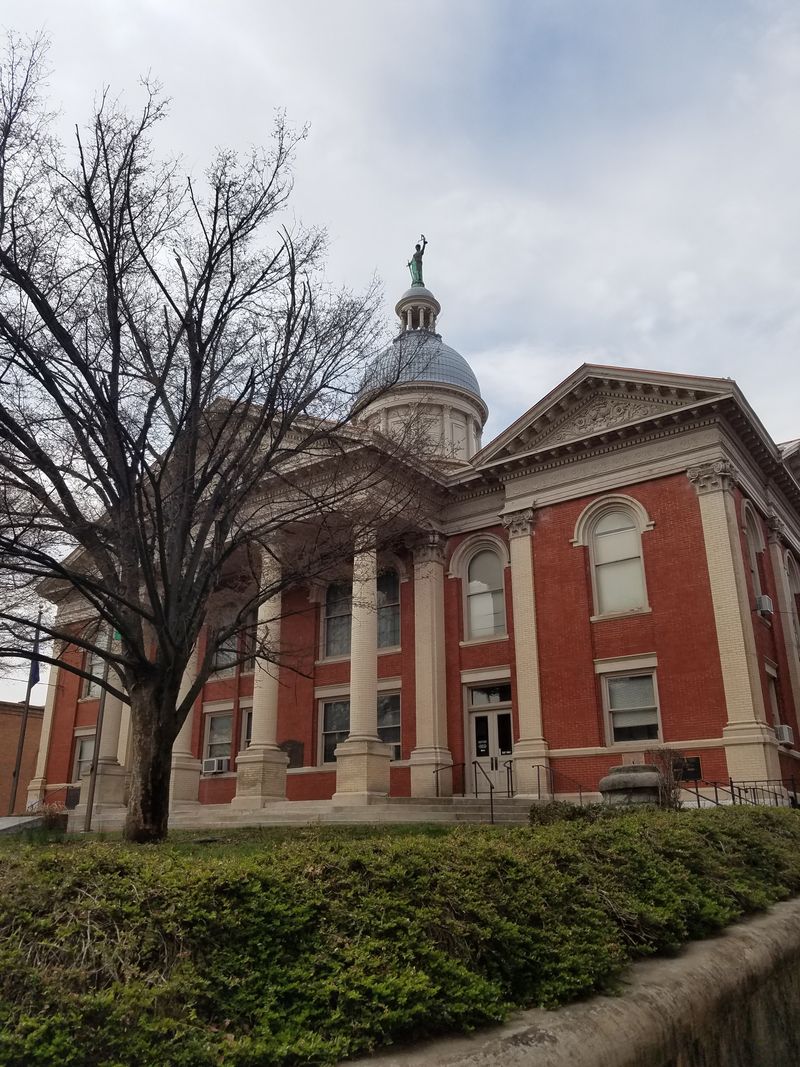
Staunton’s strategic location in the Shenandoah Valley placed it squarely in the path of Civil War campaigns. The city served as an important supply depot and hospital center for Confederate forces, with numerous buildings converted to medical use during the conflict.
General Stonewall Jackson maintained connections to the area, and his presence still echoes through local historical memory.
Several antebellum structures bear witness to this turbulent period, including buildings that housed wounded soldiers and served as military headquarters. The city changed hands less frequently than other Valley towns, but its importance to Confederate logistics made it a persistent Union target.
Markers and plaques throughout downtown identify Civil War-related sites, though Staunton has avoided the battlefield tourism that dominates some Virginia communities.
Modern Staunton approaches this history with a degree of nuance often absent in Southern towns. Local historians acknowledge the complexity of the period without either celebrating or condemning wholesale.
This measured approach allows the actual historical record to speak with minimal contemporary editorializing, a refreshing stance in an era of culture wars over historical interpretation.
The Historic Stonewall Jackson Hotel

The Stonewall Jackson Hotel has anchored downtown Staunton since 1924, rising ten stories above Market Street with a commanding presence that still defines the city’s modest skyline. Named for the Confederate general who taught at nearby Lexington before the war, the hotel represented Staunton’s aspirations during the 1920s boom years.
Its brick and limestone facade combines Colonial Revival and Renaissance Revival elements in a manner typical of grand hotels from that era.
After decades of decline, the building underwent extensive restoration and reopened as a luxury hotel in 2005. The renovation preserved original details while updating infrastructure and amenities.
The lobby retains its period grandeur, with ornate plasterwork and chandeliers that recall an age when hotel lobbies served as community gathering spaces.
Staying here connects you directly to Staunton’s twentieth-century history, when the hotel hosted dignitaries, traveling salesmen, and locals celebrating special occasions. The rooftop offers views across the Shenandoah Valley that help orient visitors to Staunton’s geographical setting.
For a small Virginia city, maintaining a hotel of this caliber demonstrates commitment to both preservation and contemporary hospitality standards.
Local Markets Reflect Agricultural Traditions
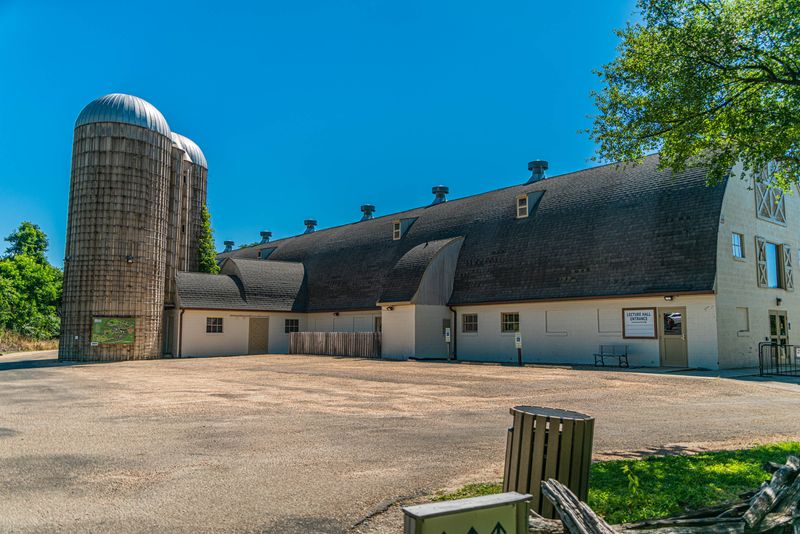
Staunton’s farmers market operates year-round, connecting urban residents with the surrounding agricultural landscape of Augusta County. Vendors bring produce, meats, cheeses, and baked goods that reflect the Shenandoah Valley’s fertile soil and farming heritage.
The market occupies a pavilion near downtown, creating a weekly gathering point that serves social functions beyond mere commerce.
These markets maintain traditions that predate supermarkets and industrial food systems. Farmers who have worked the same land for generations sell directly to customers who value knowing the source of their food.
The conversations between vendor and buyer carry information about weather, growing conditions, and seasonal rhythms that urban life typically obscures.
Visiting the market reveals the agricultural economy that still sustains much of the Valley, despite suburban encroachment and changing land use patterns. You will find heirloom apple varieties, pasture-raised meats, and vegetable cultivars suited to local conditions rather than shipping durability.
This direct connection between farm and table represents continuity with practices that shaped Staunton’s economy long before the city developed its current historical tourism identity.
The Frontier Culture Museum Brings History Alive
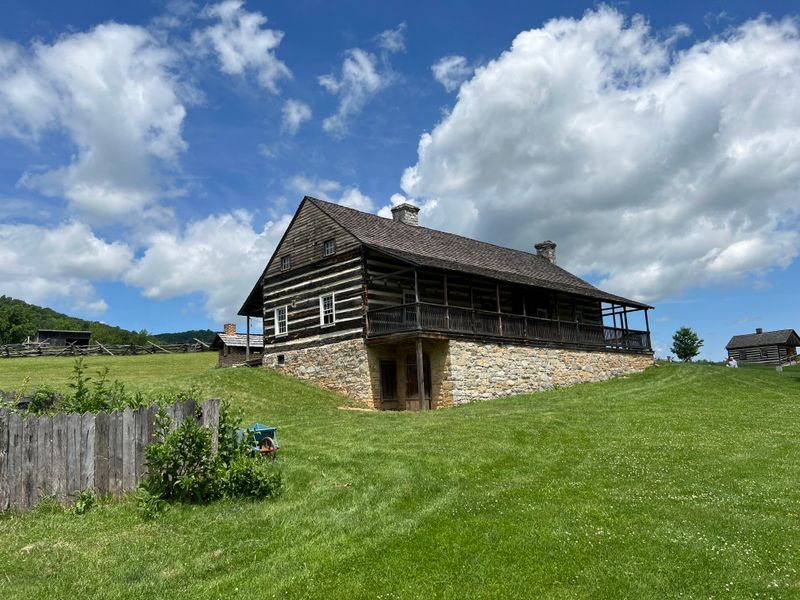
Just outside Staunton proper, the Frontier Culture Museum presents living history through reconstructed farmsteads representing the Old World origins of Shenandoah Valley settlers. Buildings from Germany, Ireland, England, and West Africa were dismantled, shipped across the Atlantic, and reassembled on this site alongside American frontier structures.
Costumed interpreters demonstrate period crafts, farming techniques, and daily activities that characterized pre-industrial rural life.
This approach to history emphasizes process and context rather than mere artifact display. Watching someone split shingles or card wool provides understanding that wall text cannot convey.
The museum traces cultural continuity and adaptation as European and African traditions merged in the American backcountry, creating the distinctive culture that still influences the region.
Children particularly benefit from this hands-on presentation of the past. The museum avoids both romanticizing and condemning historical periods, instead presenting them as environments where people solved practical problems with available resources.
For visitors seeking to understand why Staunton developed as it did, this museum provides essential context about the agricultural and craft traditions that shaped the Valley’s settlement and economy.
Walking Staunton Feels Like Time Travel
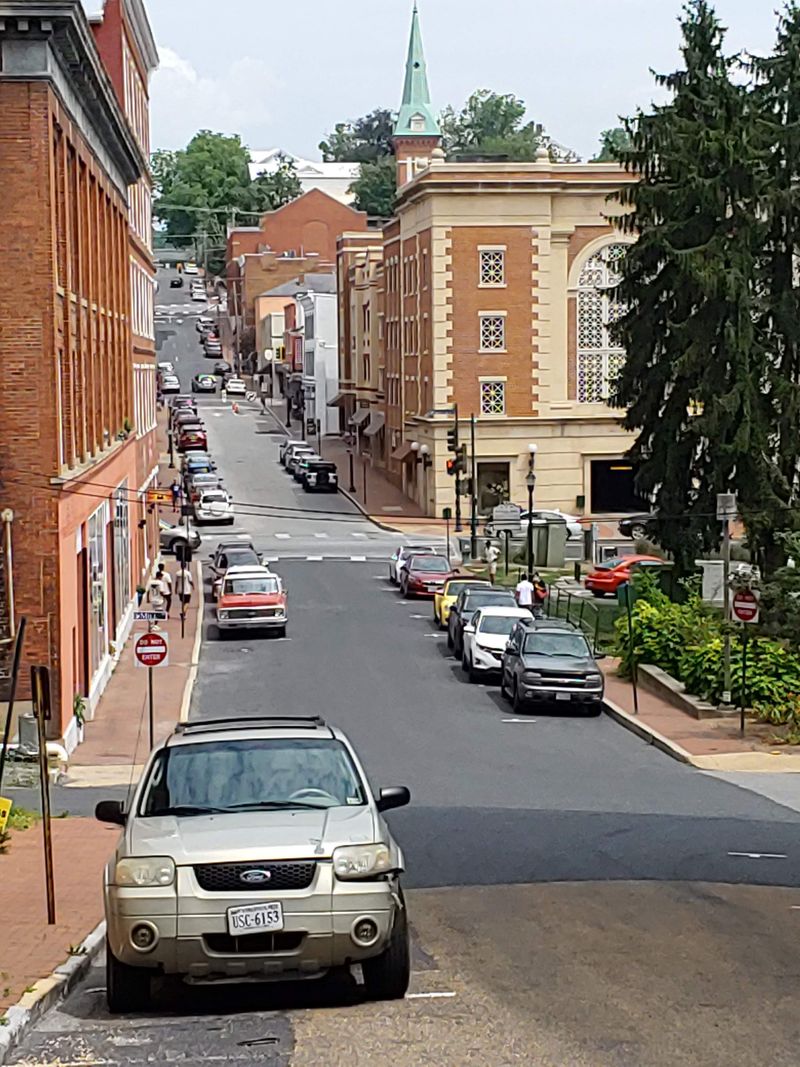
Staunton’s compact downtown invites exploration on foot, with most significant sites within easy walking distance. The street grid follows its original nineteenth-century layout, and the concentration of preserved buildings creates an environment where modern intrusions remain minimal.
Unlike reconstructed historical villages that feel artificial, Staunton functions as an actual town where people live, work, and conduct ordinary business within an extraordinary setting.
This authenticity distinguishes Staunton from theme-park history. You might pass a resident walking their dog, students heading to class, or workers on lunch break, all moving through spaces that have served similar purposes for over a century.
The juxtaposition of contemporary life and historical architecture creates a layered experience where past and present coexist rather than compete.
Several self-guided walking tour routes help visitors navigate the architectural highlights, but wandering without a specific agenda often yields the most rewarding discoveries. Side streets reveal unexpected details—a carved stone lintel, an original hitching post, a ghost sign painted on brick.
The cumulative effect of these elements produces the uncanny sensation that time here moves differently, or perhaps refuses to move at all.
A Longstanding Love Of Arts And Music
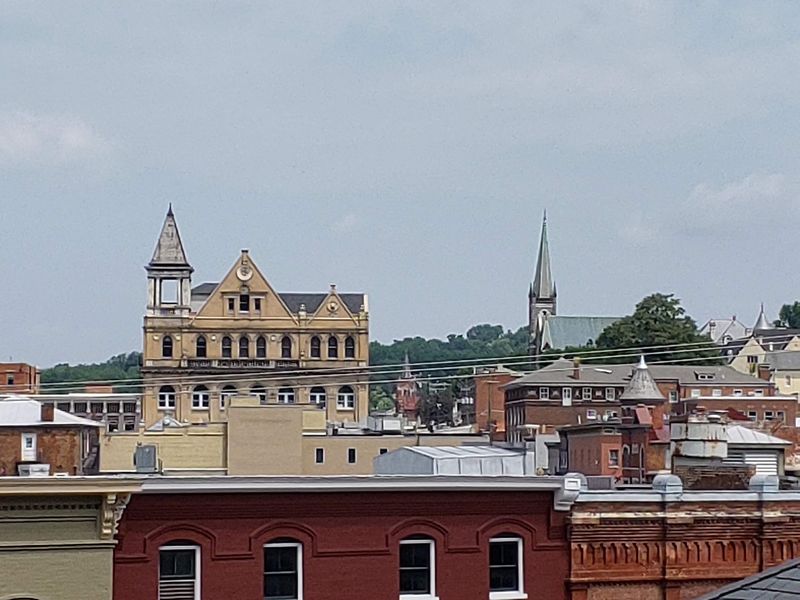
Beyond the Shakespeare theater, Staunton supports a disproportionately robust arts scene for a city of its size. Galleries, studios, and performance spaces occupy downtown buildings, creating a cultural density that attracts artists and audiences from across the region.
The Staunton Music Festival brings chamber music to various venues each summer, while year-round offerings include visual arts, theater, and literary events.
This cultural vitality stems partly from the city’s architectural character, which attracts creative individuals seeking affordable space with historical ambiance. Artists have renovated upper-floor studios in commercial buildings, and performers appreciate venues with acoustic qualities that modern construction rarely achieves.
The result is a mutually reinforcing relationship between preservation and cultural production.
Local support for the arts extends beyond passive consumption to active participation and patronage. Galleries hold monthly openings that function as community gatherings, and performances draw audiences willing to engage with challenging work rather than demanding easy entertainment.
This sophisticated cultural appetite distinguishes Staunton from many small cities and contributes significantly to its identity as a place where historical preservation and contemporary creativity coexist productively.