
11 Quiet Arizona Mountain Towns That Somehow Stayed Off The Tourist Radar
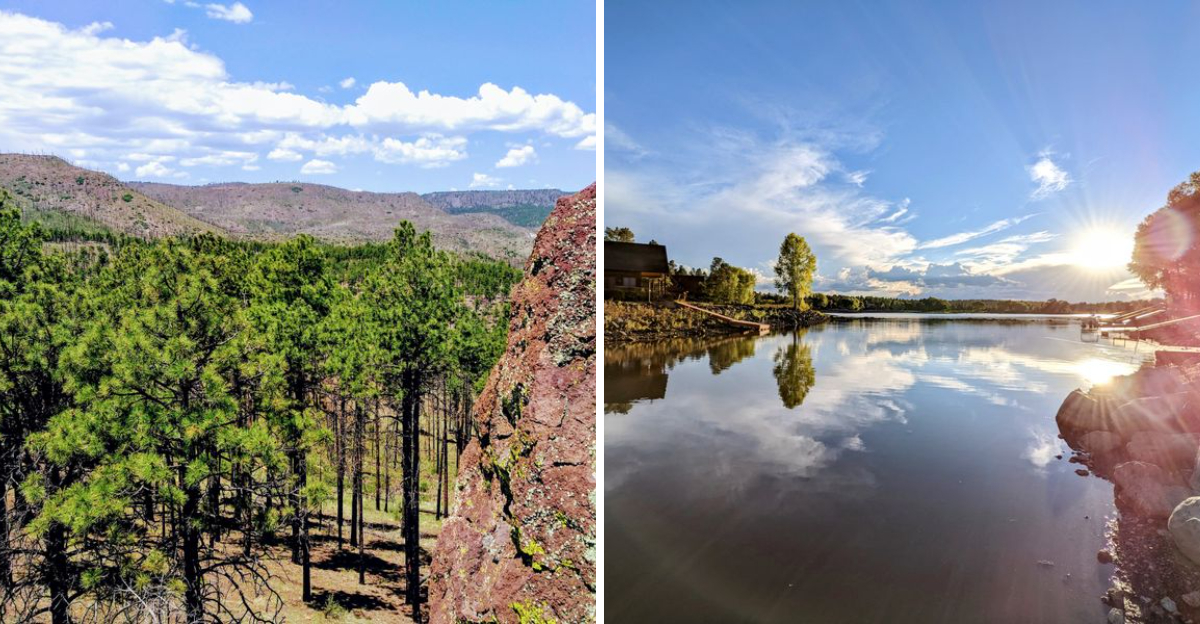
Arizona’s rugged peaks hide more than stunning views and crisp mountain air. Tucked away from the crowded tourist trails, a handful of tiny towns offer something rare: peace, beauty, and a chance to slow down.
Most travelers rush past these places without a second glance, but those who stop discover charming communities where life moves at a gentler pace and nature still feels untouched.
1. Greer
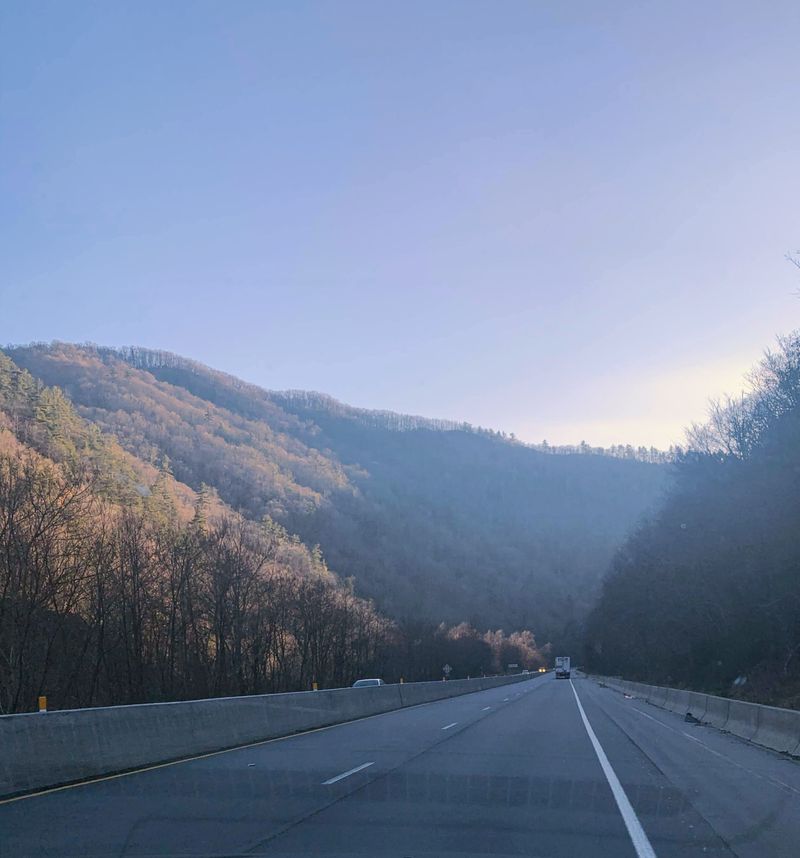
Nestled at 8,500 feet in the White Mountains, this village feels like stepping into a storybook. Towering ponderosa pines frame cozy cabins, and the Little Colorado River runs clear and cold through the valley.
You won’t find chain stores or noisy crowds here—just peaceful trails, fishing spots, and meadows bursting with wildflowers in summer.
Winter transforms Greer into a snowy wonderland perfect for cross-country skiing and snowshoeing. The town stays blissfully quiet even during peak seasons, with only a few hundred full-time residents.
Local cafes serve hearty breakfasts, and the community welcomes visitors with genuine warmth.
Elk wander through town at dawn, and the night sky explodes with stars you can’t see anywhere near a city. Greer offers a true escape without sacrificing comfort—small lodges and rental cabins provide all the coziness you need after a day exploring the Apache-Sitgreaves National Forest.
2. Alpine
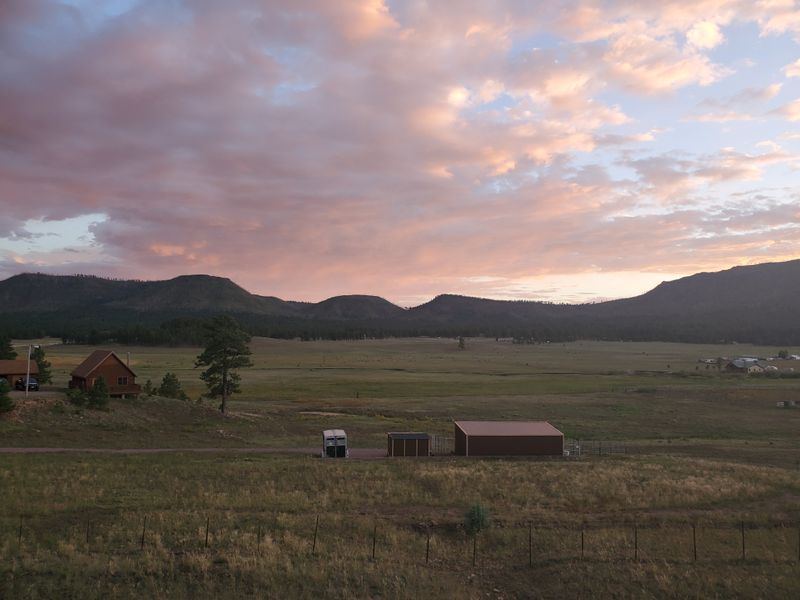
Sitting pretty at 8,050 feet, Alpine claims the title of Arizona’s highest incorporated town. The air here is thin and crisp, and the landscape shifts dramatically with each season.
Summer brings wildflower-covered hills and temperatures that rarely climb above 80 degrees, while winter blankets everything in deep snow.
Population hovers around 150 souls who cherish their isolation. There’s one main road running through town, lined with a handful of mom-and-pop shops and a small grocery store.
The surrounding Apache National Forest offers endless hiking, mountain biking, and wildlife watching opportunities.
Ranching heritage runs deep in Alpine, and you’ll still see working cattle operations dotting the valleys. The town hosts a quirky annual event called the Alpine Days celebration, where locals gather for pie contests and live music.
Visitors come for the solitude and stay for the breathtaking sunsets that paint the mountains in shades of gold and crimson each evening.
3. Nutrioso
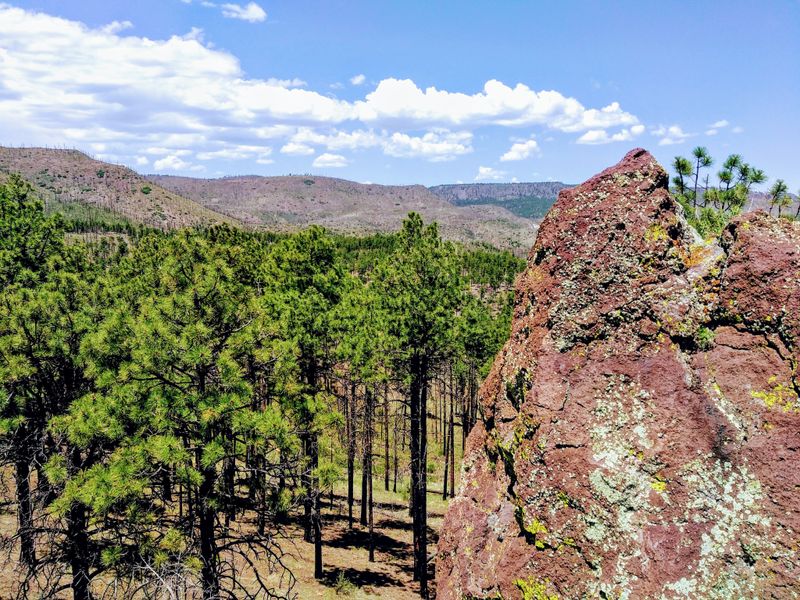
With a name meaning “beaver” in Spanish, this tiny community sits in a lush valley where water flows year-round. Nutrioso might be Arizona’s best-kept secret—most state residents have never even heard of it.
The town consists of scattered ranches, a few homes, and stunning views of the surrounding mountains.
Fishing enthusiasts treasure the nearby Nelson Reservoir, stocked with rainbow trout and offering peaceful shoreline camping. The area’s rolling grasslands and pine forests create perfect habitat for elk, deer, and wild turkeys.
During spring and fall, wildlife photographers flock here for incredible opportunities.
There’s no commercial center to speak of, which keeps the crowds away. The closest services are in neighboring Alpine or Springerville, about 20 minutes away.
What Nutrioso lacks in amenities, it makes up for in raw natural beauty and absolute tranquility. Stargazing here feels almost spiritual, with zero light pollution to dim the Milky Way’s glow across the vast sky.
4. Pinetop-Lakeside
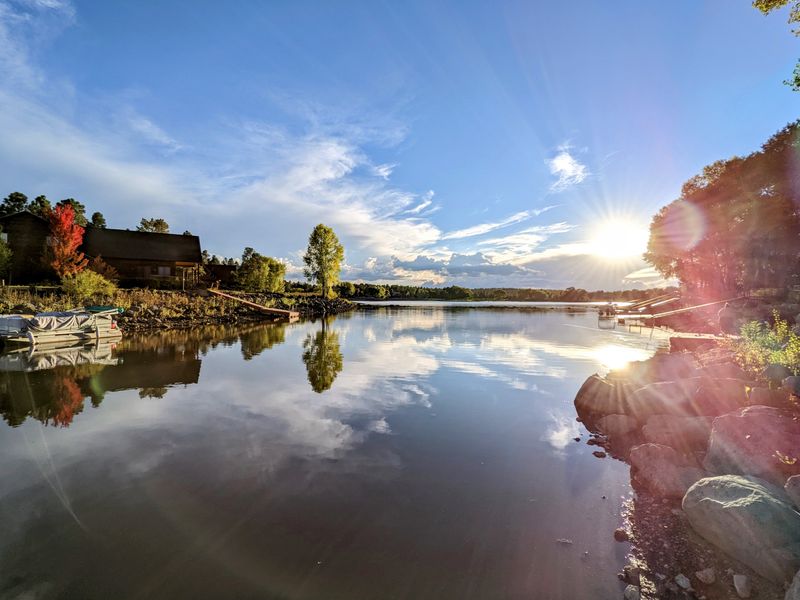
Two towns merged into one create this mountain retreat that somehow stays under the radar despite offering excellent amenities. Sitting at 7,000 feet elevation, the area boasts cooler temperatures that make it a summer haven for Phoenix residents seeking relief from triple-digit heat.
Yet it never feels overcrowded or overdeveloped.
The White Mountain Trail System winds through town, offering over 180 miles of interconnected paths for hiking, biking, and horseback riding. Rainbow Lake sits right in the heart of the community, providing easy fishing access and peaceful picnic spots.
Local restaurants serve everything from classic diner fare to surprisingly sophisticated cuisine.
Golf courses take advantage of the dramatic elevation changes and pine-studded landscape. The community maintains a laid-back vibe despite having more infrastructure than other mountain towns on this list.
Autumn here is spectacular, with aspens turning gold against the evergreen backdrop. Winter brings enough snow for sledding and snowball fights without the harsh conditions found at higher elevations.
5. Pine
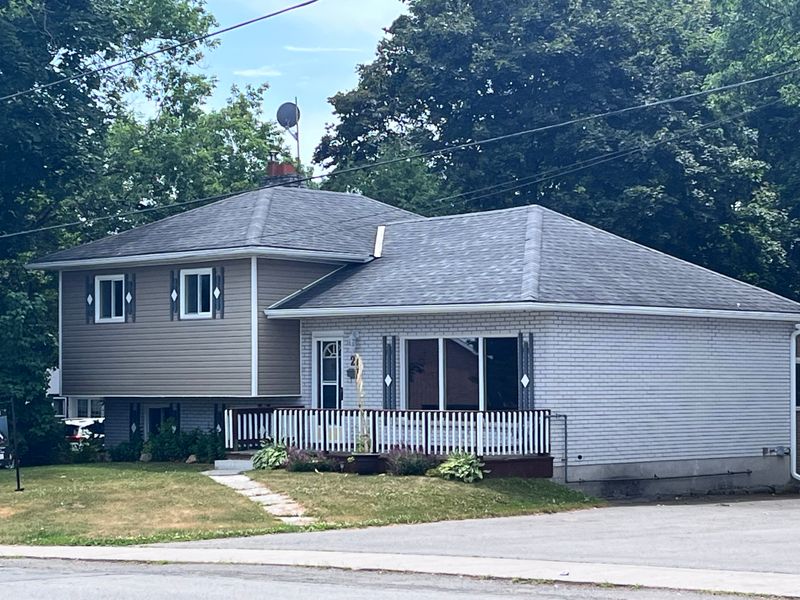
Perched along the Mogollon Rim, this small community offers jaw-dropping views of the Tonto Basin thousands of feet below. Pine grew from a logging camp into a quiet residential area where artists, retirees, and nature lovers have found their perfect spot.
The elevation of 5,400 feet provides four distinct seasons without extreme temperatures.
Historic buildings still stand along the main road, remnants of Pine’s rough-and-tumble frontier days. The nearby Pine-Strawberry Museum preserves local history with fascinating exhibits about early settlers and Apache culture.
Antique shops and art galleries dot the roadside, offering treasures you won’t find in big-city stores.
Hiking trails lead to hidden waterfalls and ancient cliff dwellings. The community hosts a popular festival each summer celebrating pioneer heritage with live music, food vendors, and crafts.
Real estate here remains surprisingly affordable compared to other Arizona mountain towns, attracting those seeking permanent mountain living. Wildlife sightings are common—black bears, javelina, and mountain lions all call this area home.
6. Strawberry
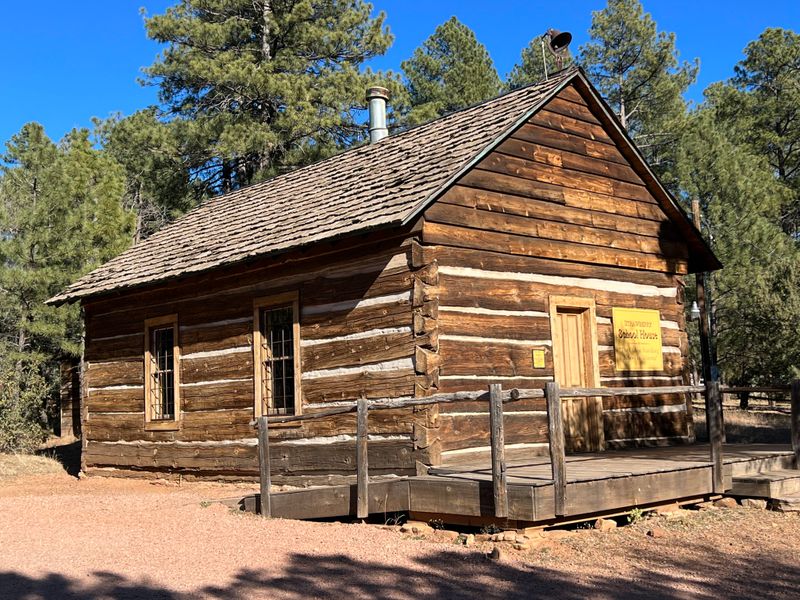
Just down the road from Pine sits Strawberry, home to Arizona’s oldest standing schoolhouse. This historic gem dates back to 1885 and still welcomes visitors curious about frontier education.
The town itself spreads across gentle hills covered with juniper, pinon, and ponderosa pine, creating a patchwork of green against red rock.
Fossil Creek, a short drive away, offers some of the most pristine swimming holes in the state. The creek’s turquoise waters and travertine formations look more like the Caribbean than Arizona.
Permits are required to visit, which keeps the crowds manageable even in summer.
Strawberry maintains a decidedly rural character with no traffic lights and minimal commercial development. The local lodge serves as a social hub where residents and visitors mingle over coffee and home-style meals.
Birdwatching here is exceptional, with over 200 species recorded in the area. The combination of diverse habitats attracts everything from hummingbirds to bald eagles throughout the year.
7. Young
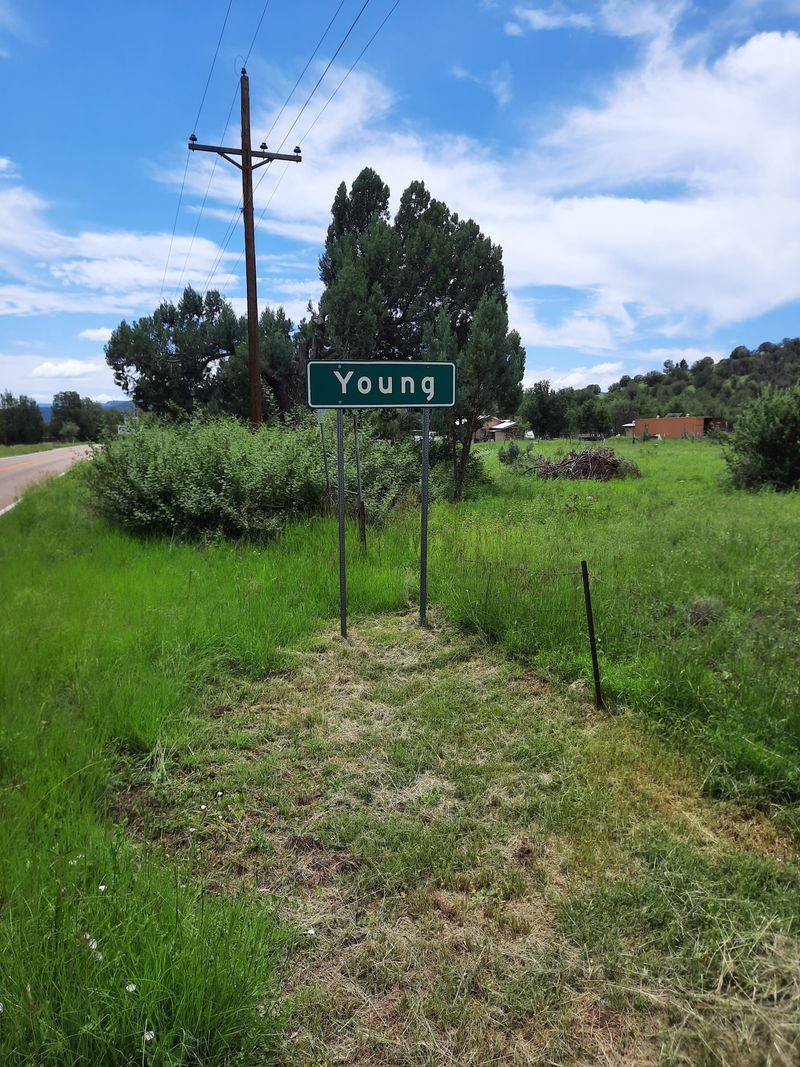
Getting to Young requires commitment—the last stretch involves a winding dirt road that keeps casual tourists at bay. This isolation is exactly what residents love about their town.
Founded in the 1880s, Young served as a supply center for nearby ranches and mines, though those industries have long since faded.
The Pleasant Valley War, Arizona’s deadliest feud, played out in these hills during the late 1800s. History buffs can still visit the cemetery where some of the conflict’s victims rest.
Today, the town’s population barely reaches 50, but the sense of community runs deep.
Outdoor recreation dominates life here, with the Sierra Ancha Wilderness offering rugged backcountry adventures. Canyon systems hide ancient Salado cliff dwellings accessible only by challenging hikes.
The general store serves as post office, gathering place, and supply depot all in one. Cell service is spotty at best, making Young a true digital detox destination where you’re forced to slow down and appreciate simple pleasures.
8. Munds Park
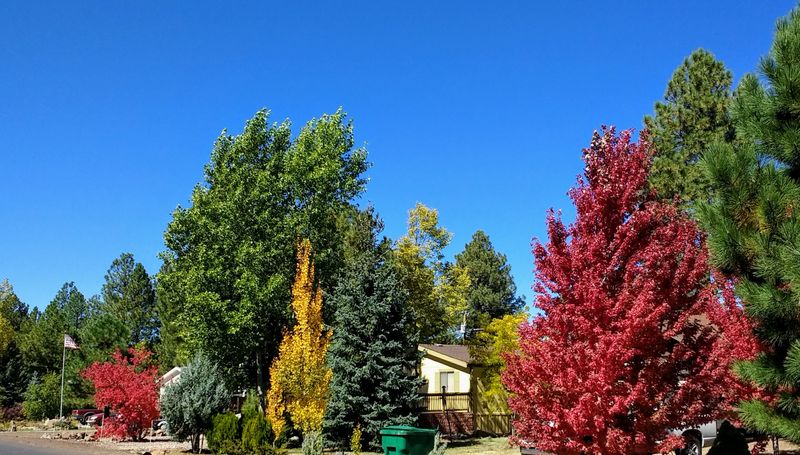
Halfway between Flagstaff and Sedona, this community hides in the pines just off Interstate 17. Most travelers zoom past without realizing they’re missing a peaceful mountain escape.
Munds Park sits at 6,750 feet, offering cooler temperatures and a quiet residential atmosphere that feels worlds away from tourist hotspots.
Pinewood Boulevard forms the town’s main artery, lined with a few restaurants, a market, and a gas station. That’s about it for commercial development, which suits residents just fine.
The surrounding Coconino National Forest provides endless recreation, from mountain biking to cross-country skiing.
Lake O’Dell offers fishing and non-motorized boating in a serene setting. The community park features playgrounds, sports courts, and picnic areas where families gather on summer weekends.
Real estate consists mainly of vacation cabins, though more people are choosing to live here year-round. Snow arrives reliably each winter but rarely accumulates to unmanageable depths.
The location provides easy access to Flagstaff’s amenities while maintaining a secluded, small-town feel that’s increasingly rare in Arizona.
9. Summerhaven
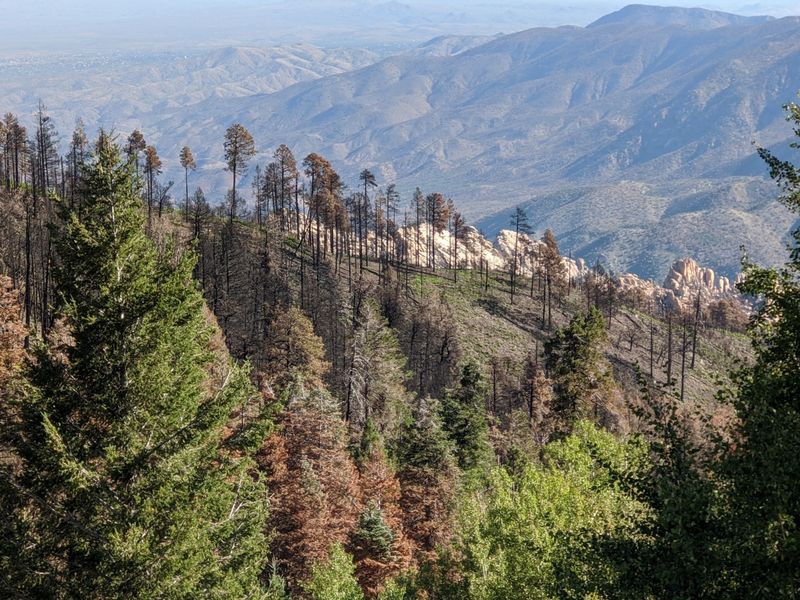
Clinging to the slopes of Mount Lemmon at 8,200 feet, Summerhaven provides Tucson residents with an alpine escape just 40 miles from the desert. The Catalina Highway winds through five distinct climate zones on the way up, each turn revealing new vegetation and wildlife.
The town itself consists of rustic cabins, a few shops, and restaurants serving everything from burgers to fresh-baked pie.
Devastating wildfires in 2003 destroyed much of Summerhaven, but the community rebuilt with determination. Today, new cabins blend with surviving historic structures, creating a charming mountain village atmosphere.
Winter brings reliable snow, and the small ski area offers sledding and tubing for families.
Hiking trails radiate from town in every direction, leading to stunning viewpoints and hidden meadows. The temperature difference from Tucson can exceed 30 degrees, making Summerhaven a natural air conditioner during scorching summer months.
Weekends see more visitors, but weekdays remain peacefully quiet. The community’s resilience and tight-knit spirit make it special beyond just the scenery.
10. Portal
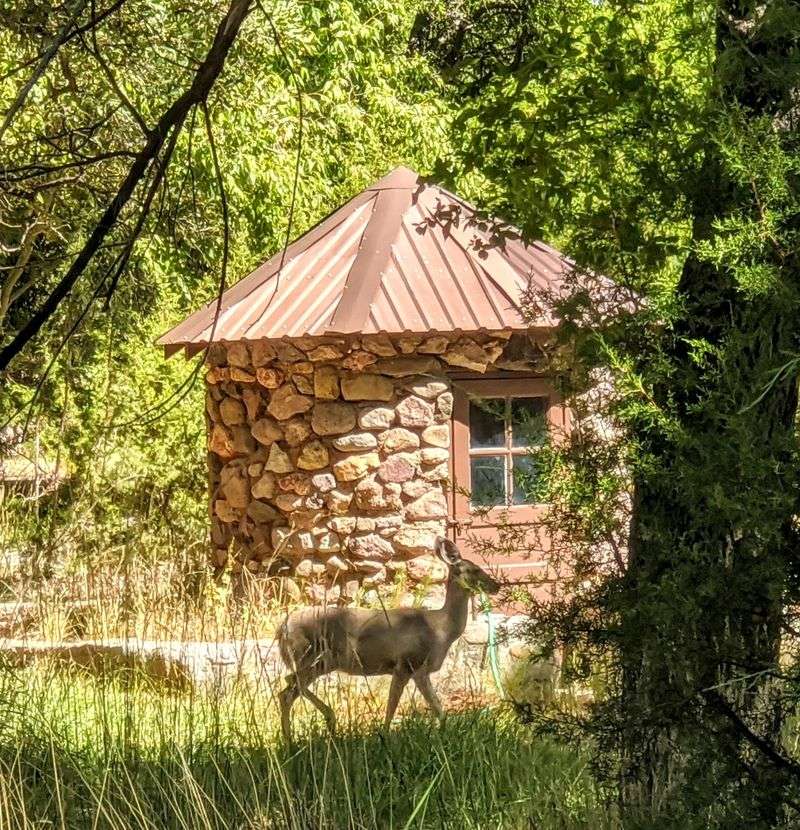
Tucked in the far southeastern corner of Arizona, Portal sits at the mouth of Cave Creek Canyon in the Chiricahua Mountains. This tiny community has achieved legendary status among birdwatchers—over 300 species have been recorded here, including rare Mexican species found nowhere else in the United States.
The elevation of 4,800 feet creates a unique ecosystem where desert and mountain habitats meet.
The town consists of a handful of homes, a small store, and several lodges catering to birding enthusiasts. Cave Creek runs year-round, creating a ribbon of green through the canyon and supporting incredible biodiversity.
Hiking trails follow the creek and climb into the high country where black bears and mountain lions roam.
Portal’s isolation keeps it off most tourist itineraries—it’s a solid two-hour drive from any significant city. That remoteness preserves its special character and pristine environment.
The night sky here ranks among Arizona’s darkest, perfect for astronomy enthusiasts. Local residents are passionate about conservation and maintaining the area’s wild character.
11. Patagonia
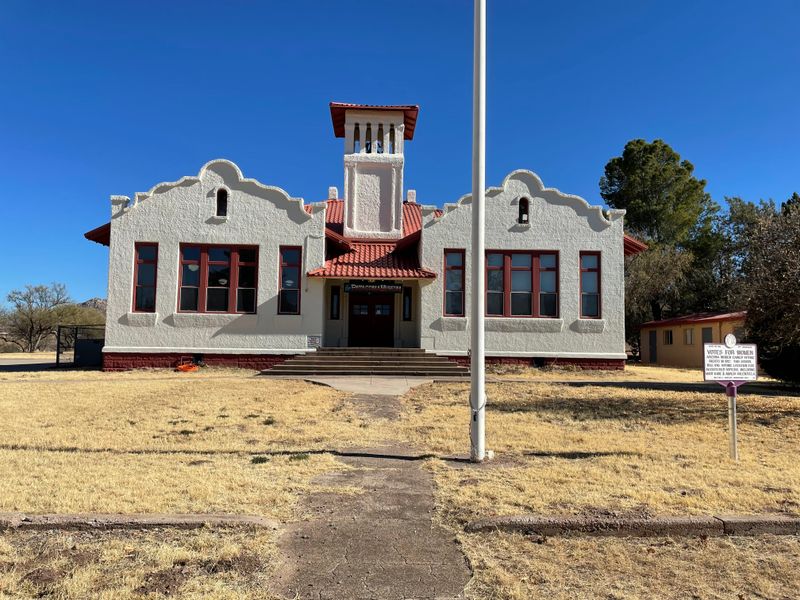
Rolling grasslands meet oak-studded hills in this artistic community near the Mexican border. Patagonia sits at 4,000 feet elevation, creating a mild climate that attracts retirees, artists, and nature lovers seeking a slower pace of life.
The town’s main street features galleries, cafes, and quirky shops housed in historic buildings that harken back to ranching and mining days.
Patagonia Lake State Park lies just south of town, offering boating, fishing, and camping on a 265-acre reservoir. The Patagonia-Sonoita Creek Preserve protects a rare riparian habitat that draws birders from around the world.
Over a dozen rare or endangered bird species nest here, making it a biological hotspot.
Local vineyards and wineries have sprouted in recent years, taking advantage of the area’s unique terroir. The community hosts an annual art festival that transforms the town into an open-air gallery.
Despite growing popularity, Patagonia maintains an authentic, unhurried atmosphere. Ranches still operate in the surrounding hills, and locals gather at the general store to catch up on news and gossip.