
Most People Have No Idea This Quirky Dwarf Car Museum Exists In Arizona
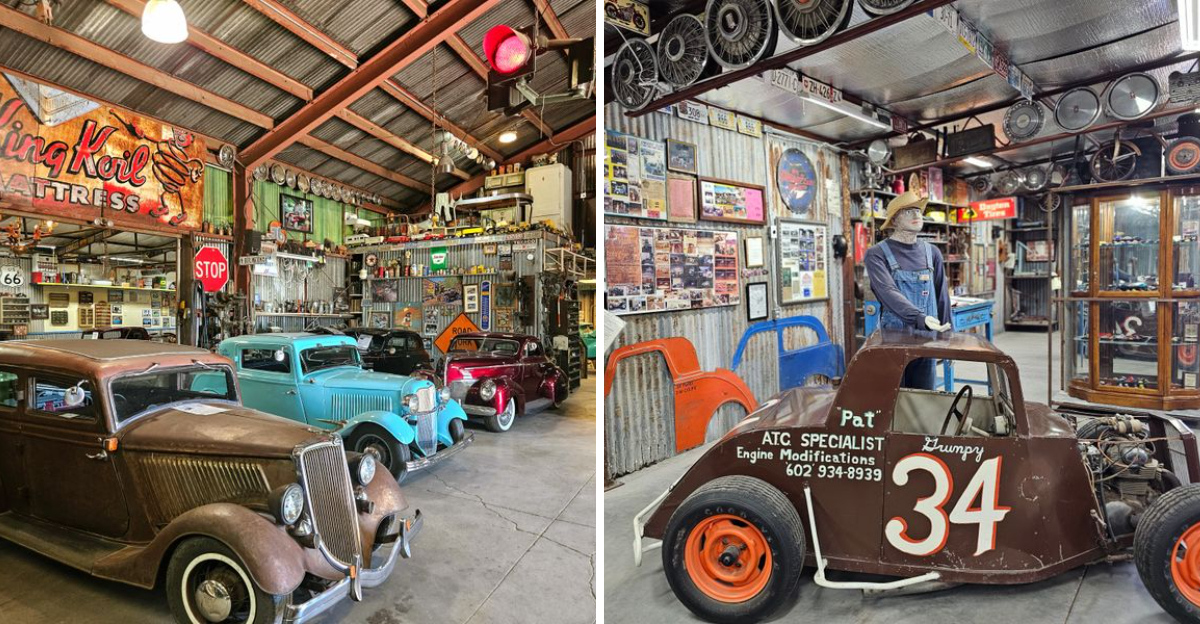
Few places capture pure ingenuity quite like this one-of-a-kind museum in the Arizona desert. Located south of Phoenix in Maricopa, the Dwarf Car Museum features a remarkable lineup of handcrafted miniature cars that aren’t just for show, they run, drive, and are fully street-legal.
Each vehicle was built by Ernie Adams, a skilled fabricator whose deep love for classic automobiles shines through every detail. More than a roadside curiosity, the museum celebrates a level of hands-on craftsmanship that’s increasingly rare, making it a memorable stop for curious travelers and car lovers alike.
Hidden In Plain Sight: Maricopa’s Curious Dwarf Car Museum
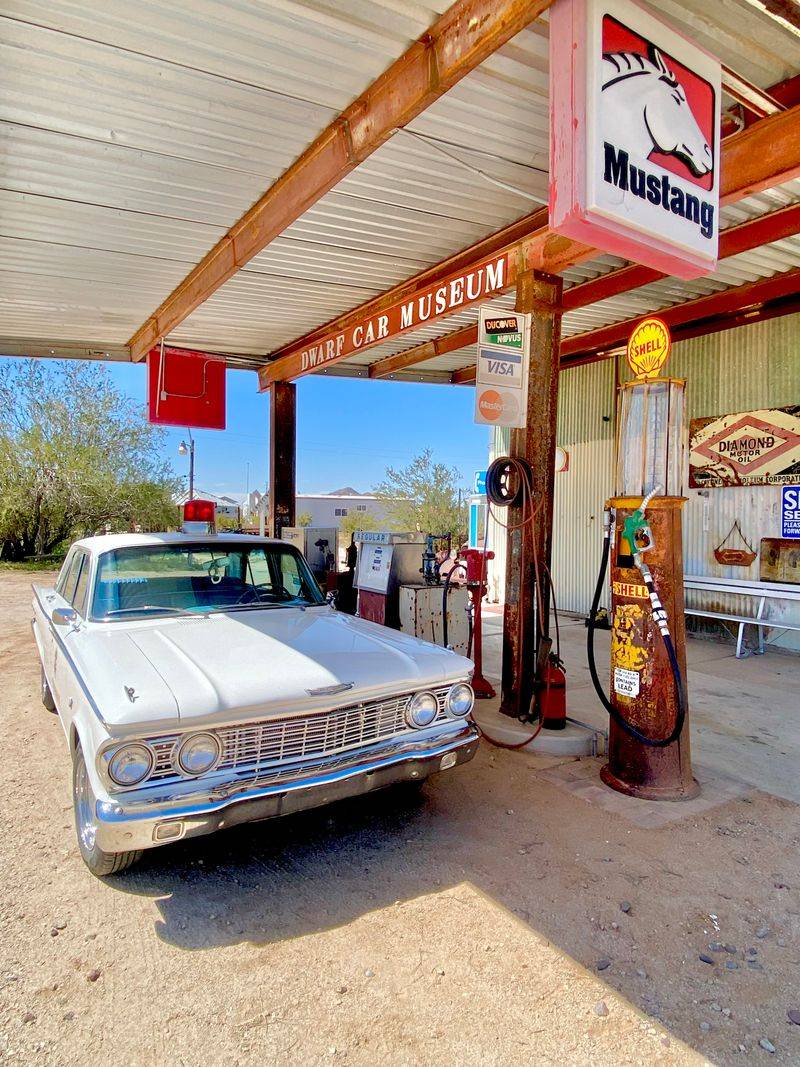
Most travelers speeding along Arizona’s highways have no clue that a remarkable automotive treasure sits quietly off the beaten path. Located at 52954 W Halfmoon Rd in Maricopa, the Dwarf Car Museum doesn’t advertise with billboards or flashy signs.
Many visitors stumble upon it by accident, through word of mouth, or after spotting a flyer at a nearby RV park.
Once you arrive, the unassuming desert property reveals itself as a wonderland of miniature vehicles, vintage memorabilia, and handcrafted relics. The museum operates daily from 9 AM to 4 PM, welcoming guests with a friendly atmosphere and a modest five-dollar admission fee.
Families, solo road trippers, and even large RVs find ample parking and a warm reception.
What makes this place truly special is its authenticity. There’s no corporate polish or scripted tour—just genuine passion, incredible skill, and a story worth hearing.
Visitors consistently leave amazed, often wishing they had discovered it sooner.
What Exactly Is A Dwarf Car And Why It’s So Fascinating
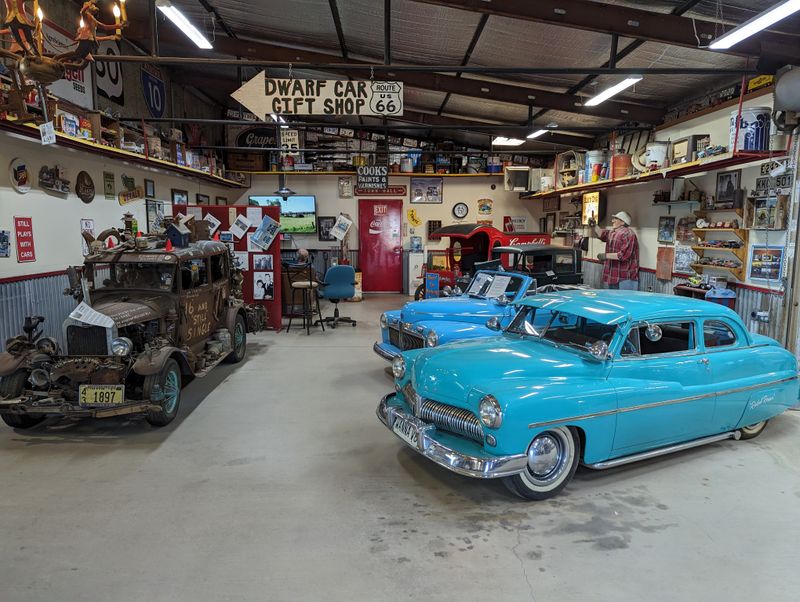
Dwarf cars are not toys or models—they are fully functional, scaled-down replicas of classic American automobiles. Typically built at about two-thirds the size of the original vehicle, these miniature machines feature working engines, transmissions, brakes, and steering systems.
Every detail, from the chrome bumpers to the upholstery, is painstakingly crafted by hand.
Ernie Adams pioneered this art form decades ago, combining his machining expertise with a love for vintage cars. Each dwarf car represents hundreds of hours of fabrication, welding, and fine-tuning.
The result is a rolling piece of art that can cruise down real roads alongside full-sized vehicles.
What captivates visitors most is the realization that these aren’t just display pieces. Many of the cars in the museum have been driven across state lines, featured in parades, and even raced.
The blend of nostalgia, engineering precision, and sheer creativity makes dwarf cars a rare and mesmerizing phenomenon.
How One Man’s Hobby Turned Into A Mini Automotive Wonderland
Ernie Adams didn’t set out to create a museum. His journey began as a personal passion project, building miniature cars in his spare time while working as a skilled machinist.
Over the years, his collection grew, and so did the interest from friends, neighbors, and car enthusiasts who heard about his unique creations.
What started in a small workshop eventually expanded into a full-fledged museum that now attracts visitors from across the country. Ernie’s son Kevin and his wife Ginger help run the day-to-day operations, keeping the property organized and welcoming.
Together, the Adams family has built more than just a museum—they’ve created a living archive of American automotive culture.
Guests often have the rare opportunity to sit down with Ernie himself and hear firsthand stories about his racing career, his fabrication techniques, and the inspiration behind each vehicle. These personal interactions transform a simple visit into an unforgettable experience.
Handmade And Fully Functional: These Tiny Cars Really Drive
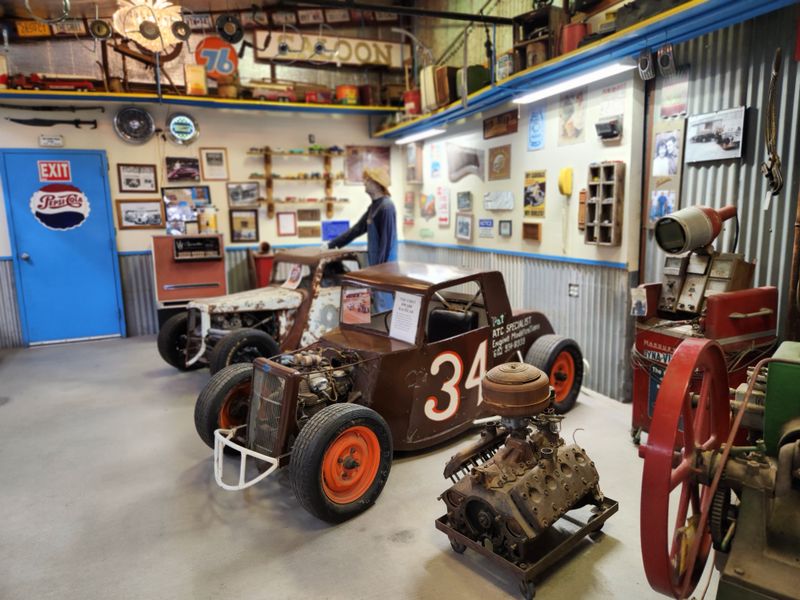
Walking through the museum, it’s easy to assume the cars are static models meant only for display. But step closer, and you’ll notice the wear on the tires, the functional ignition systems, and the smell of engine oil.
These vehicles are driven regularly, proving that form and function can coexist beautifully.
Ernie has taken his dwarf cars on road trips, sometimes covering hundreds of miles. Visitors are often surprised to learn that just the day before their visit, one of the cars might have been cruising through the Arizona desert.
Each vehicle is maintained with the same care and attention as a full-sized classic car.
The engineering behind these machines is nothing short of remarkable. Custom-built transmissions, hand-formed body panels, and miniature brake systems all work in harmony.
Watching a dwarf car roll smoothly across the pavement is a testament to Ernie’s talent and dedication to his craft.
From Old Refrigerators To Rolling Relics: The Craft Behind The Cars
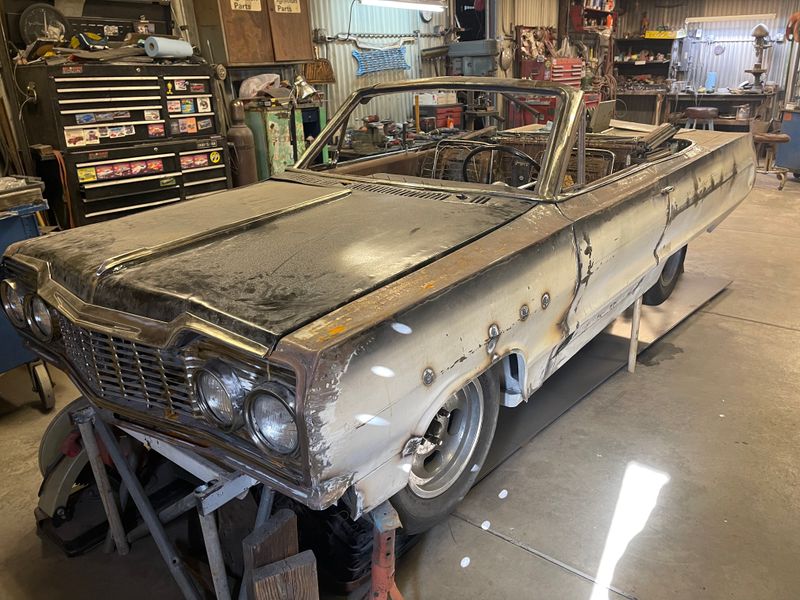
One of the most intriguing aspects of the museum is learning about the materials Ernie used to build his creations. In the early days, he repurposed parts from old refrigerators, washing machines, and scrap metal to fabricate body panels and structural components.
Resourcefulness and ingenuity were as important as technical skill.
The museum’s workshop area, visible to guests, is filled with lathes, welding equipment, and bins of custom-made parts. Signs and displays explain the fabrication process, giving visitors a behind-the-scenes look at how a block of metal becomes a fender or a steering wheel.
It’s a masterclass in lost craftsmanship.
Watching the video presentation inside the museum offers even deeper insight into Ernie’s methods. You’ll see footage of cars being assembled, engines being tuned, and finished vehicles taking their first test drives.
It’s a reminder that true artistry often comes from humble beginnings and relentless dedication.
Step Inside The Museum: What You’ll See On Display
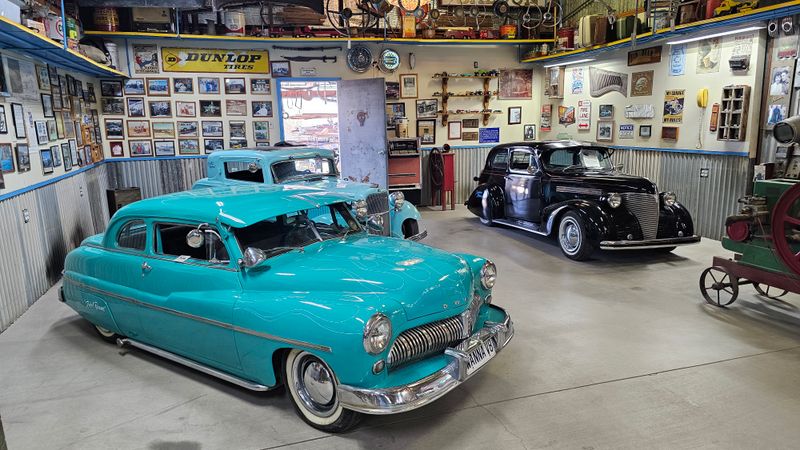
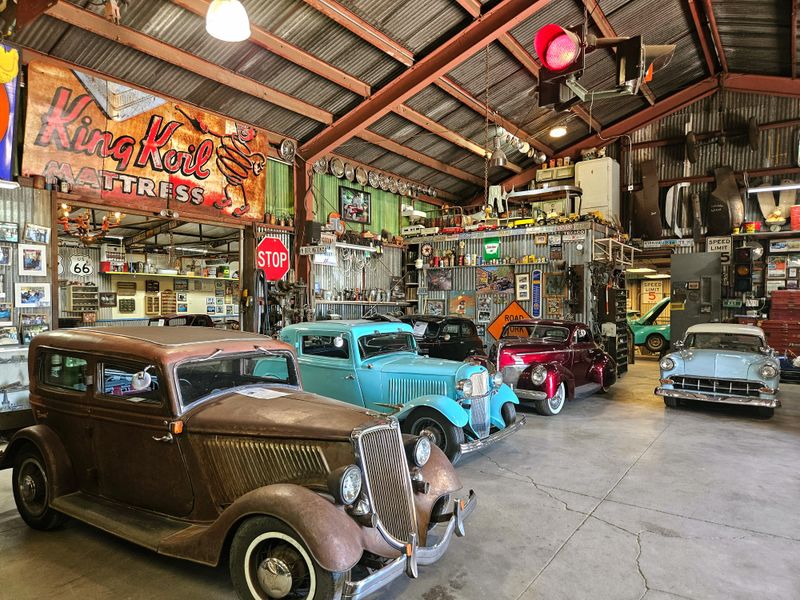
Upon entering the museum, visitors are greeted by row after row of meticulously restored dwarf cars, each one representing a different era of American automotive design. From vintage Chevys to classic trucks, the variety is impressive.
Bright paint, gleaming chrome, and period-correct details make each vehicle a showstopper.
Beyond the cars themselves, the museum is packed with automotive memorabilia, antique signs, old gas pumps, and nostalgic artifacts that transport you back in time. Every corner of the property holds something interesting—whether it’s a rusted relic in the outdoor junkyard or a polished treasure inside the main building.
Visitors often spend two to three hours exploring, reading plaques, and discovering new details they missed on their first pass. The layout is compact enough for those with limited mobility, yet rich enough to keep car enthusiasts engaged for an entire afternoon.
It’s a sensory journey through American car culture.
Film And Stories: Learn How These Tiny Cars Came To Life
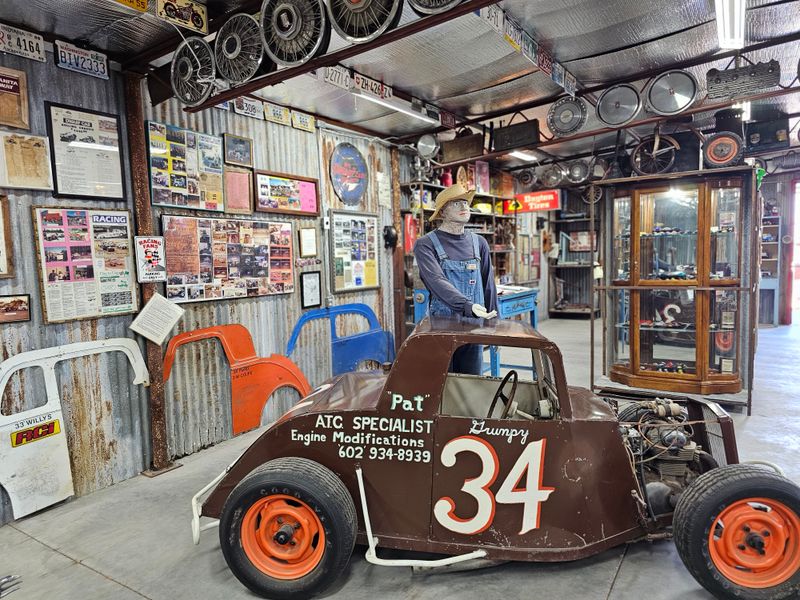
A visit to the museum isn’t complete without watching the informative video that plays on a loop inside the main building. The film chronicles Ernie’s journey from hobbyist to legend, showcasing the painstaking process of building each car from scratch.
You’ll see raw materials transformed into finished vehicles, step by step.
The video also highlights Ernie’s racing career and the role his dwarf cars played in inspiring the modern Legend Car racing series. These miniature racers became the foundation for a popular motorsport that continues today.
Hearing Ernie narrate his own story adds a personal touch that guidebooks simply can’t replicate.
Many visitors mention that the film deepened their appreciation for the collection. It’s one thing to admire a finished car; it’s another to understand the skill, patience, and problem-solving required to bring it to life.
The stories behind the cars are just as captivating as the cars themselves.
Officially Street Legal: Yes, These Mini Cars Hit Real Roads
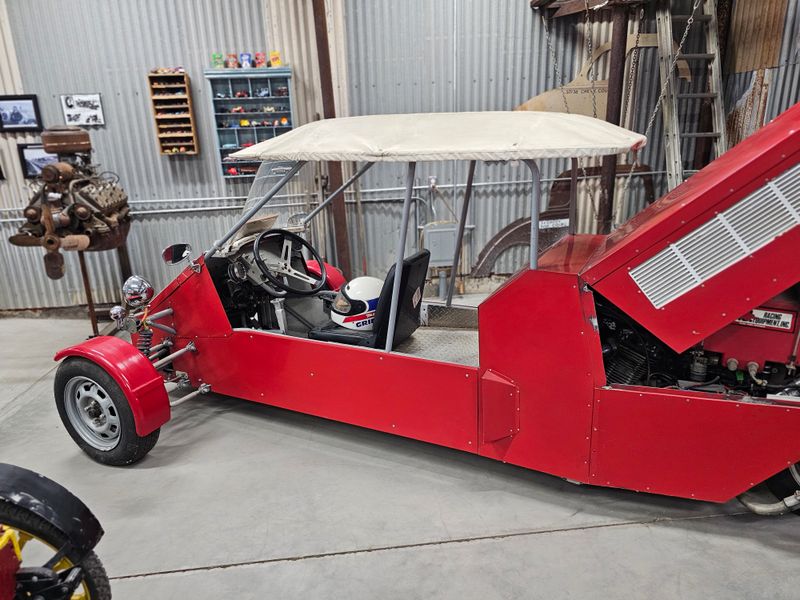
Perhaps the most surprising fact about the dwarf cars is that many of them are fully street-legal. Ernie went through the proper registration and inspection processes to ensure his creations could legally share the road with full-sized vehicles.
They have license plates, functioning lights, and meet safety requirements.
Driving a dwarf car on public roads turns heads and sparks conversations wherever they go. Ernie has taken his miniature machines to car shows, parades, and cross-country trips, proving their reliability and durability.
These aren’t garage queens—they’re road warriors with plenty of miles under their tiny hoods.
Visitors often ask if they can take one for a spin, and while test drives aren’t offered, seeing the cars up close makes it easy to imagine the thrill. The thought of cruising down Route 66 in a two-thirds-scale hot rod is both whimsical and genuinely exciting.
Why This Tiny Museum Is A Must Visit Road Trip Stop
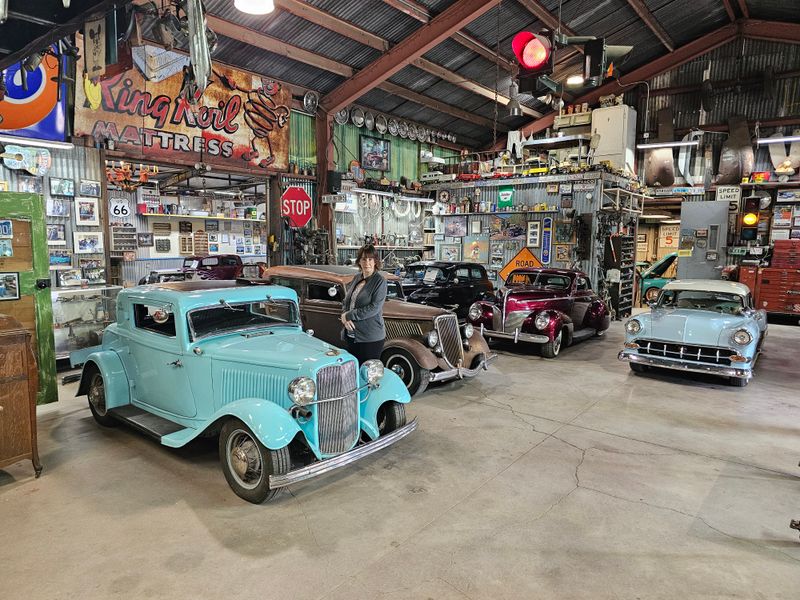
Arizona is home to countless roadside attractions, but few offer the combination of authenticity, craftsmanship, and personal connection found at the Dwarf Car Museum. It’s a place where you can slow down, ask questions, and appreciate the artistry of a bygone era.
There’s no rush, no crowds, and no pretense—just good people sharing something they love.
The museum’s location in Maricopa makes it an ideal detour for travelers heading between Phoenix and Tucson. It’s close enough to major routes but far enough off the main drag to feel like a true discovery.
RV travelers, motorcyclists, and families all find it accessible and welcoming.
What sets this museum apart is the warmth of the Adams family and the genuine passion behind every exhibit. You won’t find corporate branding or gift shop pressure—just honest hospitality and a love for preserving automotive history.
It’s the kind of place that restores your faith in small, independent attractions.
Visitors’ Reactions: What People Say After Seeing It In Person
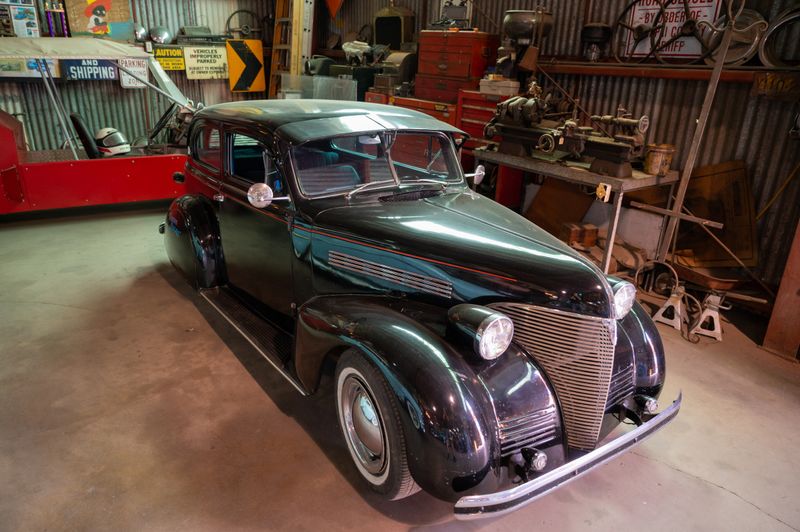
Nearly every review of the Dwarf Car Museum echoes the same sentiment: visitors are blown away by what they find. With a 4.9-star rating from over 900 reviews, the museum has earned a reputation for exceeding expectations.
Guests frequently mention spending far longer than planned, captivated by the details and stories.
Many reviewers highlight their conversations with Ernie, describing him as friendly, talented, and generous with his time. The chance to meet the creator and hear firsthand accounts of the cars’ histories is a recurring highlight.
Visitors also praise Ginger and Kevin for their welcoming demeanor and smooth operation of the museum.
People return multiple times, discovering new details with each visit. First-timers often express regret for not knowing about the museum sooner, while seasoned visitors bring friends and family to share the experience.
The consensus is clear: this is a hidden gem that deserves far more recognition than it receives.
Plan Your Visit: Hours, Admission, And What To Expect
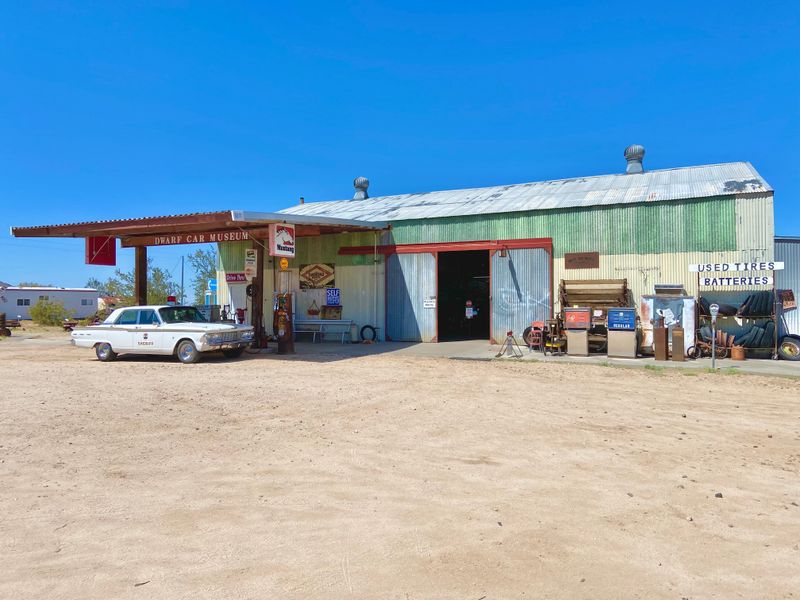
The Dwarf Car Museum is open seven days a week from 9 AM to 4 PM, making it easy to fit into most travel itineraries. Admission is just five dollars per person, an incredible value considering the quality and uniqueness of the collection.
The property is spacious enough to accommodate RVs and larger vehicles without difficulty.
Visitors should plan to spend at least two hours exploring, though car enthusiasts and history buffs often linger for three or more. Comfortable walking shoes are recommended, as there are both indoor and outdoor exhibits to explore.
Summer visits can be hot, so winter months offer the most pleasant experience for outdoor viewing.
The museum’s website and phone number provide additional details, and the staff is happy to answer questions in advance. Whether you’re a lifelong gearhead or simply curious about quirky attractions, the Dwarf Car Museum promises an experience you won’t soon forget.
It’s a celebration of creativity, skill, and the enduring appeal of classic American cars.