
This Florida Pub Is Strange, Legendary, And Over 80 Years Old
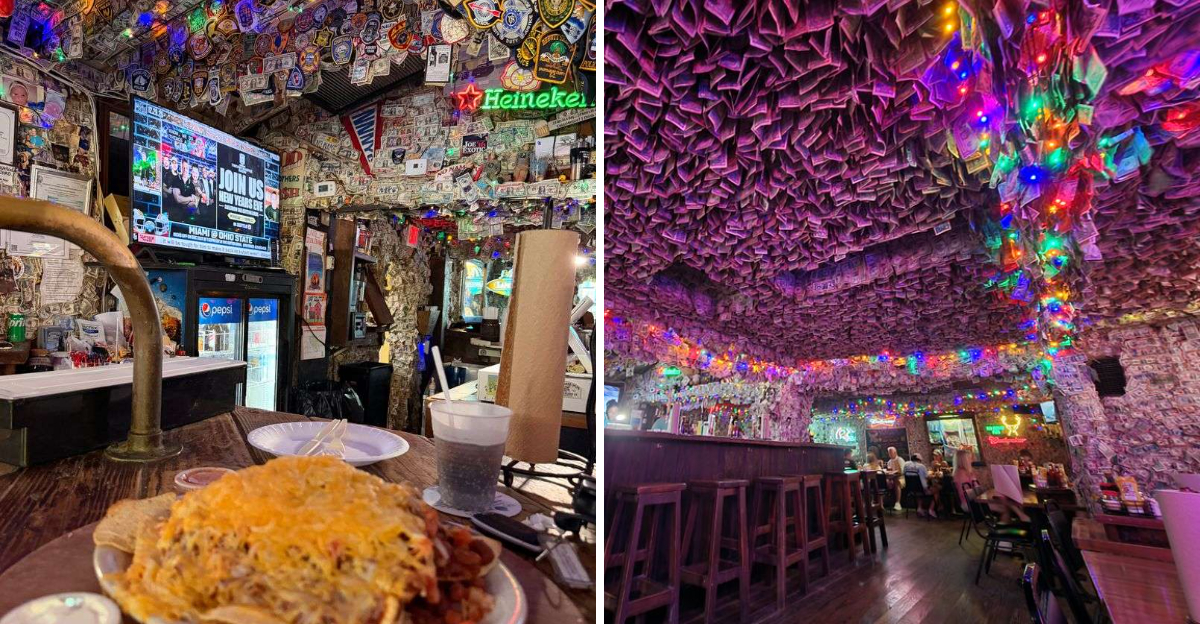
Tucked away on Big Pine Key in the Lower Florida Keys sits a pub that defies modern trends and embraces its rough-around-the-edges charm. No Name Pub has been serving locals and wandering travelers since 1931, accumulating stories, dollar bills, and a reputation that stretches far beyond its hidden location.
Walking through its doors feels like stepping into a different era, one where cell phones don’t work, pizzas arrive on their own schedule, and every square inch of wall space tells a tale.
It Started Life As A General Store In 1931
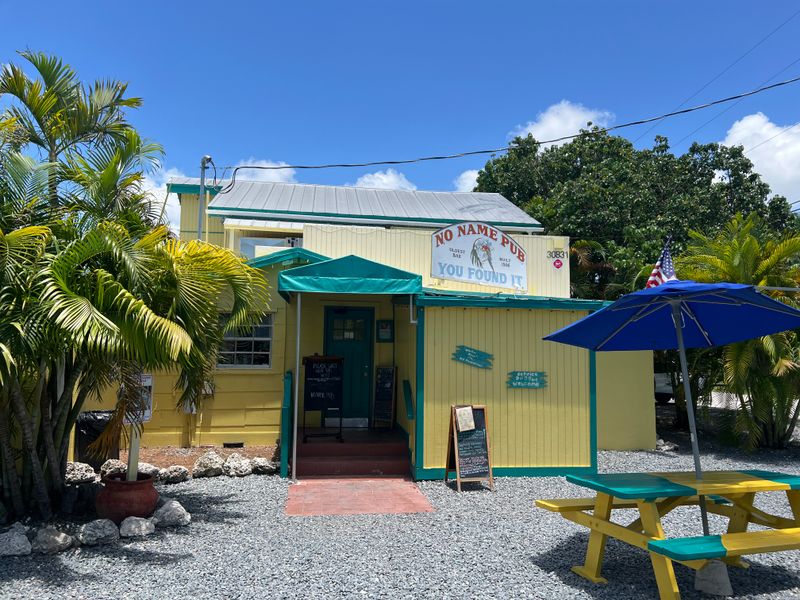
Long before tourists flocked to the Florida Keys for sunsets and snorkeling, Big Pine Key needed a place where locals could pick up essentials without making the long trek to the mainland. No Name Pub opened in 1931 as a general store, serving the small fishing and farming community that called this remote island home.
Back then, the building provided everything from canned goods to fishing supplies, acting as a lifeline for families living miles from the nearest town.
Over the decades, the structure has remained largely unchanged, preserving the weathered wood and simple layout that defined early Florida Keys architecture. The original shelves and counters still stand, now covered in layers of history rather than groceries.
Located at 30813 Watson Blvd, Big Pine Key, FL 33043, the building carries the scars and stories of nearly a century of service.
That humble beginning set the foundation for what would become one of the most authentic establishments in the entire island chain. The transition from general store to gathering place happened organically, reflecting the needs of a community that valued connection as much as convenience.
The Pub Got Its “No Name” Because It Was Too Remote For A Sign
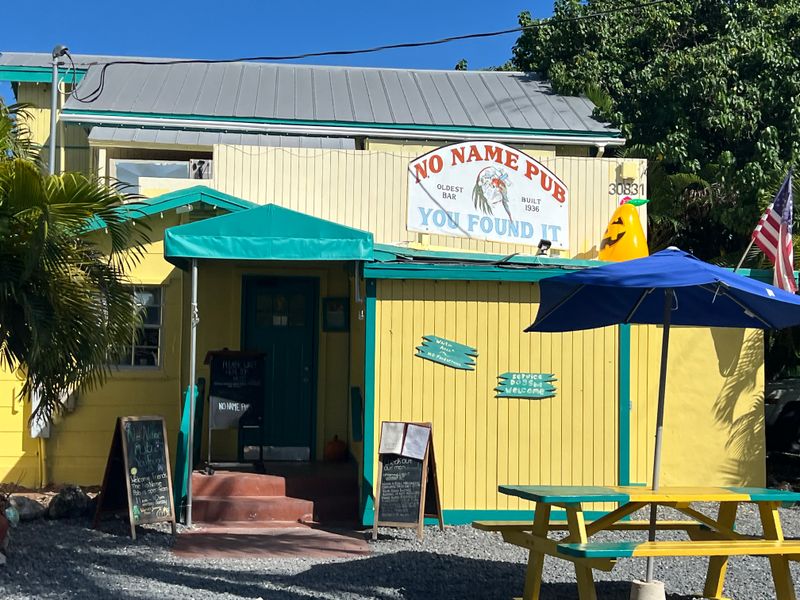
Finding this place in the early days required either local knowledge or sheer luck. Nestled deep in a residential neighborhood off the main highway, the building sat so far from civilization that installing a proper sign seemed pointless.
Visitors who managed to locate it would ask locals what the place was called, only to receive shrugs and vague directions rather than an actual name.
Eventually, the lack of a name became the name itself. “No Name Pub” perfectly captured the unpretentious spirit of a place that never tried to advertise or attract attention. The moniker stuck because it felt honest—this wasn’t a carefully branded tourist trap, but rather an accidental destination that earned its reputation through word of mouth.
Even today, first-time visitors often drive past the turnoff multiple times before spotting the small, easy-to-miss entrance. The journey down Watson Boulevard takes you through quiet streets where Key deer wander freely, reinforcing the sense that you’ve left the modern world behind.
That remoteness remains part of the pub’s identity, filtering out those who need everything handed to them on a platter.
The Dollar Bills Covering The Walls Tell Decades Of Visitor Stories
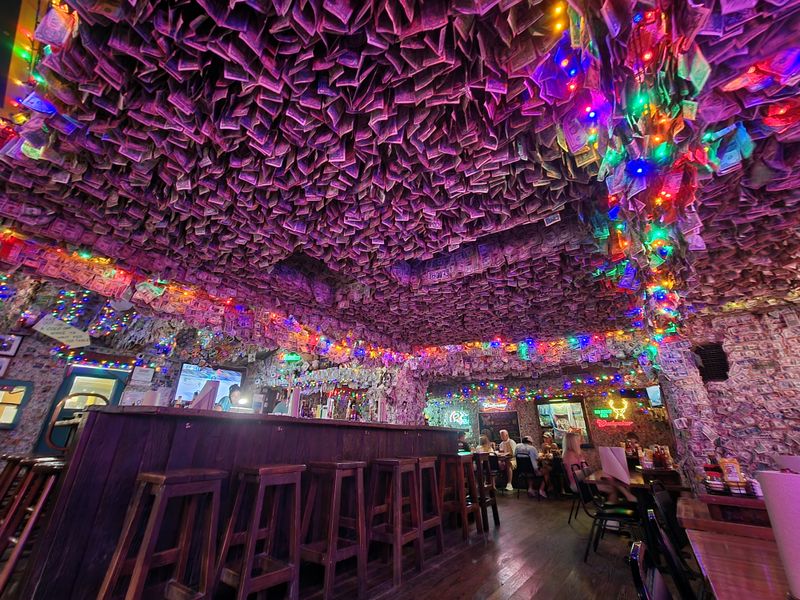
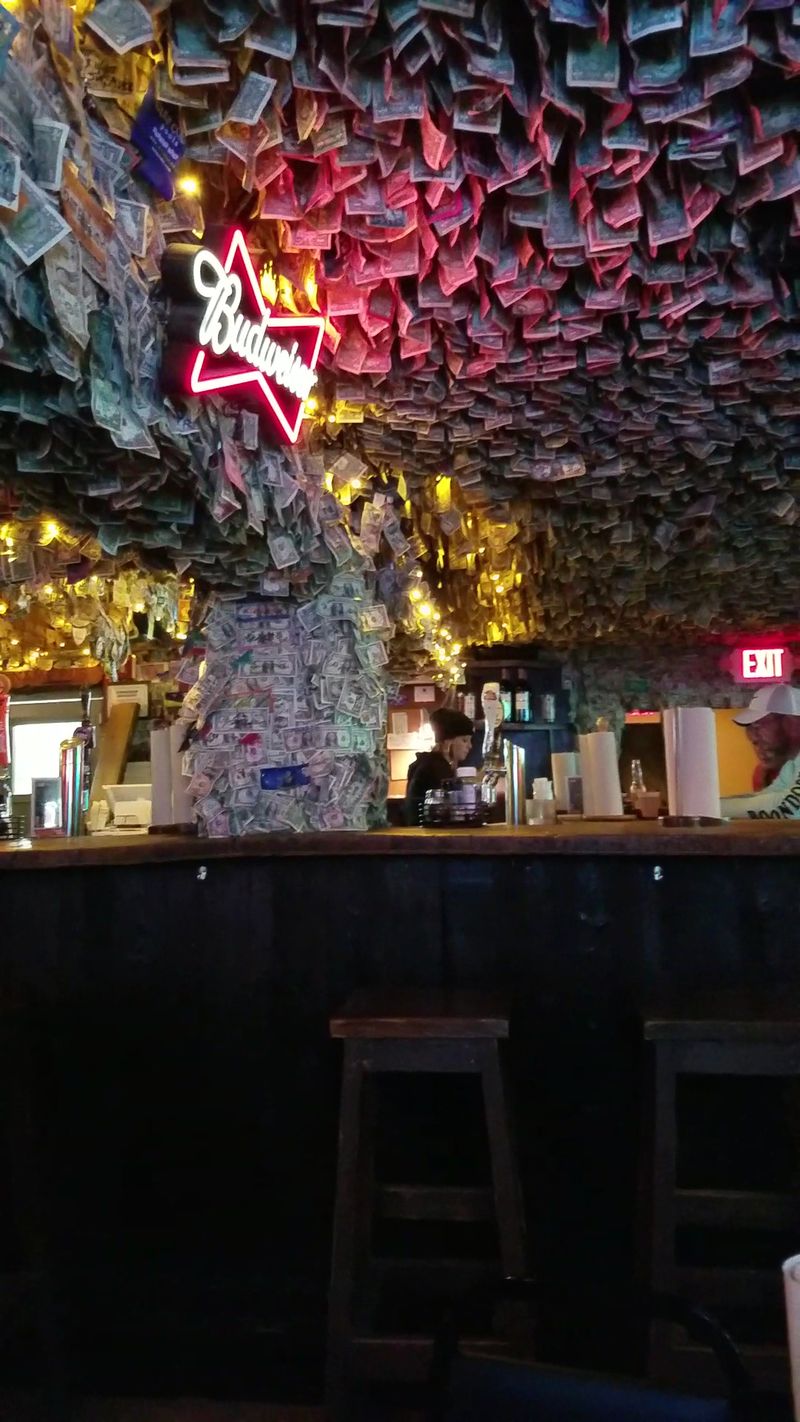
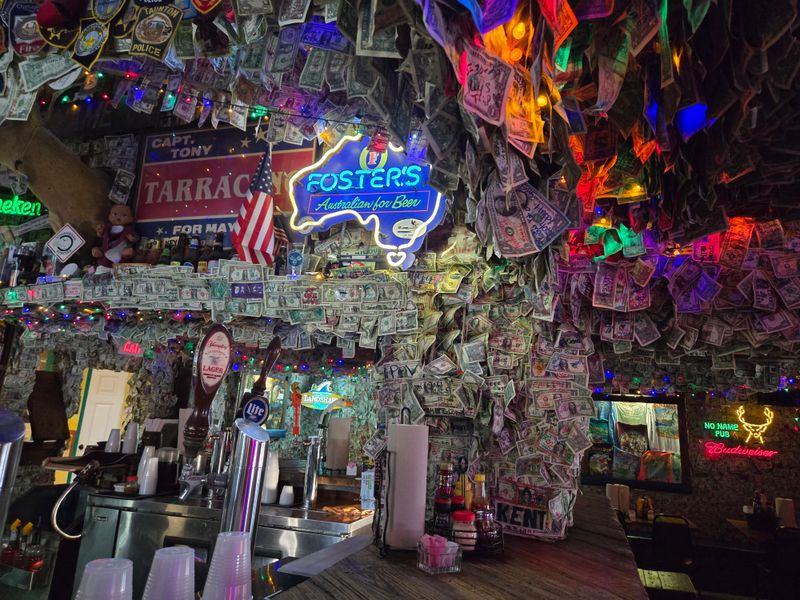
Walking into No Name Pub means entering a room where every surface—walls, ceiling, beams, columns—disappears beneath layers of signed dollar bills. Estimates suggest somewhere between $750,000 and $800,000 in cash clings to the interior, each bill representing a visitor who wanted to leave their mark.
Some feature elaborate drawings, others carry heartfelt messages, and many simply display names and dates that document decades of pilgrimage to this unlikely shrine.
The tradition started organically, as most things do at No Name. One person tacked up a dollar, then another followed, and before long the entire interior transformed into a living scrapbook of human connection.
Regulars return years later to search for their original contribution, pointing out faded signatures to skeptical children who can’t believe their parents once traveled without GPS.
Staff members provide markers and staplers to anyone who wants to participate, encouraging the ritual that has become as essential to the experience as ordering food. Reading the bills offers glimpses into other lives—anniversary celebrations, first dates, family reunions—all compressed into single-dollar testimonials that collectively create something far greater than their monetary value.
The Building Still Looks Like Old Florida—Because It Is
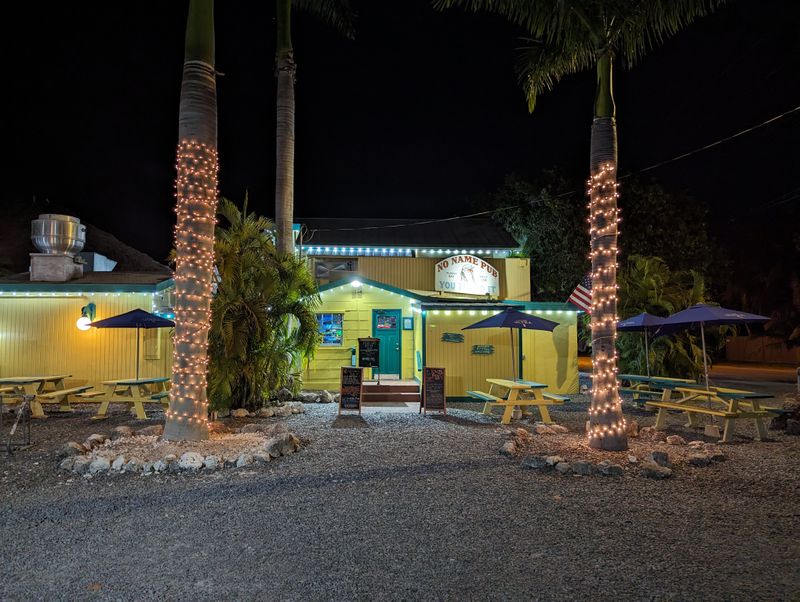
Authenticity can’t be manufactured, and No Name Pub proves that with every creaking floorboard and sun-bleached timber. Unlike the countless “rustic” establishments that spend fortunes creating artificial character, this building earned its weathered appearance through nearly a century of hurricanes, salt air, and relentless tropical sun.
The wood has grayed naturally, the structure has settled into the limestone bedrock, and the whole place exudes a permanence that feels increasingly rare in modern Florida.
Preservation here doesn’t mean restoration to pristine condition. Instead, the owners have maintained the building’s integrity while allowing it to age gracefully, understanding that the imperfections tell the story better than any renovation could.
The low ceilings, narrow doorways, and cramped interior layout reflect the practical architecture of Depression-era construction, when materials were scarce and efficiency mattered more than comfort.
Visitors accustomed to air-conditioned theme parks and polished waterfront restaurants sometimes struggle with the pub’s unvarnished reality. Ceiling fans spin lazily overhead, natural light filters through small windows, and the atmosphere stays humid regardless of season.
That discomfort is part of the point—Old Florida didn’t apologize for its climate or compromise with tourists’ expectations.
You’ll Find It Hidden Deep In The Lower Florida Keys
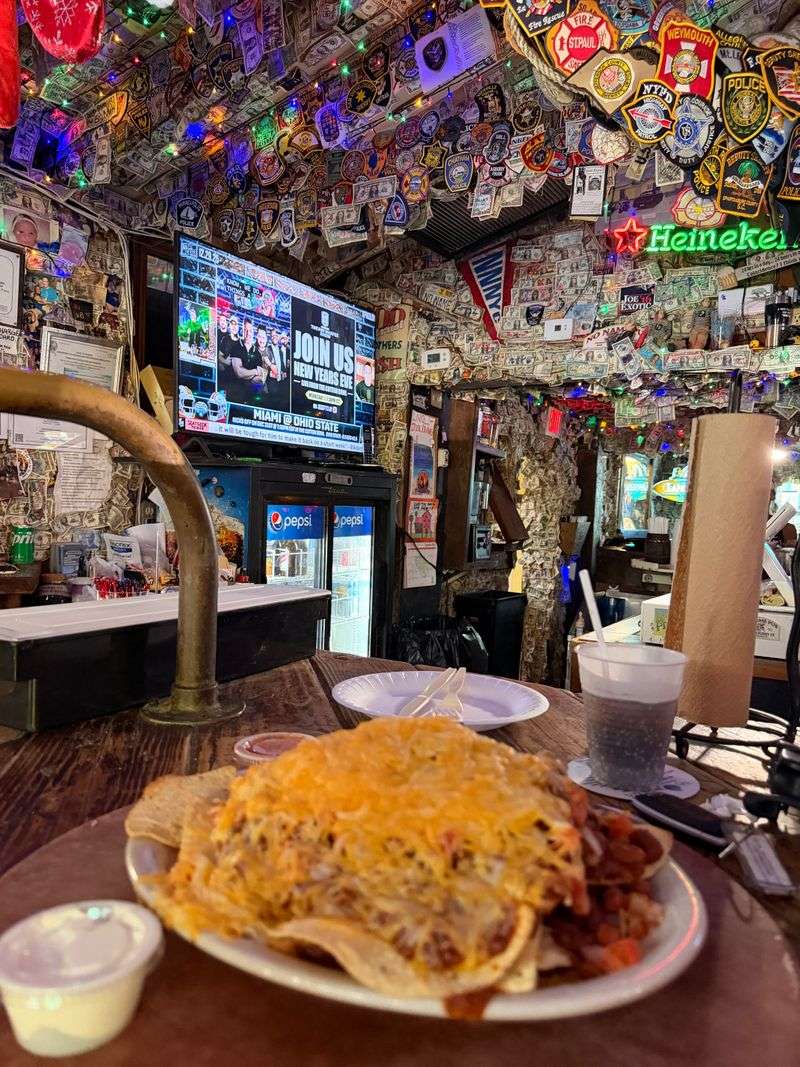
Big Pine Key occupies a sweet spot in the island chain—far enough from Key West to avoid the cruise ship crowds, but close enough to Marathon for convenient access to supplies and services. No Name Pub sits even further off the beaten path, requiring visitors to exit U.S.
Highway 1 and navigate a maze of residential streets where endangered Key deer outnumber street signs. First-timers invariably get lost, circle the same blocks repeatedly, and question whether the whole thing is an elaborate prank.
That difficulty serves as a natural filter, ensuring that only the determined or well-informed make the journey. You won’t stumble upon No Name Pub by accident—finding it requires intention, whether that comes from a local’s recommendation, online research, or old-fashioned word of mouth.
The surrounding neighborhood feels residential and quiet, a stark contrast to the commercial strips that dominate most Keys communities.
Once you finally spot the modest entrance and pull into the gravel parking lot, relief mixes with anticipation. The location at 30813 Watson Blvd feels earned rather than convenient, rewarding those who made the effort with something genuinely special.
That sense of discovery adds value to the experience, transforming a simple meal into a minor adventure.
The Pub Became A Restaurant In 1936 And Never Left
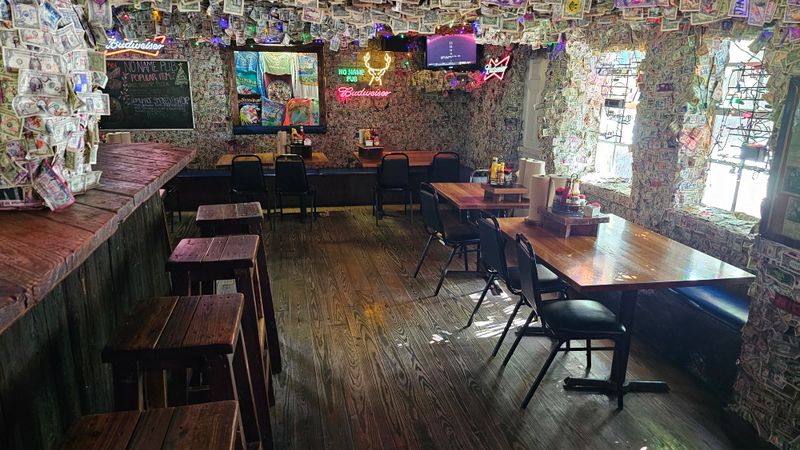
Five years after opening as a general store, the building’s owners recognized an opportunity. Local workers needed more than supplies—they needed a place to gather, eat, and decompress after long days on the water or in the fields.
In 1936, No Name added a kitchen and began serving simple meals, transforming from retail outlet to community hub almost overnight.
The menu started basic—sandwiches, chili, whatever could be prepared quickly with limited equipment and inconsistent ingredient availability. Over the decades, certain items developed loyal followings, particularly the pizza that would eventually become the pub’s signature offering.
Unlike restaurants that constantly reinvent themselves chasing trends, No Name found its identity early and stuck with it, understanding that consistency builds trust more effectively than innovation.
Nearly ninety years later, the kitchen still operates in roughly the same space, using techniques and recipes that have been refined through generations rather than replaced. The food isn’t fancy or photogenic, but it delivers honest flavors that satisfy hungry customers who appreciate substance over style.
That longevity speaks to something fundamental—when you get the basics right and treat people decently, you don’t need gimmicks to survive.
Its Pizza Became Famous Without Ever Trying To Be Trendy
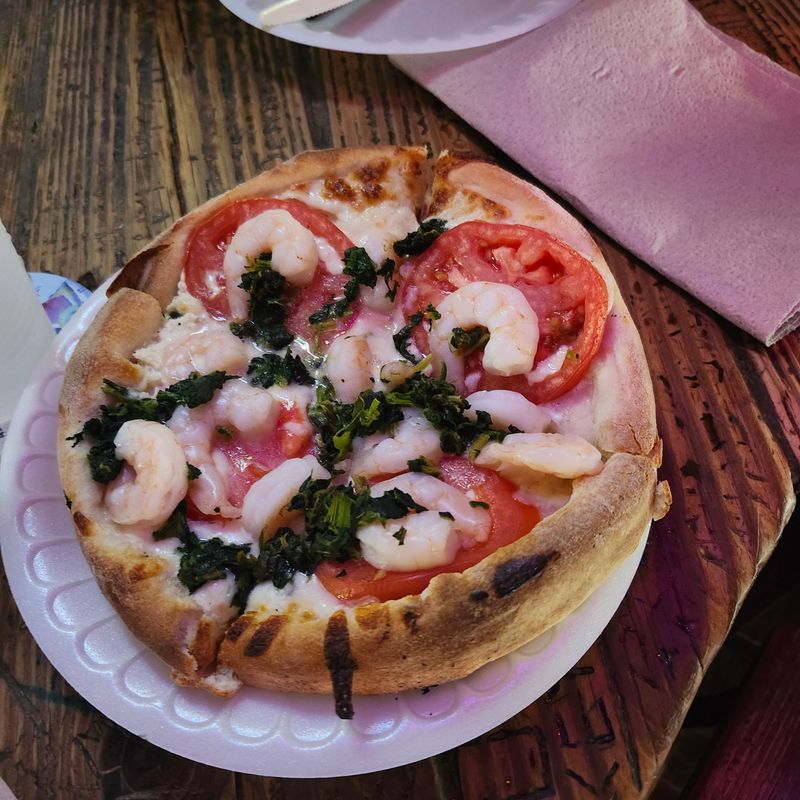
In an era of artisanal toppings, wood-fired ovens, and Instagram-worthy presentations, No Name Pub’s pizza succeeds by ignoring every contemporary trend. The crust comes out thick and chewy, the cheese arrives generous and properly melted, and the toppings get piled on with the kind of abundance that prioritizes satisfaction over aesthetics.
Regulars swear by the Royal Pub pizza, a loaded combination that exemplifies the establishment’s more-is-more philosophy.
Reviews consistently praise the shrimp pizza for its fresh seafood and rich cheese, while others champion the Hawaiian or meat-heavy options. What unites these testimonials is the recognition that No Name pizza doesn’t try to compete with upscale pizzerias—it exists in its own category, defined by generous portions, solid execution, and prices that won’t require a second mortgage.
The kitchen takes its time, and impatient diners learn quickly that rushing the process accomplishes nothing.
That patience extends to the entire dining experience. Service operates on island time, meaning your pizza arrives when it’s ready, not when you think it should.
This approach filters out the chronically hurried and rewards those who understand that good food requires proper preparation. The result is a product that has built a cult following without ever advertising or compromising its methods.
The Inside Feels Like A Time Capsule, Not A Theme
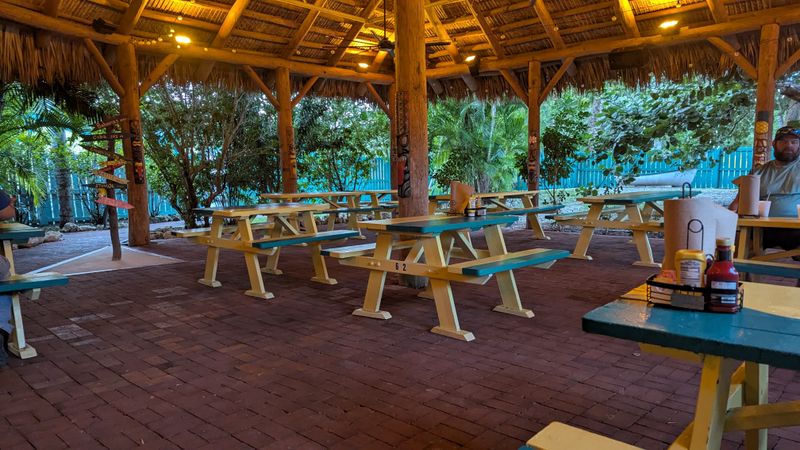
Themed restaurants work hard to create atmosphere, installing vintage signs purchased from antique dealers and distressing new materials to look old. No Name Pub doesn’t bother with any of that because it doesn’t need to—the interior accumulated its character organically over nine decades of continuous operation.
The dollar bills, the worn bar, the faded photographs, the mismatched furniture—none of it was curated by a design consultant or staged for maximum visual impact.
That authenticity registers immediately, even with visitors who can’t articulate exactly what feels different. The space smells like old wood and beer rather than new paint and artificial vanilla.
The floor creaks in places where generations of footsteps have compressed the boards. The lighting comes from practical fixtures installed decades ago, not carefully positioned spots designed to create ambiance.
Sitting at the bar or claiming a table means occupying the same space where countless others have sat before, from Depression-era fishermen to modern tourists on Florida Keys road trips. The building doesn’t try to transport you to another era—it simply exists as a survivor of that era, maintaining its identity through changing times.
That distinction separates genuine historic establishments from clever imitations, and No Name Pub definitely qualifies as the former.
There’s No Cell Service, No Rush, And No Need To Leave Quickly
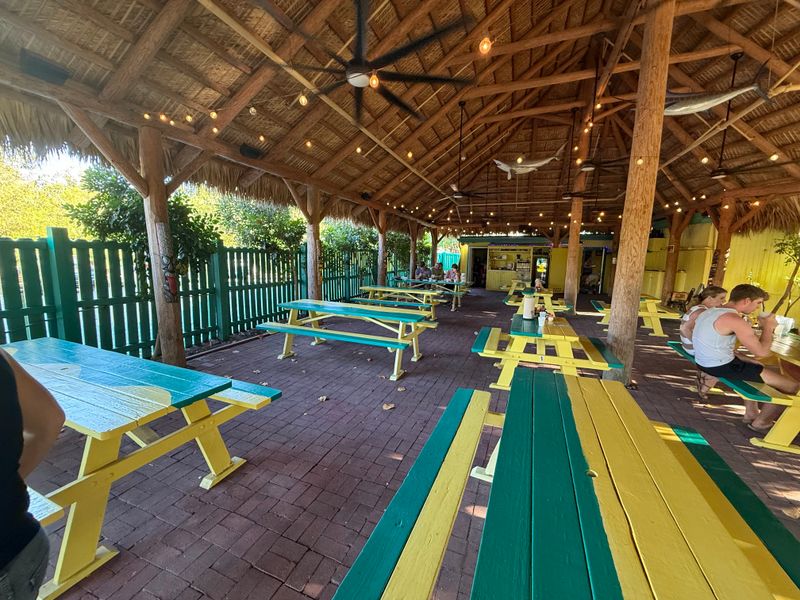
Modern life runs on constant connectivity and manufactured urgency, making No Name Pub’s forced disconnection feel almost radical. Cell service drops to nothing in this remote corner of Big Pine Key, leaving visitors with no choice but to engage with their immediate surroundings and dining companions.
Phones become useless rectangles rather than emergency escape hatches, and conversations happen without the constant interruption of notifications and scrolling.
The pub’s pacing reinforces this disconnection. Service operates at a relaxed tempo that would frustrate efficiency experts but perfectly suits the Keys lifestyle.
Your food arrives when the kitchen finishes preparing it, your drinks get refilled when the bartender notices, and nobody rushes you out the door to turn the table. This isn’t incompetence—it’s intentional resistance to the hurried culture that dominates most of America.
First-time visitors sometimes struggle with this adjustment, checking their phones repeatedly and glancing at watches with increasing frequency. Regulars know better, settling in with the understanding that time moves differently here.
The outdoor tiki area offers additional seating under ceiling fans, creating spaces where lingering feels natural rather than awkward. Eventually, even the most time-conscious guests relax into the rhythm, discovering that nothing terrible happens when you spend two hours over pizza and beer.
It Survived Hurricanes, Isolation, And Changing Times
The Florida Keys have faced countless hurricanes since 1931, each one testing the structural integrity of buildings and the resolve of their owners. No Name Pub weathered them all, from the Labor Day Hurricane of 1935 that killed over four hundred people to more recent storms like Irma that devastated the island chain.
The building’s survival speaks to both solid construction and stubborn determination—the kind that refuses to abandon something worth preserving.
Beyond natural disasters, the pub navigated economic shifts that destroyed countless other businesses. The Keys economy collapsed multiple times over the decades, tourism patterns changed dramatically, and modern chain restaurants arrived with deep pockets and aggressive marketing.
Through it all, No Name maintained its identity rather than chasing trends, trusting that authenticity would outlast gimmicks.
That faith proved justified. While themed restaurants and tourist traps come and go, No Name Pub continues operating much as it always has, drawing crowds through reputation rather than advertising.
The 4.5-star rating across more than five thousand reviews confirms that doing things right matters more than doing things quickly. Survival this long requires more than luck—it demands consistency, quality, and genuine respect for customers who can smell desperation and dishonesty from miles away.
It’s Still One Of The Most Authentic Places In The Florida Keys
The modern Florida Keys struggle with authenticity. Development pressure transforms fishing villages into resort towns, chain restaurants displace local establishments, and everything gets polished until it gleams with the same generic shine found in beach communities from California to Carolina.
No Name Pub resists this homogenization not through aggressive marketing but through simple persistence, continuing to operate according to its own logic rather than contemporary business trends.
Visitors recognize this immediately. Customer reviews consistently praise the “Old Florida” atmosphere, the “authentic” experience, and the sense of discovering something genuinely special rather than carefully manufactured.
The smoked fish dip, coconut shrimp, grouper sandwiches, and other menu staples deliver flavors that taste like the Keys rather than generic coastal cuisine. Even the Iguana Bait beer and signature sangria feel tied to place rather than imported from elsewhere.
Operating hours run from 11 AM to 10 PM daily, with the phone number 305-872-9115 connecting callers to actual humans rather than automated systems. The moderate pricing (marked as “$$”) reflects fair value rather than tourist exploitation.
Everything about No Name Pub—from the dollar-covered walls to the Key deer wandering the parking lot—reinforces the sense that you’ve found something rare and worth protecting, a genuine artifact in an increasingly artificial world.