
12 Classic Tennessee Dinner Habits From The 1960s That Feel Unfamiliar Today
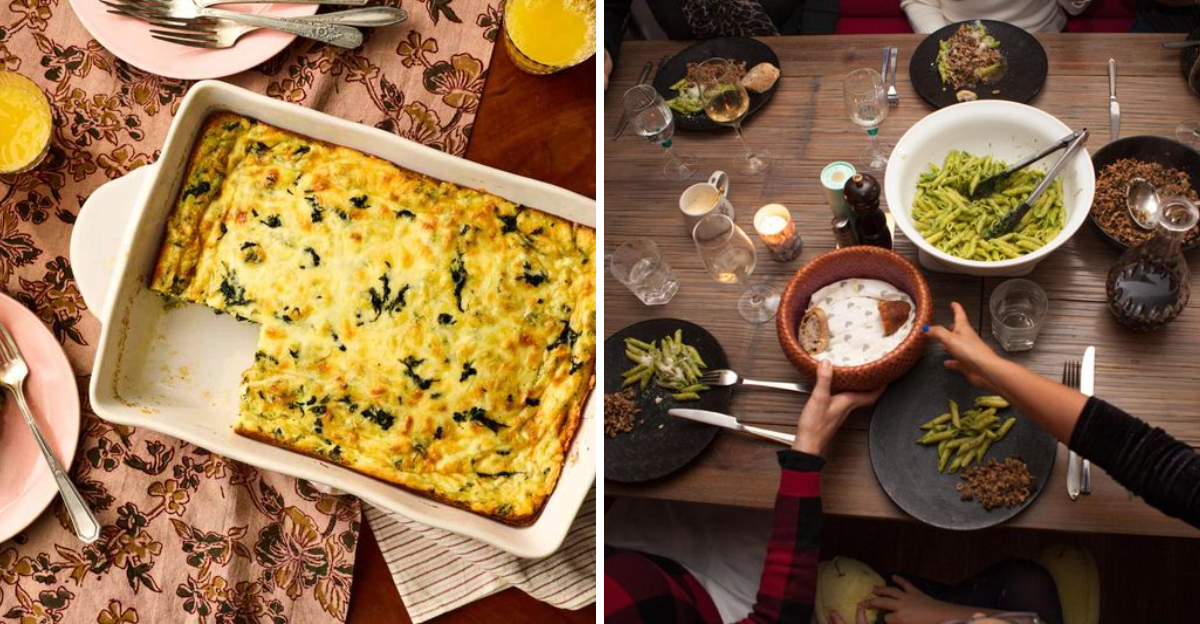
I grew up hearing stories about Sunday suppers in Tennessee back in the 1960s, and honestly, some of those old habits sound like they’re from another planet. Families gathered around tables loaded with dishes we barely recognize today, following rituals that have quietly slipped away over the decades.
If you’re curious about how Tennesseans ate dinner sixty years ago, buckle up – you’re in for some serious nostalgia mixed with a few surprises.
1. Everyone Waited For Dad To Sit Down First

Back in the ’60s, Tennessee families followed a strict seating order that would feel downright formal now. Nobody touched their fork until the head of household – usually Dad – took his place at the table and maybe said grace.
This wasn’t about being bossy; it was just how respect and family hierarchy worked back then.
Kids learned patience whether they liked it or not, and the ritual gave every meal a sense of ceremony. These days, we’re grabbing plates and eating in shifts, sometimes not even in the same room.
That old-fashioned waiting game has pretty much vanished from modern Tennessee homes.
2. Supper Was Served Promptly At 5:30 PM
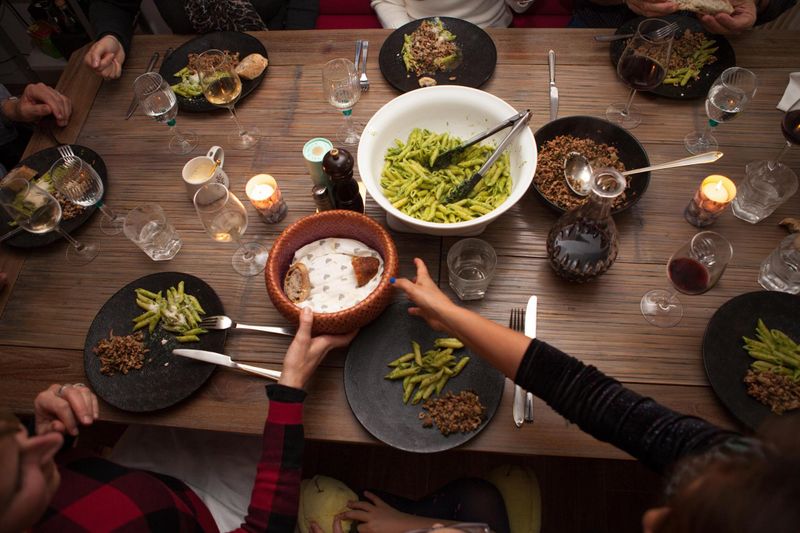
Dinner bells and kitchen timers ruled Tennessee households in the 1960s, with supper hitting the table at exactly 5:30 or 6:00 PM – no exceptions. Families synchronized their entire evening around that sacred mealtime, and showing up late was practically unthinkable.
Work schedules, school activities, and even TV shows got planned around when Mom announced supper was ready.
Nowadays, between soccer practice, late shifts, and streaming marathons, eating together at a set time feels almost quaint. That clockwork precision has been replaced by microwaved leftovers and grab-and-go meals at all hours.
The predictability of 1960s supper schedules is a relic most Tennesseans barely remember.
3. Meat, Potatoes, And Vegetables Were Served At Every Meal
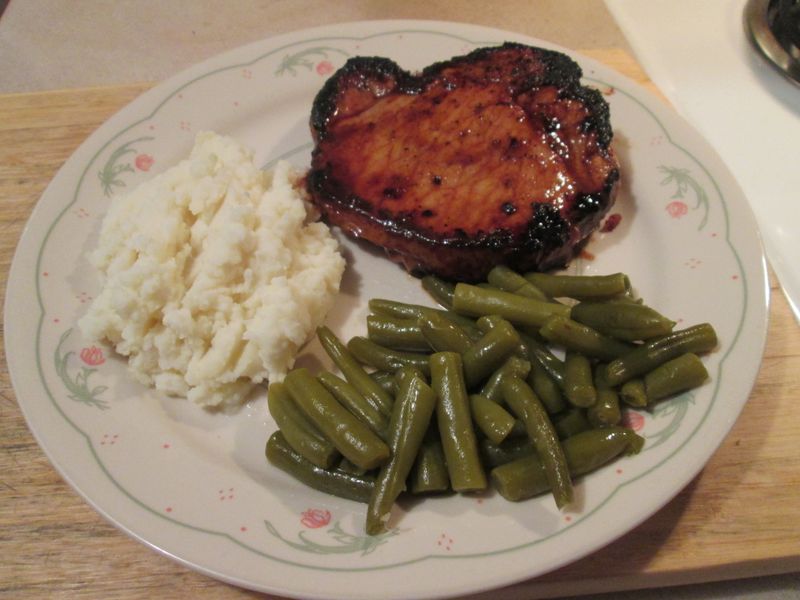
Tennessee dinner plates in the ’60s looked like a blueprint: one portion of meat, one starch (usually potatoes or cornbread), and at least two cooked vegetables. This formula was non-negotiable, whether you lived in Memphis or the Smoky Mountains.
Families believed a proper supper meant balanced portions of each food group, and anything less felt incomplete.
Green beans, mashed potatoes, and a pork chop became the holy trinity of weeknight dinners. Today, we mix cuisines, skip sides, or build entire meals around pasta or salads.
That rigid three-part plate structure has loosened up considerably as tastes and nutrition advice have evolved.
4. Sunday Fried Chicken Was An All-Day Affair
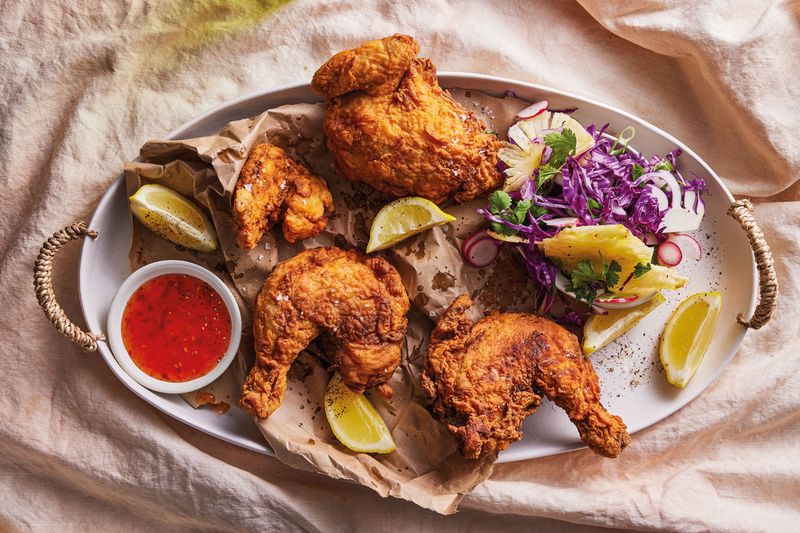
Preparing Sunday fried chicken in 1960s Tennessee wasn’t a quick task – it was practically a religious experience that started before church and finished by early afternoon. Grandmothers and mothers spent hours breading, seasoning, and frying chicken in cast-iron skillets, filling the house with that unmistakable aroma.
The meal was the centerpiece of the week, bringing extended family together around tables groaning with sides.
These days, most folks pick up a bucket from a drive-thru or buy pre-seasoned tenders from the grocery store. That slow, deliberate Sunday tradition has been traded for convenience and speed, losing some of its communal magic along the way.
5. Kids Drank Sweet Tea Or Milk – Nothing Else
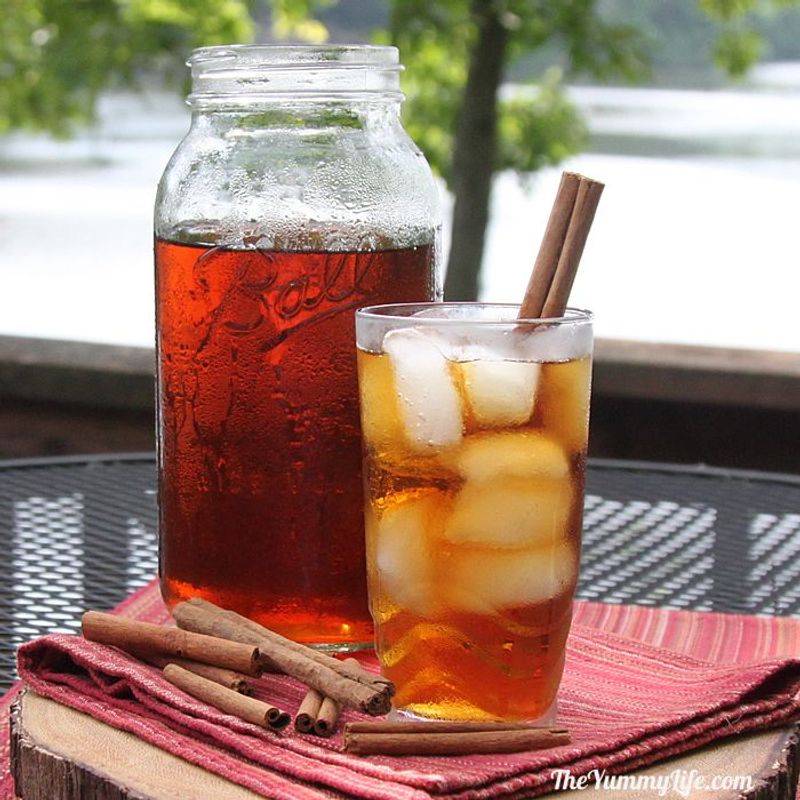
Beverage choices for Tennessee kids in the 1960s were laughably simple: sweet tea or whole milk, take it or leave it. Soda was reserved for special occasions like birthdays or county fairs, and juice boxes hadn’t been invented yet.
Parents poured tall glasses of iced tea sweetened with enough sugar to make your teeth ache, and that was considered perfectly normal.
Milk came straight from the milkman’s delivery and sat in glass bottles on the doorstep. Nowadays, kids have access to energy drinks, flavored waters, and a dozen types of juice at every meal.
That limited drink menu feels almost restrictive compared to the endless options lining modern refrigerators.
6. Meals Were Eaten In Complete Silence Or Polite Conversation
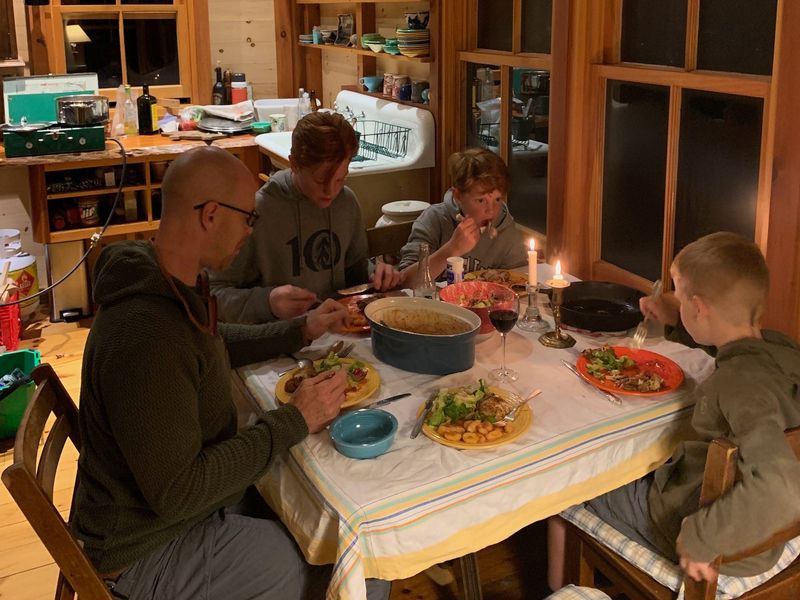
Loud chatter and boisterous laughter were often discouraged at 1960s Tennessee dinner tables, where polite conversation or respectful silence ruled. Children were taught that mealtimes meant sitting still, chewing quietly, and speaking only when spoken to – especially if guests were present.
Dinner was considered a formal occasion, even on weeknights, and rowdiness earned you a stern look or worse.
Today’s family dinners tend to be noisier, more relaxed affairs with everyone sharing stories and cracking jokes. That buttoned-up dining etiquette has loosened considerably as parenting styles and social norms have shifted over the decades.
7. Canned Vegetables Were Considered Fresh Enough
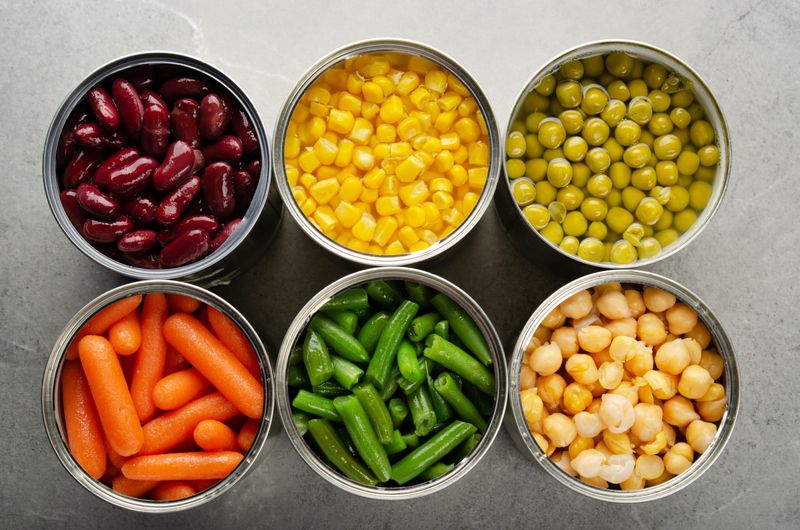
Tennessee cooks in the 1960s relied heavily on canned green beans, corn, and peas, viewing them as perfectly acceptable substitutes for fresh produce. Freezers were smaller back then, and fresh vegetables weren’t always available year-round in grocery stores, especially in rural areas.
Cans lined pantry shelves, and heating them up with a little butter was standard dinner prep.
Nobody questioned whether canned veggies were nutritious – they were convenient and affordable, which mattered more. These days, fresh and frozen vegetables dominate, and canned options often get side-eyed as less healthy.
That casual acceptance of canned goods as everyday staples has definitely faded with time.
8. Dessert Was Homemade, Never Store-Bought

Store-bought desserts were practically shameful in 1960s Tennessee kitchens, where homemade pies, cobblers, and cakes reigned supreme. Women took pride in baking from scratch, and showing up to a potluck with a bakery item could raise eyebrows.
Recipes were passed down through generations, and every family had their signature peach cobbler or chess pie.
Baking was an expected skill, not an optional hobby, and most households had fresh dessert ready after supper. Today, grocery store bakeries and pre-made treats have made life easier, but they’ve also replaced that hands-on baking tradition.
Homemade desserts still taste better, but they’re no longer the everyday standard they once were.
9. Leftovers Were Eaten Until They Were Gone
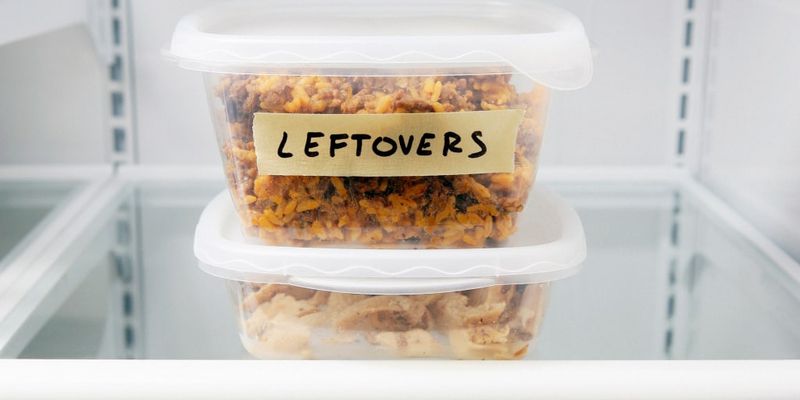
Wasting food was practically sinful in 1960s Tennessee homes, where leftovers appeared on the table night after night until every scrap was gone. Families stretched meals across multiple days, reheating the same pot roast or casserole without complaint.
Refrigerators were smaller, budgets were tighter, and throwing away perfectly good food felt irresponsible and wasteful.
Kids learned to eat what was served, even if it was the third consecutive appearance of meatloaf. Nowadays, leftovers often get forgotten in the back of the fridge or tossed after a day or two.
That thrifty, use-everything mentality has softened as abundance and convenience have replaced the frugality of earlier generations.
10. TV Dinners Were A Special Treat, Not The Norm
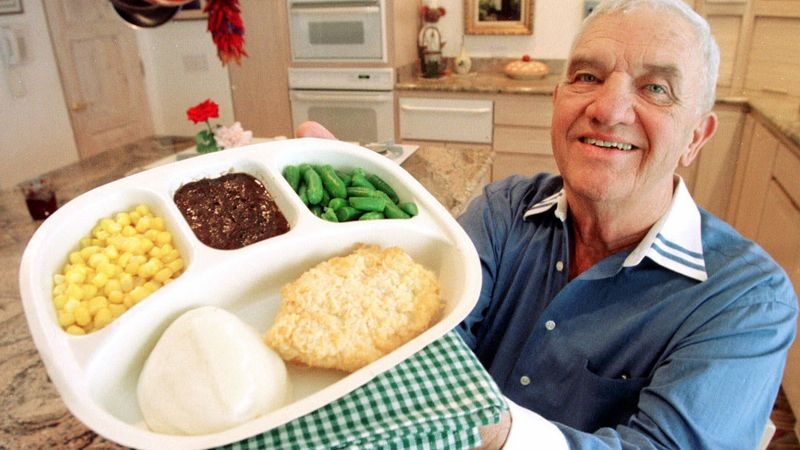
Frozen TV dinners were brand-new and exciting in the 1960s, but Tennessee families treated them as occasional novelties rather than everyday meals. Kids thought eating from a segmented aluminum tray while watching television was the height of modernity and fun.
These dinners cost more than cooking from scratch, so they were reserved for busy nights or when parents wanted a break.
Most families still cooked real meals most evenings, viewing TV dinners as convenient exceptions. Fast forward to today, and frozen meals have become so common they’ve lost that special-occasion sparkle.
What was once a futuristic treat is now just another quick option in a sea of convenience foods.
11. Casseroles Were the Ultimate Comfort Food
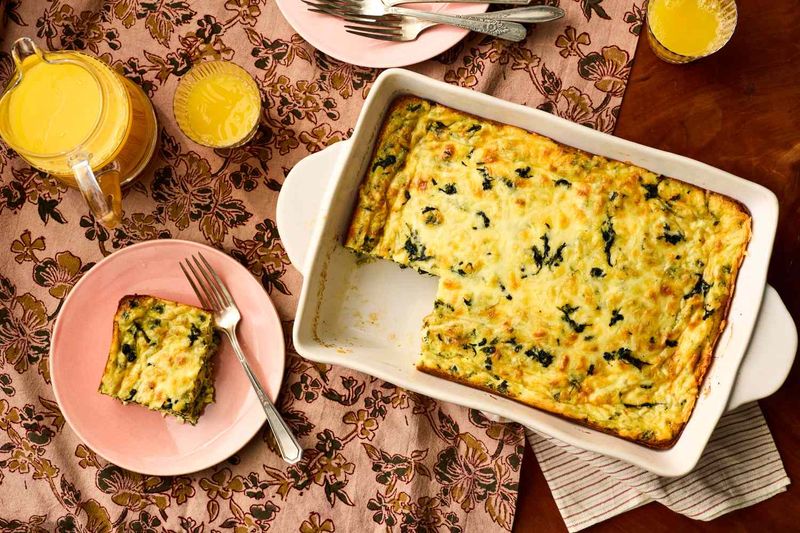
Tennessee dinner tables in the 1960s practically overflowed with casseroles – those one-dish wonders combining meat, starch, vegetables, and canned soup into bubbling, cheesy perfection. Recipes like King Ranch Chicken and tuna noodle casserole were weeknight staples, easy to assemble and feed a crowd.
Church potlucks and family reunions showcased dozens of casserole variations, each cook adding their own twist.
These dishes were economical, filling, and forgiving, making them ideal for busy households. Today, casseroles still appear at gatherings, but they’ve been overshadowed by trendier dishes and international cuisines.
That casserole-centric dinner culture has definitely cooled off compared to its 1960s heyday.
12. Everyone Ate the Same Meal – No Special Orders
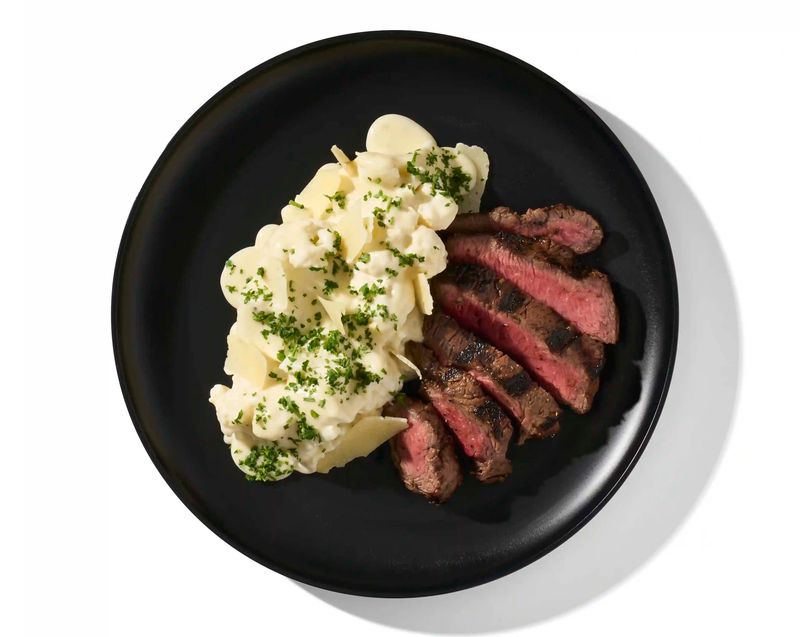
Picky eaters got zero sympathy in 1960s Tennessee kitchens, where one meal was prepared and everyone ate it without complaint or substitution. Moms weren’t short-order cooks catering to individual preferences – you ate what was served or went hungry.
The idea of making separate meals for kids with different tastes would have seemed absurd and exhausting.
Family dinners meant unity, and that included the menu. These days, parents often prepare multiple versions of the same meal to accommodate preferences, allergies, or dietary trends.
That one-meal-fits-all approach has been replaced by customization and flexibility, making 1960s dinner rules feel almost rigid by comparison.