
Montana’s Mountain Towns Locals Love And Tourists Miss
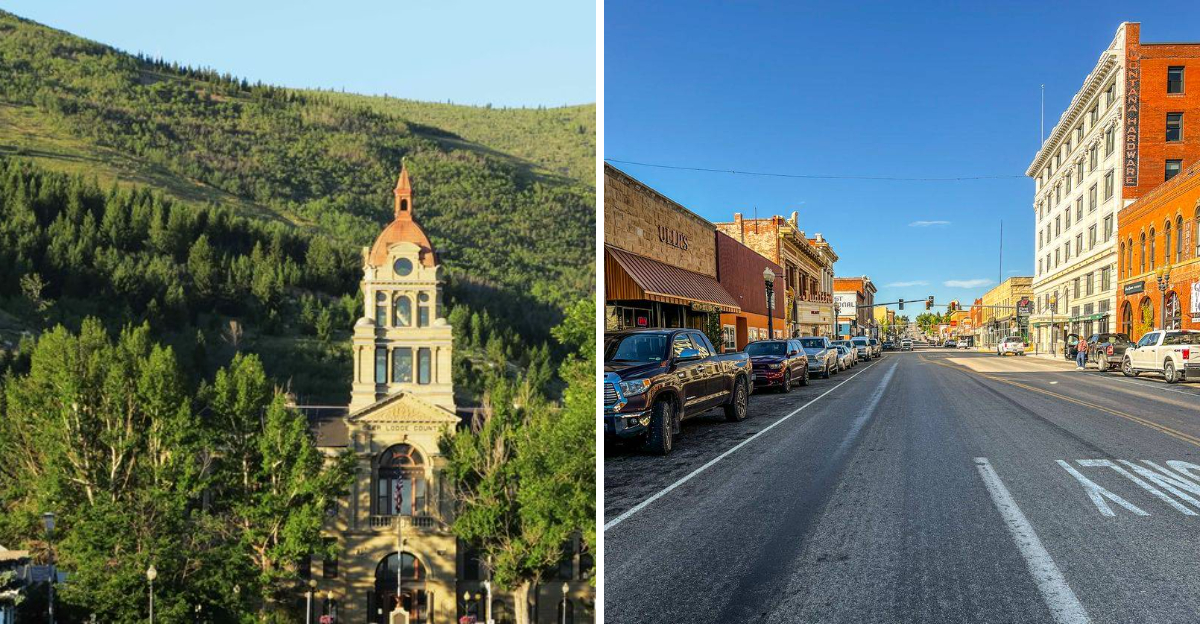
Montana holds secrets tucked into mountain valleys and high-altitude hideaways that most visitors never discover. While tourists flock to the famous national parks and busy ski resorts, locals escape to charming towns where the pace slows down and authentic Western culture still thrives.
These hidden gems offer incredible outdoor adventures, historic main streets, and that genuine small-town hospitality Montana is known for, all without the crowds.
1. Philipsburg
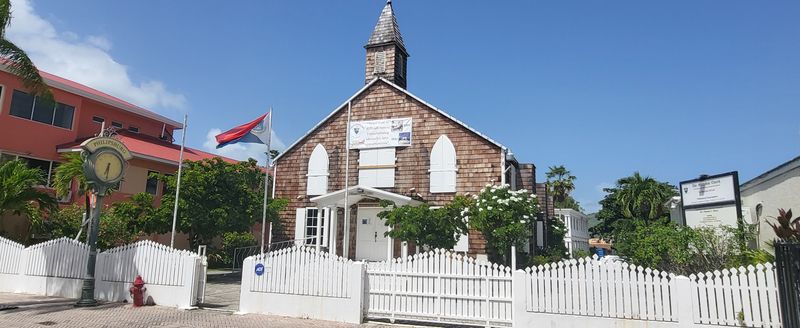
Silver mining built this town in the 1860s, and walking down Broadway feels like stepping onto a movie set where the Wild West never ended. Candy shops, antique stores, and locally owned cafes line the streets, with the stunning Pintler Mountains creating a jaw-dropping backdrop.
The famous Sweet Palace stocks over 100 varieties of old-fashioned candies that’ll transport you straight back to childhood.
Sapphire mining remains a huge draw here. You can actually dig for your own Montana sapphires at nearby mines, keeping whatever you find.
Many families spend entire afternoons sifting through gravel, hoping to spot that flash of blue or pink.
Ghost towns surround Philipsburg, making it perfect for history buffs who love exploring abandoned buildings and imagining frontier life. Granite Ghost Town sits just up the mountain, remarkably preserved and accessible.
Summer brings live music to the streets, and winter transforms the area into a snowy paradise for snowmobiling and cross-country skiing adventures.
2. Big Timber
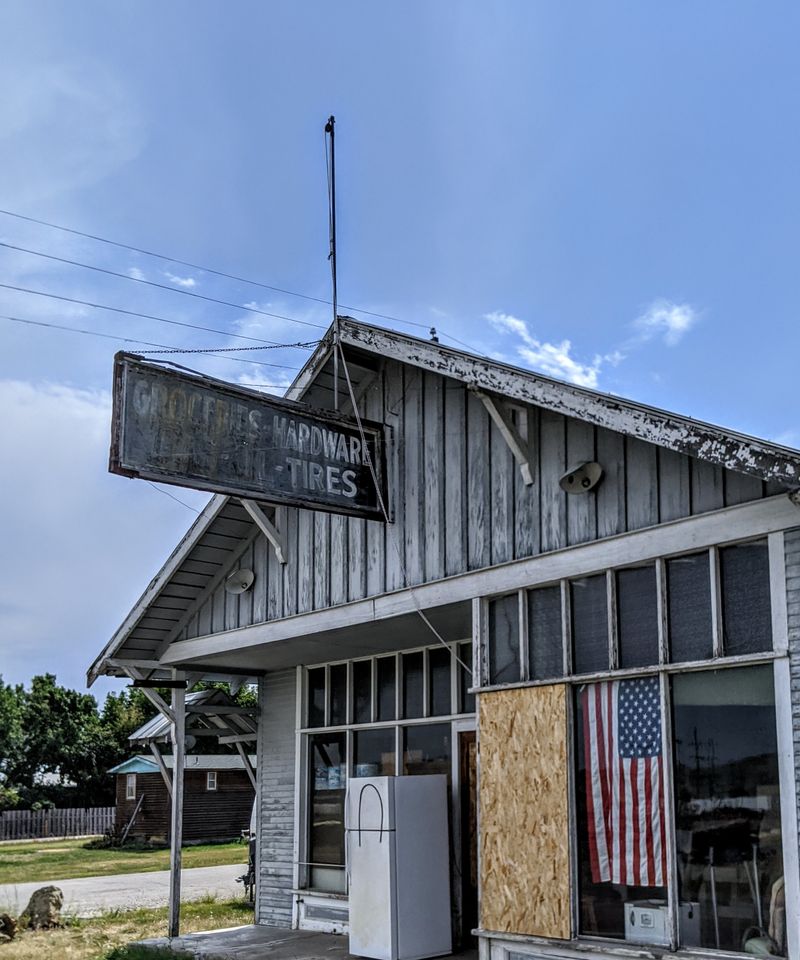
Ranching culture runs deep in this Yellowstone River valley town where cowboys still wear their working boots to breakfast. Big Timber earned its name from the massive cottonwood and pine forests that once supplied timber to the entire region.
Today, it serves as a quiet gateway to the Crazy Mountains, those mysterious peaks that rise dramatically from the plains.
Fly fishing here ranks among Montana’s absolute best. The Boulder and Yellowstone Rivers offer world-class trout fishing without the shoulder-to-shoulder anglers you’ll find in more famous spots.
Local guides know secret holes where trophy-sized browns and rainbows hide.
The town celebrates its heritage every summer with rodeos that feel authentic rather than touristy. You’ll see actual working ranch families competing, not just professional rodeo circuits.
Main Street features classic Western storefronts, a historic hotel, and restaurants serving steaks cut from locally raised beef that melts in your mouth like butter on a hot skillet.
3. Red Lodge
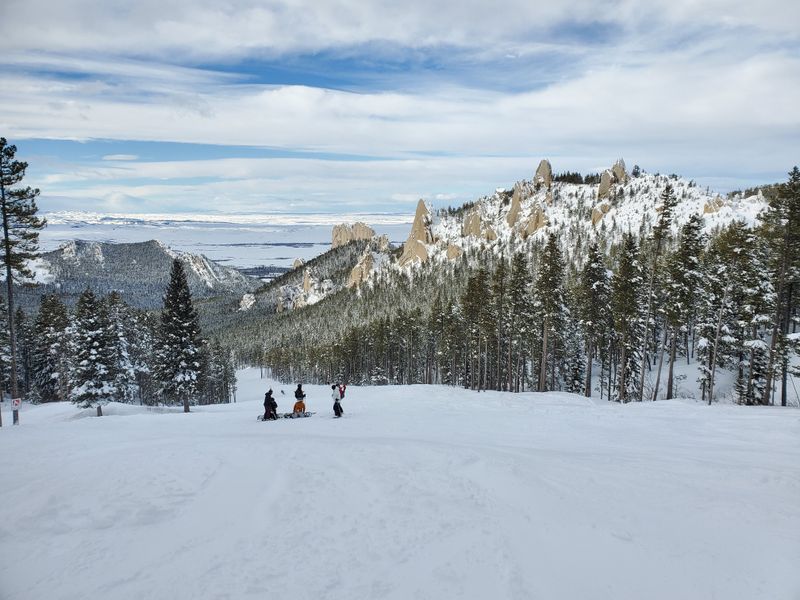
Tucked against the Beartooth Mountains, this former coal mining town transformed itself into an outdoor recreation paradise without losing its authentic character. Red Lodge Ale’s brewery pours craft beers in a building that once housed miners, and the downtown strip maintains its historic brick facades beautifully.
Locals gather at coffee shops where everyone knows your name by your third visit.
The Beartooth Highway starts right here, climbing to nearly 11,000 feet through some of America’s most stunning alpine scenery. Summer brings motorcyclists and road trippers, but spring and fall offer that road nearly empty.
You can stop at countless pullouts to photograph mountain goats, wildflower meadows, and snowfields that never completely melt.
Winter transforms Red Lodge into a skier’s dream with Red Lodge Mountain offering fantastic terrain without Aspen-style prices or crowds. The mountain gets incredible snow, and lift lines rarely exceed five minutes even on weekends.
Cross-country skiing and snowshoeing trails wind through pristine forests where silence feels almost sacred.
4. Choteau
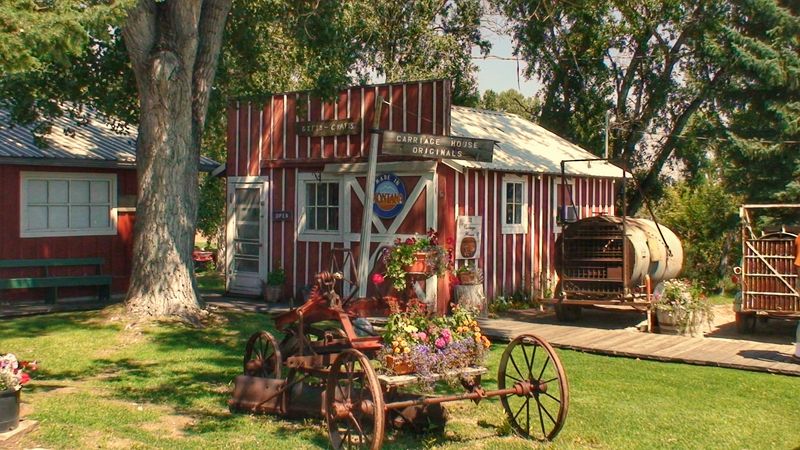
Dinosaur fossils made Choteau famous among paleontologists, but most tourists zoom right past on their way to Glacier National Park. The town sits where the Great Plains crash into the Rocky Mountain Front, creating dramatic landscapes and incredible wildlife viewing opportunities.
Egg Mountain, discovered near here, revealed the first evidence that dinosaurs cared for their young, revolutionizing paleontology forever.
Grizzly bears roam the nearby mountains in numbers that surprise even seasoned wildlife watchers. The Pine Butte Swamp Preserve protects critical habitat, and guided tours offer safe ways to observe these magnificent creatures.
Spring brings thousands of snow geese to Freezout Lake, creating a spectacle that sounds like distant thunder when they all take flight simultaneously.
Main Street feels genuinely Western with working ranches surrounding the town on all sides. Local restaurants serve hearty portions, and the community celebrates with an annual rodeo that’s been running for decades.
The Old Trail Museum showcases both dinosaur discoveries and frontier history, connecting millions of years in one fascinating visit.
5. Anaconda
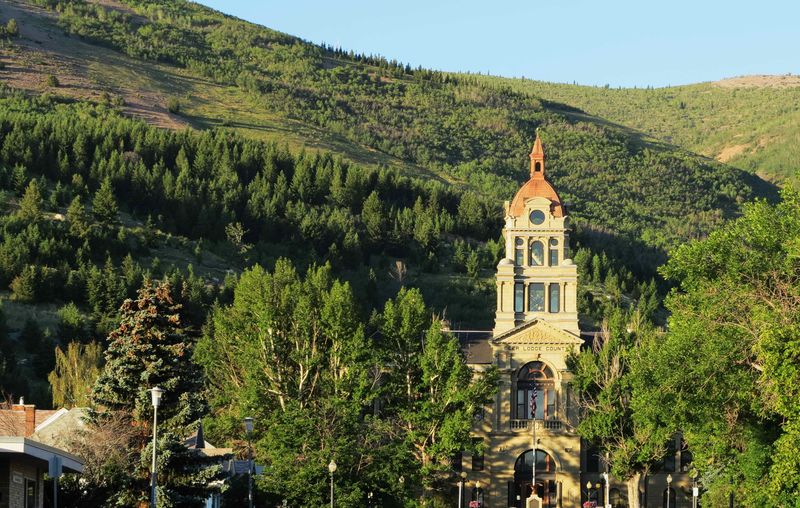
Copper smelting created Anaconda, and the massive smokestack still dominates the skyline as a reminder of the town’s industrial past. This isn’t your typical cute mountain village—it’s grittier, more authentic, with a working-class heritage residents wear proudly.
The historic Washoe Theater ranks among America’s most beautiful movie palaces, an art deco masterpiece that still shows films on its original screen.
Georgetown Lake sits just minutes away, offering phenomenal fishing, boating, and camping without the tourist crowds found at more famous Montana lakes. Winter brings ice fishing shanties that dot the frozen surface like a temporary village.
The lake freezes thick enough for trucks, and locals drill holes to pull up perch and rainbow trout.
Jack Nicklaus designed the Old Works Golf Course on the former smelter site, incorporating black slag sand into the bunkers for a unique playing experience. Mountains surround the course, and wildlife frequently wanders across fairways.
Fall transforms the aspens into golden curtains, and the crisp air makes every round feel special and refreshing.
6. Polson
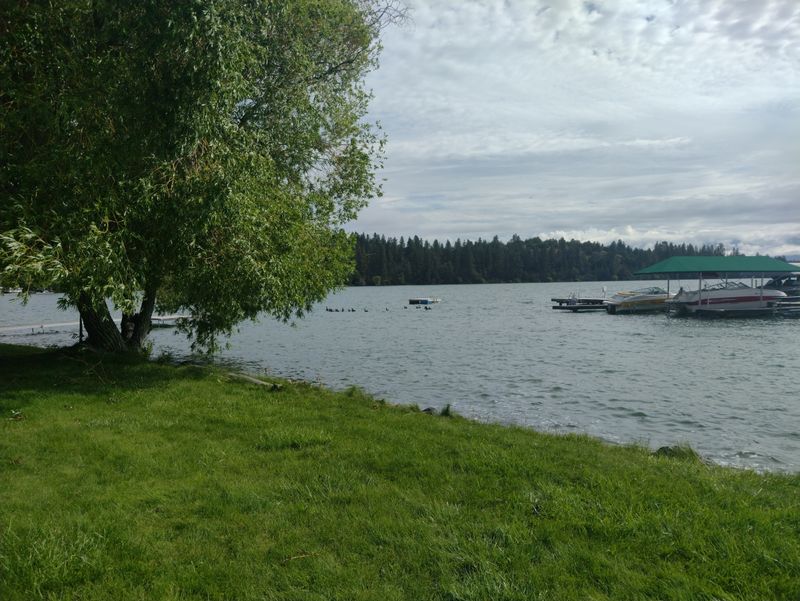
Flathead Lake’s southern shore hosts Polson, where cherry orchards bloom pink every spring and the Mission Mountains rise like a fortress across the water. This town blends Native American heritage with agricultural traditions, creating a cultural richness many visitors overlook completely.
The lake itself holds the title of largest natural freshwater lake west of the Mississippi, and its clear waters stay surprisingly warm for swimming by midsummer.
Cherry stands line the highways in July when local orchards harvest their crops. You can pick your own or buy them roadside, biting into fruit so sweet and juicy it’ll ruin store-bought cherries forever.
The Miracle of America Museum displays an eccentric collection of Americana that ranges from vintage motorcycles to musical instruments, all crammed into buildings that keep expanding.
Boating culture thrives here with marinas, boat launches, and waterfront restaurants serving fresh lake trout. Sunset cruises reveal why locals never tire of these views—mountains reflected in mirror-smooth water, sky painted in oranges and purples.
Winter brings bald eagles by the hundreds, fishing the lake’s open waters when other areas freeze solid.
7. Lewistown
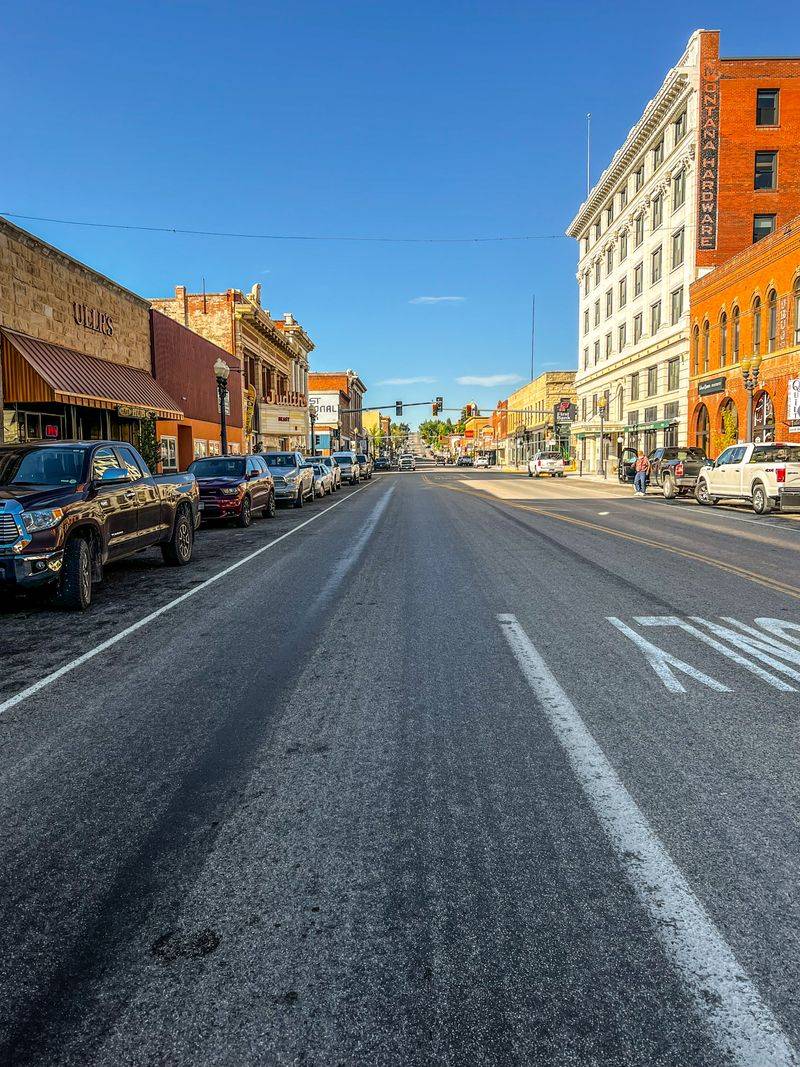
Geographic center of Montana? That’s Lewistown, surrounded by mountain ranges on all sides yet feeling worlds away from tourist traffic.
This town serves ranching communities scattered across vast territories, maintaining an authentic agricultural character that’s increasingly rare. Main Street features beautiful historic buildings, local shops, and restaurants where ranchers discuss cattle prices over coffee that never stops flowing.
Big Spring, one of the largest freshwater springs in America, pumps out 64 million gallons daily of crystal-clear water. The spring creates a stunning blue pool surrounded by parks perfect for picnicking.
Nearby, the Judith Mountains and Snowy Mountains offer endless hiking, hunting, and exploring without encountering crowds.
Charlie Russell spent time here, and his influence shows in the Western art galleries and bronze sculptures around town. The Yogo sapphires mined nearby produce gems found nowhere else on Earth, with their distinctive cornflower blue color.
Rock hounds can visit mines or search local shops for these Montana treasures that rival any sapphire worldwide for beauty and clarity.
8. Bigfork
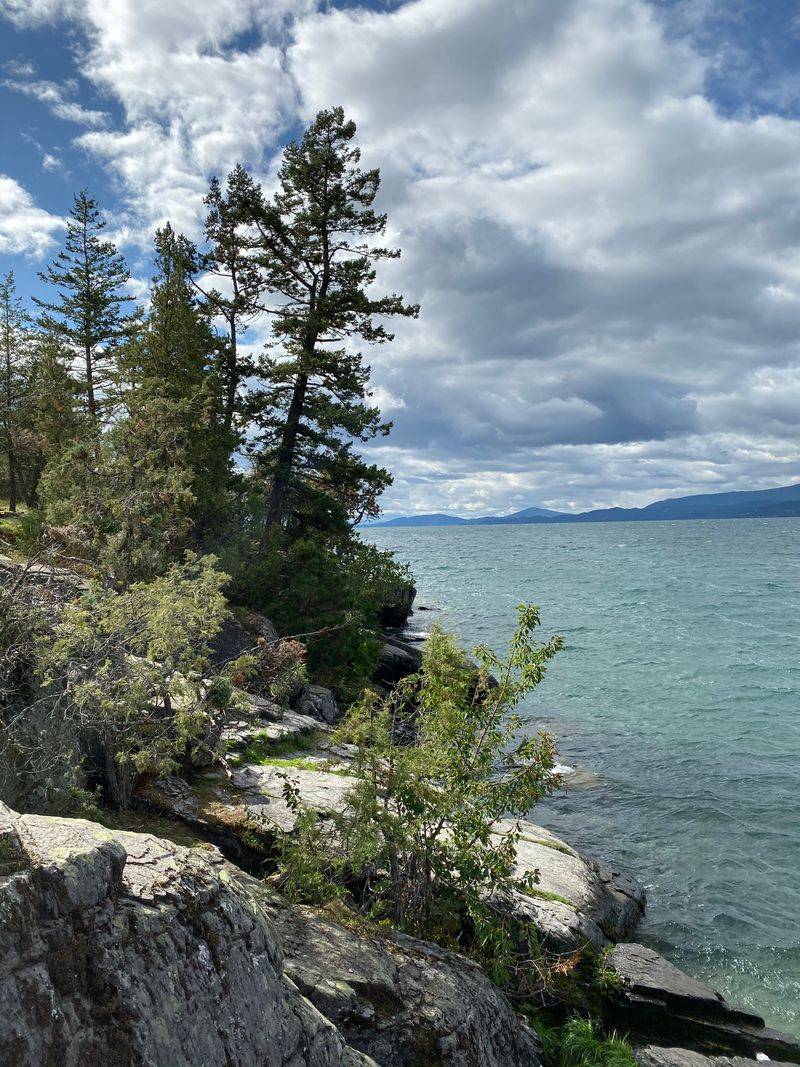
Where the Swan River meets Flathead Lake, Bigfork has cultivated an arts community that rivals towns ten times its size. Galleries showcase Montana artists, the summer playhouse produces Broadway-quality shows, and restaurants serve cuisine that would impress big-city food critics.
Yet somehow it maintains a laid-back mountain village vibe that keeps residents fiercely loyal and visitors planning return trips before they even leave.
Electric Avenue, the main street, earned its name from being one of Montana’s first electrically lit streets. Today it hosts festivals, farmers markets, and evening strolls where you’ll bump into friendly locals.
Shops sell everything from handcrafted furniture to gourmet chocolates, all locally made with obvious pride.
Outdoor recreation surrounds Bigfork completely. Kayak the Swan River, bike the shoreline trails, or hike into the Bob Marshall Wilderness from nearby trailheads.
Winter brings cross-country skiing through silent forests where your tracks might be the only ones all day. The combination of cultural sophistication and wilderness access creates something truly special and rare in small-town America.
9. Columbia Falls
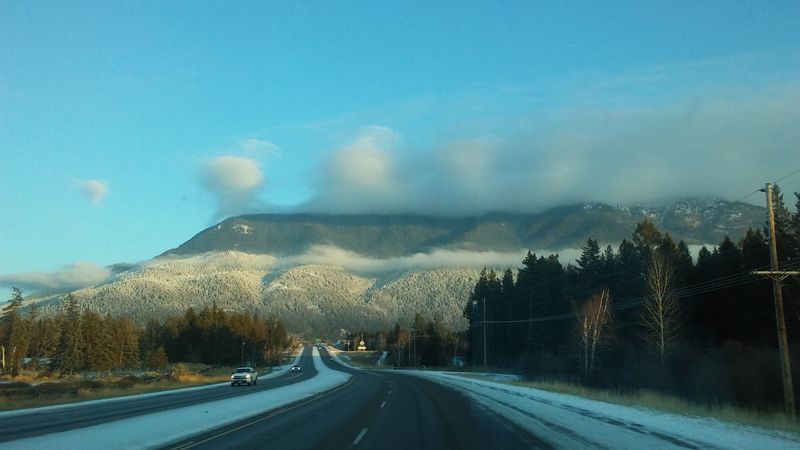
Most people blow through Columbia Falls on Highway 2, racing toward Glacier National Park without realizing what they’re missing. This working-class town offers affordable lodging, excellent restaurants, and genuine Montana hospitality without the inflated tourist prices found closer to the park.
Locals work in timber, hospitality, and trades, creating a community that feels real rather than manufactured for visitors.
Bad Rock Canyon frames the town with dramatic cliffs where bighorn sheep often appear on rocky outcrops. The Flathead River rushes past, offering world-class whitewater rafting that ranges from gentle family floats to adrenaline-pumping rapids.
Numerous outfitters operate from town, and guides share stories while navigating waves with names like Bonecrusher and Jaws.
Glacier National Park’s west entrance sits just fifteen minutes away, making Columbia Falls the perfect base camp for park exploration. You’ll save money on accommodations and eat better food than inside the park.
Summer evenings bring live music to local breweries, and the farmers market showcases the Flathead Valley’s incredible agricultural bounty from berries to grass-fed beef.
10. St. Ignatius
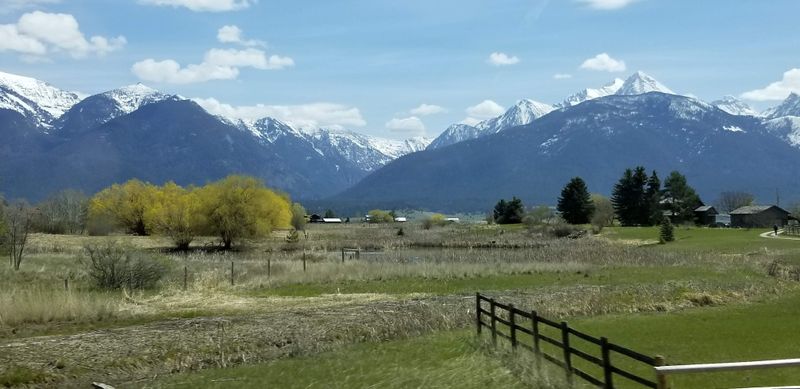
Mission Mountains tower over St. Ignatius like cathedral walls, and the historic St. Ignatius Mission church anchors this small community with breathtaking murals painted by the mission’s cook. Fifty-eight biblical scenes cover the walls and ceiling, created without formal training but with obvious devotion and surprising artistic skill.
The church welcomes visitors daily, and the peaceful interior offers a moment of reflection regardless of your beliefs.
Bison herds roam the nearby National Bison Range, where you can drive a scenic loop through rolling hills watching these massive animals graze. Spring brings adorable rust-colored calves, and fall features the dramatic rut when bulls bellow and clash.
The range also protects elk, pronghorn, and hundreds of bird species in pristine native prairie habitat.
Cherry orchards and farmstands surround the town, and locals gather at Doug’s Sports Bar for surprisingly good food and that authentic small-town atmosphere where strangers become friends over shared meals. The Flathead Reservation encompasses St. Ignatius, and the Salish and Kootenai culture influences everything from art to annual celebrations, adding depth and richness to this often-overlooked mountain community.