
The 11 Secret Colorado Desert Towns Few Visitors Ever Find
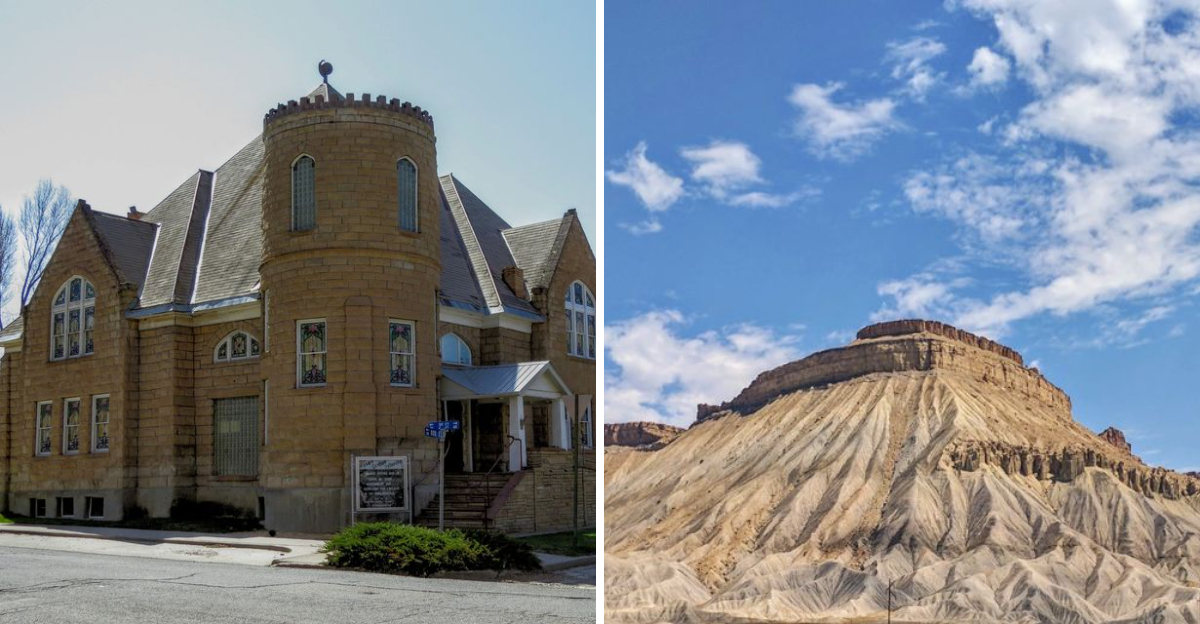
Colorado is famous for its towering mountains and snowy ski resorts, but tucked away in the state’s lesser-known desert regions are small towns that most travelers never discover. These hidden gems offer stunning red rock landscapes, quirky local culture, and a peaceful escape from the crowded tourist spots.
If you’re looking for adventure off the beaten path, these secret desert towns will surprise you with their charm and beauty. Get ready to explore places where the desert meets small-town hospitality in ways you never imagined.
1. Palisade
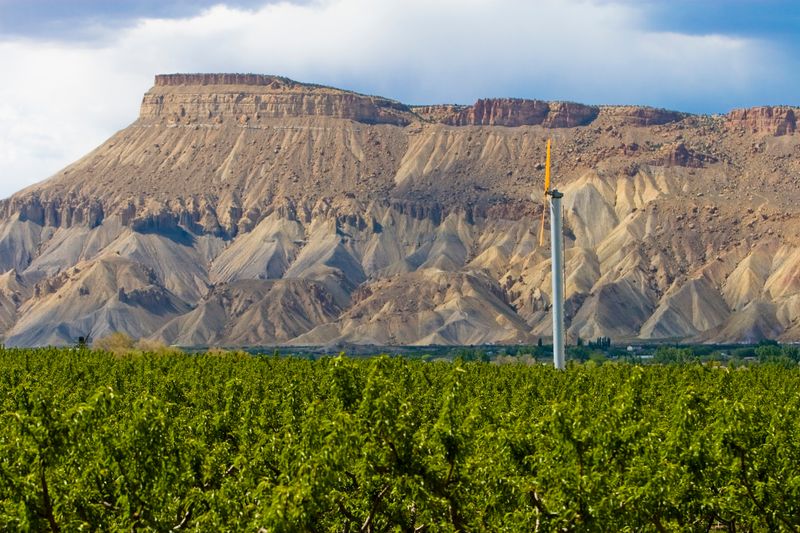
Vineyards sprawl across sun-baked hills where peach orchards perfume the air with sweetness every summer. Palisade sits quietly along the Colorado River, known mostly to locals and wine enthusiasts who stumble upon its tasting rooms by happy accident.
The town celebrates its fruit harvest each August with festivals that feel more like family reunions than tourist events.
Bike trails wind through the countryside, connecting winery to winery, making it easy to sip and pedal your way through an afternoon. The desert climate here creates ideal growing conditions for grapes and stone fruits that rival anything from California.
Small cafes and farm stands dot the main street, offering homemade pies and preserves that taste like sunshine.
Art galleries tucked between historic buildings showcase work from regional artists inspired by the dramatic landscape. Visiting Palisade feels like discovering a secret that only the smartest travelers know.
The sunsets paint the Book Cliffs in shades of orange and purple that no photograph ever quite captures right.
2. Grand Junction
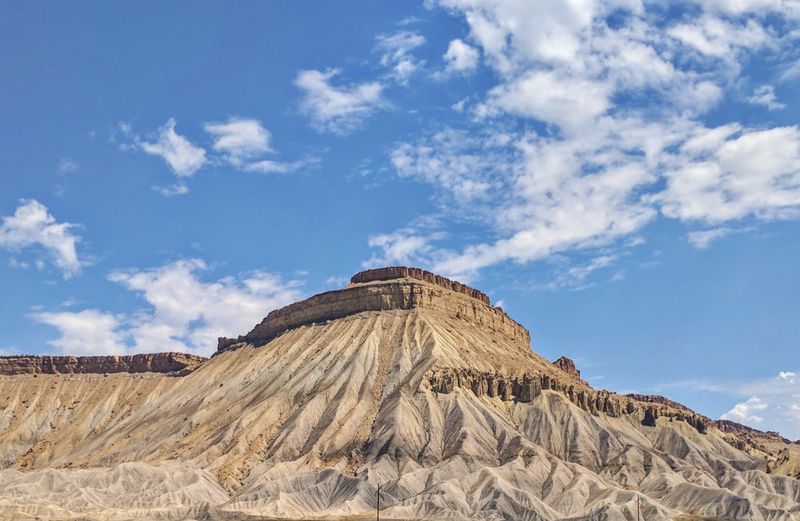
Red rock canyons tower over a town that blends desert adventure with unexpected urban sophistication. Grand Junction serves as the gateway to Colorado National Monument, where twisted rock formations tell stories millions of years old.
Mountain bikers from around the world whisper about the trails here, but somehow the town remains wonderfully uncrowded compared to places like Moab.
Downtown streets buzz with craft breweries, farm-to-table restaurants, and quirky shops that feel authentically local rather than touristy. The Colorado River cuts through town, offering rafting and kayaking opportunities that range from gentle floats to exciting rapids.
Art walks happen monthly, transforming sidewalks into open-air galleries under the desert stars.
Dinosaur fossils have been discovered in the surrounding hills, adding a prehistoric dimension to your exploration. The climate stays mild enough that outdoor adventures happen year-round without the brutal cold of the high country.
Grand Junction proves that desert towns can offer both wild nature and cultural richness in equal measure.
3. Fruita
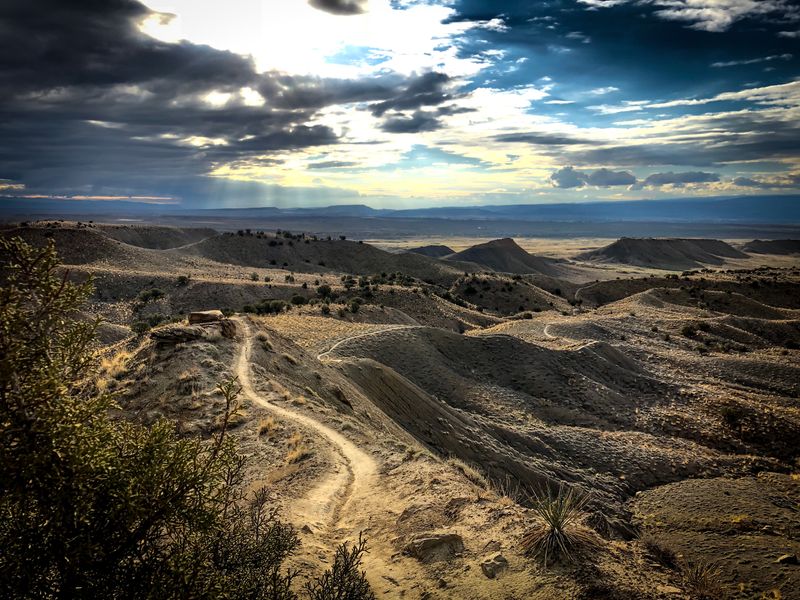
Mountain biking legends speak of Fruita in hushed, reverent tones, like pilgrims discussing a sacred site. This tiny town sits at the edge of some of the most thrilling single-track trails on the planet, with names like Kokopelli and 18 Road that make experienced riders grin with anticipation.
Yet despite its fame among cyclists, most tourists speed right past on their way to more obvious destinations.
Dinosaur tracks preserved in stone can be found just outside town, where ancient creatures once walked through mud that eventually turned to rock. The desert landscape here shifts from sandy washes to rocky mesas in minutes, creating endless variety for explorers.
Local diners serve massive breakfasts to fuel your adventures, with portions that could feed two people easily.
The community embraces its quirky identity with festivals celebrating everything from bikes to prehistoric life. Camping under the stars here means sleeping beneath some of the darkest, clearest skies in Colorado.
Fruita rewards those who seek adventure without needing fancy resorts or crowded attractions.
4. Delta
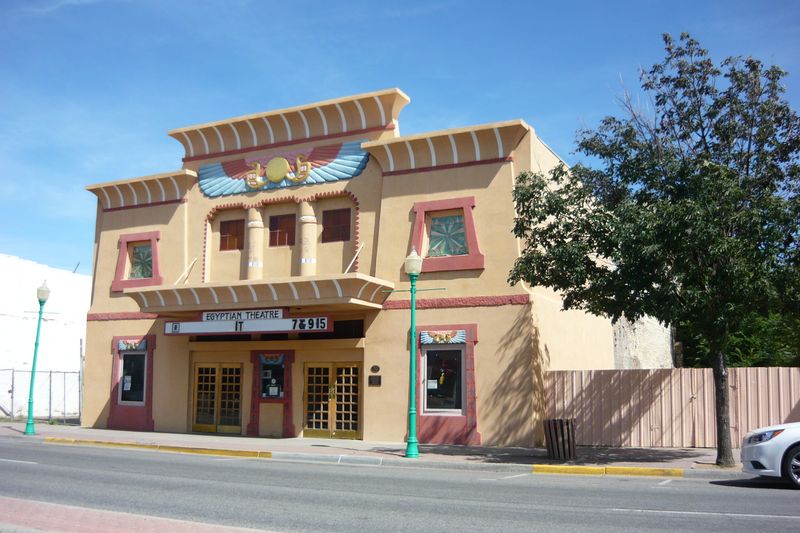
Agriculture defines this hardworking town where orchards and farms stretch toward distant desert mesas. Delta doesn’t pretend to be anything other than what it is: a genuine farming community that happens to sit in one of Colorado’s most beautiful overlooked regions.
The pace here moves slower, following the rhythms of planting and harvest rather than tourist seasons.
Fort Uncompahgre, a reconstructed trading post, brings frontier history to life with demonstrations and exhibits that actually engage kids and adults alike. The surrounding public lands offer hiking, hunting, and fishing opportunities that see a fraction of the crowds found in the mountains.
Main Street maintains its historic character with buildings that have stood for over a century.
Local produce stands sell fruits and vegetables so fresh they were probably picked that morning. The Black Canyon of the Gunnison sits just a short drive away, offering some of the most dramatic scenery in the entire state.
Delta gives you a taste of authentic rural Colorado life where people still wave to strangers and know their neighbors by name.
5. Cedaredge
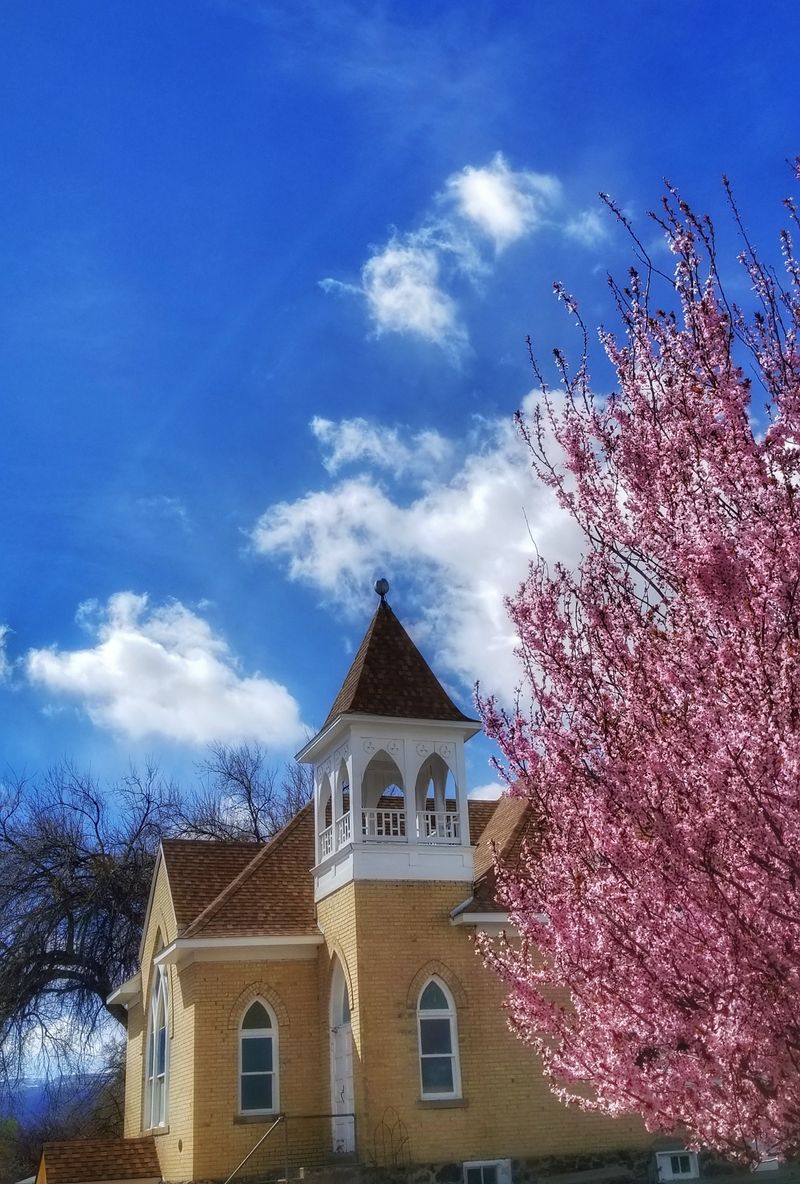
Perched on the Grand Mesa’s edge, Cedaredge overlooks valleys that glow golden in the late afternoon light. This apple-growing community celebrates its harvest each October with a festival that draws crowds from neighboring towns but remains unknown to most out-of-state visitors.
The elevation here creates a unique microclimate where desert meets mountain in surprising ways.
Pioneer Town, an outdoor museum of historic buildings, lets you wander through Colorado’s past at your own pace. The Surface Creek valley below town offers fishing spots where you might spend an entire afternoon without seeing another person.
Local orchards welcome visitors to pick their own apples, creating memories that store-bought fruit can never match.
Art studios and galleries showcase work from artists who’ve been inspired by the dramatic landscape and quality of light. The town maintains a creative, independent spirit that feels refreshingly different from cookie-cutter tourist destinations.
Cedaredge proves that small Colorado towns can offer sophistication and natural beauty without sacrificing their authentic character or peaceful atmosphere.
6. Dove Creek
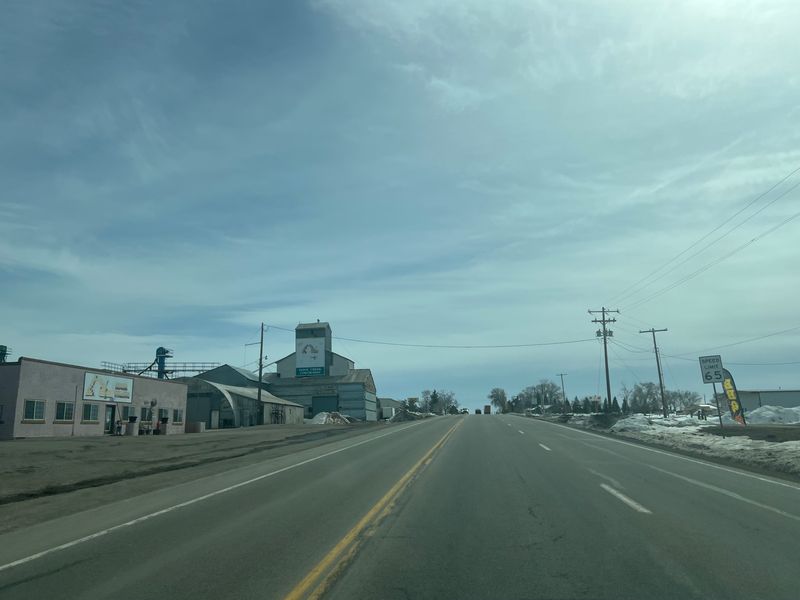
Welcome to the self-proclaimed Pinto Bean Capital of the World, where agriculture and wide-open spaces define daily life. Dove Creek sits in Colorado’s far southwestern corner, so remote that even many Colorado residents couldn’t point to it on a map.
The surrounding landscape feels almost lunar, with sagebrush flats stretching to distant mesas under impossibly big skies.
Hovenweep National Monument lies just across the Utah border, featuring ancient pueblo ruins that rival Mesa Verde without the crowds. The town itself remains refreshingly unpretentious, with a main street that serves locals rather than tourists.
Stargazing here reaches another level entirely, with darkness so complete that the Milky Way looks three-dimensional.
Ranch life continues much as it has for generations, with cattle and crops more important than visitor centers or gift shops. The isolation might seem extreme to some, but that’s exactly what makes Dove Creek special for those seeking genuine solitude.
This town reminds you that Colorado contains vast spaces where modern life hasn’t completely taken over.
7. Rangely
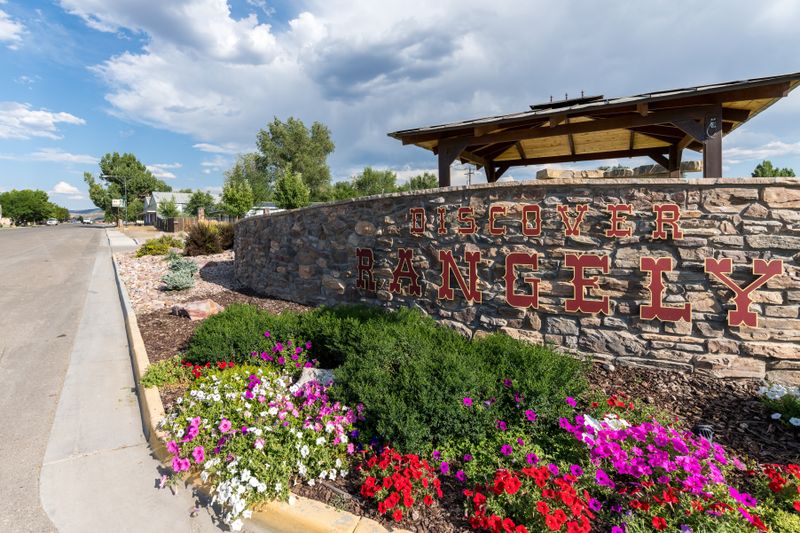
Oil derricks dot the landscape around this northwestern Colorado town that time seems to have forgotten. Rangely exists in splendid isolation, surrounded by public lands that offer adventures for those willing to venture off the highway.
The town’s economy has always revolved around energy extraction, giving it a blue-collar authenticity that contrasts sharply with trendy resort communities.
Ancient rock art sites nearby contain some of the finest petroglyphs in the American West, with figures and symbols that have puzzled archaeologists for decades. Kenney Reservoir provides fishing and boating opportunities in an unlikely desert setting where water becomes even more precious.
The surrounding badlands create a photographer’s paradise of eroded formations and colorful stone layers.
Local museums document both prehistoric inhabitants and the oil boom years with exhibits that actually tell interesting stories. Wildlife viewing opportunities abound, with elk, deer, and pronghorn antelope commonly spotted in the surrounding hills.
Rangely won’t win any beauty contests, but its rugged honesty and access to wild places make it worth the journey.
8. Paonia
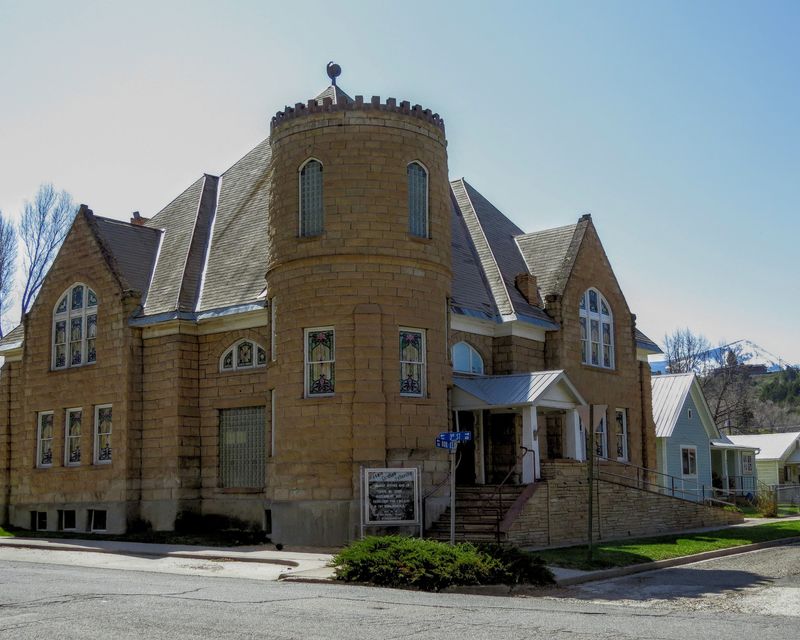
Organic farms and orchards surround this progressive little town that feels like it belongs in Vermont rather than the Colorado desert. Paonia has attracted artists, farmers, and free spirits who’ve created a community that values sustainability and creativity above tourist dollars.
The North Fork Valley’s rich soil produces cherries, peaches, and vegetables that supply farm-to-table restaurants throughout the region.
Main Street hosts a surprising number of excellent restaurants, bakeries, and wine-tasting rooms for such a small town. The nearby West Elk Wilderness offers hiking and backpacking that rivals better-known areas without the permit hassles or crowds.
Summer concerts in the park bring the community together with music that ranges from bluegrass to jazz.
Coal mining once dominated the local economy, but agriculture and tourism have gradually taken over without destroying the town’s character. The combination of fertile valley and surrounding desert creates dramatic scenery that changes with the seasons.
Paonia shows that Colorado desert towns can embrace both environmental values and agricultural traditions in surprising harmony.
9. Mancos
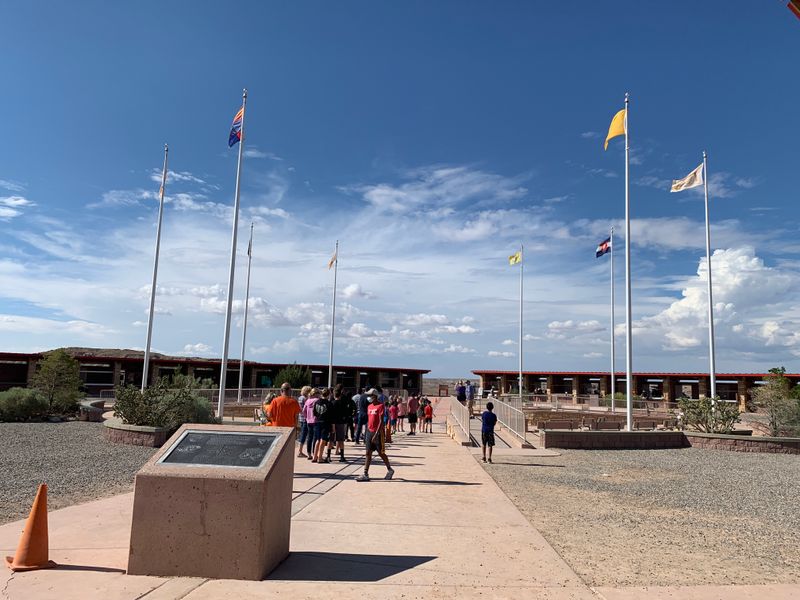
Adobe buildings and wooden boardwalks give Mancos an Old West atmosphere that hasn’t been manufactured for tourists. This gateway town to Mesa Verde National Park somehow remains quieter and more affordable than nearby Durango, despite offering similar access to incredible scenery.
The Mancos River flows through town, providing a green ribbon through the desert landscape.
Local breweries and restaurants serve food that goes way beyond typical small-town fare, thanks to chefs who’ve chosen quality of life over big-city careers. Historic buildings along Main Street house art galleries, bookstores, and shops that feel authentically local rather than designed for tourists.
The surrounding San Juan National Forest offers endless trails where you might hike all day without encountering another soul.
Camping and fishing spots near town provide easy access to outdoor recreation without the crowds found at more famous destinations. The community maintains a creative, independent spirit that welcomes visitors without catering to them.
Mancos gives you a taste of what Colorado small towns were like before tourism became their primary industry and identity.
10. La Junta
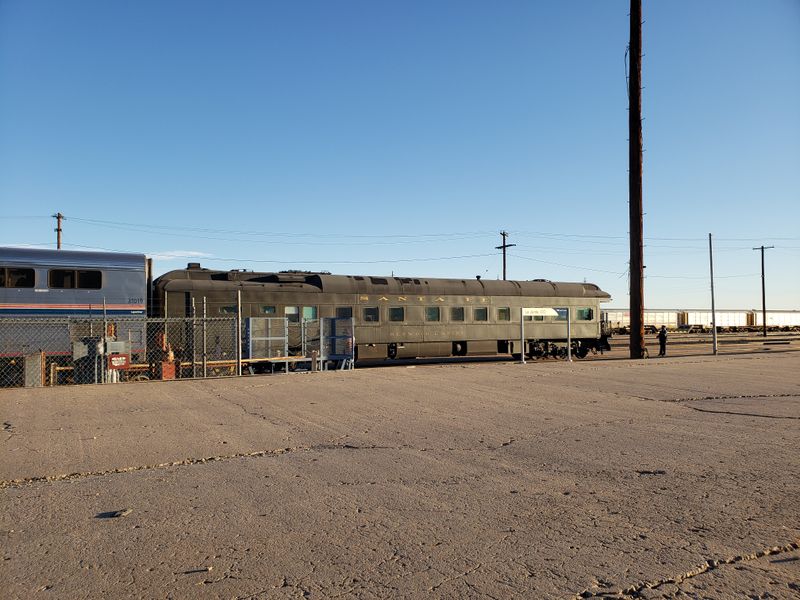
Railroad history runs deep in this southeastern Colorado town where trains still rumble through daily, connecting the plains to the mountains. La Junta sits in the Arkansas River valley, where cottonwoods provide shade in an otherwise stark landscape of shortgrass prairie and distant mesas.
The town serves as a stopping point for travelers on Highway 50, though most never venture beyond the gas stations.
Bent’s Old Fort National Historic Site recreates a crucial fur-trading post from the 1840s, with costumed interpreters bringing frontier commerce to life. The surrounding Comanche National Grassland offers hiking and camping in a landscape that most people associate with Kansas rather than Colorado.
Koshare Indian Museum houses an impressive collection of Native American art and artifacts in an unexpected location.
Local diners serve hearty meals that fuel ranchers and road-trippers alike, with portions that never disappoint. The Santa Fe Trail once passed through this area, and you can still find wagon ruts in places where the land hasn’t been plowed.
La Junta reminds visitors that Colorado’s desert regions extend far beyond the red rocks of the west.
11. Alamosa
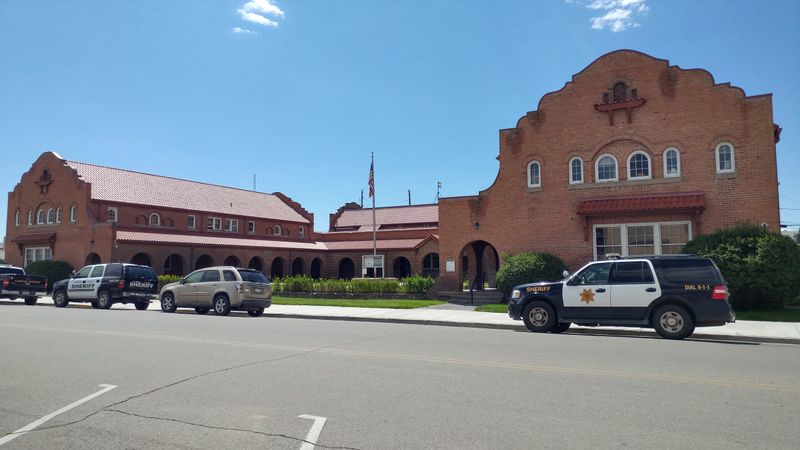
Sandwiched between the San Luis Valley floor and the towering Sangre de Cristo Mountains, Alamosa serves as the unlikely hub of a high-altitude desert. This college town brings unexpected energy and culture to a remote region where pronghorn antelope outnumber people.
The elevation here exceeds 7,500 feet, creating crisp air and brilliant starlight that feels closer than anywhere else.
Great Sand Dunes National Park sits just a short drive away, featuring the tallest sand dunes in North America rising dramatically against snowy peaks. The Rio Grande flows through the valley, supporting wildlife refuges where sandhill cranes gather by the thousands during migration.
Downtown maintains an authentic character with locally-owned shops and restaurants that serve the community rather than chasing tourist trends.
Adams State University adds cultural events, sports, and a youthful vibe that keeps the town from feeling too isolated. The surrounding public lands offer everything from hot springs to fourteeners, all accessible without the crowds found in more popular Colorado regions.
Alamosa proves that desert towns can thrive in unexpected places where geography creates something truly special.