
This New York Restaurant Is So Popular, Tables And Specials Nearly Sell Out Nightly
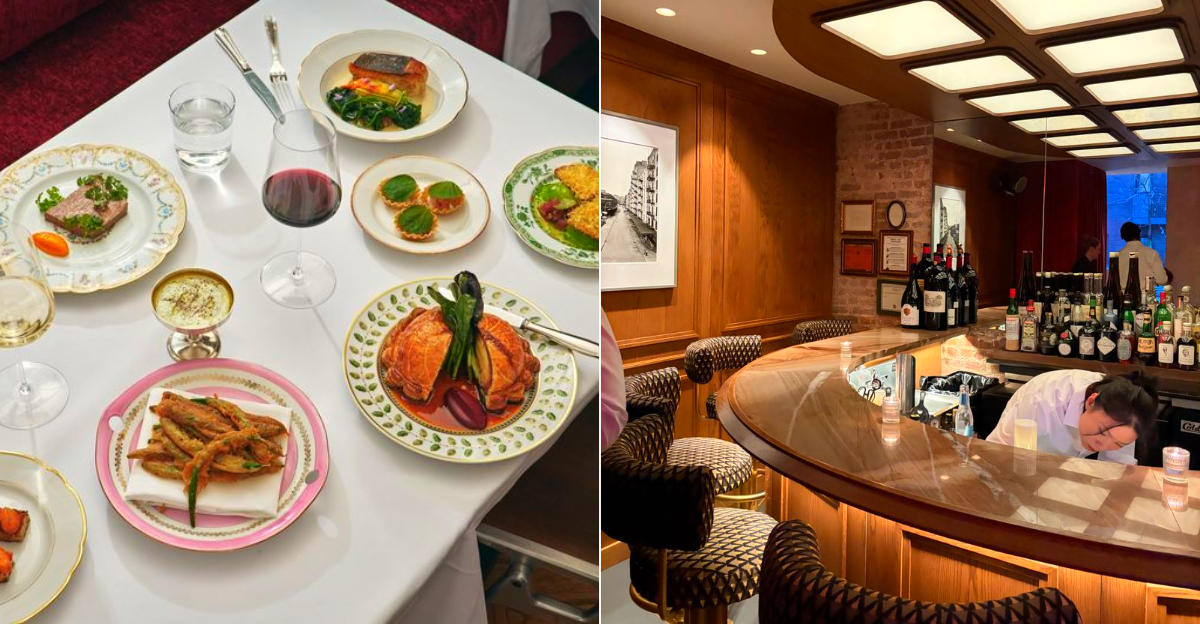
Le Chêne has quietly become one of those places New Yorkers mention almost in passing, usually followed by a gentle warning about how quickly the bookings disappear. It sits on Carmine Street without much fanfare, blending into the neighbourhood so naturally that you could walk past it a dozen times without realising what’s happening behind the door.
That low key presence feels intentional, setting the tone for an experience where confidence shows up in the details rather than the volume.
The cooking leans into classic French technique, but the plates never feel heavy or old fashioned. Seasonal ingredients shape the menu, and familiar flavours are treated with enough care to feel comforting without drifting into predictability.
Good food does not always need a backstory or a spectacle. Sometimes it just needs to be done well, consistently.
What keeps people coming back is not a single headline moment, but the way the whole experience holds together from start to finish. It feels reliable without being dull, polished without feeling distant, and welcoming without trying too hard.
This is the kind of restaurant that earns loyalty rather than chasing attention. That balance explains why tables and nightly specials rarely last long, and why Le Chêne continues to grow its following quietly, one satisfied visit at a time.
A Threshold Of Anticipation: Arriving At Le Chêne
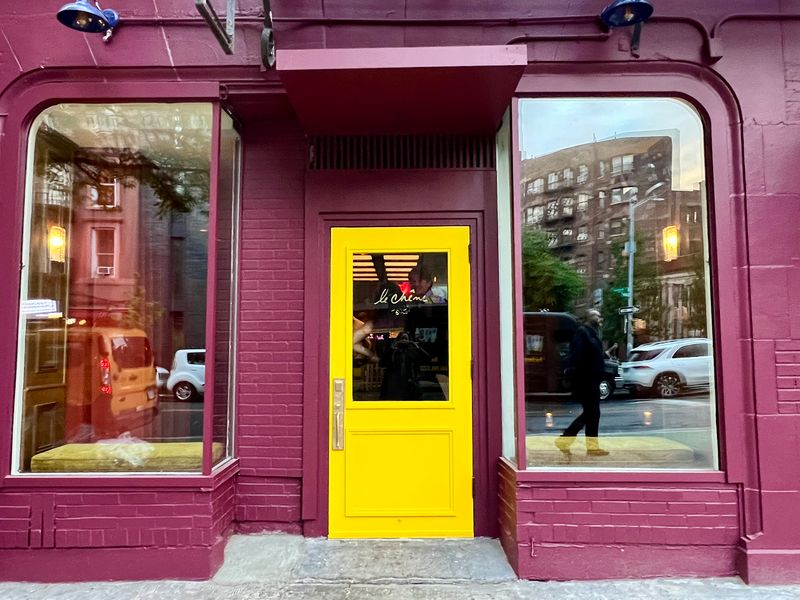
First impressions do a quiet kind of work here, the sort that makes you slow your step before the handle turns. The façade keeps its counsel, though the windows send a warm signal that you have found the right threshold.
A hush meets the door, not silence, but the pleasing murmur of a room already in conversation. You feel the promise of a real evening, measured in courses rather than clock ticks.
Soon the neighborhood reveals itself as context. The cobblestones outside act like a palate cleanser for the city’s noise, and the gentle lighting inside completes the reset.
Hosts greet with practiced grace that never reads as rote. You can exhale, because someone has clearly thought through the next two hours.
Menus arrive with the confidence of a handwritten letter, and you understand why nightly tables become scarce. The strength is not volume, but intention, and the room responds in kind.
Light touches of art draw the eye without stealing the show. By the first sip, anticipation becomes participation, and the evening begins to take shape.
The Dining Room’s Poise And Artful Calm
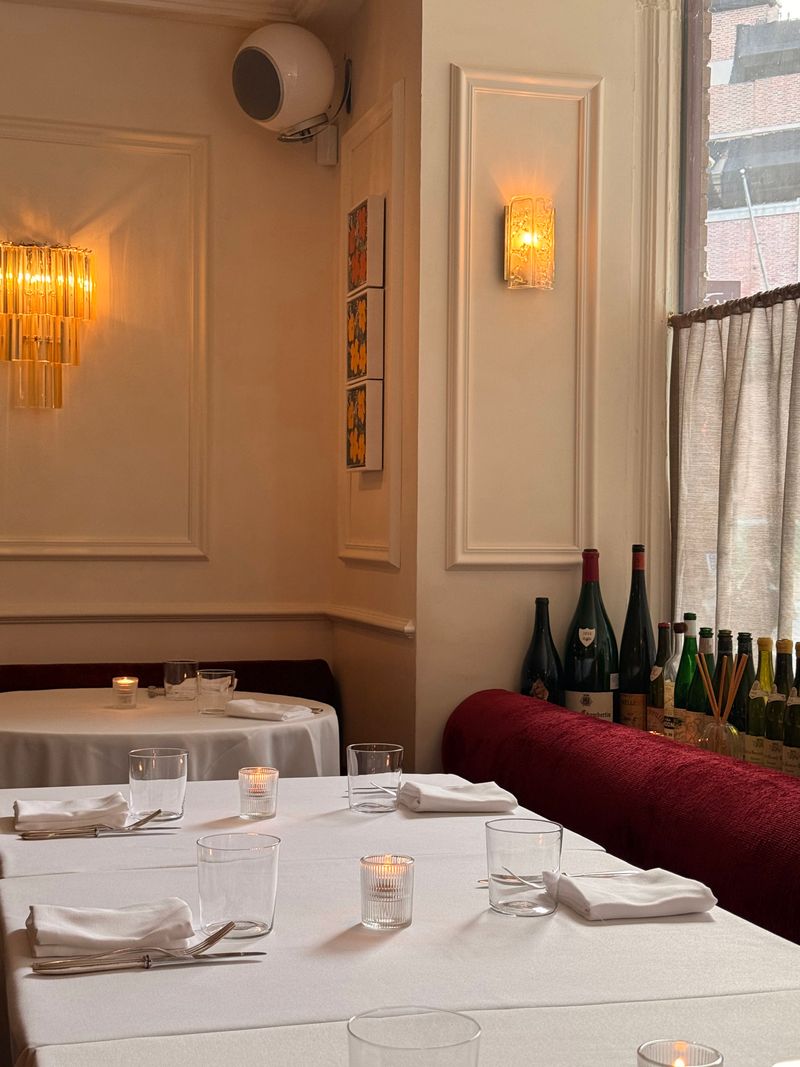
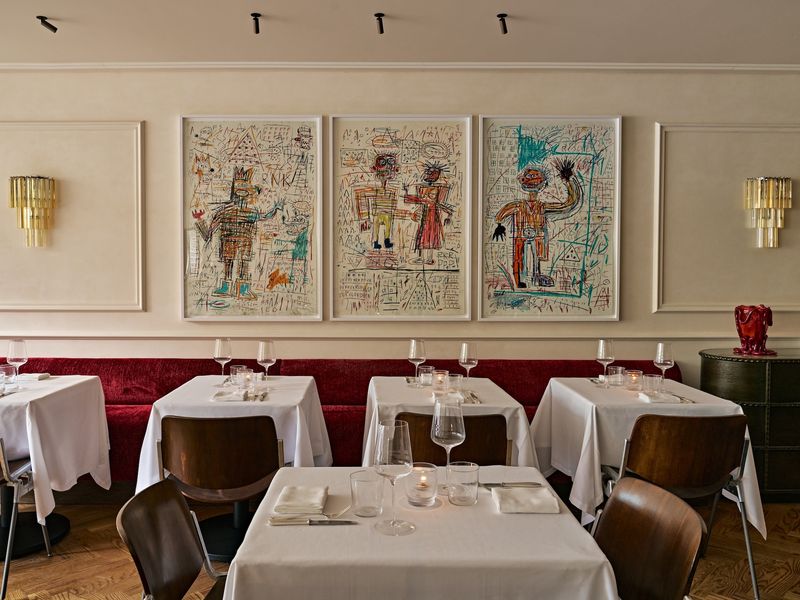
Rooms that understand proportion make conversation feel smarter, and Le Chêne’s does exactly that. Sightlines are gentle, allowing glances to land on paintings and polished wood before returning to the table.
Lighting favors faces and plates, a small kindness that keeps phones pocketed. The soundtrack hums below the fork, never above it.
Only later do you realize how deliberately the art has been placed, a balancing act that reflects the restaurant’s measured confidence. The space sits a short walk off Seventh Avenue at 76 Carmine Street, and the sense of removal is part of its charm.
Tables are thoughtfully spaced, close enough for atmosphere but not so near that strangers borrow your conversation. Service works on soft wheels, appearing as needed and disappearing with a nod.
Chairs hold you like a promise that the night will be comfortable. Glassware glints in lines as straight as a sommelier’s posture.
Nothing screams for attention, because attention is already where it belongs. When the first course arrives, the room has tuned you to the right key.
Chef Alexia Duchêne’s French Grammar, New York Accent
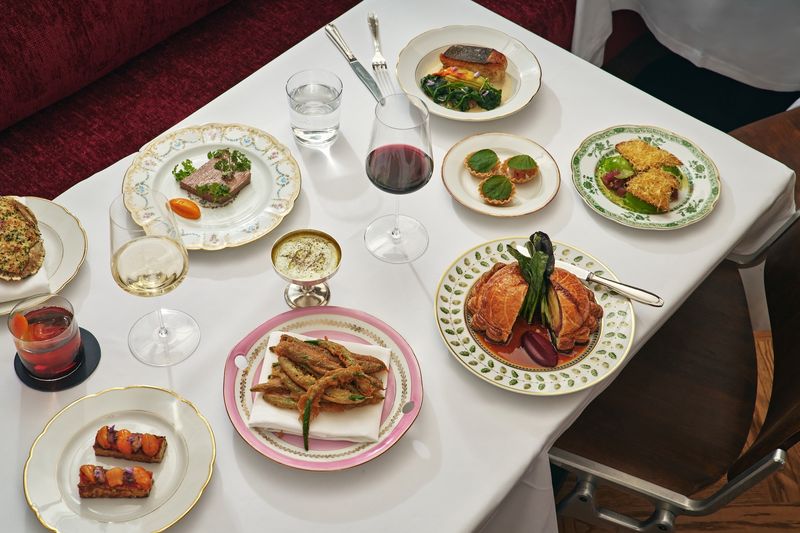
Technique tells its own story, and here it speaks in crisp consonants and long vowels. Chef Alexia Duchêne works with the fluency of someone who learned rigor first and expression second, then braided them together.
Plates arrive with lively structure, never stiff, and the seasoning feels like punctuation placed exactly where breath is needed. You taste intention, not ornament.
Her kitchen channels Parisian discipline into New York tempo without letting haste dictate the rhythm. Classics are interpreted with a scholar’s respect and a poet’s restraint, the kind that trusts ingredients to carry the melody.
Even garnishes contribute like concise footnotes rather than megaphones.
The result is food that sits upright yet smiles. Heat is tempered, acidity lifted, and textures align so the palate never tires.
Nothing leans on novelty for applause. Instead, each course persuades with clarity, landing softly but staying in mind long after the last bite.
The Pithivier Everyone Mentions For Good Reason
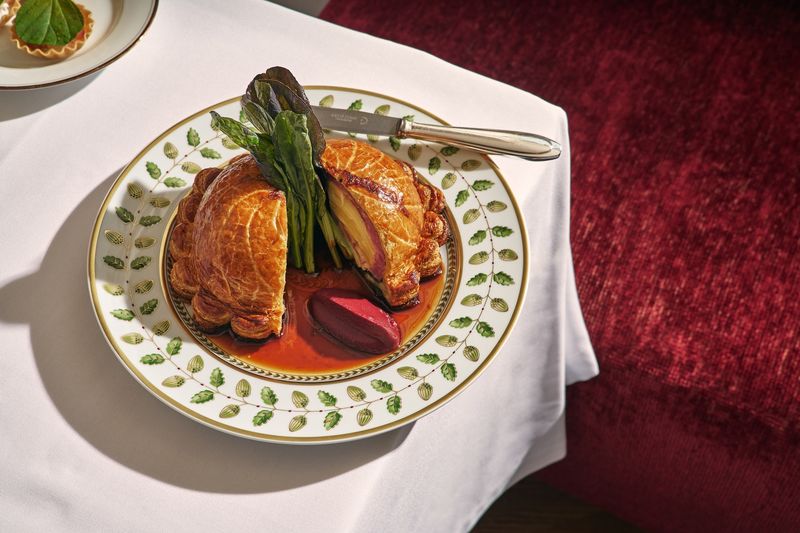
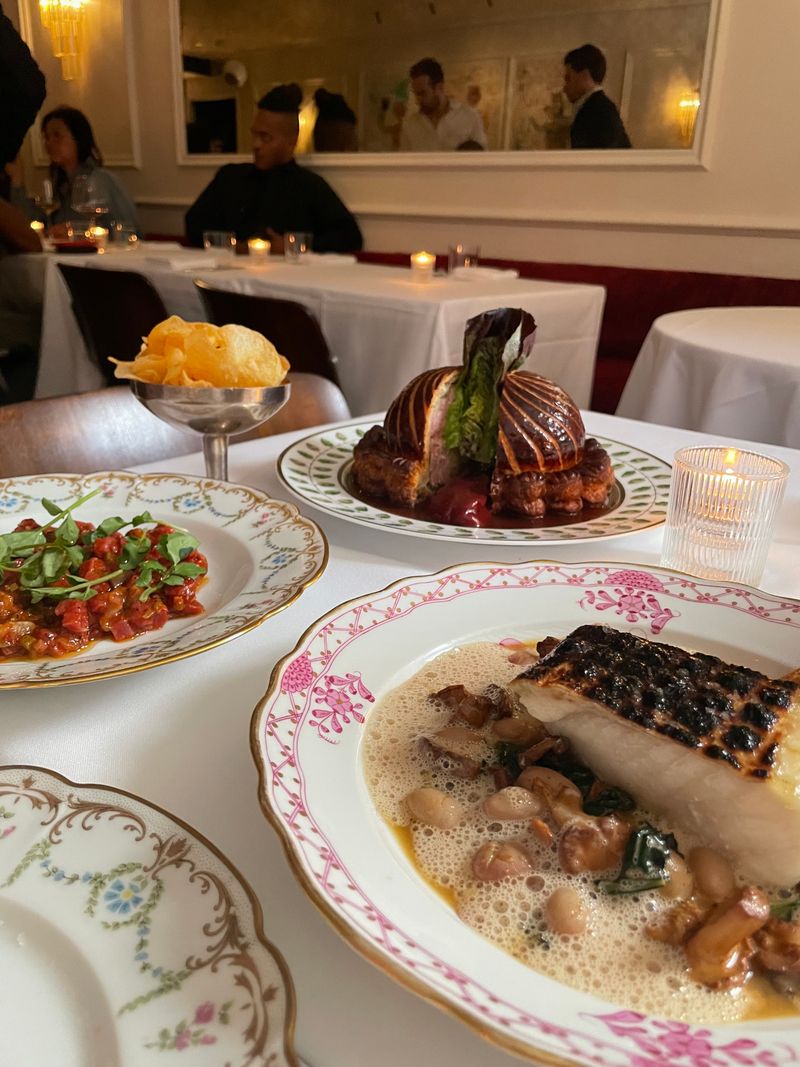
Some dishes arrive with reputation in tow, and Le Chêne’s pithivier earns its buzz bite by careful bite. The pastry domes like polished copper, vents etched with tidy confidence.
Once cut, layers reveal themselves in well-drawn strata that keep their integrity through the fork’s journey. Sauce gathers politely around the base, aromatic and restrained.
The filling changes with the market, but structure remains reassuringly constant, a geometry that flatters both meat and mushroom. After a glass poured with a smile, the conversation often tilts to technique.
Guests remark on the even bake, the gloss that catches candlelight, the seasoning that keeps richness buoyant.
Order it to share and watch how time slows between bites. Flaky layers fall with a soft sigh, and the table grows quiet in that satisfied way.
It is less a showpiece than a thesis on harmony. By the last forkful, the plate looks like a well-edited page.
From Martini To Côte Rôtie: The Drinks That Guide The Night
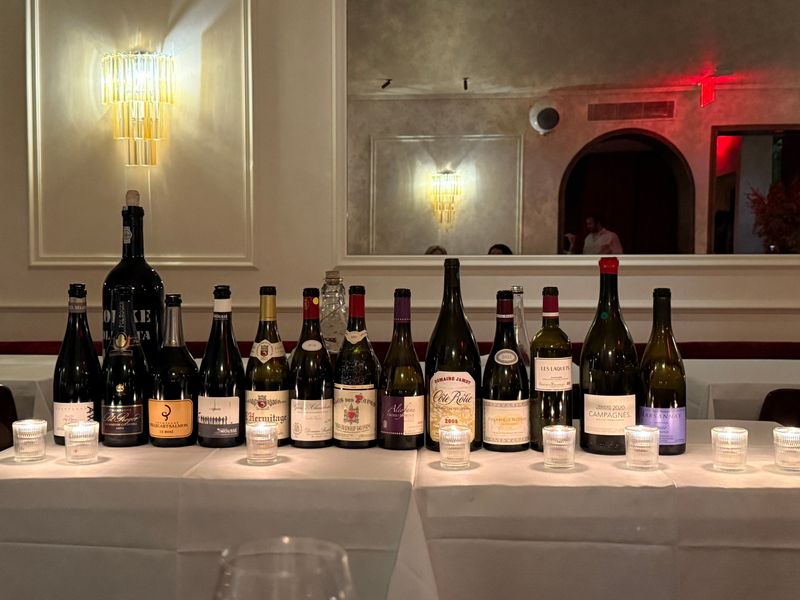
Good drinks set a tempo, and the bar manages pace with disarming ease. A nearly frozen martini lands first, frosted and perfectly weighted, signaling the kitchen’s kind of precision is shared behind the stick.
Cocktails favor clarity over clamor, letting spirits speak with clean diction. You feel looked after, not lectured.
Wine follows as a conversation rather than a monologue, curated by a team that relishes pairing more than prestige. The list includes classic Burgundy, thoughtful Loire, and confident Northern Rhône, with detours that make returning guests smile.
You might catch a fish decanter gliding to a neighboring table, a small spectacle that never loses charm. Suggestions are tuned to the menu’s momentum.
Glasses arrive at the right temperature and leave at the right time. Pour sizes are civilized, encouraging exploration without fatigue.
Nothing is pushed; everything is offered with context. By dessert, the arc feels complete and quietly celebratory.
Service In Step: Warmth With Exactness
Hospitality works best when it feels inevitable, and the team here makes that effort look effortless. Greetings are unhurried, coats disappear to the right place, and water lands before a question forms.
Servers anticipate without hovering, answering with candor and stepping back so conversation breathes. The rhythm resembles chamber music.
Questions about ingredients draw precise, unshowy answers, the kind that respect curiosity. When timing matters, courses glide without friction, a credit to communication between pass and floor.
You sense pride without vanity.
Corrections, when needed, are handled with the discretion of a tailor. Glass is replaced, crumbs vanish, and the table remains composed.
Gratitude is mutual by the end. Leaving, you feel well met rather than managed.
Securing A Seat: Strategy For A Coveted Reservation
Demand has its own etiquette, and learning it helps. Reservations release on a predictable cadence and disappear almost immediately, which means alerts are your new best friend.
Flexibility also pays: early evenings and midweek dates often open a window. Persistence, fortunately, is rewarded more often than luck.
Walking in can work on slower nights, but only if you enjoy suspense and have a backup plan nearby. If you are set on a specific celebration, book as early as policies allow and confirm politely.
Last minute cancellations occasionally surface like rare birds. Keep checking, because refreshes can be unexpectedly generous.
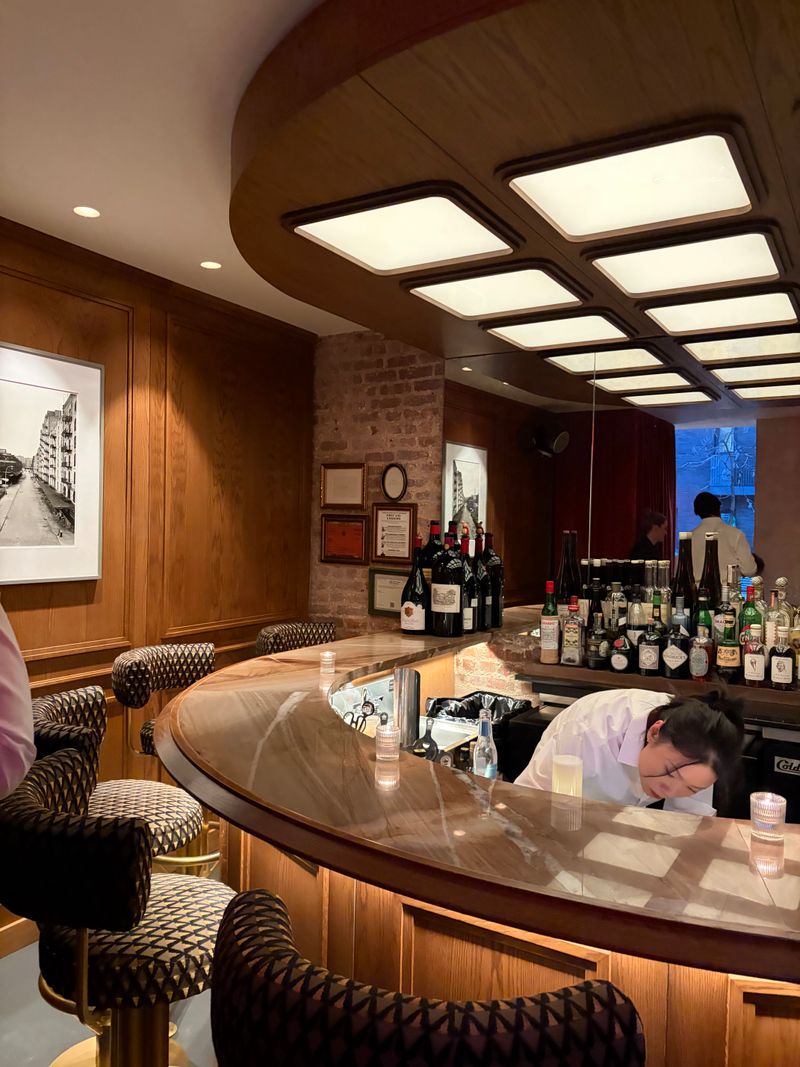
Bar seats make an excellent consolation prize, turning into front row views of cocktails and swift service. Specials may sell out, but staff will steer you toward equally thoughtful alternatives.
Either way, you are not settling. You are discovering the other side of the menu’s personality.
Why The Hype Lasts: A Night That Lives On
Memorable meals rarely shout; they resonate. Leaving Le Chêne, conversation keeps looping back to small decisions that accumulated into something substantial.
A sauce with lift, a crumb just so, a pairing that seemed inevitable in hindsight. The experience lingers like the last chord of a well played piece.
Location matters here because it shapes the exit as much as the entrance. Stepping onto Carmine Street at 76, you return to the city with softened edges and a pleasant sense of conclusion.
The evening feels fully landed, not abruptly halted. You carry the room’s calm like a discreet souvenir.
Friends will ask why it is so hard to get in, and you will answer with specifics rather than superlatives. It is the sum of precise parts that feel human, not a pile of tricks.
Hype fades when novelty cools. Craft endures, and that is what draws you back.