
18 Classic New York Dinner Traditions From The ’60s That Would Baffle Kids Today
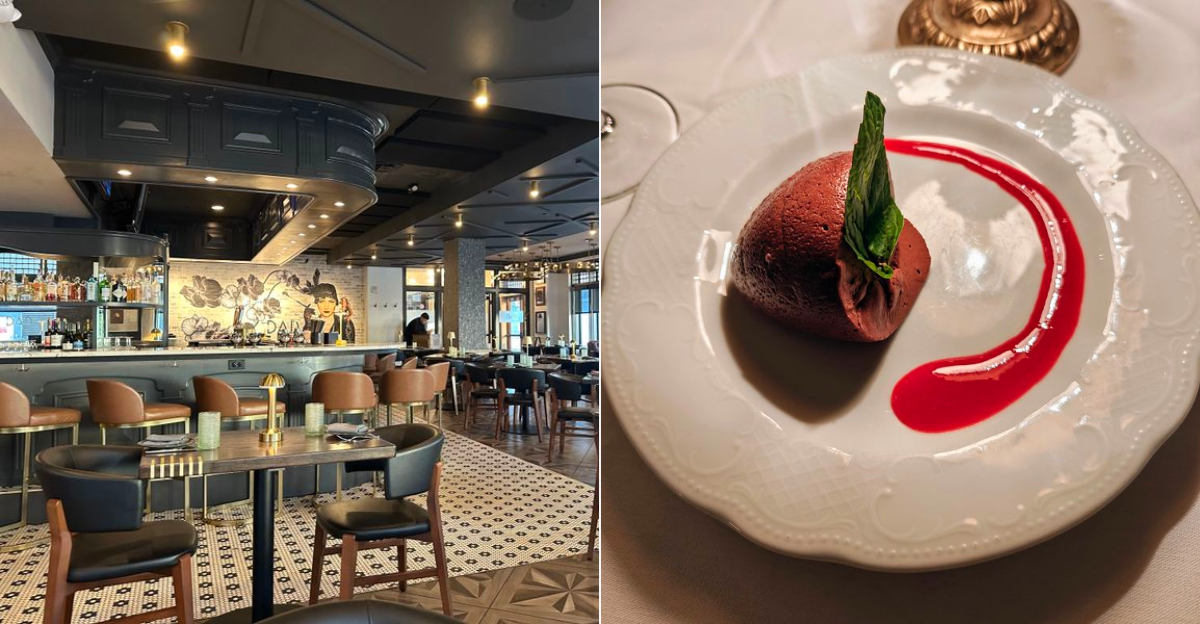
New York dinners in the nineteen sixties had their own rhythm, rules, and little rituals that made perfect sense at the time and might completely confuse a child today. Phones stayed off the table because they did not exist yet, portions were shared without much fuss, and nobody expected to photograph their plate before taking a bite.
Ordering felt slower, conversations stretched longer, and the idea of instant delivery would have sounded like science fiction.
Some of these traditions feel charming now, others slightly baffling, and a few might even make modern parents raise an eyebrow. Yet they all tell a story about how families ate, connected, and made an ordinary evening feel special in ways that did not rely on screens or speed.
There is something oddly comforting about remembering a time when dinner was less about convenience and more about sitting still long enough to notice who was at the table with you.
These classic habits offer a glimpse into a city that moved fast even then, just not quite as fast as it does today. A few of them may spark nostalgia, a few may trigger laughter, and at least one will probably make you wonder how anyone ever thought it was normal.
1. Dress Codes Were Common For Evening Dining
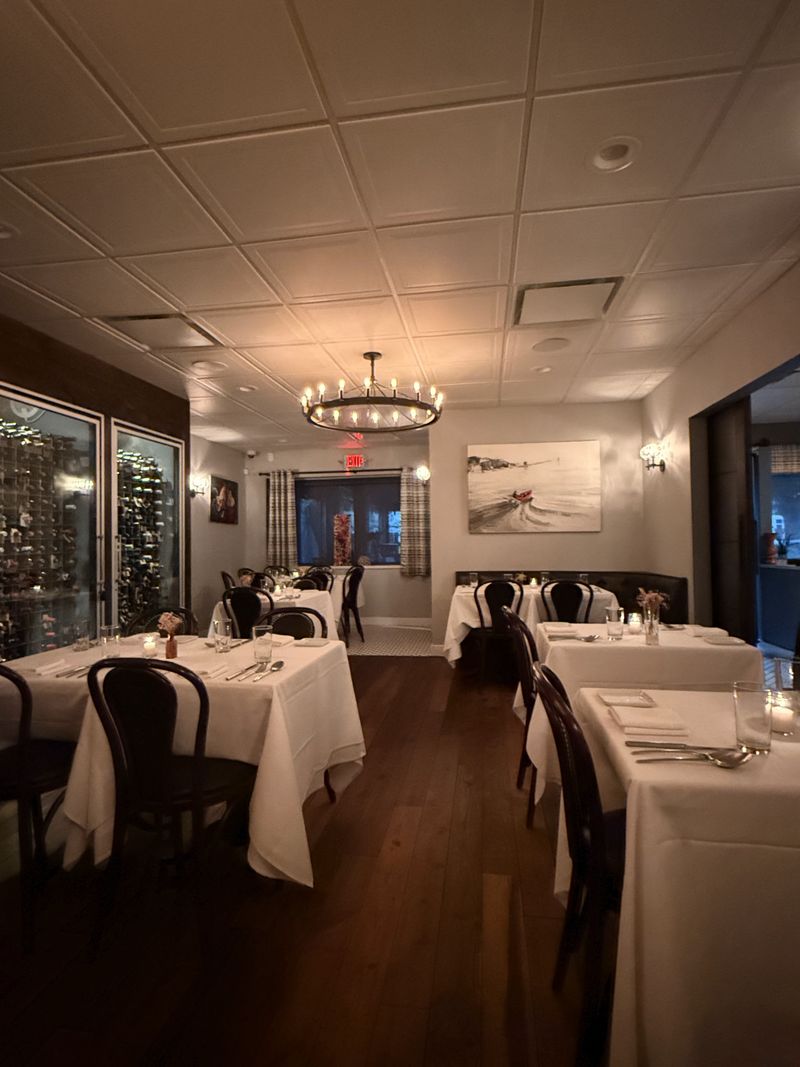
Even a casual night out meant polishing shoes and straightening a tie. Hosts sized you up kindly but firmly, and a jacket might materialize from a coat rack to save the evening.
You felt taller the second you stepped onto carpeted floors and crisp linen.
At Keens Steakhouse, 72 West 36th Street, the room glowed like old brass and expectations. A dress code sign did not need to shout because everyone knew the rules.
The ritual made dinner feel like a little ceremony, even if you were just craving a wedge salad.
You did not snap photos of your plate because the display was the room itself. Whispered conversations, polished cutlery, and posture you could balance a book on.
If you showed up in sneakers, you tried not to notice.
2. Paper Menus Rarely Changed
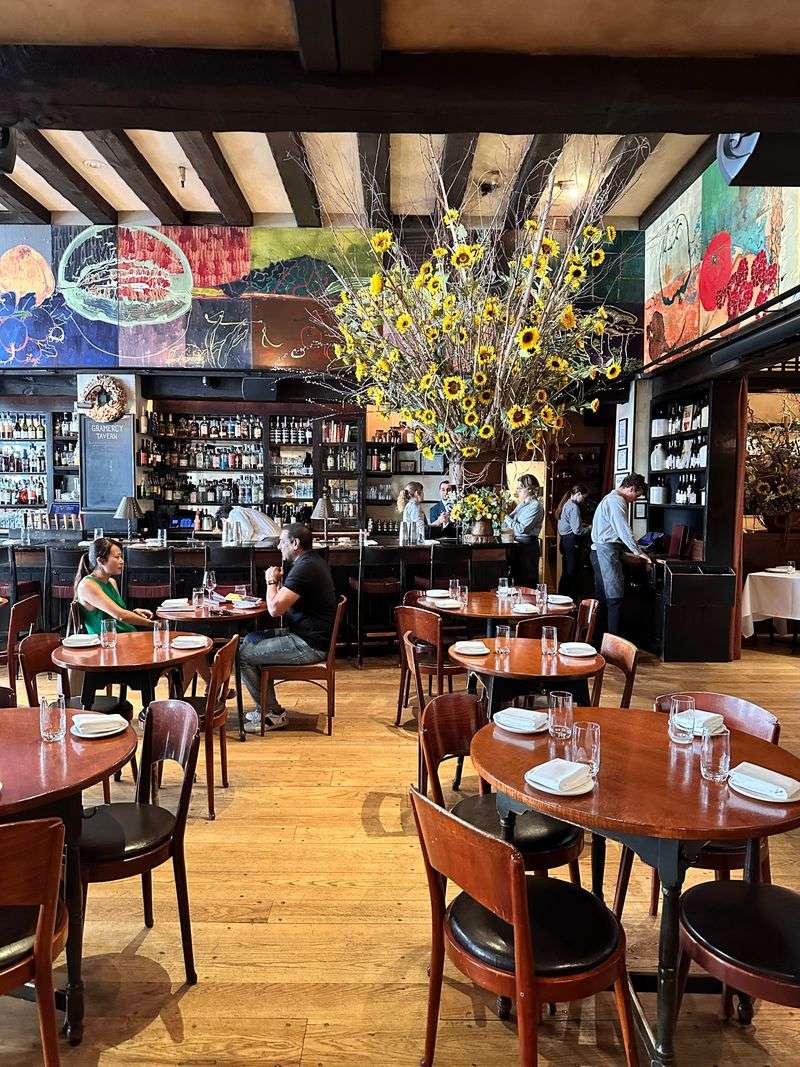
Menus felt carved in stone, not posted for seasonal whims. You learned the lineup like a neighborhood cast list and ordered by muscle memory.
Tuesday could be meatloaf night forever, and nobody complained.
At Eisenberg’s Sandwich Shop, 174 Fifth Avenue, the laminated menu had the confidence of a script that always killed. Staples reigned: tuna melts, egg creams, turkey clubs stacked with pragmatic precision.
A special meant the cook was feeling sentimental, not farm to table.
You did not ask what was local because everything was local to habit. If a dish vanished, the regulars noticed like a missing barstool.
Predictability tasted like comfort, and the prices barely twitched.
3. Cash Was The Only Way To Pay
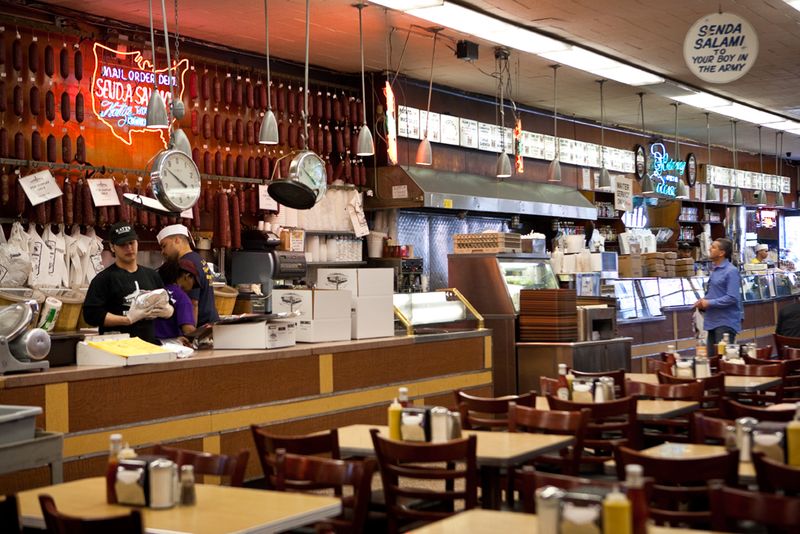
You reached for bills, not a card, and did quick math with a pencil stub on the check. Splitting the tab meant coin piles and a little trust among friends.
Tips were folded quietly, face down, like a secret handshake.
At Katz’s Delicatessen, 205 East Houston Street, the ticket you receive at the door tracks your order until you settle up. That system has roots in the old cash only rhythm, when credit slips were rare birds.
The register bell sang louder than any receipt printer.
You left feeling squared away, pockets lighter and conscience clear. No pin pad, no swipe, no digital blink to interrupt the exit.
If you forgot cash, you learned a fast, humbling lesson.
4. Milk Was Commonly Delivered To Apartment Buildings

Morning started with the clink of glass on stoops and a rustle of paper notes. Milk arrived capped and cold, wearing a cream collar like a little crown.
You grabbed it early so neighbors would not snag your quart by accident.
Brownstones along West 10th Street often woke to deliveries, with dairies looping the blocks efficiently. Zabar’s, 2245 Broadway, sold bottles too if your building missed the route.
The rhythm felt communal, a shared heartbeat of breakfast.
You poured generously because the supply felt steady and near. Coffee softened, cereal sang, and cooking tasted fuller.
Empty bottles waited by the door, ready for the next knock.
5. Late-Night Diners Were Family Spaces, Not Party Spots
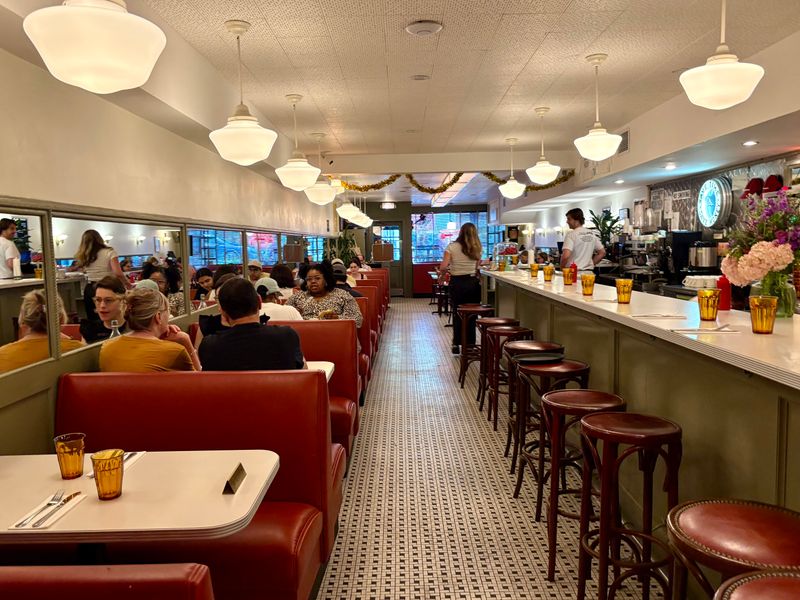
After a show, you could still find a booth for the whole crew and a slice of pie that did not judge the hour. The soundtrack was clinking spoons and soft laughter, not bass shaking the glass.
Night felt safe under fluorescent halos.
At the Tick Tock Diner, 481 Eighth Avenue, families arrived with Playbills and healthy appetites. Waiters knew the drill: burgers for teens, decaf for parents, and a plate of pickles for the table.
Midnight did not mean mischief, just dessert.
You lingered without side eye, even on school nights now and then. The city hummed outside while coffee kept conversations warm.
Bedtime bent, but manners held.
6. Large Portions Of Liver, Meatloaf, And Creamed Vegetables Were Normal
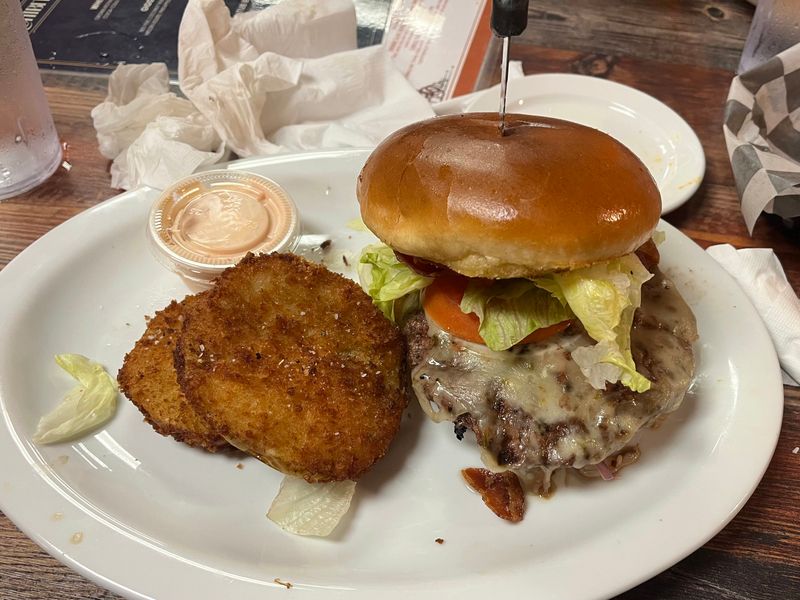
Plates leaned hearty and brown, the color of comfort after a long day. Liver with sweet onions, meatloaf under glossy gravy, and vegetables bound with cream showed up like reliable friends.
You learned to like it, or you learned to use ketchup.
Lindy’s, once at 1626 Broadway, served portions that felt generous without theatrical excess. Delis and luncheonettes followed suit, echoing post war practicality.
Protein mattered, starch mattered, and butter was not shy.
You left full but not floored, ready to walk a few blocks in any weather. The flavors sat steady on the tongue, no fireworks, just ballast.
If greens arrived creamed, nobody blinked.
7. Water Was Often Served Only If Requested
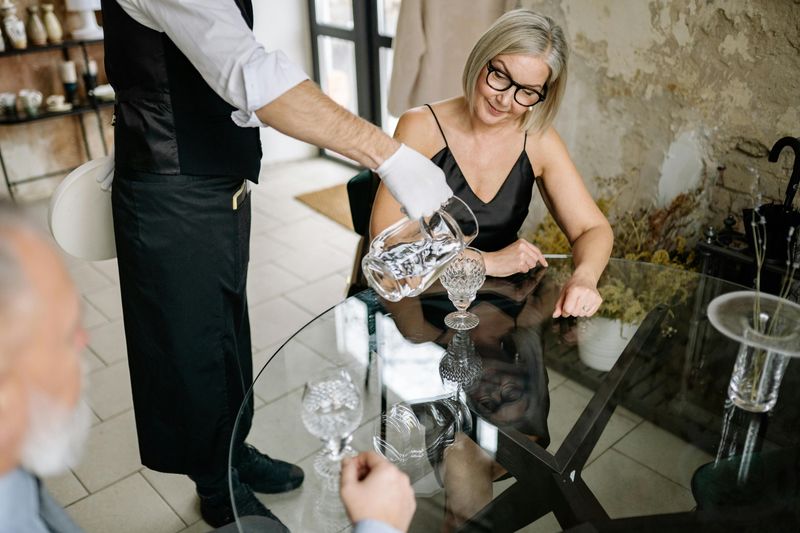
You did not automatically receive a glass of water, which feels wild today. Servers saved steps and dishwashing unless someone asked.
Bread might hit the table first, and then you remembered your thirst.
At Monte’s Trattoria, 97 MacDougal Street, old school habits still echo if you pay attention. The rhythm makes sense in small dining rooms where every gesture counts.
You ask, they deliver, and the meal continues smoothly.
You become mindful of what you truly want, not what arrives by routine. A carafe appears, conversation resumes, and the table settles.
Less waste, more intention, fewer abandoned ice cubes.
8. Children Ate The Same Menu As Adults
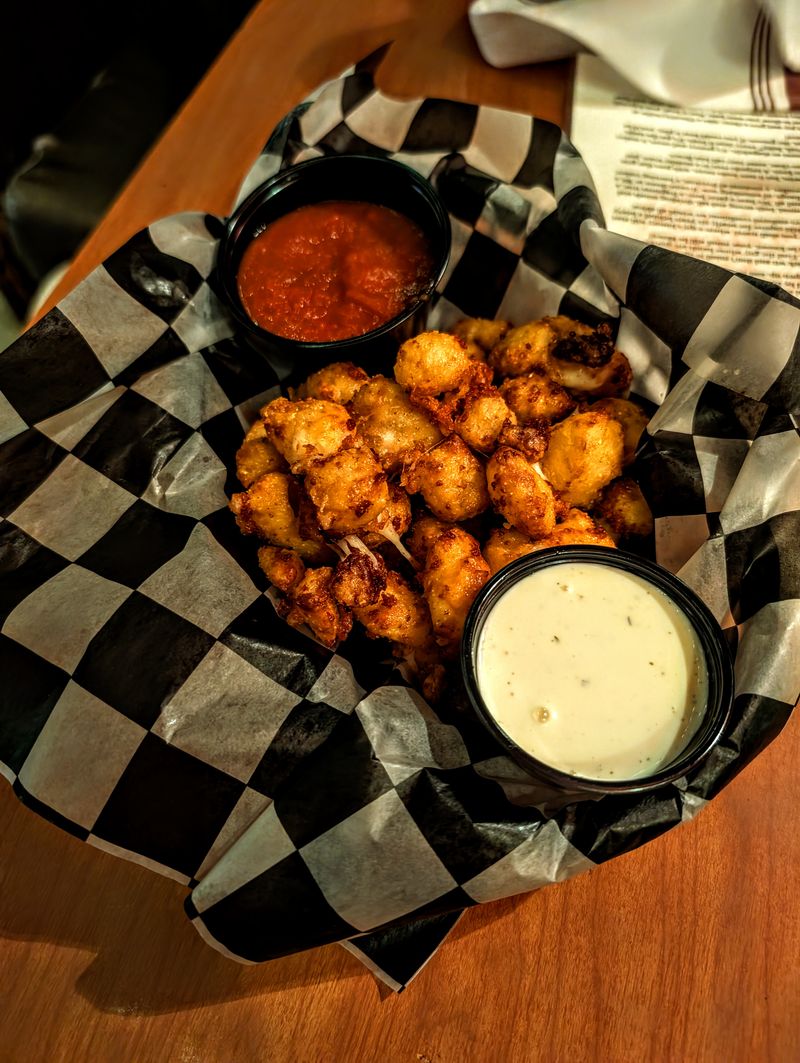
Kiddie menus were rare, so you learned to navigate the big leagues fast. Smaller portions, yes, but the same roast chicken, spaghetti, or brisket everyone else enjoyed.
You felt included because the plate said so.
At John’s of 12th Street, 302 East 12th Street, families tucked into red sauce classics without a cartoon in sight. The staff simply split plates or suggested half orders.
Restaurant food became an education, not entertainment.
You discovered textures and grown up flavors early, sometimes with a dramatic gulp. Parents coached, napkins stood by, and bread erased mistakes.
No nuggets, no problem, just real dinner.
9. Takeaway Was Limited Mostly To Chinese And Pizza
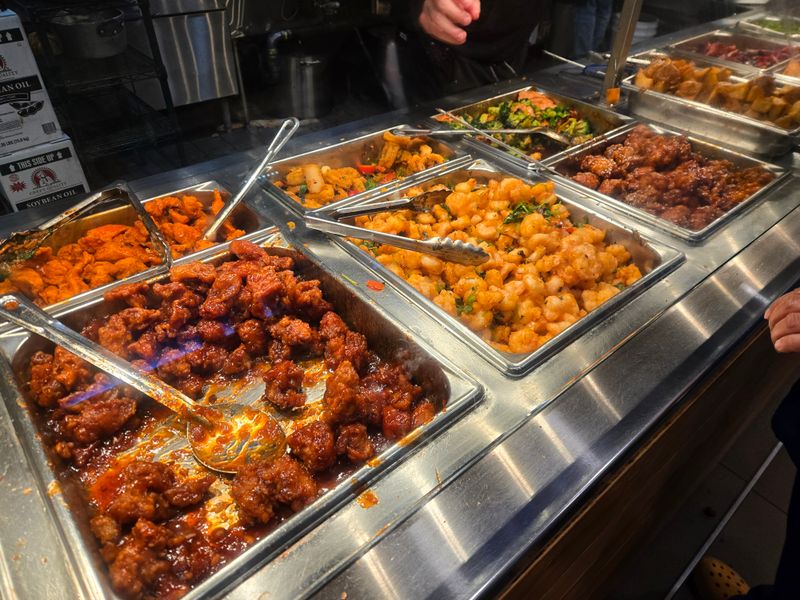
Delivery was a narrow lane, not the sprawling highway it is now. If you wanted food at your door, it was usually lo mein, egg rolls, or a pie sliding into a cardboard box.
Variety lived inside dining rooms, not dispatch bags.
Joe’s Pizza at 7 Carmine Street has been slinging slices since the mid 70s, echoing the older pattern. Wo Hop, 17 Mott Street, carried the torch for late night cartons stacked like little chimneys.
Phones rang, scooters did not.
You planned around walking, not tracking links. The reward was a hot box under your arm and a stoop feast.
Choice came later, after decades of appetite.
10. Waitstaff Memorised Orders Without Digital Systems
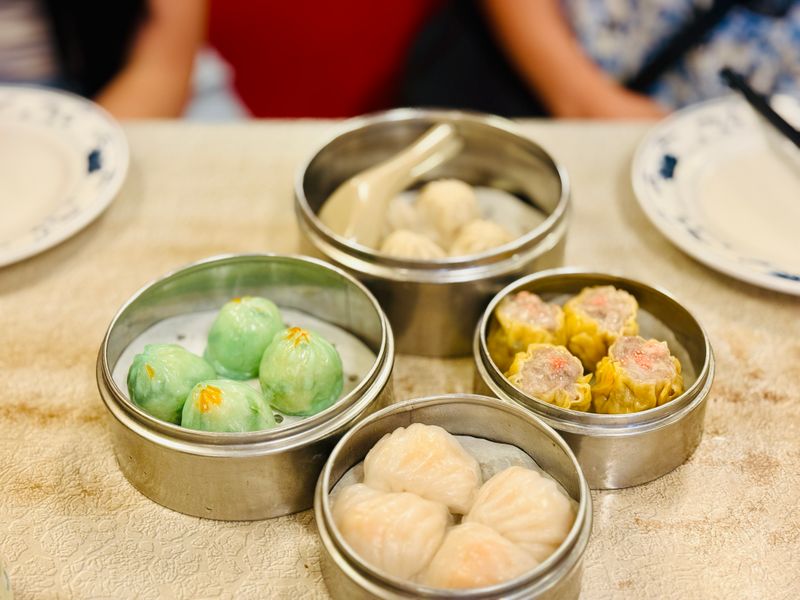
Orders lived in heads and on tiny pads smudged with coffee rings. A good server could juggle four tables and remember who wanted no onions without blinking.
The ballet looked casual from the booth, but it was precision work.
At Nom Wah Tea Parlor, 13 Doyers Street, you can still watch tickets clip to the wheel, a paper chorus. Back then, every kitchen wall wore similar paper streamers.
If something went missing, eyes met and hands moved faster.
You trusted the human system and marveled when it clicked. No screens, no pings, just voices carrying across tile and steam.
Your plate found you anyway, hot and correct.
11. Coffee Was Almost Always Drip Or Percolator Style
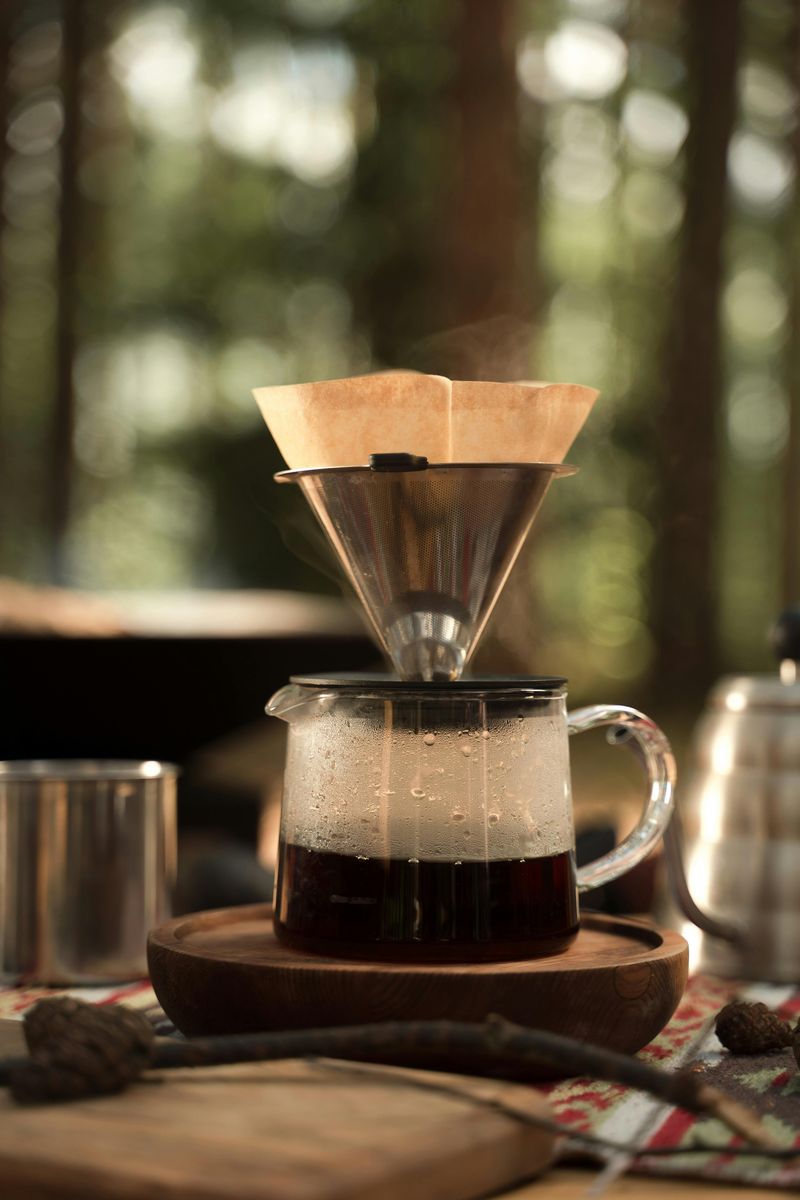
The coffee tasted sturdy, not fussy, poured from glass pots that never slept. Percolators gurgled like friendly engines, promising a refill before you asked.
Milk meant whole by default, and choices stopped there.
At Lexington Candy Shop, 1226 Lexington Avenue, the counter still honors that straightforward pour. You sit, you sip, and the world sharpens at the edges.
Latte art would have felt like a practical joke.
You sweetened by instinct, then added a splash of cream from a chilled metal pourer. The cup hugged your hands and cooled slowly.
Simple, loyal, endlessly refillable, like a neighbor.
12. Portion Sizes Were Smaller Than Modern American Standards
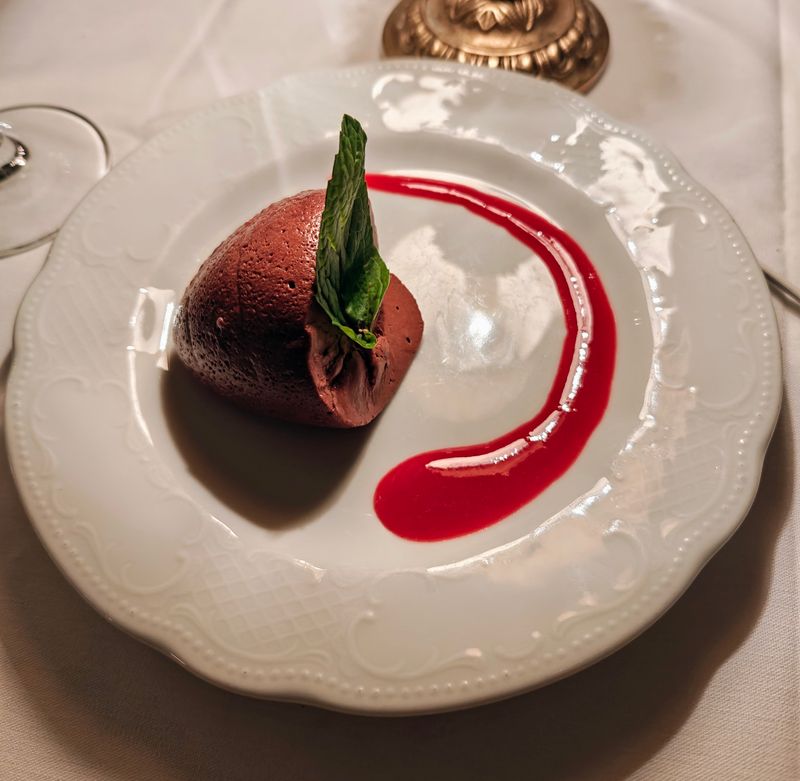
Plates looked reasonable, not comically large. A steak might arrive at eight ounces, sides portioned with a measured hand.
You could finish without needing a nap or a map.
At Barbetta, 321 West 46th Street, tradition favors balance over spectacle. The dining room whispers rather than shouts, and the plates follow that cue.
Rich sauces meet appropriate bites, not buckets.
You left satisfied and light enough to stroll past theater marquees. Hunger did not bully you into surrender, it negotiated.
Dessert could fit, and so could conversation.
13. Condiments Were Limited And Simple
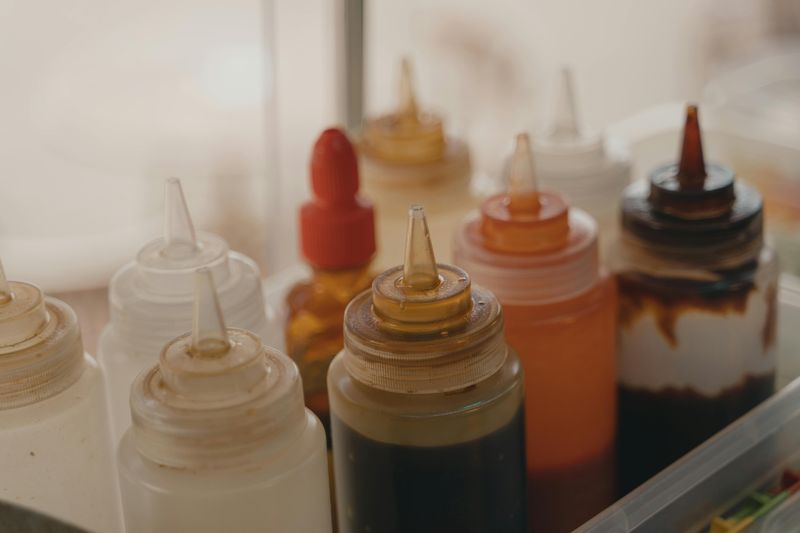
Tables offered the basics and not much else. Salt and pepper flanked ketchup and yellow mustard like a tidy honor guard.
Hot sauce rarely appeared unless the place had roots that demanded it.
At Tom’s Restaurant, 782 Washington Avenue, the setup still feels comfortingly minimal. A sugar pourer and paper napkins frame the experience.
Complexity lives in the kitchen, not the caddy.
You customized lightly and let the cook do the rest. A squeeze here, a shake there, and lunch clicked into place.
No thirty sauce lineup, no decision fatigue.
14. Fresh Produce Was Strongly Seasonal
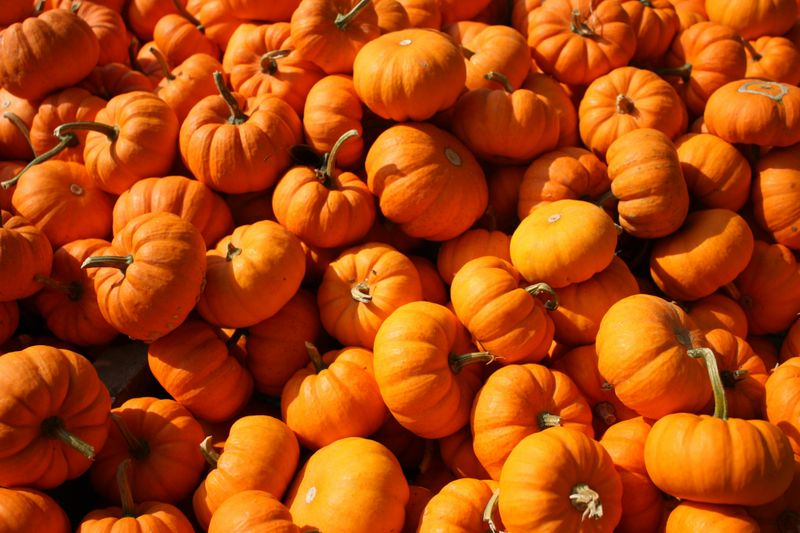
Tomatoes sang in August and sulked in January, and everyone cooked accordingly. Imported abundance had not yet blurred the calendar, so meals bowed to weather.
Winter stews knew their place, and summer salads strutted briefly.
The Union Square Greenmarket would come later, but produce stalls on Avenue A kept honest hours. Russ & Daughters, 179 East Houston Street, leaned into what was best right then.
You tasted the calendar like chapters, not a mix tape.
You learned patience because the good stuff returned on schedule. Out of season meant pricey and less delicious, so cooks pivoted.
Flavor took turns instead of crowding the stage.
15. Reservations Were Often Made By Phone Or In Person
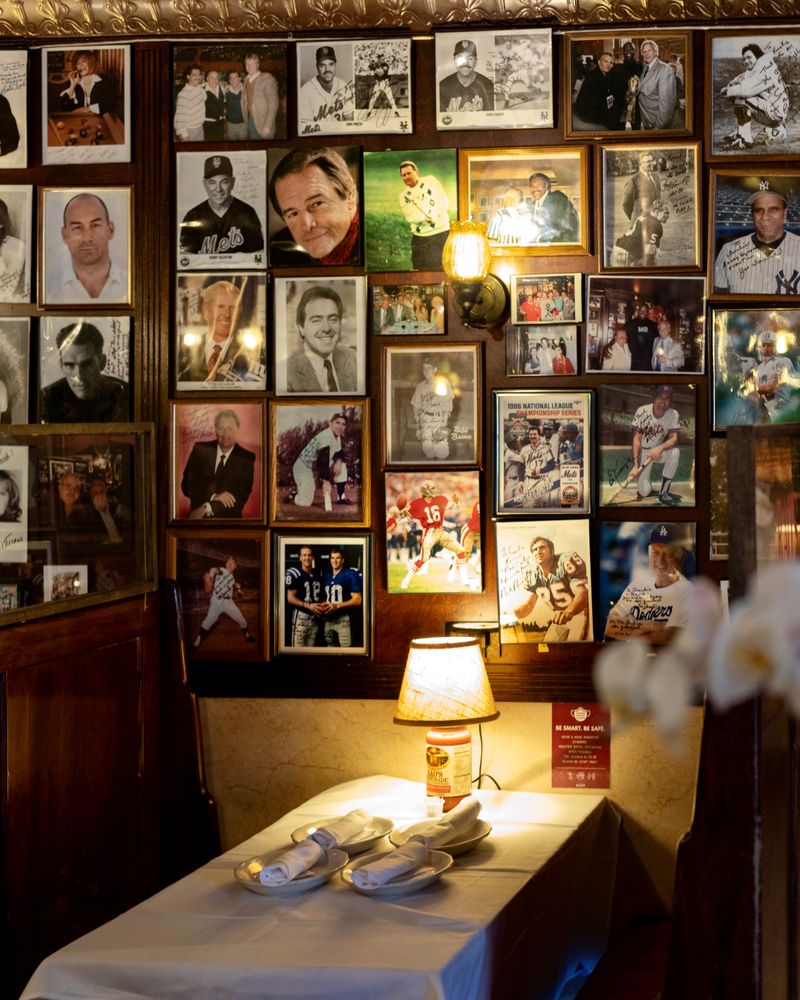
Planning dinner sounded like a quick call on a rotary, not an app scroll. Names landed in a thick ledger with neat lines and a practiced hand.
If you wanted a table, you charmed the voice or walked in early.
At Rao’s, 455 East 114th Street, the lore of reservations still feels personal and protective. Relationships matter, and seats are favors more than slots.
The ledger spirit survives even when the phone rests.
You learned to ask kindly, confirm politely, and arrive on time. No push notifications, just human memory and a firm handshake.
The table felt earned, which made it taste better.
16. Neighbourhood Loyalty Mattered More Than Reviews
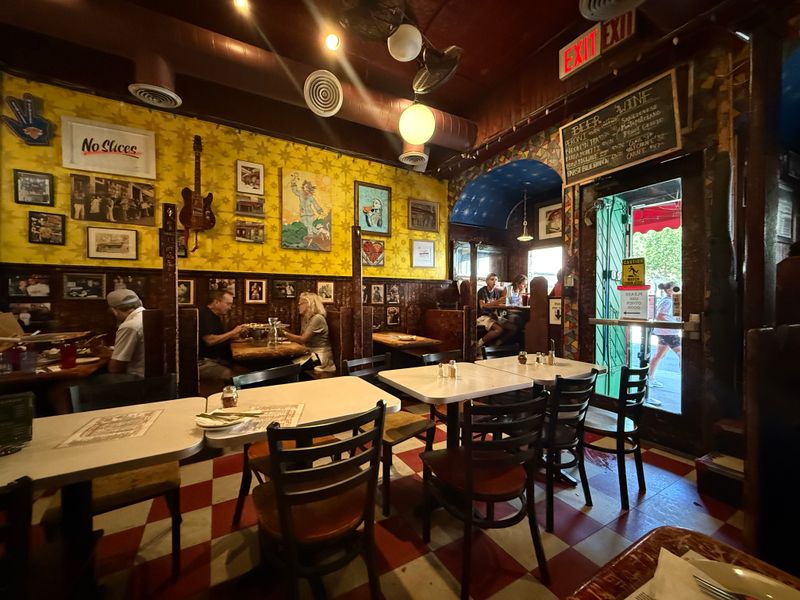
You kept going where they knew your order and your gossip. Stars were celestial, not printed on a website.
Word of mouth worked like a warm current guiding you home.
At John’s of Bleecker Street, 278 Bleecker Street, pies won hearts one block at a time. Regulars defended tables like family heirlooms.
The ranking system was a nod and a grin at the counter.
You trusted the neighborhood before a headline. Familiar faces felt like seasoning, improving everything.
Loyalty tasted like extra cheese you did not pay for.
17. Formal Seating And Table Etiquette Were Expected
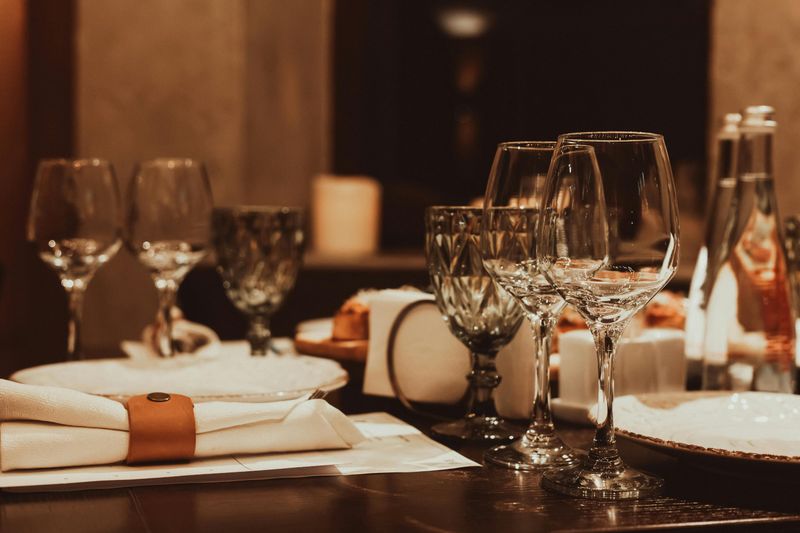
Before the first bite, manners set the table. Kids waited behind chairs until parents sat, then placed cloth napkins on laps with care.
Posture mattered, and elbows learned restraint.
Fine dining rooms like The 21 Club at 21 West 52nd Street enforced the ballet with quiet authority. Even at home, those rituals traveled to the booth and back again.
Respect showed up as choreography, not scolding.
You felt oddly proud when you got it right. The rhythm made meals calmer, conversations smoother, and rooms more elegant.
Etiquette was the seasoning no one saw but everyone tasted.
18. No Distractions Allowed At The Table
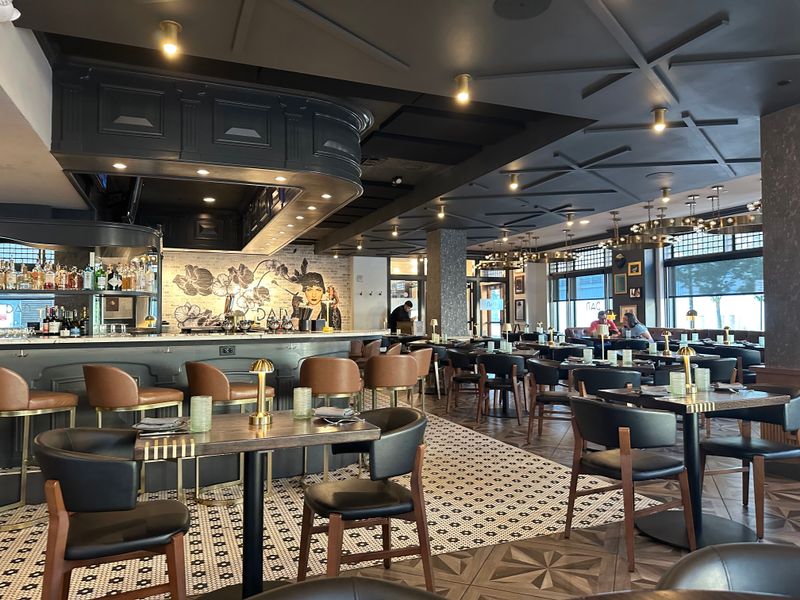
The table was for food and conversation, not toys or paperback detours. You listened, answered, and learned the art of waiting your turn.
Silence could be comfortable, but chewing while talking was not.
Sylvia’s, 328 Malcolm X Boulevard, carried that spirit into crowded evenings where voices harmonized. You came for the food and stayed for the unhurried exchange.
The room rewarded attention with richer flavor.
You noticed details when nothing buzzed in your pocket. Dishes felt hotter, stories longer, and time kinder.
Distraction free dinner turned into a small daily ceremony.