
The Undiscovered Village In New York That Feels Like A Step Back In Time
Modern life has a habit of keeping the volume turned up. Screens glow from morning to night, notifications stack up faster than they can be cleared, and even quiet moments tend to come with a background hum of updates, reminders, and expectations.
Switching off properly can start to feel like a skill rather than a simple pleasure, especially when every spare minute seems designed to be filled.
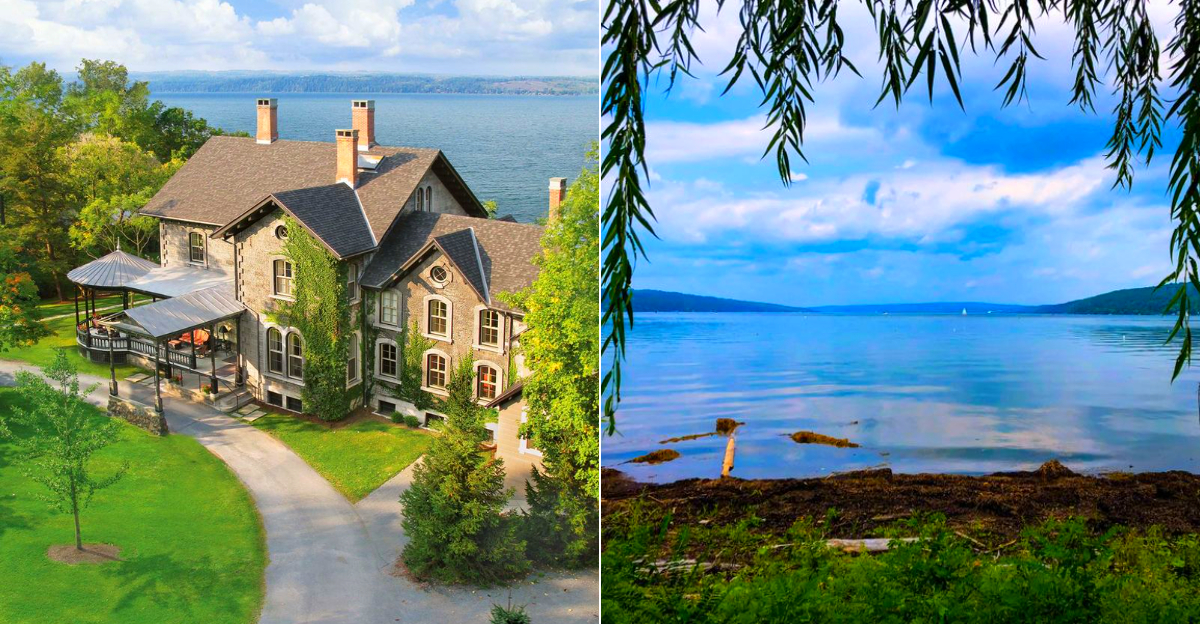
That is why places like Aurora feel so refreshing. Tucked along the eastern edge of Cayuga Lake, this small New York village offers a rare sense of calm that does not feel manufactured or performative.
Wide porches, historic homes, and gently paced streets create the sense that you have stepped into a slower chapter of life, one where walking, talking, and noticing your surroundings naturally take centre stage again.
The village carries its history quietly, woven into everyday routines rather than presented as a display. Architecture from earlier generations frames lakeside views and shaded pavements, making even a short wander feel like a small step back in time.
Without screens demanding attention or schedules pressing for speed, the rhythm softens in ways that are surprisingly easy to settle into.
Aurora does not try to impress with spectacle or noise. It invites you to slow down, breathe a little deeper, and remember what an unhurried day can actually feel like.
A Village Built On Early American Ambition
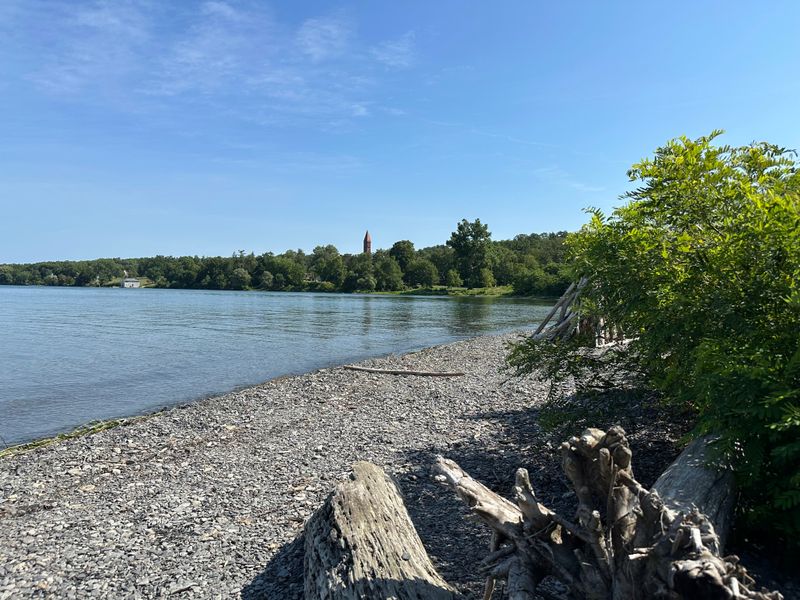
Early ambitions shaped Aurora into more than a lakeside settlement, and you can read that history in its bones. The village’s development dates to the late eighteenth century, with momentum arriving after 1793 as commerce found a route through Cayuga Lake.
Shipping, regional trade, and civic energy gave Aurora a completeness you can still sense on a slow walk. Buildings feel sized for purpose rather than show, which is part of their charm.
Streets carry names that repeat in records, and façades hold the careful proportions of early American ideals. You notice the practical grace of Greek Revival doorways, the sturdiness of brick, and the steady line of porches that seem to invite conversation.
Nothing feels staged, and that is the point. The district’s continuity lets you experience a village that matured honestly.
Spending time here, you begin to understand why preservation matters. It safeguards more than shapes and materials; it protects a way of reading community life through architecture.
Aurora’s ambition never tipped into grandiosity, and that restraint has aged well. You leave the street with a sense of coherence that is unusually satisfying.
Where The Lake Sets The Tempo
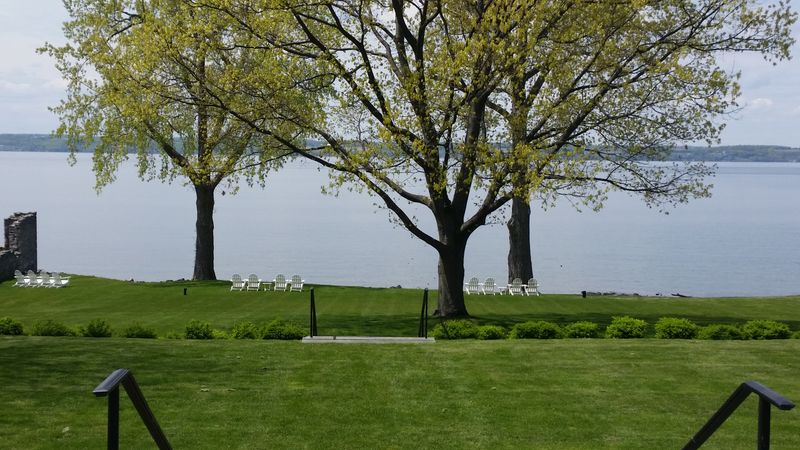
The lake’s presence in Aurora is steady rather than theatrical. Water sits close to Main Street, offering a quiet accompaniment to footsteps and the rustle of maples.
You do not need much of a plan to enjoy it, just time and decent light. Benches and low docks provide small stages for watching the day glide past.
Even in summer, the atmosphere refuses to hurry you. Locals walk dogs, a rowboat nudges its mooring, and the air carries a clean scent that reminds you to breathe deeper.
The surface changes tone with passing clouds, which becomes a simple pleasure to track. Photographs become souvenirs of stillness rather than trophies of spectacle.
By afternoon, the light warms the village façades and makes the water read like polished slate. Conversations soften, and you realize how well the shoreline and architecture talk to each other.
Aurora’s scale keeps the lake human, which is rarer than it sounds. You leave feeling that time was not wasted but well handled.
Strolling The Aurora Village–Wells College Historic District
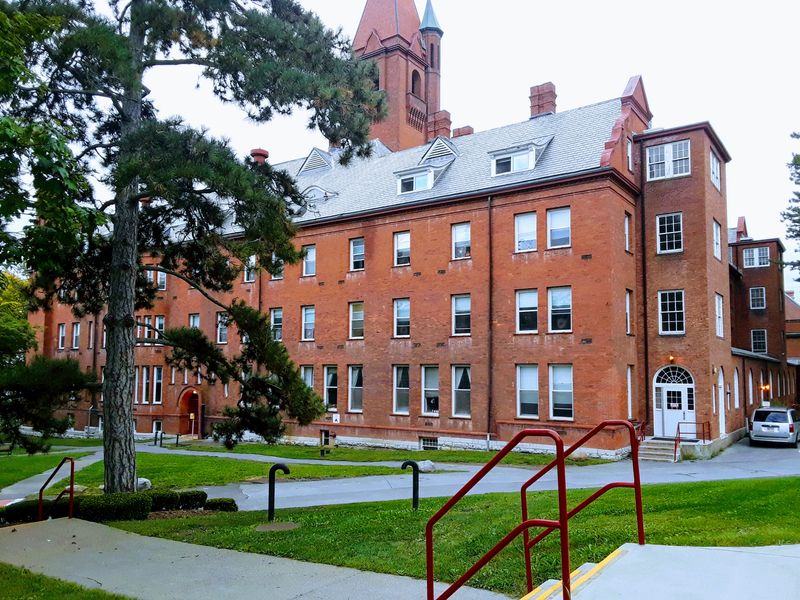
Walking the historic district in Aurora feels like reading a well-edited book. The narrative moves from early Federal grace to later nineteenth-century confidence without losing its thread.
Houses keep respectful distances, porches are generously scaled, and windows hold the fine muntins that reward patient eyes. You will find yourself slowing at cornices just to admire their restraint.
The designation on the National Register of Historic Places is not ceremonial here. It signals a network of choices that keep the streetscape intact and legible.
In practice, that means fewer visual intrusions and more chances to notice craftsmanship. Even the lawns participate, trimmed but not fussy, framing the architecture without stealing attention.
As you loop toward the Wells campus edge, the district’s dual identity clarifies the village’s story. Academic buildings once anchored daily rhythms, while residential streets carried family histories.
That partnership shaped a civic scale that still reads as generous. The result is a walk that feels instructive without a lecture.
A Classic Stay At The Inns Of Aurora
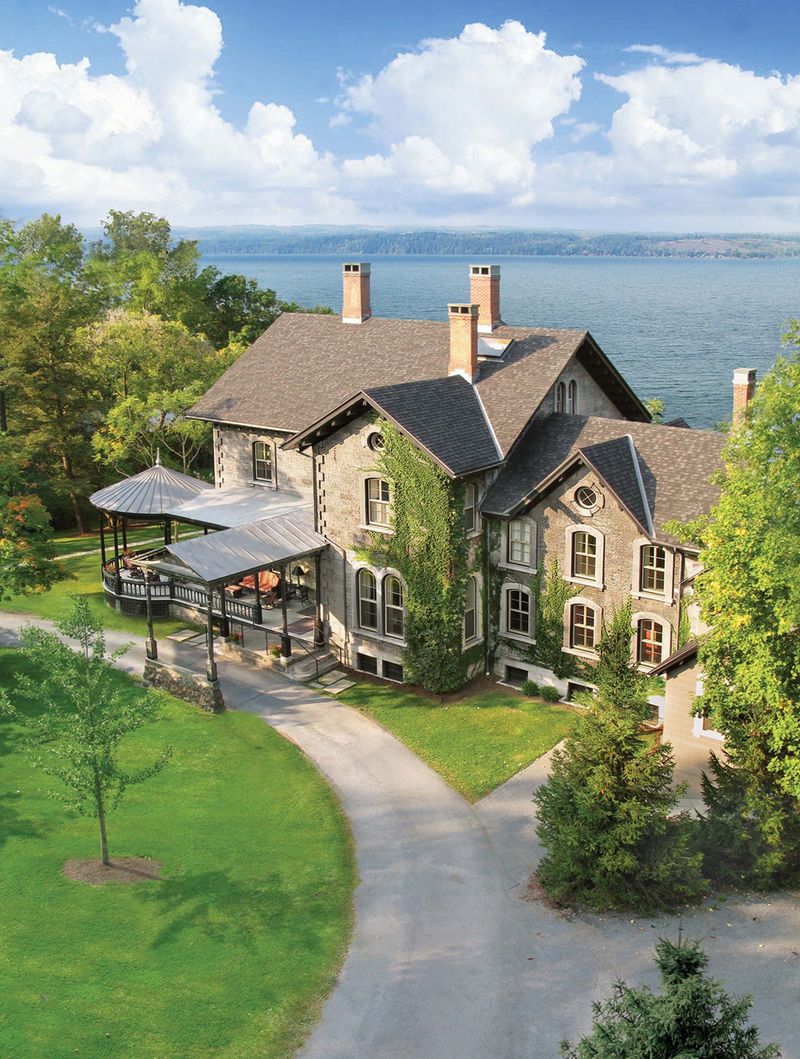
Staying in the village works best when your lodging understands the setting. The Inns of Aurora Resort & Spa at 378 Main Street, Aurora, New York 13026, blends hospitality with local rhythm.
Rooms feel composed rather than themed, and common spaces invite lingering without ceremony. You notice details like good lamplight, quiet hallways, and a porch that earns its chairs.
Breakfast becomes an unhurried routine that pairs well with the lake’s slow tempo. Staff strike that helpful balance where you feel looked after without choreography.
Amenities register as thoughtful instead of flashy, which suits a place that values continuity. You end up reading more, walking longer, and pocketing your phone more often.
From the inn, the village unfolds naturally in both directions. A quick stroll reaches the water, while another leads past historic houses and tidy gardens.
Evenings settle with a calm that seems to sharpen conversation. It is an easy base for appreciating Aurora’s measured pace.
A Thoughtful Stop For Design Lovers At MacKenzie-Childs
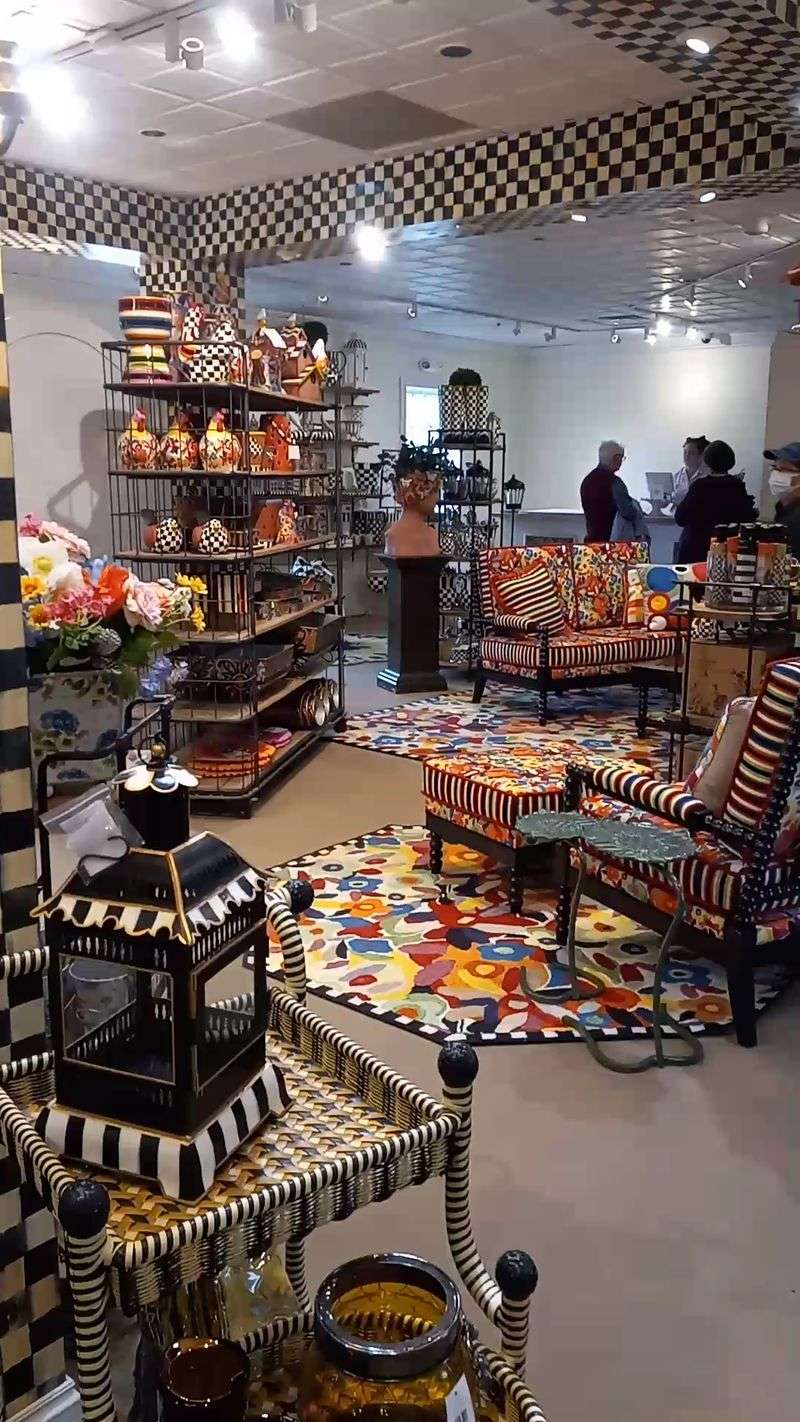
Design finds a cheerful foothold in Aurora at MacKenzie-Childs, located at 3260 State Route 90, Aurora, NY 13026. The flagship site mixes playful patterns with serious craft, making the visit feel like a studio tour with retail benefits.
You may not arrive as a ceramics enthusiast, yet the handiwork’s care is hard to ignore. Colors and checks brighten the day without overwhelming the village’s softer palette.
Browsing is the right verb here. Rooms display pieces with enough breathing room to appreciate brushwork and form.
Staff are knowledgeable without hovering, which keeps the mood relaxed. Even skeptics will admit the craftsmanship carries its own logic and charm.
After a circuit, stepping back outside resets the senses. The campus sits comfortably in open land, so the transition to lake air feels natural.
You carry away either a small piece or a sharpened eye for detail. Either way, Aurora’s design note rings true rather than loud.
A Campus Story That Deepens The Village
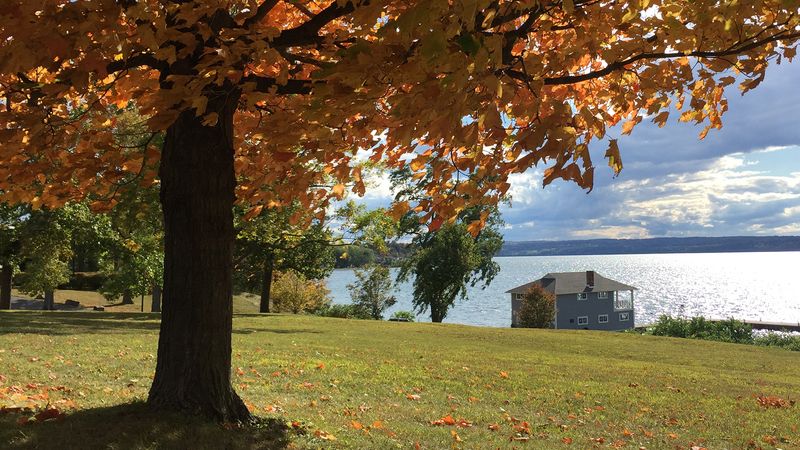
Wells College has long shaped Aurora’s texture, and its 2024 closure marks a clear turning point. Campus buildings still contribute to the historic district’s visual strength, linking scholarship to town life.
Paths drift toward Cayuga Lake, where students once folded study breaks into shoreline walks. The architecture holds steady, even as daily rhythms change.
Visiting now, you feel the weight of continuity and transition together. Empty windows become mirrors for the lake, while lawns keep their measured calm.
The college’s legacy remains present in records, alumni ties, and the district’s documented significance. Aurora absorbs the change without losing its bearings.
For a traveler, that complexity reads as honesty. Towns evolve, and Aurora has weathered eras before.
The campus adds depth rather than gloom, prompting a quieter kind of reflection. You leave with respect for places that manage change without discarding themselves.
How To Spend An Unrushed Day
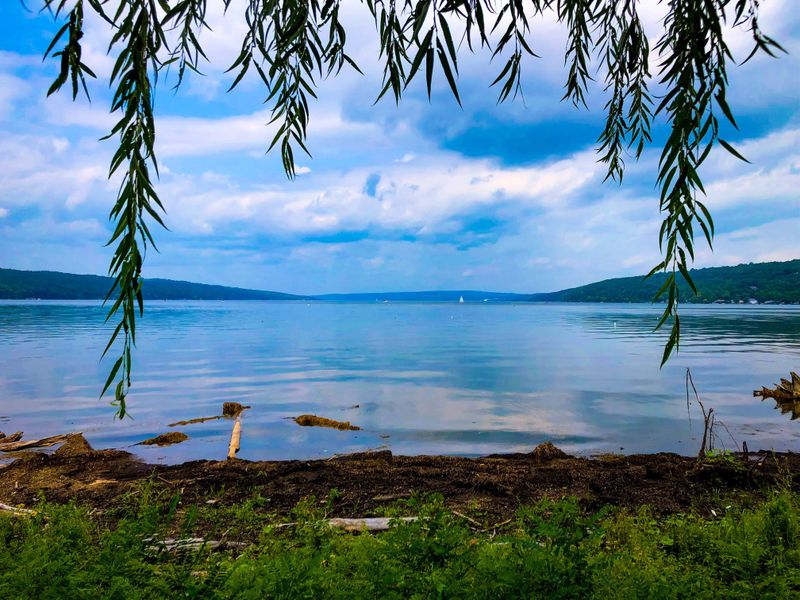
Mornings in Aurora reward early risers with calm water and generous light. Start with a shoreline stroll, then loop back through Main Street to study porches, lintels, and tidy yards.
Coffee tastes better when the street is quiet and the day refuses to race. A bench near the water gives you permission to do very little with confidence.
Midday suits a longer walk through the historic district’s varied architecture. Read the details as a timeline, noticing how styles shift while proportions stay sensible.
Step into shops with a mind for craft rather than souvenirs. Lunch feels unhurried when the setting keeps your pulse low.
Late afternoon is for the lake again, when the light rounds edges and steadies thoughts. Bring a book or a camera and let both remain optional.
Dinner in the village closes the loop without fuss. You will sleep as though the clocks were politely set back.
Why Aurora Truly Feels Timeless
Timelessness in Aurora comes from structural integrity rather than staged nostalgia. The historic district aligns research, regulation, and community care into a readable whole.
Buildings sit in proportion to streets, streets in proportion to landscape, and the lake sets a calm horizon. The result is a place that feels intact, not preserved under glass.
Smallness helps in quiet ways. Without layers of noise, details can breathe, and footsteps reclaim their natural sound.
Even cars seem to move with more patience here. You hear birds, water, and the hum that belongs to a lived-in village.
Visitors often describe the feeling as stepping back in time, but it is better understood as continuity you can sense. The village did not replace its memory with novelty, and the discipline shows.
Specificity becomes the luxury you remember later. Aurora holds that line with calm assurance.