
Why This Ohio Village Keeps Its Best-Kept Secrets Under Wraps
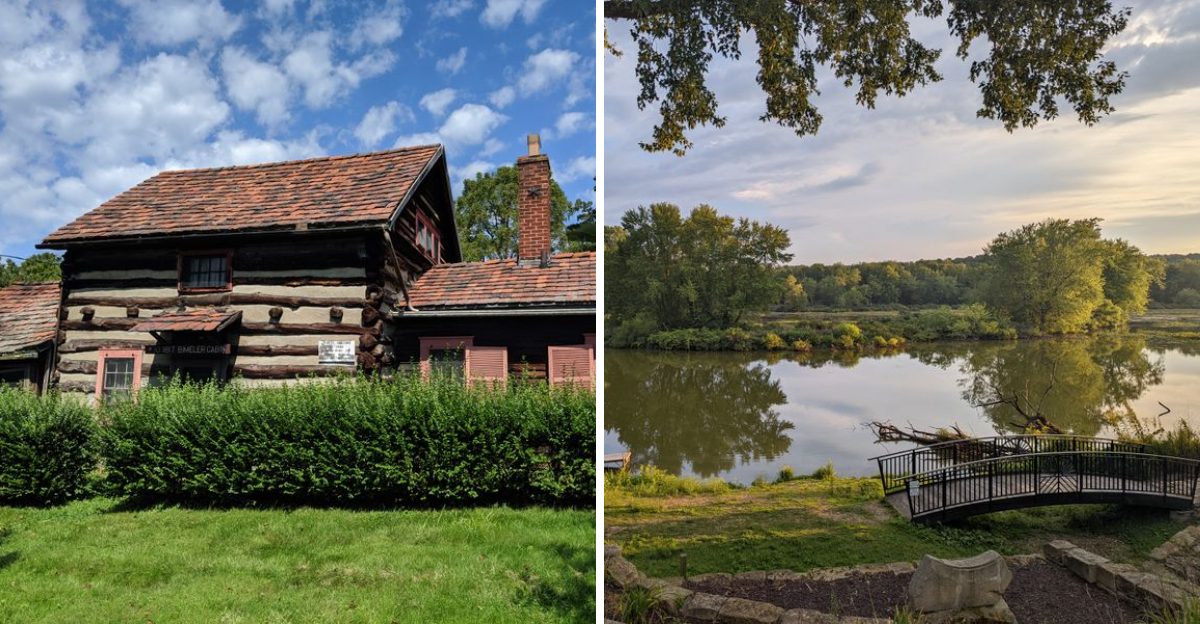
Amid the rolling hills of Tuscarawas County lies Zoar, a village where time stands still, and somehow, it’s exactly what you need. With a population of just 172 residents, this quiet corner of Ohio holds stories of utopian dreamers, canal-era prosperity, and a preservation ethic so strong that walking its streets feels like stepping into a living history book.
What makes Zoar truly remarkable isn’t just its past, but the way it guards its charm with a kind of humble pride, keeping its treasures quietly intact while the rest of the world rushes by.
A Hidden Utopian Experiment: The Founding Of Zoar
Back in 1817, a group of German Radical Pietists arrived in what would become Lawrence Township with a vision that seemed almost impossible. Fleeing religious persecution in their homeland, these settlers pooled their resources and established a communal society based on shared labor, equality, and devotion.
Their leader, Joseph Bäumeler, guided the community through decades of collective living where property was owned by all and individual gain took a backseat to the common good.
For over eighty years, Zoar thrived as a self-sufficient utopia, producing everything from textiles to furniture. The experiment officially ended in 1898 when members voted to dissolve the Society of Separatists, but the physical layout and many original structures remain.
Visitors today can trace the footsteps of those early settlers along streets that still follow the original grid.
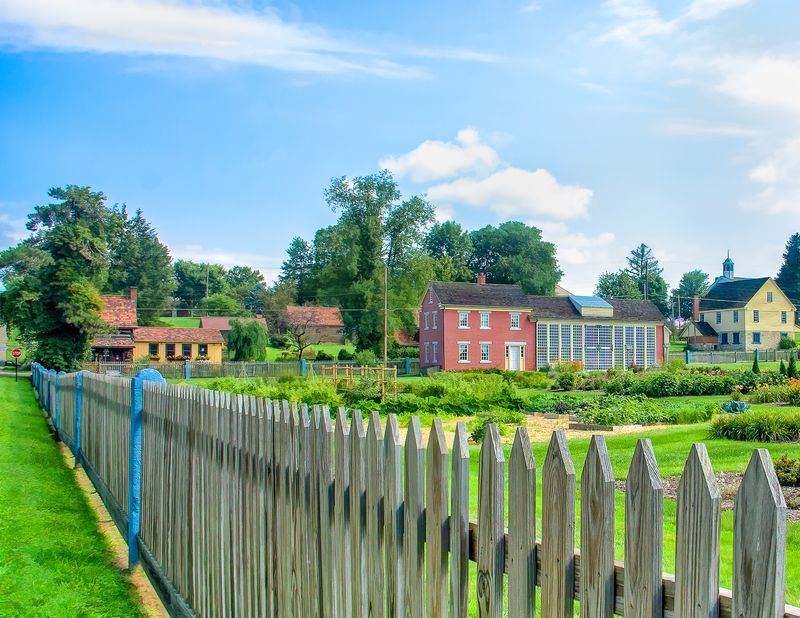
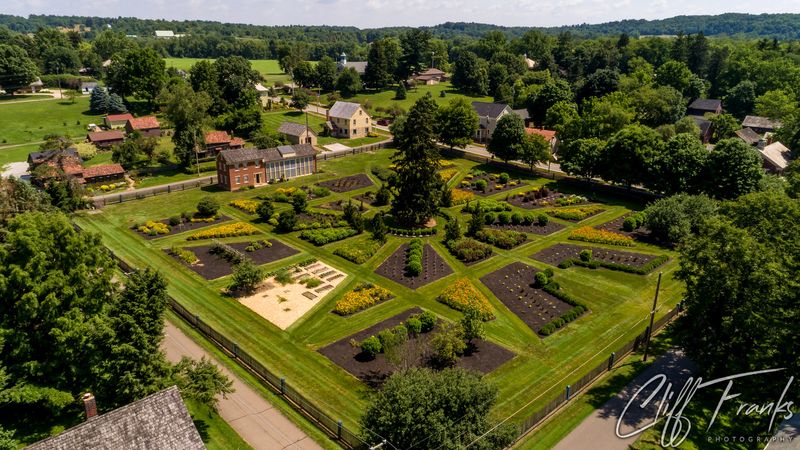
Understanding this foundation helps explain why Zoar feels different from other small towns. The architecture, the communal garden at the village center, and even the spacing between buildings all reflect that utopian blueprint, quietly preserved and rarely advertised beyond those who seek it out.
The Secrets Of Zoar’s Historic Buildings
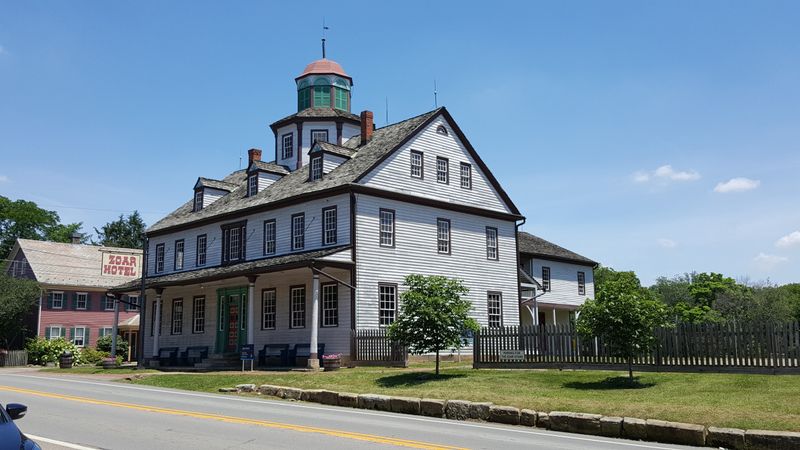
Zoar’s architectural landscape reads like a textbook on early American communal design, yet few people outside the region know these structures exist. Nearly two dozen buildings from the original settlement still stand, each one constructed with the practical elegance that defined the Separatist philosophy.
The Number One House, once home to Joseph Bäumeler himself, anchors the village with its sturdy brick construction and unassuming dignity.
Wander past the Tin Shop, the Bakery, or the Magazine Building, and you’ll notice how each structure served a specific communal purpose. No building was ornamental; every door, window, and beam had a reason.
The craftsmanship reflects both German building traditions and the resourcefulness required to survive in frontier Ohio.
What makes these buildings true secrets is their quiet accessibility. There are no flashy signs or tourist traps—just carefully maintained landmarks open to those curious enough to explore.
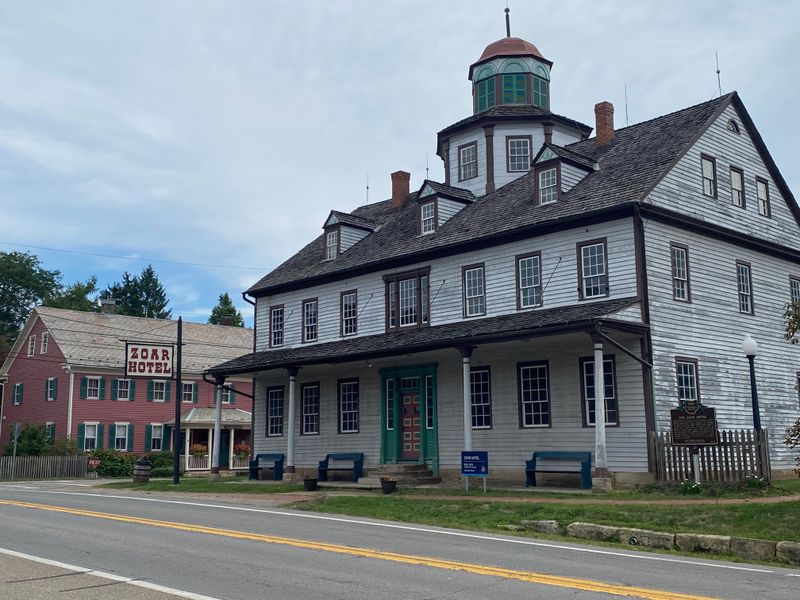
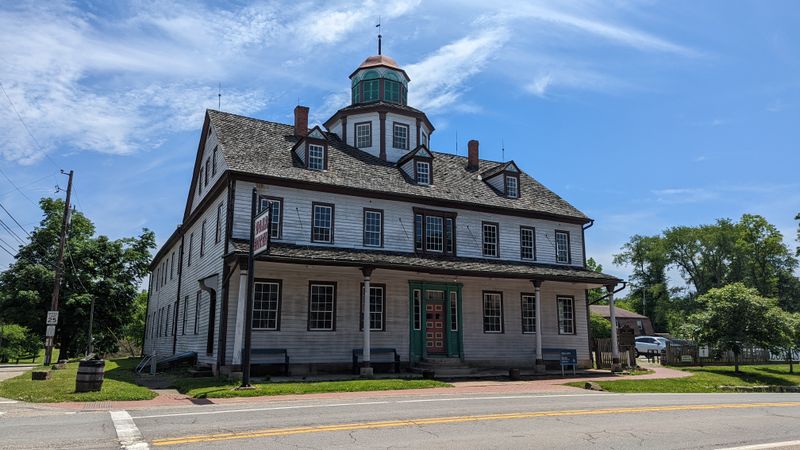
The Zoar Tavern, dating to 1831, still welcomes visitors, offering a tangible connection to travelers who once stopped along the canal route centuries ago.
Why Zoar’s Quaint Atmosphere Still Captivates Locals
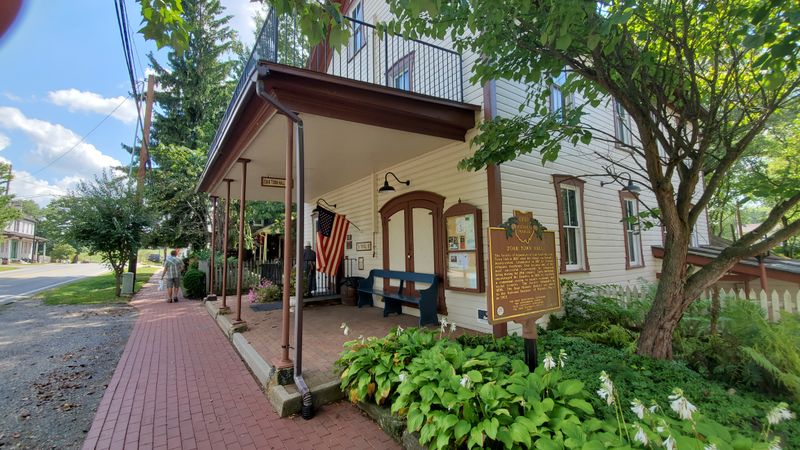
Residents of Zoar and the surrounding townships speak about their village with a kind of protective fondness. There’s an unspoken understanding that keeping Zoar small and unspoiled is part of its appeal.
The absence of chain stores, the lack of aggressive tourism marketing, and the emphasis on quiet preservation all contribute to an atmosphere that feels increasingly rare in modern America.
Locals take pride in the village’s ability to resist change without becoming stagnant. Seasonal events draw familiar faces year after year, and newcomers are welcomed but expected to respect the rhythm of a place where history isn’t just remembered—it’s lived.
The sense of community here echoes the original Separatist ideals, though in a more individualized, contemporary way.
Walking through Zoar on an autumn afternoon, you might pass a resident tending a garden plot in the communal layout or chatting on a front porch that hasn’t changed much in a century. That continuity, that refusal to reinvent itself for the sake of novelty, is what keeps people coming back and what makes locals fiercely loyal to this unassuming village.
Zoar Village’s Role In Ohio’s Canal Era
When the Ohio and Erie Canal was completed in the 1830s, Zoar found itself positioned along one of the most important transportation routes in the young nation. The Separatists, ever practical, saw opportunity in the waterway and contracted to help build a seven-mile section of the canal.
This work brought much-needed income to the community and connected Zoar to markets far beyond Ohio’s borders.
Canal boats carried goods produced in Zoar—flour, beer, textiles, and more—to Cleveland and beyond, turning the village into a modest but significant economic player. The Zoar Tavern served travelers and boatmen, becoming a social hub where news and commerce mixed.
The canal’s influence shaped the village’s prosperity for decades.
Today, remnants of that canal era remain visible in the landscape around Zoar. Interpretive trails and preserved sections of the towpath invite exploration, though you won’t find them heavily promoted.
For those who know where to look, the connection between Zoar’s communal success and Ohio’s canal system offers a fascinating glimpse into how infrastructure shaped small-town life in the 19th century.
Zoar’s Rich Craftsmanship And Artisan Heritage
Craftsmanship wasn’t just a trade in Zoar—it was a form of devotion. The Separatists believed that quality work honored both community and faith, and that philosophy permeated every item produced in the village.
From hand-woven textiles to intricately crafted furniture, Zoar’s artisans developed a reputation for excellence that extended well beyond their small settlement.
The village blacksmith, tinsmith, and carpenter shops functioned as centers of innovation and skill. Tools, household goods, and even decorative items bore the mark of careful, deliberate creation.
Many of these pieces survive in museums and private collections, serving as tangible proof of a culture that valued substance over speed.
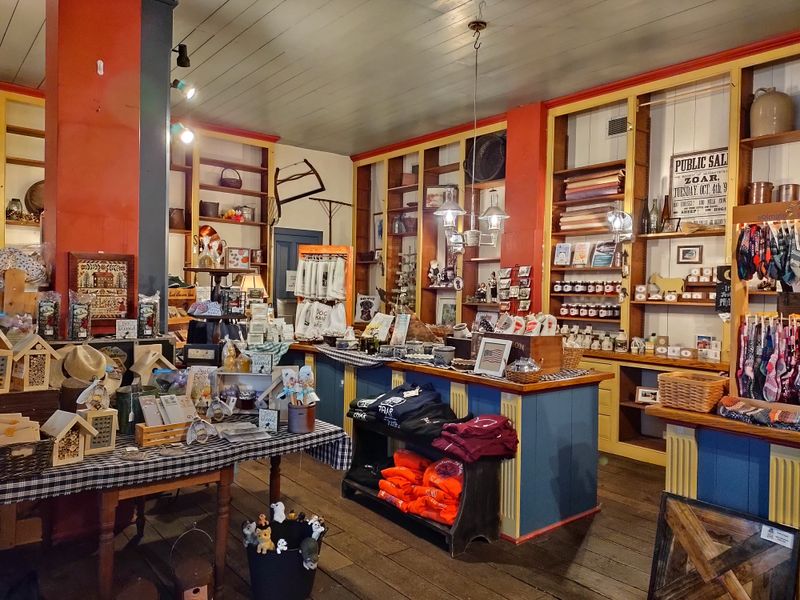
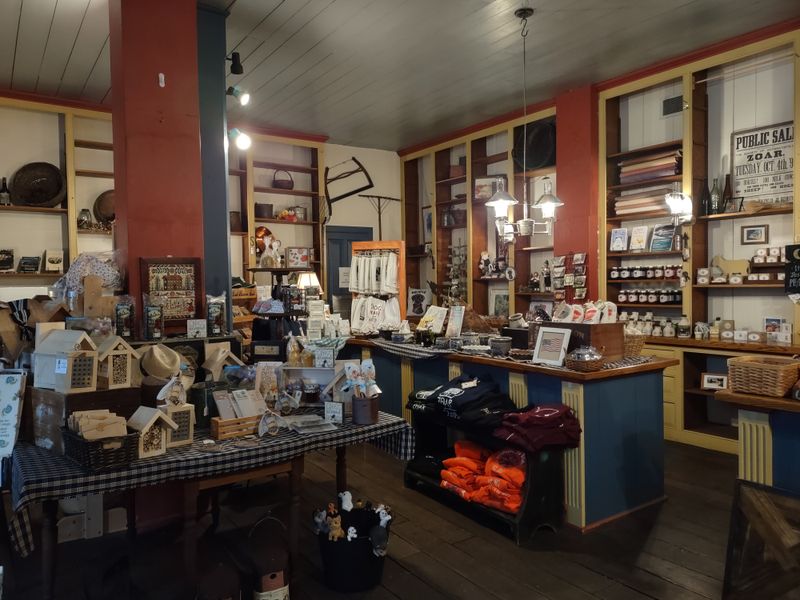
Today, Zoar’s artisan heritage continues in quieter forms. Local craftspeople and small workshops still operate in and around the village, drawing inspiration from that original ethos.
Visitors who take the time to explore beyond the main street often discover handmade goods that echo the quality and care of Zoar’s earliest makers, keeping a tradition alive without fanfare or commercialization.
The Ghostly Lore Surrounding Zoar: A Hidden Haunted History
Every old village has its ghost stories, but Zoar’s spectral tales are shared quietly, almost reluctantly, among those who know the history well. The Number One House, with its thick walls and centuries of memories, is rumored to be home to more than just artifacts.
Some visitors report unexplained footsteps in empty hallways or the faint scent of baked bread lingering in rooms long closed to cooking.
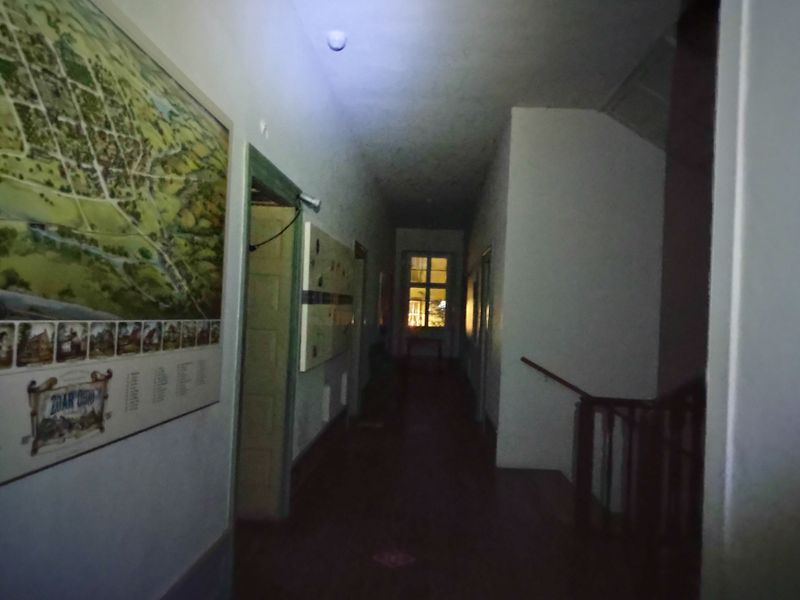
The Zoar Hotel, another historic structure, carries its own eerie reputation. Staff and guests over the years have mentioned fleeting shadows, doors that open on their own, and the occasional sensation of being watched.
These accounts aren’t advertised or exploited; they’re simply part of the village’s layered past, acknowledged by locals with a shrug and a knowing smile.
Whether you believe in such phenomena or not, the atmosphere in Zoar lends itself to contemplation of what lingers when a community’s collective energy spans two centuries. The ghostly lore adds another dimension to the village’s secrecy—a reminder that some stories are felt rather than told, preserved in the quiet corners of old buildings.
Why Zoar’s Cultural Festivals Are Local Favorites
Several times a year, Zoar comes alive with festivals that celebrate its heritage without losing sight of authenticity. The annual Harvest Festival in August draws crowds who return year after year, not for spectacle but for the genuine connection to tradition.
Demonstrations of historic crafts, traditional music, and food prepared using old recipes offer a window into daily life as the Separatists knew it.
Christmas in Zoar transforms the village into a scene from a bygone era, with candlelit buildings, seasonal decorations reflecting 19th-century customs, and storytelling that honors the community’s German roots. These events are organized by locals who prioritize accuracy and atmosphere over commercial appeal, creating experiences that feel intimate and purposeful.
What makes these festivals true local favorites is their scale and intent. They’re not designed to attract massive tourism but to preserve and share Zoar’s culture with those who appreciate it.
Attendees often describe a feeling of stepping outside modern life for a few hours, a temporary escape made possible by the village’s commitment to keeping its traditions alive and accessible.
Zoar’s Preservation Efforts: Keeping The Past Alive
Preservation in Zoar isn’t a passive act—it’s an ongoing commitment that requires funding, expertise, and community buy-in. The Ohio History Connection, along with local organizations, works tirelessly to maintain the structural integrity of historic buildings while keeping them accessible to the public.
This balancing act between preservation and accessibility defines much of the village’s approach to its heritage.
Restoration projects are undertaken with meticulous attention to historical accuracy. When repairs are needed, craftsmen use period-appropriate materials and techniques, ensuring that modern interventions remain invisible.
This dedication extends to landscape preservation as well, with the communal garden maintained according to its original 1830s design.
Funding for these efforts comes from a mix of state support, grants, and visitor donations, but resources are always limited. The result is a preservation philosophy that prioritizes what matters most: authenticity, education, and continuity.
Zoar’s success in keeping its past alive lies not in flashy restorations but in the quiet, persistent work of people who understand that some places are worth protecting exactly as they are.
The Peaceful Escape: Why Zoar Remains A Hidden Gem
In an era when travel influencers swarm every picturesque location, Zoar has somehow managed to stay under the radar. Its designation as a National Historic Landmark hasn’t turned it into a tourist trap, largely because the village itself resists that transformation.
There are no gift shop chains, no manufactured attractions—just a place that invites you to slow down and observe.
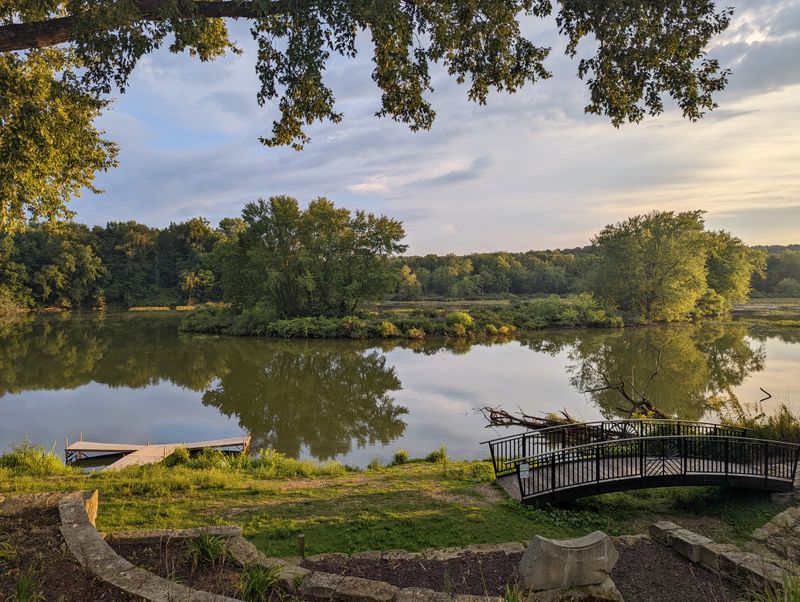
The peace you find in Zoar is tangible. Streets remain quiet except for the occasional car or the sound of birdsong.
The pace of life here encourages walking, sitting, and noticing details that would be lost in a busier setting. For visitors seeking respite from overstimulation, Zoar offers something increasingly precious: genuine tranquility without pretense.
This hidden gem status is both intentional and fragile. Locals understand that promoting Zoar too aggressively could destroy what makes it special.
So the village remains a secret shared among those who value history, simplicity, and the rare pleasure of discovering a place that hasn’t been curated for Instagram but exists simply as itself, rooted in its own remarkable story.
Zoar’s Historic Homes: A Walk Through Time
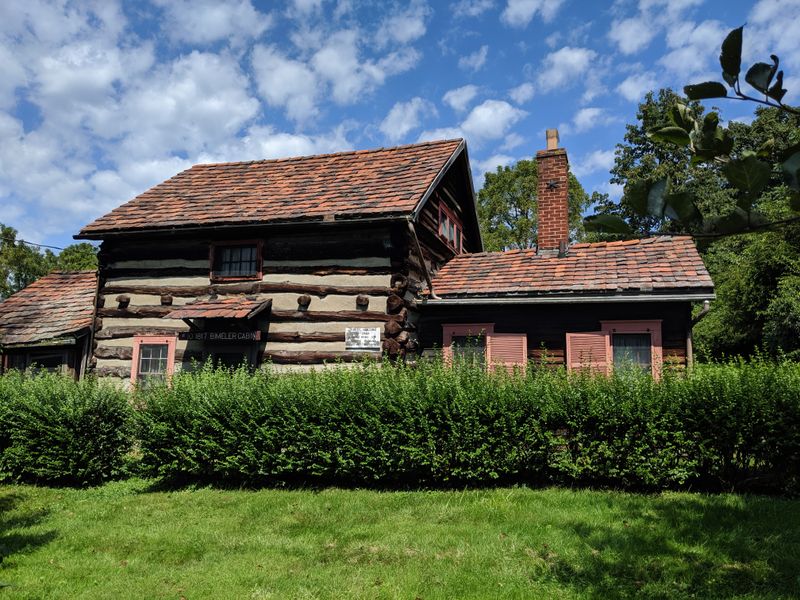
Residential architecture in Zoar tells the story of communal living translated into brick and wood. The homes built by the Separatists were functional, modest, and remarkably uniform, reflecting the egalitarian principles that governed the society.
Walking through the village today, you can still identify these original dwellings by their proportions, materials, and placement along the grid.
Each home served not just a family but the community at large. Shared walls, common courtyards, and proximity to workshops and communal spaces created a physical environment that reinforced social bonds.
The architecture wasn’t designed to showcase individual wealth but to support collective well-being, a philosophy that remains visible in every roofline and doorway.
Some of these historic homes are now privately owned, carefully maintained by residents who understand their stewardship role. Others are part of the historic site, open for tours that reveal interior layouts, period furnishings, and the daily rhythms of Separatist life.
Walking among these structures feels less like sightseeing and more like time travel, a sensation heightened by the village’s commitment to keeping modern intrusions minimal and respectful.
How Zoar’s Secretive Past Keeps Tourists Coming Back
Repeat visitors to Zoar often describe the village as a place that reveals itself slowly. On a first visit, you might notice the historic buildings and enjoy the quiet streets.
On a second or third visit, deeper layers emerge: the significance of the communal garden’s design, the stories embedded in specific structures, the subtle ways the landscape reflects utopian ideals. This gradual unfolding creates a relationship between visitor and place that feels personal and earned.
Zoar’s secretive nature isn’t about withholding information—it’s about refusing to simplify or sensationalize its story. There’s no single narrative imposed on every visitor, no scripted experience that reduces centuries of history to soundbites.
Instead, the village invites curiosity and rewards those who take the time to explore, read, ask questions, and return.
This approach has cultivated a loyal following of history enthusiasts, architecture buffs, and travelers seeking authenticity. They come back not because Zoar changes or adds new attractions, but because it remains consistent, quietly confident in the value of its own story, a rare quality in a world obsessed with novelty and reinvention.