
9 Minnesota Seasonal Menu Hacks You’ll Wish You Knew Sooner
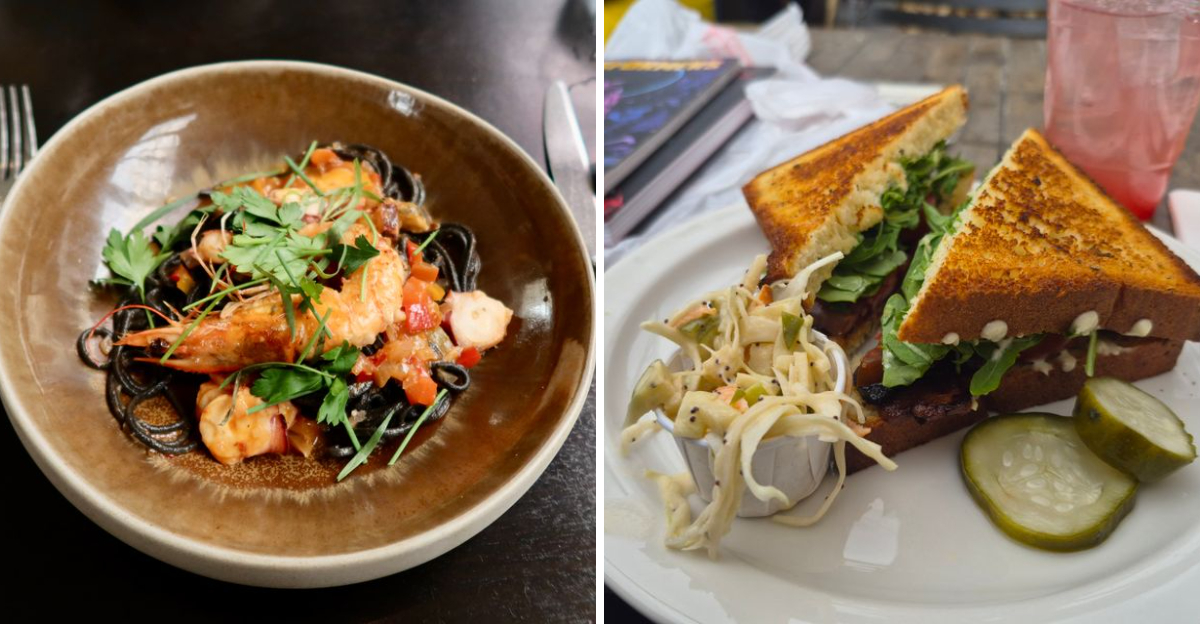
Minnesota’s restaurant scene pulses with seasonal energy, and if you know when and how to order, you unlock flavors most diners never taste. I’ve spent years chasing the freshest menus across the Twin Cities and beyond, learning little tricks that turn a good meal into something unforgettable.
These hacks aren’t secret, they’re just smart, and once you start using them, every seasonal menu becomes an adventure worth taking.
1. Ask The Server: “What’s Most Seasonal Right Now?”
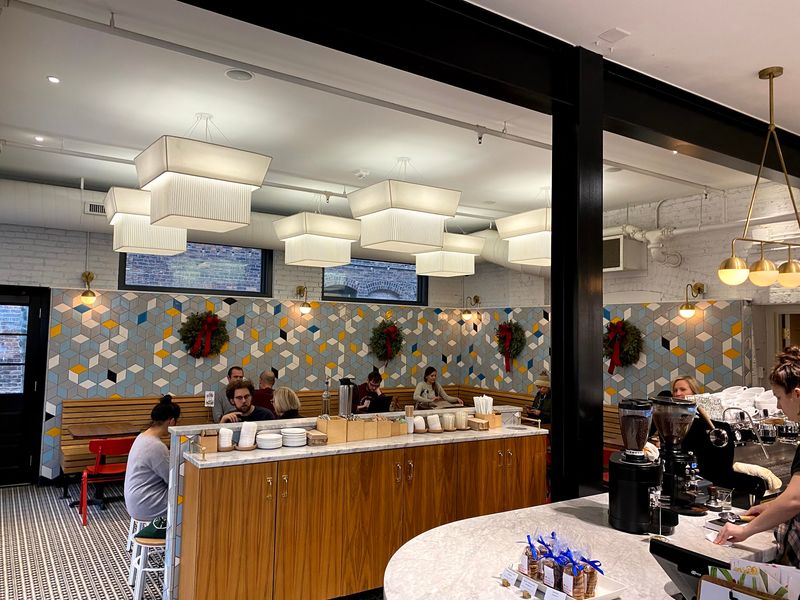
Servers know things. They taste the specials, hear the chef talk about what just came in, and see which dishes are flying out of the kitchen.
When I ask this simple question, I almost always get steered toward something I wouldn’t have ordered otherwise—and it’s usually the best thing on the table.
At The Bachelor Farmer, located at 50 N 2nd Ave in Minneapolis, asking this question has led me to dishes featuring foraged ramps in spring or heirloom squash in fall that weren’t even highlighted on the menu. It’s a way of signaling that you care about freshness and quality, and good servers respond to that.
Don’t just scan the menu and guess. Let the people who work there guide you.
They know what arrived that morning, what the chef is proudest of, and what’s about to sell out. This one question transforms your meal from predictable to memorable, and it takes zero effort.
2. Go During The First 7–10 Days Of A Seasonal Menu Drop
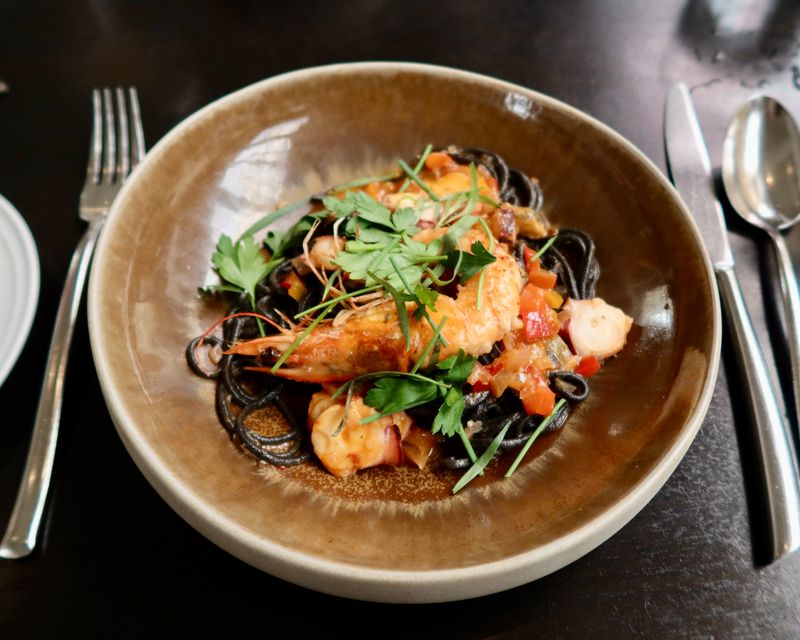
Timing is everything when a restaurant rolls out its new seasonal menu. Chefs are at their most excited, ingredients are at peak freshness, and the kitchen team is laser-focused on nailing every dish.
I’ve noticed that during this opening window, portions tend to be more generous, presentations more careful, and the overall energy just feels different.
At places like Spoon and Stable at 211 N 1st St in Minneapolis, catching the fall or spring menu launch means you’re tasting dishes exactly as the chef envisioned them. The produce hasn’t been sitting around, and nothing’s been tweaked or simplified yet.
You’re getting the debut performance, not the tour.
Plus, staff are trained and briefed on every new item, so they can answer questions with real enthusiasm. If you want the full seasonal experience, don’t wait—go early.
The difference between day three and day thirty is bigger than you’d think, and those first few days set the tone for everything that follows.
3. Order The “Market” Or “Chef’s Choice” Item
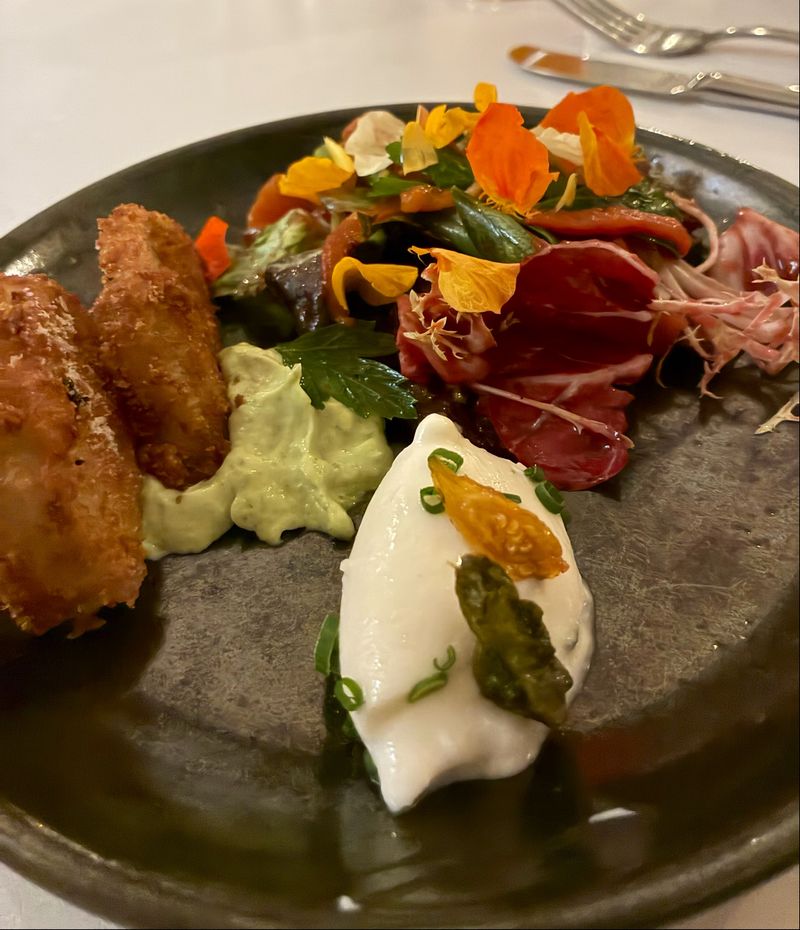
Whenever you see “market fish,” “chef’s vegetable,” or “seasonal selection” on a menu, that’s code for “we got something amazing and we’re building around it.” Chefs don’t put these items on the menu unless they’re confident in what they’re working with. I order these blindly now, and I’m rarely disappointed.
At places like Tenant at 700 Hennepin Ave in Minneapolis, the market fish changes based on what’s freshest, and it’s often prepared in ways that showcase the ingredient rather than hide it. You might get walleye one week and trout the next, but either way, it’s going to be handled with care.
These dishes also give the kitchen creative freedom, which means you’re tasting something closer to the chef’s true style. It’s less about following a recipe and more about responding to what’s available.
If you want to eat seasonally without overthinking it, this is your shortcut.
4. Choose Tasting/Omakase When You Can
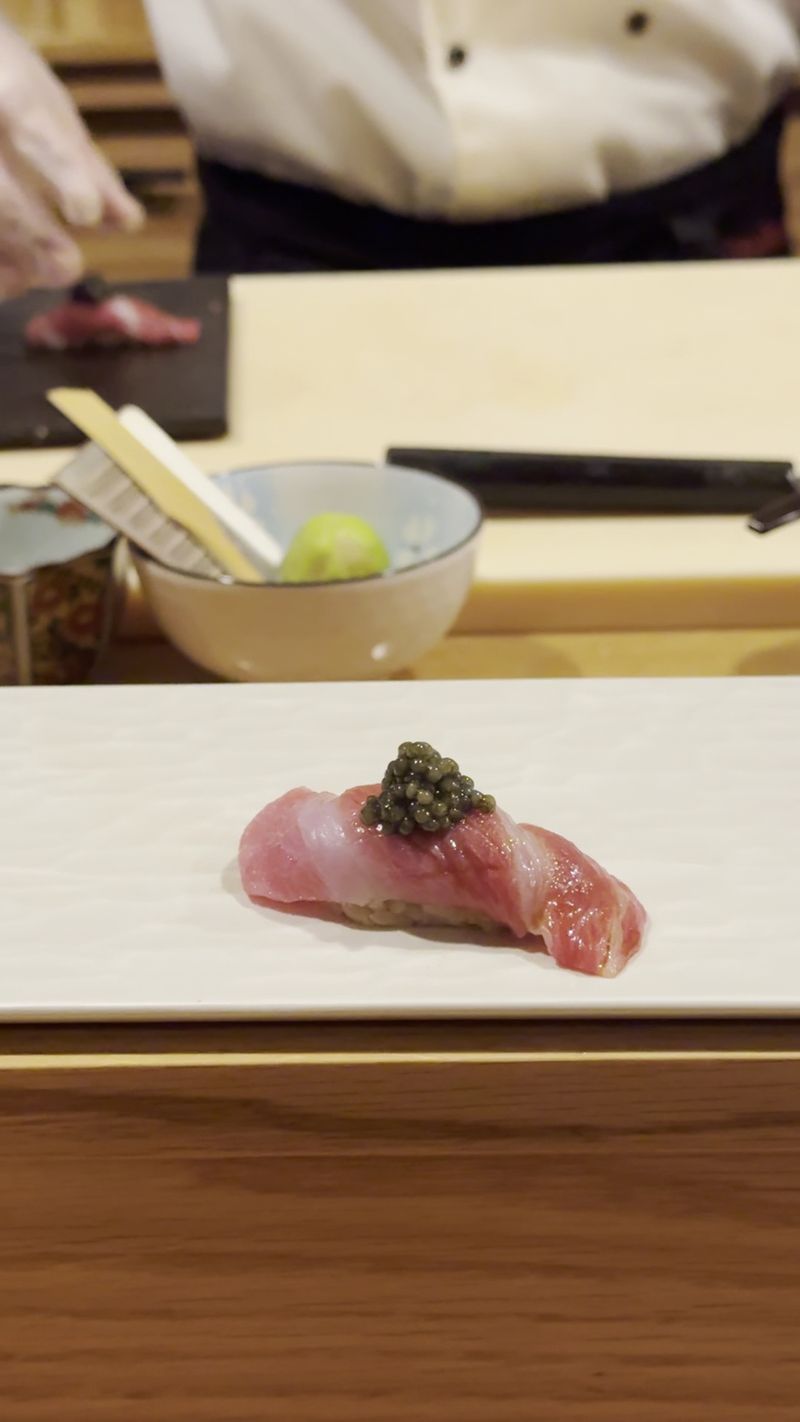
Tasting menus and omakase experiences are where chefs really flex. You’re not ordering—you’re trusting, and in return, you get a curated journey through whatever’s best that day.
I’ve had some of my most surprising meals this way, especially when the menu shifts with the seasons.
At Demi in Minneapolis, located at 212 N 1st St, the tasting menu changes frequently to reflect what’s in season, and each course feels intentional. You’re not just eating—you’re being told a story through food.
Spring might bring peas and morels, while fall leans into root vegetables and game.
This format also removes the pressure of choosing. You show up, you eat, and you let the chef do what they do best.
It’s especially smart during seasonal transitions when the menu is at its most dynamic. If you want the ultimate seasonal experience, this is it.
5. Check The Menu The Same Day You Go
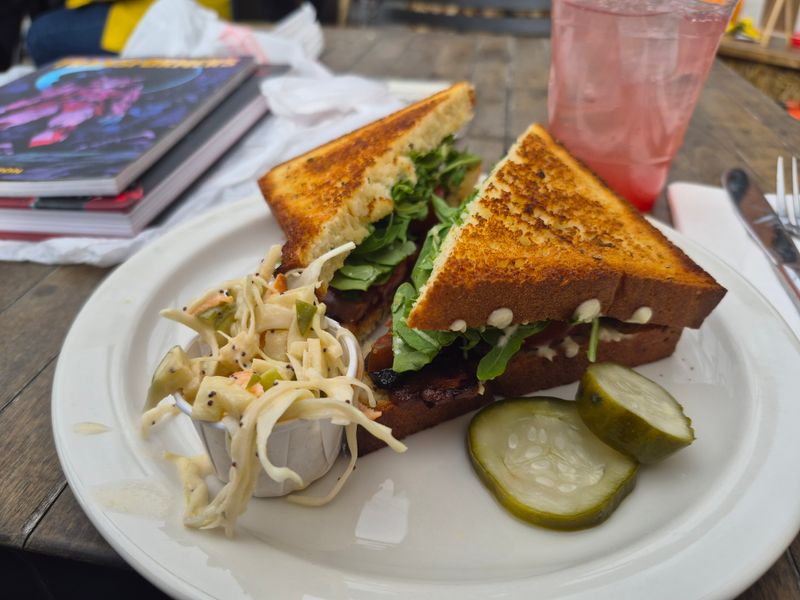
Menus change. Not just seasonally, but sometimes daily, especially at places that prioritize local sourcing.
I’ve shown up expecting one dish only to find it’s been swapped out because something better came in. Checking the menu online the same day—or even calling—saves disappointment and builds anticipation.
Restaurants like Alma at 528 University Ave SE in Minneapolis update their offerings based on what’s available, and their online menu reflects that. What you see on Monday might not be there on Friday.
If you’re planning around a specific dish, a quick check ensures it’s still on.
This habit also clues you in to limited-time specials or surprise additions. Sometimes chefs test new ideas mid-season, and those dishes only stick around for a week or two.
Staying current with the menu means you’re always eating the freshest, most interesting version of what the restaurant has to offer.
6. Follow The Restaurant’s Instagram Stories
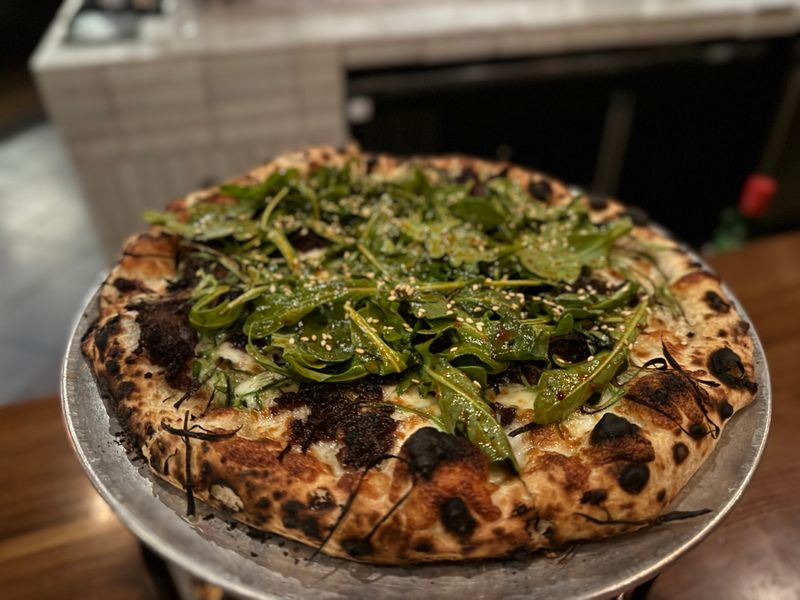
Instagram stories are where chefs and restaurant managers drop hints about what’s coming, what’s selling out, and what just arrived. I follow every spot I care about, and I’ve scored reservations, learned about pop-ups, and discovered secret menu items just by paying attention.
At places like Young Joni, located at 165 13th Ave NE in Minneapolis, their stories often feature behind-the-scenes looks at seasonal prep—like tomatoes being roasted for a summer special or squash being broken down for fall. It’s a window into the kitchen that the printed menu doesn’t give you.
Stories also alert you to one-night-only dishes or ingredient arrivals that won’t make it to the regular menu. If you want to eat like an insider, this is the easiest way.
Set your notifications, scroll through in the morning, and you’ll know exactly what’s worth ordering before you even sit down.
7. Go Early For Limited-Run Items
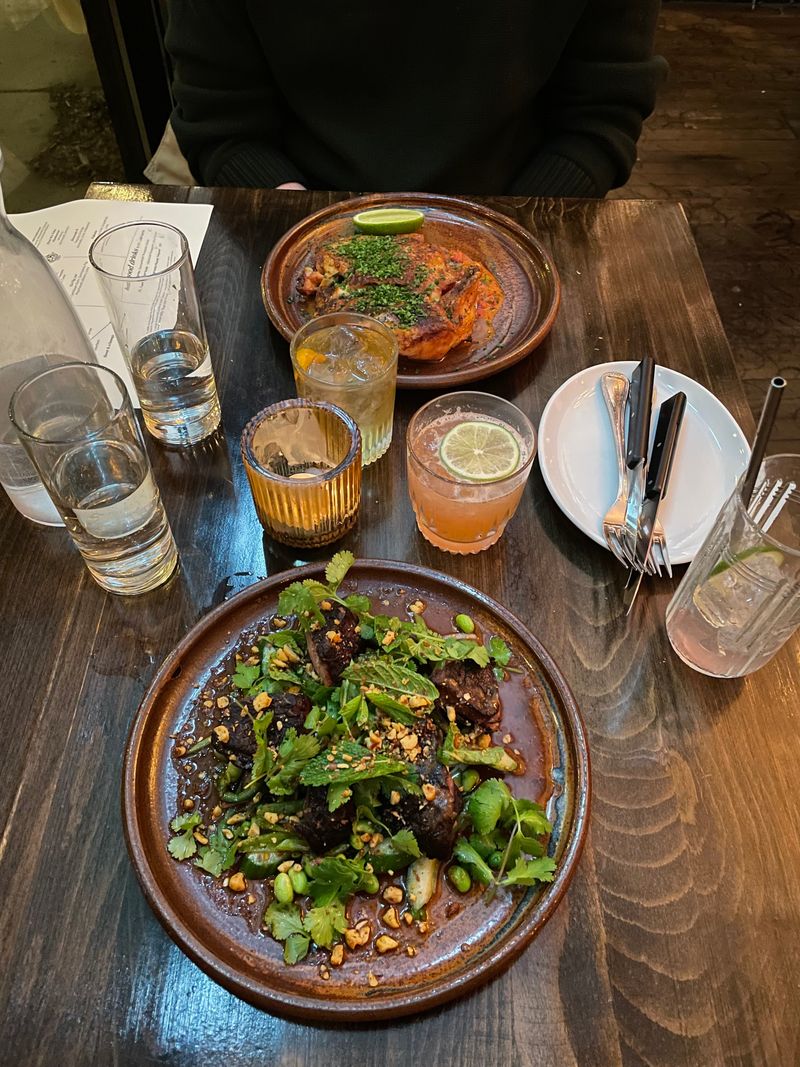
Some dishes don’t last. Whether it’s a foraged ingredient, a small-batch collaboration, or a chef’s experiment, limited-run items disappear fast.
I’ve learned to go early in the week and early in the evening if I really want to try something rare.
At Petite León, located at 800 N Washington Ave in Minneapolis, seasonal specials often sell out by Thursday or Friday because word spreads quickly. If you wait until the weekend, you might miss out entirely.
Early diners get first pick, and that’s especially important during peak harvest seasons.
Chefs can only work with what they have, and when an ingredient runs out, it’s gone until next year. If you see something unusual or exciting on the menu, don’t hesitate.
Go early, order it first, and enjoy knowing you caught it while it lasted. Timing isn’t just smart—it’s essential.
8. Use The “Side Swap” Trick
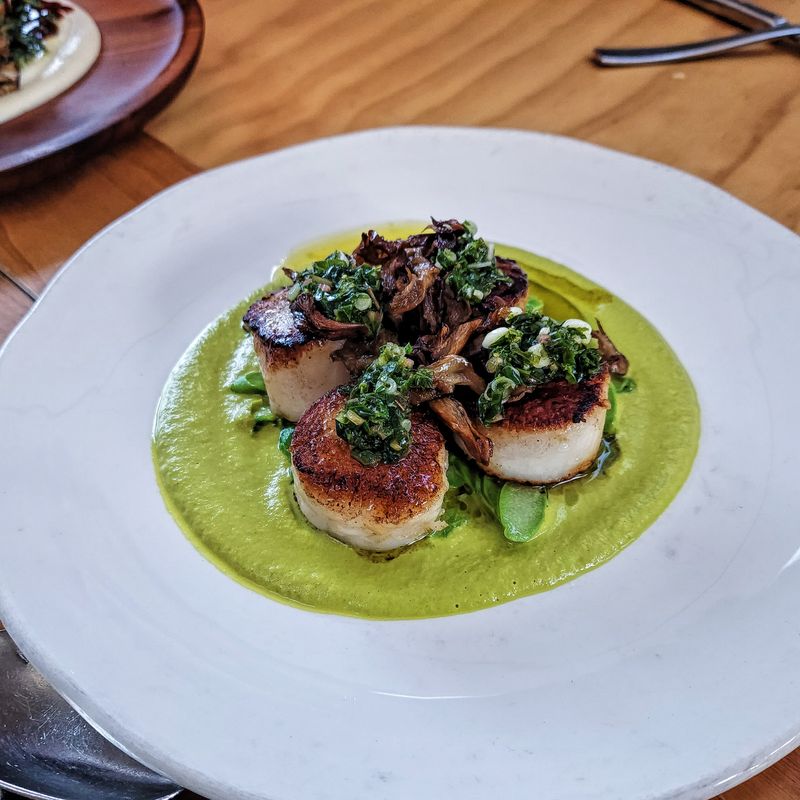
Most restaurants will swap out a standard side for a seasonal one if you just ask. I do this all the time, and it’s a simple way to make any dish feel more current and interesting.
Instead of fries or rice, you might get roasted Brussels sprouts, heirloom carrots, or whatever the kitchen is excited about that week.
At places like Martina at 5421 Penn Ave S in Minneapolis, the seasonal vegetables are often more interesting than the mains, and swapping them in upgrades your entire plate. The kitchen is already prepping these ingredients, so it’s not a big ask—it’s just a smart one.
This trick works especially well during transitions between seasons when the sides menu might lag behind the specials. Don’t settle for the default.
Ask what’s seasonal, and swap it in. You’ll eat better, and you’ll signal to the kitchen that you’re paying attention.
9. Ask For “Off-Menu But In-Season” Options
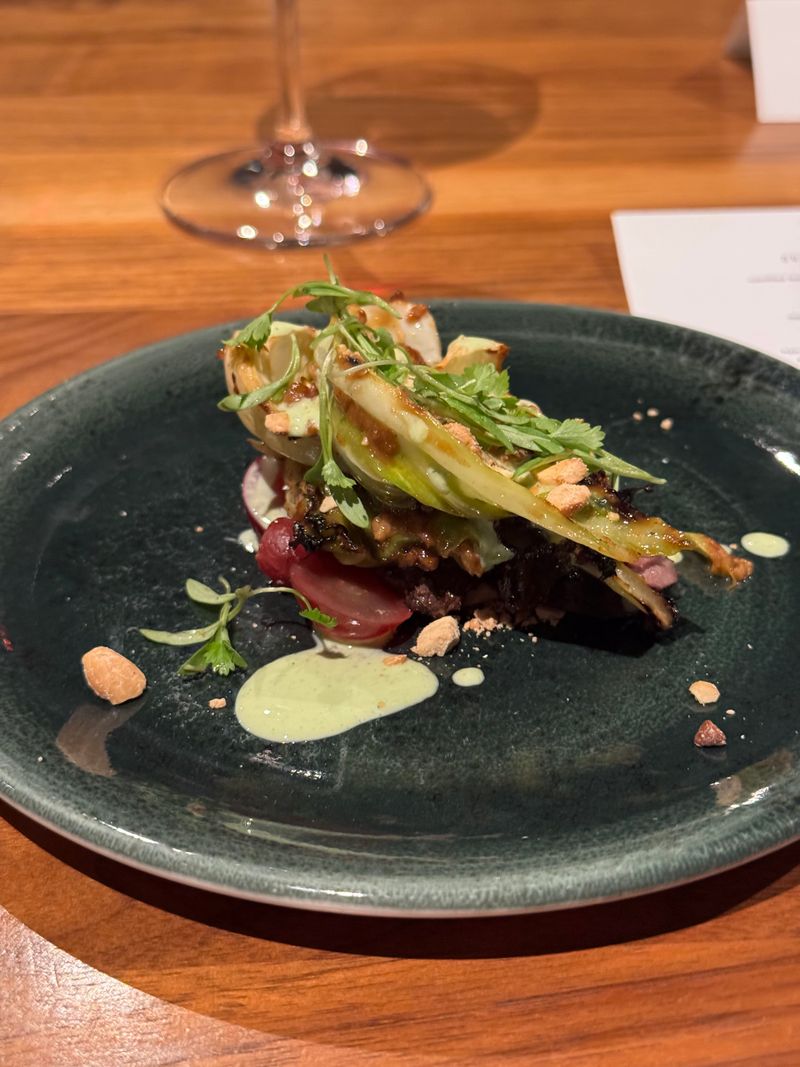
Chefs love it when diners ask this. It shows you trust them, and it gives them a chance to use ingredients that might not have made it onto the printed menu.
I’ve had some of my best meals this way—dishes that were spontaneous, creative, and tailored to what was available that day.
At Travail Kitchen and Amusements, located at 4124 W Broadway Ave in Robbinsdale, the chefs thrive on improvisation, and asking for something off-menu often results in a dish that feels personal and unexpected. You’re giving them permission to play, and they’ll reward that trust with something memorable.
This approach works best at chef-driven spots where the team is confident and creative. It’s not about being difficult—it’s about opening the door to possibility.
If the answer is no, you haven’t lost anything. But when the answer is yes, you’ve unlocked a meal nobody else is getting.