
South Carolina’s Hidden Animal Sanctuary Where You Can Meet Incredible Animals
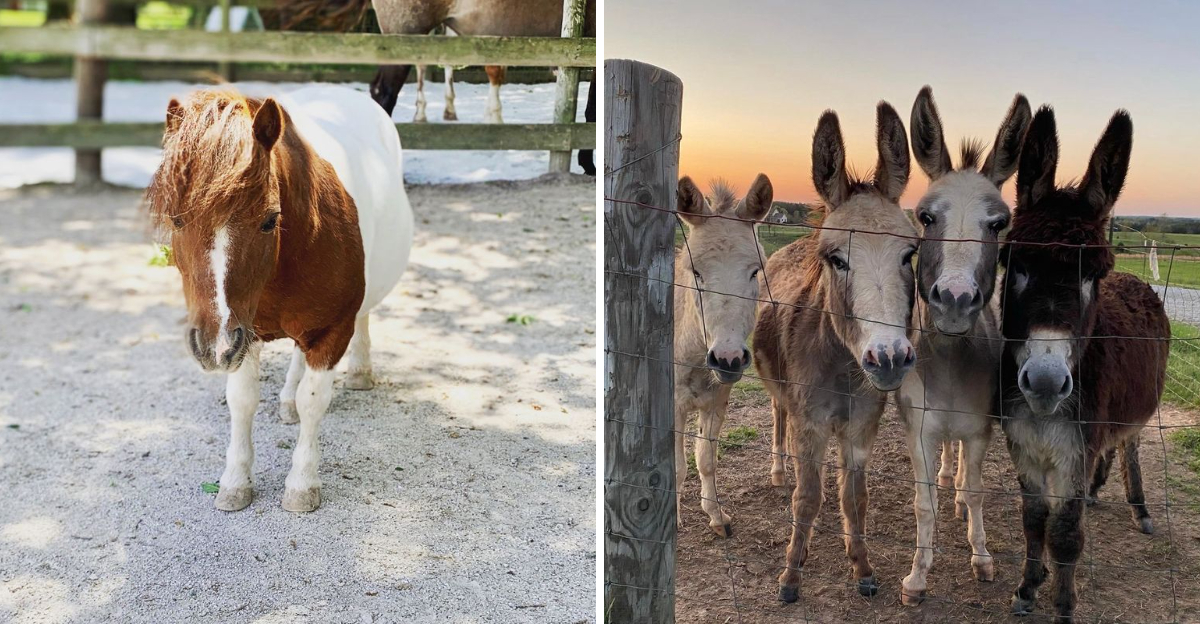
Tucked away in the rolling countryside of Hodges, South Carolina, Frog Song Farm Sanctuary offers visitors a rare chance to connect with animals who have found refuge after difficult beginnings. Kay and Richard have transformed their property at 725 Andrews Chapel Road into a haven where pigs, goats, horses, and other rescued creatures live out their days in peace.
The sanctuary welcomes those who seek meaningful encounters with animals that have been given a second chance at life. Whether you are drawn to their daily stories shared online or curious about the work behind animal rescue, this hidden gem provides an experience that stays with you long after you leave.
Frog Song Farm: Rescued Animals Finding Forever Homes
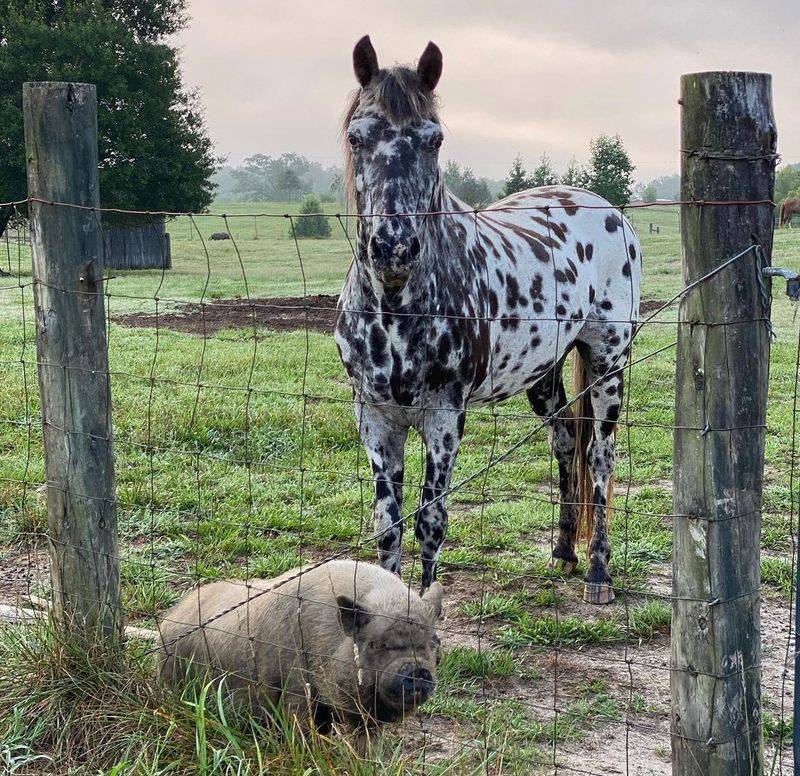
Kay and Richard opened their hearts and land to animals who had nowhere else to turn, creating a sanctuary where second chances are the foundation of every day. The property spans enough acreage to allow each resident space to roam, graze, and simply exist without fear.
Animals arrive from situations of abuse, neglect, or owners who could no longer provide care, and they remain at Frog Song for the rest of their natural lives.
No animal is turned away if the sanctuary has the resources to support them. The founders have built barns, shelters, and pastures designed to meet the specific needs of each species.
Their commitment extends beyond basic care to include veterinary attention, behavioral enrichment, and companionship.
Visitors often remark that the animals here seem to understand they are safe. The atmosphere reflects a philosophy of respect rather than entertainment, where the well-being of the residents comes first.
This approach has earned Frog Song a reputation as one of South Carolina’s most genuine sanctuaries.
Meet The Animals: Pigs, Goats, And More At Frog Song
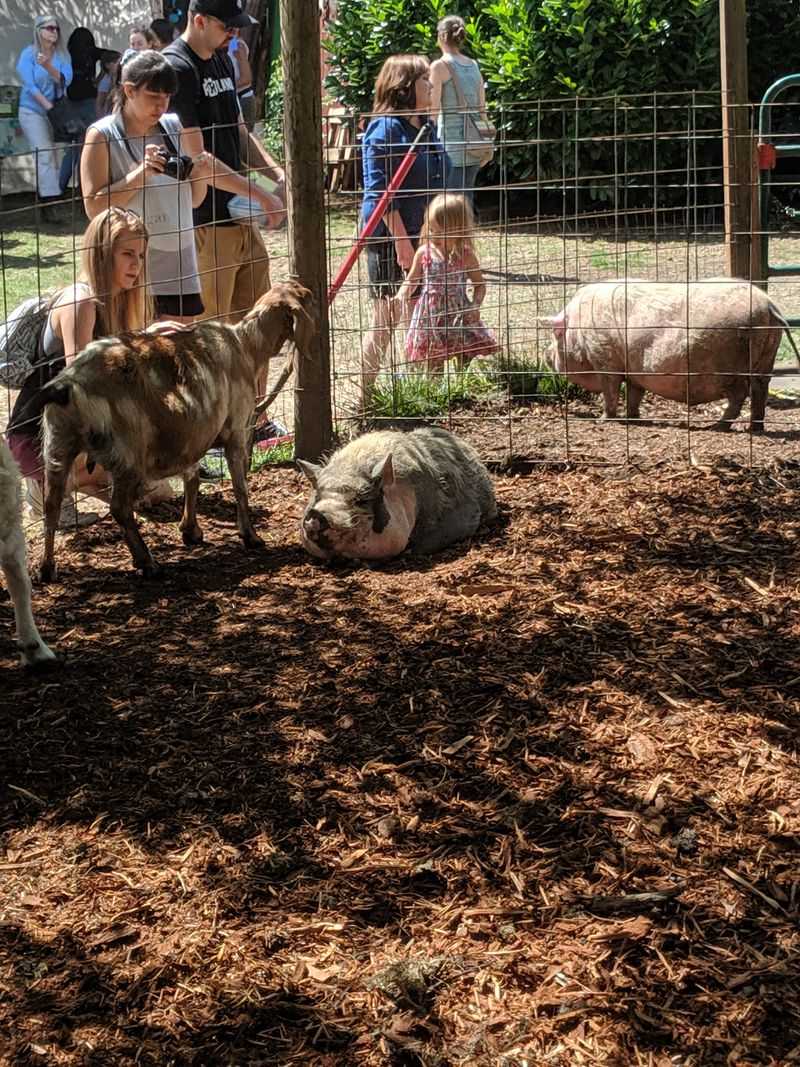
Pigs with personalities as distinct as fingerprints root through the soil, while goats scale whatever structures they can find to survey their domain. Horses graze quietly in the pastures, some bearing the scars of past neglect but now living with dignity.
Each animal has a story that Kay shares with warmth and humor, turning individual tragedies into tales of resilience.
The pigs are often the most social, approaching visitors with curiosity and snuffling for attention. Goats provide endless entertainment with their antics, though they also display remarkable intelligence and problem-solving skills.
Horses at the sanctuary range from elderly companions to younger rescues still learning to trust humans again.
Other residents include chickens, turkeys, and the occasional farm animal that defies easy categorization. The diversity of species means every visit offers something new.
Watching these animals interact reveals the complex social structures and emotional lives that farm animals possess when given the chance to express them.
What To Expect During Your Visit To Frog Song Sanctuary
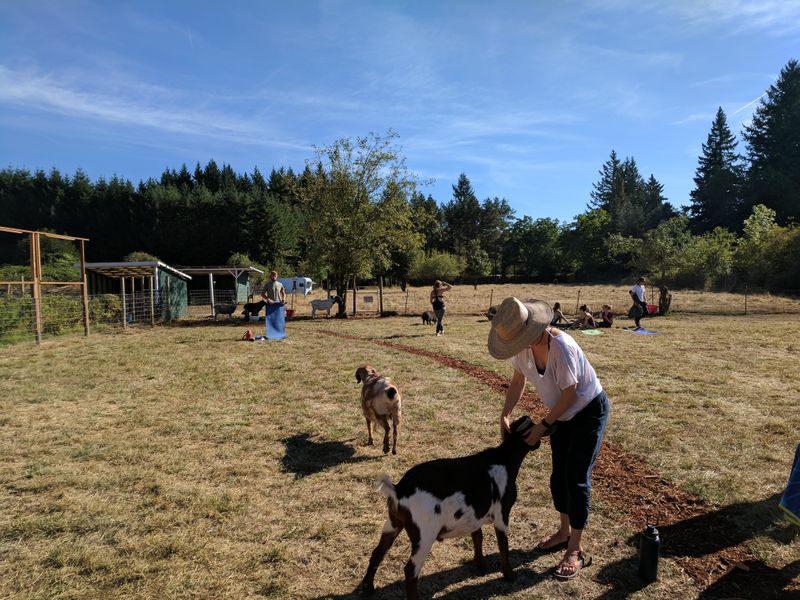
Frog Song operates differently than a petting zoo or commercial attraction, focusing instead on the comfort of its residents. Visits are arranged by appointment, allowing the staff to ensure that both animals and guests have positive experiences.
This structure prevents the stress that large crowds can cause and gives visitors more meaningful interaction time.
Upon arrival, guests are introduced to the sanctuary’s philosophy and guidelines. The emphasis is on observation and gentle interaction rather than handling or feeding frenzy.
Kay often leads tours herself, sharing stories that bring each animal’s history to life.
The experience is unhurried, with time to sit quietly and watch the animals go about their routines. Photography is welcome, though flash and loud noises are discouraged.
Visitors leave with a deeper understanding of farm animal intelligence and emotion. The sanctuary does not charge admission but gratefully accepts donations to support ongoing care for the residents.
Rescue To Sanctuary: Frog Song’s Lifelong Care For Animals
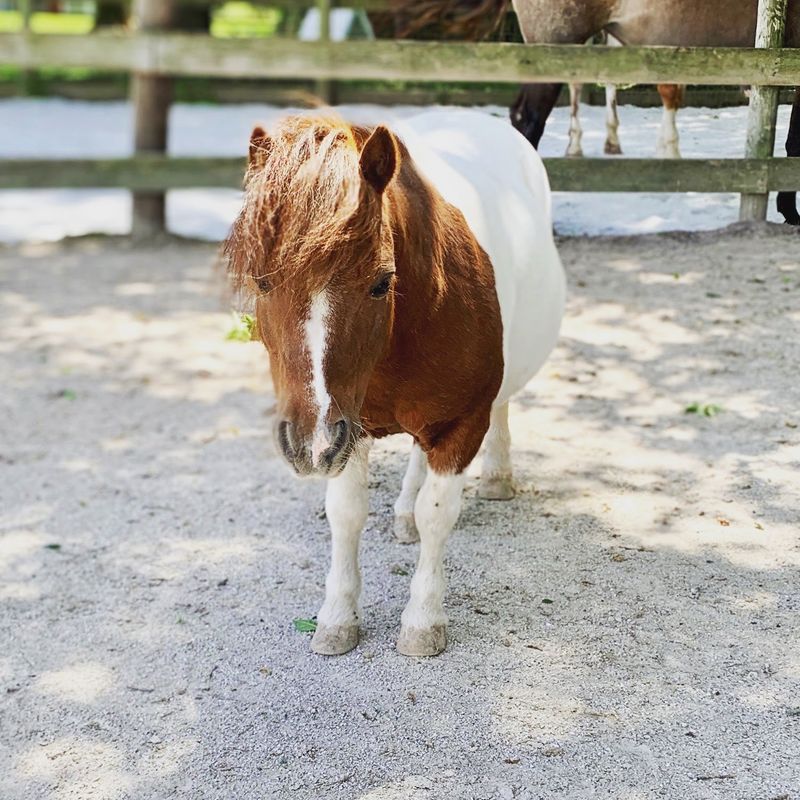
Animals who arrive at Frog Song receive immediate veterinary assessment and treatment for any existing conditions. Many come malnourished, injured, or emotionally traumatized, requiring weeks or months of rehabilitation before they begin to show their true personalities.
The sanctuary commits to each animal for life, regardless of medical costs or special needs that may develop.
Elderly animals receive palliative care that prioritizes comfort and quality of life. Those with chronic conditions get ongoing treatment and monitoring.
The staff has learned to recognize subtle signs of discomfort or illness, addressing problems before they become critical.
This lifetime commitment distinguishes true sanctuaries from temporary shelters or adoption facilities. Kay and Richard have planned for the long-term sustainability of Frog Song, ensuring that current residents will be cared for even as they age.
The financial and emotional investment required is substantial, but the founders consider it a moral obligation once an animal has been accepted into the sanctuary family.
Frog Song’s Role In South Carolina’s Animal Welfare
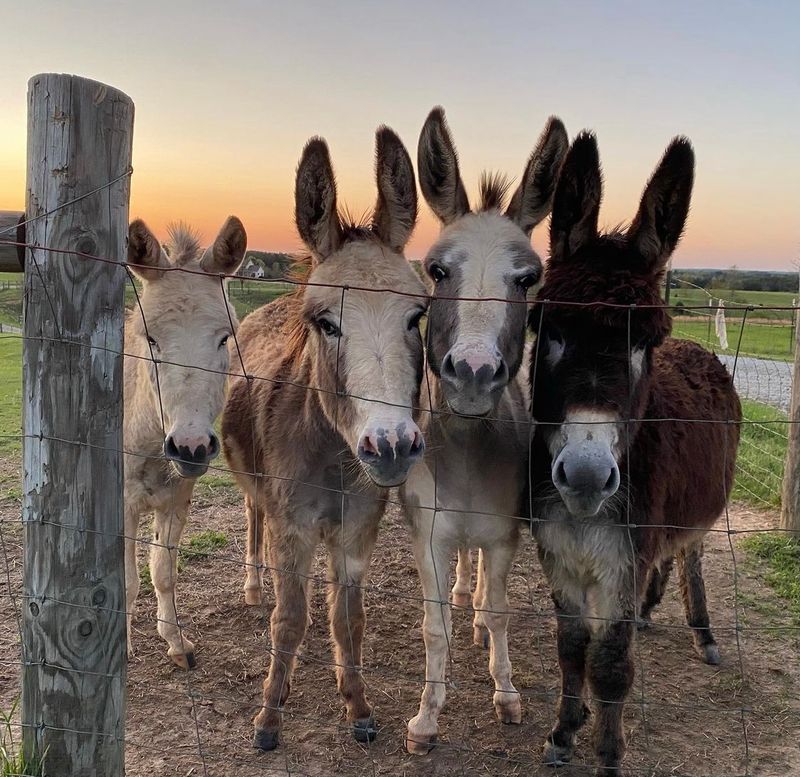
Small sanctuaries like Frog Song fill a critical gap in the animal welfare system by accepting species that traditional shelters cannot accommodate. Farm animals require specialized knowledge, housing, and veterinary care that most rescue organizations lack.
When someone in South Carolina faces the loss of their farm or the inability to care for large animals, options are frighteningly limited.
Frog Song has taken in animals from owners experiencing personal tragedy, including one family who lost both their daughter and their farm. The sanctuary provided a solution during an impossible time, ensuring that beloved animals found safety.
This type of emergency placement prevents animals from being sold to uncertain fates or euthanized for lack of alternatives.
The sanctuary also educates the public about the realities of farm animal ownership and the consequences of treating animals as disposable. Through social media posts and personal interactions, Kay raises awareness about issues ranging from breeding practices to the emotional complexity of species often dismissed as mere livestock.
Educating The Public: Compassionate Approach
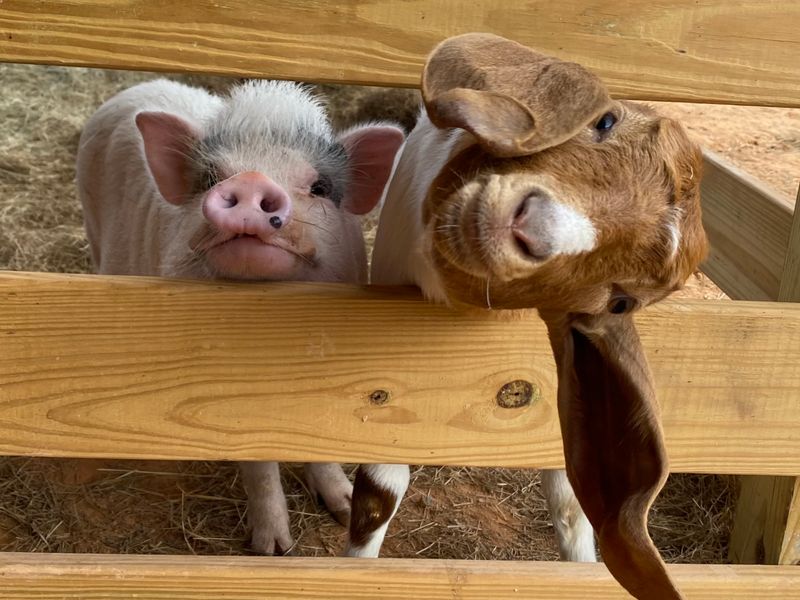
Daily posts on social media have built a following of people who have never visited the sanctuary but feel connected to its residents. Kay’s writing combines humor, honesty, and genuine affection for the animals, making abstract concepts like animal sentience tangible and relatable.
Followers learn the names, quirks, and ongoing adventures of individual pigs, goats, and horses.
This approach educates without preaching, allowing people to draw their own conclusions about how society treats farm animals. Stories about a goat’s problem-solving abilities or a pig’s emotional responses challenge common assumptions.
The educational impact extends beyond those who can visit in person, reaching audiences across state lines and even internationally.
Frog Song demonstrates that education about animal welfare does not require graphic imagery or aggressive tactics. Instead, showing animals as individuals with personalities, preferences, and relationships proves remarkably effective.
People who would never attend a protest or watch a documentary find themselves reconsidering their views after following the sanctuary’s gentle, story-based advocacy.
Volunteers: The Heart Of Frog Song Sanctuary
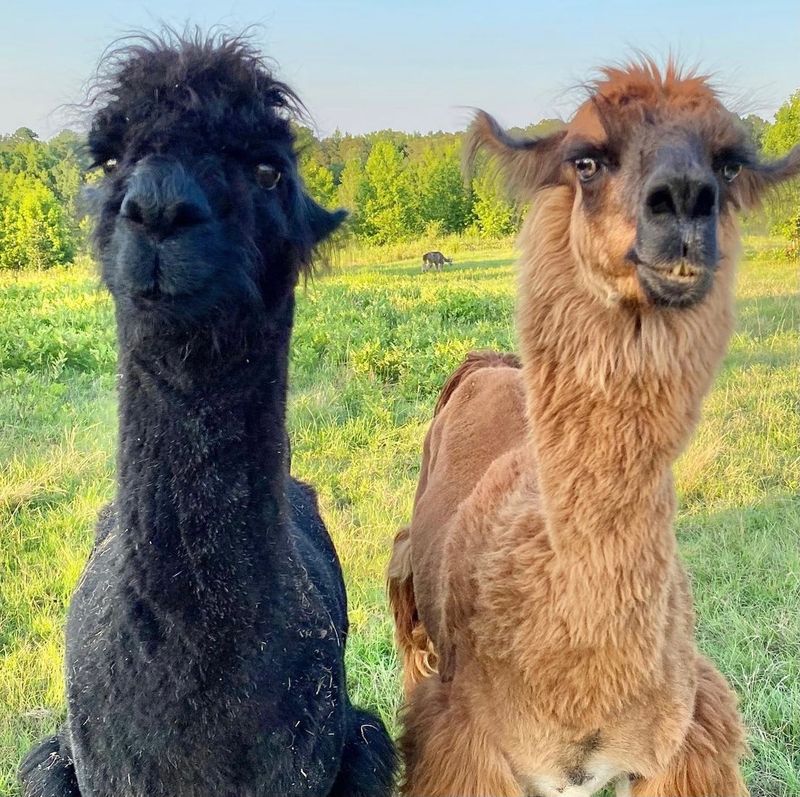
Running a sanctuary requires countless hours of physical labor, from mucking stalls to repairing fences to preparing specialized diets. Volunteers provide essential support that allows Kay and Richard to focus on animal care and administrative tasks.
These helpers come from various backgrounds, united by a desire to make a tangible difference for animals in need.
Tasks vary depending on the season and current projects, but all involve direct contribution to the animals’ welfare. Some volunteers arrive weekly, developing relationships with specific residents and learning their individual needs.
Others help with occasional projects like building new shelters or organizing supplies.
The experience offers volunteers a chance to work closely with species they might never otherwise encounter. Many report that time spent at the sanctuary provides perspective and peace in a chaotic world.
The physical work is demanding but rewarding, and volunteers often describe feeling honored to contribute to the animals’ well-being. Those interested in volunteering should contact the sanctuary directly to discuss availability and current needs.
Why Frog Song Is A Must-Visit For Animal Lovers
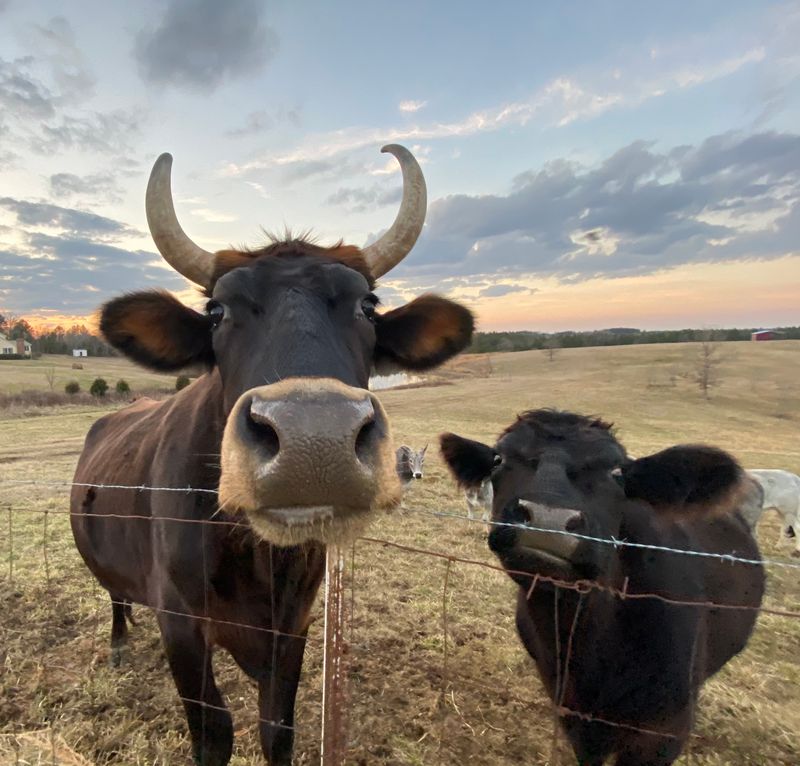
Animal lovers seeking authentic experiences rather than staged entertainment find exactly what they are looking for at Frog Song. The sanctuary offers a window into the lives of animals who are simply living rather than performing.
Interactions happen on the animals’ terms, creating moments of genuine connection that feel like privileges rather than entitlements.
The setting itself provides a retreat from the noise and rush of modern life. Standing in a pasture while goats play nearby and pigs nap in the sun has a meditative quality that surprises many visitors.
The experience reminds people why they love animals in the first place, stripping away the commercialization that often surrounds human-animal interactions.
For those who care about animal welfare, seeing a well-run sanctuary in action is both educational and inspiring. Frog Song proves that individual action can create meaningful change for animals who might otherwise suffer or die.
The visit often sparks conversations about personal choices and broader societal attitudes toward animals used for agriculture.
How You Can Farm Sanctuary
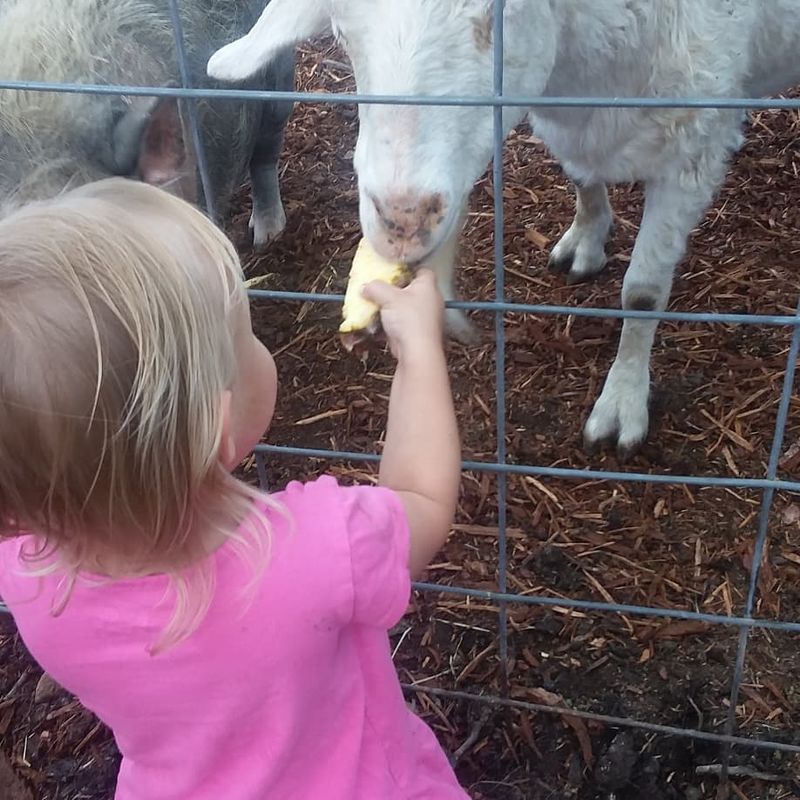
Financial donations directly fund the daily operations that keep rescued animals fed, sheltered, and healthy. Veterinary bills alone can run into thousands of dollars annually, especially when elderly or chronically ill animals require ongoing treatment.
Monetary contributions of any size help cover these essential expenses and allow the sanctuary to accept new animals in crisis.
Material donations are equally valuable, with the sanctuary maintaining a wish list of needed supplies. Items like feed, bedding, fencing materials, and cleaning supplies are used constantly.
Some supporters organize donation drives within their communities, multiplying their individual impact.
Spreading awareness through social media shares and word-of-mouth recommendations helps Frog Song reach potential donors, volunteers, and advocates. Following their social media accounts and engaging with posts increases visibility.
Those unable to visit or donate financially can still contribute by educating others about the sanctuary’s work. Every form of support, whether financial, material, or promotional, strengthens the sanctuary’s ability to continue its mission of providing lifelong care for rescued farm animals.
Seasonal Events At Frog Song Sanctuary
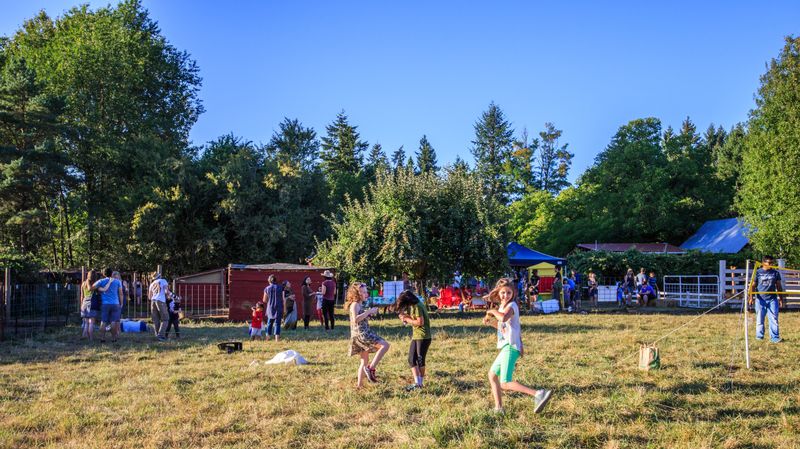
Throughout the year, Frog Song hosts occasional events that allow larger groups to visit while still maintaining the calm atmosphere the animals require. These gatherings might include educational workshops, volunteer workdays, or small fundraising events.
The schedule varies based on weather, animal needs, and available staff, so checking the sanctuary’s website or social media provides the most current information.
Spring and fall typically offer the most comfortable weather for outdoor events, making these seasons ideal for visits. Summer can be quite hot in South Carolina, which affects both human visitors and the animals.
Winter events are less common but sometimes include holiday-themed gatherings for supporters.
Special events often feature opportunities to learn specific skills related to animal care or sanctuary management. Attendees might participate in fence-building demonstrations, learn about animal nutrition, or hear detailed rescue stories.
These occasions build community among supporters and provide deeper insight into the daily realities of running a sanctuary. Advance registration is usually required for events to ensure appropriate planning and animal welfare.
Finding Peace Among Animals
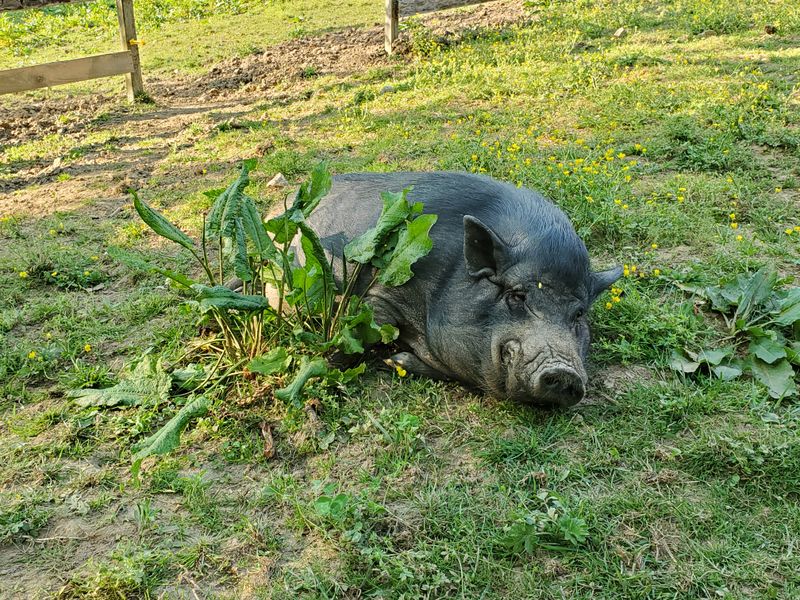
Visitors frequently describe an unexpected sense of calm that settles over them within minutes of arriving at the sanctuary. The rhythm of animal life operates on a different timescale than human urgency, and spending time among creatures who are simply being themselves has a grounding effect.
Watching a pig root contentedly or a horse swish flies in the afternoon sun provides a reminder of simpler, more fundamental ways of existing.
The sanctuary environment encourages presence and mindfulness without any formal instruction. Distractions fall away as attention naturally focuses on the animals and their immediate surroundings.
Many guests report that their visit provided a mental break they did not realize they needed.
Kay and Richard have created not just a refuge for animals but also an accidental sanctuary for humans seeking connection and meaning. The reciprocal nature of the experience benefits both species, as the animals receive gentle attention while visitors gain perspective.
This mutual exchange of peace and presence may be Frog Song’s most unexpected gift.