
A Vintage Train Journey Through Tennessee’s Most Delightful Communities
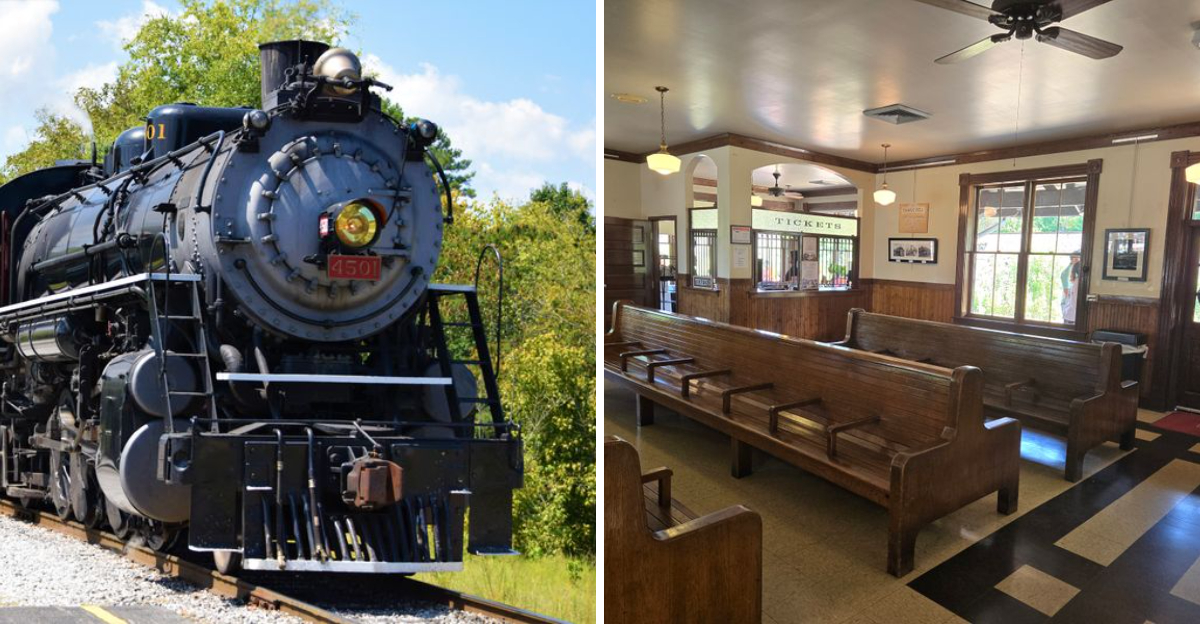
A vintage train whistle does more than call you aboard, it pulls you gently into a slower rhythm where time behaves itself. At Tennessee Valley Railroad Museum, set at 4119 Cromwell Rd in Chattanooga, the platform hums with anticipation and the promise of wheels meeting rail.
You feel history at shoulder height here, not in glass cases but in polished brass, warm timber, and the practical wit of working railroaders. Settle in, and let the line lead you through Tennessee’s most delightful communities, one measured mile at a time.
Steam And Steel At First Light
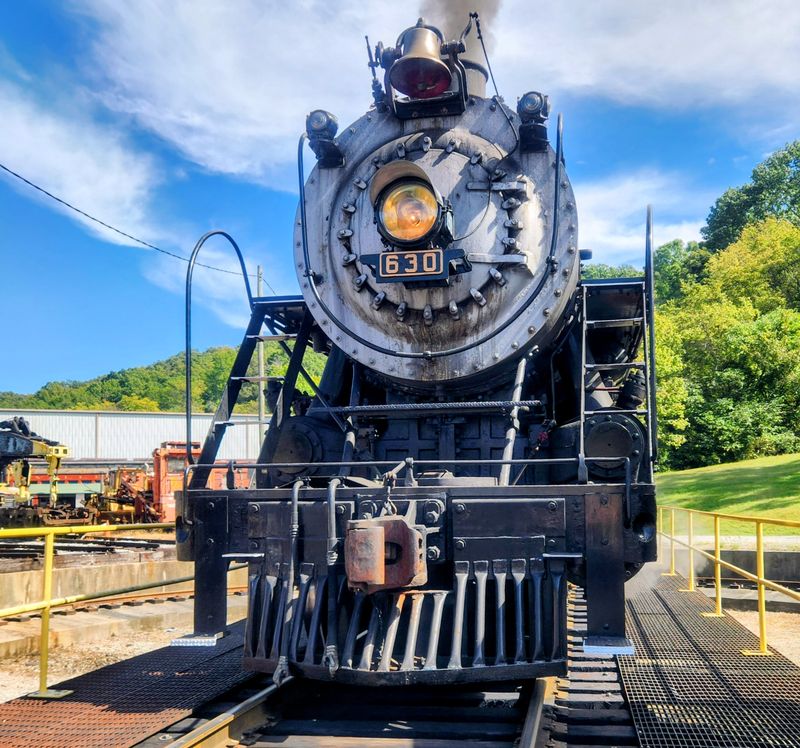
Morning at the museum carries a dependable hush, the kind that makes steam sound like conversation. You step across the platform and notice how the rails catch the sun in narrow ribbons, bright as a practiced smile.
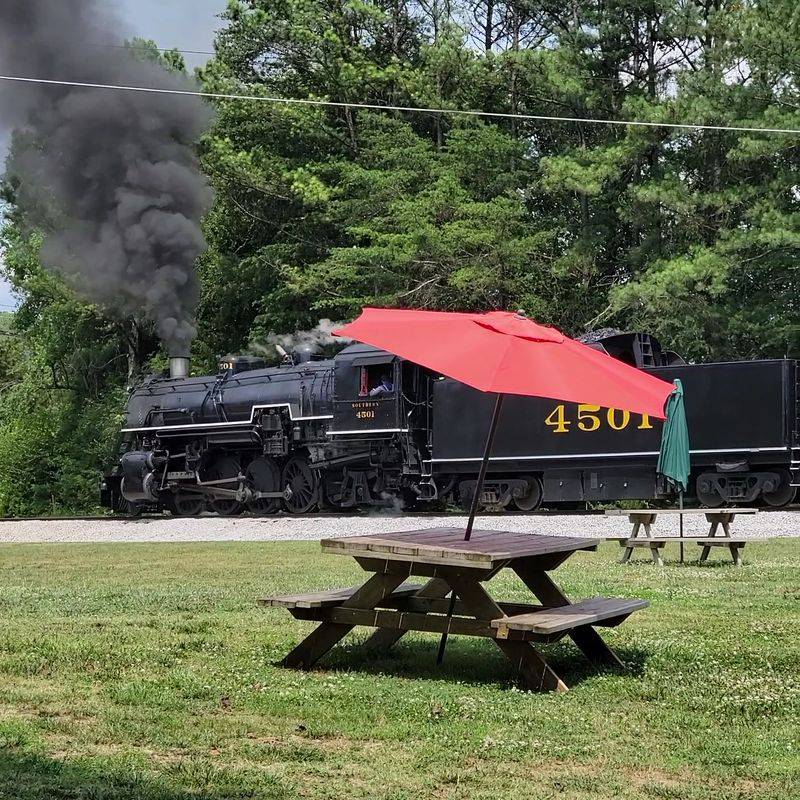
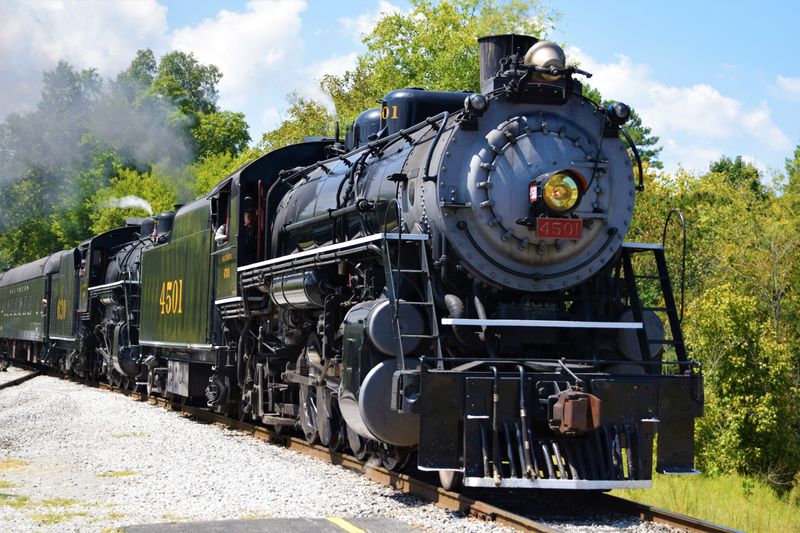
A docent nods you toward the locomotive, the big driver wheels creaking out a reminder that motion begins with patience.
Every gauge, lever, and valve earns attention, and that discipline shows in the ride. You feel the car settle into a steady sway as the conductor’s call answers the signal’s wink.
An old timetable on the wall frames the day with quiet authority, and a child counts the cars like prayer beads, never rushing the last one.
Little details keep the mind alert: coal dust softened by dew, a brass builder’s plate that reads like a birth certificate, and the faint fragrance of creosote. You look down the line and understand the museum’s promise, to keep this craft moving without bluster.
The whistle speaks again, a practical chord rather than a boast. We pull forward together, content to listen.
The Missionary Ridge Turntable Ritual
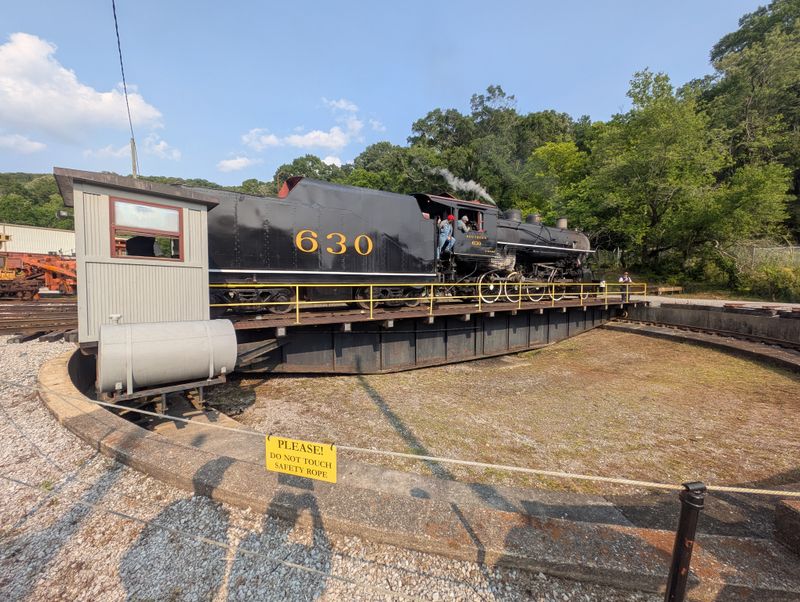
The turntable demonstration feels like a handshake with another century, frank and mechanical. You watch the crew align the bridge with easy focus, trusting muscle memory and eye.
The engine rolls across, weight settling into the pivot with a low, convincing note that carries down the pit.
When the table rotates, the crowd leans in and then eases back, as if learning manners from the machine. Steel wheels talk in steady syllables, and the explanation from the guide fits neatly between them.
A parent points out the locking dogs, and a teenager nods, suddenly interested in how things hold.
The best part arrives without fanfare, that quiet click when geometry and gravity agree. You catch the smell of lubrication and dust, honest as shop class.
The crew secures the rail, and the locomotive crawls off with the tidy confidence of a clerk closing a ledger. Nothing about it is theatrical, yet everyone applauds, relieved and pleased.
The table rests, useful again tomorrow, and you carry the lesson forward, that precision can look almost casual when practiced enough.
Riding The Shortline With Long Memories
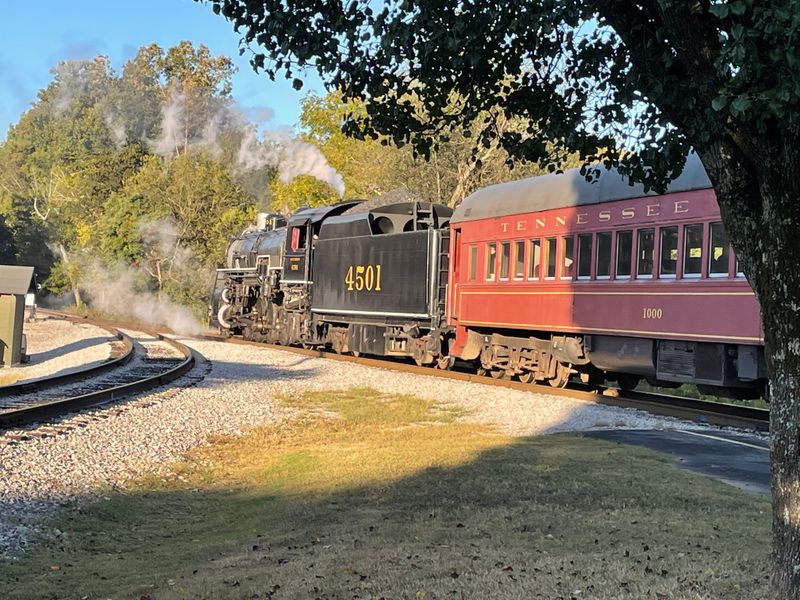
The short excursion leaves the yard with a modest tug, like a story clearing its throat. You find a seat by the window and measure the day by telephone poles, barn roofs, and the polite curve of creek beds.
A guide’s narration settles in easily, never crowding the view, letting the countryside keep its own voice.
Every crossing brings a pause that gathers the coach, then releases it with a small sigh. Children press their palms to the glass and grin at the wave of a driver sitting patient in a pickup.
The rhythm is reliable, practical comfort that asks for nothing except your attention.
When the train slows, you take stock of the car’s upholstery, the sturdy trim, and the signature whiff of warmed steel. A couple across the aisle trades stories about another line, another season, the details fitting like well used luggage.
The return feels calmer, perhaps because you now know the bends. You step down at the platform grateful for a ride that stayed true to itself, no tricks, just track and time.
A Quiet Education In The Car Shops
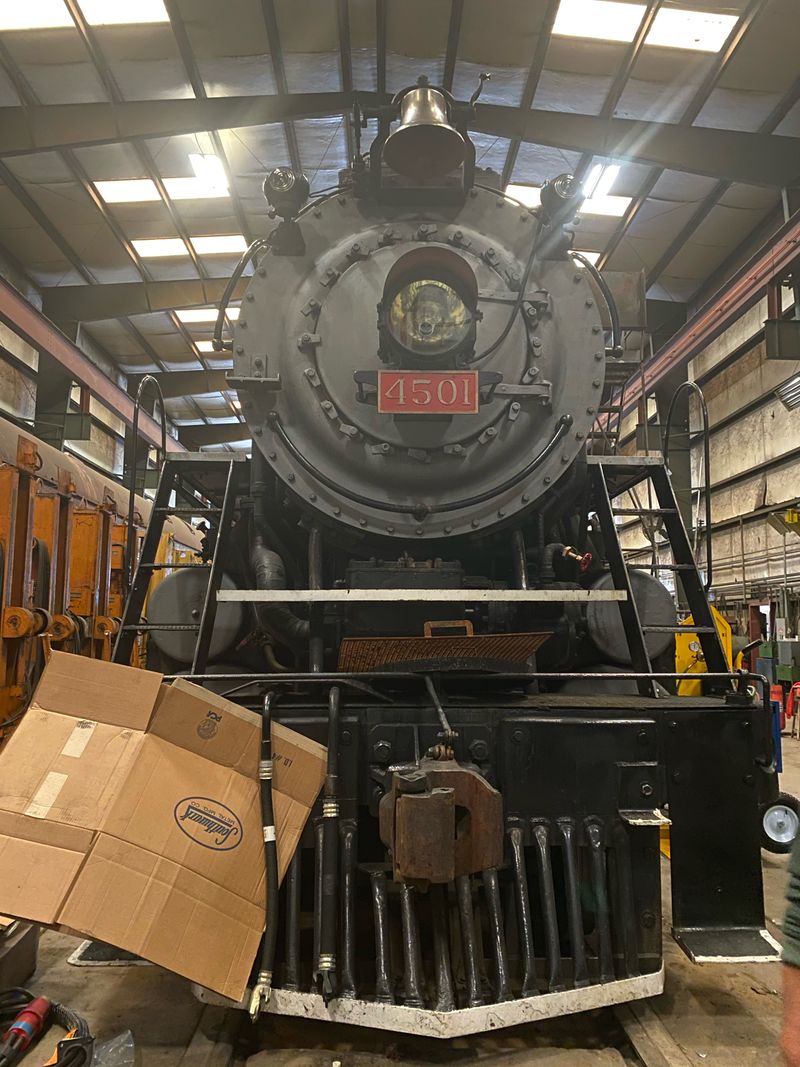
The shop building greets you with the comfortable order of tools that know their purpose. Benches keep their scars, grinders rest like loyal dogs, and a welder’s mask hangs where the work paused cleanly.
A volunteer explains a brake rigging with clear hands, turning jargon into plain talk.
There is dignity in repairs that preserve rather than disguise. You watch an air hose test find the steady pulse of confidence, and a lantern’s beam confirm a flange fit.
The pace is even, and the conversation allows silence to carry its share of meaning.
On a side track, a coach waits on jack stands, patient as a library chair. You mark the smell of hot metal and the chalked numbers on primer, temporary notes that promise a future coat.
The crew checks tolerances and closes the day by sweeping, a small ritual that says the public will be back tomorrow. Nothing here feels precious, only cared for.
You leave with a thoughtful respect for maintenance, the most dependable kind of storytelling.
Dining Cars And The Art Of Unhurried Service
The dining car holds a poise that modern rooms sometimes forget. Table lamps hum at a sensible glow, linens sit without fuss, and the aisle invites quiet conversation rather than haste.
A server steadies a tray at a curve with the competence of someone who trusts the rails.
Menus favor straightforward comfort done properly, the kind that does not need to apologize. You listen to china answer the track in measured clinks, a polite duet that frames the meal.
The window offers unassuming company, fence lines and field edges keeping pace like courteous neighbors.
By dessert, the car feels slightly smaller in a good way, as if everyone agreed to share the same unhurried hour. Coffee arrives at the right temperature, neither rushed nor coddled.
A couple speaks softly about plans, and the car answers by minding its own business. When the check comes, gratitude does the talking.
The door opens to the platform, and you carry the taste of discipline done well.
Conductors, Stories, And The Measured Tone Of Authority
A good conductor holds the car together with voice and presence. The announcements are plain, the cadence practiced, and the humor arrives trimmed of excess.
You watch tickets get punched with a rhythm that could keep time for the axle boxes.
Questions from children receive attentive replies, never patronizing, always specific. A note about gradients leads to a short aside on braking, and suddenly the whole car understands why speed matters most when you are trying not to notice it.
Adults listen too, grateful to be included without ceremony.
Between stops, the conductor walks the aisle like a shepherd with a timetable. Shoes meet the floor in quiet clicks, and a badge catches light from a window that was cleaned on purpose.
The final goodbyes land with credibility, because nothing earlier tried too hard. You step down with a small reserve of trust, the kind that makes you look forward to the next ride.
The Platform’s Evening Glow
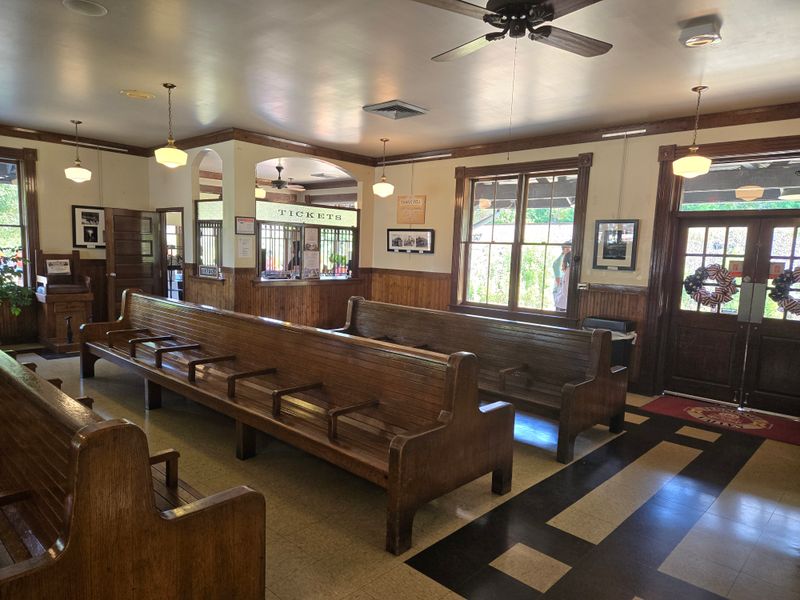
Evening draws a tidy line across the yard and leaves the platform shining like a well kept promise. Lights pick out the curve of the canopy and the square shoulders of the station.
Families pose for photos, and the rails reply with lean reflections that flatter every camera.
Vendors mind their counters with the patient cheer of people who have answered the same question kindly all day. A bell rings down the track, and the echo folds itself back into conversation.
Strollers roll easily, and the benches keep their generous spacing.
Some nights bring music, low and agreeable, the melody drifting past timetable boards and poster frames. You feel the place settling toward closing without pushing you away, a learned courtesy.
The breeze carries the last trace of steam, and the schedule for tomorrow sits ready. When you finally leave, the parking lot lights feel taller than before, and the station holds its posture behind you.
The glow rides home in your pocket like a ticket stub you meant to keep.
Inside The Pullman: Craft, Comfort, Continuity
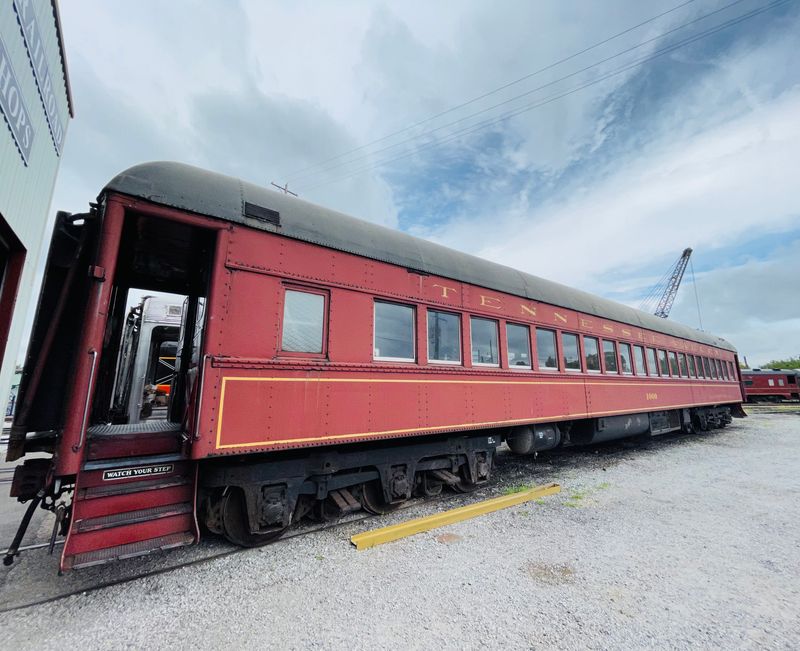
The Pullman car reveals its intentions through finish and proportion. Seat backs claim the right height, windows frame the world without apology, and fixtures earn their shine by being useful.
You run a finger along the woodwork and feel patience where varnish meets grain.
Stories rise from upholstery like steam from a kettle, quiet but certain. A guide mentions routes that once stitched cities together, and the car seems to nod at the memory.
The ride tempers small talk until it sounds better, measured by the spacing of jointed rail.
When the corridor narrows, courtesy widens. People step aside because the car encourages it, not because a sign demands it.
You sit again and notice how the lamp shade makes evening behave. The Pullman keeps its promises modest and met.
By the time the brakes take hold, you have learned something agreeable about restraint.
A Family Day That Respects Every Pace
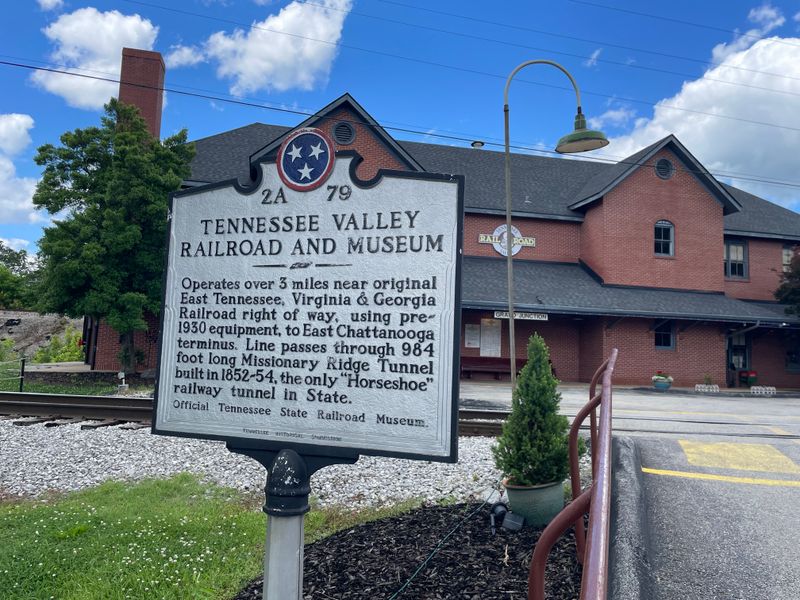
Families arrive with expectations that vary by height, and the museum meets them without strain. Strollers move easily, signs speak plainly, and restrooms sit where common sense would put them.
A volunteer kneels to answer a child and then stands to help a grandparent with the same care.
Activities keep time with attention spans, short demonstrations followed by longer looks. The gift shop stocks practical souvenirs alongside the bright ones, a balance that keeps negotiations brief.
Snacks taste better after a ride, and benches keep a view of the action so no one feels parked.
What lingers is the way the place lets everyone find a speed that suits. Toddlers clap for the whistle, teens discover the shop floor, and parents decide that fifteen quiet minutes can count as vacation.
You leave with content tiredness and a plan to return when the calendar allows. The day did not chase you, and that may be why it felt full.
Reading The Landscape Between Stops
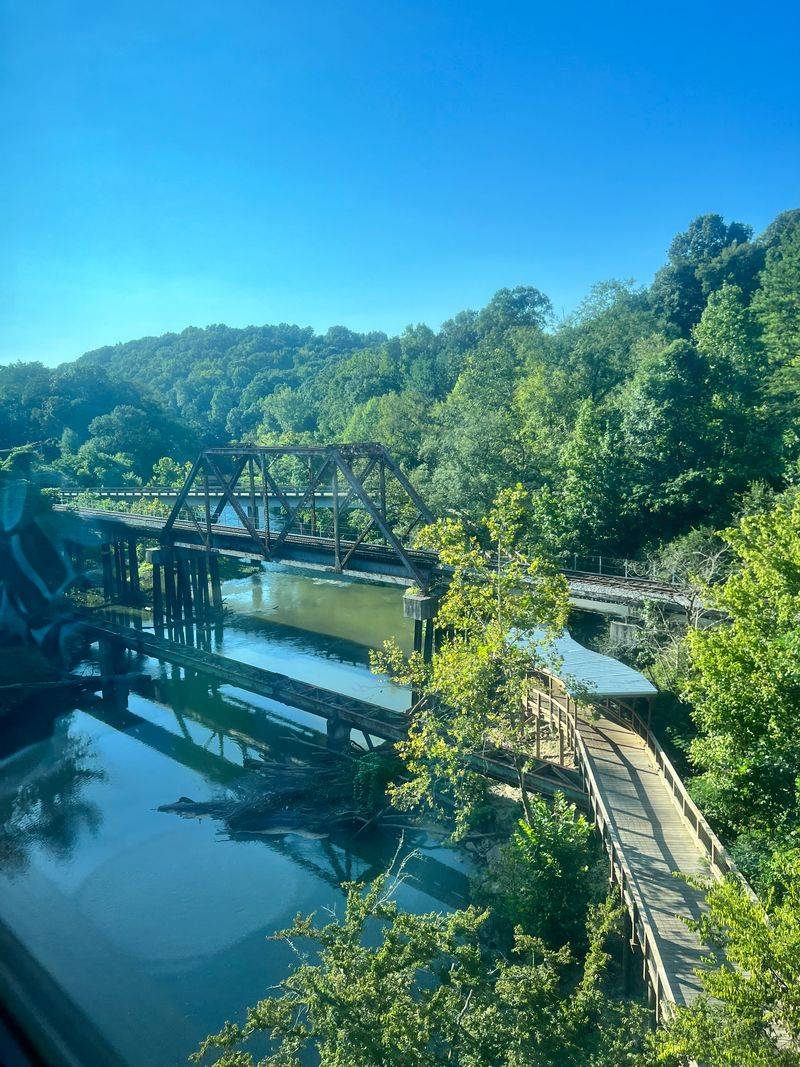
The route threads a practical path through Chattanooga’s working edges, and that honesty suits the cars. You pass shops, sidings, cemeteries, and creek bottoms that wear their seasons plainly.
A hawk lifts from a fence post, disinterested in timetables, and a faded sign names a business that once stayed late.
The guide points out grades and bridges, sketching a map you begin to carry in your head. You notice how the line sidesteps the heavy ground and leans into the easier curves.
Fields give way to neighborhoods and back again, the pattern familiar and comforting.
By the return, the small views have gathered themselves into something larger. You hold a clearer sense of how trains stitched these communities together, not with romance but with reliability.
The whistle marks crossings like paragraph breaks, turning movement into sentences you can read. Stepping down, you keep the map without needing to fold it.