
Few People Know There’s A Stunning Irish Castle Hiding In This Historic Florida City
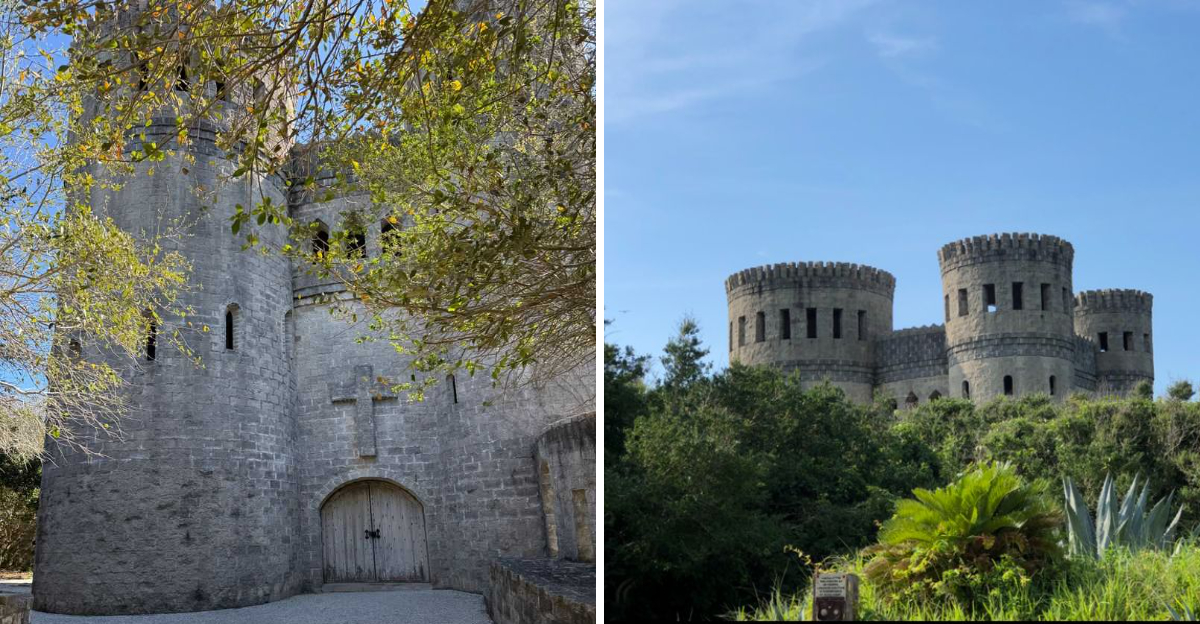
St. Augustine holds centuries of history within its cobblestone streets and colonial architecture, but one of its most remarkable structures remains largely unknown to visitors. Castle Otttis stands just north of the historic city center, a handcrafted tribute to ancient Irish fortifications that emerged from the dreams and determination of one man.
Built between 1984 and 1988 using donated materials and guided by vivid nighttime visions, this architectural sculpture defies expectations and invites those who discover it into a world that feels lifted from medieval Ireland and carefully placed along Florida’s coast.
The Vision That Started It All: How Castle Otttis Came To Be
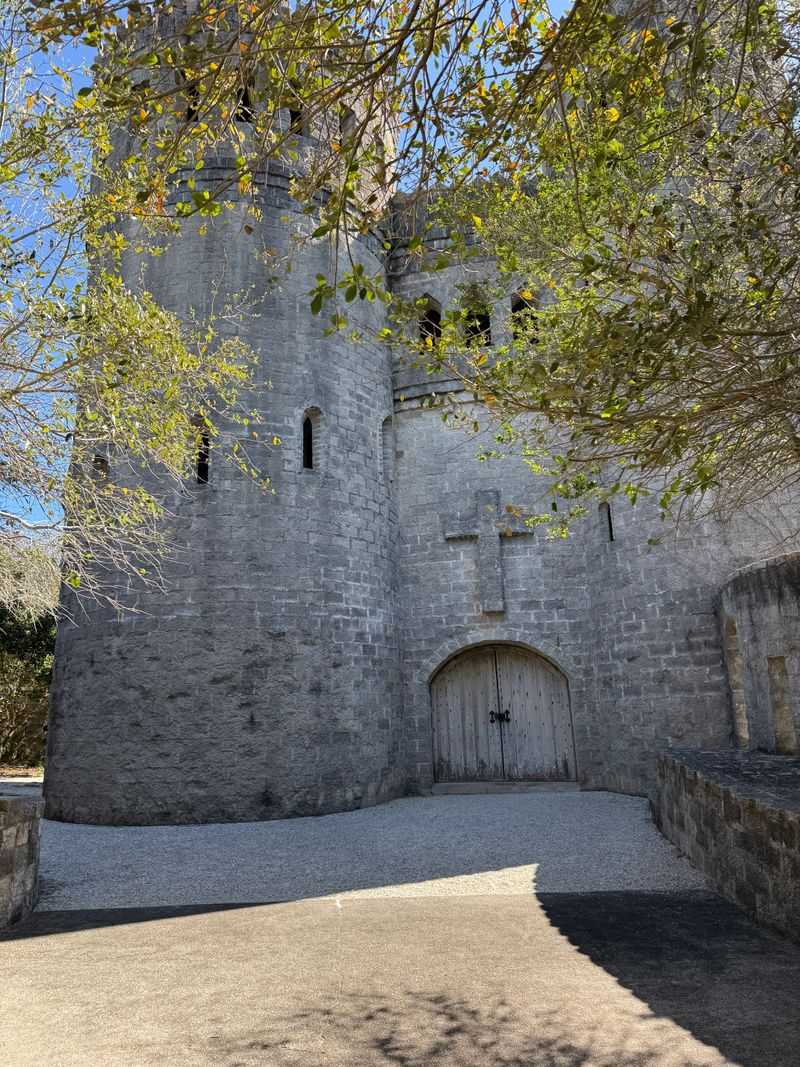
Kendle Icke experienced something most people would dismiss as fantasy. He dreamed of a castle in vivid detail, not once but twice, seeing stone walls and towers with such clarity that he felt compelled to share these visions with his builder friend.
That friend did not laugh or suggest therapy. Instead, he encouraged Icke to make those dreams real and offered to help construct them.
The castle that emerged along Coastal Highway between 1984 and 1988 became a physical manifestation of those nocturnal images. Icke dedicated the structure to his wife, creating not a residence but a landscape sculpture modeled after thousand-year-old Irish castles.
He and his friend gathered donated building materials, transforming concrete and cedar into something that transcends its humble origins.
The construction process itself became part of the castle’s story. Every brick placement and timber joint reflected Icke’s commitment to honoring the architectural traditions he had seen in his dreams, resulting in a structure that feels both authentic and deeply personal.
Irish Architecture Meets Florida Sunshine
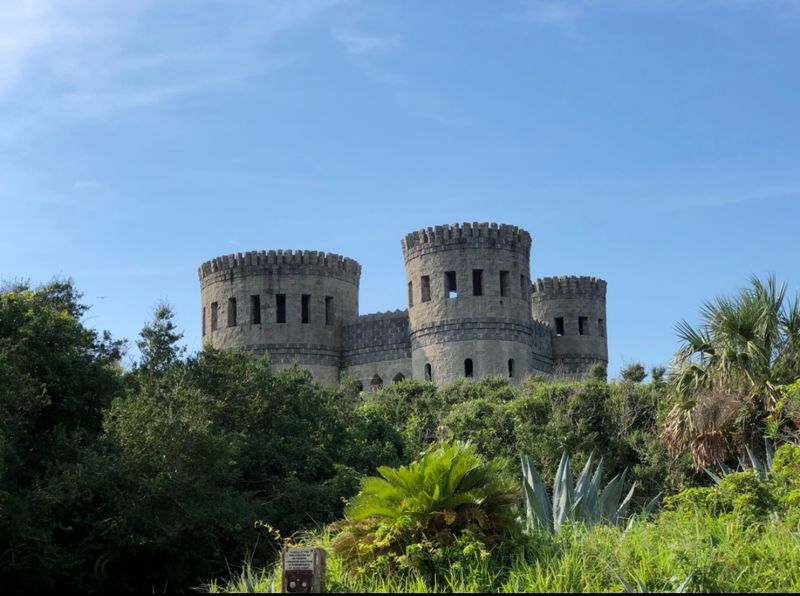
Ancient Irish castles served practical defensive purposes, built to withstand sieges and protect their inhabitants from invaders. Castle Otttis honors that heritage while acknowledging its purely artistic mission.
The structure captures the essence of those medieval fortifications without pretending to serve their original function.
The masonry work throughout the castle demonstrates remarkable attention to historical accuracy. Visitors who tour the property with Matthias, Kendle Icke’s son, learn about the specific techniques used to replicate traditional Irish building methods.
The stone placement and wall construction follow patterns established centuries ago across the Irish countryside.
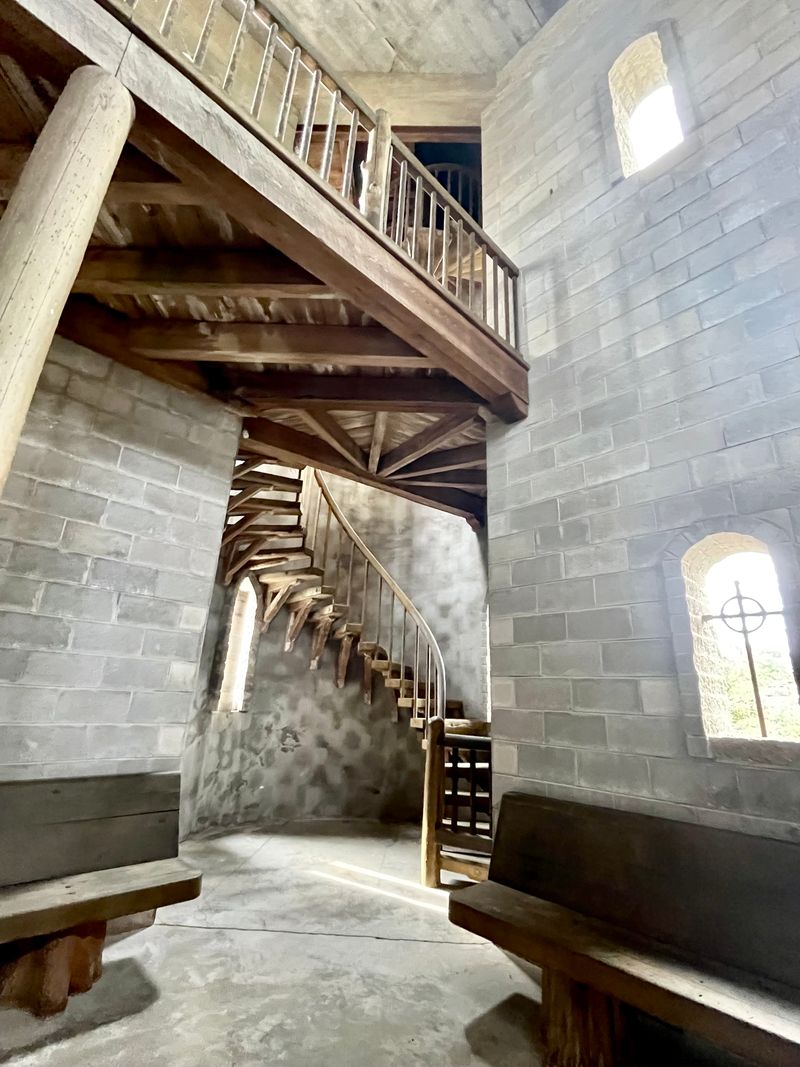
Inside, cedar beams support the structure through post-and-beam construction. One ceiling features intricate woodwork called the Thread of Life, a detail that adds symbolic depth to the architectural experience.
Large open windows allow Florida’s natural light to flood interior spaces, creating an atmosphere that bridges the gap between medieval fortress and contemporary art installation. The design succeeds because it respects both traditions.
A Tour Unlike Any Other: What To Expect When You Visit
Matthias conducts tours with the authority of someone who watched this castle take shape through his childhood. He explains not just what visitors see but why his father made specific choices during construction.
His knowledge extends beyond basic facts into the symbolism embedded throughout the structure and the practical challenges his father and his friend overcame.
The tour takes visitors through three levels, each offering different perspectives on the craftsmanship involved. Balconies overlook the main floor from multiple angles, and the open windows that punctuate the walls frame views of the surrounding landscape.
The rooftop provides panoramic vistas of the ocean, a reward for those who climb to the highest point.
Tours accommodate small groups, creating an intimate experience that feels more like a conversation than a lecture. Matthias shares stories about the building process, the community support that sustained the project, and the ongoing efforts to maintain the structure.
Photography is welcome throughout the castle, allowing visitors to document their journey through this unexpected Florida landmark.
Finding Castle Otttis: Location And Visiting Information
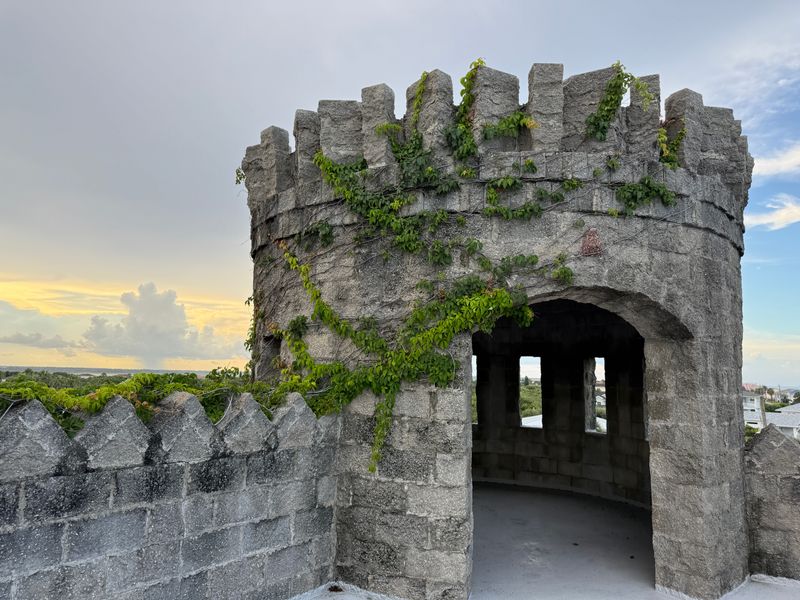
Castle Otttis sits along Coastal Highway, approximately ten minutes north of downtown St. Augustine. Trees and hedges partially screen the property from the main road, contributing to its hidden quality.
Many drivers pass without noticing the medieval structure tucked behind the vegetation, which adds to the sense of discovery when you finally turn into the entrance.
The castle opens to the public only on Sunday mornings from 9:00 AM to noon. This limited schedule reflects the fact that Matthias lives on the property adjacent to the castle and conducts tours personally.
Outside these hours, the castle operates by appointment for special events and private group tours. A small parking lot inside the gate provides space for visitors, with volunteers directing traffic during open hours.
Reservations are strongly recommended for anyone planning to visit. The castle’s website provides contact information for scheduling tours.
Those who arrive without appointments during off-hours will find gates closed and no access to the property, as several disappointed visitors have discovered after long drives.
The Story Behind The Name: Understanding Otttis
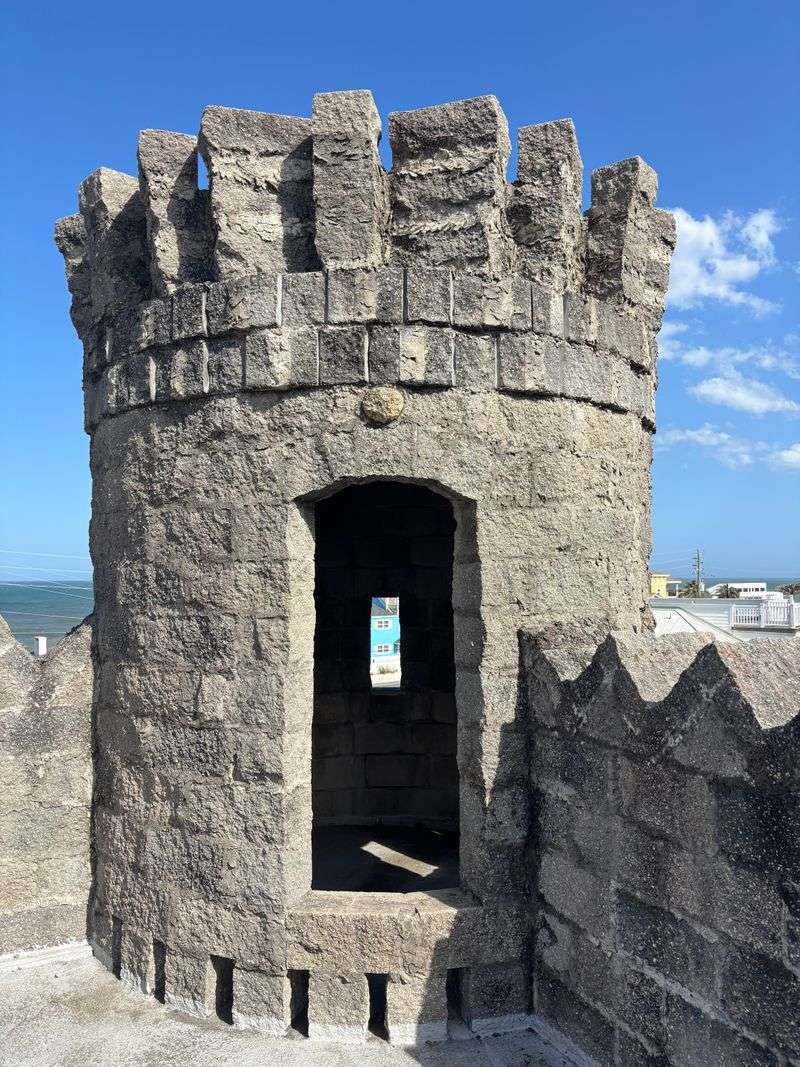
The spelling of Otttis catches attention immediately. Those three consecutive t’s look like a typographical error at first glance, but they represent an intentional choice by Kendle Icke.
The name combines personal significance with his vision for the castle, though the specific meaning remains part of the property’s mystique.
Visitors often ask Matthias about the unusual spelling during tours. His explanations connect the name to his father’s creative process and the symbolic elements woven throughout the castle’s design.
The name itself becomes another layer of meaning in a structure already rich with intentional details and hidden significance.
Understanding the name requires understanding Kendle Icke’s approach to the entire project. He built not just a replica of Irish architecture but a personal statement expressed in stone and wood.
The name Otttis fits within that framework, distinctive and memorable like the castle itself. The spelling ensures that anyone searching for information about the property will find it easily, as few other places share that particular combination of letters.
A Perfect Wedding Venue: Celebrating Life’s Milestones In A Castle
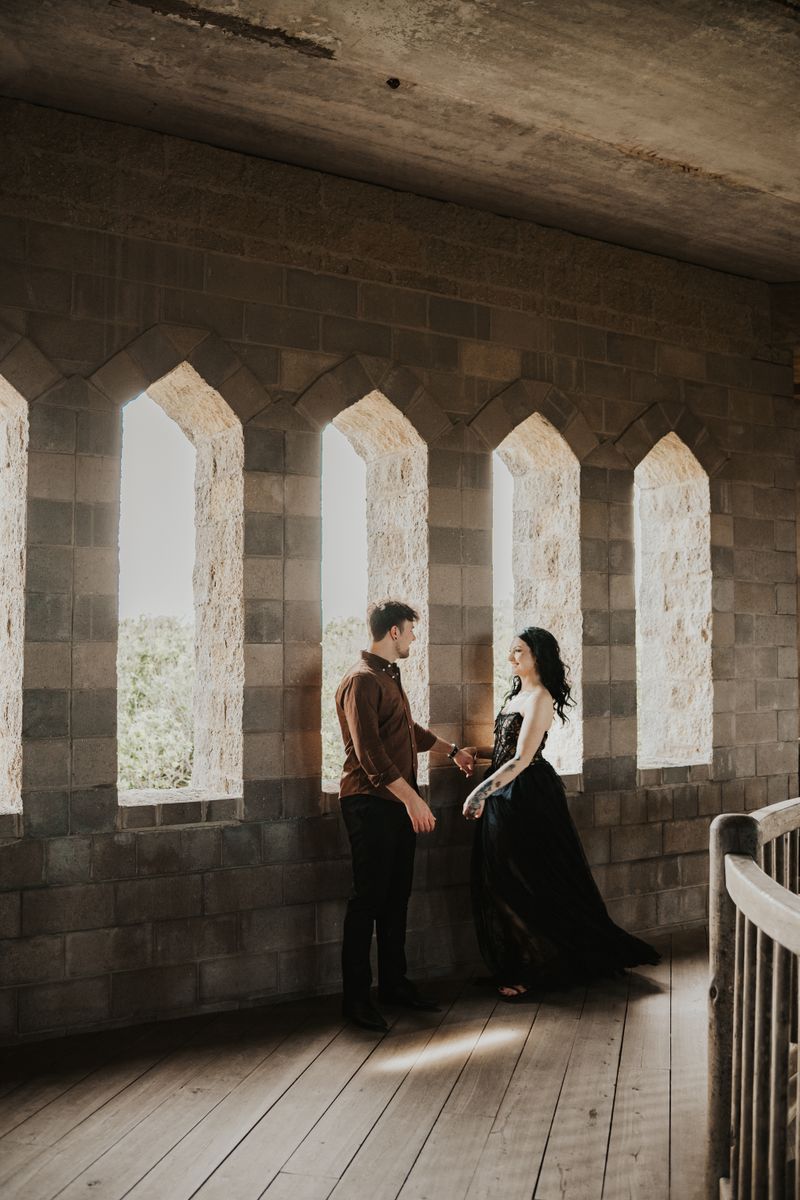
Couples seeking memorable wedding venues find Castle Otttis offers something no hotel ballroom or beachfront pavilion can match. The medieval architecture creates a fairytale atmosphere that photographs beautifully and provides guests with an experience they will discuss for years.
Several reviews mention weddings held at the property, with couples praising both the setting and the helpfulness of Matthias and his brother.
The castle’s design lends itself naturally to romantic celebrations. Stone walls and wooden beams create dramatic backdrops for ceremonies and photographs.
The multiple levels allow for creative event layouts, and the rooftop offers stunning views for cocktail hours or sunset ceremonies. Natural light flooding through open windows eliminates the need for extensive artificial lighting during daytime events.
Booking the castle for a wedding or anniversary celebration requires advance planning and coordination with the family. The property operates through donations rather than standard commercial fees, reflecting its status as an architectural sculpture rather than a traditional event venue.
This arrangement keeps the castle accessible while ensuring proper maintenance and respect for Kendle Icke’s original vision.
Community Support And Survival: How Castle Otttis Overcame Zoning Challenges
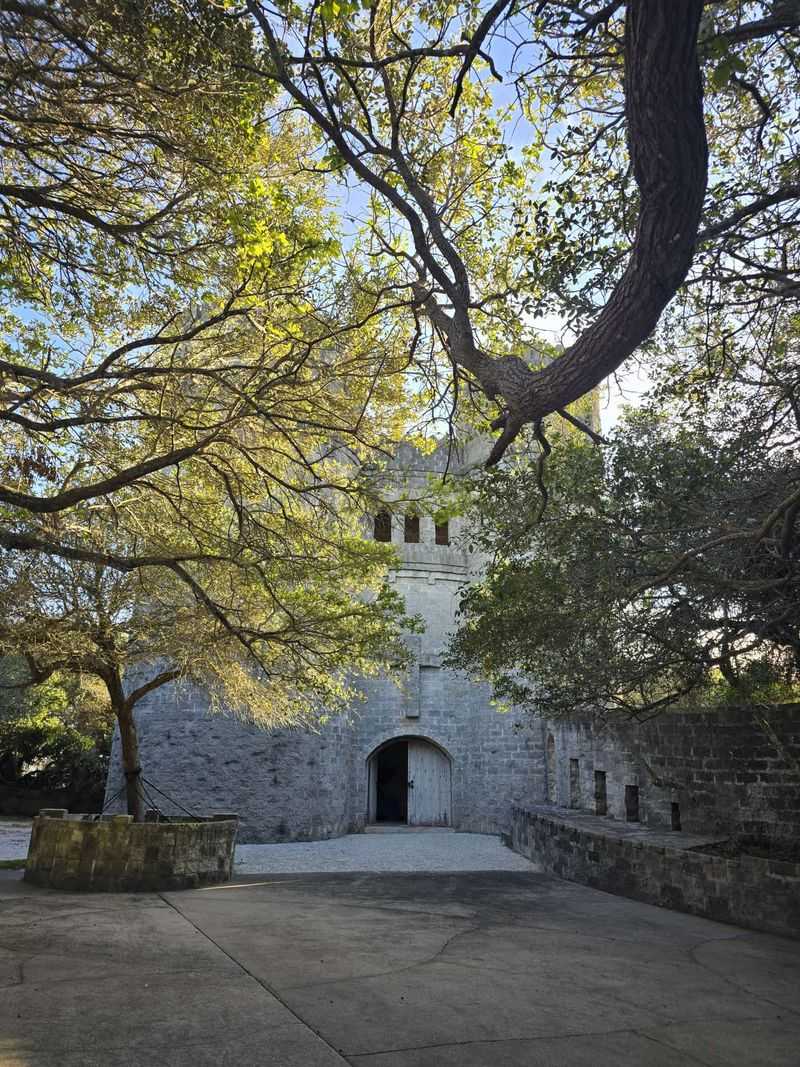
Building a castle in a residential area naturally attracted attention from zoning authorities. Castle Otttis faced serious challenges from officials who questioned whether such a structure belonged in the neighborhood.
Some neighbors initially opposed the project, concerned about how a medieval castle might affect property values and community character.
The situation reached a critical point when zoning committees discussed forcing demolition. Interestingly, some of the same neighbors who had opposed the castle’s construction rallied to its defense.
They recognized that Castle Otttis had become part of the area’s identity, a unique landmark that distinguished their community from countless other Florida neighborhoods. Their support proved crucial in preserving the structure.
The castle survived these challenges through a combination of community advocacy and compromise. Kendle Icke accepted stipulations regarding the property’s use and maintenance.
The castle now stands as an example of how unconventional architecture can find acceptance when creators demonstrate respect for their neighbors and commitment to their vision. The glow of lights through the windows at night remains a distinctive sight along Coastal Highway.
Accessibility And Practical Considerations For Your Visit
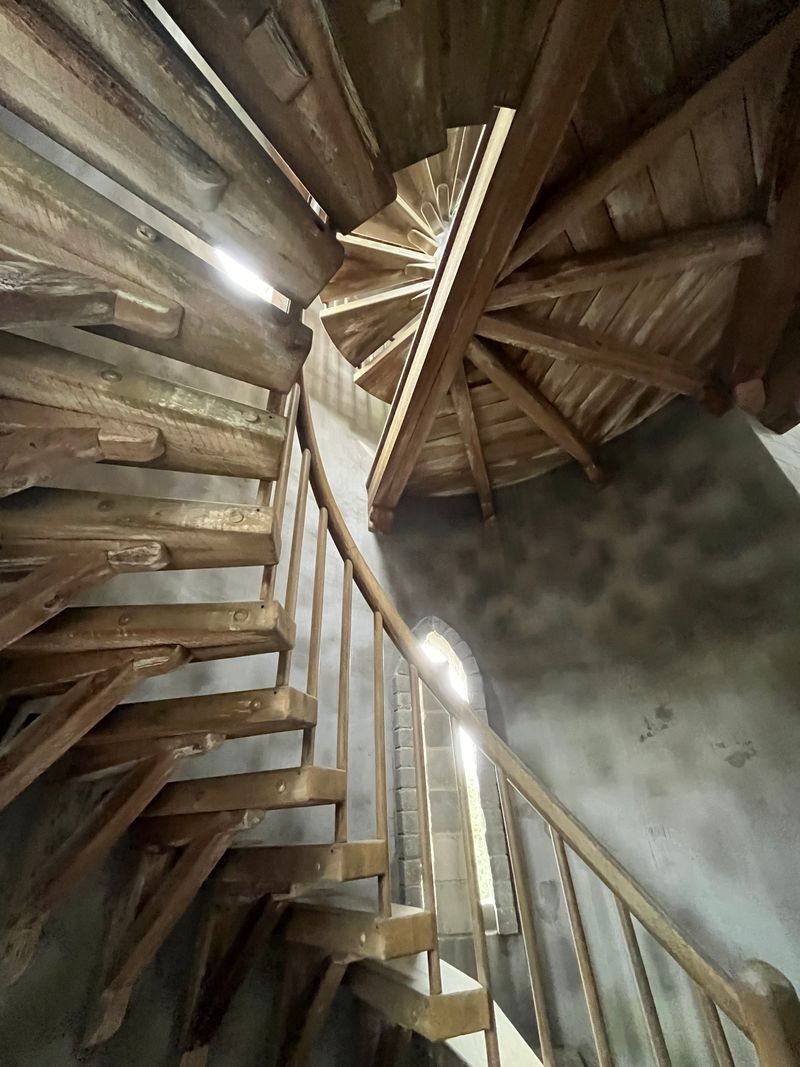
Castle Otttis maintains authenticity by following traditional Irish castle design, which creates challenges for visitors with mobility limitations. The structure lacks handicapped accessibility, with stairs connecting all three levels and no elevator or ramps available.
This limitation reflects the building’s status as a historical replica rather than a modern facility designed to current accessibility standards.
Visitors should prepare for a physical experience that involves climbing stairs and navigating uneven surfaces. The rooftop views require ascending to the highest level, and much of the castle’s appeal comes from exploring different floors and perspectives.
Those with knee problems or other mobility concerns should consider these factors before planning a visit.
The castle operates on donations rather than admission fees, with a donation box near the entrance. This arrangement keeps the experience accessible to everyone while supporting ongoing maintenance costs.
Visitors should bring cash for donations and dress appropriately for climbing stairs and spending time in an open-air structure. The Sunday morning schedule means planning ahead is essential for anyone hoping to experience this remarkable property.