
This Massive Used Bookstore In New York Is Worth A Full-Day Visit
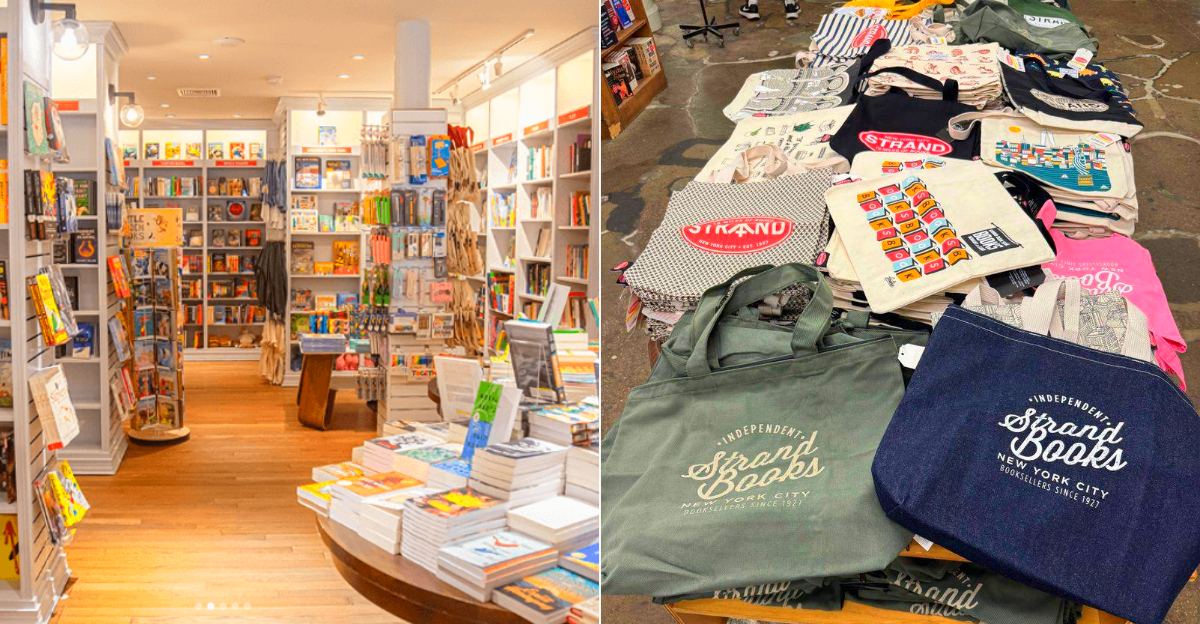
You feel it after the first few aisles.
Time stretches at the The Strand Bookstore, where narrow passages turn browsing into a series of small, deliberate choices. Pages whisper as they turn. Someone nearby exhales after finding a title they have clearly been hunting for a while.
The shop at 828 Broadway opens at ten in the morning, but it quickly loses any connection to the clock once you’re inside.
Used paperbacks sit shoulder to shoulder with pristine hardcovers. Tables pull you in. Upstairs shelves reward curiosity with subjects you didn’t plan to chase.
It’s easy to wander, double back, and lose track of where you started.
Wear comfortable shoes and leave room in your bag and your budget, because staying for an hour is possible; but staying all day feels inevitable.
Easing Into Eighteen Miles
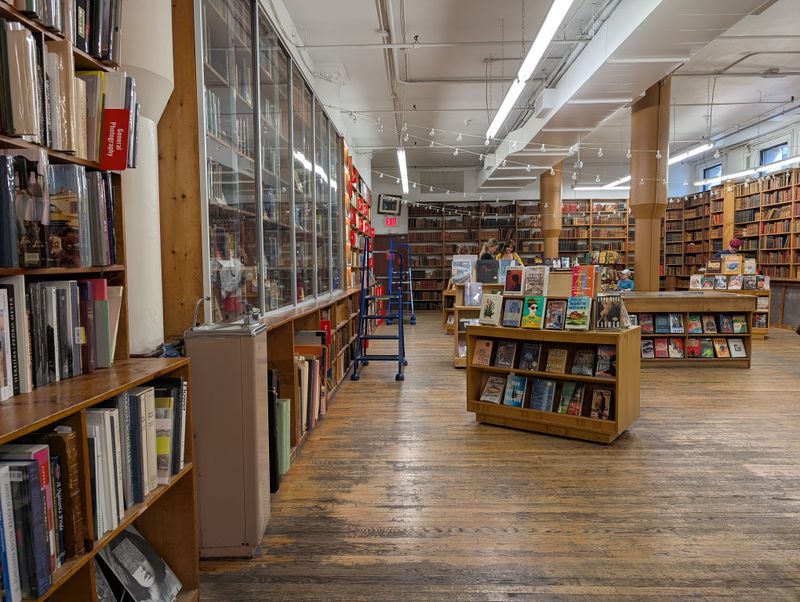
Morning arrives gently at the corner of Broadway and 12th Street, with the Strand’s doors opening like a small ceremony. The first minutes feel unhurried, when staff greet with quiet confidence and the floors still hold last night’s calm. You slip past the front tables, guided by curated stacks that signal what the store is reading, not just what it is selling.
The sense of scale lands slowly, then suddenly, as the aisles lengthen and the shelves reveal their stamina.
First impressions at the Strand are tactile, from the weight of a trade paperback to the soft thud of a book reshelved. A hand-lettered note points toward staff picks, and you follow because intuition tends to pay off here. The map of genres is logical without feeling stiff, and you settle into the measured cadence of browsing.
Soon you realize that a full day is not indulgent, only practical.
Nearby carts outside promise discounted surprises, but the indoor calm sets the tone for deliberate searching. You make a mental plan, then allow it to loosen at the next promising shelf. Confidence grows as the store’s layout becomes readable, like a friend’s handwriting.
Time, politely, starts yielding to pages.
Navigating The First Floor Flow
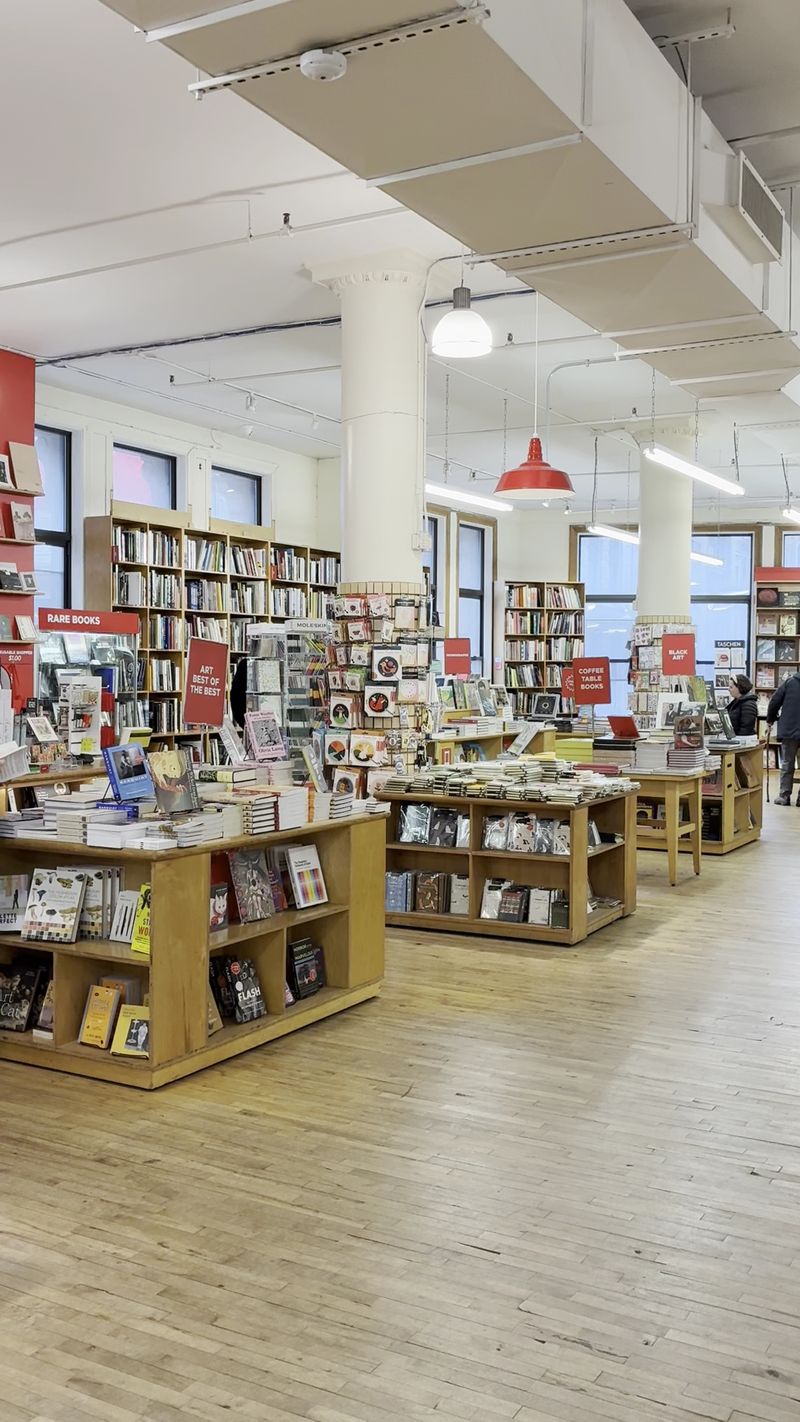
Afternoons bring a livelier current to the first floor, and the energy suits quick decisions. Front displays mix staff judgment with timely releases, making it easy to triangulate a reading mood. Registers hum, tote bags pass from hand to hand, and you learn to step sideways when an aisle narrows.
A soft shuffle of browsing surrounds you, familiar yet specific to this room.
Organization keeps the momentum steady, with clear signage and ready help when a title half remembered needs locating. The price spread is reassuring, as used copies sit beside new editions without ceremony. You pause at a table that blends poetry with essays, noticing annotations on recommendation cards.
Each note feels like a breadcrumb laid by someone patient with nuance.
Detours prove productive when you swing by gifts and stationery for bookmarks, magnets, and the quietly practical pencil. The store manages bustle without sliding into hurry, and you find a natural rhythm in the flow. When the moment calls for quiet, look up for stairs and the elevator, both easy to reach.
The first floor, generous as it is, becomes your launch pad.
Climbing Toward Art And Thought
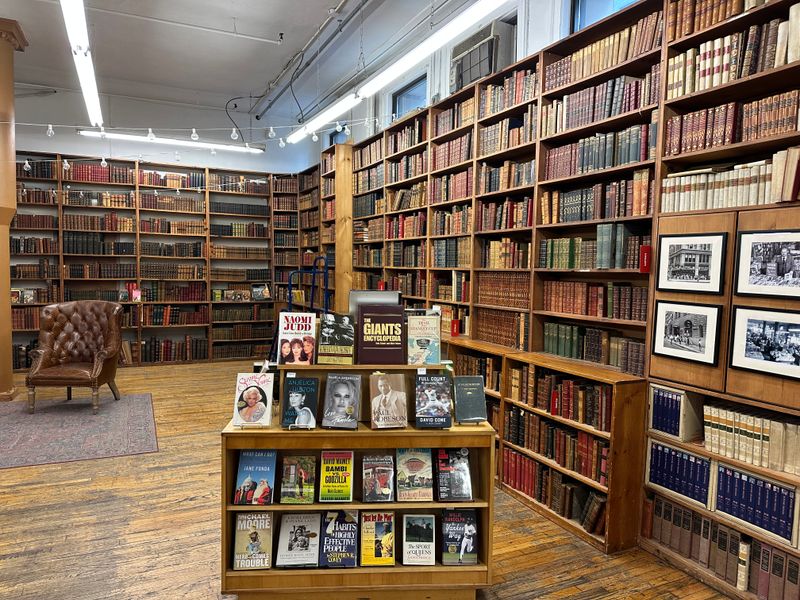
Upstairs, the air changes, thinner with focus and edged by heavy spines. Oversized art books sit like quiet anchors, their pages turning with slow consideration. Photography and architecture invite careful hands, and the tables feel curated for long attention.
Nearby, criticism and theory provide ballast, ready for readers who enjoy thinking after the looking.
The staff here keep to a considerate presence, answering with specificity when asked about a publisher’s strengths or a binding’s lifespan. You notice familiar names alongside out-of-print surprises that feel earned, not staged. Browsers hold conversations in soft tones, an agreeable soundtrack for deliberate choosing.
Chairs, when found, become small islands for testing a chapter or two.
Light from the windows lands on glossy covers that can be treacherous to wrists, so you cradle them properly. The sensation of modernity and history sharing the same table is part of the charm. A well-placed recommendation card relays a concise opinion that respects your taste.
You stay longer than intended, pleased by how the room rewards patience.
Finding Calm In The Children’s Nook
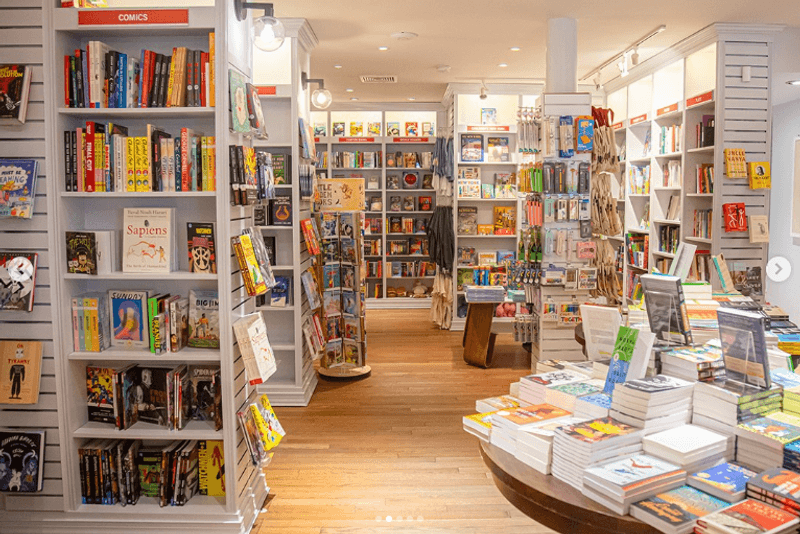
Turn a corner and the children’s area appears with a kindly order that earns immediate trust. Picture books line the lower shelves, with spines like a careful rainbow. Young adult titles stack higher, promising layered stories for later evenings.
Parents and children negotiate time with practiced diplomacy, and everyone seems to win.
Staff keep the space balanced, offering suggestions without salesmanship. Blind date with a book packages add a hint of play, and the artwork on the wrappers is part of the delight. Seating is arranged so you can test a chapter while staying aware of the room.
The pacing here is gentle, a measured counterpoint to the busier floor below.
Inventory is broad enough to handle the classic request and the school assignment with equal ease. You will notice thoughtful curation, especially around nonfiction that respects curiosity. Prices vary, with used copies easing the decision for hungry readers.
Leaving is harder than expected, which is the point of any good children’s corner.
Stepping Into The Rare Book Room

At the top, the Rare Book Room waits with a hush that is firm but friendly. Glass cases hold signatures and first editions, and you learn quickly to ask before touching. Staff knowledge is deep, and questions about provenance receive practical, unhurried answers.
Prices range widely, which keeps hope alive for collectors in training.
The room rewards direct curiosity, whether you are hunting a specific press or chasing a theme. Leather bindings share space with modern limited runs, each with a story that adds weight to the object. You examine a dedication page and feel the tug of history done quietly.
The etiquette here is simple, and it clarifies the pleasure of careful browsing.
Hours can vary for access, so a quick check with the desk downstairs helps avoid disappointment. Lighting favors reading rather than photographs, which suits the material. The calm encourages good judgment, even when temptation becomes persuasive.
You leave with either a purchase or a plan, both respectable outcomes.
Working The Outdoor Carts
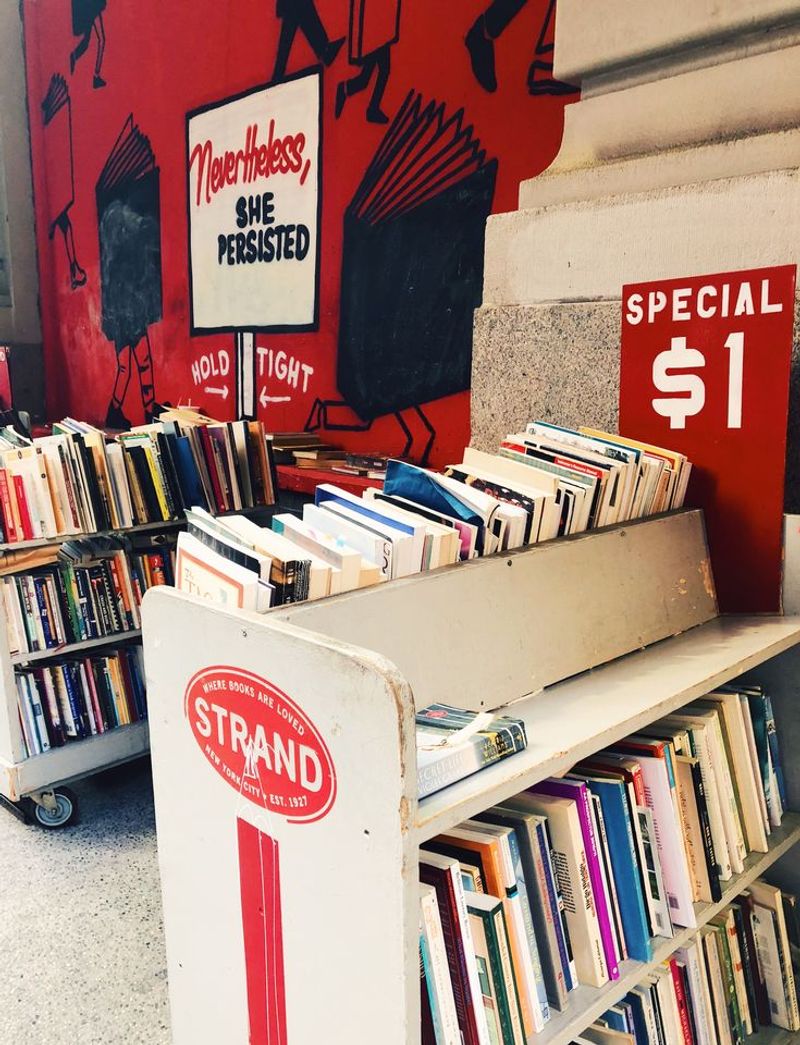
Along the Broadway sidewalk, the dollar carts extend a friendly challenge. Titles tumble in loose categories that favor serendipity over precision. You scan spines for familiar authors and small-press surprises, learning the useful tilt of the head.
The street noise becomes background as you bargain with yourself about space in your bag.
Weather adds character, but staff rotate stock with care and a sense of humor. Prices reward curiosity, and it is common to find an old favorite in excellent shape. Patience helps, as does a willingness to pivot when a stranger reaches for the same paperback.
Everyone understands the unspoken rules, polite and practical.
These carts set the tone for the building inside, reminding you that reading lives in the open air too. You leave fingerprints of dust and satisfaction on your finds. The register line moves quickly, folding street luck into store routine.
A simple transaction becomes the start of a good day’s stack.
Pausing For Coffee And A Plan
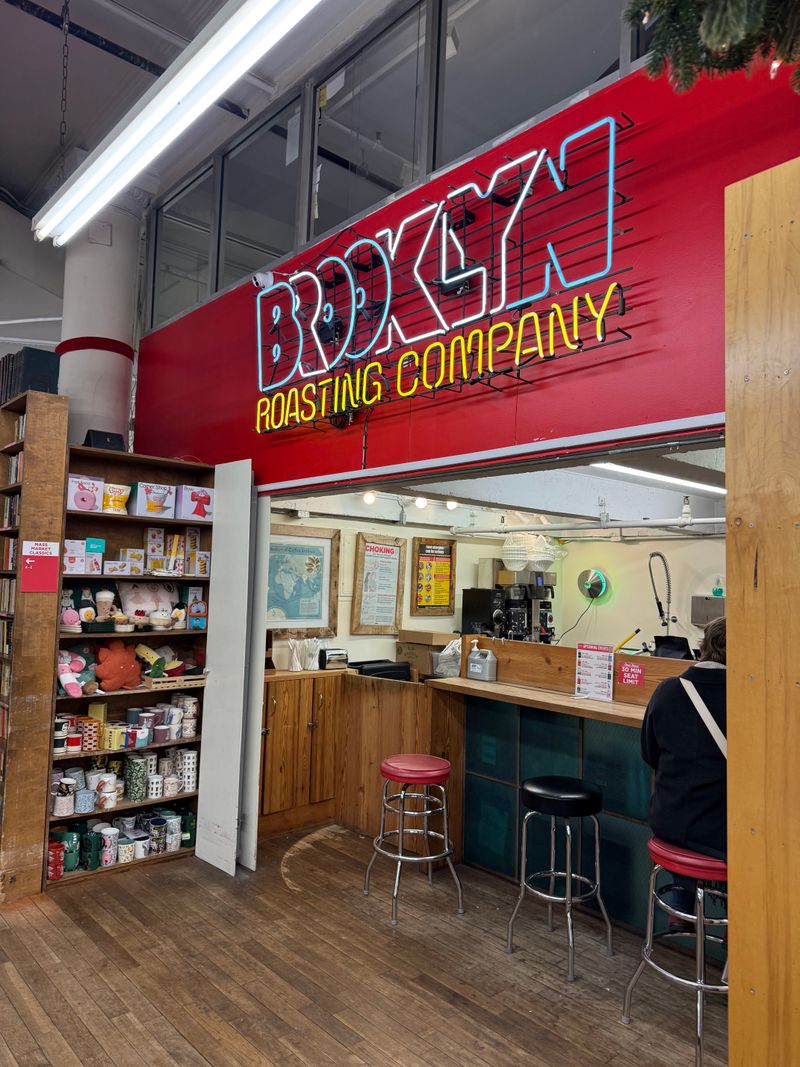
Somewhere between floors, a coffee break saves your judgment from impatience. A small cafe corner offers a place to reset, and you sketch a plan while the cup cools. The store’s website confirms hours, and you check the events calendar out of habit.
A note on your phone becomes a shortlist of shelves yet to visit.
Seating is shared with fellow browsers who wear the familiar look of a reader between chapters. Tote bags rest at their feet like loyal companions. Conversations stay low, respectful of the room’s focus.
You consider the budget, then choose to trust your future self with the receipt.
When the caffeine lands, ambitions tidy themselves into a sensible loop. You will return to philosophy, then swing by signed editions, and finish with essays. The plan is sturdy enough to follow and flexible enough to enjoy detours.
Back on your feet, you feel ready for the afternoon’s steady harvest.
Leaving With A Tote And A Map Back
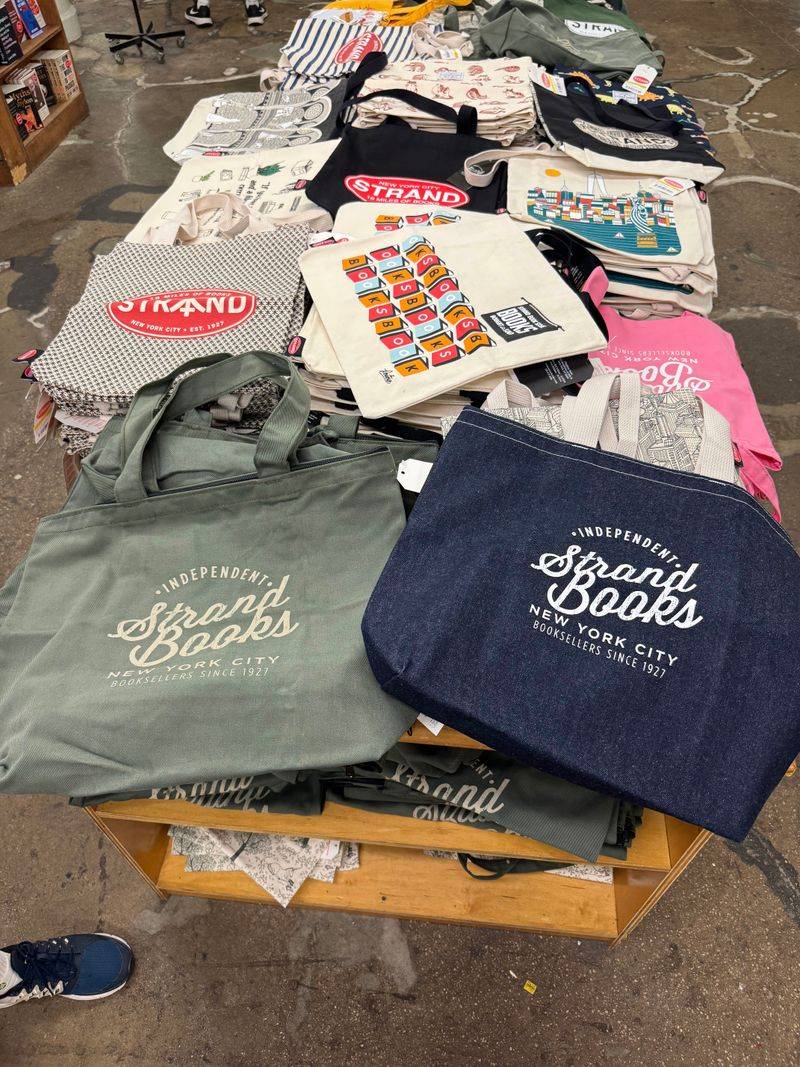
Checkout at day’s end carries a neat finality that never feels rushed. Staff handle questions with practiced ease, from returns to shipping a gift across the river. The classic red tote bag hangs within reach, and you decide the handle length with surprising seriousness.
Receipts tuck into a new bookmark, and your stack settles comfortably in the crook of an arm.
Details noticed earlier resurface, like the calm upstairs, the sturdy carts, and the rare room’s good manners. The address at 828 Broadway now feels like a habit rather than a discovery. Hours until 9 PM give evening readers a fair chance to linger.
Ratings and praise seem reasonable after a day so well spent.
Out on the sidewalk, the city picks up your stride and keeps it. You check your watch, surprised by how gently time moved. A quick note in your calendar becomes a promise to return for an author event.
The map back, memorized, is just a left turn away.