
This Restaurant In New York Is Hidden Inside A Historic Train Station
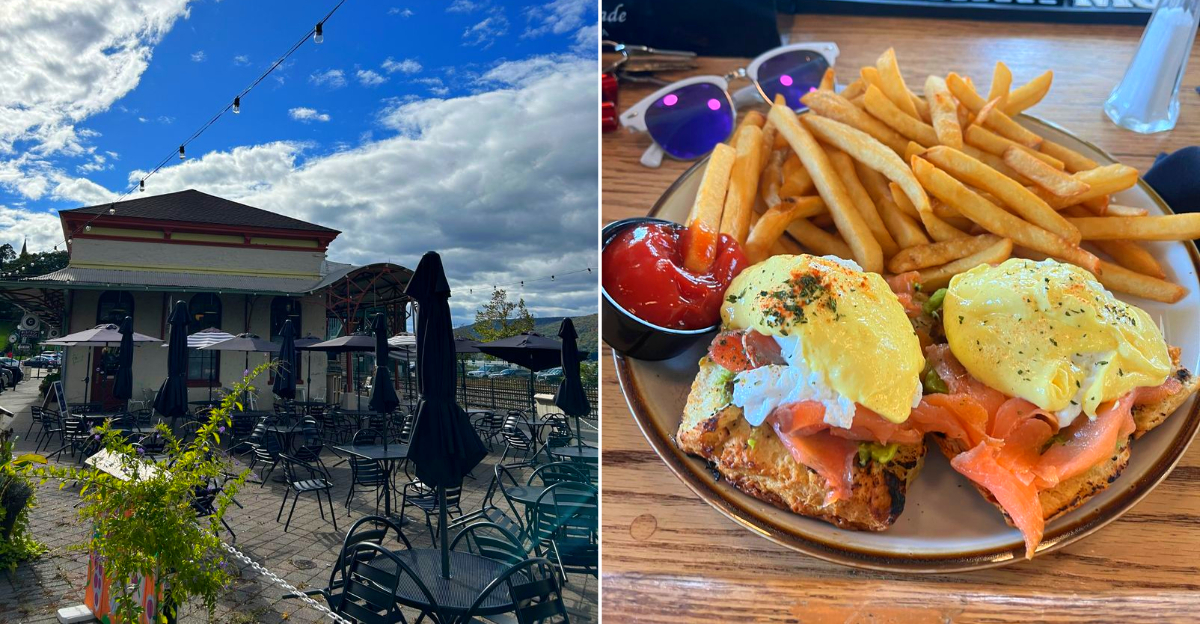
Ever noticed how a place can hide in plain sight until you slow down just enough to hear it? At the far end of the Hudson Line, the Beacon train station goes about its daily work with quiet focus, trains arriving and leaving on cue.
Then something unexpected slips into view. Glassware catching light, voices settling into conversation, the sense that dinner is unfolding somewhere it technically should not.
The surprise feels earned rather than staged, especially once you realise the building has been keeping this secret for years.
The Central makes its home inside the station at 300 Railroad Avenue, Beacon, NY 12508, and it never rushes the reveal. The room respects its bones, letting brick, timber, and tall windows set the tone.
Between the river outside and the rails beneath your feet, curiosity starts doing the heavy lifting. How many travellers pass through without knowing what waits just a few steps away?
When History Shapes More Than Just The View
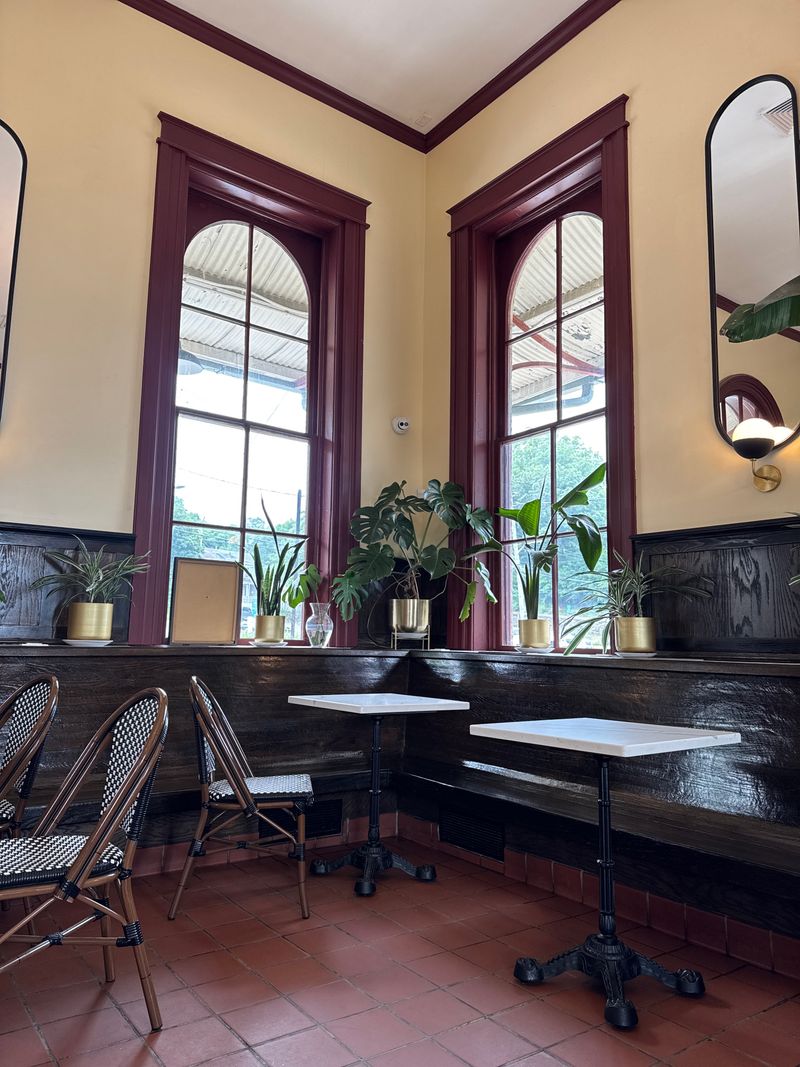
History announces itself here with composure rather than theatrics, which is precisely why the room feels trustworthy. Inside The Central at 300 Railroad Avenue, the bones of Peekskill’s nineteenth century station frame the experience without turning dinner into a museum tour.
Those tall windows treat the Hudson as a companion, not a spectacle, while brick and beam quietly hold their ground. You feel the building’s patience, and somehow your own pace follows suit.
Midway through a meal, the station’s longevity becomes more than attractive backdrop. It influences posture, conversation, and the way a fork returns to the plate between bites.
There is steadiness in these walls that reassures, even when the trains slide past outside. That continuity encourages attention to texture and temperature, details that matter more than novelty.
Across the dining room, reclaimed elements sit beside contemporary touches like they were always meant to share the table. Nothing screams for your gaze, yet everything earns it, from the measured lighting to chairs that invite a second course.
Servers move with the room’s rhythm, measured and unhurried. The result is dining that feels anchored, crafted, and appropriately at home.
Discovering The Restaurant Requires Intention
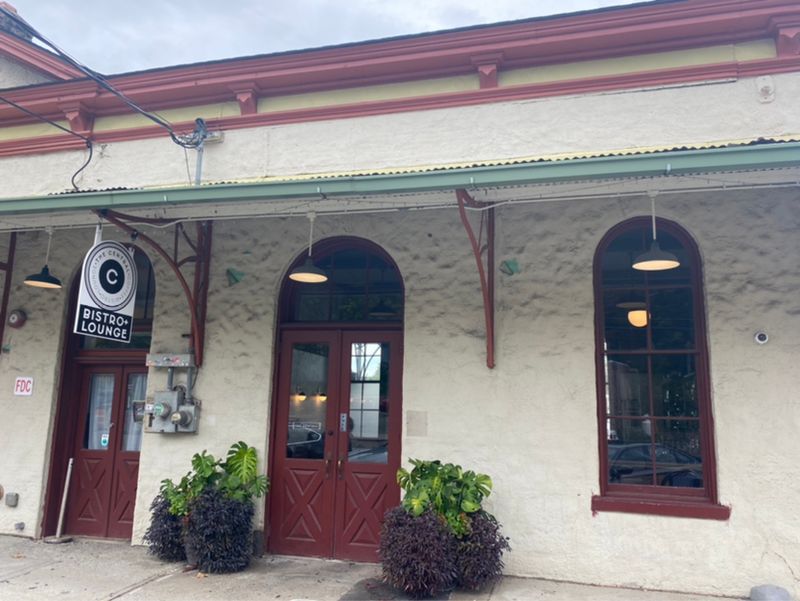
Finding The Central rewards the kind of attention most stations do not request. You follow the flow of commuters, then notice a softer light and the unmistakable cadence of forks meeting plates.
Entry tucks into the station’s fabric, understated and practical, the way good design often hides in plain sight. Many travelers walk within steps of the door and never look left.
That quiet reveal becomes part of the meal’s pleasure. You feel in on something, not because it is exclusive, but because it refuses to shout.
The first glimpse of the dining room, with its warm tones and measured bustle, reads like a shift from transit to presence. It is a small ceremony, and it never grows old.
Once seated, the station’s context stops being a novelty and becomes orientation. Minutes earlier you were a commuter; now you are a diner with options and time.
Staff seem to understand that transition immediately and guide it gently. By the first sip, you have crossed a threshold that signage could not explain.
A View That Refuses To Compete With The Plate
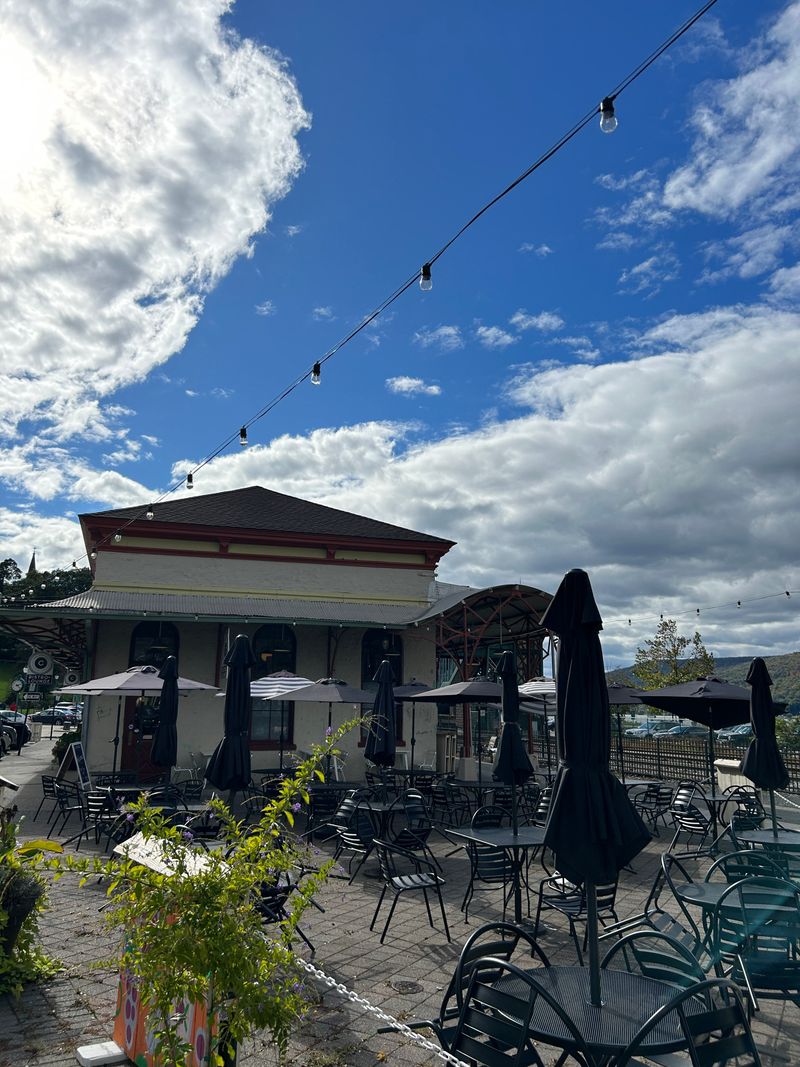
Windows here frame the Hudson like an old friend rather than a showpiece. Light settles across tables, bright enough to admire a sear yet gentle enough to keep conversation private.
Trains appear at intervals, precise and brief, a punctuation mark rather than a plot twist. The effect is context without clamor, scenery that stays in its lane.
From a seat along the wall, you notice how the room’s palette harmonizes with the river’s shifting colors. Glasses catch the same tones that flicker off the water, and your plate feels grounded in place.
Nothing leans on dramatics, which leaves space for flavor to do its work. You relax into that equilibrium without thinking about it.
Outside, platforms manage arrivals; inside, the kitchen manages anticipation. The choreography feels measured, respectful of timing and temperature, two foundations of pleasure.
By dessert, the view has become a quiet companion you would miss if it vanished. It never oversells itself, which is exactly why it endures.
A Menu Designed For Return Visits

Menus built for longevity read with clarity, and The Central’s list exemplifies that approach. Seasonal cues guide selections without bending into trend chasing or cleverness for its own sake.
You will find a confident balance of vegetables, grains, and precise proteins, plated with restraint that suggests skill rather than caution. It is food that invites another visit before you have finished this one.
Starters emphasize texture and acidity, nudging appetite without dulling it. A crisp salad might ring with citrus and herbs, while a warm bite carries gentle heat balanced by cream.
Mains pivot toward comfort refined by detail, sears carefully managed and sauces reduced to conversation, not monologue. Portions satisfy without slipping into excess.
What lingers is the menu’s internal logic. Nothing feels stranded, and substitutions read as accommodation, not compromise.
The result is a lineup that respects varied appetites, from commuters grabbing a smart bite to neighbors settling in for a leisurely evening. You leave plotting what to try next time.
The Influence Of Place On The Food Itself
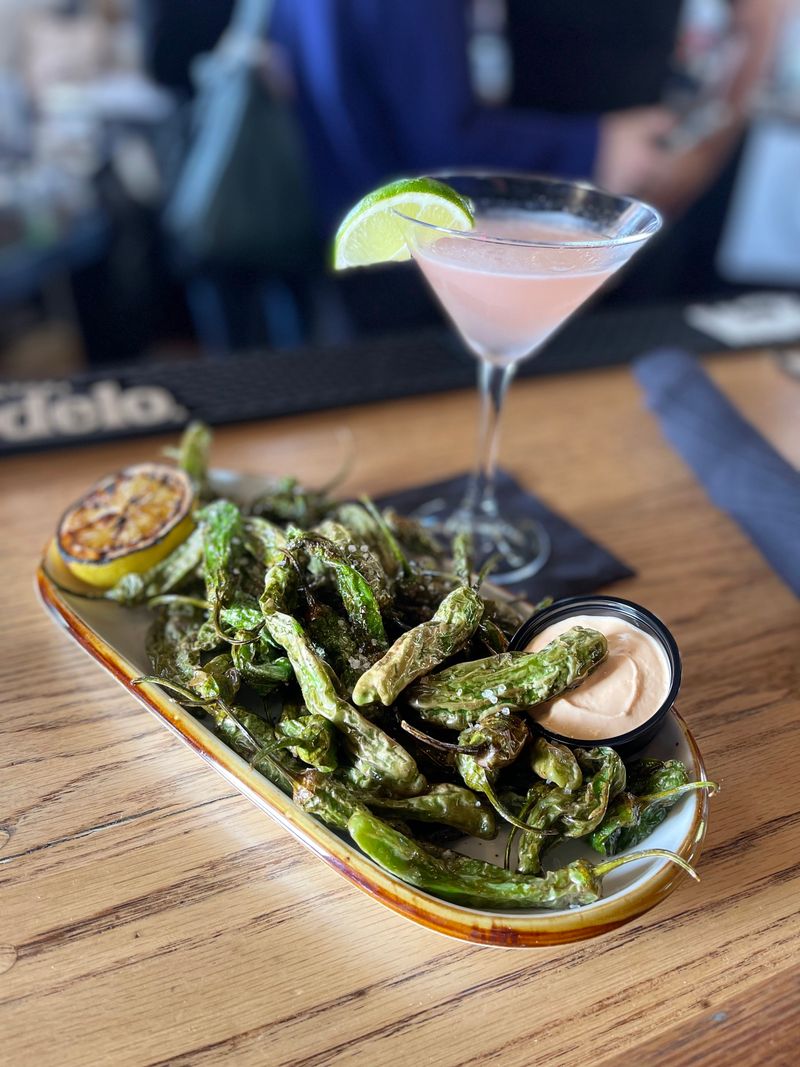
Place shapes appetite in ways menus rarely admit, and The Central seems to cook with that truth. Here, guests arrive with mixed agendas and varied clocks, yet the plates welcome all of them.
Comfort guides the baseline, then technique lifts it above routine, creating food that restores without sedation. You feel cared for rather than coddled.
Generous portions meet precision, a combination that rewards long days and longer commutes. Vegetables receive the same attention as mains, their textures lively and seasoning exact.
Sauces show restraint, offering brightness or depth where needed, never a blanket. Each element reads as considered, not merely present.
By the second course, the station’s rhythm starts to flavor the experience. The hum outside encourages inward focus, and the kitchen seems to respect that energy.
Nothing arrives fussy, yet every plate communicates intention. In this context, place and palate finally agree on terms.
Texture, Temperature, And Timing Done Properly
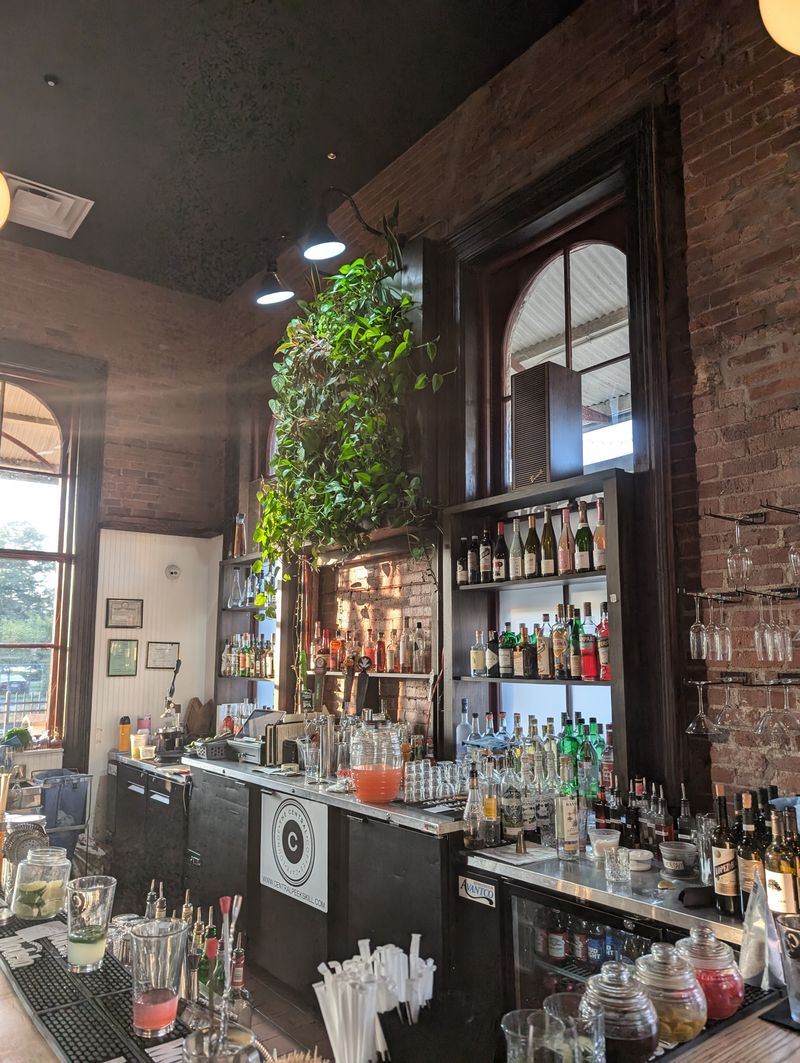
Execution separates pleasant from memorable, and the details here speak fluently. Proteins arrive with tenderness intact, moisture preserved, and edges carrying the right degree of color.
Vegetables snap where they should and yield where they must, seasoning stitched in rather than sprinkled on. Plates land at the table hot, not apologetically warm.
That reliability seldom happens by accident. You can trace it in the way servers coordinate courses, neither rushing nor idling, confident in the kitchen’s cadence.
Drinks meet dishes at the right moment, and refills appear as if summoned. The room’s tempo supports conversation rather than interrupting it.
Over a full meal, these choices accumulate into trust. When dessert reads simple, you order anyway, sure it will arrive with grace.
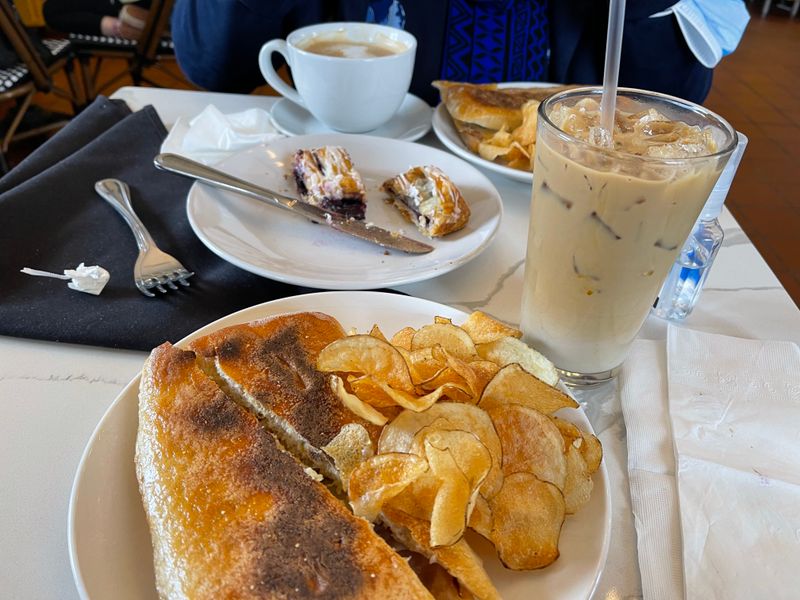
Coffee holds its heat, and a spoon cracks a crust just as it should. You leave remembering textures as clearly as flavors.
Service That Adapts To Movement And Stillness
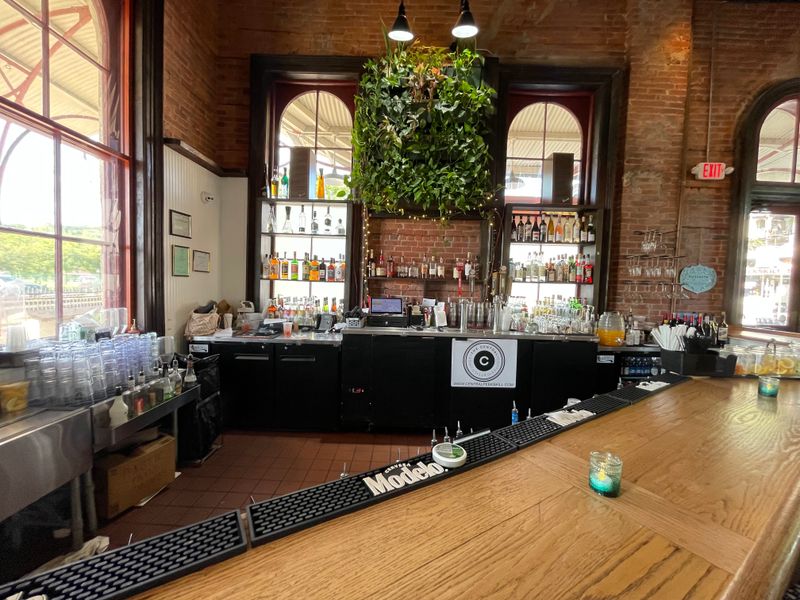
Hospitality inside a working station requires flexibility, and the team at The Central handles it with calm precision. Some tables glance at departure times while others settle into a long evening, and both receive exactly the pace they need.
You never feel hurried unless you request it, and you never feel ignored when time stretches. The difference is attention, not theatrics.
Conversations with staff feel knowledgeable and unforced. Recommendations arrive with reasons, not scripts, and wine suggestions match mood as much as flavor.
Refills appear just when you think to ask, which means you do not need to. The dining room stays composed, even during busy transitions.
Across repeat visits, that adaptability becomes the signature you remember first. It suits a place whose windows face platforms and water in equal measure.
The service recognizes the pull of both and navigates it gracefully. You walk out feeling understood, not just served.
Leaving With A Changed Perspective
Perspective shifts quietly when you return to the platform after dinner. What looked like infrastructure before now holds warmth, the kind that lingers in the bones during colder months.
You carry flavors as proof, along with a memory of light pooling against brick and wood. The station no longer feels neutral.
Walking toward the Hudson, you notice how the river’s surface mirrors the dining room’s calm. Noise fades into distance, replaced by the steady satisfaction of a meal that respected your time.
The restaurant did not ask for attention; it earned it by listening. That restraint travels home with you.
On another evening, you will plan your schedule differently just to sit by those windows again. The Central has a way of turning a stop into a destination without raising its voice.
That is the mark of hospitality with backbone and grace. You leave seeing the station, and dinner, anew.
Practical Notes For A Smooth Visit
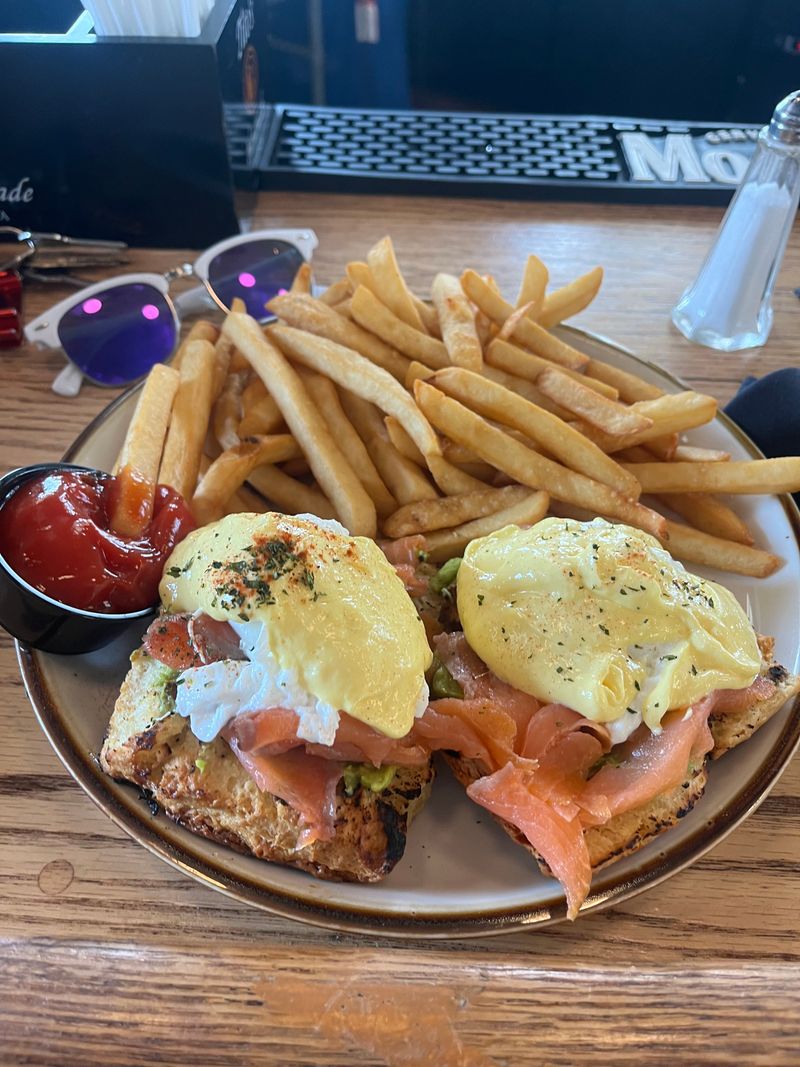
Planning helps, especially on busy evenings when the dining room fills quickly. Reservations are wise for prime hours, while the bar remains a friendly option for a spontaneous glass and a bite.
Morning visits suit coffee and pastries before the day accelerates, and weekends attract brunch crowds drawn by the riverfront setting. Timing matters, but not enough to overshadow the experience.
Because the restaurant lives at 300 Railroad Avenue, coordinating with train schedules makes sense. Arrive a little early and let the room reset your pace, or linger afterward with a final pour and a view.
Staff navigate those transitions smoothly, adjusting service when departures loom. You will feel accommodated rather than managed.
Parking nearby is straightforward, though the walk from the platform is even simpler. Dress for comfort and curiosity, then let the building do some of the storytelling.
What follows is hospitality tuned to setting, confident without fuss. You will likely plan the next visit before leaving.