
This Abandoned New Jersey Casino Feels Frozen In Time
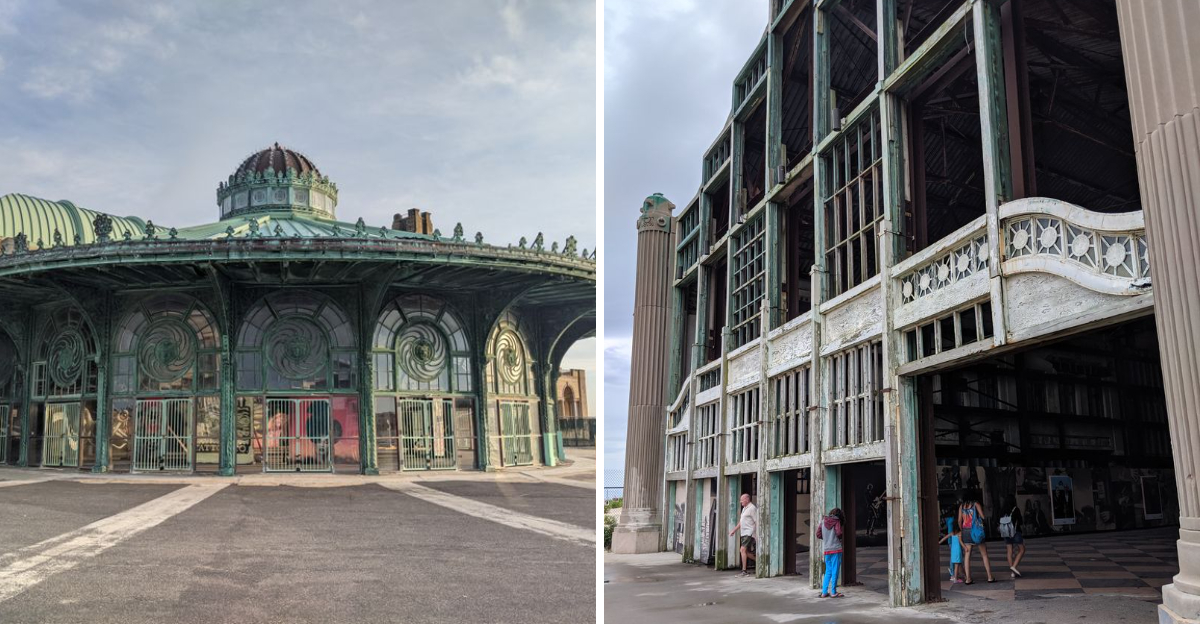
Along the Jersey Shore stands a building that refuses to disappear, the Asbury Park Casino at 700 Ocean Ave N. Once a grand symbol of early 20th-century glamour, it still holds the echoes of an era when American optimism and opulent architecture collided.
Today, its silent halls and ornate details offer visitors a rare, almost archaeological, glimpse into what entertainment looked like a century ago. Stepping inside feels like time standing still, as if the past is waiting to be rediscovered.
The Asbury Park Casino Was Built At The Height Of The Roaring 20s
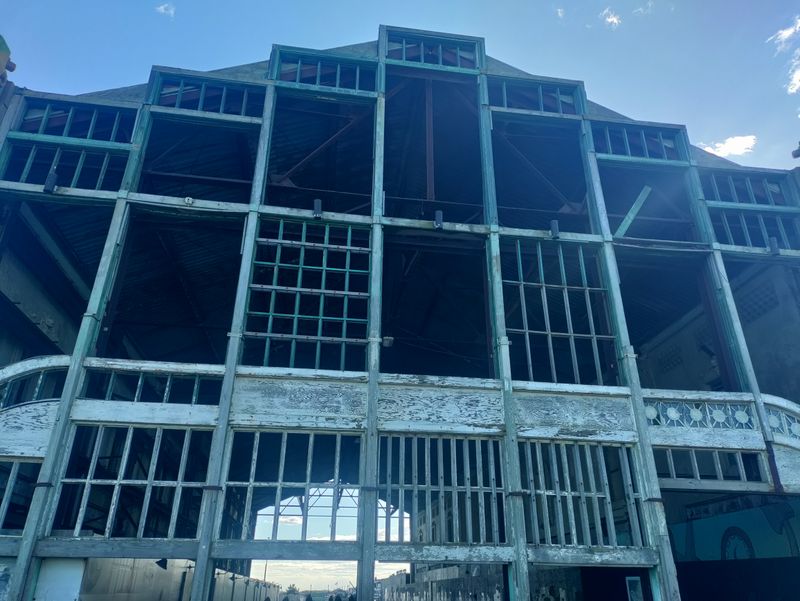
Construction began in 1928 during an economic boom that transformed American leisure culture. Asbury Park positioned itself as a premier destination for families and city dwellers seeking respite from urban life.
The casino represented civic pride and commercial ambition in equal measure.
Investors poured resources into creating something that would outlast seasonal trends. The building rose along the oceanfront as a statement of permanence.
Its scale announced that Asbury Park intended to compete with established resort towns along the Atlantic coast.
Opening just before the Great Depression, the casino caught the final wave of Jazz Age prosperity. The timing proved both fortunate and tragic.
The structure became a monument to optimism that would soon face decades of economic challenge and social change beyond anyone’s imagination at the ribbon cutting.
Designed By The Same Architects Behind Grand Central Terminal
Warren and Wetmore brought their signature Beaux-Arts approach to the Jersey Shore project. The firm had already established its reputation through Grand Central Terminal in Manhattan.
Their work emphasized classical proportions, rich materials, and a sense of civic grandeur that elevated public spaces into something approaching art.
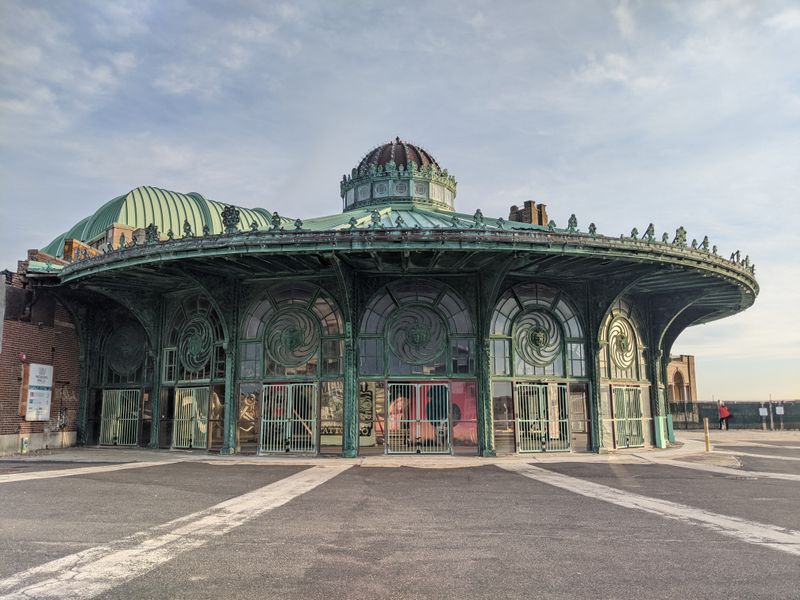
The casino’s facade displays the same attention to detail that made Grand Central an architectural landmark. Columns, cornices, and decorative elements follow classical principles adapted for seaside conditions.
Salt air and coastal weather required specific material choices that would endure Atlantic storms.
This pedigree sets the Asbury Park Casino apart from typical boardwalk construction. The architects treated the commission seriously rather than viewing it as merely seasonal entertainment infrastructure.
Their vision created something meant to inspire rather than simply house amusements and commercial activity along the oceanfront.
A Boardwalk Entertainment Complex That Once Sparked Summer Dreams
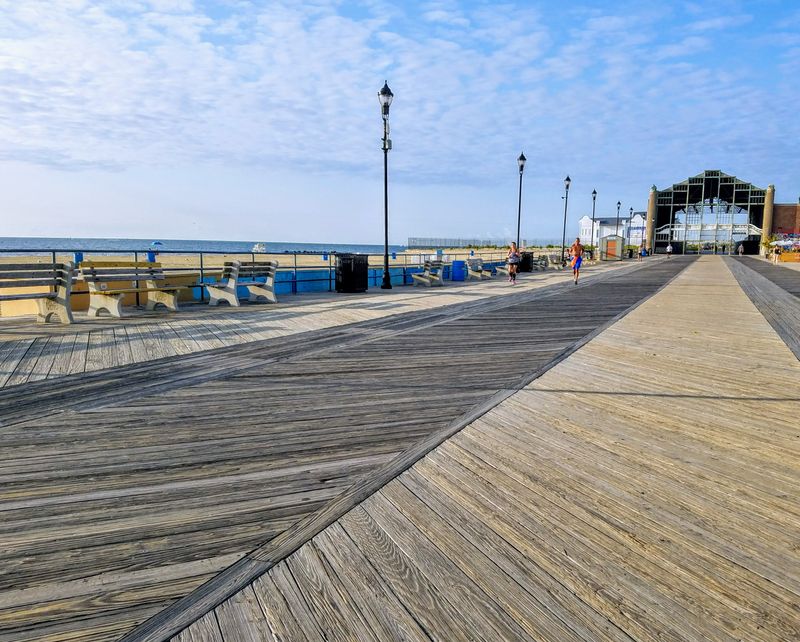
Families arrived by train and automobile throughout summer months seeking the casino’s particular brand of wholesome entertainment. The complex functioned as a self-contained world of diversion.
Multiple attractions operated under one roof, creating an all-day destination that kept visitors engaged from morning through evening.
The boardwalk location provided constant foot traffic and ocean breezes. Visitors could transition from beach activities to indoor amusements without traveling far.
This convenience made the casino a natural gathering point for vacationers and day trippers alike.
Summer dreams took shape in the form of first dates, family traditions, and childhood memories formed within these walls. The building witnessed countless personal milestones against a backdrop of changing music, fashion, and social customs.
Each generation left its mark through the simple act of showing up and participating in communal leisure.
Once Home To Rides, Arcades, Skating, And Theater Greats
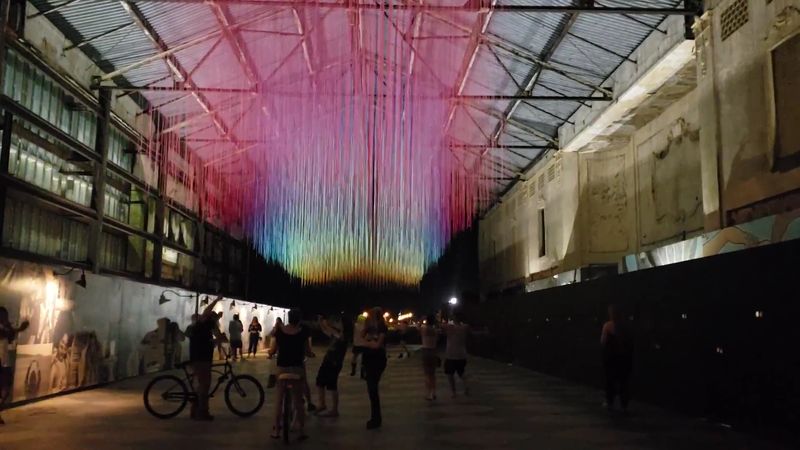
Mechanical rides occupied specific zones within the sprawling interior. Arcade games lined walkways, their bells and lights creating sensory overload in the best possible way.
A skating rink drew crowds year-round, offering smooth terrazzo floors and live organ music that echoed through the space.
The theater component brought legitimate entertainment to the Shore. Performers who played major city venues also appeared on the Asbury Park stage.
This elevated the casino beyond simple amusement into cultural territory, giving locals access to acts they might otherwise travel to Manhattan or Philadelphia to experience.
Each attraction operated independently yet contributed to an overall atmosphere of abundance. Visitors could sample different pleasures within a single visit.
The variety ensured that families with different ages and interests all found something appealing, making return visits inevitable throughout the summer season and beyond.
The Casino’s Elegant Beaux-Arts Facade Still Stands Today
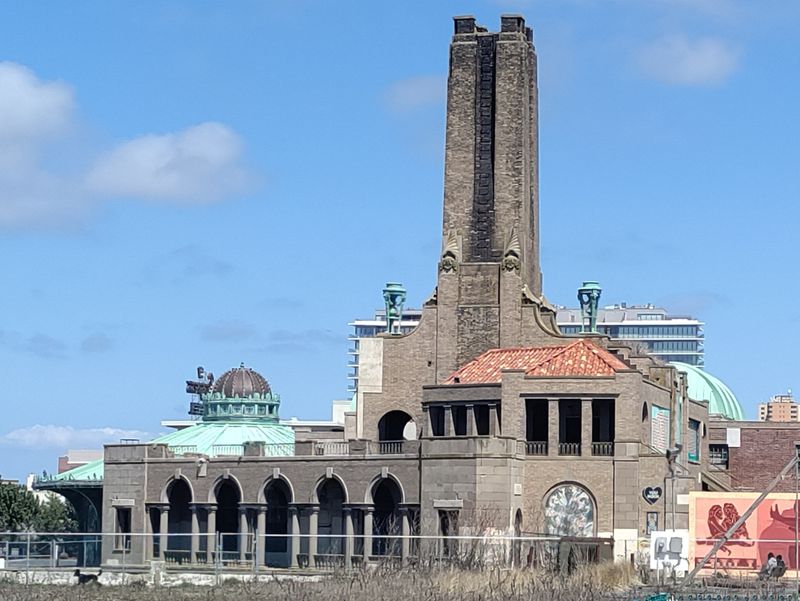
Time and neglect have altered but not destroyed the building’s exterior presence. Classical elements remain visible despite years of deferred maintenance.
The facade continues to command attention along the boardwalk, its proportions and detailing still evident to anyone who pauses to look closely.
Stone and terra cotta have weathered Atlantic storms with remarkable resilience. The materials chosen by Warren and Wetmore proved worthy of their reputation.
While paint has faded and some decorative elements show damage, the fundamental structure demonstrates the durability of quality construction and thoughtful material selection.
Visitors today encounter a building caught between past glory and uncertain future. The facade serves as a three-dimensional history lesson, showing how grand public architecture once shaped community identity.
Standing before it creates a strange temporal experience, simultaneously present in current Asbury Park while glimpsing the ambitions of a vanished era.
Asbury’s Decline Left The Casino Quiet And Forgotten
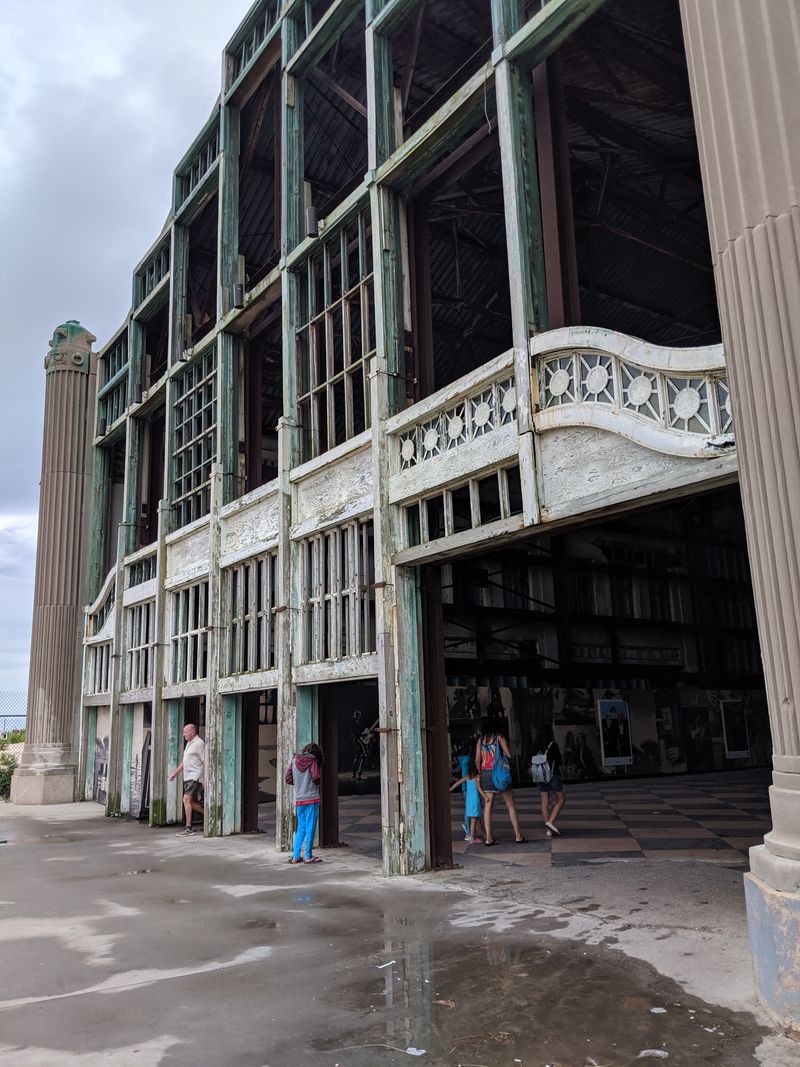
Economic shifts in the 1960s and 70s transformed the Jersey Shore landscape. Asbury Park faced challenges that closed businesses and emptied buildings throughout the downtown area.
The casino fell silent as entertainment patterns changed and newer attractions drew crowds elsewhere along the coast.
Decades of minimal activity followed the vibrant years. The building sat largely unused, its grand spaces hosting only occasional events.
Nature began reclaiming portions of the interior while the exterior weathered without regular maintenance or care from successive owners with varying plans.
This period of abandonment paradoxically preserved certain elements that renovation might have destroyed. The casino became a time capsule by default rather than design.
Forgetting sometimes protects what memory alone cannot save, allowing future generations to encounter authentic remnants of an earlier architectural and cultural moment.
The Boardwalk Landmark Now Feels Like A Time Capsule
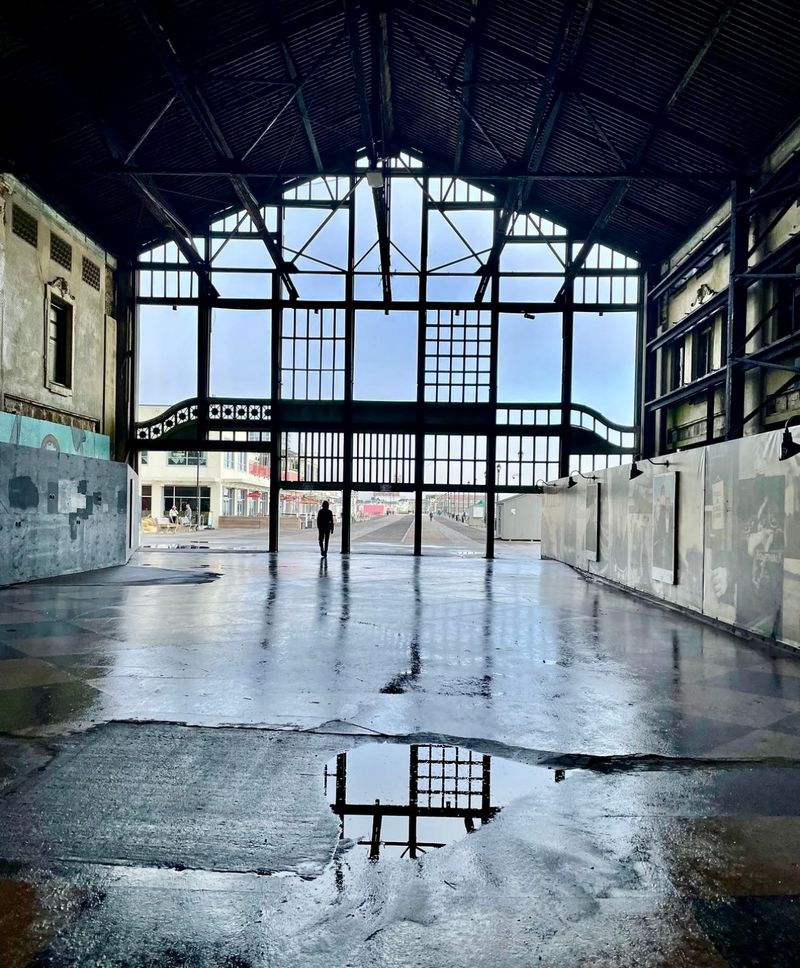
Walking through accessible portions reveals layers of history compressed into physical space. Original finishes peek through later additions and modifications.
The building holds evidence of multiple eras, each leaving traces that create an unintentional archaeological record of changing tastes and uses.
Certain areas remain remarkably intact, offering glimpses of original design intent. Terrazzo floors display patterns that once guided foot traffic.
Architectural details demonstrate craftsmanship standards that have largely disappeared from contemporary construction practices and commercial building projects.
The time capsule effect intensifies the experience of visiting. Modern Asbury Park surrounds the casino, yet stepping inside creates temporal displacement.
This contrast between exterior context and interior preservation makes the building valuable beyond its architectural merits alone, functioning as a portal to vanished social customs and entertainment culture.
Ghostly Terrazzo And Stonework Tell Stories Of A Bygone Era
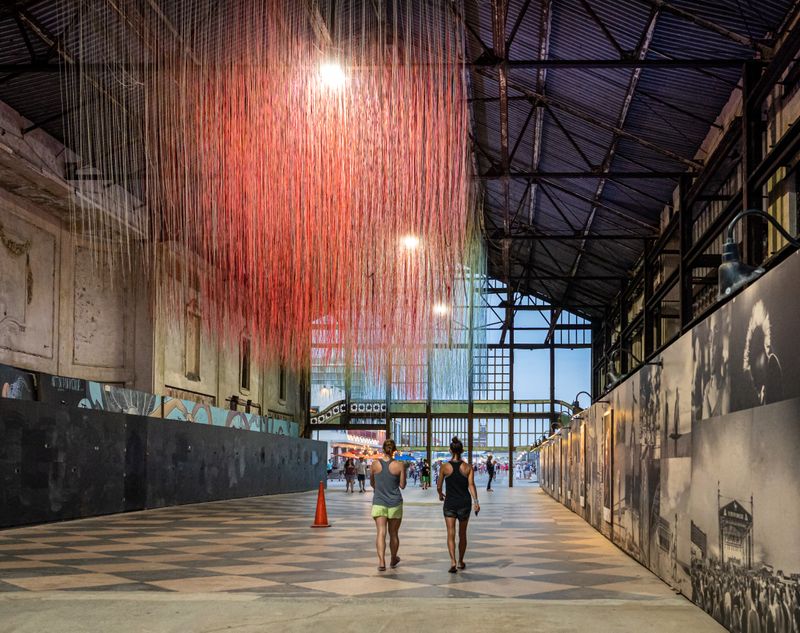
Terrazzo floors throughout the casino display patterns and color combinations typical of their era. The material has endured remarkably well despite decades of neglect and exposure.
Each section tells a story through wear patterns, showing where crowds once gathered and pathways they followed through the space.
Stonework demonstrates a level of craft investment rarely seen in contemporary commercial construction. Carvers shaped decorative elements by hand, creating unique details rather than repeating identical molded units.
Their work survives as testament to a building culture that valued permanence and beauty in public spaces.
These material remnants communicate across decades without words. The terrazzo and stone speak through texture, pattern, and evidence of skilled hands.
Visitors attuned to such details can read the building like a text, understanding priorities and values of the people who commissioned, designed, and built this substantial structure.
Locals Remember When It Was Asbury Park’s Cultural Heart
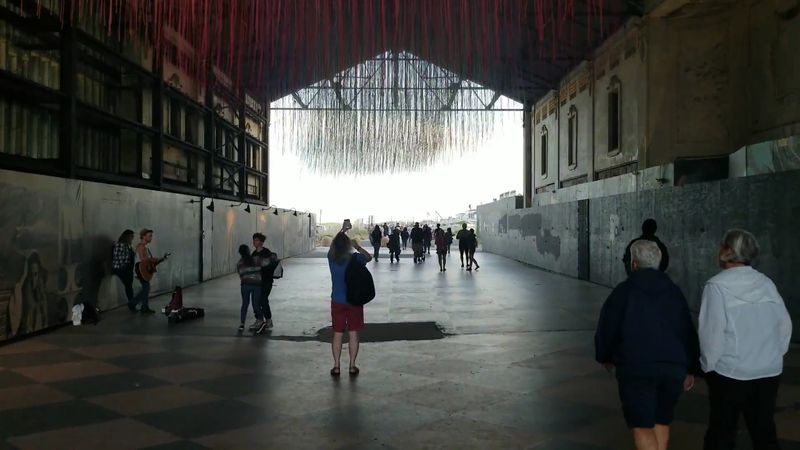
Longtime residents carry memories of the casino as a living, functioning center of community life. Their stories describe a building full of music, laughter, and constant human activity.
These recollections provide context that physical evidence alone cannot convey about the building’s social significance.
The casino served multiple roles beyond simple entertainment. It functioned as a meeting place, a venue for significant personal events, and a symbol of civic identity.
Generations formed attachments to the building through repeated visits and shared experiences that accumulated over decades.
This remembered cultural centrality makes current abandonment particularly poignant for those who knew the casino in operation. The contrast between memory and present reality creates a sense of loss that extends beyond architecture into the realm of community identity and continuity.
The building embodies both what was and what might have been with different economic trajectories.
The Casino’s Future Hangs Between Preservation And Demolition
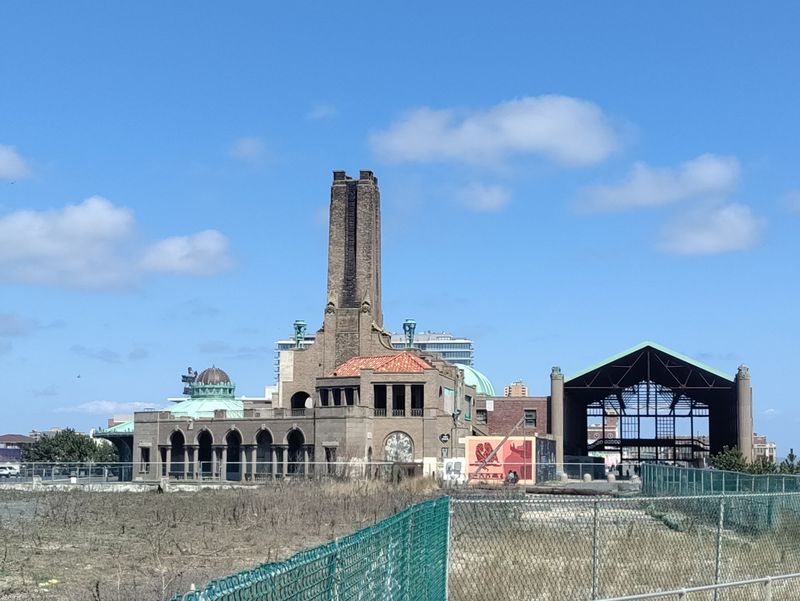
Current debates surrounding the casino involve competing visions for Asbury Park’s future development. Preservation advocates emphasize historical significance and architectural merit.
Developers see potential for adaptive reuse that could integrate the structure into modern commercial plans while maintaining its essential character.
Financial realities complicate preservation efforts. Restoring the building to functional condition requires substantial investment without guaranteed economic return.
The costs of meeting contemporary building codes while preserving historic fabric create challenges that have stalled multiple proposed projects over recent years.
The outcome remains uncertain as stakeholders negotiate between conservation and pragmatic development pressures. The casino’s fate will likely reflect broader questions about how communities value history, architecture, and continuity with the past.
Its survival depends on finding solutions that satisfy both preservation principles and economic viability in a competitive real estate market.