
This Massive Indiana Waterfall Is The Most Peaceful Place You’ll Visit All Year
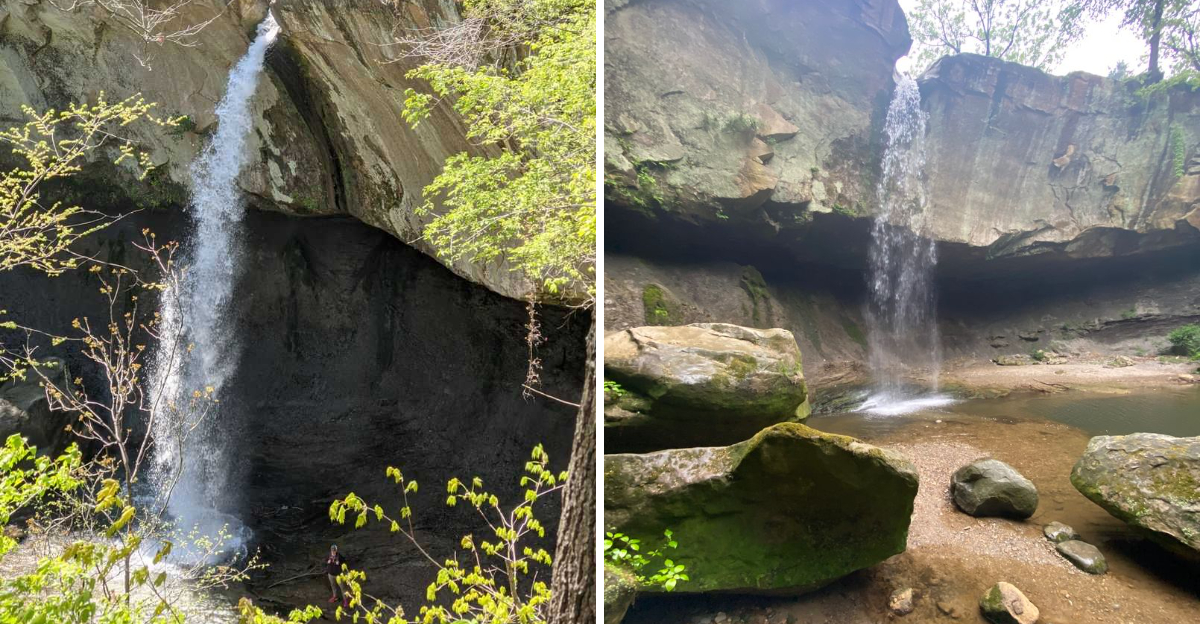
At 90 feet, Williamsport Falls is the tallest waterfall in Indiana, plunging into a limestone ravine near the heart of the town. Just steps away from the town square at 25 N Monroe St, this stunning natural site offers an exceptional mix of easy access and wild, untamed beauty.
After a heavy rain, the falls roar to life, creating a breathtaking spectacle of nature’s power. During drier months, the exposed rock formations and serene trails provide a tranquil escape, making Williamsport Falls a year-round destination for outdoor enthusiasts.
Indiana’s Tallest Waterfall Flows Just Off The Town Square
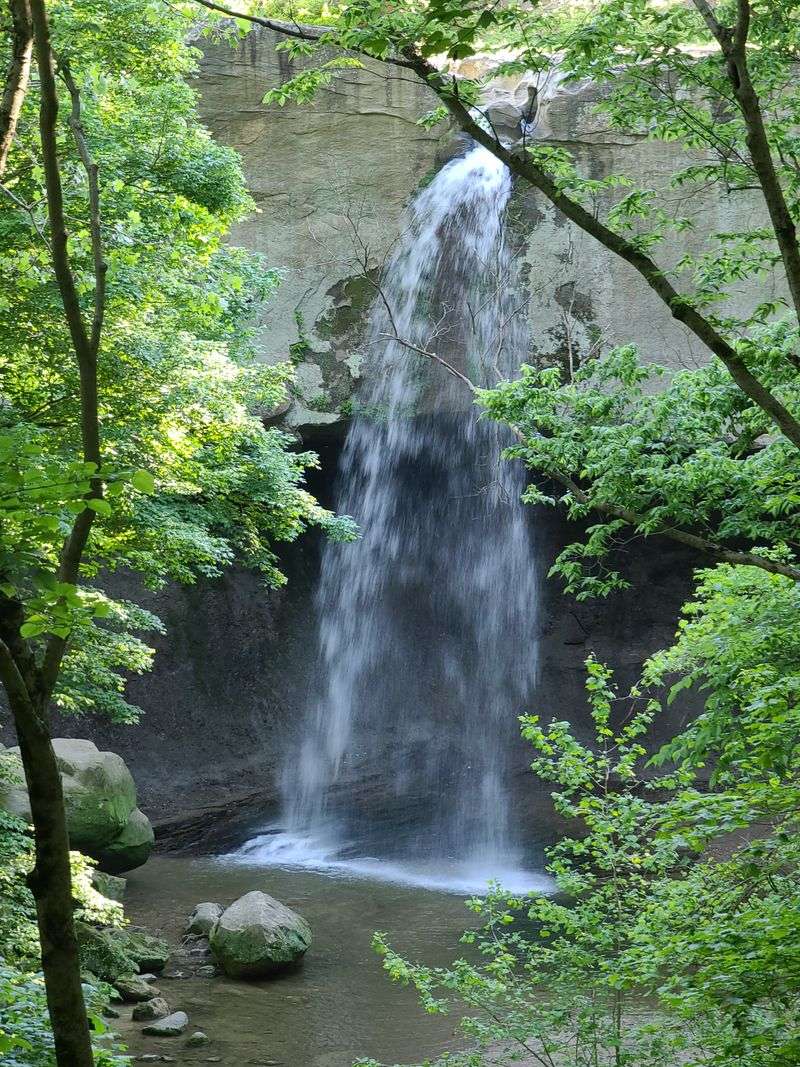
Finding Indiana’s tallest waterfall requires nothing more than navigating to a small parking lot behind Main Street. The falls announce themselves with a steady rush of water during wet seasons, visible from multiple vantage points around the park.
Williamsport has managed to preserve this geological feature without overdeveloping the surrounding area, allowing the waterfall to maintain its natural character.
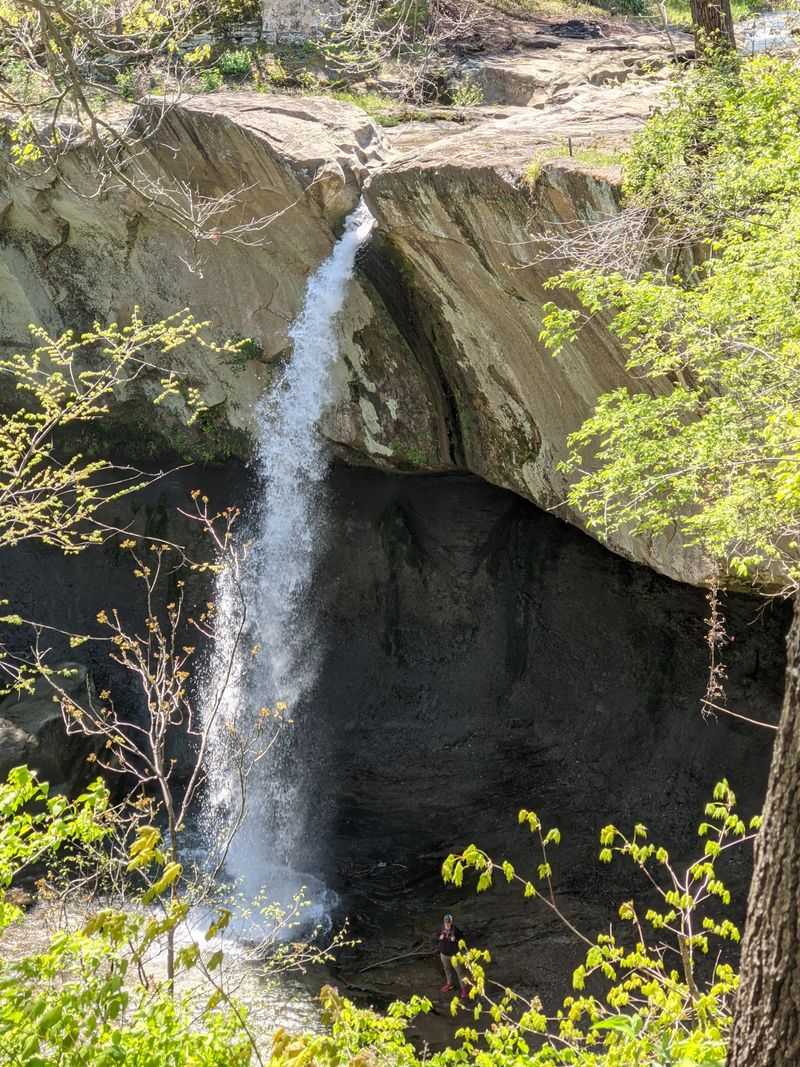
The 90-foot drop occurs where Fall Creek meets a limestone ledge, creating a spectacle that changes dramatically with rainfall patterns. Spring visitors often witness a thundering cascade, while summer and fall may reveal a gentler flow that exposes the layered rock face.
This variability adds interest to repeat visits, as no two trips offer identical views.
Access begins at a small gravel lot that accommodates four to five vehicles, located down a one-way street that feels more like an alley than a park entrance. The modest infrastructure keeps crowds manageable and preserves the quiet atmosphere that makes this waterfall special.
A 90-Foot Drop That Feels Like A Hidden Natural Gem
The waterfall reveals itself gradually as you approach the viewing deck, building anticipation with the sound of falling water before the full height becomes visible. Standing at the overlook, the scale of the drop becomes clear as your eyes follow the water down through layers of Silurian limestone.
Geologists appreciate the exposed rock strata, while casual visitors simply enjoy the dramatic vertical dimension.
Getting closer requires descending a steep trail that switches between natural paths and constructed stairs. The descent takes about fifteen minutes at a careful pace, with loose gravel demanding attention on the steeper sections.
Handrails appear where the grade becomes challenging, though sturdy footwear remains advisable.
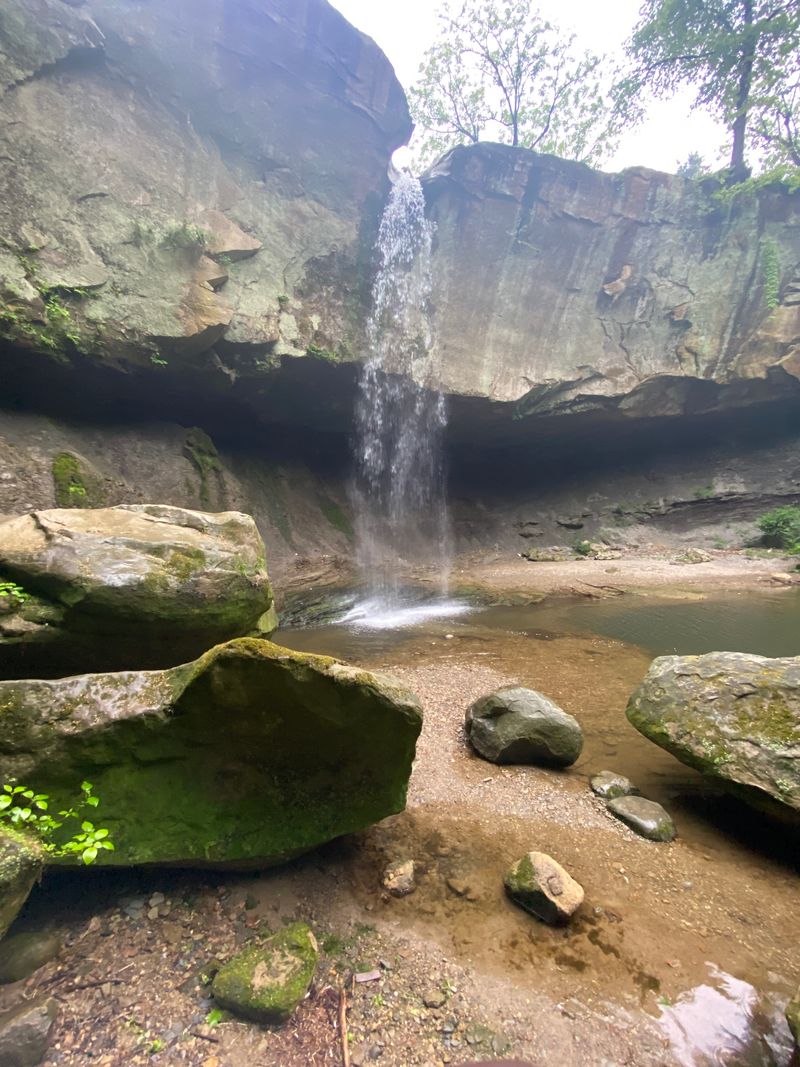
Once at creek level, the waterfall takes on different proportions, with the sound amplified by the surrounding ravine walls. Large boulders at the base provide seating for those who want to linger, and during high water periods, mist from the falls creates a cooling effect that feels refreshing on warm days.
Why Locals Call Williamsport Falls A Quiet Escape
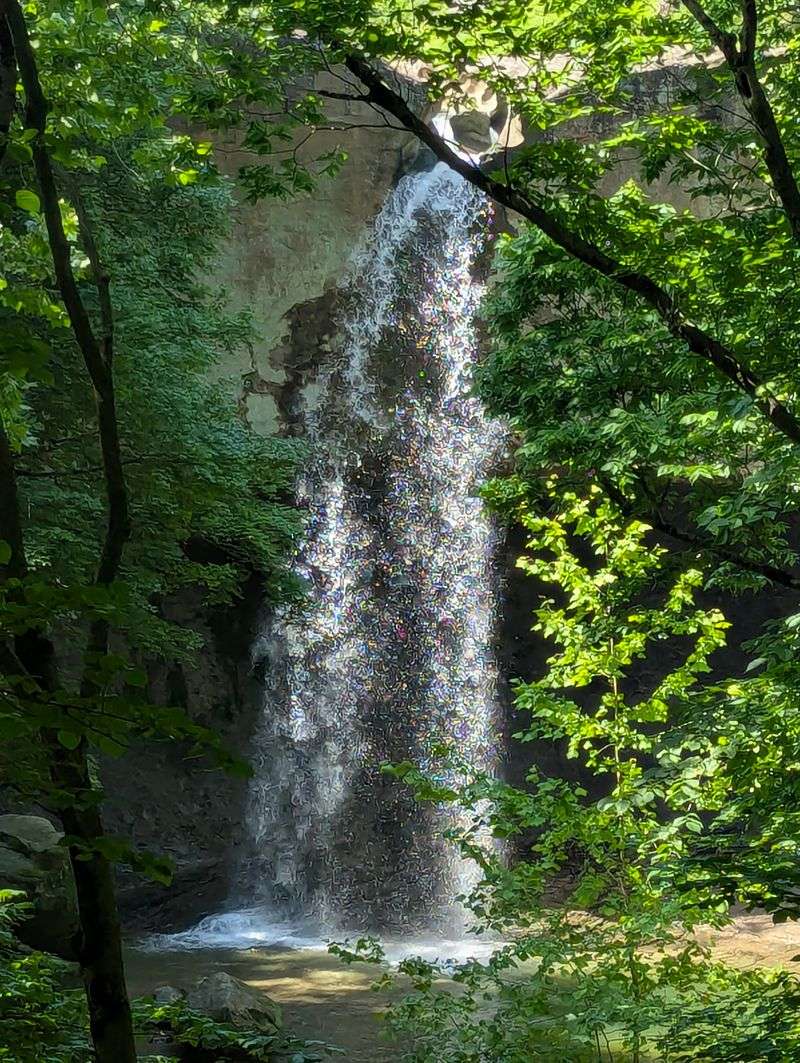
Residents of Warren County treat this waterfall as a personal retreat rather than a tourist attraction, visiting during morning hours or weekday afternoons when solitude comes easily. The limited parking naturally controls visitor numbers, preventing the overcrowding that plagues more famous natural sites.
This built-in crowd control preserves the contemplative quality that locals value most.
The surrounding neighborhood shows little commercial development, with no gift shops or concession stands to interrupt the natural setting. A few abandoned buildings near the entrance might initially seem off-putting, but they quickly fade from awareness once the trail descends into the ravine.
This lack of polish actually enhances the feeling of discovering something authentic rather than visiting a manufactured attraction.
Local families use the trails for regular exercise, dog walking, and casual disc golf rounds, treating the park as an extension of their backyard. This everyday use by residents creates a welcoming atmosphere for visitors, who benefit from the well-maintained trails without encountering tourist-trap dynamics.
A Short Walk Leads To Big Views And Calm Sounds
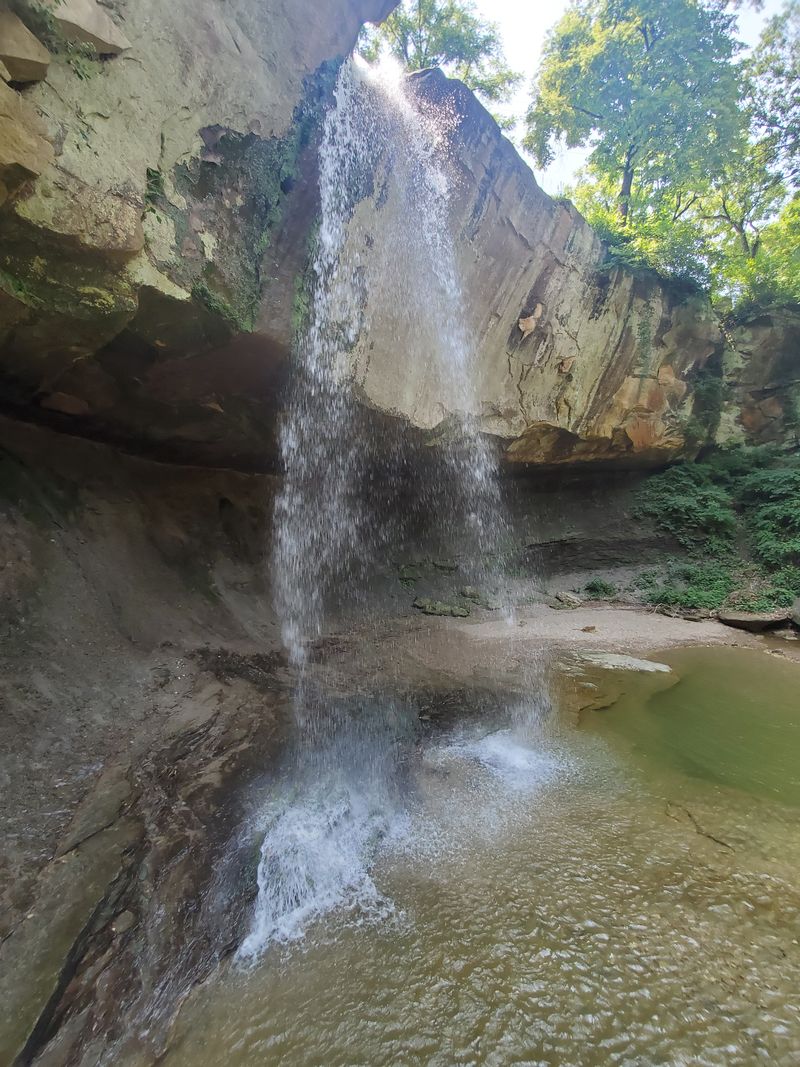
The main viewing platform sits less than fifty yards from the parking area, making the waterfall accessible even to those with limited mobility. From this elevated position, the full height of the cascade spreads out below, framed by the ravine walls and canopy of surrounding trees.
Photographers favor this spot for capturing the waterfall’s complete profile without the steep descent.
For those willing to venture lower, the trail system offers multiple routes down to creek level. The quickest path follows a series of stairs that cut directly down the slope, while a longer trail winds more gradually through the woods.
Both routes take between twenty and forty-five minutes round trip, depending on how much time you spend at the bottom.
The acoustic experience shifts as you descend, with the waterfall’s voice growing louder and more complex. At creek level, the sound becomes almost physical, a constant white noise that blocks out modern intrusions and creates a meditative environment.
Many visitors report this auditory experience as the most memorable aspect of their visit.
The Waterfall’s Seasonal Flow Makes Every Visit Unique
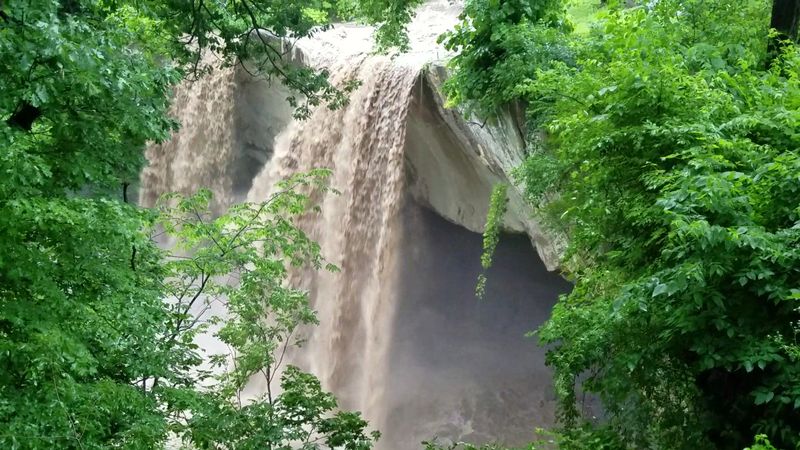
Rainfall patterns control the waterfall’s personality more than any other factor, transforming it from a roaring cascade to a modest trickle depending on recent weather. Spring typically delivers the most impressive displays, when snowmelt and April showers combine to send substantial volumes over the ledge.
Visitors during these peak flow periods witness the falls at their most powerful, with spray reaching the viewing platforms.
Summer and fall often bring reduced flow as the creek responds to drier conditions. During these periods, the waterfall may diminish to a thin curtain or even stop flowing entirely, revealing the bare rock face and geological features normally hidden by water.
Some visitors express disappointment at finding the falls dry, but others appreciate the opportunity to examine the limestone formations and walk across the creek bed.
Winter visits offer their own rewards when cold temperatures freeze the falling water into dramatic ice formations. The frozen cascade creates sculptural shapes that change throughout the season, attracting photographers and adventurous hikers willing to navigate potentially slippery conditions.
Surrounded By Lush Greenery And Peaceful Trails
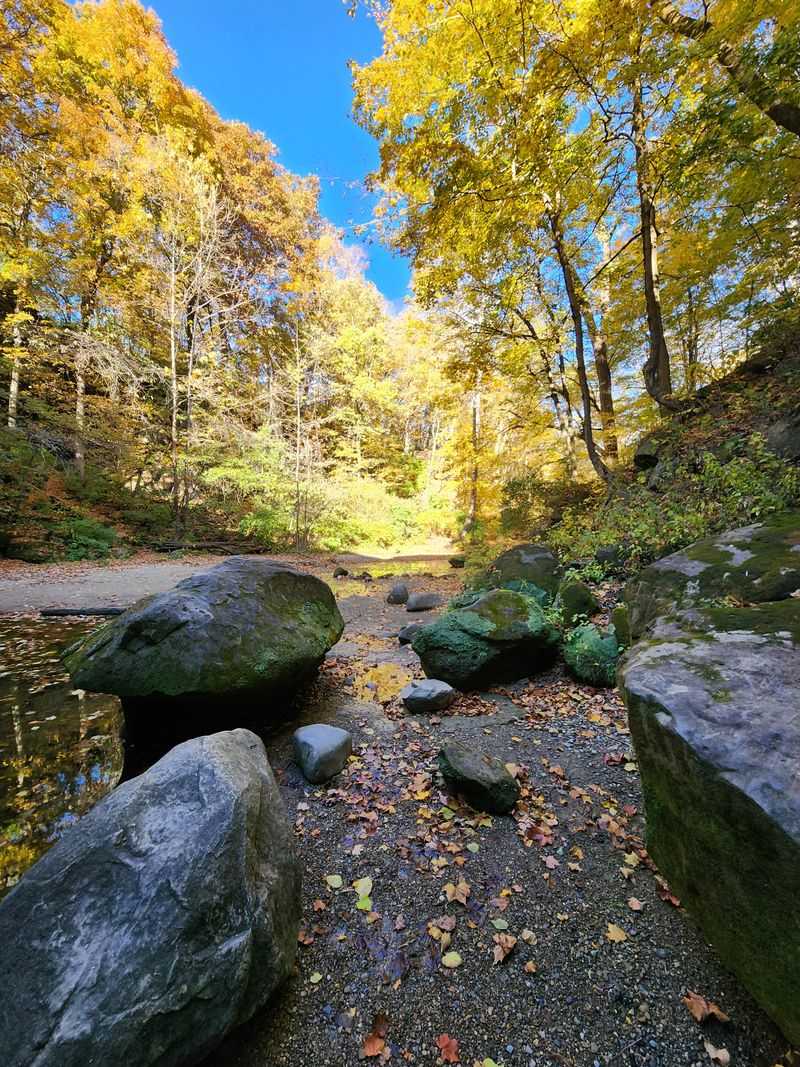
The park extends well beyond the waterfall itself, with approximately two miles of maintained trails winding through mature hardwood forest. Oak, maple, and sycamore trees provide substantial canopy cover, creating cool conditions even during summer heat.
Understory plants include native wildflowers that bloom in succession from early spring through fall, adding color and botanical interest to hikes.
Trail surfaces vary from packed gravel on the main path to natural dirt on secondary routes. Several side trails branch off from the primary loop, offering opportunities for extended exploration.
The terrain rolls gently through most sections, with steep grades reserved for the descent to the waterfall itself.
Wildlife sightings occur regularly, particularly during early morning or evening hours. Deer browse along the creek, while various bird species inhabit the forest canopy.
Reviewers occasionally mention encounters with snakes, including copperheads, reminding visitors to watch their footing and respect the wild nature of the setting. The trails remain open year-round, though conditions after heavy rain can become muddy and challenging.
Perfect For Picnics, Photos, And Quiet Reflection
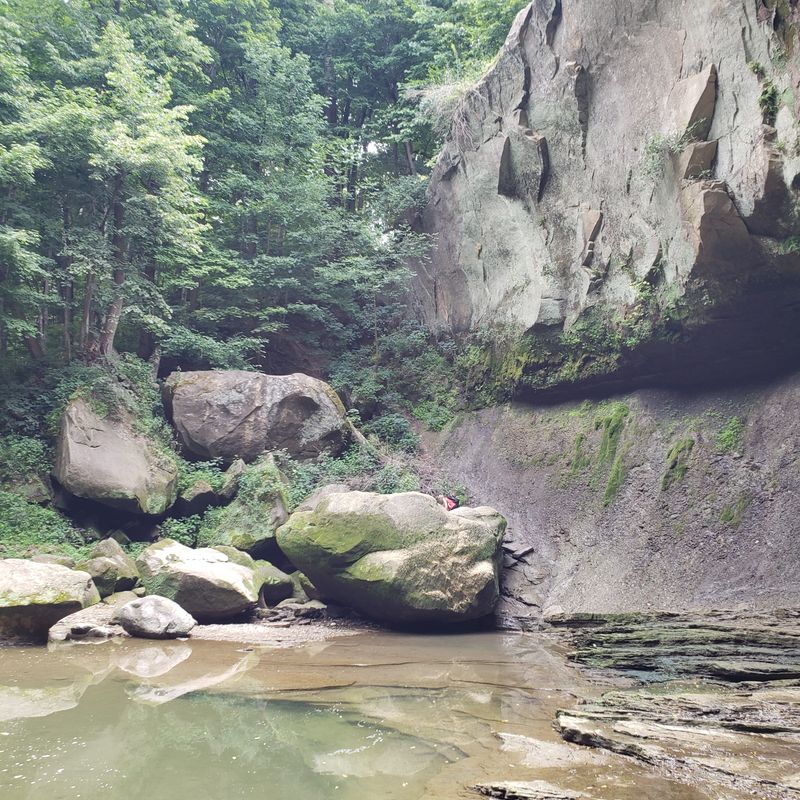
Several picnic areas occupy flat ground near the parking lot and along the main trail, equipped with basic tables but no elaborate facilities. These spots work well for simple meals before or after exploring the waterfall, though visitors should pack out all trash as receptacles are limited.
The combination of forest shade and proximity to the falls creates pleasant conditions for outdoor dining.
Photography opportunities abound throughout the park, from wide shots capturing the full height of the falls to close-up studies of rock formations and plant life. The best lighting for waterfall photography occurs during morning hours before noon, when the sun angle avoids harsh shadows across the cascade.
Late afternoon can produce interesting backlighting effects, and patient photographers sometimes capture rainbows in the mist.
The overall atmosphere encourages quiet contemplation rather than active recreation. Benches positioned at strategic viewpoints allow visitors to sit and simply absorb the natural surroundings.
This reflective quality makes the park particularly valuable for those seeking temporary escape from urban environments and digital distractions.
A Waterfall Worth The Scenic Drive From Anywhere In Indiana
Williamsport sits in Warren County along Indiana’s western edge, approximately ninety minutes northwest of Indianapolis and reachable via State Road 28 or Interstate 65. The drive itself passes through agricultural countryside that represents classic Indiana landscapes, with fields of corn and soybeans stretching to distant tree lines.
Small towns punctuate the route, offering glimpses of rural life that contrast sharply with the state’s urban centers.
The town of Williamsport maintains a quiet, unassuming character that surprises visitors expecting more tourist infrastructure around the state’s tallest waterfall. Main Street shows a mix of occupied businesses and empty storefronts, typical of many small Midwest communities.
This modest setting actually enhances the waterfall’s appeal, as it remains an authentic natural feature rather than a commercialized attraction.
Day trippers from Indianapolis, Lafayette, and other regional cities find the distance manageable for a half-day outing. The combination of scenic drive and worthwhile destination creates a satisfying excursion, particularly during spring when the waterfall flows strongly and the countryside displays fresh green growth.
How Williamsport Falls Connects Visitors To Nature’s Rhythms
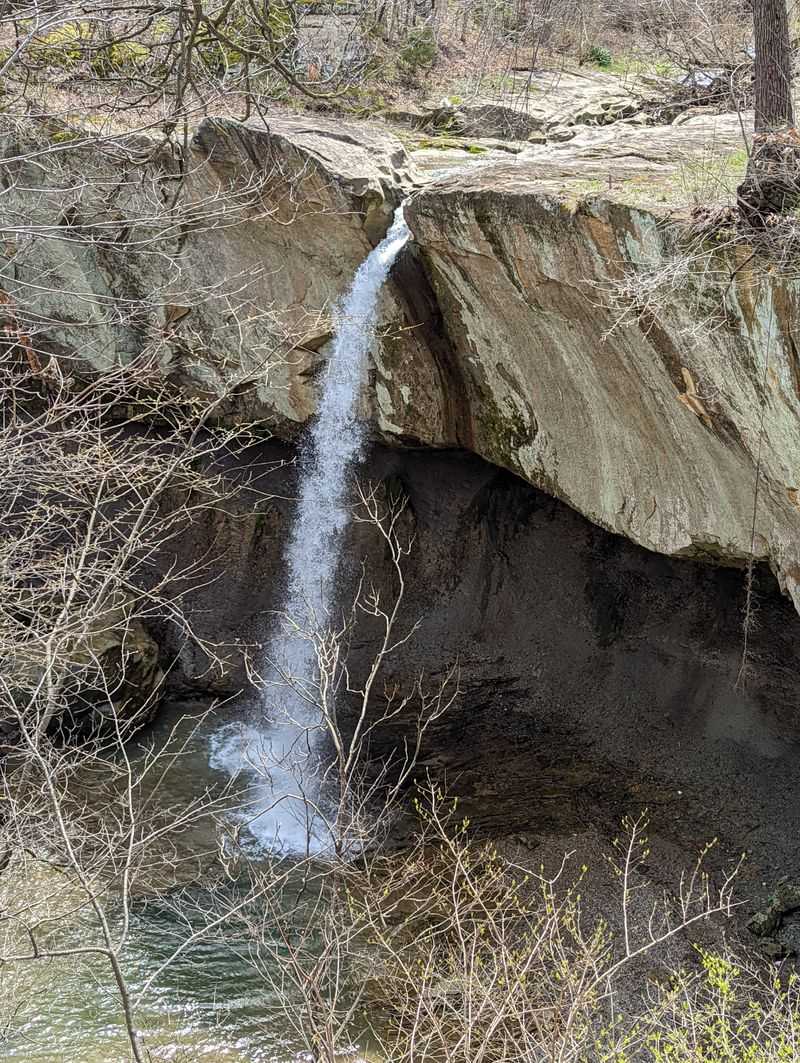
Visiting this waterfall across different seasons reveals patterns that modern life often obscures. The direct relationship between rainfall and flow teaches a simple lesson about hydrology that resonates more deeply than any textbook explanation.
Watching the falls surge after spring storms or dwindle during summer droughts connects visitors to natural cycles that govern all ecosystems.
The park’s modest development preserves these educational opportunities by avoiding excessive infrastructure that would buffer visitors from natural variability. There are no artificial water controls to maintain consistent flow, no paved paths that remain pristine regardless of weather.
The raw honesty of this approach means some visitors encounter a dry waterfall, but it also means those who time their visit well experience something genuinely wild.
Regular visitors develop an intuitive sense of when to come, checking weather patterns and planning trips around recent rainfall. This attention to natural conditions represents a form of engagement increasingly rare in modern recreation, where climate-controlled environments and predictable experiences dominate.
The waterfall rewards this attention with displays that feel earned rather than guaranteed.