
This New York Diner Feels Like Stepping Back Into the 1960s
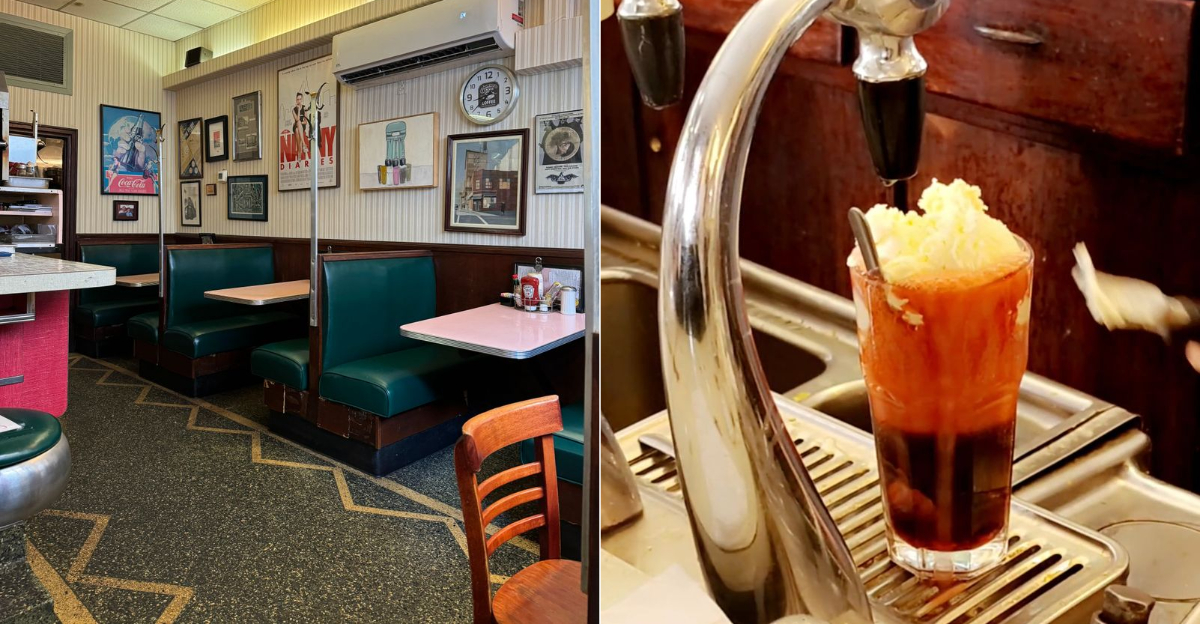
New York moves quickly, but a few places still keep their own unhurried rhythm. On the Upper East Side, Lexington Candy Shop offers a rare pocket of New York where routine feels preserved rather than updated, inviting visitors to slow down without even realising it. The room carries the gentle soundtrack of glassware, soda fizz, and easy conversation between staff and regulars who know exactly what they came for.
The atmosphere feels steady and familiar, shaped by decades of repetition and quiet care. New York nostalgia finds a natural home inside this long standing diner. At 1226 Lexington Avenue, the soda fountain operates with patient precision, turning simple orders into small rituals that feel both personal and timeless.
Plates arrive without fuss, service stays warm without performance, and visitors quickly sense they have stepped into something carefully maintained. How often does a meal double as a moment that feels comfortably unchanged?
A Manhattan Time Capsule That Never Needed Renovation
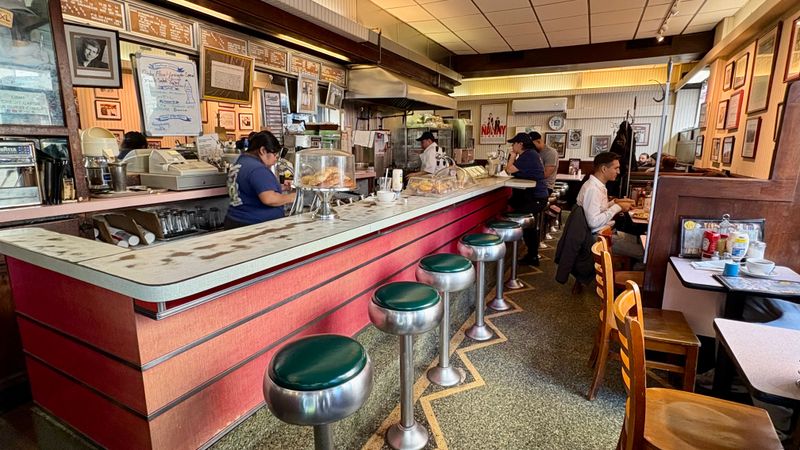
History greets you first, though it never shouts. The door opens onto a slim counter lined with swivel stools and a soda fountain that looks ready for a magazine from 1964. Across the room, chrome glints under warm, forgiving light while handwritten menu boards keep priorities practical and direct.
You can feel the pace decelerate as conversation replaces hurry and small rituals replace spectacle. The address anchors the scene neatly at 1226 Lexington Avenue, a stretch of the Upper East Side where routines still matter. Family stewardship has kept the place steady since 1925, which explains why the atmosphere reads as continuity rather than theme.
Nothing performs for effect, and nothing strains to impress; the diner simply behaves like itself. In a city fond of reinvention, staying true can feel quietly radical. Look closely and the surfaces tell their stories.
The counter edges wear a soft sheen where countless elbows have rested, and glass cases display pastries with unembarrassed candor. Even the clatter possesses manners, a polite punctuation between orders and greetings. You sense a measured craft in the way everything is arranged, balanced, and left enough alone.
Details extend to service, too, where names are remembered and regulars receive nods rather than fuss. Visitors catch on quickly and settle into the rhythm, trading screens for simple observation. A float arrives, a conversation starts, and the clock stops nagging.
By the time you leave, the neighborhood feels friendlier and your appetite feels properly understood.
The Soda Fountain That Still Anchors The Experience
First impressions begin with seltzer fizzing against thick-walled glass. Behind the counter, practiced hands work levers and pumps with meticulous economy, measuring syrup by feel and memory. The choreography looks simple from a distance, yet each movement carries decades of refinement.
Part science, part muscle memory, the ritual sets the tone for everything that follows. Ask for an egg cream and the origin story practically narrates itself while milk, seltzer, and chocolate flirt into foam. Milkshakes emerge thick, satin-smooth, and politely sweet, poured the old-fashioned way without shortcuts.
The staff keeps conversation easy while staying attentive. Watching from a swivel stool makes the drink taste even better, because experience flavors expectation. Phosphates keep a loyal following here, their pleasantly tart profile cutting through midday haze.
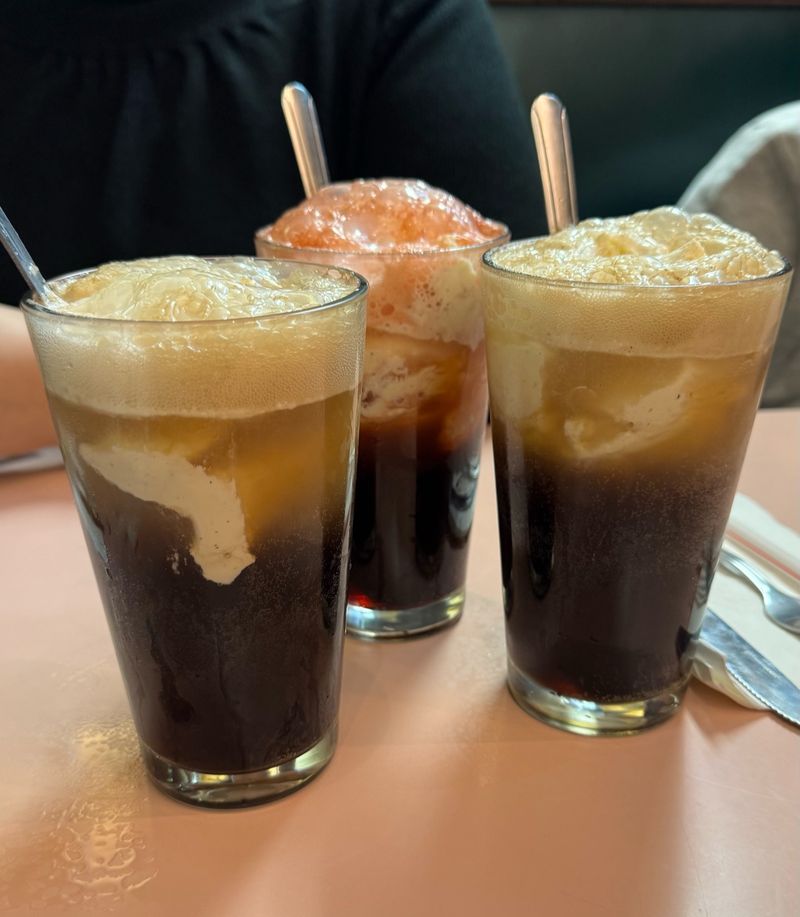
Root beer floats arrive bubbly, frosty, and unabashedly nostalgic, with ice cream doming over the rim like a small architectural feat. You hear faint applause from melting ice as it meets syrup, then settle happily into that first sip. The method delivers a texture you cannot fake or rush.
Those who come for novelty usually stay for calibration. Sweetness lands where it should, carbonation hums rather than shouts, and the finish cleans up neatly. The fountain is not a prop, and the show is never forced.
It is simply a living workstation, still earning its keep a century later.
Breakfast Plates That Honour Old-School Simplicity
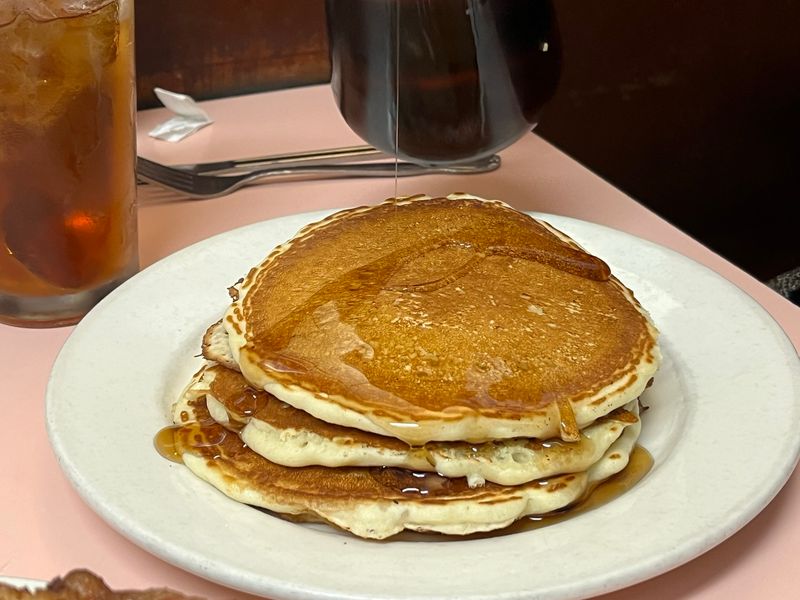
Mornings here feel reassuring before the first bite. Coffee arrives promptly, sturdy and aromatic, with creamers clinking like friendly doorbells. Pancakes sit golden and even, edges tidy, interiors soft enough to cradle syrup without surrendering structure.
The kitchen seems to prefer competence over flourish, a choice that rewards repeat visits. Order an omelette and you get a gentle fold rather than a showy roll, the kind that respects eggs and classic fillings. Ham, cheese, and vegetables stay in proportion, so every forkful tastes balanced and warm.
Toast comes properly buttered, cut to encourage dipping and sopping. There is comfort in modest plating and straightforward seasoning. Nothing crowds the plate, and nothing competes for attention it has not earned.
You recognize the intention: breakfast should help you gather yourself, not audition for applause. That philosophy guides both technique and timing. Service mirrors the cooking, brisk yet personable.
Refills appear at sensible intervals, delivered with a small nod rather than fanfare. Conversations stay light, and morning regulars mark the hours as reliably as the register. By the time you leave, hunger has been addressed with care and without drama.
Lunchtime Comfort Food That Feels Timeless
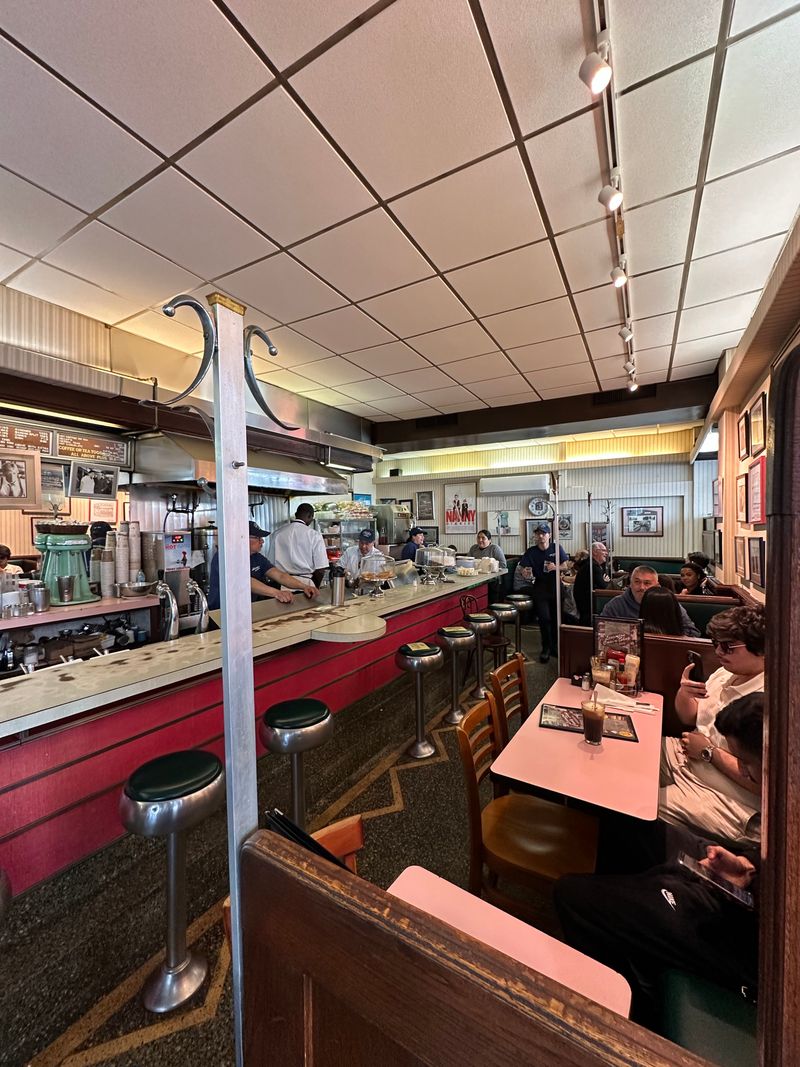
Midday at the counter, the city’s bustle begins to soften. Plates land with an appealing thunk, and the aroma of toasted bread elbows its way into your plans. A grilled cheese arrives with dignified crunch, partnered to tomato soup that tastes familiar in the best possible way.
You notice the restraint immediately and welcome it. Tuna melts hold together without greasiness, the cheese properly molten and the bread sensibly crisp. Burgers follow a classic script, seasoned with confidence rather than bravado, then tucked into buns that actually fit.
You leave nourished and still light on your feet. Portions speak a mid-century dialect, sized to satisfy rather than boast. Fries taste of fresh oil and good timing instead of shortcuts and distraction.
The menu is a promise kept, not a riddle to be solved. Even the plating suggests a steady hand instead of a spotlight. Regulars know exactly what they want, which keeps service moving and talk easy.
Servers remember preferences without making a scene, a courtesy that feels increasingly rare. The result is dependable comfort without costume or irony. You walk out content and ready to keep the day’s appointments.
Service That Reflects Generational Hospitality
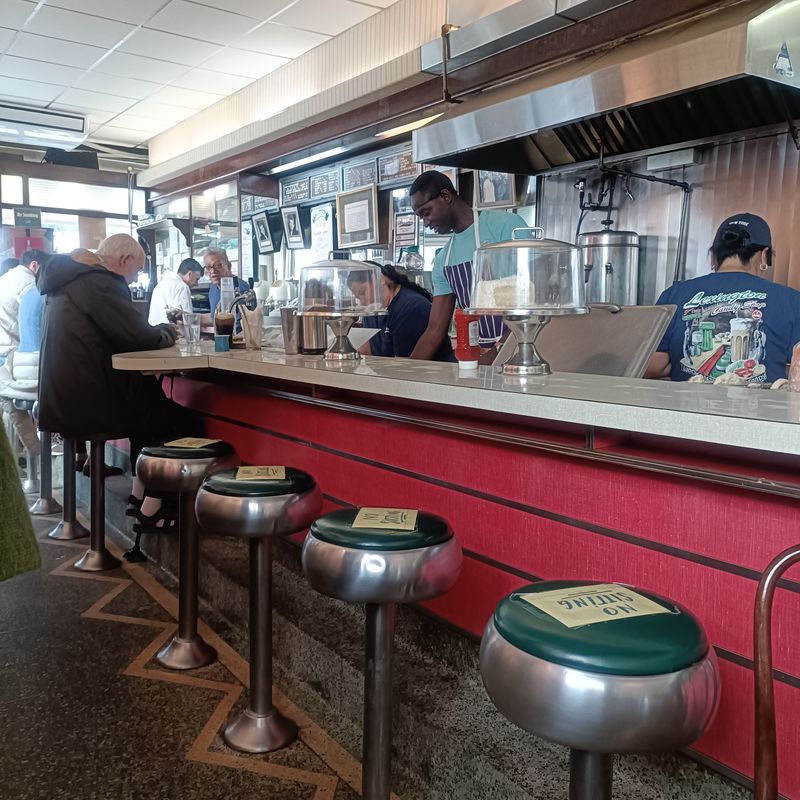
Good service here speaks softly and listens well. Orders are taken with eye contact and an economy of words that never feels curt. The cadence suggests familiarity without presumption, the kind earned through thousands of breakfasts and countless floats.
Guests pick up the etiquette quickly and settle into easy conversation. Regulars greet staff by name, and the welcome extends gracefully to first-timers. Refills arrive before you ask, and the bill appears when you are ready rather than when the table needs turning.
It is a subtle choreography that keeps the room calm. What stands out is the absence of performance. Hospitality operates at practical volume, attentive but never sticky, consistent across quiet mornings and crowded afternoons.
The steadiness gives the diner a resilient charm, the kind that holds even when lines stretch down the block. You feel looked after, not managed. Small gestures accumulate into real comfort.
A straw swapped without fuss, a recommendation offered without pressure, and directions to nearby streets handled like old habits. The style reflects institutional memory as much as training. It is service as craft, preserved as carefully as the soda fountain.
Décor That Preserves Mid-Century New York Without Pretence
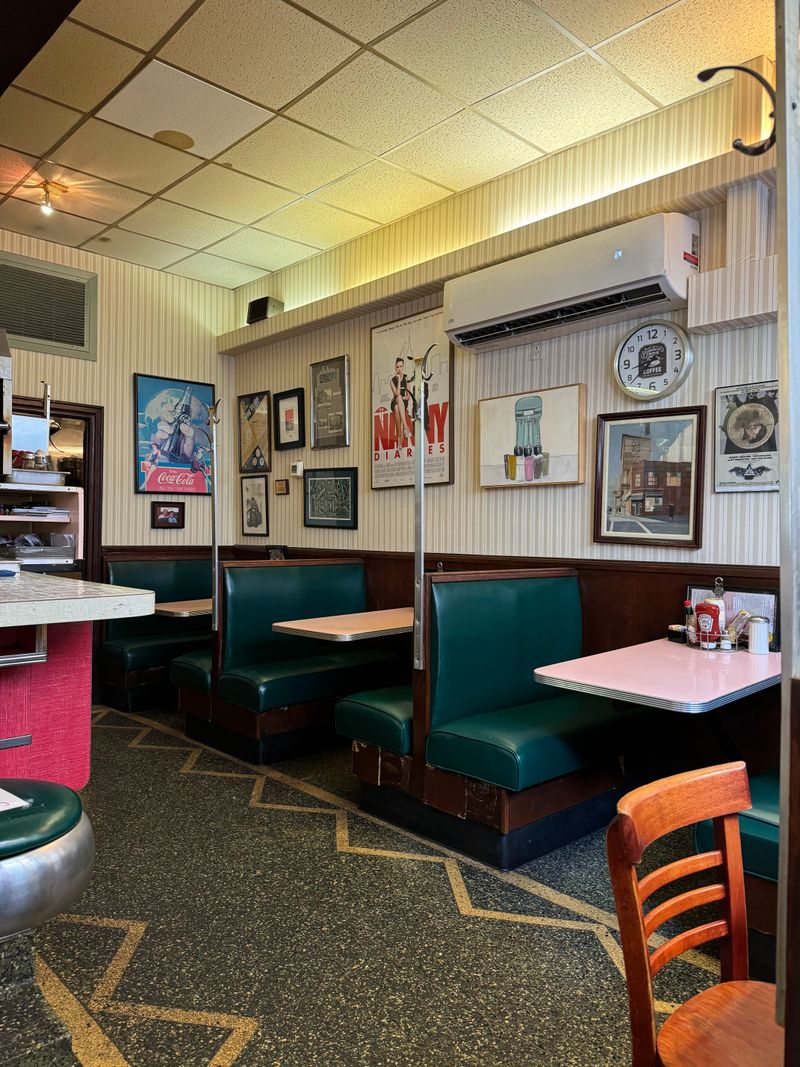
Design here is less curated than accumulated, which suits the room. Tiled floors carry scuffs like footnotes, and the narrow aisle makes conversation inevitable. Glass display cases stand at attention, reflecting chrome fixtures that catch afternoon sun.
You sense an honest history rather than a theme park reconstruction. Price boards and vintage signage do more than decorate; they orient. The compact layout brings people closer without crowding, a reminder that diners once functioned as community rooms.
Even the stools line up like punctuation marks in a long, lively sentence. Nothing winks or nudges, which keeps the nostalgia grounded. Photographs on the wall act as a slow-moving slideshow, documenting decades of regulars and small celebrations.
The camera-friendly corners are earned, not engineered. Atmosphere arrives by habit instead of marketing. As the door swings, the bell’s small ring resets the room.
Light shifts across chrome and glass, carrying the day forward one cup at a time. The whole place feels maintained rather than polished, lived-in rather than staged. It is the city’s memory, kept in plain view.
Why Locals Treat It As A Living Piece Of History
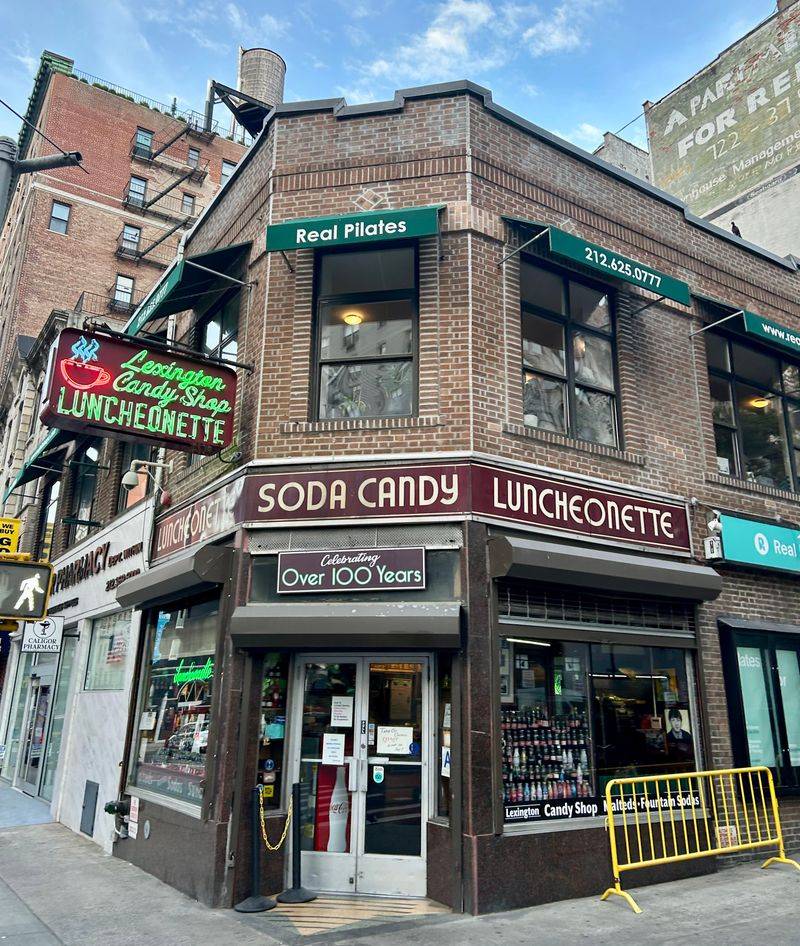
Neighborhood institutions earn loyalty by staying useful. Lexington Candy Shop does exactly that, serving dependable meals and reliable comfort while the city shape-shifts outside. Residents bring visiting friends to show off a tradition that still works without embellishment.
The place remains modern by refusing to chase fashions it never needed. Located firmly at 1226 Lexington Avenue, the diner acts like a lighthouse for returning regulars. Families introduce children to egg creams the way grandparents once did, letting rituals pass quietly between generations.
The routine offers stability, particularly in a city that edits itself daily. Consistency becomes its own kind of hospitality. Visitors arrive seeking authenticity, yet discover something subtler.
They find a business that has cared for its craft long enough to make it feel ordinary. That ordinariness is the point, revealing how good habits can outlast trends. Longevity here looks less like survival and more like purpose.
History thrives because it remains in service. The soda fountain is not a relic; it is Tuesday’s workload. Walls hold photographs that double as memory prompts, not museum labels.
People return because the present tense still fits perfectly.
A Rare New York Experience That Continues Without Reinvention
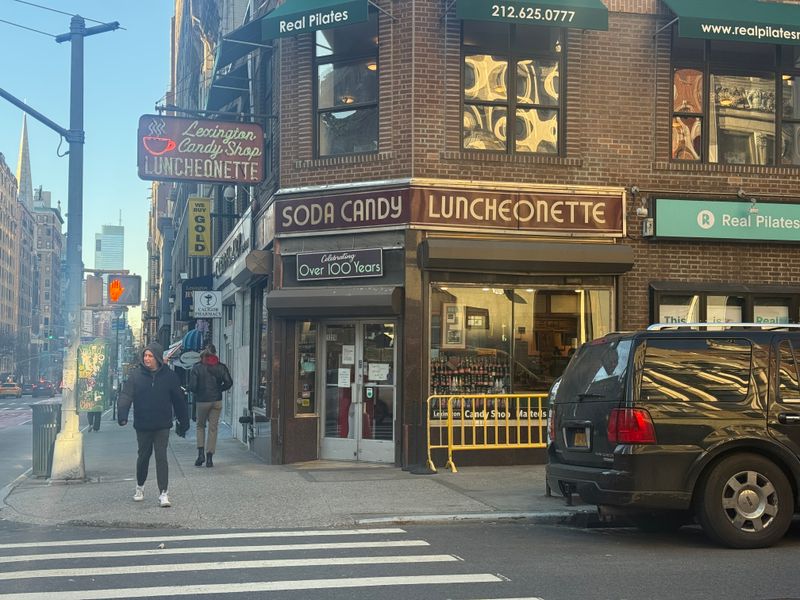
Some places feel new each time because they never tried to be new at all. This diner’s equilibrium comes from daily practice and small, unshowy improvements. The menu reads as a promise rather than a pitch, and the counter keeps pace without drama.
Your appetite finds exactly what it came for. On Lexington Avenue near 83rd Street, the storefront catches the eye with its classic lettering and tidy windows. Inside, the soda fountain keeps its steady beat, and the kitchen answers with honest plates.
The city outside may favor reinvention, but here continuity still steals the show. A visit turns into a pleasant recalibration. What lingers is the feeling of proportion.
Sweetness balances carbonation, seasoning respects ingredients, and portions meet you where you are. The room understands the difference between memory and gimmick. Every detail pushes gently toward enough.
Leaving, you carry more than calories. You bring along the contentment of something well-made and unhurried. That sensation returns later, as certain places tend to do.
It reminds you that staying power is a craft of its own.
The Art Of The Traditional Coca-Cola Pour
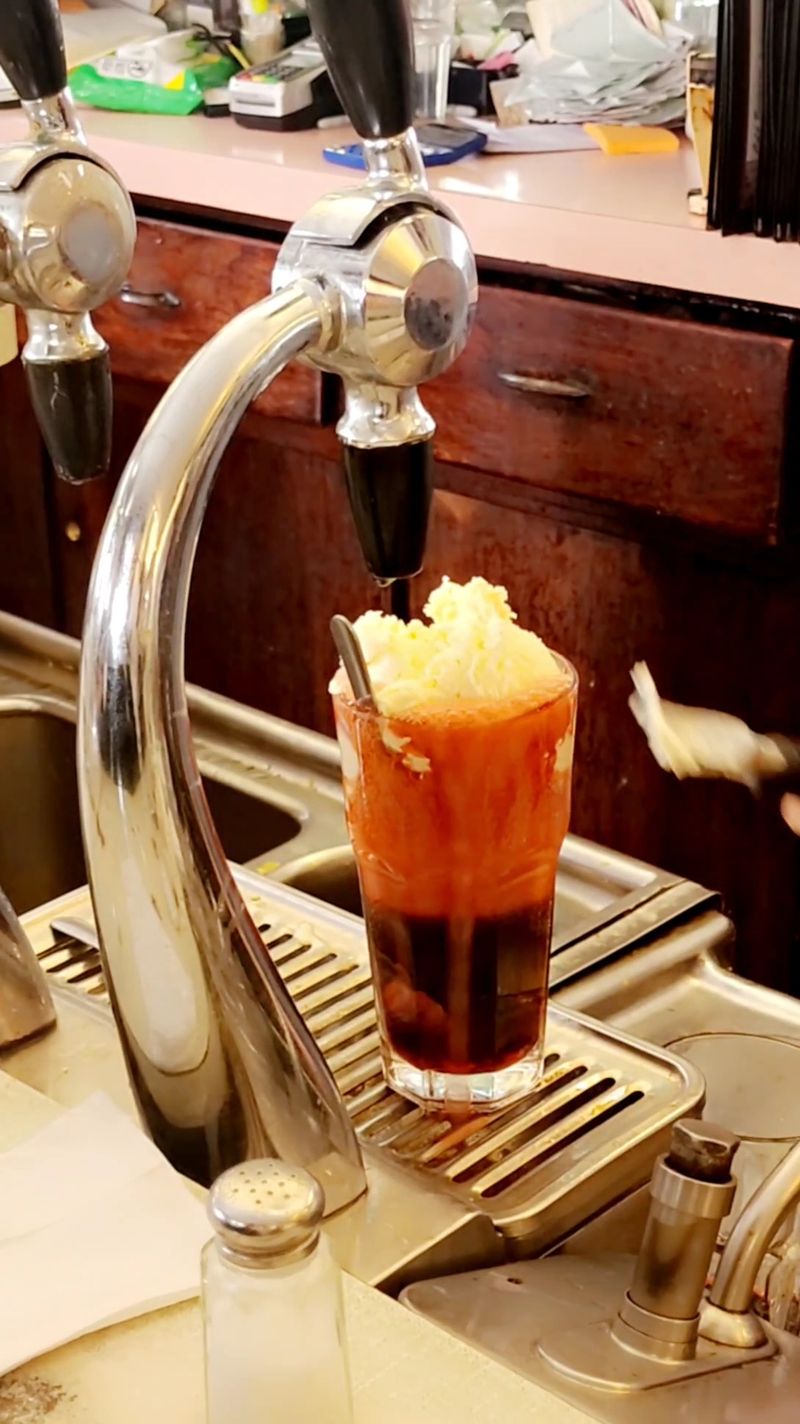
Technique makes the difference long before the first sip. Syrup meets seltzer in calibrated proportions, the glass angled just enough to protect the fizz. Ice follows with restraint, and the spoon settles with an expert clink.
The result carries lift without harshness and sweetness without fatigue. Order the float and the pageantry continues, ice cream sliding in like a triumphant encore. Bubbles bloom, then soften, giving the drink a remarkable creaminess.
You can taste the respect for process in the final balance. Critics sometimes debate syrup quality, yet technique remains the decisive variable. Proper dilution and gentle stirring coax out a clean, persistent fizz.
Glassware temperature matters, as does pace, which explains the steady hands at the counter. Every step favors texture and clarity. What reaches you is not nostalgia alone, but a carefully tuned profile.
The cola keeps its backbone, the foam retains elegance, and the finish resets the palate. You leave refreshed rather than sugared into silence. That is the quiet genius of tradition done right.
Sandwiches Built With Old-Fashioned Restraint
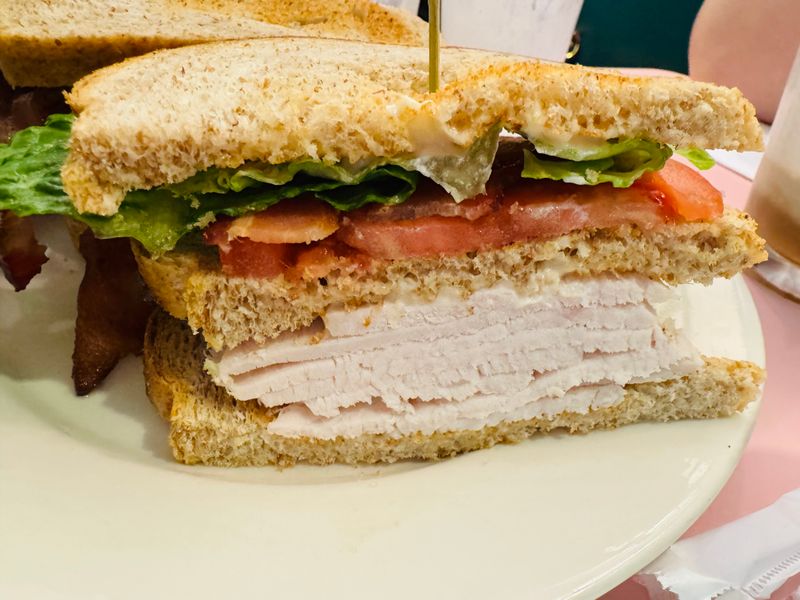
Sandwiches here read like well-edited sentences. Bread gets toasted to a civilized crunch, fillings stay aligned, and condiments show manners. The tuna melt holds its structure while the cheese drapes and gleams.
Even the BLT respects the lettuce, keeping it crisp and dignified. Technique remains the quiet star across the board. The griddle hums, slices stack neatly, and the knife closes the deal with a decisive cut.
You taste intention in every bite without being told to notice. Turkey clubs arrive balanced rather than towering, with bacon lending salt and swagger in equal measure. Onion rings and fries join without stealing focus, handled with freshly changed oil.
The plate supports a conversation as easily as a quick solo lunch. Nothing drips, and nothing pouts. Prices reflect the neighborhood and the care, which regulars accept as part of the bargain.
Value shows up in reliability, not theatrics, which keeps return visits steady. You finish satisfied, unencumbered, and free of regretful heaviness. That restraint feels downright luxurious in a city of excess.
Sweet Finishes That Suit The Setting
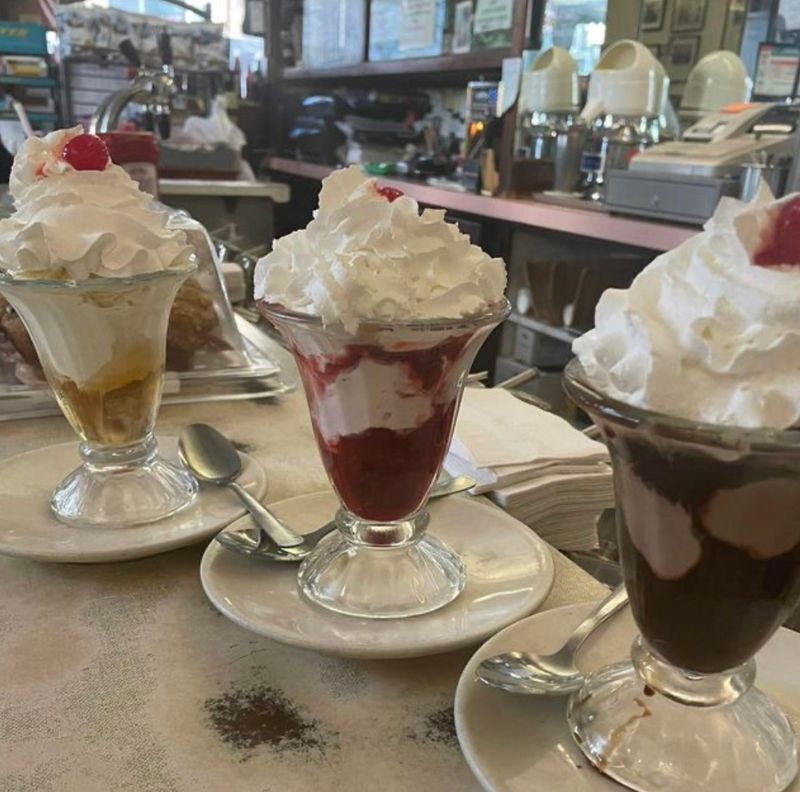
Dessert at the counter lands with the confidence of a final chapter well earned. Coconut cake carries a gentle crumb and a balanced sweetness that avoids cloying theatrics. Sundaes keep proportions sensible, crowned with whipped cream that behaves rather than slumps.
A cherry on top may sound predictable, yet it feels properly ceremonial. Banana splits showcase neat architecture, with scoops aligned and sauces layered politely. Nothing puddles into chaos because the pace is measured and the tools are familiar.
You leave room without needing to negotiate with yourself. Milkshakes remain dessert and beverage in a single handshake, thick but straw-friendly. Chocolate, vanilla, and strawberry taste like themselves, uncomplicated and serene.
Toppings arrive when requested, not as reflex. The staff understands the virtue of letting ingredients speak clearly. The sweetness here feels companionable rather than demanding.
It rounds out the meal, offers a small celebration, and sends you along at a humane pace. By the sidewalk, the aftertaste stays tidy and light. That is how dessert should say goodbye.
How Lexington Candy Shop Fits The Upper East Side
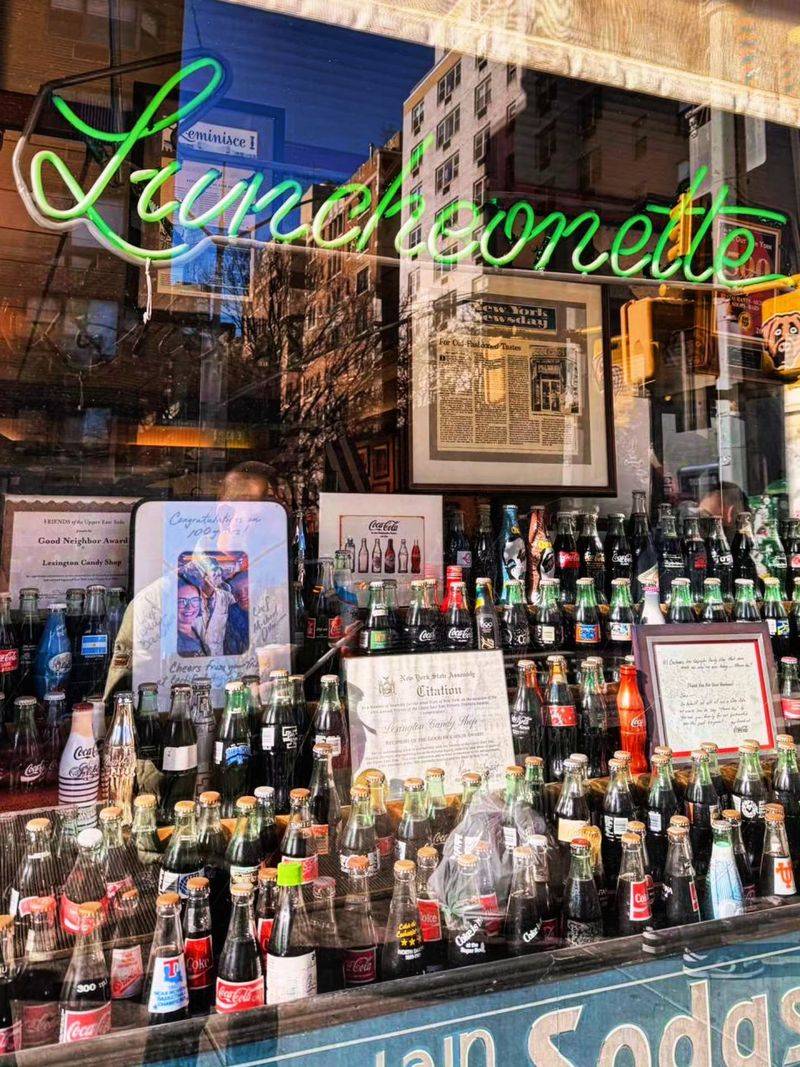
Neighborhood character frames the diner as neatly as its windows. The Upper East Side carries a particular cadence, polished yet neighborly, and this counter slots into that rhythm with ease. Commuters pause for coffee, museum-goers detour for floats, and families schedule Saturday pancakes like appointments.
The mix creates a practical kind of charm. Anchored at 1226 Lexington Avenue, the shop sits within easy reach of subways, crosstown buses, and a comfortable walk from the Met. Errands funnel past the door, keeping foot traffic lively without feeling hectic.
The area’s steadiness suits a business devoted to repetition and refinement. Both neighborhood and diner believe in routine. Loyalty, unsurprisingly, runs deep.
Locals introduce out-of-towners to egg creams the way they point out favorite stoops and side streets. Tourists arrive with lists and leave with new habits. Cultural history here is something you can drink.
What emerges is a partnership between place and practice. The city provides an audience that respects craft, and the diner returns the favor with consistency. That reciprocity builds the kind of longevity you cannot manufacture.
It is community, carbonated.