
This Quiet West Virginia Town Is So Affordable, Retirement Feels Surprisingly Easy
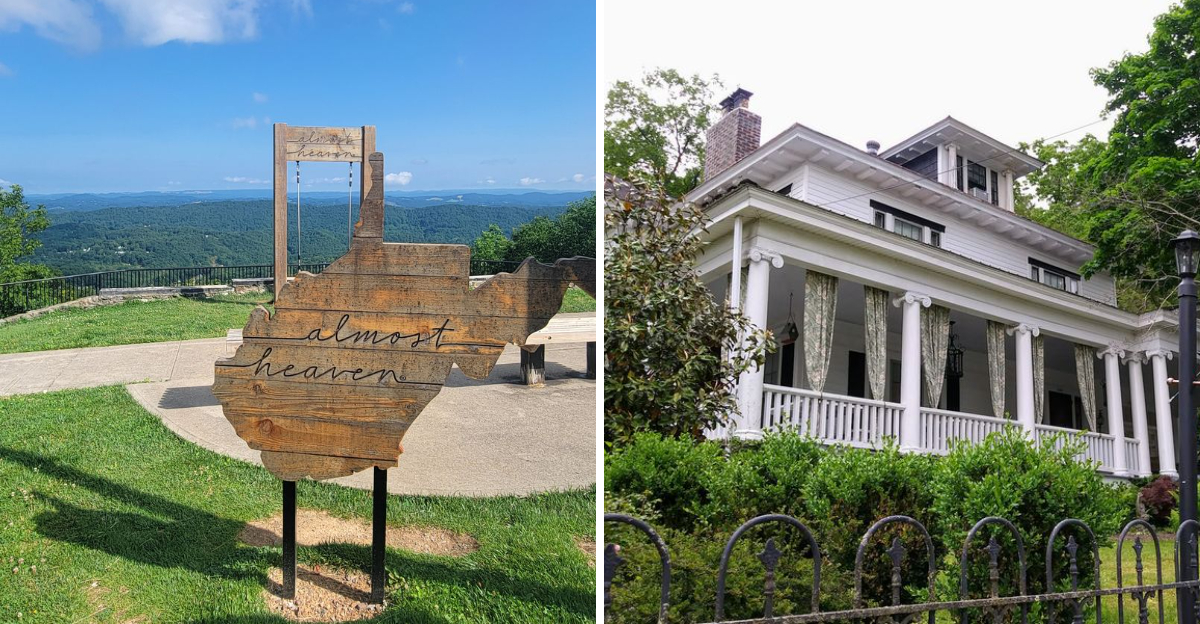
Bluefield sits along West Virginia’s southern border, where the Appalachian Mountains roll into view and life moves at a pace that feels almost forgotten elsewhere. For retirees watching their savings and searching for a place that values community over chaos, this city of roughly 9,600 residents offers something increasingly rare: genuine affordability paired with mountain beauty.
The cost of living here runs well below what most Americans face, and housing prices remain stubbornly reasonable even as other markets climb. What emerges is a retirement destination where your money stretches further, your neighbors know your name, and the surrounding landscape invites exploration without demanding expensive admission fees.
Lower Cost Of Living That Stretches Retirement Budgets
Bluefield operates on an economic scale that feels refreshingly manageable for anyone living on fixed income. Groceries cost less, utilities run lower, and everyday purchases rarely deliver the sticker shock common in coastal cities or even mid-sized metros.
Retirees find their Social Security checks and pension payments cover more ground here than they would in most other parts of the country.
The overall cost index sits noticeably below the national average, which translates into real purchasing power for people who have left the workforce. Dining out remains affordable enough to be a regular pleasure rather than a special occasion.
Gas prices fluctuate like anywhere else, but shorter distances between services mean less fuel consumption overall.
Property taxes stay modest, and insurance rates reflect the lower property values without sacrificing coverage quality. Financial breathing room becomes the norm rather than the exception, allowing retirees to save for travel, help family members, or simply enjoy life without constant budget anxiety weighing on every decision they make in Bluefield.
Affordable Housing Below National Averages
Home prices in Bluefield remain stubbornly accessible, with median values running tens of thousands below what buyers encounter in most American markets. Single-family houses with yards, garages, and multiple bedrooms sell for amounts that seem almost quaint compared to national trends.
Retirees can purchase outright with savings or secure mortgages with payments lower than many apartment rents elsewhere.
The rental market offers similar advantages for those who prefer not to own. Monthly lease costs stay reasonable, and landlords often maintain properties well because competition keeps standards visible.
Older homes with character line many streets, while newer construction appears in developing areas without commanding premium prices that exclude average buyers.
Maintenance costs reflect the overall affordability, with local contractors charging rates that acknowledge the regional economy rather than inflated metropolitan pricing. Property insurance remains manageable, and homeowners associations are less common here, eliminating another monthly expense.
Housing security becomes achievable rather than aspirational, which fundamentally changes how retirees experience their later years in this mountain community.
Relaxed Small-Town Lifestyle With Less Stress
Traffic jams do not exist here in any meaningful sense. Rush hour means a few extra cars at the stoplight, not gridlock stretching for miles.
Retirees accustomed to urban congestion often describe the transition to Bluefield as physically relaxing, noting how their shoulders drop and their breathing slows once they no longer navigate aggressive commutes or crowded parking situations.
The pace of life follows human rhythms rather than corporate schedules. Conversations happen without people checking their phones constantly, and store clerks often remember your name after a few visits.
Errands take minutes instead of hours because everything sits within a short drive, and you rarely wait long for service anywhere.
Crime rates run lower than in larger cities, though sensible precautions always apply. People leave their porch lights on for neighbors and wave at strangers walking past.
The absence of constant noise pollution allows actual quiet, which many retirees cite as unexpectedly valuable.
Sleep comes easier when sirens and traffic do not punctuate every night, and mornings feel genuinely peaceful rather than just less hectic than usual.
Scenic Mountain Views And Outdoor Recreation Nearby
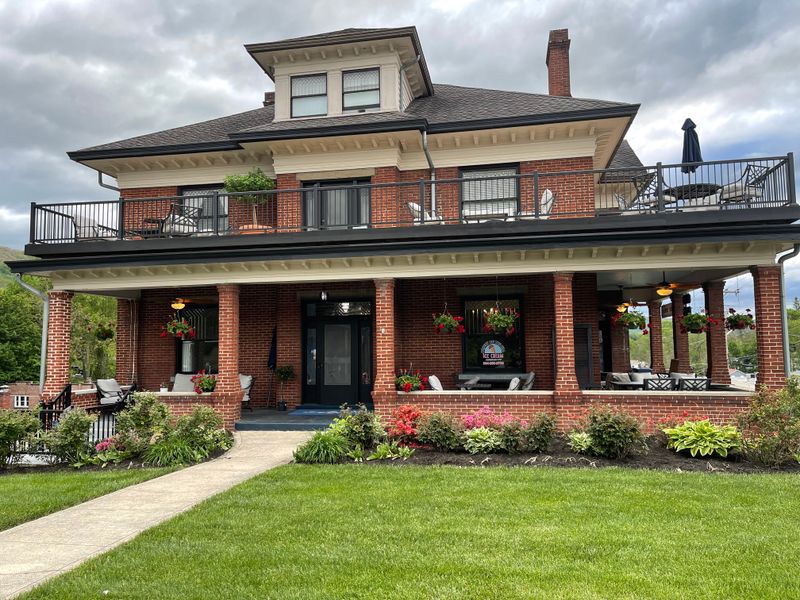
The Appalachian Mountains form a constant backdrop to daily life in Bluefield, visible from many neighborhoods and accessible within minutes of leaving town. Retirees who enjoy walking, hiking, or simply sitting outdoors with a view find endless opportunities without traveling far or paying entrance fees.
The surrounding terrain offers trails ranging from gentle paths suitable for casual strolls to more challenging routes for those who maintain active lifestyles.
Local parks provide maintained spaces for picnics, photography, and wildlife observation. The changing seasons paint the mountains in rotating palettes, from spring wildflowers through autumn foliage that draws visitors from distant states.
Winter brings occasional snow that transforms the landscape without typically creating the harsh conditions found at higher elevations.
Fishing spots, scenic drives, and quiet overlooks scatter throughout the region, giving retirees reasons to explore and vary their routines. The outdoor access costs nothing beyond gas and perhaps occasional gear, making nature a budget-friendly entertainment option that also promotes physical health and mental wellbeing through regular exposure to beauty and fresh mountain air.
Historic Downtown That Anchors Community Life
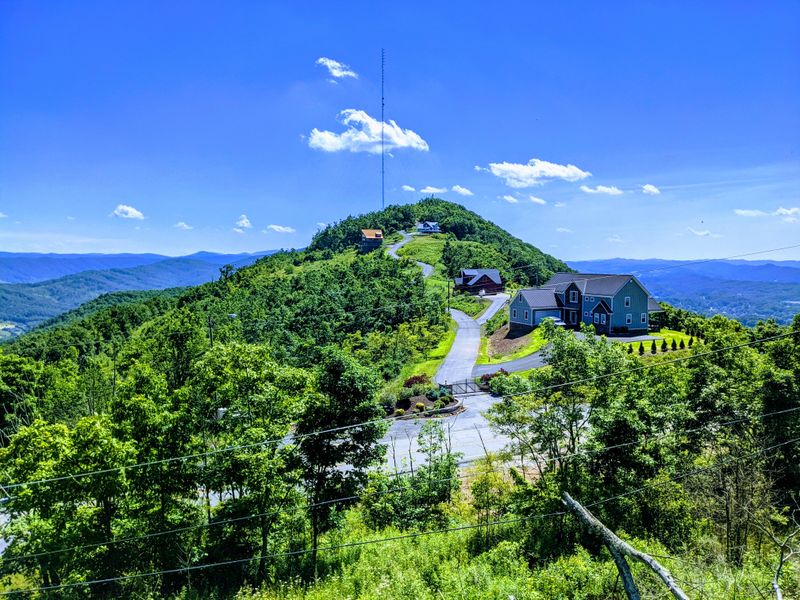
Downtown Bluefield carries architectural history in its brick facades and carefully preserved storefronts, reflecting the city’s railroad heritage and coal industry past. Walking these blocks feels like stepping into a functioning historical district where businesses still operate and residents still shop rather than a tourist reconstruction.
The buildings tell stories through their construction details, and local preservation efforts maintain character without creating a museum atmosphere.
Small businesses occupy many downtown spaces, offering goods and services with personal attention that chain stores cannot match. Coffee shops, diners, and local restaurants provide gathering spots where retirees meet friends and build social connections.
The downtown serves as a genuine community hub rather than an abandoned relic, which gives the city a cohesive center that many modern towns lack.
Events and activities regularly bring people downtown for farmers markets, festivals, and holiday celebrations. The walkable scale makes exploration easy, and benches provide rest spots for those who need them.
This functional historic core gives retirees a destination within their own community, a place to be among neighbors and participate in local life without driving to distant commercial strips.
Mild Four-Season Climate Many Retirees Enjoy
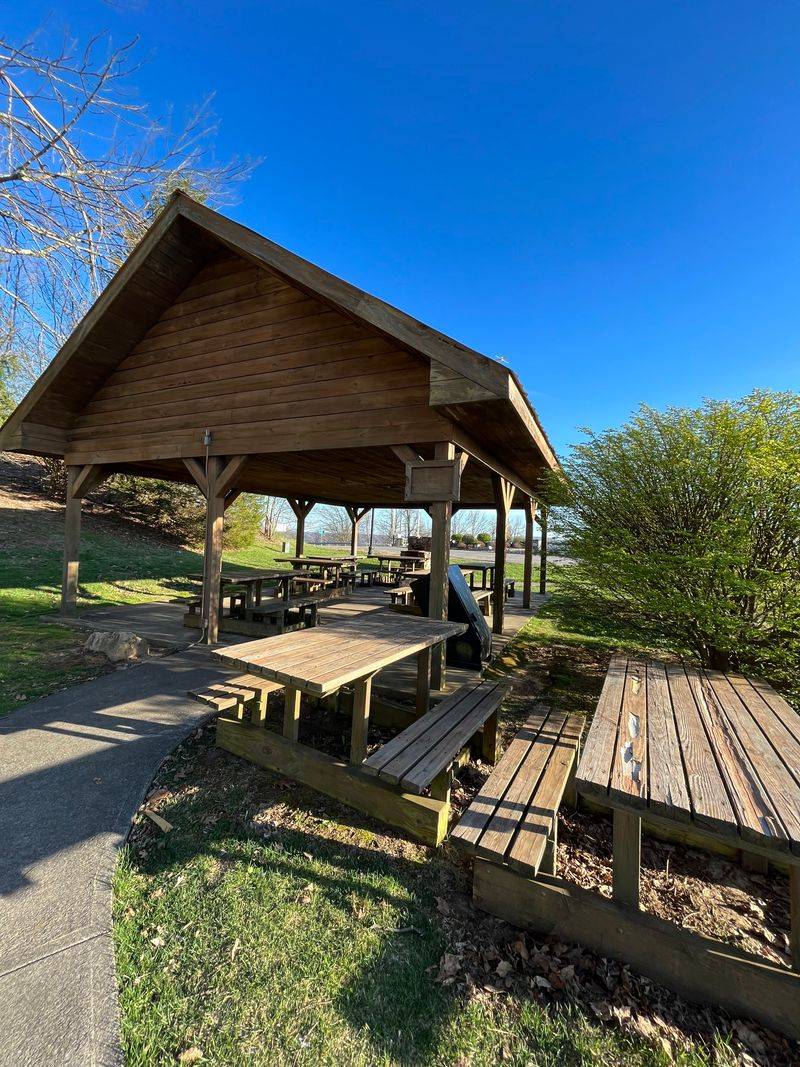
Bluefield experiences all four seasons without the extreme versions that make some regions difficult for retirees managing health conditions or mobility concerns. Summers warm up but rarely reach the oppressive heat found in lower elevations, and air conditioning remains helpful rather than absolutely necessary for survival.
Winters bring cold temperatures and occasional snow, but the city typically avoids the prolonged deep freezes and massive snowfalls that plague northern mountain communities.
Spring arrives with blooming trees and comfortable temperatures that invite outdoor activity after winter months. Fall delivers the famous Appalachian foliage display, with weeks of brilliant color before leaves drop.
The seasonal variety prevents monotony while allowing retirees to plan activities around predictable weather patterns rather than dealing with year-round heat or endless gray winters.
The elevation at roughly 2,600 feet provides natural cooling during summer without creating harsh winter conditions. Humidity stays moderate compared to lower southern regions, and severe weather events remain relatively uncommon.
Retirees can maintain gardens, take daily walks, and engage with outdoor spaces throughout most of the year without facing prohibitive weather that confines them indoors for extended periods.
Community Events And Local Traditions Keep Residents Connected
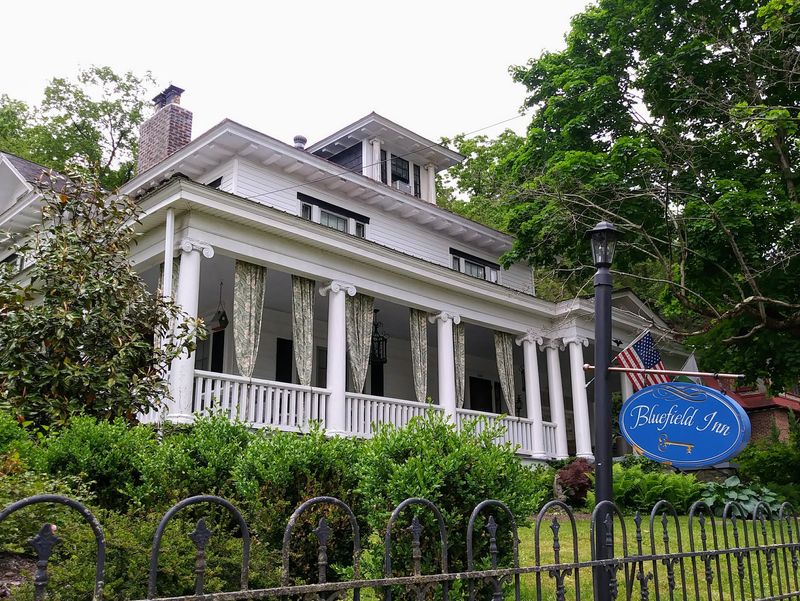
Bluefield maintains a calendar of community gatherings that bring residents together across generations and backgrounds. Annual festivals celebrate local history and culture, while seasonal events mark holidays with parades, concerts, and public activities.
These occasions give retirees natural opportunities to participate in community life without requiring extensive planning or expensive commitments.
Churches, civic organizations, and volunteer groups provide additional social networks for those seeking regular connection and purpose. Many retirees find meaningful engagement through these established structures, contributing skills and time while building friendships.
The smaller population scale means individual participation matters and gets noticed, which can feel more rewarding than anonymous involvement in large city programs.
Local traditions create shared experiences that help newcomers integrate into the community. Whether attending high school football games, supporting local theater productions, or joining holiday celebrations, retirees discover entry points into social life that feel welcoming rather than exclusive.
The emphasis on community over individualism reflects regional culture and creates an environment where isolation becomes less likely for those willing to step outside their homes and engage with neighbors and established social opportunities available throughout the year.
Convenient Access To Regional Healthcare Services
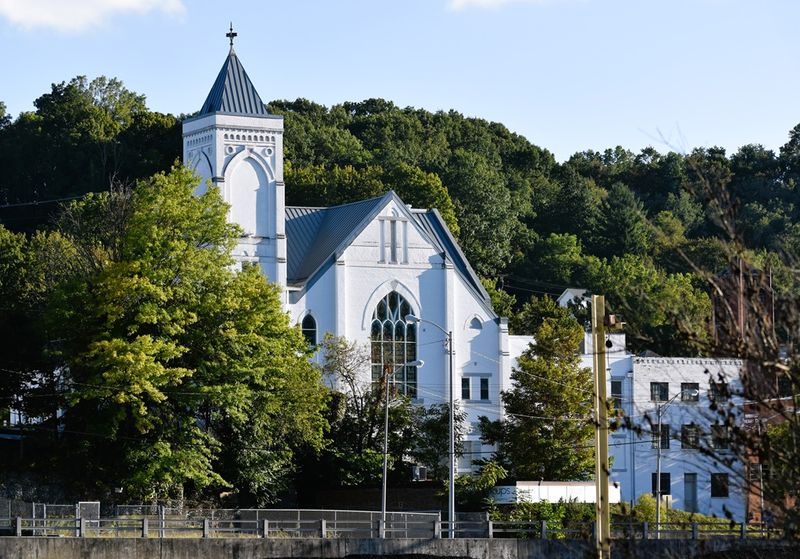
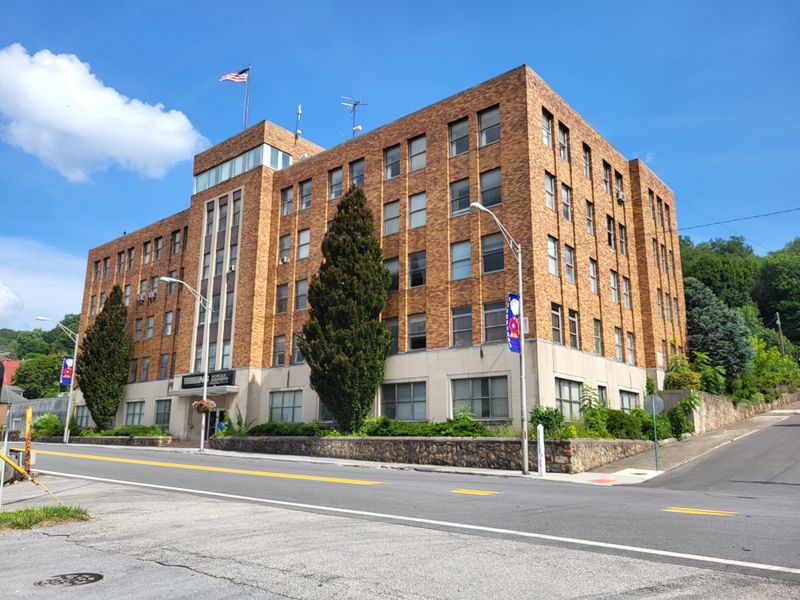
Bluefield Regional Medical Center serves the community with a range of services that address most healthcare needs without requiring travel to distant cities. The facility provides emergency care, surgical services, diagnostic imaging, and various specialty clinics that handle common conditions affecting retirees.
Having a hospital located at 500 Cherry Street means serious medical situations receive prompt attention, which provides peace of mind for those managing chronic conditions or facing age-related health concerns.
Numerous physician practices, dental offices, and specialty providers maintain locations throughout the city, giving retirees options for primary care and ongoing treatment. Pharmacies operate conveniently, and medical appointment scheduling typically avoids the long waits common in overwhelmed metropolitan systems.
The healthcare infrastructure serves the population adequately without the congestion that plagues larger medical centers.
For specialized treatments unavailable locally, larger medical facilities in Roanoke, Virginia and Charleston, West Virginia sit within reasonable driving distances. The combination of local access for routine needs and regional options for complex care creates a practical healthcare situation that works for most retirees who plan sensibly and maintain appropriate insurance coverage throughout their retirement years in this mountain community.
Location Near Virginia Expands Amenities And Travel Options
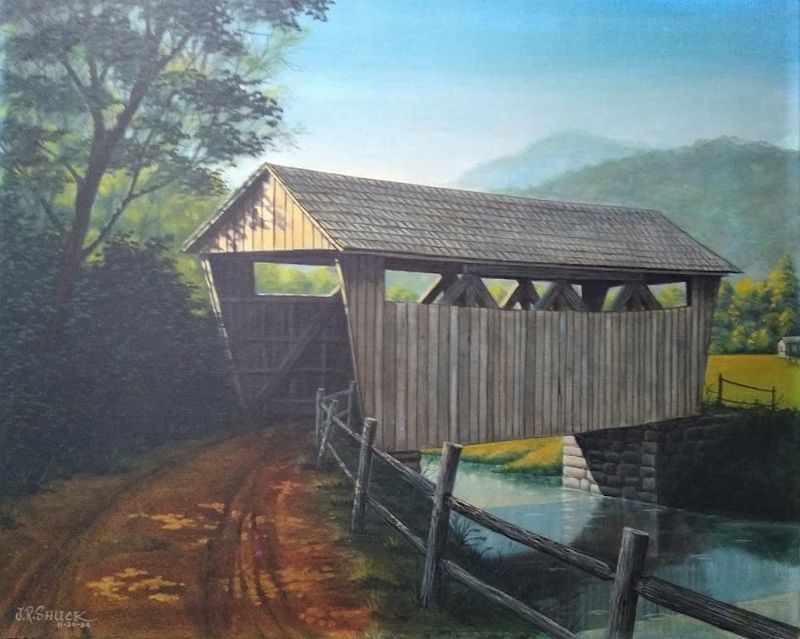
Bluefield sits directly on the West Virginia-Virginia border, with the state line literally running through the community and creating twin cities that share the Bluefield name. This geographic position gives residents easy access to amenities, services, and attractions in both states without significant travel time.
Retirees can shop Virginia retailers, attend Virginia events, and explore Virginia parks while maintaining West Virginia residency and its associated tax advantages.
The proximity to Interstate 77 connects Bluefield to larger cities in multiple directions, making day trips or weekend excursions practical for those who occasionally crave big-city entertainment or specialized shopping. Roanoke lies about 70 miles northeast, offering airport access, major retailers, and cultural venues.
Charleston sits roughly 100 miles north, providing similar metropolitan amenities when desired.
This location creates flexibility for retirees who want small-town living without complete isolation from urban resources. Medical specialists, entertainment options, and family visits become more manageable when interstate highways provide direct routes.
The border position essentially doubles the immediate geographic area available for daily activities while allowing retirees to maintain their affordable Bluefield home base and enjoy the financial benefits of West Virginia residency.
Strong Local Pride And Neighbourly Hospitality
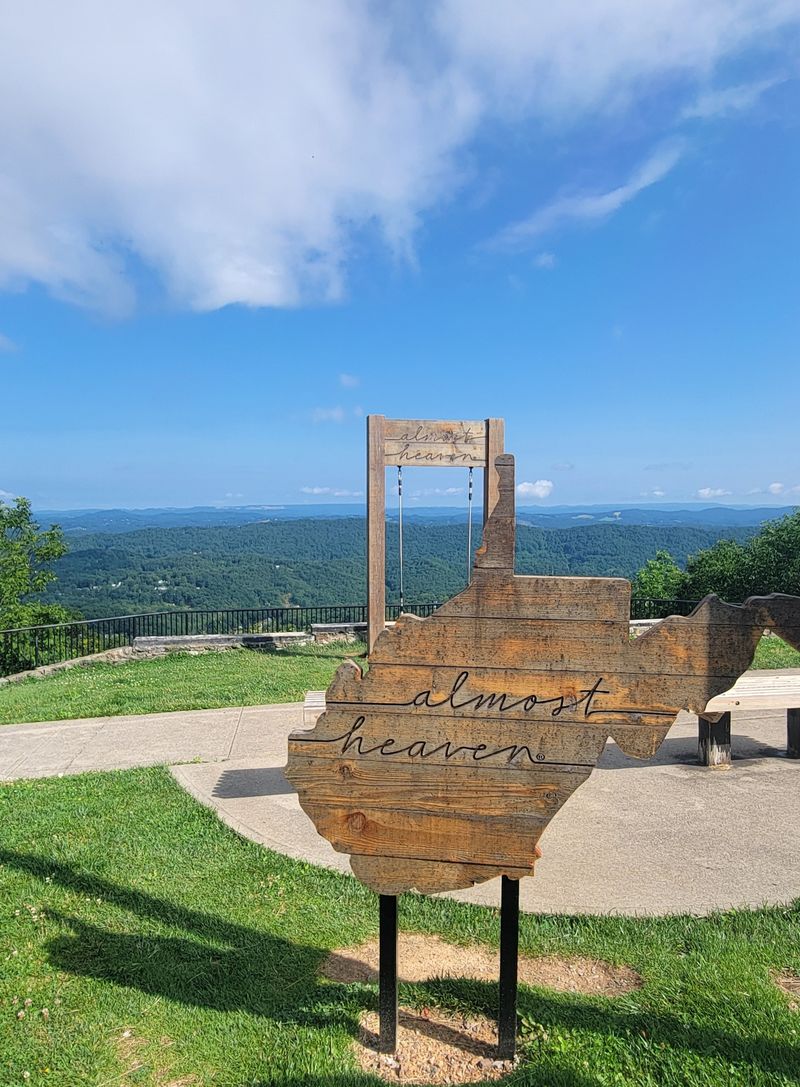
Residents display genuine attachment to Bluefield, often citing the community character and personal connections that keep them rooted here despite opportunities elsewhere. This local pride manifests in maintained properties, support for local businesses, and active participation in community improvement efforts.
Retirees moving here frequently comment on the welcoming attitude they encounter, noting how neighbors introduce themselves and offer assistance without prompting.
The culture reflects traditional Appalachian hospitality, where helping others remains an expected social behavior rather than an exceptional gesture. People hold doors, make small talk in checkout lines, and generally acknowledge each other in public spaces.
For retirees coming from anonymous urban environments, this friendliness can feel almost startling until it becomes the comfortable norm.
Newcomers who engage respectfully with local customs and show interest in community life typically find acceptance comes readily. The population includes longtime residents with deep family roots alongside more recent arrivals, creating a mix that balances tradition with openness to new people.
This social environment helps retirees build the connections that transform a house into a home and a zip code into a genuine community where they feel known and valued.